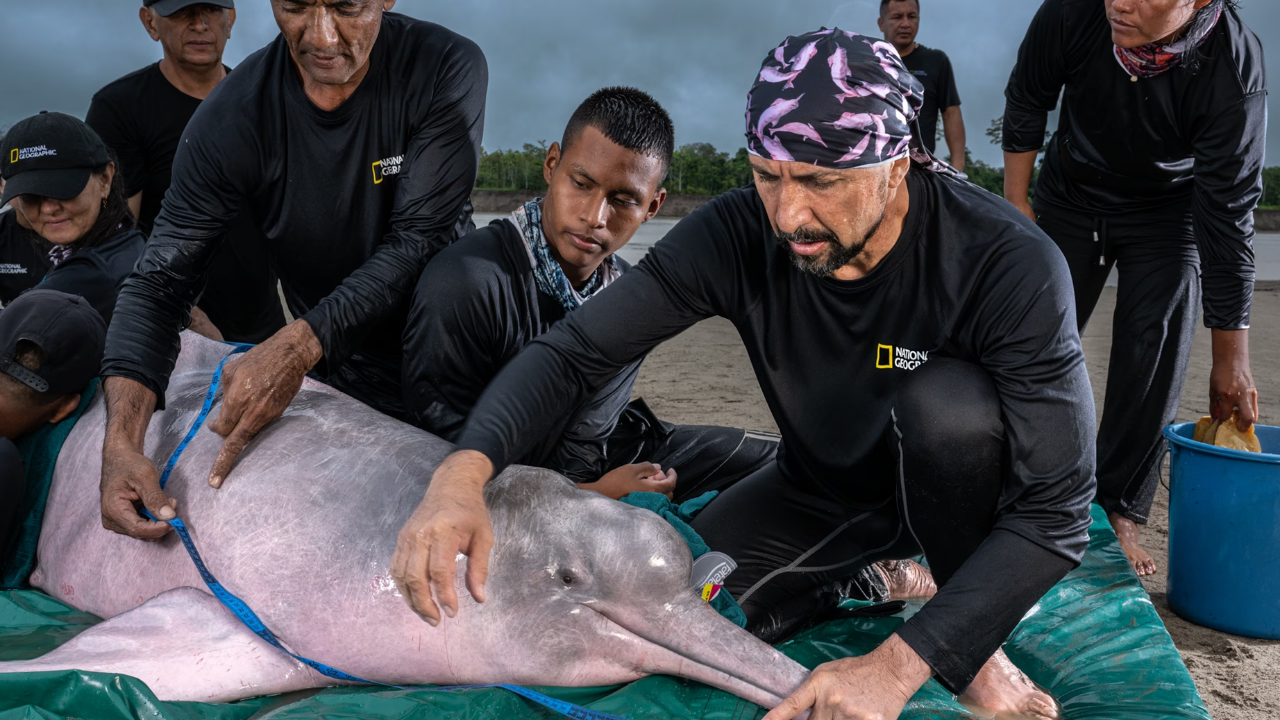
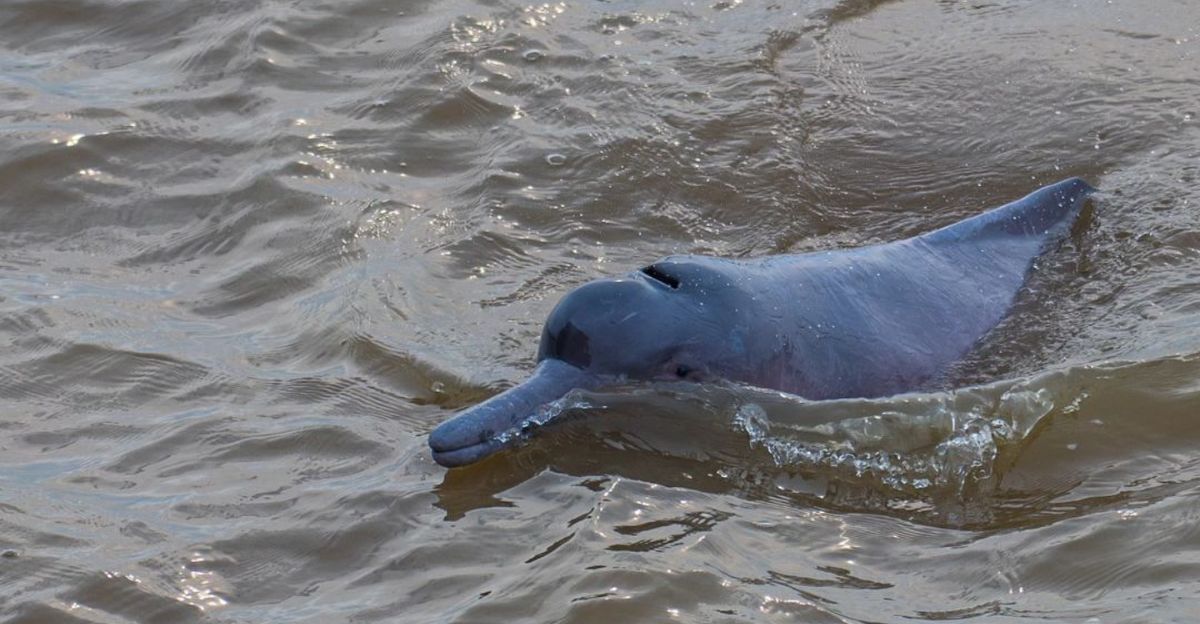
In September 2023, scientists in Brazil were stunned by a heartbreaking scene: 153 river dolphins floating lifelessly in Lake Tefé. It was the first time in history that such a mass death was directly linked to extreme heat in the Amazon. These dolphins, the pink Boto and the smaller Tucuxi, are symbols of the rainforest’s biodiversity. When they began dying suddenly, researchers knew something extraordinary had happened.
The Amazon’s vast ecosystem is known for its resilience, but even it has limits. This tragedy wasn’t just about one lake, it was a signal to the world that climate change is tightening its grip on even the most remote corners of our planet, threatening both wildlife and human livelihoods.
A Lake Hotter Than a Hot Tub
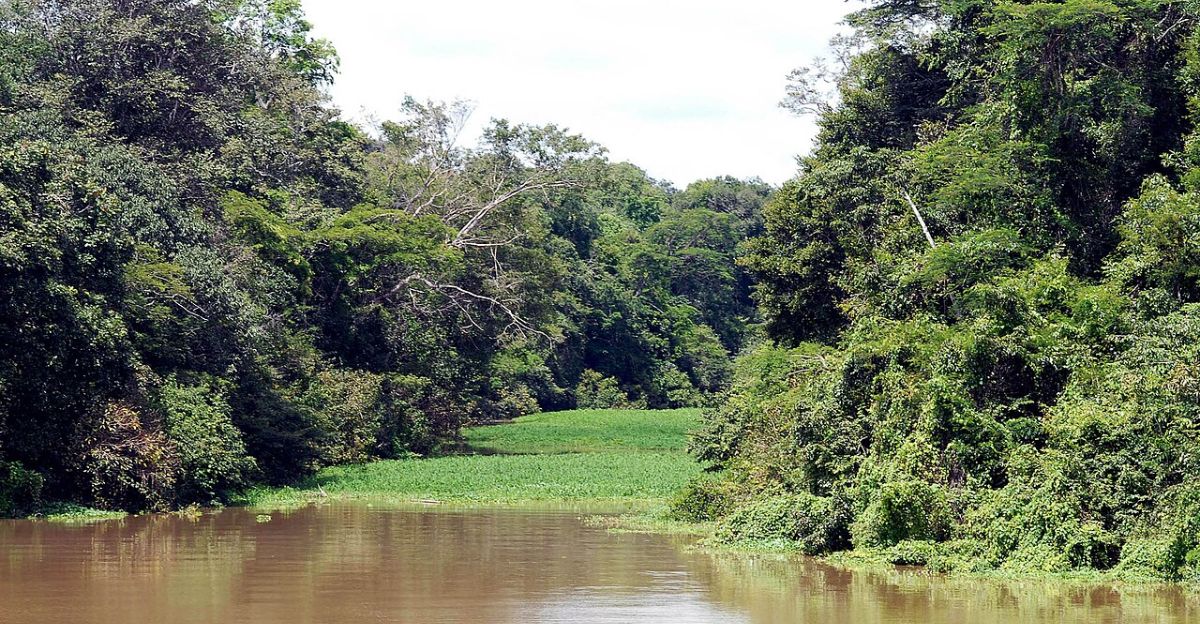
Lake Tefé reached a staggering 105.8°F across its entire depth, hotter than most hot tubs. Such heat turned the shallow Amazonian lake into what scientists called a giant, boiling Jacuzzi for aquatic life. Normally, water that is warm might only occur in sunbaked puddles. But this heat spread through the entire 2-meter column, leaving no safe hiding place for fish, plankton, or dolphins.
This record-breaking temperature shattered previous readings taken in the region. The warmth came not just from the sun but also from unusually still winds and reduced rainfall.
“It Felt Untouchable”
When researchers first arrived, they were struck by how physically unbearable the water felt. “It was like touching boiling bathwater,” said lead study author Ayan Fleischmann. The team used long-handled thermometers because direct contact was impossible for more than a few seconds at a time.
Local fishermen shared similar stories, describing how fish had entirely vanished overnight. This firsthand experience revealed a terrifying reality, when water temperatures climb past 100°F, it becomes inhospitable to nearly all freshwater life.
Drought Turned Disaster
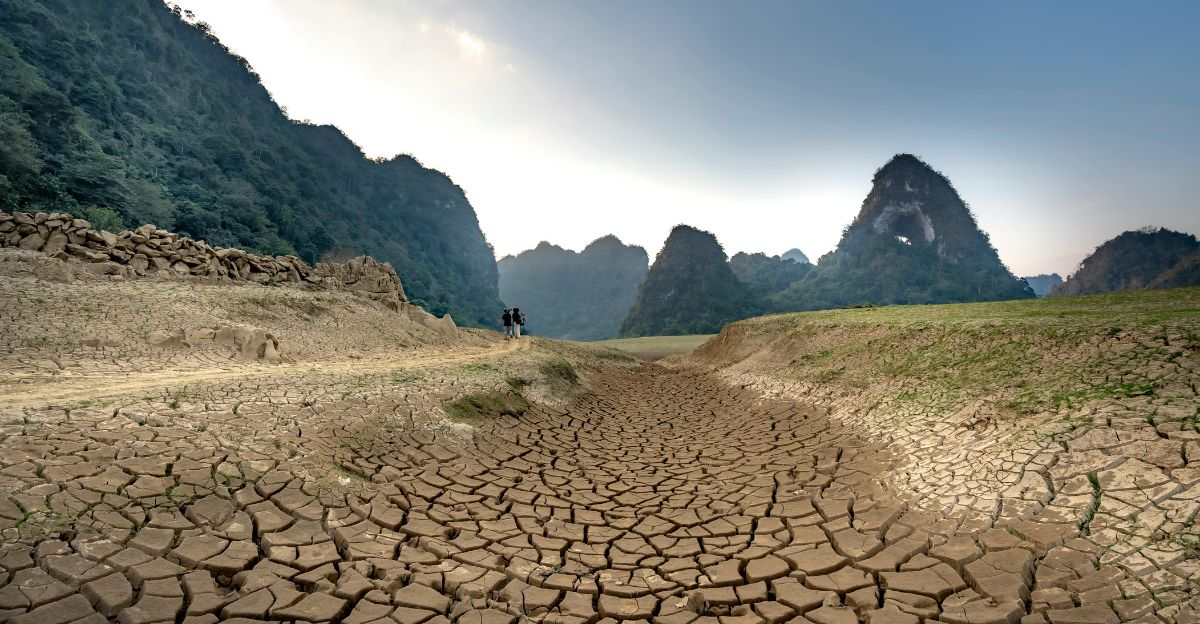
At the heart of this tragedy lay a historic drought. By late September 2023, Lake Tefé’s surface area had shrunk by nearly 75%. Rivers that normally replenished their waters slowed to a trickle. The receding shoreline exposed vast mudflats and stranded aquatic creatures.
Evaporation rates skyrocketed, leaving behind concentrated pockets of hot, stagnant water. This was not a single-day event, it built up over weeks.
Trapped With Nowhere to Go
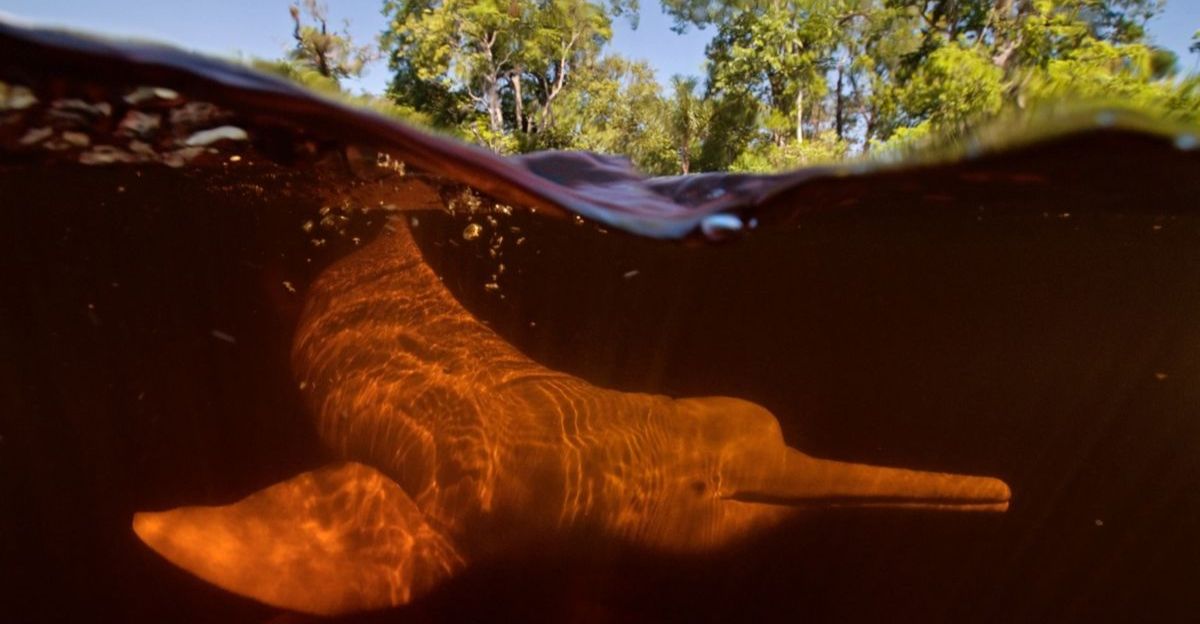
The dolphins of Lake Tefé found themselves trapped in a shrinking, overheating world. Normally, these intelligent creatures move freely through river channels to cooler areas. But with the drought isolating the lake, all exits vanished. The heat had penetrated its entire 2-meter depth, leaving no cooler refuge.
Unlike marine dolphins that can dive deep to escape heat, river dolphins are confined to shallow, often sediment-filled waters. That limitation proved deadly.
One Deadly Week
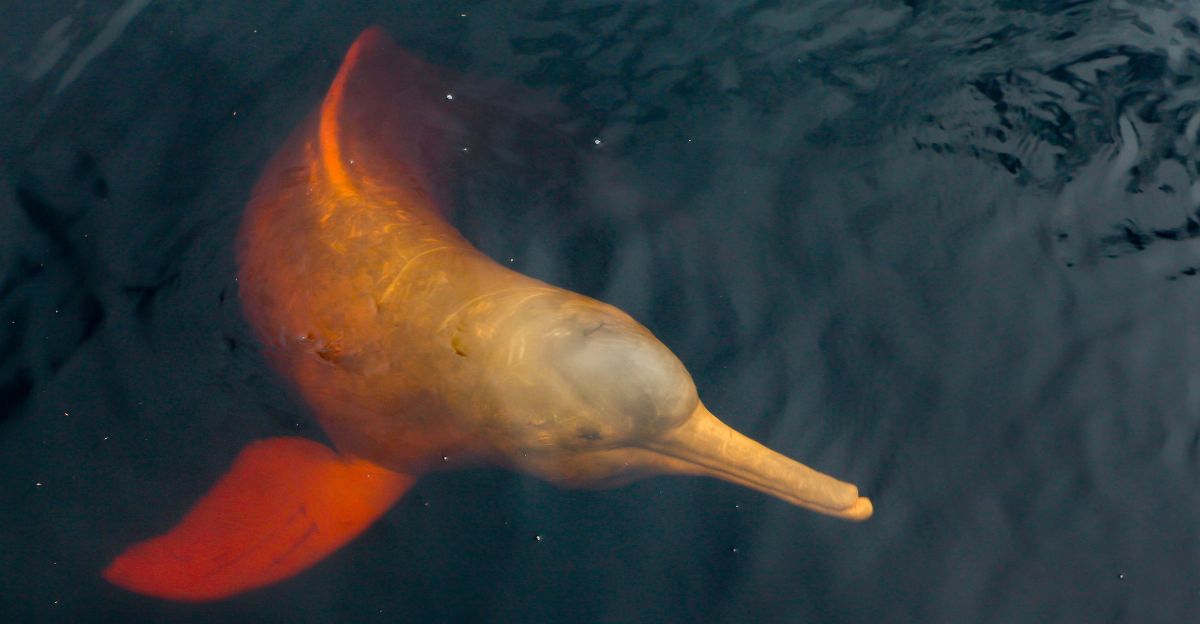
Between September 23 and 30, 2023, the deaths occurred almost back-to-back. Local communities counted 130 pink dolphins and 23 tucuxis. Emergency teams from Brazil’s Mamirauá Institute and international scientists arrived to investigate. The rapid timeline astonished them.
The speed of the event revealed how sharp temperature spikes can collapse entire aquatic ecosystems overnight.
Climate Change’s Fingerprints
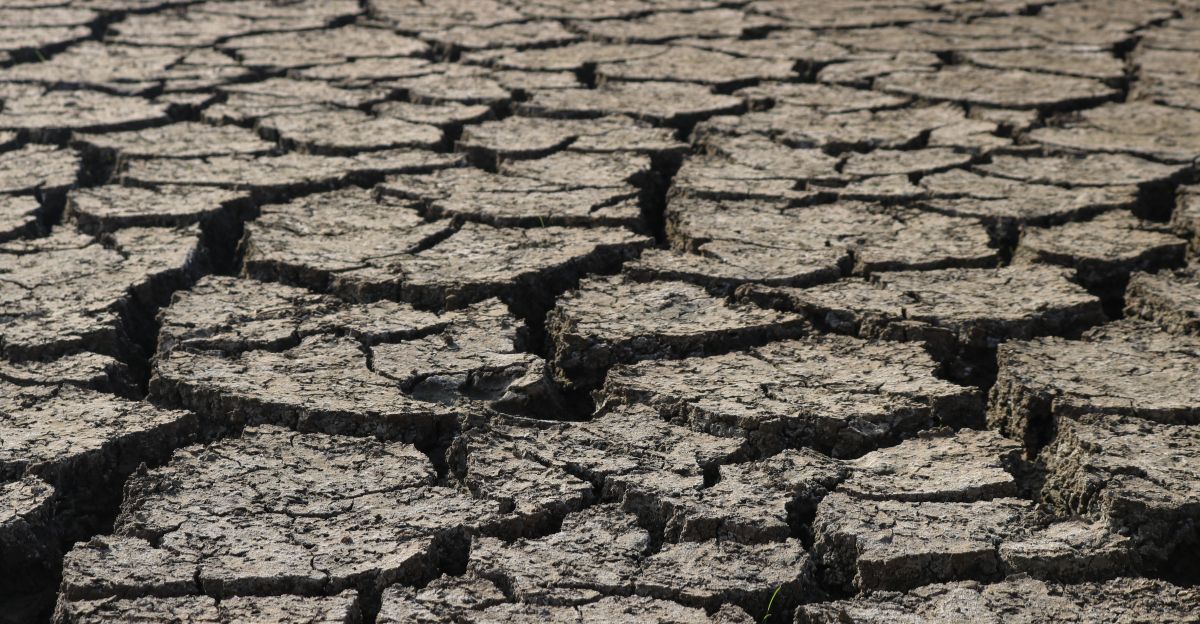
Scientists have little doubt that this catastrophe was fueled by global warming. The study concluded that the event was caused by several climate anomalies exacerbated by human-induced greenhouse gases. Rising regional temperatures and disrupted weather patterns set the stage for prolonged droughts, reduced cloud cover, and increased solar radiation intensity.
The tragedy in Lake Tefé wasn’t a freak occurrence but part of a pattern seen worldwide. Researchers emphasize that such extreme events in the tropics are becoming alarmingly frequent.
Collapsing Ecosystem
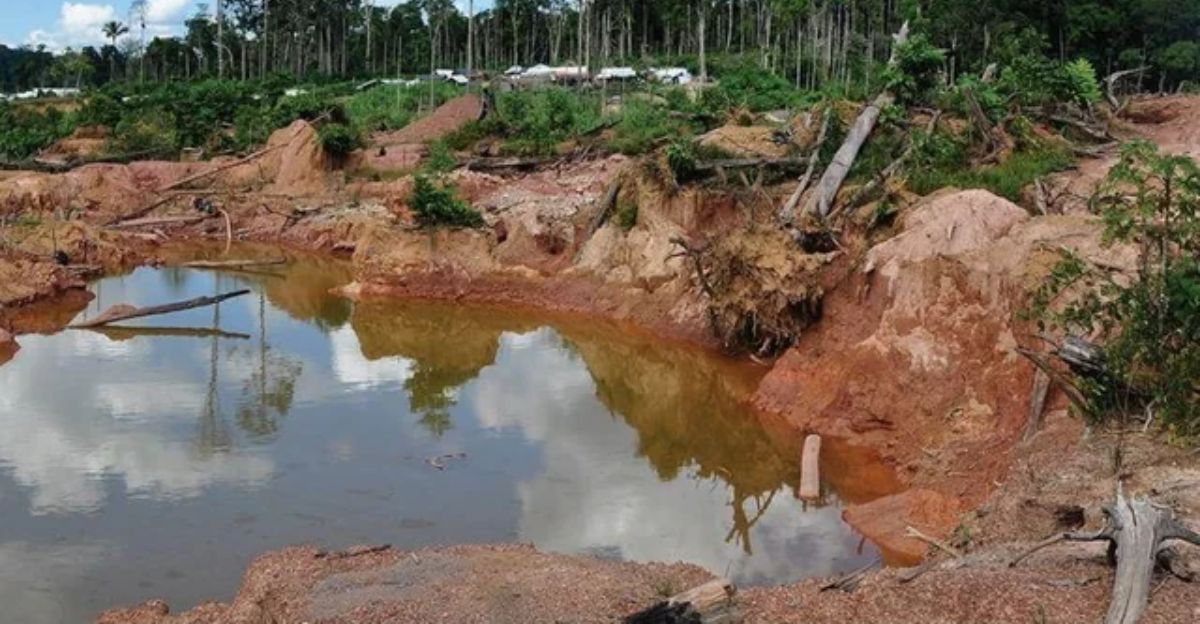
While global headlines focused on the dolphins, the disaster also wiped out countless fish and smaller organisms. As temperatures spiked, oxygen levels fell dramatically, suffocating aquatic life. A massive bloom of heat-stressed phytoplankton turned the lake a reddish hue, signaling ecosystem collapse.
This mass die-off triggered ripple effects throughout the food chain, birds lost prey, people lost food sources, and water quality plummeted.
A Warming Amazon
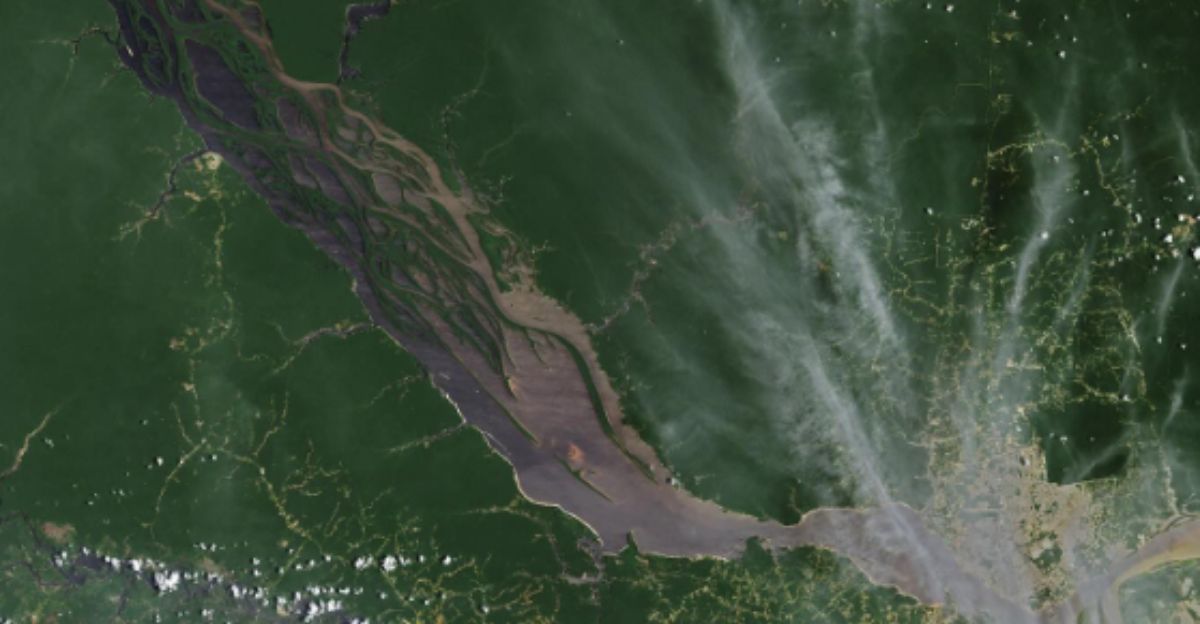
NASA satellite data confirmed what scientists feared: Amazonian lakes are heating up much faster than most bodies of water on Earth. Since the 1990s, the average temperature of these lakes has increased by about 33°F every decade, almost twice the global average.
That pace makes the Amazon one of the fastest-warming aquatic regions on the planet. This warming trend weakens the ecosystem’s natural balance. Cooler, oxygen-rich water that once nourished life now struggles to exist under persistently hot conditions.
Not Just One Lake’s Story
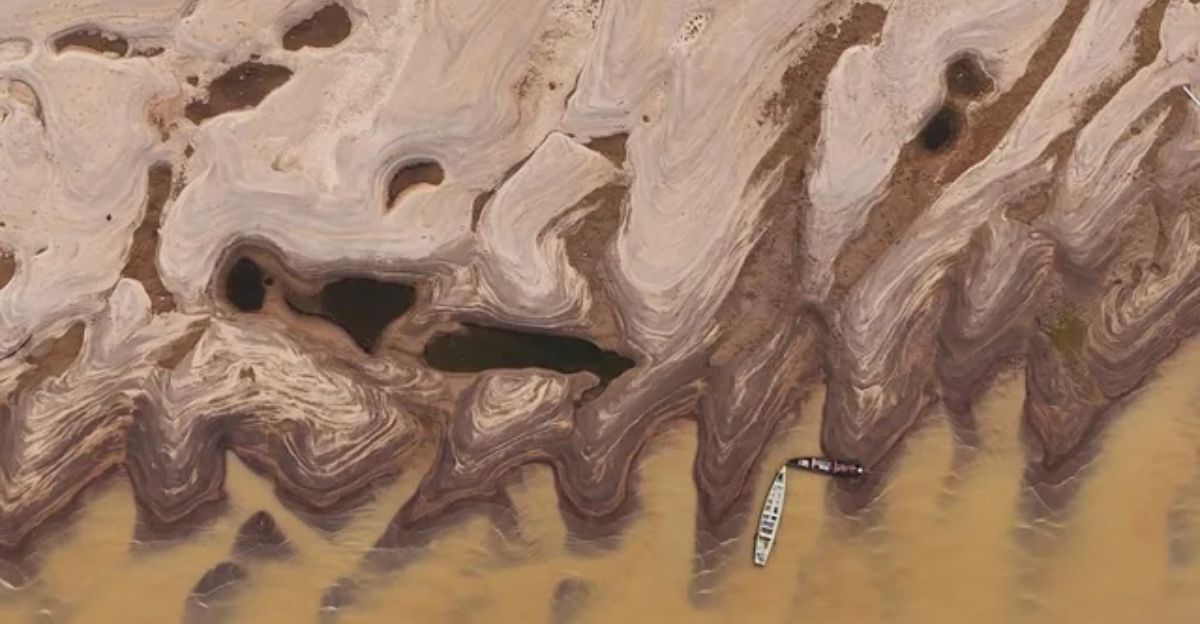
To understand whether Lake Tefé was an exception or part of a broader pattern, researchers studied 10 central Amazon lakes. These findings were deeply unsettling. The study showed that such extreme heat wasn’t limited to small, shallow lakes but was appearing across the Amazon Basin.
In every case, drought, high sunlight, and still air combined to raise temperatures beyond safe levels. The worrying takeaway is that what happened in Tefé could recur anywhere across the Amazon region under similar weather conditions, threatening fish stocks, migratory animals, and local communities who depend on consistent freshwater resources.
No Cool Relief at Night
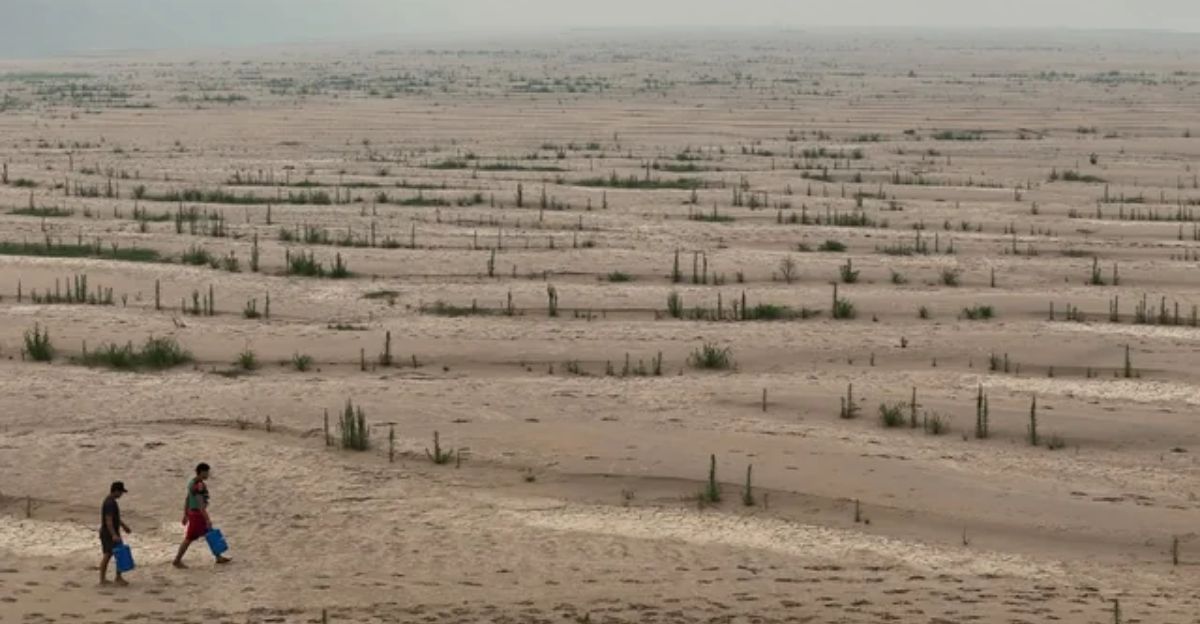
Even when the sun went down, the heat didn’t let up. Nighttime water temperatures in Lake Tefé remained as high as 80°F, meaning there was no recovery period for aquatic life. Normally, lower nighttime temperatures allow oxygen levels to rise, making it easier for fish and mammals to breathe.
But in this case, oxygen depletion continued around the clock. The temperature swing between night and day reached 57°F, too extreme for most species to cope with.
Peer-Reviewed Findings
After months of careful analysis, the research was peer-reviewed and published in Science on November 7, 2025. The study represented a joint effort by Brazilian and international teams. Their priority was to ensure transparency and share lessons with policymakers and conservationists worldwide.
It was more than a scientific summary, it was an urgent call to action. The peer review process confirmed the data’s accuracy, ensuring that conclusions about climate change’s role were scientifically solid.
Modeling What Happened
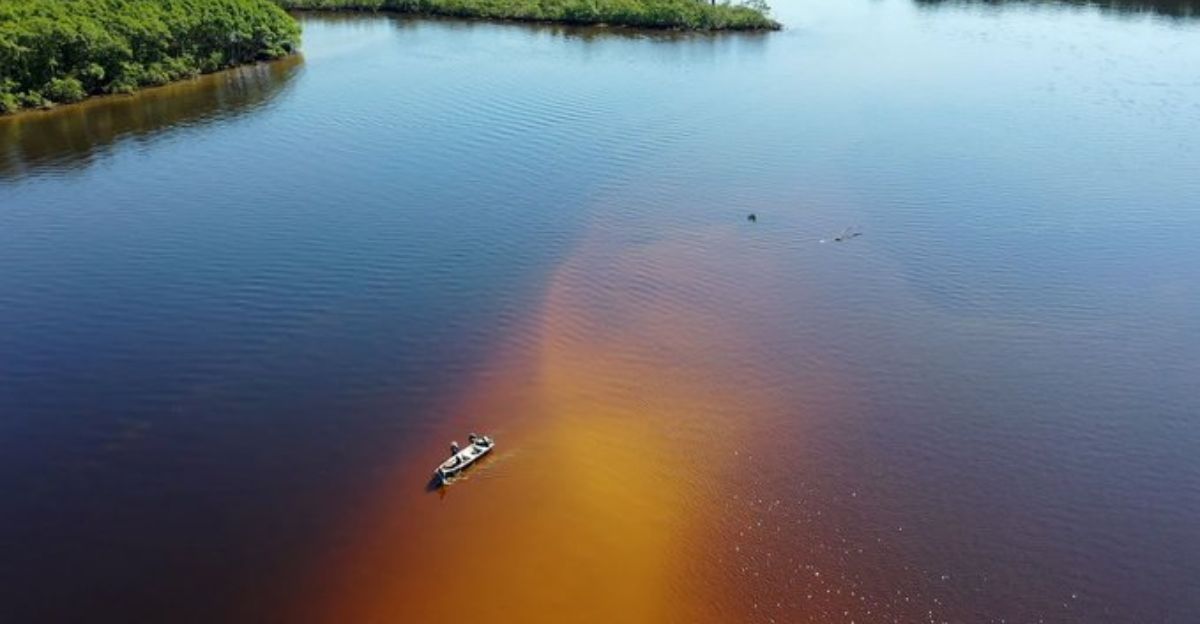
To understand why Lake Tefé overheated so rapidly, scientists turned to computer models. Those models identified four main culprits: intense solar radiation, shallow water depth, weak winds, and high water turbidity (cloudiness).
Each factor trapped more heat in the lake. With less wind to mix cooler layers or drive evaporation, the surface water became like a lid locking heat below. “The conditions combined in a devastating way,” said climatologist Bruno Rezende. The models also showed similar risks in other shallow, sediment-rich lakes in the Amazon.
Human Lives Entwined With the Lake
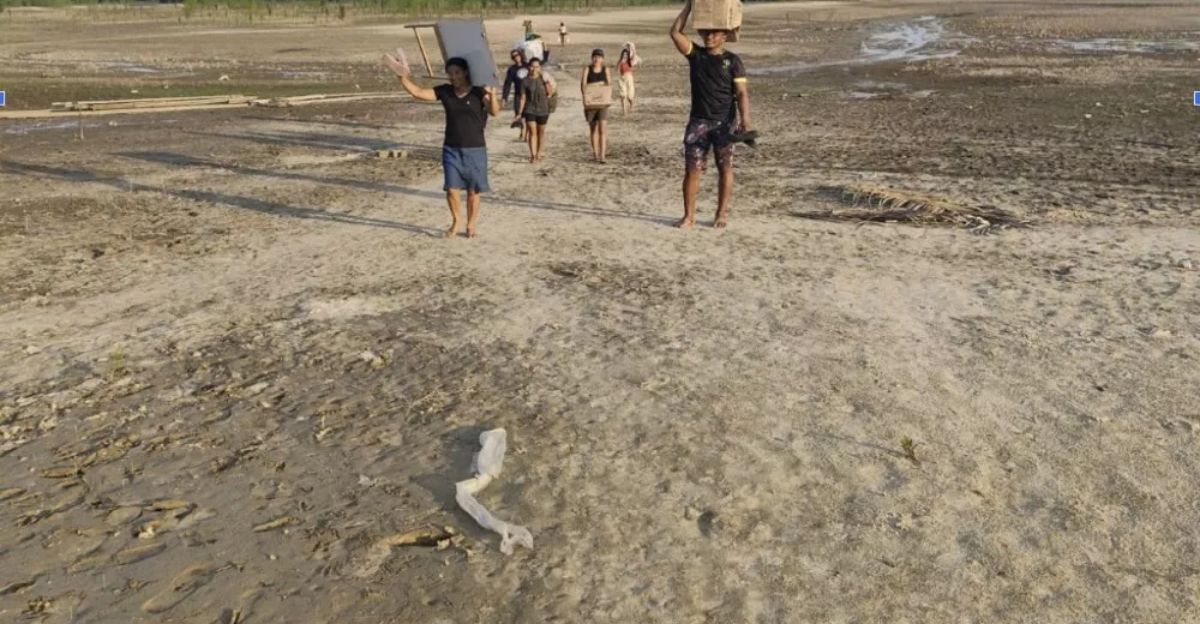
For communities living around Lake Tefé, the dolphin deaths were not only heartbreaking but also economically crippling. Villagers depend on the lake for fishing, drinking water, and small-scale agriculture. When fish died, food security collapsed. Some families began migrating to urban areas in search of income.
Contaminated water also increases health risks. Economic hardship deepened as tourism declined, further damaging local livelihoods. This tragedy revealed how climate-driven biodiversity loss can directly harm people who live closest to nature.
The Risk of a Repeat Tragedy
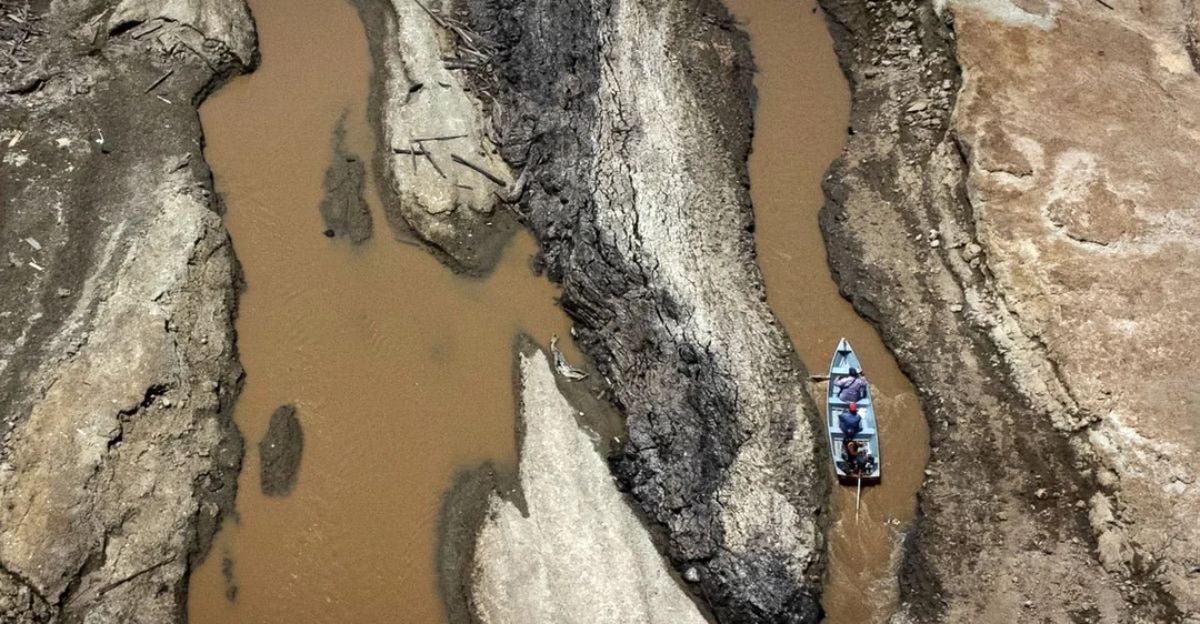
Just a year later, in 2024, another record-breaking drought hit the Amazon, once again drying rivers and endangering aquatic life. It showed that Lake Tefé’s disaster wasn’t a one-time event but part of a new, repeating climate pattern.
Droughts now arrive more often and last longer, driven by rising global temperatures and weakened rainfall cycles. Each dry spell squeezes more life out of the Amazon’s freshwater systems.
Documenting a First-of-Its-Kind Event
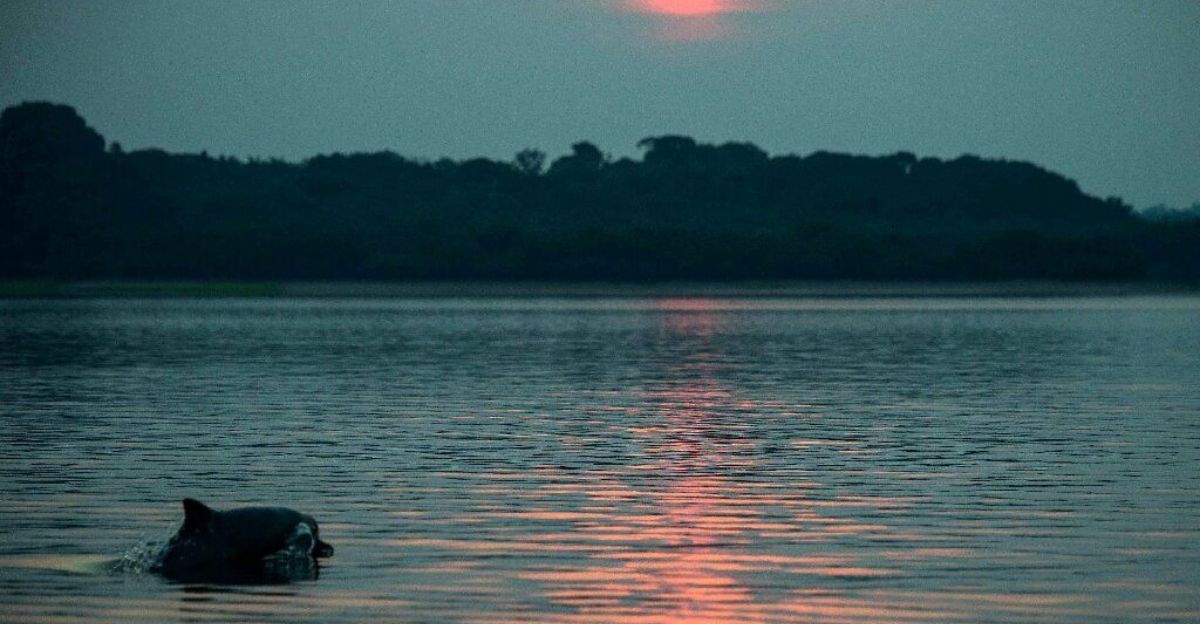
The 2023 Lake Tefé event is the first rigorously verified case linking dolphin mass deaths directly to extreme heat in Amazon waters. Researchers compiled every measurement, observation, and biological test available to confirm the cause.
The event has since become a critical reference point in environmental science, a data-rich case study proving how sudden heat spikes can kill even large mammals adapted to warm climates.
Lessons for the Future
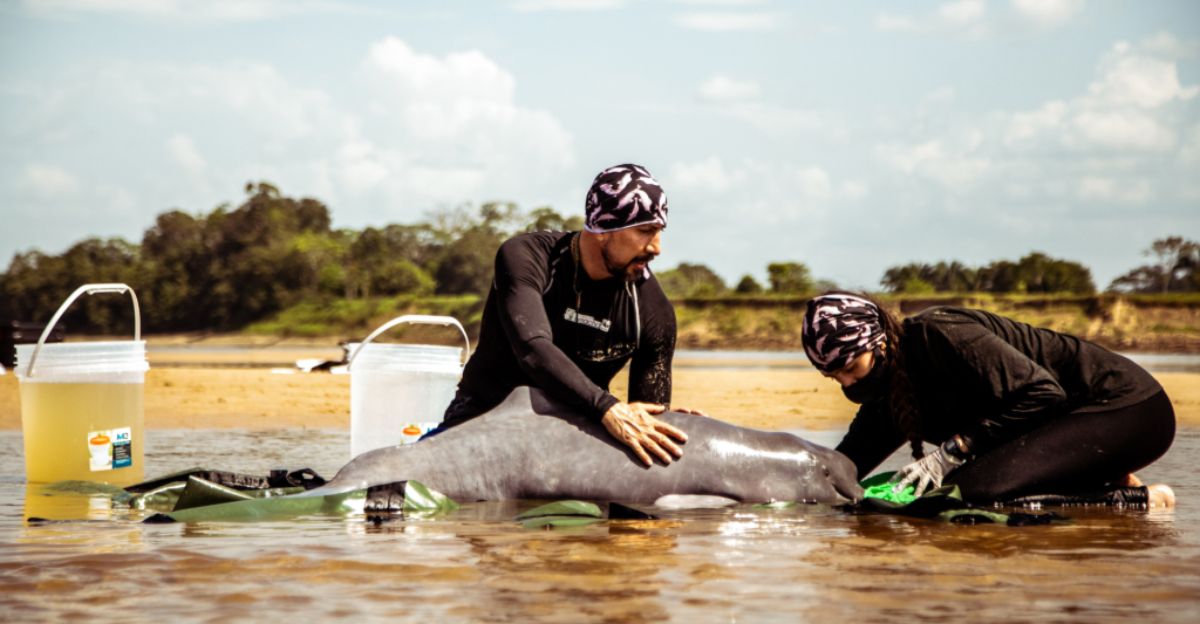
The dolphin tragedy taught researchers and local leaders that climate adaptation must be immediate, not theoretical. Sudden ecosystem collapses show the real-world effects of rising heat levels, especially in tropical regions. Scientists argue that the Amazon’s freshwater systems should be part of national heat-alert networks, just like urban heat waves.
Community-led lake monitoring stations, supported by governments and NGOs, can serve as early warning systems.
Including Indigenous Knowledge
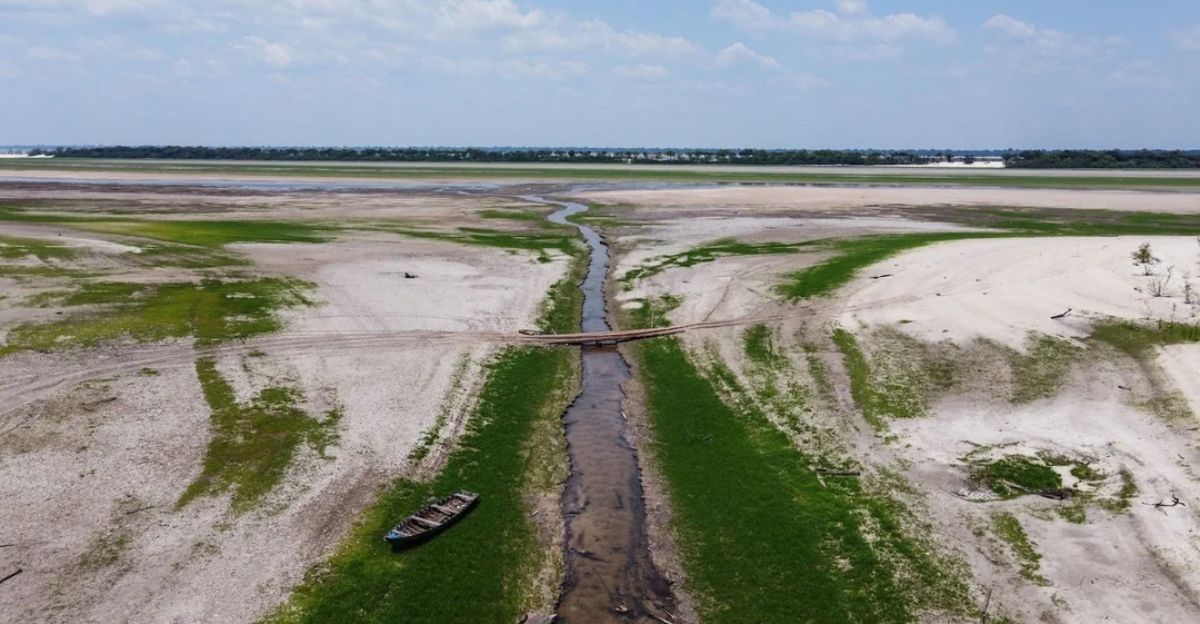
Indigenous communities around Lake Tefé have long been attuned to the rhythms of the Amazon. Their observations complement scientific data. Elders noticed the lake felt wrong weeks before the die-off, describing how the water lost its usual clarity and smell.
Their firsthand connection to the land and seasons provides an early sense of looming threats that technology alone may miss. The call for partnership is growing, recognizing that protecting the Amazon requires both modern research and ancestral knowledge.
Policy and Global Response

At the United Nations COP30 climate summit, held after the study’s publication, Lake Tefé became a symbol of the urgent need for reform of environmental policies. Researchers used it as evidence that climate change is killing biodiversity faster than recovery systems can respond. Governments were urged to fund conservation, improve river connectivity, and monitor tropical lakes continually.
The tragedy also pushed discussions on financing local adaptation programs, especially in vulnerable tropical nations. Policymakers began recognizing that without swift, coordinated action, climate-driven losses will soon outpace scientific and technological capabilities to prevent them.
A Call to Defend the Living Amazon
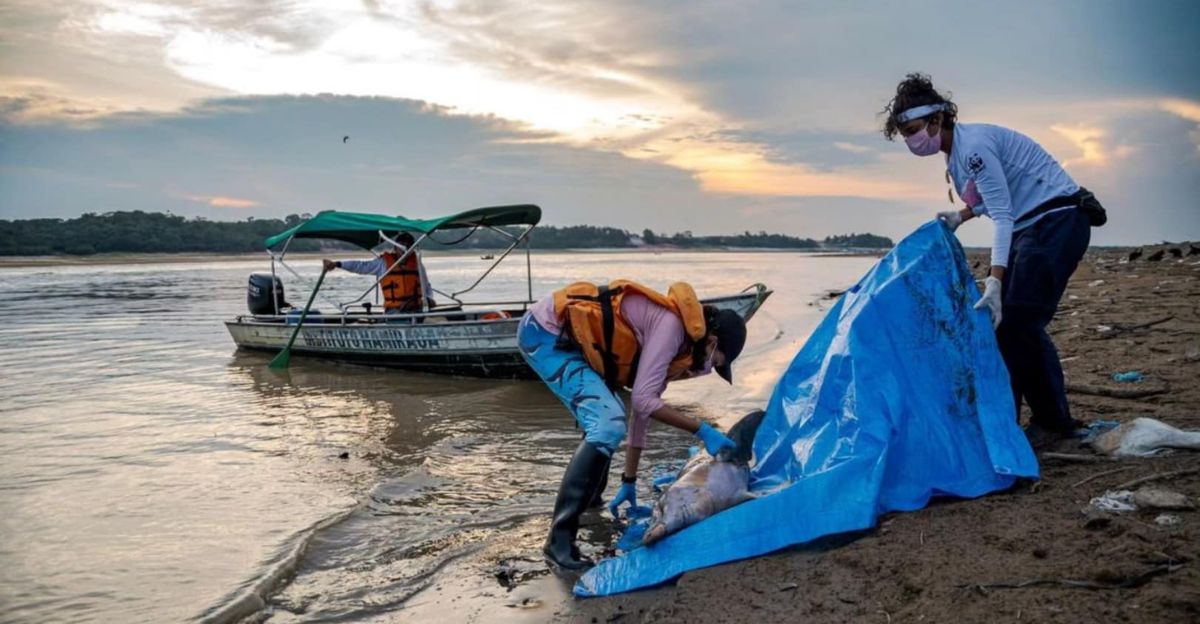
The deaths in Lake Tefé were a tragic reminder that the Amazon, often described as Earth’s heartbeat, is faltering. Scientists, communities, and international leaders now view this event as a wake-up call. Protecting the forest is no longer just about trees; it’s about preserving water, life, and culture.
The lake’s story resonates globally, symbolizing the cost of inaction in a warming world. Restoring hope means reducing emissions, empowering local voices, and funding ecological recovery.