
A tiny, 3-millimeter creature burrows into a centuries-old white oak in Oregon’s Willamette Valley, quietly damaging the tree from the inside. The invader’s small form works its way through the bark, spreading a deadly fungus as it moves deeper.
At first, the tree seems fine, but soon its branches begin to wither—an unmistakable sign of imminent death. The danger is stealthy, and the question looms: how far has this silent threat spread, and what is its true impact?
Expanding Strike Zone
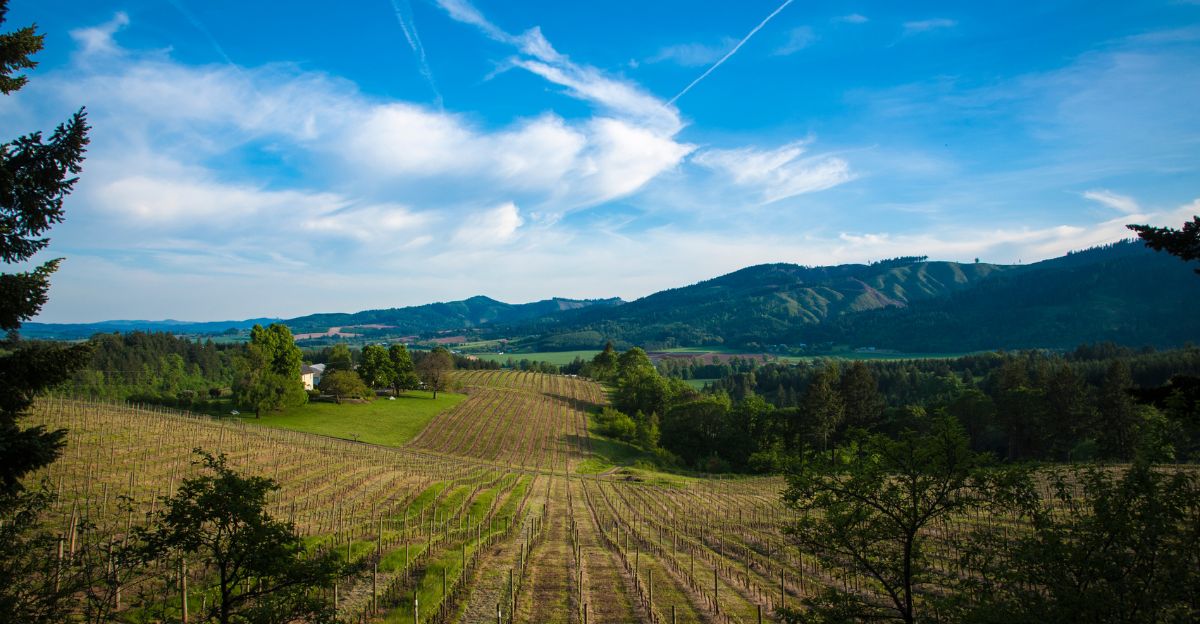
This tiny threat is rapidly spreading across Oregon’s Willamette Valley, now confirmed in Marion and Polk counties through over 30 traps. With its expansion, millions of residents in oak-rich areas find themselves in its growing “strike zone.”
The full extent of its reach is still unclear, but its presence is becoming increasingly alarming, leaving communities at risk.
Foreign Invader
Originally from Europe and parts of North Africa, this pest typically targets weakened trees, aiding in decomposition. However, in the U.S., it has turned into a major threat.
Experts believe it arrived through international trade, likely hidden in firewood or timber shipments. First detected in California in the 2010s, it has now spread to Oregon, turning from a harmless decomposer into a serious ecological menace.
From Helper to Destroyer

In its native regions, this creature plays a role in breaking down dead trees, aiding in natural decomposition. But in the U.S., it has begun attacking healthy oak trees.
The females remain in a single tree for multiple generations, spreading harmful fungus that ultimately kills the tree. This drastic shift in behavior poses a serious threat to the centuries-old oaks that are vital to the local ecosystem.
Eradication Now Impossible
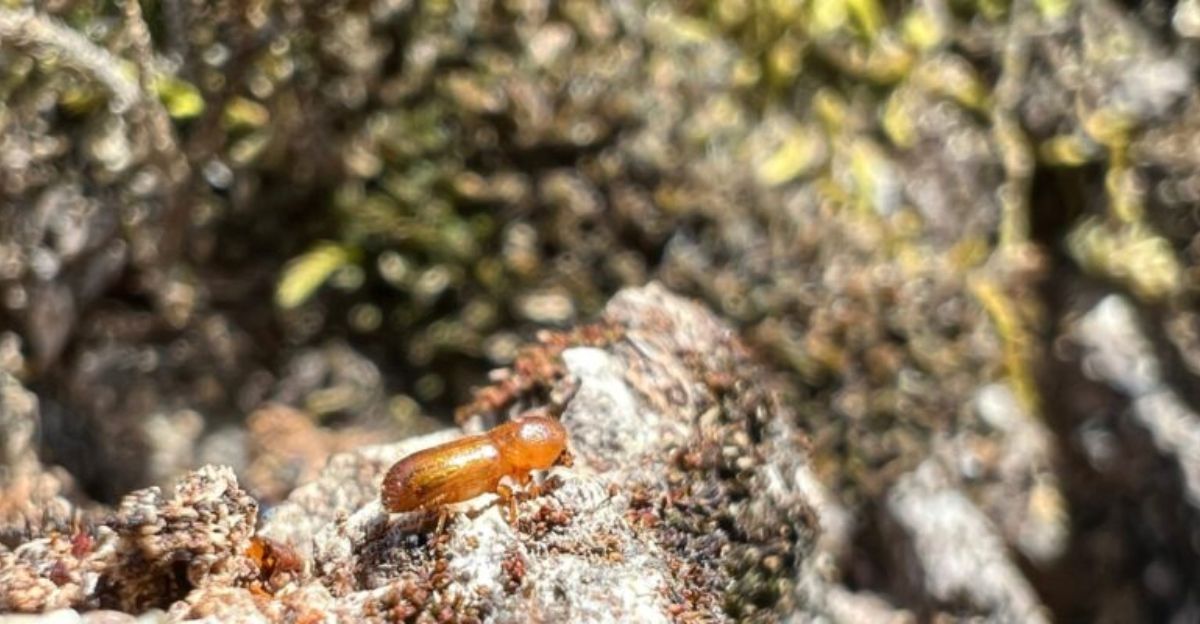
November 2025 marked a turning point in the battle against the Mediterranean oak borer. Oregon officials confirmed that the beetle is now “firmly and widely established” in the Willamette Valley.
With over 500 beetles caught in 30 traps, experts say the eradication window has closed. Now, the focus shifts from eradication to containment, as officials face the daunting task of managing the damage.
Targeting White Oaks
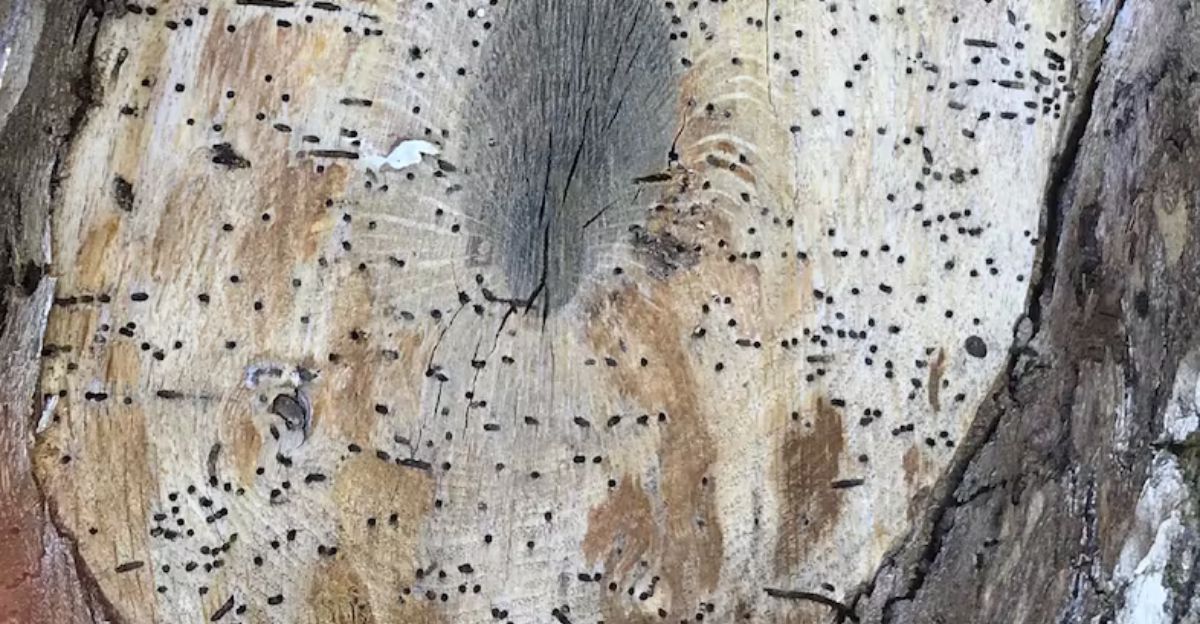
The Mediterranean oak borer’s primary target in Oregon is the white oak, a keystone species that plays a critical role in the local ecosystem. These majestic trees, capable of living for centuries, are now under threat.
With hundreds of trees already affected, the loss of these oaks would not only impact the local environment but also the carbon storage they provide, compounding the climate crisis.
Communities On Edge
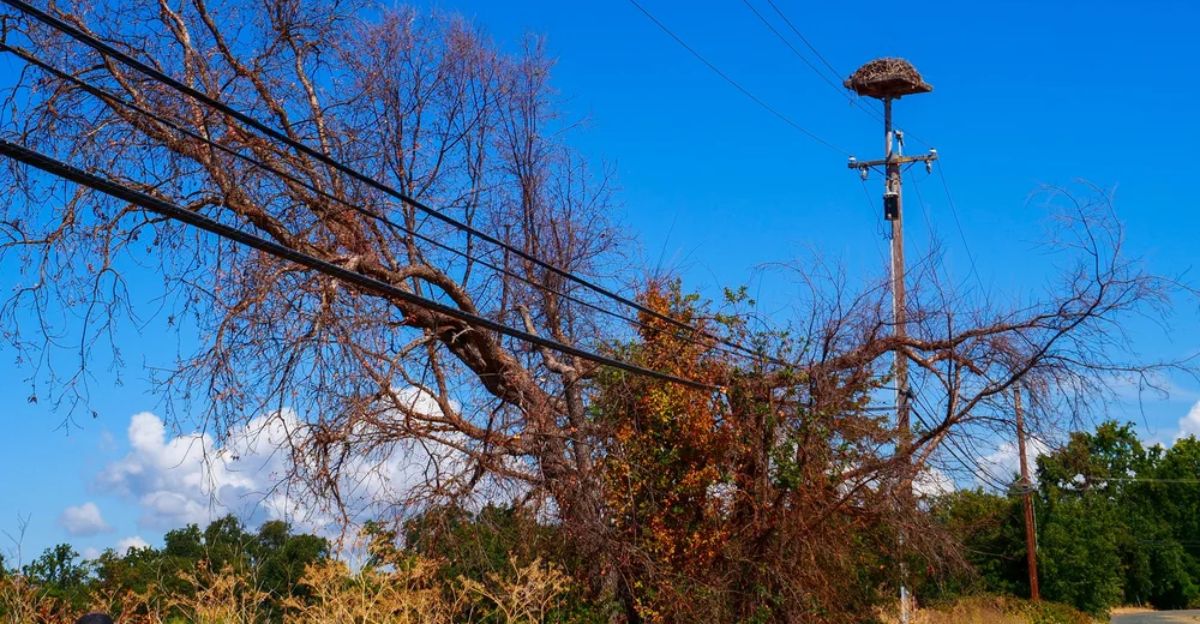
Residents in Marion and Polk counties, including the Salem area, are worried as the Mediterranean oak borer spreads through their neighborhoods.
The sight of dead branches, frass (sawdust-like material), and the rising cost of tree removal have left many landowners concerned. Communities that rely on these ancient trees for shade, beauty, and property value are bracing for the long-term effects of this invasive pest.
Front-Line Conservation
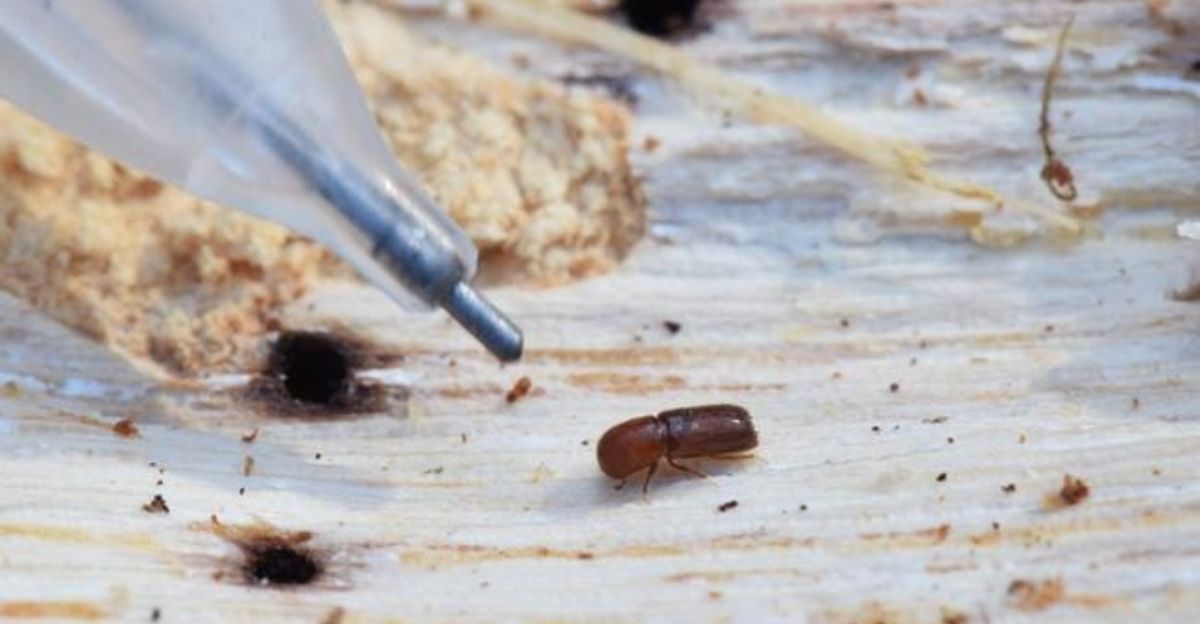
Conservation districts are mobilizing to educate residents on how to spot the Mediterranean oak borer early. Experts are advising homeowners to report any signs of infestation, such as wilting branches or frass.
Training sessions are being held to help the public recognize these early symptoms and take swift action to contain the beetle’s spread before it’s too late.
A Growing Threat
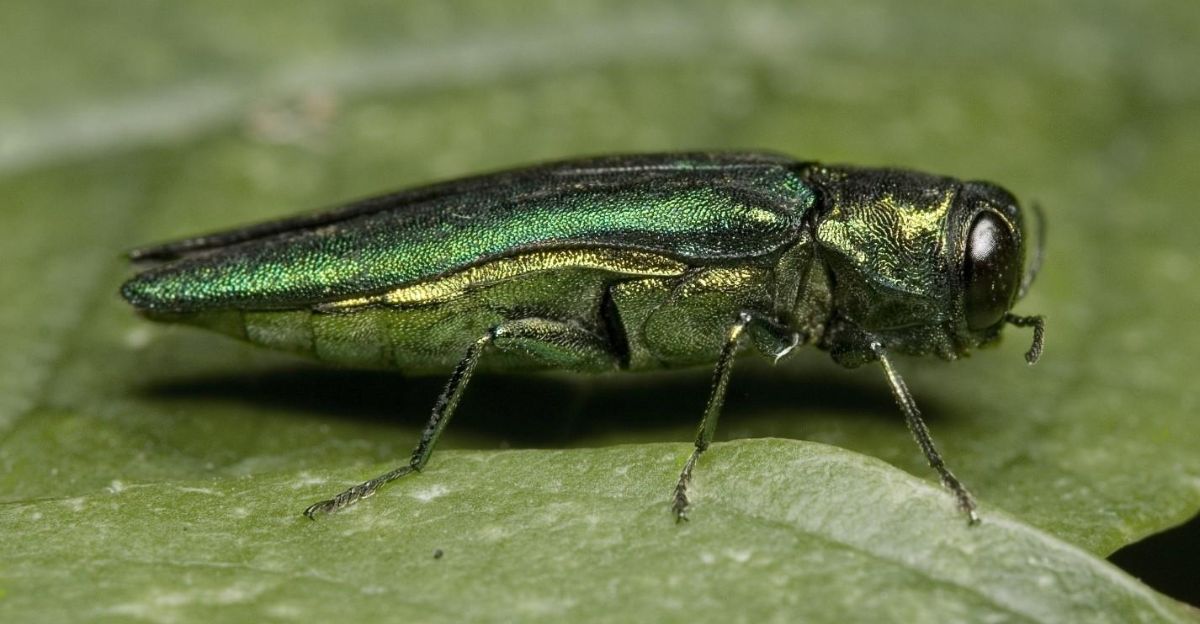
The Mediterranean oak borer is just one of many invasive species wreaking havoc in Western forests. Alongside the emerald ash borer, which is attacking ash trees, the oak borer is part of a broader trend of forest pests that are rapidly reshaping ecosystems.
Early detection is critical to controlling their spread, but experts warn that without immediate action, these pests could overwhelm local resources.
A Hidden Enemy
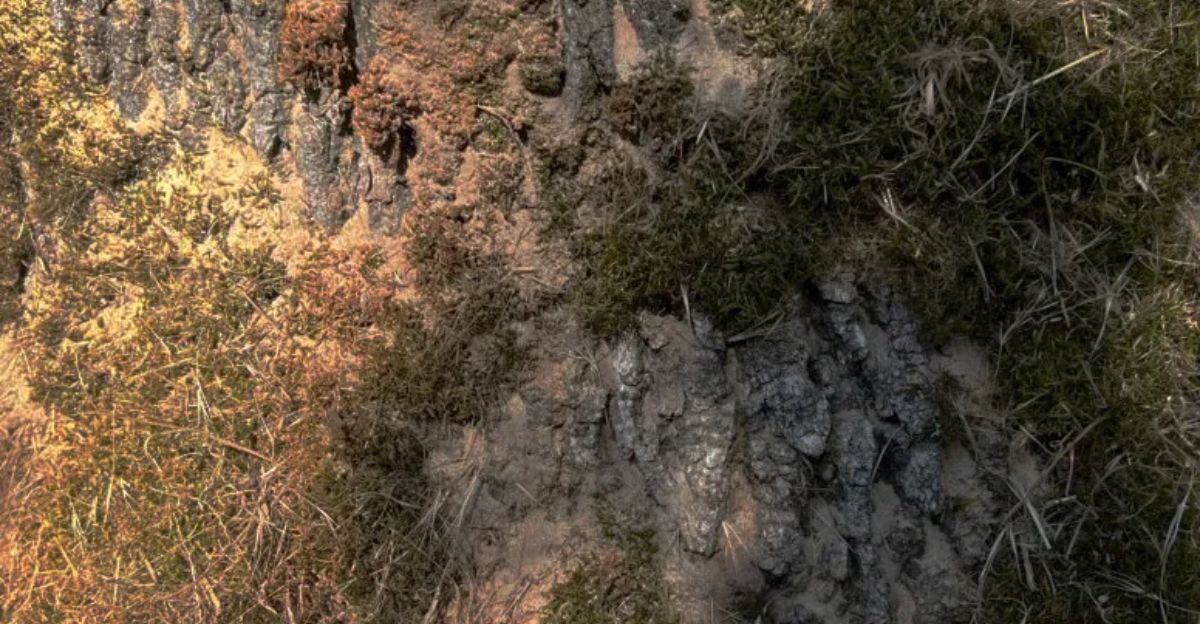
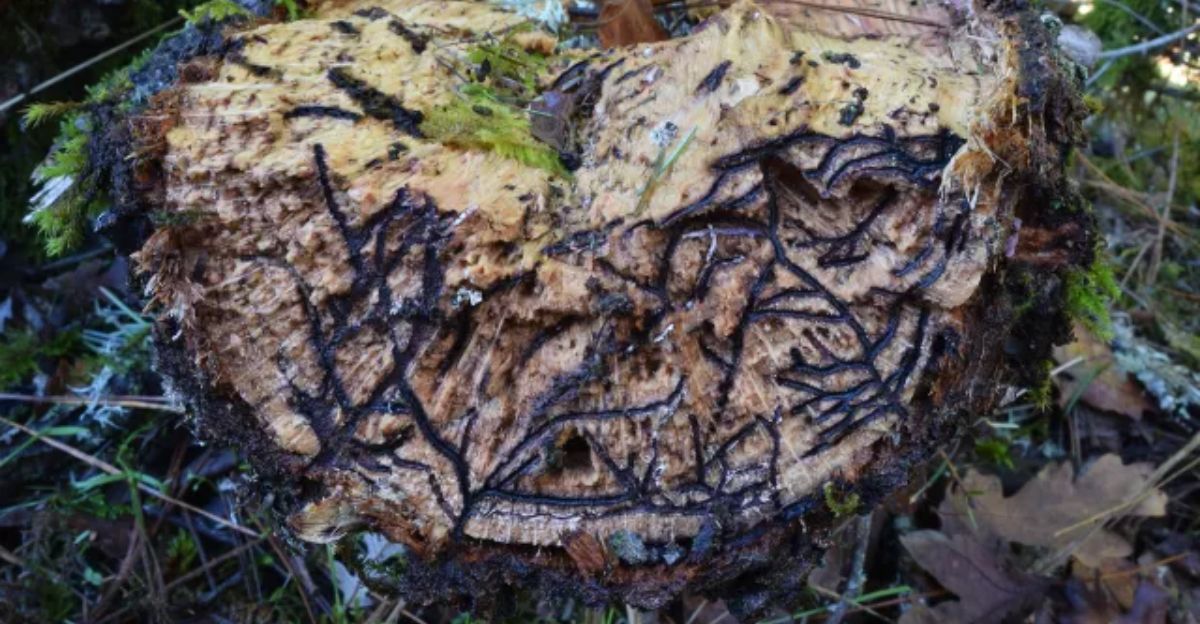
While the Mediterranean oak borer itself is tiny, it carries a dangerous fungal infection that infects oak trees. Even after the beetles are gone, the fungus can continue to damage and kill the tree.
This double threat—beetles and fungus—has already led to the decline of oak species in California. Oregon’s white oaks may soon face a similar fate if the infestation isn’t contained.
Warnings Grow Louder
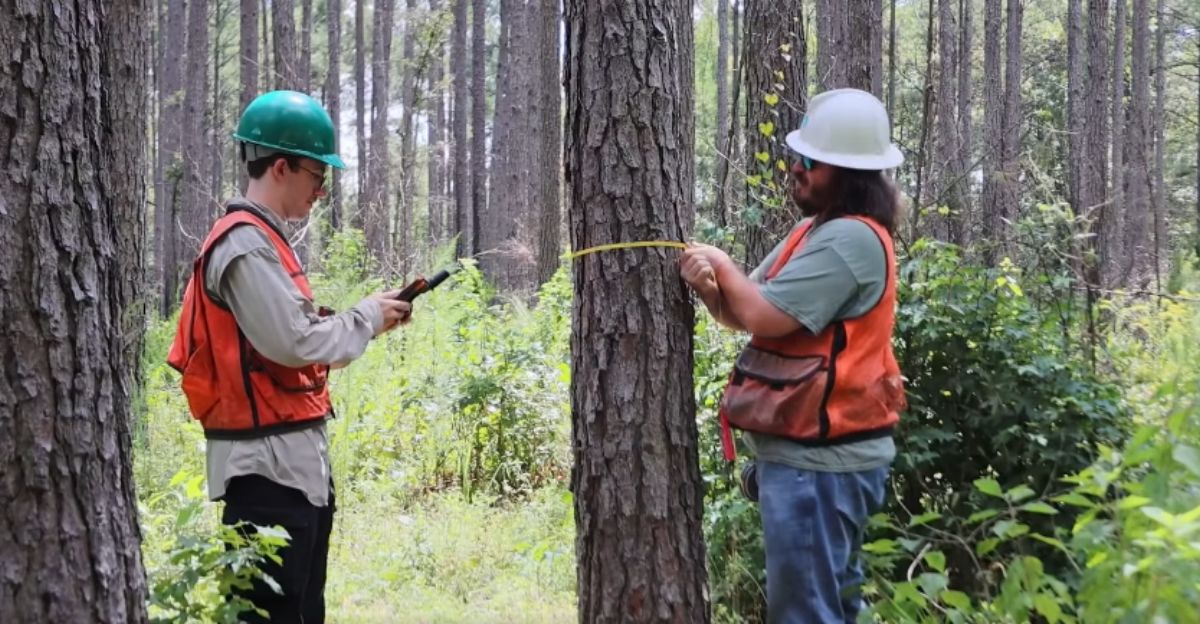
Entomologists and forest health experts are sounding the alarm. With the Mediterranean oak borer firmly entrenched in Oregon, officials are now focused on containment strategies.
Oregon’s Interagency Task Force, which includes entomologists from the Oregon Department of Agriculture, is working to expand surveillance and research efforts to better understand the beetle’s long-term impact.
Collaborative Response
A coordinated response is underway to manage the Mediterranean oak borer infestation. The Oregon Department of Agriculture leads identification and regulatory efforts, while the Oregon Department of Forestry conducts forest health surveys.
Together, with federal agencies and volunteers, they’re building a trapping network to monitor the beetle’s spread and engage the public in reporting infestations.
Containment Efforts
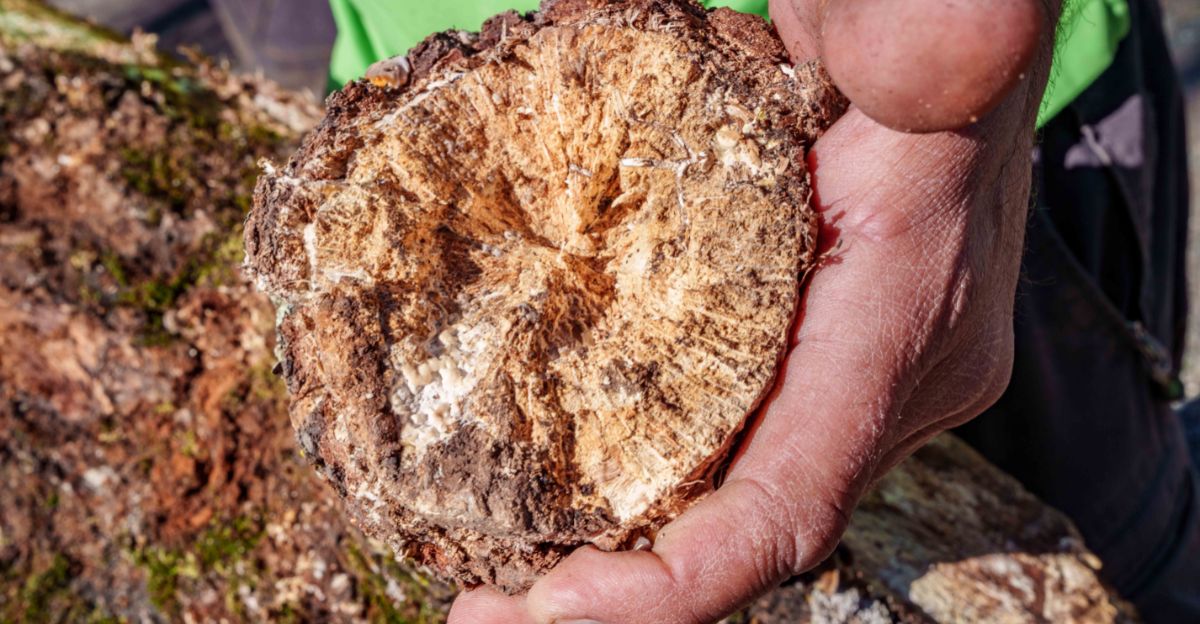
As the Mediterranean oak borer spreads, Oregon officials are shifting their strategy from eradication to containment. The focus is on removing heavily infested trees, safely disposing of wood, and preventing further spread.
Experts hope that by prioritizing containment, they can buy time to study the beetle’s behavior and learn which trees might resist the associated fungus.
What We Don’t Know
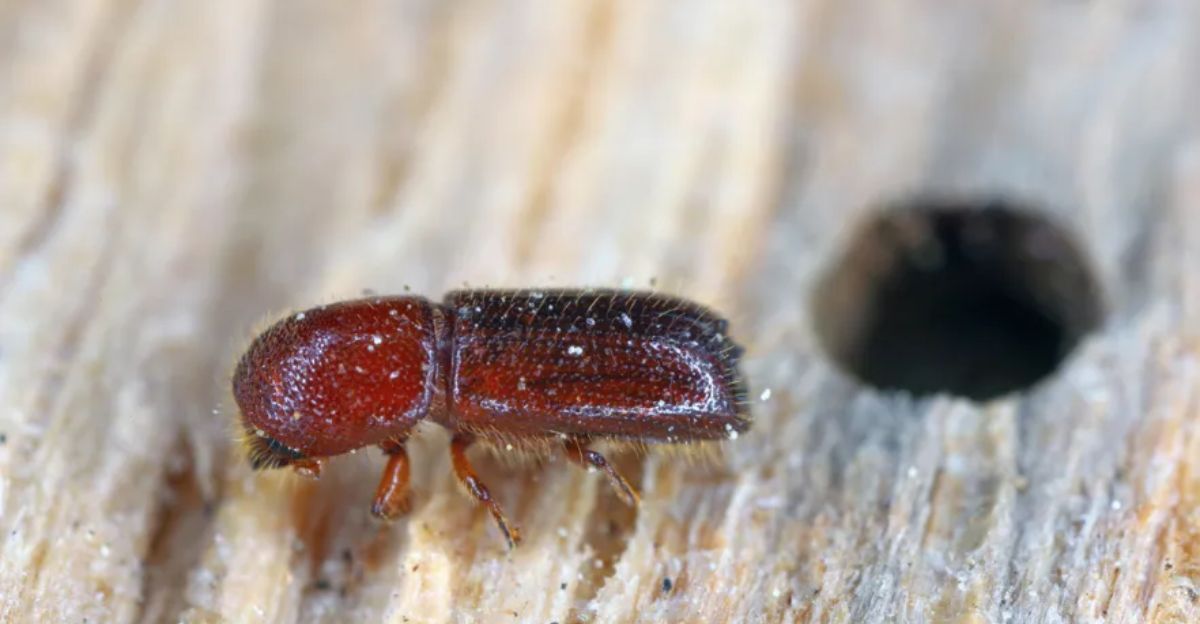
Despite the efforts to contain the Mediterranean oak borer, there is still much uncertainty. Scientists aren’t sure whether the beetle will only attack weakened trees or if it will target healthy ones as well.
There is also concern about how quickly the infestation could spread, with some experts predicting a rapid die-off of affected trees, similar to the devastation caused by the emerald ash borer.
Millions at Risk
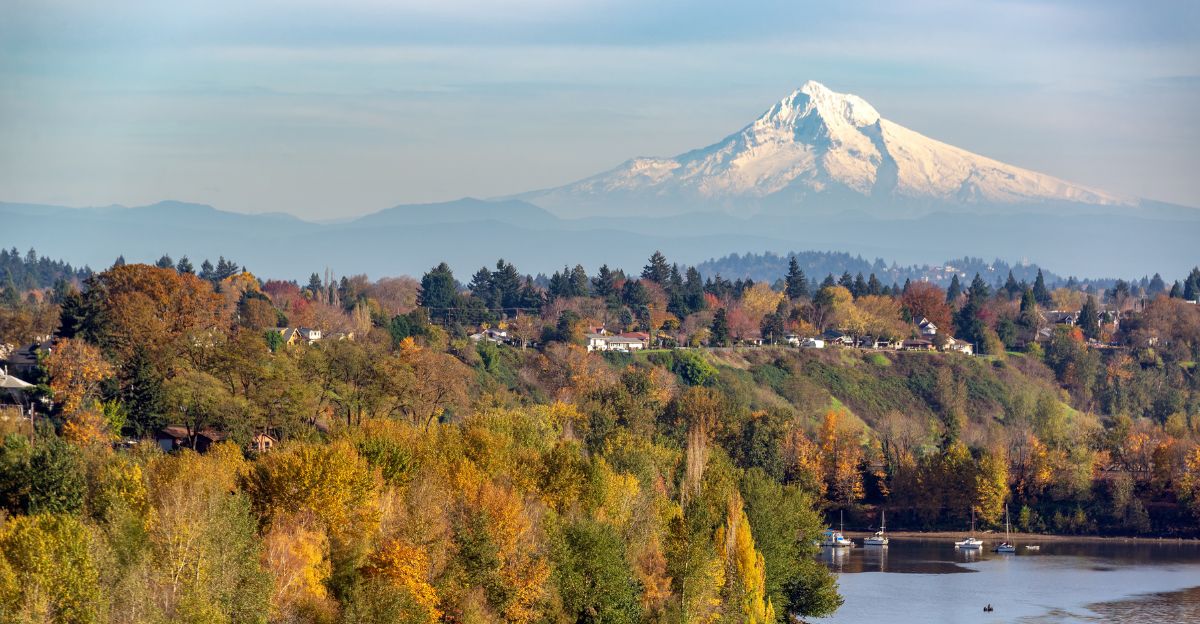
The Mediterranean oak borer threatens millions of people living in oak-rich regions across the U.S. With California’s population nearing 40 million and Oregon’s Willamette Valley home to hundreds of thousands more, the infestation could have far-reaching economic and environmental consequences.
As the beetle spreads, more communities will find themselves at risk, and the long-term effects are still unknown.
Firewood as a Pathway
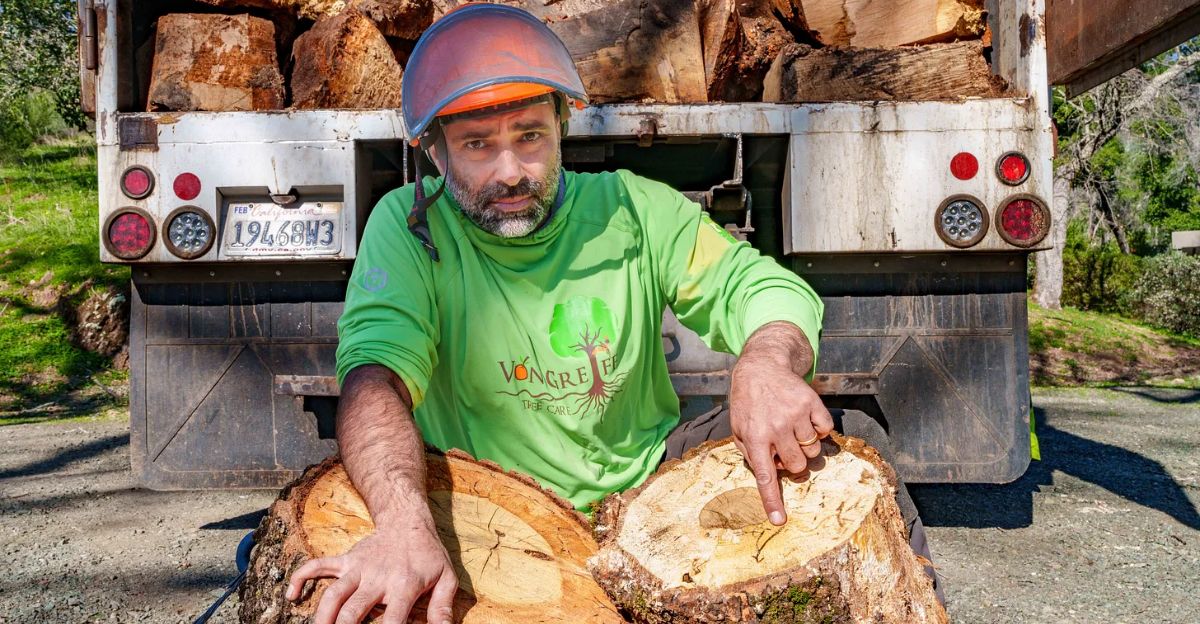
One of the biggest risks in containing the Mediterranean oak borer is the movement of firewood. State agencies are urging residents to follow the “Buy it where you burn it” rule to prevent the spread of infested wood.
Moving firewood across state lines or even between counties could inadvertently transport the beetle and its damaging fungus to new areas.
Watching for the Spread
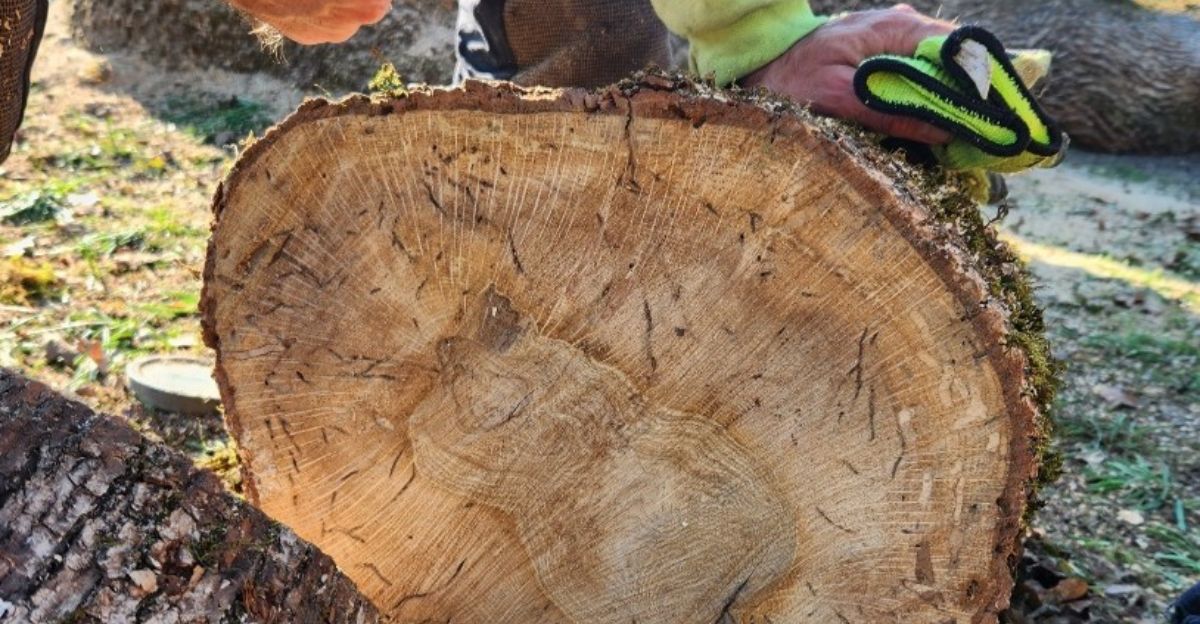
Though the Mediterranean oak borer primarily affects California and Oregon, neighboring states are closely monitoring the situation.
Washington, in particular, is paying attention, as its oak and ash species could also be at risk. Cross-border learning and collaboration will be essential in addressing the spread of this destructive pest, especially if it moves further north or east.
Ecological Consequences

The loss of white oak trees would have serious ecological consequences. These trees provide critical habitat for wildlife, support pollinators, and help mitigate climate change by storing carbon.
If the Mediterranean oak borer continues its rampage, it could disrupt these ecosystems, contributing to habitat loss, reduced carbon sequestration, and increased wildfire risk due to dead wood accumulation.
Cultural and Generational Loss

In communities like those in Oregon’s Willamette Valley, large white oaks are more than just trees—they are cultural landmarks. For generations, families have lived near these trees, and they have played an important role in local traditions.
The potential loss of these trees due to invasive beetles would represent a profound cultural loss for the region, erasing a connection to the past.
A Test of Preparedness
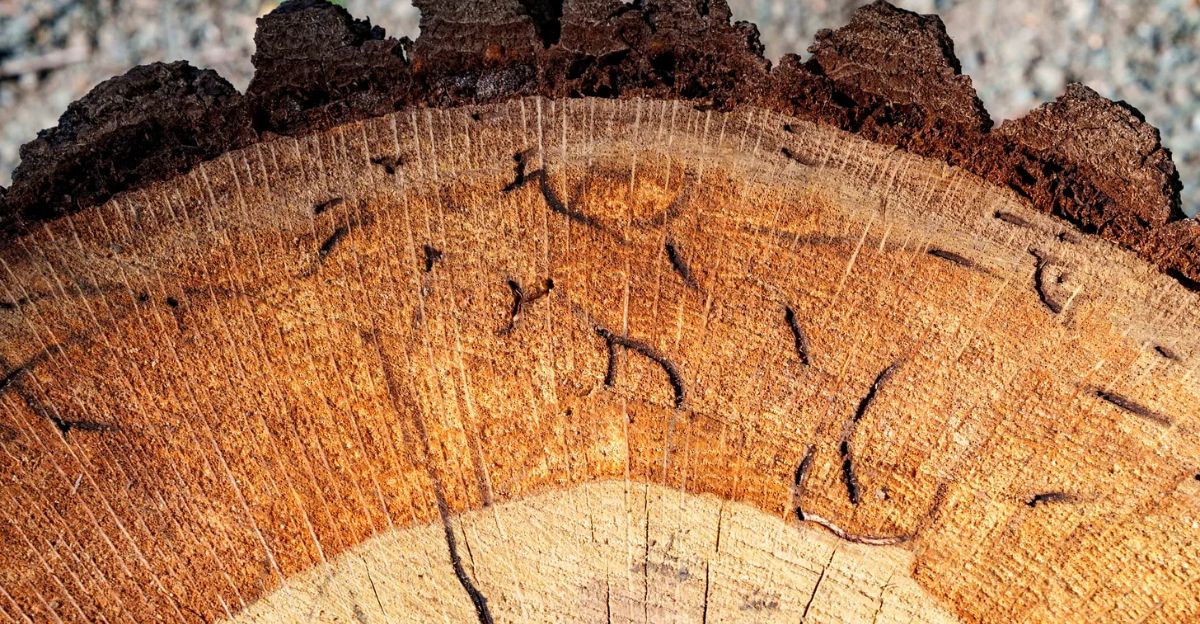
The spread of the Mediterranean oak borer is a test of how well Western states can respond to invasive species.
As Oregon’s agencies work to contain the beetle and educate the public, the success or failure of these efforts will provide valuable lessons for dealing with future ecological threats. Will the region be able to protect its iconic oaks, or will the beetle’s spread be unstoppable?
Sources:
ODA/ODF Fact Sheet & BMP Guidance
Oregon Tree Health Threats Bulletin
UC Agriculture & Natural Resources MOB Resources
USDA Forest Service Invasive Species Documentation