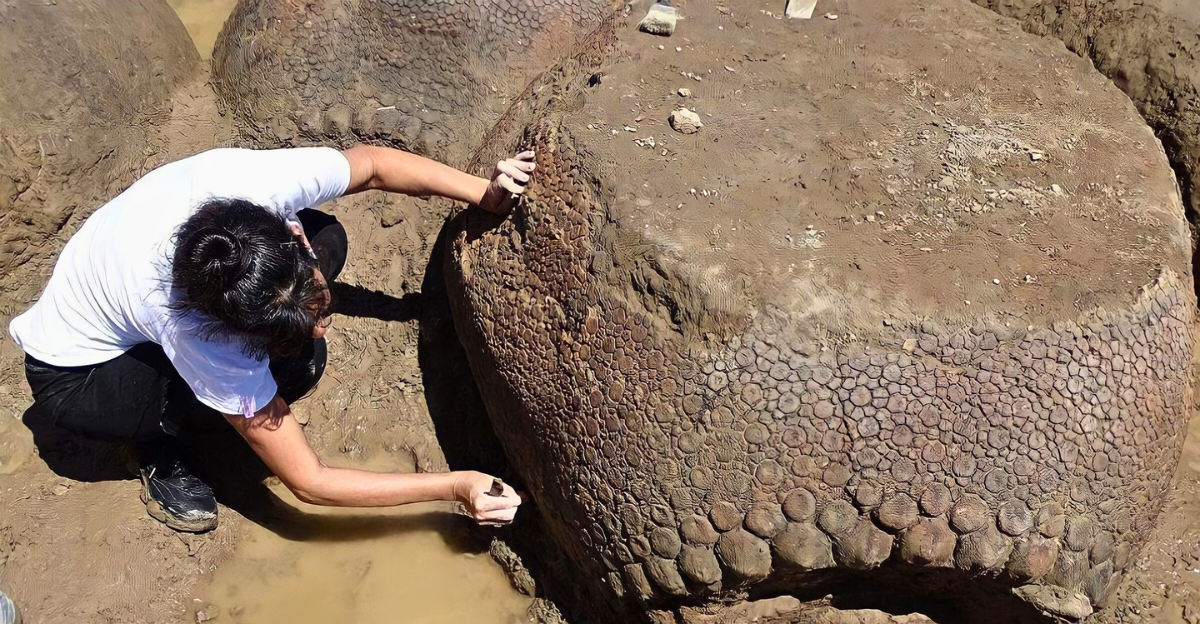
One of the most intriguing and intricate mysteries in paleontology is the disappearance of North America’s giant mammals, or megafauna, which included saber-toothed cats, mastodons, and mammoths, some 12,000 years ago. Scientists are increasingly arguing that climate change and human influences working together posed a double threat rather than a single cause. Large animal populations were stressed as a result of the drastic changes in ecosystems brought about by the transition from the Ice Age climate to warmer, more variable conditions.
Hunting and habitat modification were two new pressures brought about by the arrival and growth of human hunter-gatherer populations. This dual cause theory contradicts previous oversimplified models that placed the blame solely on climate change or overhunting. Evidence instead points to a dynamic interaction in which megafauna populations were weakened by climate-induced environmental upheavals, increasing their susceptibility to even minor human impacts.
North American Megafauna’s Historical Context
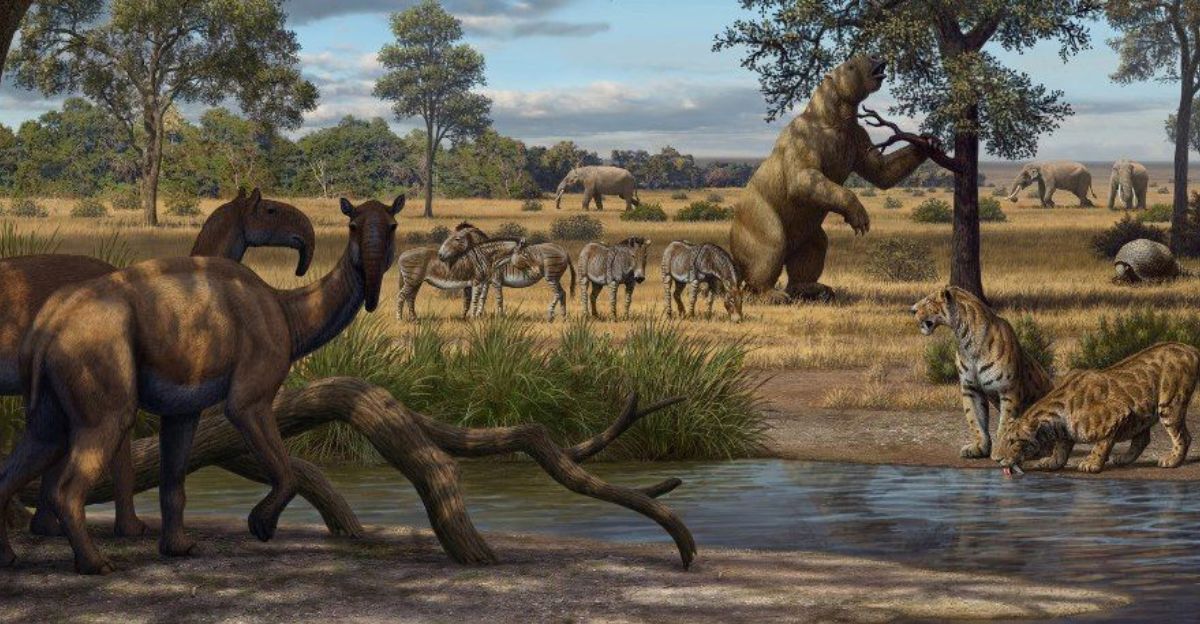
Over 35 genera of giant mammals, including mammoths, mastodons, ground sloths, giant beavers, and saber-toothed cats, were found in North America between 50,000 and 10,000 years ago during the Late Pleistocene epoch. Because of the benefits of their size, such as increased metabolic efficiency and resistance to starvation in harsh climates, these megafauna flourished in cold, frequently glacial environments. Rapid climatic changes, however, presented significant ecological challenges as the Ice Age came to an end.
Once-vast populations started to diminish as a result of habitat fragmentation and changing vegetation zones. Interestingly, Paleoindian humans arrived during this time as well, bringing with them hunting pressures that had not previously existed in the ecosystem.
The Argument for Climate Change

According to a prevalent school of scientific opinion, the sudden changes in climate at the end of the Pleistocene are the main cause of the megafauna extinctions. The Bølling-Allerød interstadial, a period of rapid warming, ended about 14,700 years ago, and the Younger Dryas, a period of extreme cold, followed about 12,900 years ago.
Megafaunal food sources and migration patterns were significantly impacted by the severe ecosystem upheavals caused by these climate oscillations, which also caused changes in vegetation patterns, water availability, and habitat fragmentation. In certain areas, studies employing ancient DNA and fossil pollen reveal dramatic drops in genetic diversity and plant-animal community structures before the arrival of humans, suggesting population stress caused by climate change. In general, smaller, more stable “striped” ecosystems were preferred over the unstable, shifting “plaid” ecosystems of the Ice Age.
The Hypothesis of Human Impact

The argument for human-caused extinctions, sometimes known as the “overkill hypothesis,” runs parallel to the one for climate change. According to the main argument, recently arrived Paleoindians, skilled big game hunters with sophisticated tools, quickly drove naive megafauna species that were not accustomed to human predation to extinction.
The temporal coincidence between the expansion of Clovis culture (approximately 13,000 years ago) and the disappearance of megafauna in some regions lends credence to this theory. Nevertheless, there is little archaeological proof of widespread hunting; kill sites are uncommon and only involve a small number of species, such as mastodons and mammoths. Furthermore, there is scant evidence of direct human predation in many extinct genera.
The Dual Danger Model: Climate and Humans

A double threat model that combines human activity and climate change as co-drivers of extinction is being promoted by researchers more and more. Megafauna populations were weakened by climate change because it disrupted food webs and habitats, which decreased their resilience and rates of reproduction. Even small-scale habitat modification or hunting by humans had significant effects in this vulnerable state. By starting fires to promote ecosystem changes or by upsetting and competing with other populations, humans may have indirectly contributed. Anthropogenic pressures and environmental stressors combined to accelerate declines past recovery thresholds.
Evidence from the La Brea Tar Pits in southern California, for instance, demonstrates how human activity combined with climate change-induced droughts and warming produced fire-prone environments that made it harder for large mammals to survive. This integrative method changes the story from one of conflict.
Extinctions of Mammoths and Mastodons
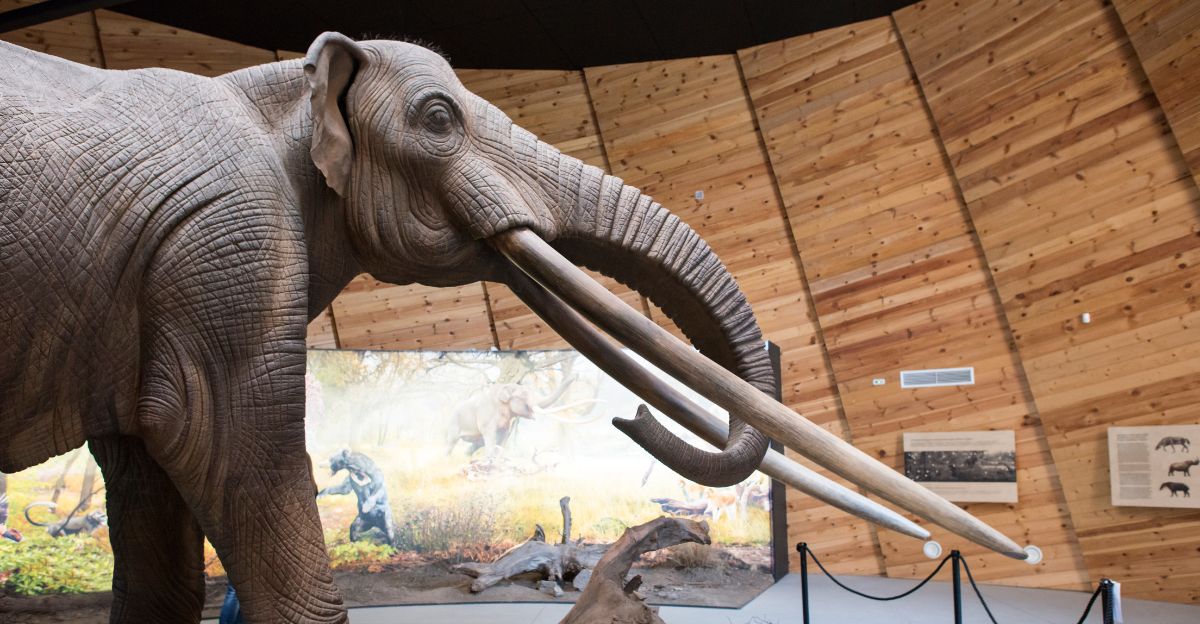
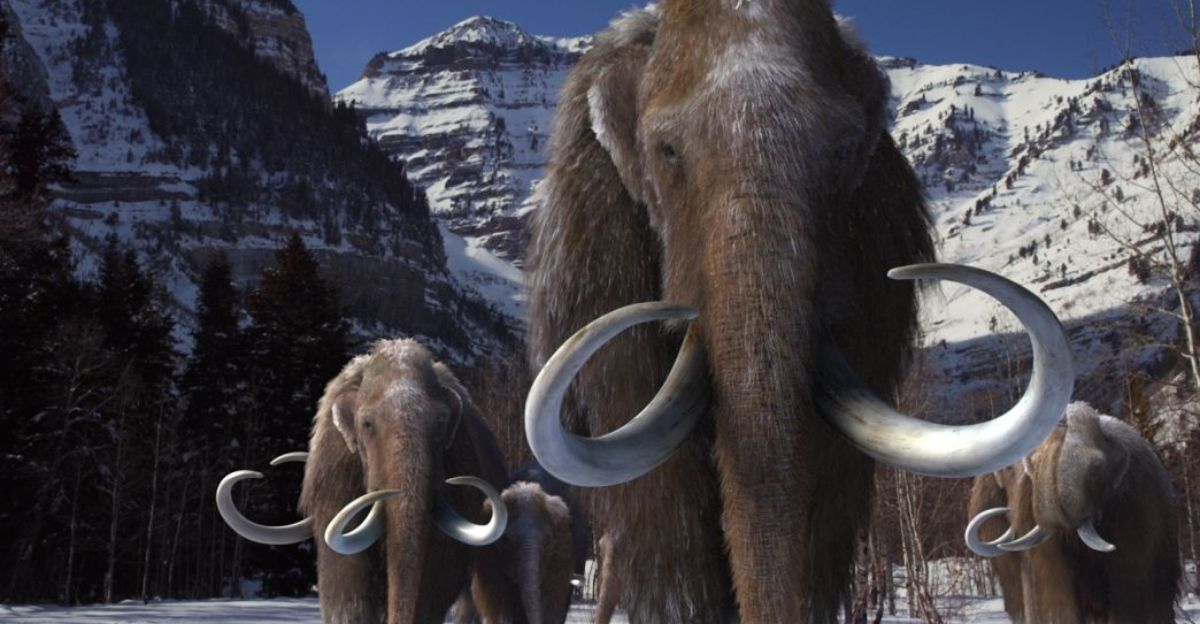
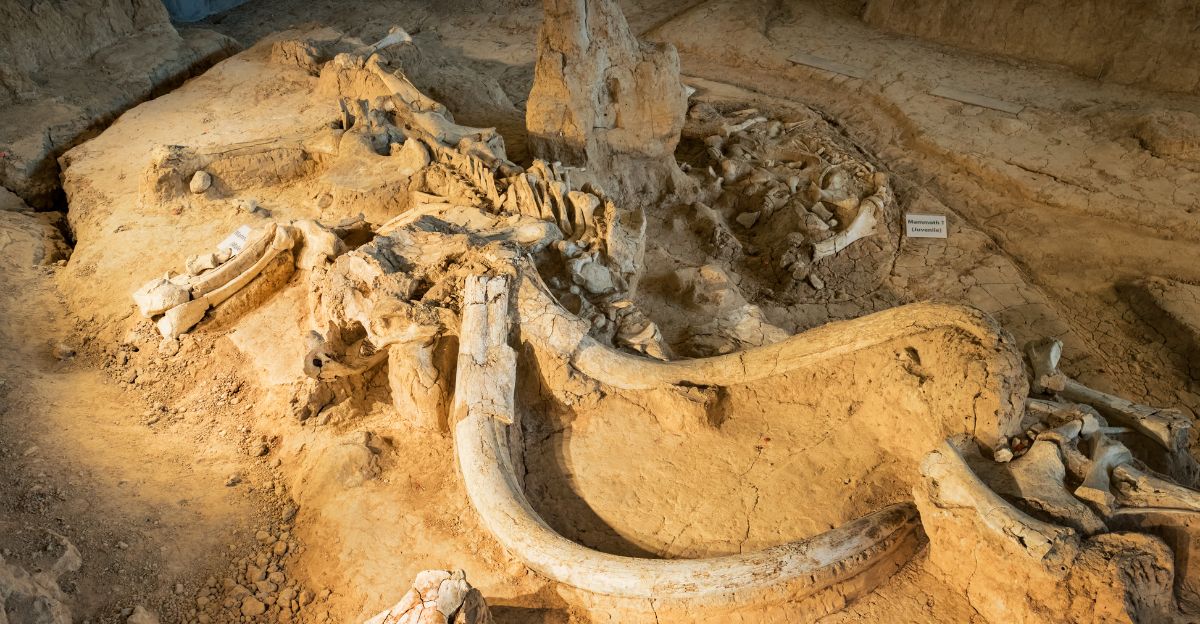
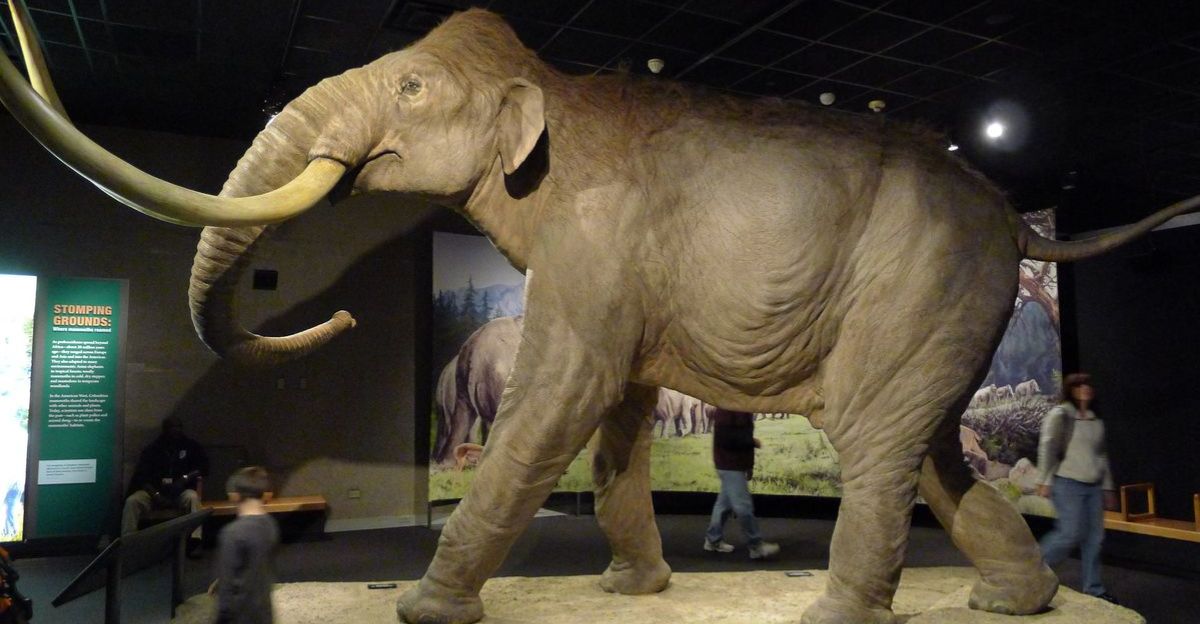
Mastodons and mammoths serve as prime examples of the dynamics of the double threat. Staggered extinctions are revealed by fossil evidence: before humans arrived in high-latitude Alaska and the Yukon, mastodons went extinct tens of thousands of years ago as a result of habitat loss brought on by glacial cycles. Mammoths, on the other hand, survived longer over a wider range of North America before dying out some 10,000 years ago.
Hunting pressures from Clovis and later cultures, along with changes in vegetation, dwindling forests, and a cooling climate, sealed their doom. Radiocarbon dating highlights regional variability in extinction timing and drivers and casts doubt on oversimplified hunting-only explanations. Archaeological sites reveal little, if any, human predation, while mammoths in some regions exhibit genetic population declines before human contact, indicating climate impact.
Contrarian Perspectives and Theoretical Hypotheses
Some contrarian viewpoints challenge both traditional human-overkill and climate-dominant theories by proposing novel factors. One such hypothesis is the role of disease or hyperdisease, suggesting that unknown pathogens spread rapidly among megafaunal populations weakened by environmental stress or human vectors, causing precipitous declines.
Another theory considers ecological cascades triggered by the loss or reduction of megaherbivores that disrupted predator-prey dynamics and vegetation structures, accelerating ecosystem collapse. Furthermore, some propose a plaid-to-stripe transition model reflecting the fundamental ecological shift in climate stability and spatial species distribution, increasing the vulnerability of large body size species to extinction. These ideas underline rarity and gaps in fossil and archaeological records, inviting innovative multidisciplinary approaches, combining genetics, paleoecology, and climatology to better understand extinction causes beyond simple competition or climate narratives.
Implications for the Environment and Cascade Effects
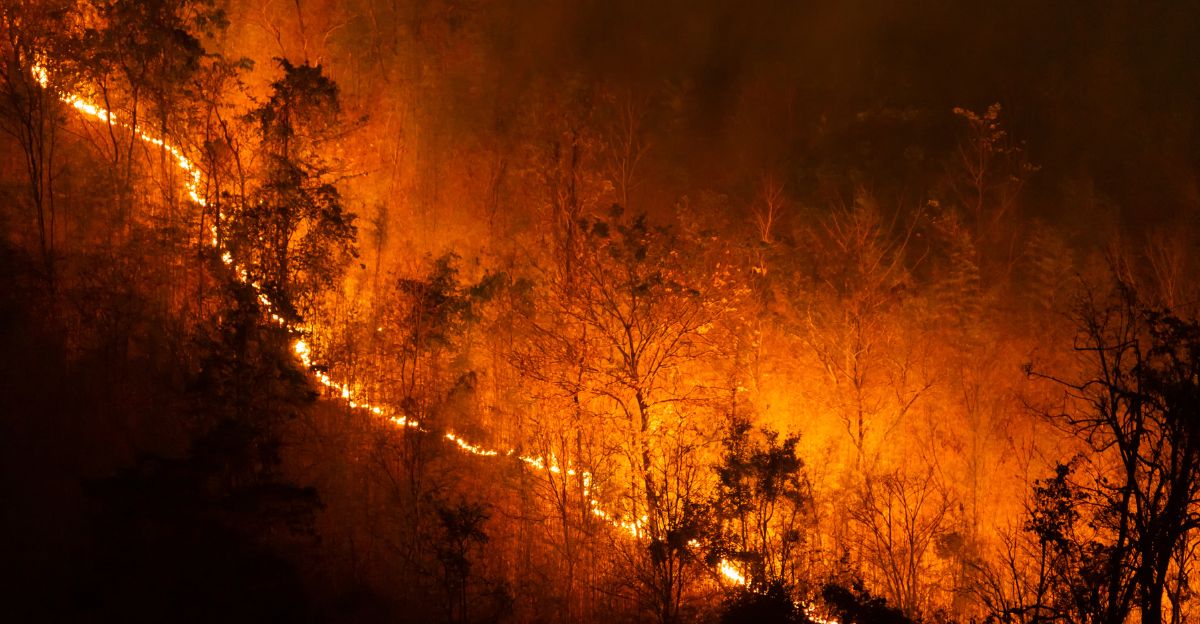
Beyond just the extinction of individual species, the loss of megafauna had significant ecological repercussions. As ecosystem engineers, large mammals had a significant impact on nutrient cycling, vegetation patterns, and predator-prey dynamics. North American landscapes were reshaped by the cascading trophic effects of their extinction, which included increased shrub dominance and changed fire regimes.
For instance, less grazing pressure promoted the growth of denser vegetation, which affected the frequency and severity of wildfires. Human-induced climate variability and landscape changes may have exacerbated these ecological shifts, generating feedback loops that are harmful to ecosystem resilience.
Methodological Developments in Research on Extinction
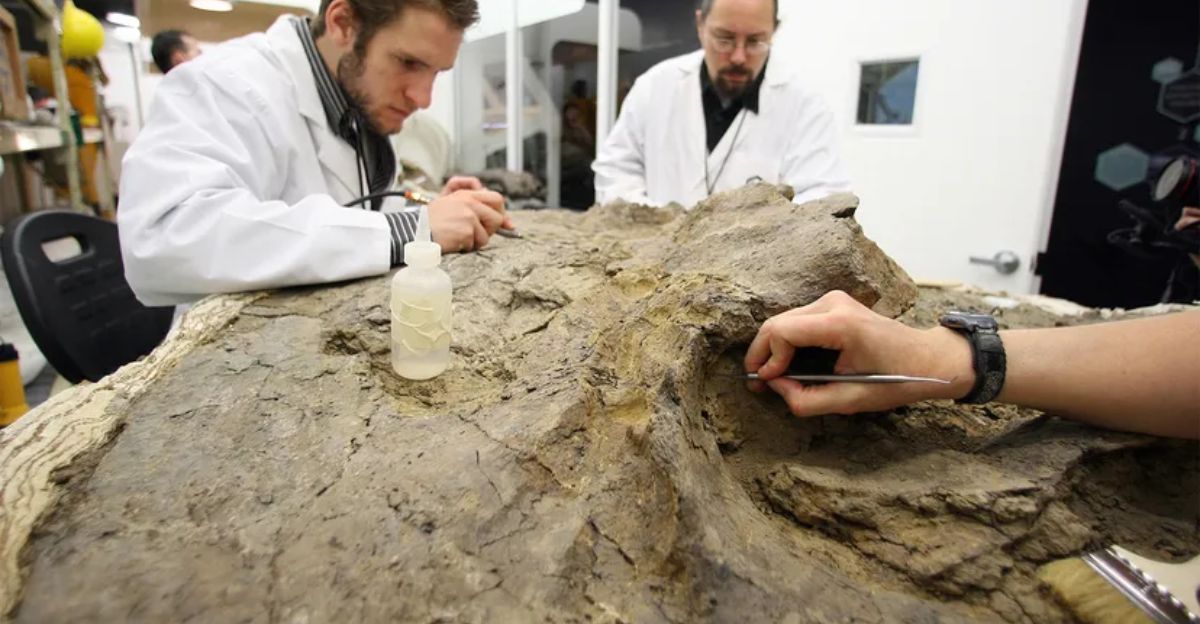
By combining high-resolution data and complex modeling, recent scientific developments have revolutionized the study of megafauna extinctions. Extinction chronologies were improved by improved radiocarbon dating methods, which showed gradual, region-specific declines as opposed to synchronous disappearances. Analyses of ancient DNA reveal dwindling genetic diversity prior to extinction events, suggesting that population stress existed before humans arrived.
To more accurately identify the causes, statistical models now include human population estimates, climate proxies, and biases in fossil samples. These methods show a strong relationship between changes in the climate and the declines in megafauna populations, but little to no relationship with the growth of the human population. The double threat theory, which holds that humans play complex roles and the climate is the main driver, is confirmed by the increasing clarity of the complexity of extinction processes.
Making Future Trend Hypotheses Using Historical Extinctions
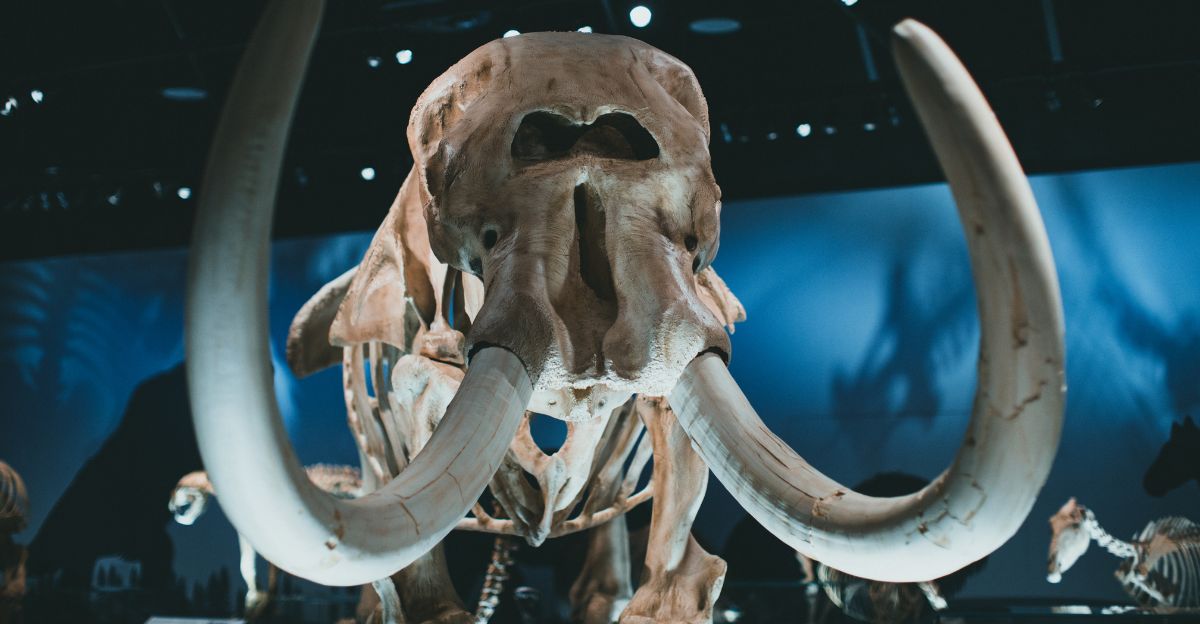
Based on the knowledge gained from the extinctions of North American megafauna, future trends in biodiversity might resemble past double threats. With rising temperatures, habitat loss, and unstable ecosystems, climate change today reflects the swift and unparalleled environmental changes that once threatened Ice Age megafauna. At the same time, human activities such as hunting, pollution, invasive species, and habitat encroachment create increasing pressures. These factors’ interaction puts the world at risk of reproducing extinction cascades.
In order to prevent catastrophic biodiversity loss, mitigation efforts must simultaneously address the effects of climate change and human activity, as highlighted by an understanding of past extinction dynamics. Furthermore, because the loss of megafauna has historically changed fire regimes and landscape stability, similar feedback may make the effects of climate change worse today by increasing the frequency of wildfires and releasing more carbon into the atmosphere.
The Psychology of Human Extinction
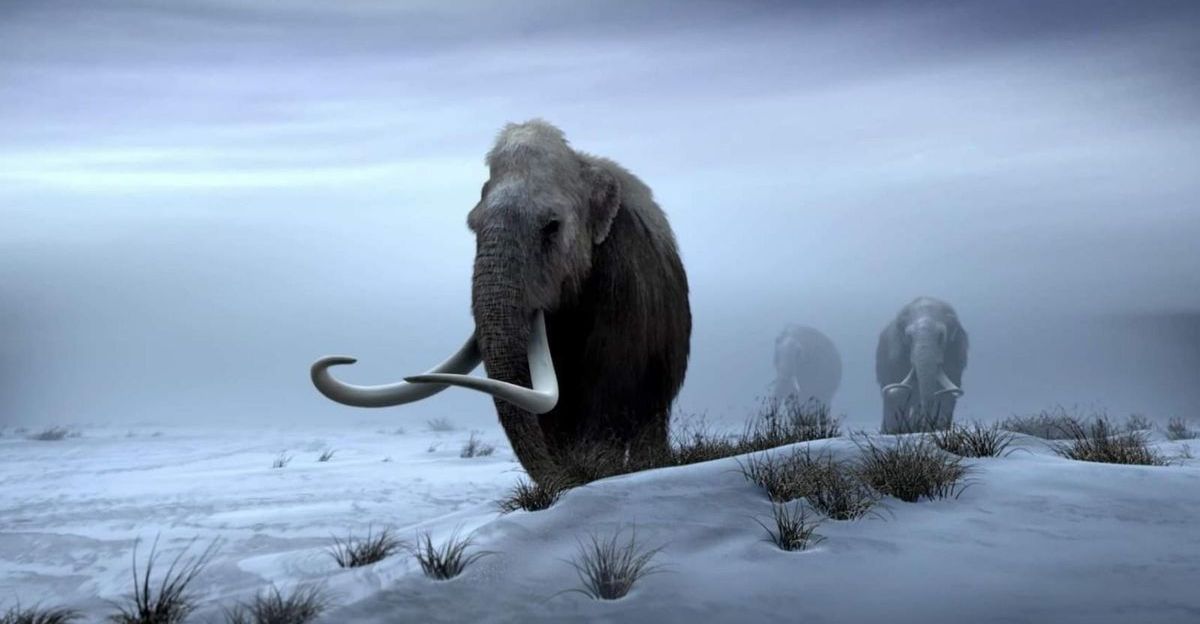
The psychological and cultural effects of megafaunal extinction on early human societies are examined from a novel perspective. Large mammal extinction probably prompted quick behavioral and technological changes that changed migration, social structures, and hunting methods. Human competition for the few resources left could have increased as a result, leading to either conflict or innovation.
Furthermore, megafauna may have been incorporated into cultural narratives as lost giants or spiritual figures as a result of extinction events that impacted early human mythologies and collective memories. This combination of psychology and ecology emphasizes how nature and culture co-evolve and how environmental crises influence society and human thought. Comprehending this interaction enhances the portrayal of extinction as a significant event impacting human history and evolution, rather than merely a biological occurrence.
The Megafaunal Collapse in Madagascar

Beyond North America, a stark illustration of the double threat dynamic in a smaller, isolated ecosystem can be found in Madagascar’s megafaunal extinction, which occurred between 1500 and 500 years ago. Here, gorilla-sized lemurs, giant tortoises, and giant elephant birds all quickly disappeared after human colonization and a severe local drought.
Acute climatic stress and intense human activities, like habitat clearing and hunting, were tightly coupled to create an extinction “perfect storm.” This case illustrates the worst-case scenarios for large mammal extinctions elsewhere and highlights how susceptible island ecosystems are to combined pressures. The lessons support the notion that extinction trajectories are shaped by localized interactions between humans and the environment and that no single cause is sufficient.
Relevance to Conservation: Insights from the Extinction of Megafauna
Important conservation lessons can be learned from the extinction of giant mammals in North America. Particularly susceptible to the combined effects of climate change and human activity are large-bodied species with specialized habitat requirements and slow rates of reproduction.
Poaching and global warming pose comparable risks to today’s mega-fauna, including rhinos and elephants. Understanding the historical double threat model promotes comprehensive conservation strategies that combine habitat restoration, anti-poaching, and climate adaptation. For ecosystem resilience, megafauna’s ecological roles must be preserved. Furthermore, the study of previous extinctions emphasizes the complexity and unpredictability of extinction processes, calling for research-informed, adaptive strategies as opposed to straightforward, single-cause approaches.
Theories to Explain the Dynamics of Extinction
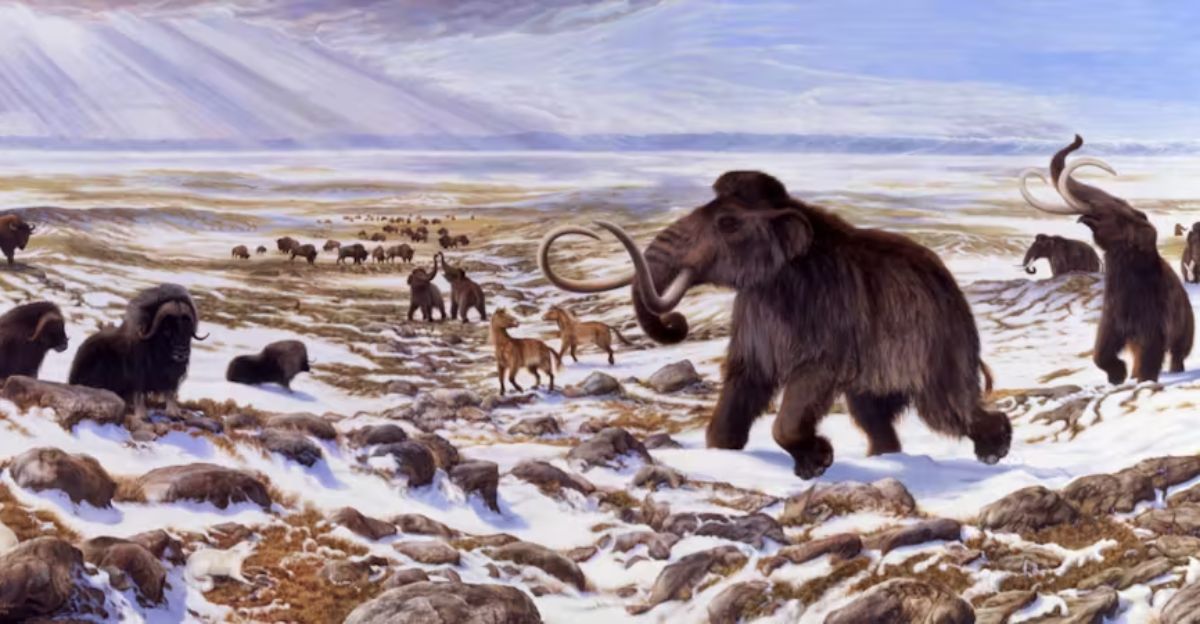
Megafaunal extinctions are framed within a larger ecological theory by a number of modern models. According to the Plaid-to-Stripe Model, the decline of megafauna was caused by the creation of highly dynamic ecosystems during the Ice Age that favored large mammals with wide ecological niches, while postglacial stabilizing environments favored smaller, more specialized species.
Paleoeconomics, another important idea, sees human overkill as a function of resource availability and operational and energetic costs, suggesting that hunting by humans might not be enough to trigger extinction in the absence of ecological stress. By taking into account feedback loops, multi-level causes, and geographic-temporal variability, these frameworks allow for a more thorough comprehension of extinction trajectories that are in good agreement with empirical data from Pleistocene megafauna in North America.
In Conclusion
Giant mammals in North America went extinct for reasons other than climate change or human activity. Instead, it was a complicated double threat, with human arrival adding new pressures that drove many species over the edge and rapid climate change weakening already stressed populations in a changing ecosystem.
This multifaceted perspective recognizes the staggered and regionally varied nature of megafaunal extinctions and is backed by sophisticated fossil, genetic, and climatic analyses. Gaining knowledge of this dynamic interaction is essential to understanding both historical and contemporary extinction processes. It warns that unless biodiversity loss is addressed holistically, the destructive patterns of the past could be replicated in the present due to accelerating climate change and human activity.