In a groundbreaking discovery, a U.S. research team has unearthed the oldest ice and trapped air ever directly dated on Earth, dating back an incredible six million years. Found in the Allan Hills of East Antarctica, this frozen treasure provides scientists with a rare glimpse into Earth’s distant climate history.
Each layer of ice acts like a page in a time capsule, showing what the atmosphere was like long before humans existed. The find could rewrite what we know about how the planet’s temperature, ice, and atmosphere changed over millions of years.
Breaking a Scientific Record
Before this, the oldest known continuous ice record was just 1.2 million years old, a milestone achieved by a European team. The new Antarctic discovery is nearly five times older. By pushing that boundary, scientists now have access to climate data from when Earth’s environment was dramatically different.
This breakthrough could reshape how researchers model ancient carbon cycles and temperature shifts. Scientists across the globe are buzzing with excitement, eager to see what this ice might reveal about how heat, gases, and oceans once interacted on a much younger planet.
A Global Quest for the Oldest Ice
For decades, scientists around the world have raced to find the oldest preserved ice on Earth. Each expedition digs deeper into Antarctica’s distant past, seeking snapshots of ancient atmospheres trapped in tiny air bubbles.
The U.S.-led COLDEX project, made up of researchers from 15 universities and institutions, has now set a new record. Their six-million-year find outpaces earlier successes and shines a light on the fierce yet friendly global competition driving climate science forward. Drilling teams continue battling harsh terrain and icy winds to uncover more clues about Earth’s prehistoric skies.
Life at the Edge of the World
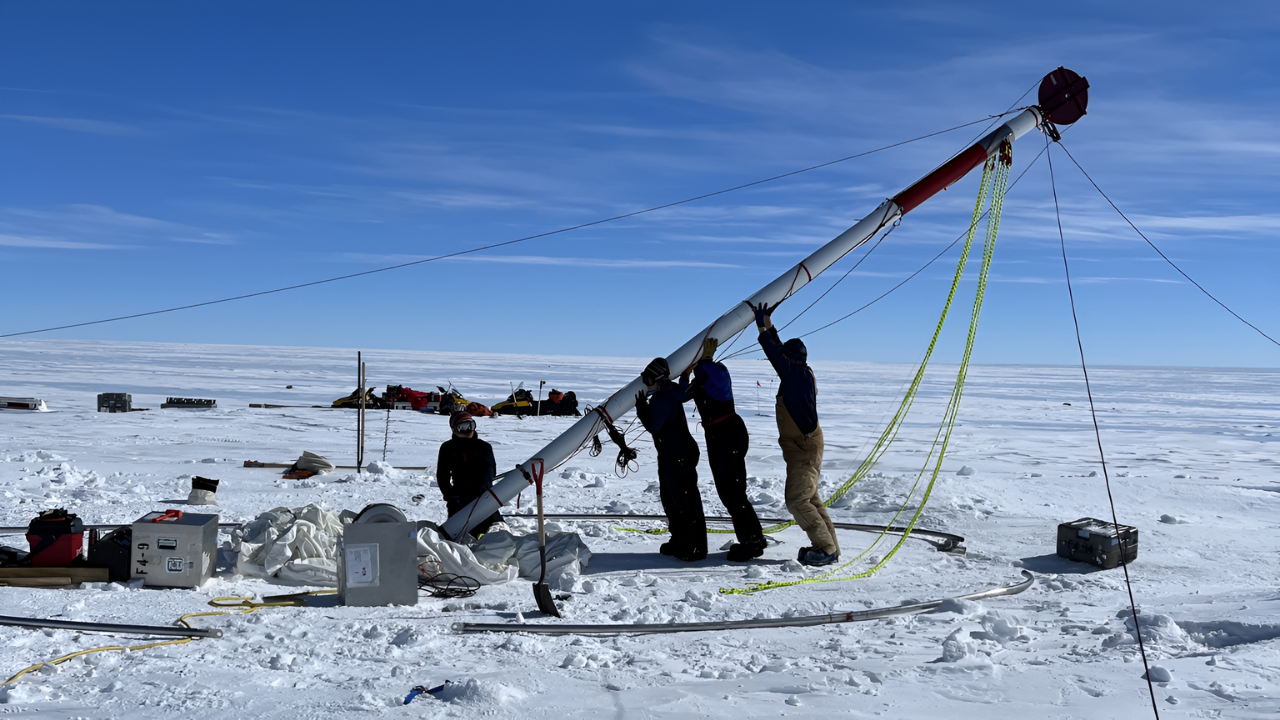
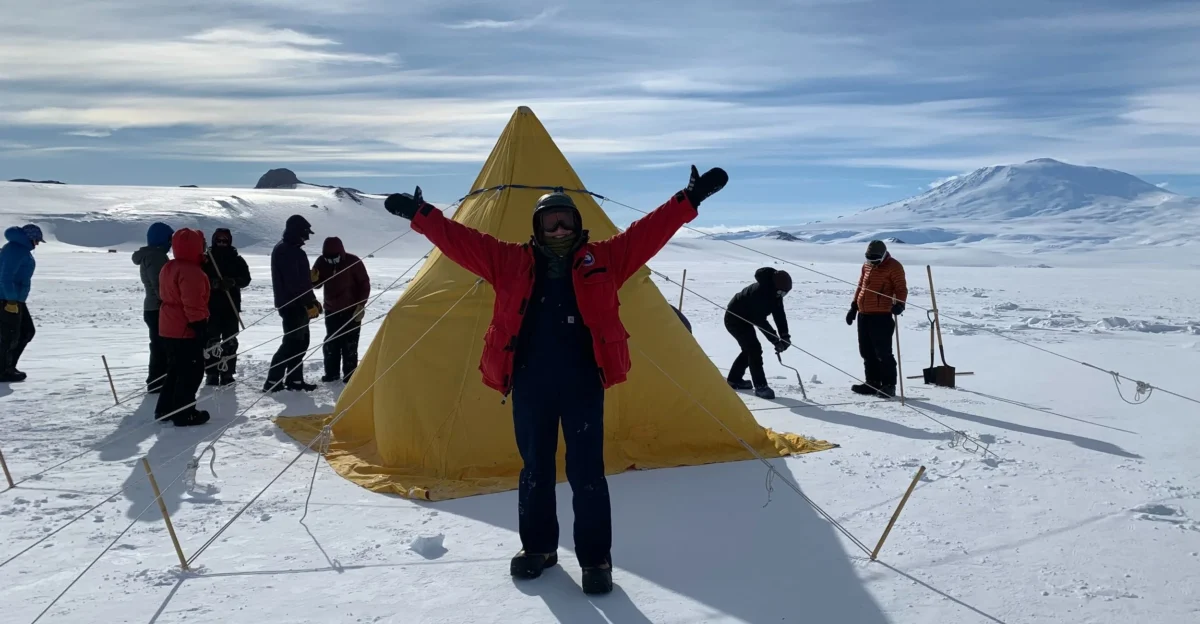
The Allan Hills in East Antarctica are as beautiful as they are brutal. Scientists working there face temperatures that plunge well below freezing, powerful winds, and endless white horizons. However, these extreme conditions create the perfect natural freezer, keeping ancient ice near the surface where it can be reached by drilling.
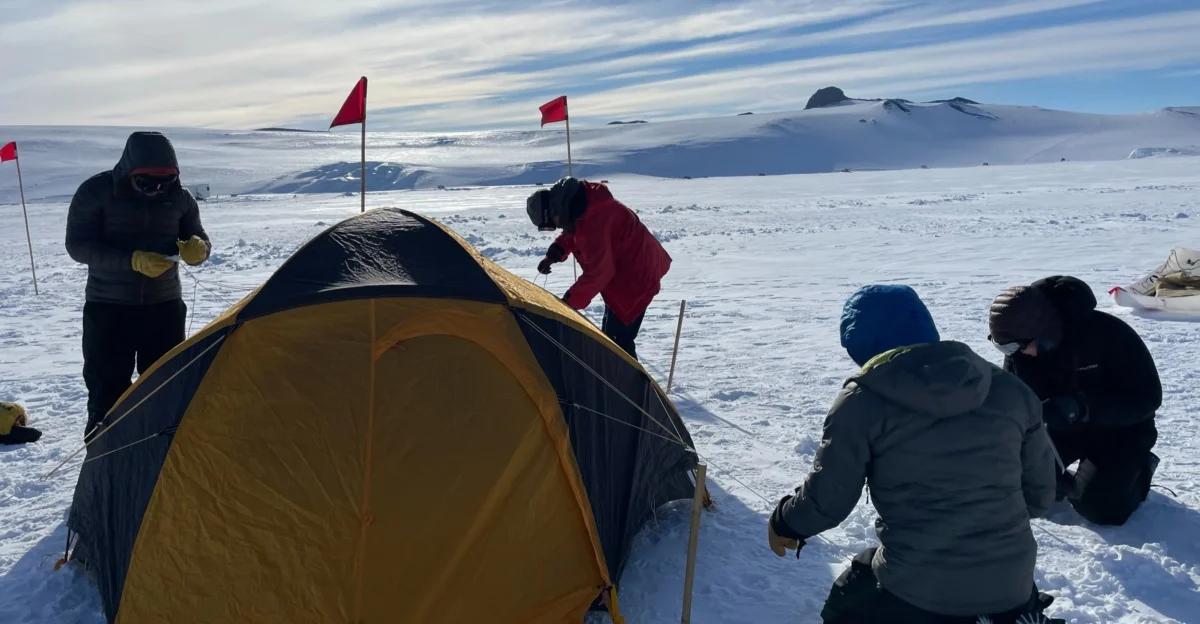
Field teams live in small tents for months, enduring isolation and mechanical challenges to recover a few precious cores. Their efforts are heroic, as each sample they retrieve offers direct evidence of how Antarctica and Earth’s climate have changed over millions of years.
The Six-Million-Year Find
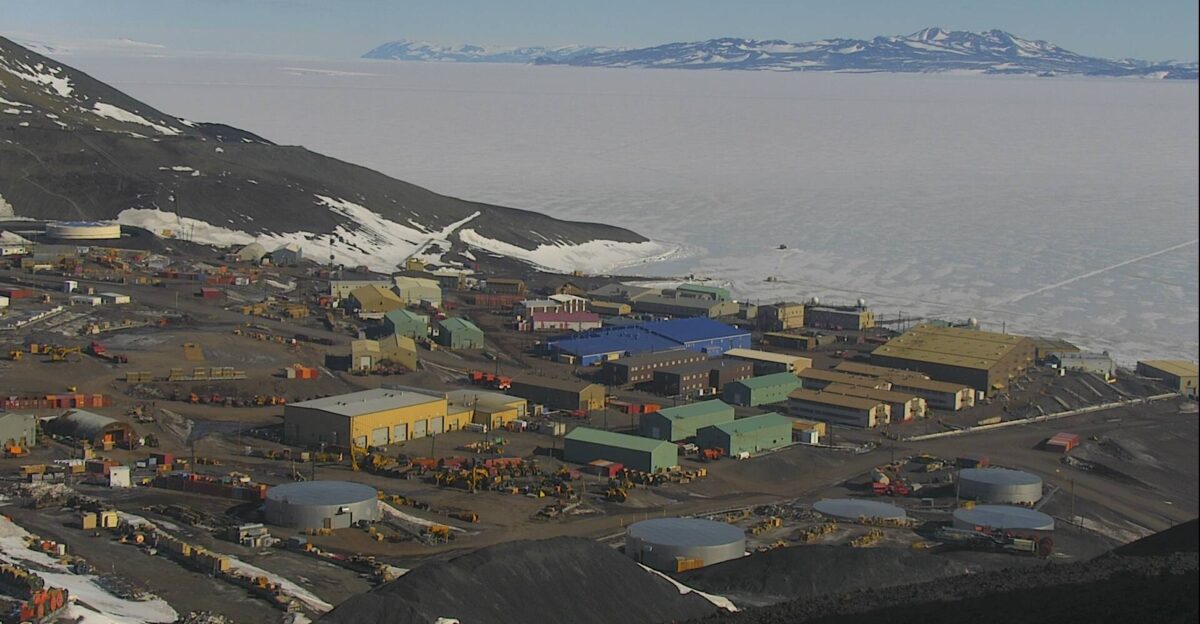
In October 2025, the COLDEX team announced something extraordinary, ice and trapped air bubbles that date back a full six million years. Using argon isotope dating, scientists confirmed the samples’ staggering age. These ancient cores could help researchers uncover how greenhouse gas levels, sea ice, and global temperatures shifted through prehistoric time.
For the team, this discovery feels like reaching back in time to touch the planet’s early climate systems, knowledge that may be vital as humanity faces modern warming.
Antarctica’s Changing Story
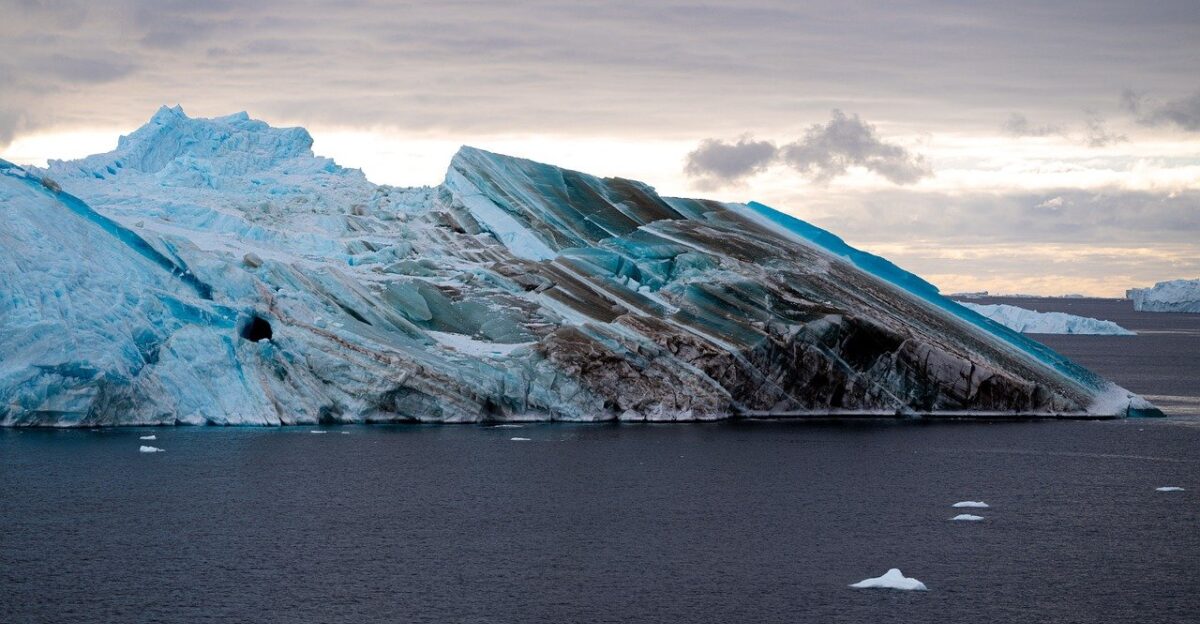
The newly analyzed ice shows how much Antarctica’s climate has changed, it’s cooled by about 22°F over the last six million years. These results give scientists their first direct measurements of long-term temperature decline on the continent. Understanding this shift helps explain how massive ice sheets formed and what triggered ancient sea level changes.
The ice brings hard evidence to ideas that were once just theory, providing a clearer map of Earth’s climate journey.
Scientists Speak Out
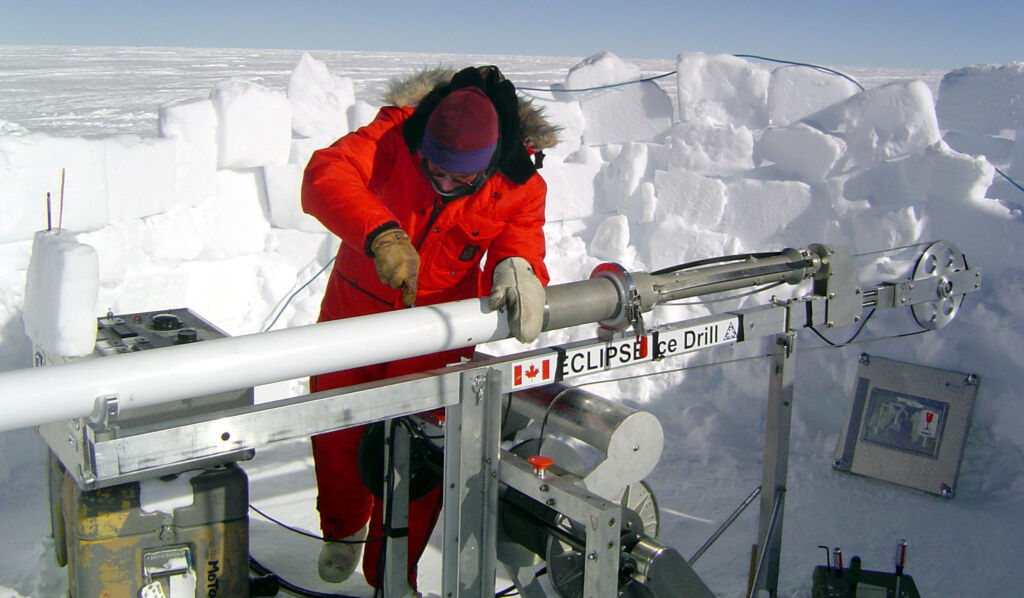
“Ice cores are time machines,” said Sarah Shackleton, the lead researcher from the Woods Hole Oceanographic Institution. “They let us see what our planet’s air was like millions of years ago. The cores from the Allan Hills take us further back than we ever imagined.” Her enthusiasm reflects the mood among the entire team, who spent months in Antarctica under relentless conditions to extract this priceless evidence.
Each segment of ice is carefully preserved and shipped to labs where scientists can analyze its gases atom by atom. The work is painstaking, but the potential is enormous.
Nations in a Friendly Rivalry
The search for ancient ice is intensely competitive yet deeply collaborative. European teams recently drilled a 1.2-million-year record, but the U.S.-led COLDEX project’s six-million-year discovery pushes the boundaries even further.
Instead of rivalry turning hostile, though, it’s inspiring new joint missions. Researchers from around the world are planning deeper drills and better dating techniques to uncover even older samples. The competition fuels innovation and global partnerships, proving that discovering Earth’s oldest ice is a goal big enough to unite science across continents.
Air from a Lost World
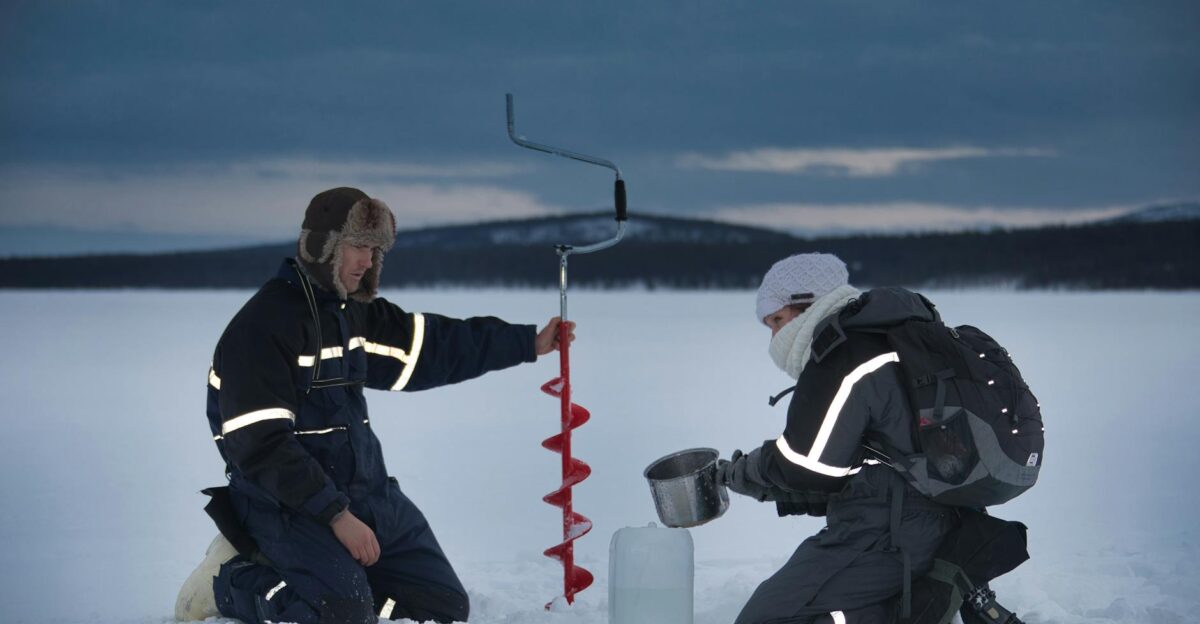
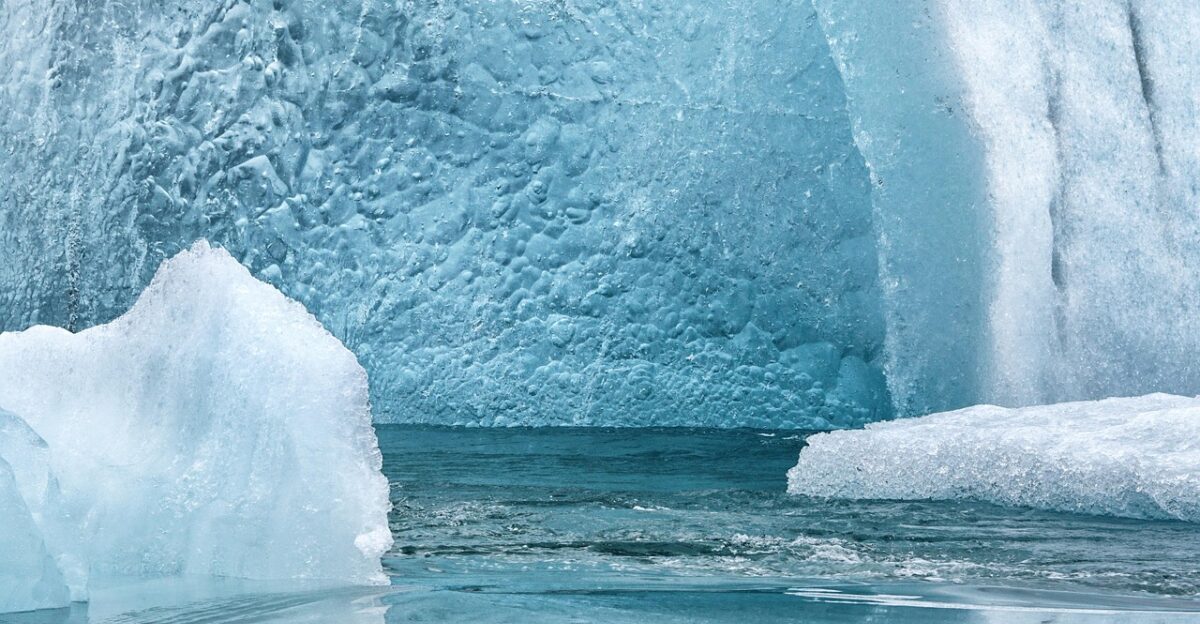
Inside each ancient bubble of air, scientists can read the atmosphere of a vanished world. They can see how much carbon dioxide was in the sky, how warm the ocean might have been, and how life could have responded. These new samples build a climate library six times older than any previous ice record.
Scientists are now analyzing the chemical fingerprints of these microscopic bubbles to reconstruct patterns of greenhouse gases and temperatures over millions of years. The data will help fill long-standing gaps in climate science.
Updating Climate Predictions
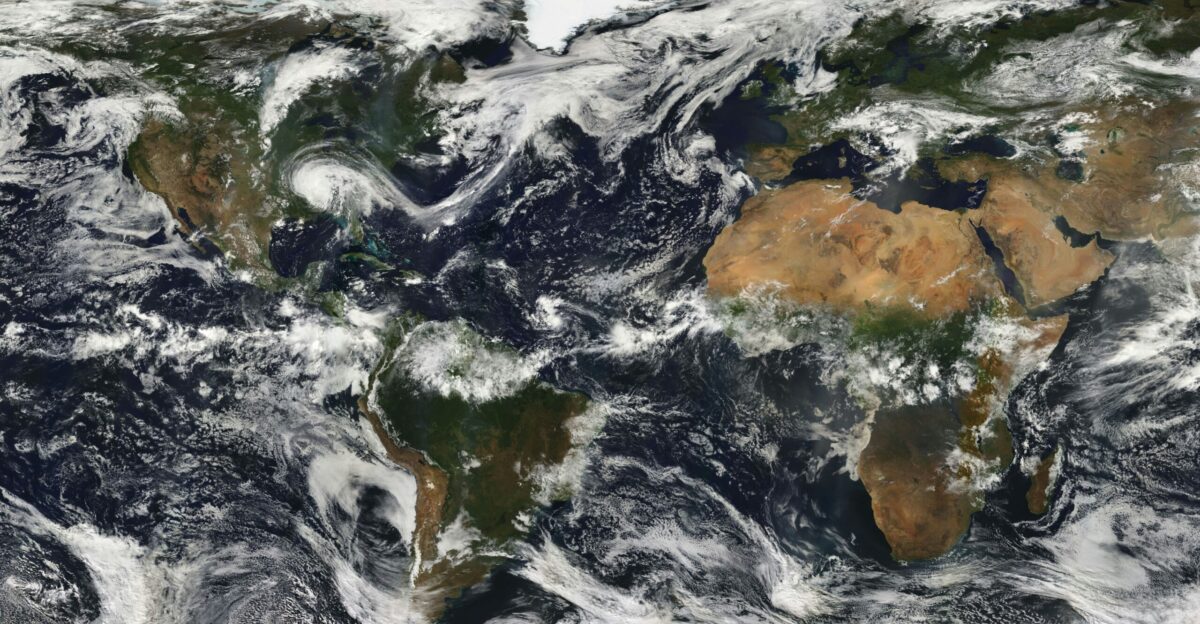
Early results from the six-million-year-old cores are already prompting scientists to rethink established climate models. The data suggest that prehistoric levels of carbon dioxide were higher than expected during some warm periods. That finding could reshape how we forecast the behavior of ice sheets and sea level rise today.
With these insights, researchers can refine modern predictions, making future climate modeling more accurate and responsive to both natural and human-driven changes.
Challenges in the Frozen Desert
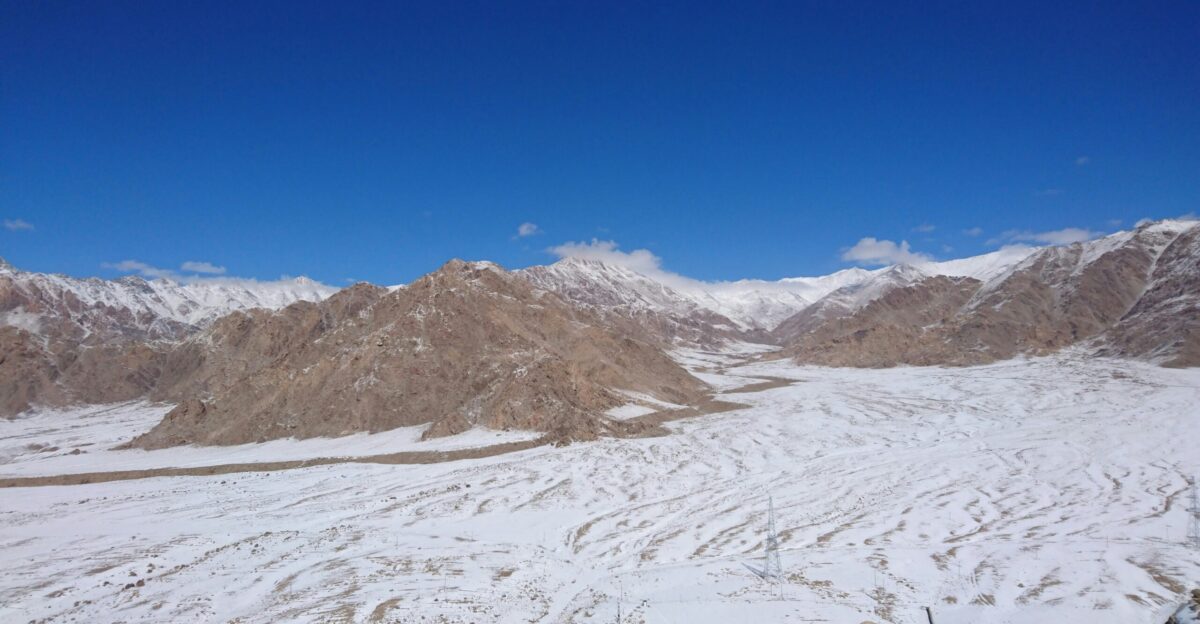
Working in Antarctica is not for the faint of heart. Scientists in the Allan Hills face storms that can shut down drilling for days, sudden temperature drops, and technical breakdowns in freezing conditions. But despite every challenge, they return year after year because the potential rewards are immense.
Their resilience shows how human determination pushes science forward, even in the coldest corners of Earth. “We’re still working out the exact conditions that allow such ancient ice to survive so close to the surface,” Shackleton said. “Along with the topography, it’s likely a mix of strong winds and bitter cold. The wind blows away fresh snow, and the cold slows the ice to almost a standstill. That makes Allan Hills one of the best places in the world to find shallow old ice, and one of the toughest places to spend a field season.”
Leading the Way in Discovery
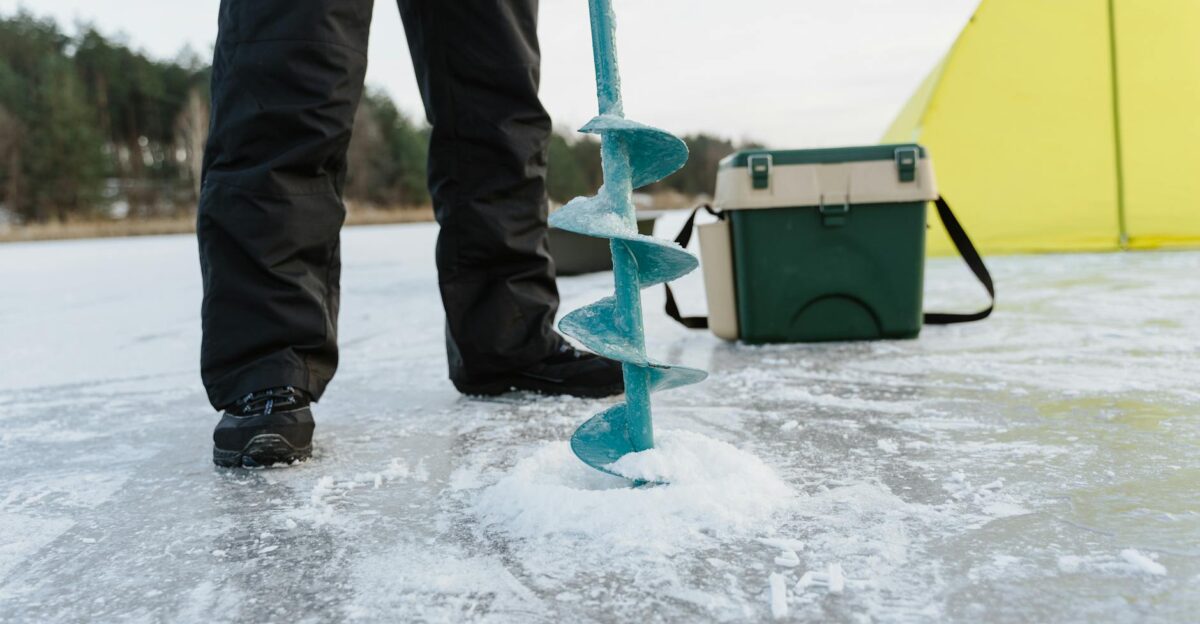
The COLDEX program brings together some of the brightest minds in climate research. Led by Sarah Shackleton and John Higgins, the project involves scientists from 15 major U.S. universities, including Oregon State University and Princeton University. Their teamwork and leadership were essential to organizing the logistics and technology needed for such a complex mission.
Beyond drilling, they oversee data analysis, training, and planning future expeditions. The COLDEX project exemplifies how major scientific advances happen not through solo efforts, but global partnerships united by curiosity and purpose.
Digging Deeper Still
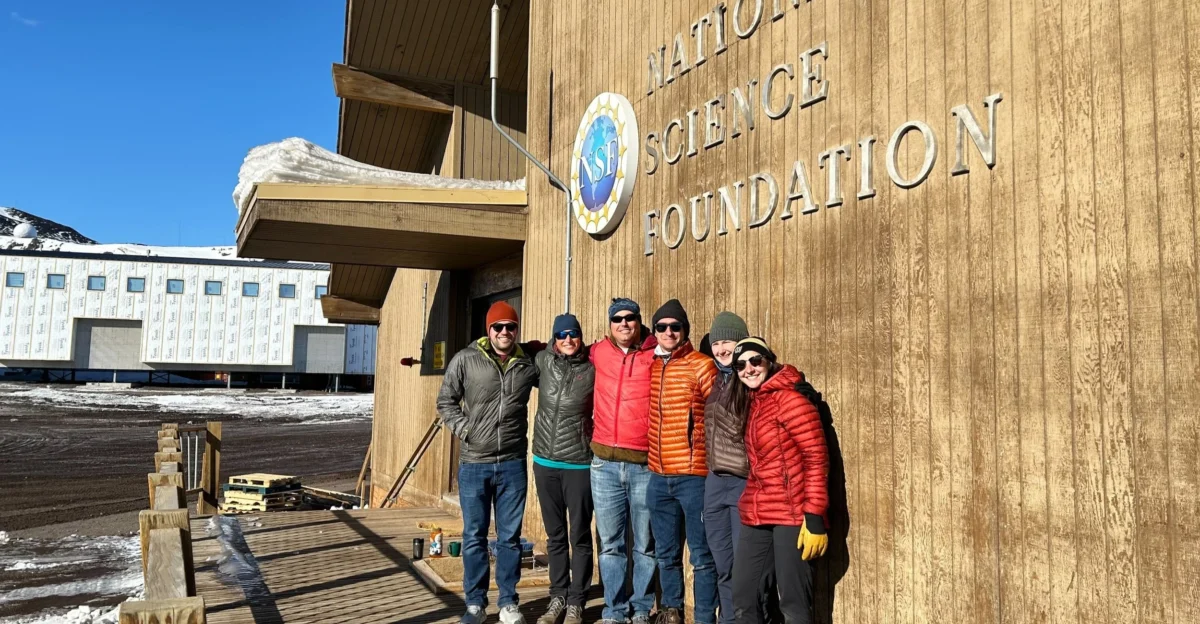
Encouraged by their success, the COLDEX team is gearing up for their next major phase, drilling even deeper into Antarctica’s ancient layers. Teams hope to locate ice that’s 7 million years old or older, which could capture key transitions in Earth’s climate history, such as the onset of major ice sheet formation.
These efforts will also test advanced drilling equipment and dating methods that improve accuracy.
Debate Among Scientists
Not everyone agrees on how to interpret the 6-million-year-old findings. Some scientists point out that the Allan Hills record isn’t continuous, meaning it captures snapshots rather than a full timeline. Others argue that those snapshots are still invaluable, giving us testing points to refine global warming models.
The discovery has sparked lively debate in scientific journals and conferences alike. Even disagreements underscore the importance of collaboration and constant scrutiny in building reliable climate knowledge.
The Ice Yet to Come
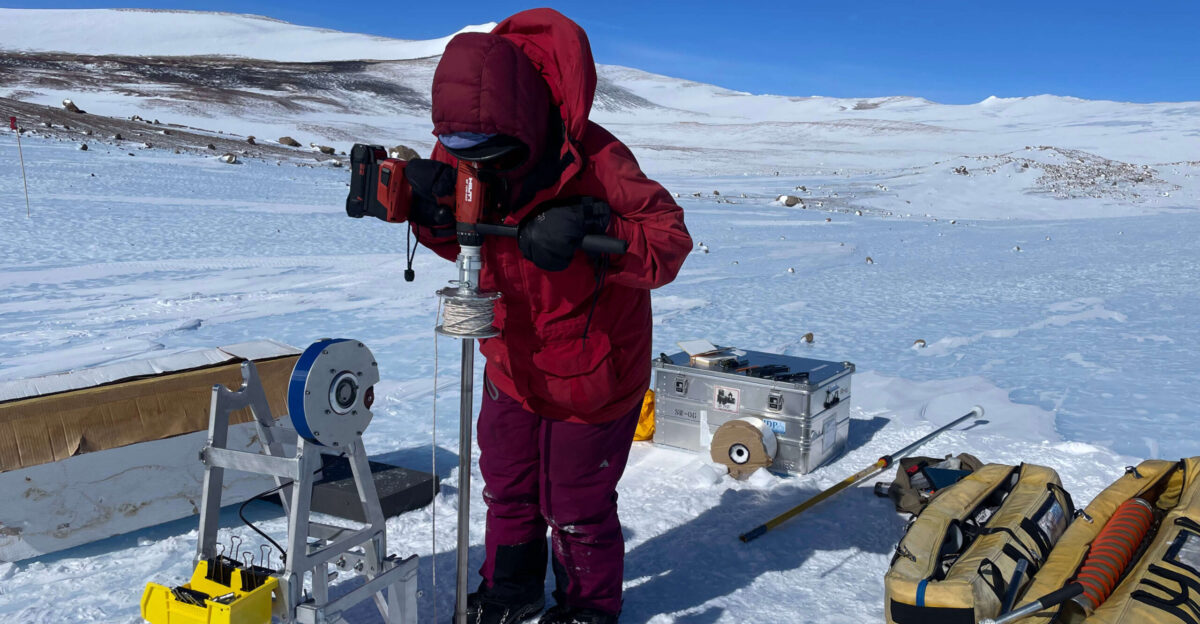
What lies beneath the Antarctic ice may redefine everything we know about climate history. Teams are confident that even older ice, perhaps 8 or 10 million years old, rests deeper below the surface. Each discovery inches us closer to understanding how Earth’s atmosphere formed and how resilient it’s been through eras of warming and cooling.
As scientists continue their quest, one truth remains clear, and that’s to understand our future, we must keep listening to the frozen stories locked within the planet’s ancient past.