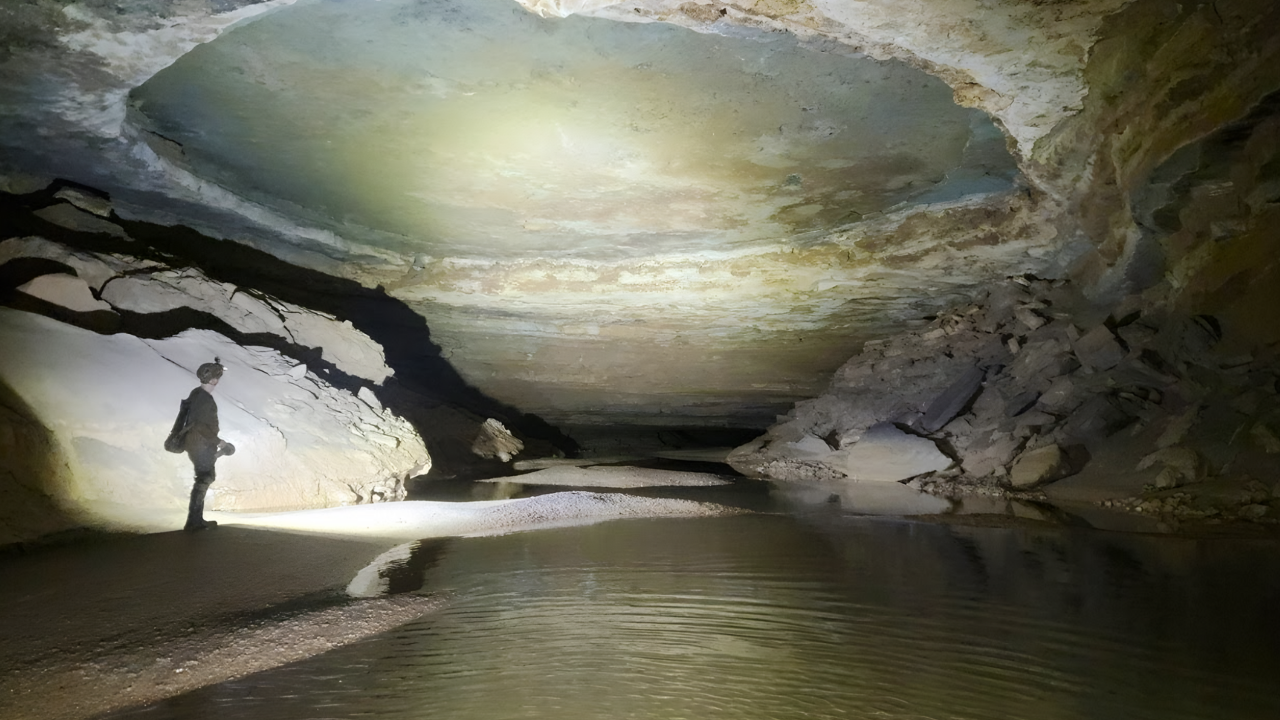
In 1986, Romanian geologist Cristian Lascu found a cave that changed science forever.
Near Mangalia, Romania, he discovered an underground world that had been completely sealed from the surface for 5.5 million years.
No air, water, or light had entered this place since ancient times. Scientists realized this cave held secrets about how life survives in the most extreme conditions imaginable.
A World Apart
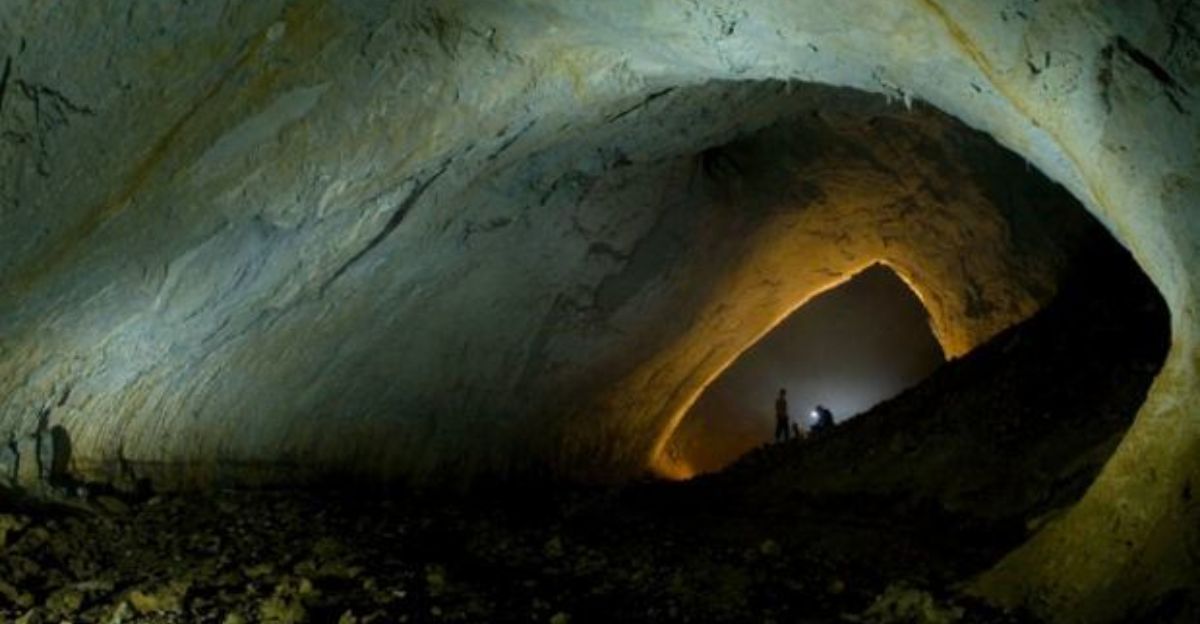
The cave stretches 656 feet underground. Scientists must descend 69 feet through a shaft to reach it.
Inside, oxygen is only 7–10 percent (normal air is 21 percent). Carbon dioxide is 100 times higher than outside.
Poisonous gases like hydrogen sulfide would kill most animals in minutes. Yet 53–57 species thrive here, proving life finds a way.
The Isolation Question
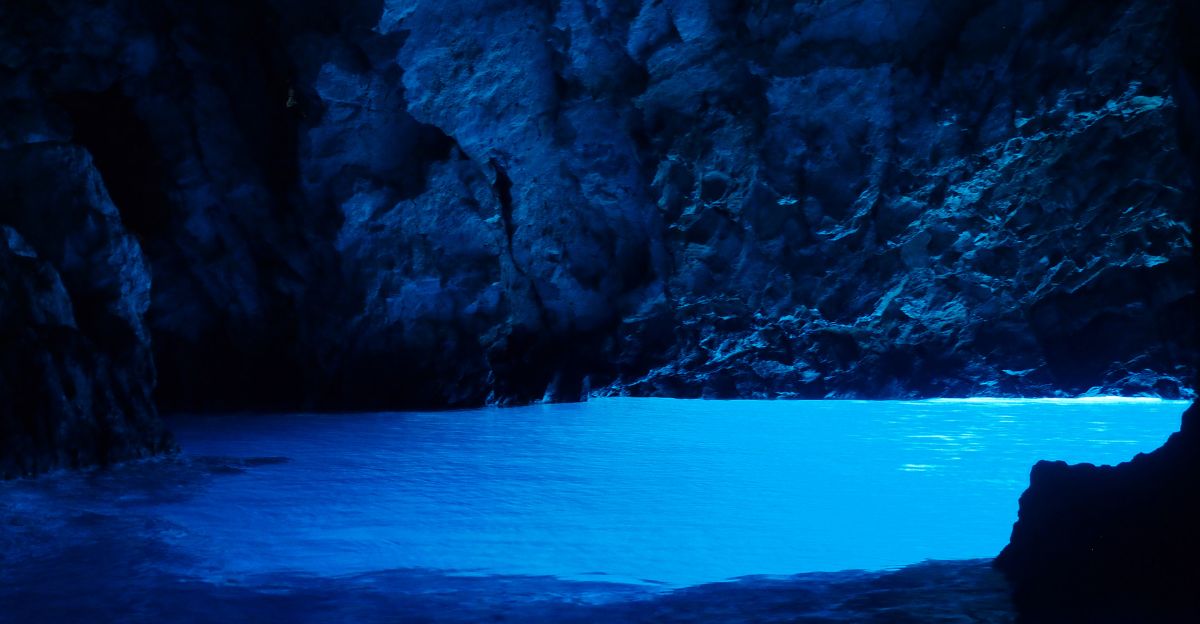
How could life survive isolated for millions of years? Scientists have found proof: the water contains no radioactive material from Chernobyl, indicating that no surface water has ever entered.
Thick layers of clay and rock seal the cave completely. This proved the cave was truly isolated.
The mystery became: if sunlight powers most life, what powers life here?
The Forbidden Zone

Scientists guard this cave carefully. Only a few researchers are selected each year.
One visitor could accidentally introduce bacteria that would destroy millions of years of evolution. The cave is a UNESCO World Heritage site.
Scientists have strict rules for anyone visiting. Studying the cave means accepting that access is extremely limited.
Chemosynthesis Discovered
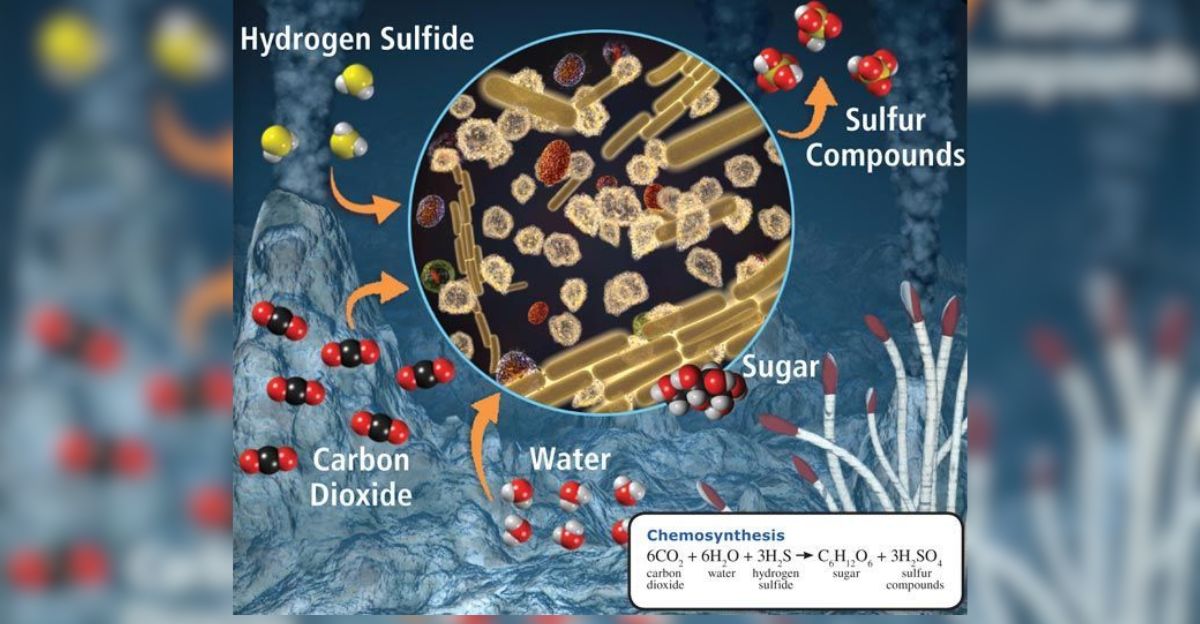
In 1996, the Science journal published groundbreaking news.
Researchers identified 48 animal species, 33 of which are found nowhere else. But the bigger discovery is that the cave doesn’t use sunlight.
Instead, bacteria transform poisonous gases into food and energy. This was the first time scientists found a land ecosystem powered entirely by chemicals, not the sun.
Strange Morphology
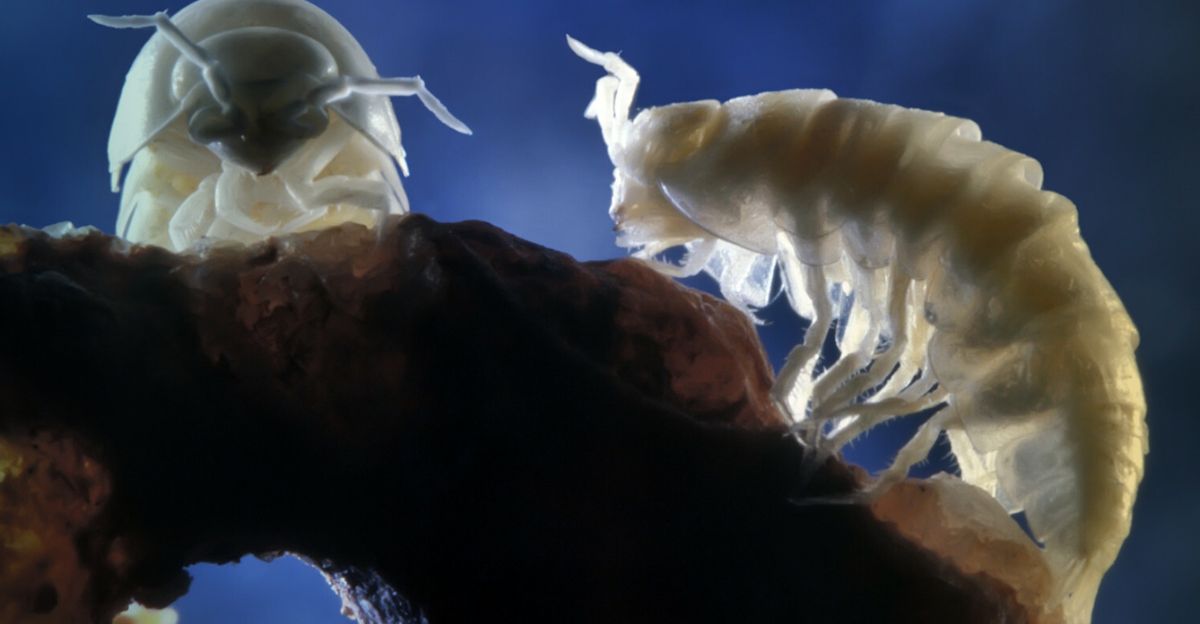
Cave animals evolved in total darkness, and as a result, they underwent significant changes.
The water scorpion has no eyes. Blind spiders, see-through worms, and long centipedes fill the caves. A centipede called Cryptops speleorex, discovered in 2020, is the cave’s biggest predator.
These animals represent millions of years of evolution under extreme conditions.
The Food Web Inversion
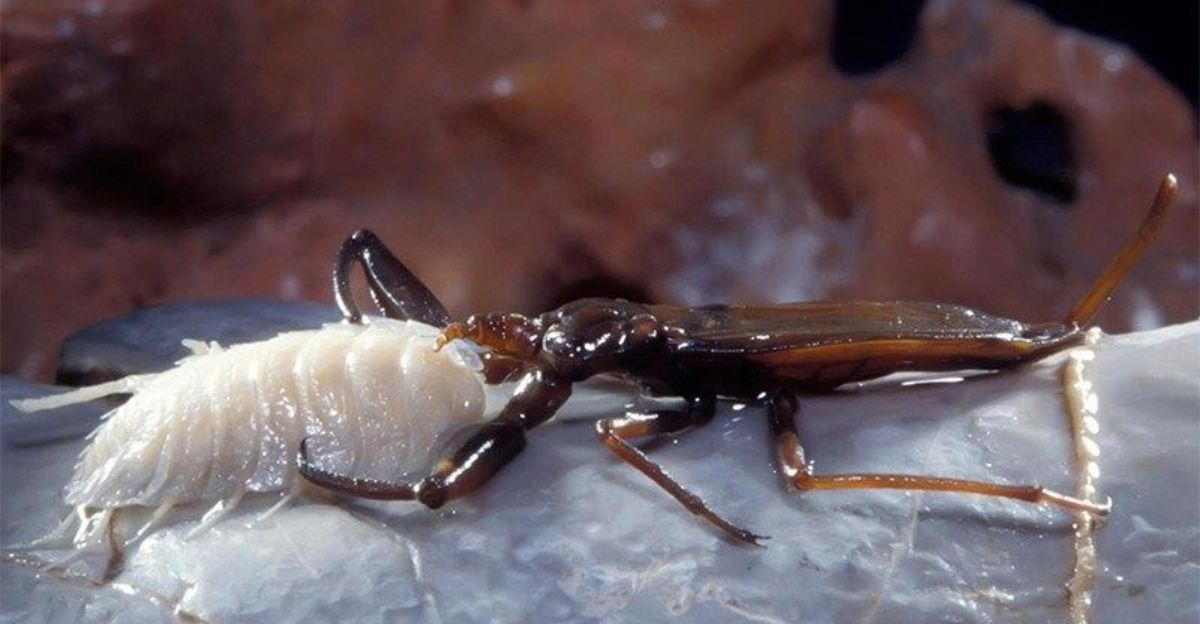
Most food chains start with plants. Here, they start with slime. Bacteria form thick coatings on rocks. Tiny animals eat the bacteria.
Larger animals eat the tiny ones. The centipede eats them all. This simple food chain supports amazing diversity.
The cave demonstrates that life adapts to any conditions given sufficient time and energy.
Microbial Factories
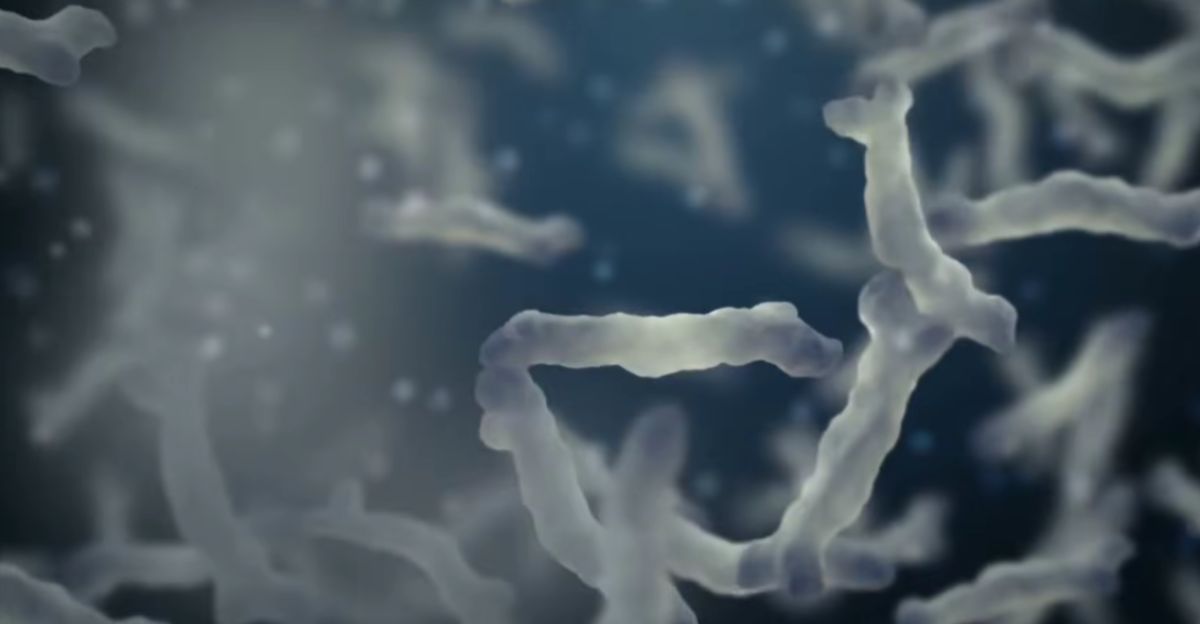
Bacteria are the cave’s real engineers. They transform poisonous hydrogen sulfide into energy and food.
Different bacterial groups perform different functions: some oxidize methane, while others cycle nitrogen.
Some bacteria switch between using oxygen and not using it, depending on conditions. This flexibility helps life thrive in different cave areas.
An Analog for Alien Worlds
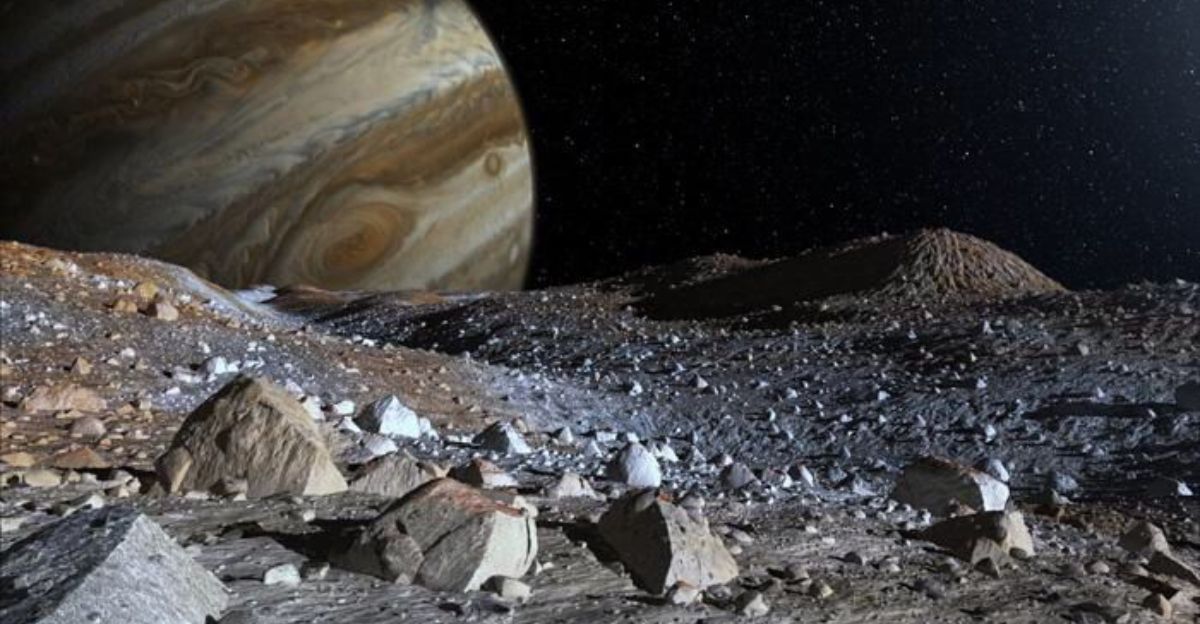
Scientists have realized that this cave model shows how life might exist on other planets. Jupiter’s moon Europa has an ocean beneath ice.
Saturn’s moon Enceladus shoots water with chemicals like those in this cave. Movile proves life can exist without sunlight or surface contact.
NASA partnered with European scientists to study the cave for clues related to astrobiology.
The Newest Resident
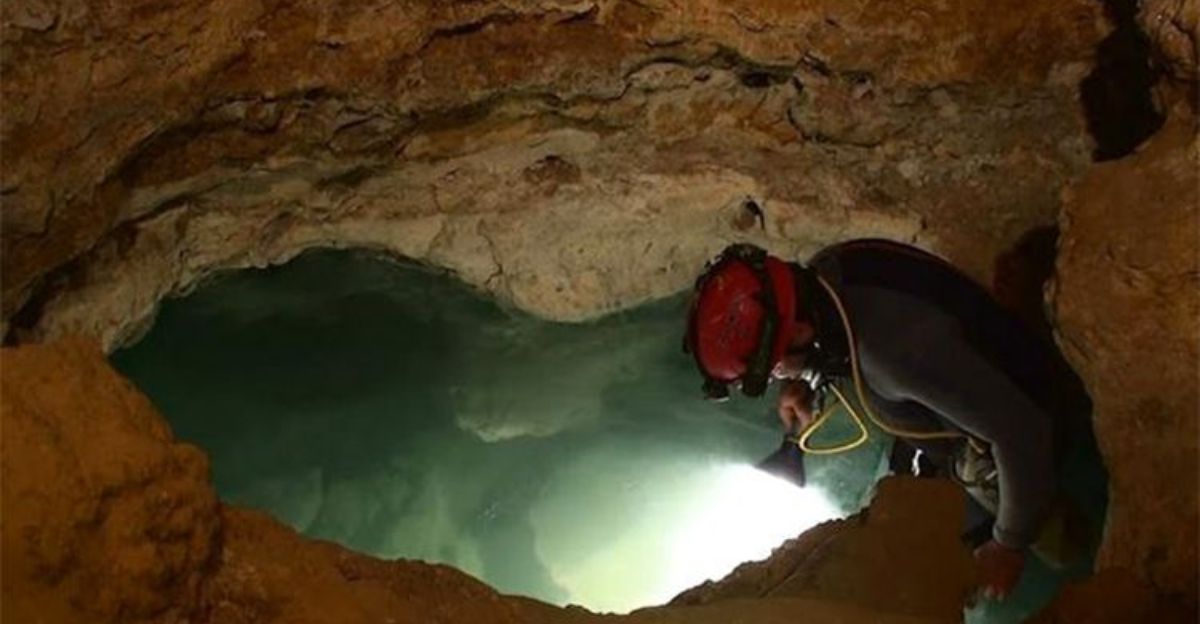
Not all cave species arrived at the same time. A snail called Heleobia dobrogica arrived only 2 million years ago.
This shows the cave isn’t frozen in time—it’s evolving.
Ice ages created pathways, letting new species enter. Some animals live both in and outside the cave. The cave is alive and changing.
The Chernobyl Proof
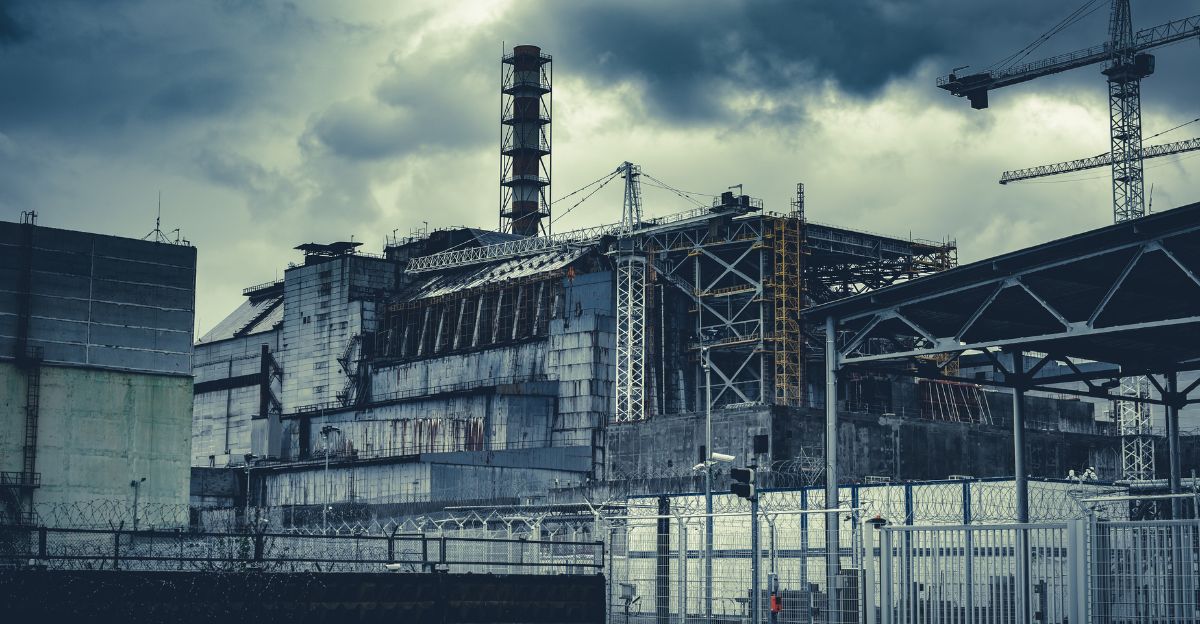
In 1986, the Chernobyl reactor exploded, spreading radioactive material across Europe.
Scientists tested cave water and found no radioactive material. This proved that no surface water had entered since the explosion.
The cave’s isolation wasn’t just a theory—it was a measurable fact. An accident had scientifically proven what geologists always believed.
Research Constraints
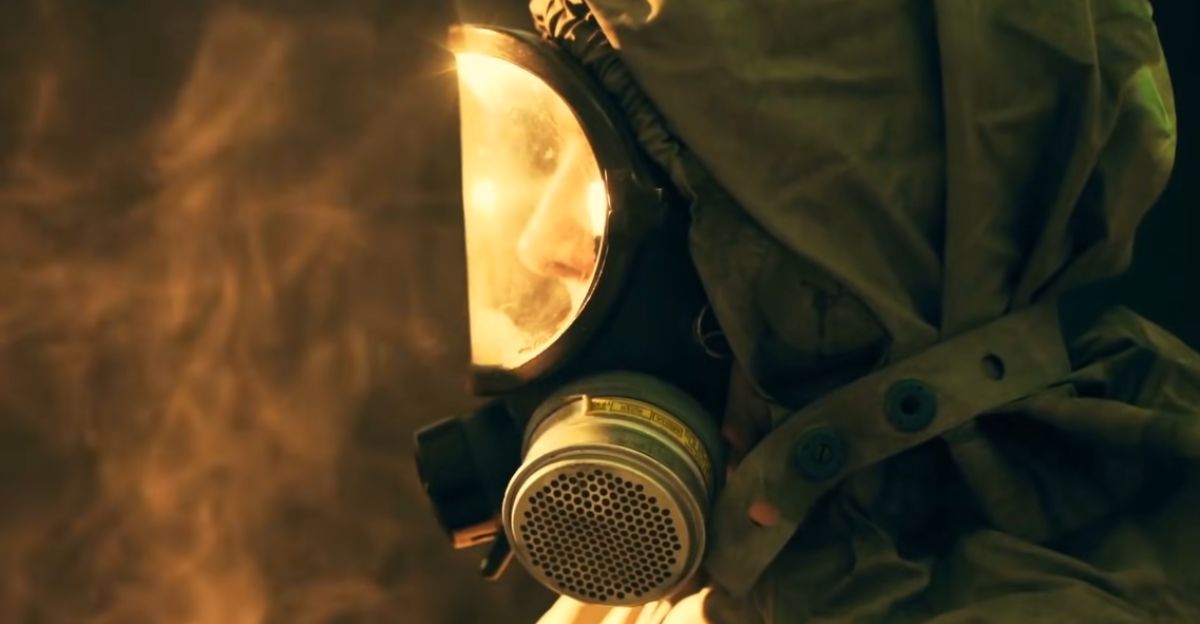
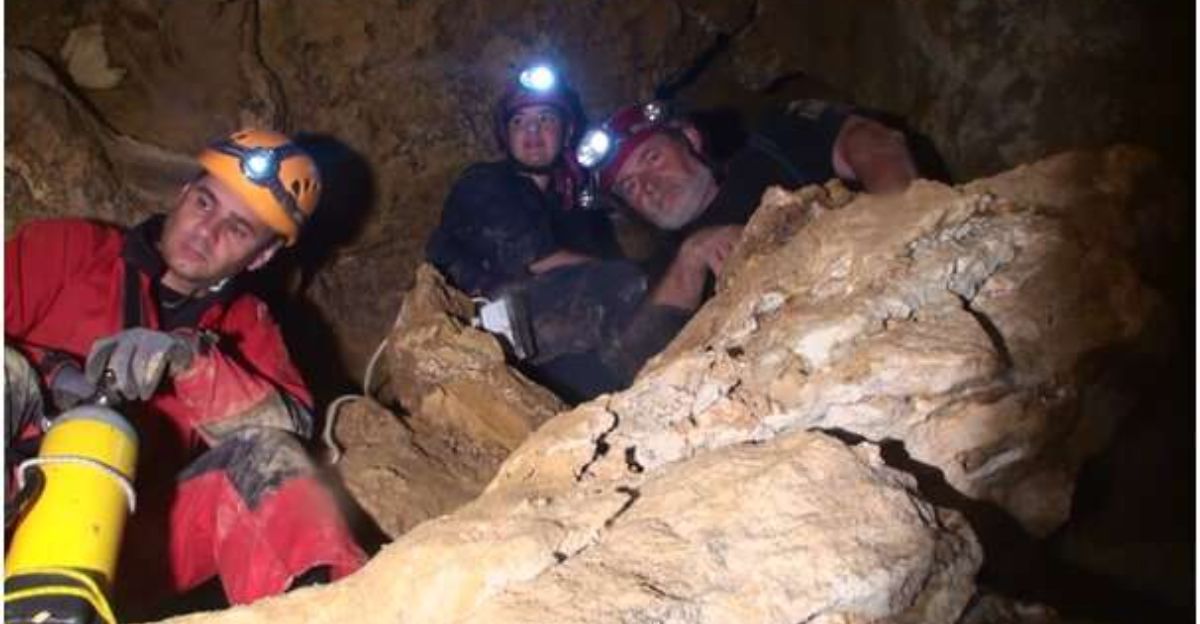
Studying this cave is extremely difficult. Scientists need special masks to filter poison gas and extra oxygen.
They can only stay a few hours before toxins become dangerous.
The cave has narrow passages and flooded sections. Only experts trained in both cave science and biology can work here safely.
The Living Time Capsule
For approximately 5.5 million years, this cave evolved in isolation.
That’s 18 times longer than humans have been on Earth. Ice ages, climate changes, and extinctions occurred outside, while the cave remained unchanged.
The species inside represent ancient family lines that have never mixed with outside species. The cave is a window into deep time.
The Cryptops Revolution
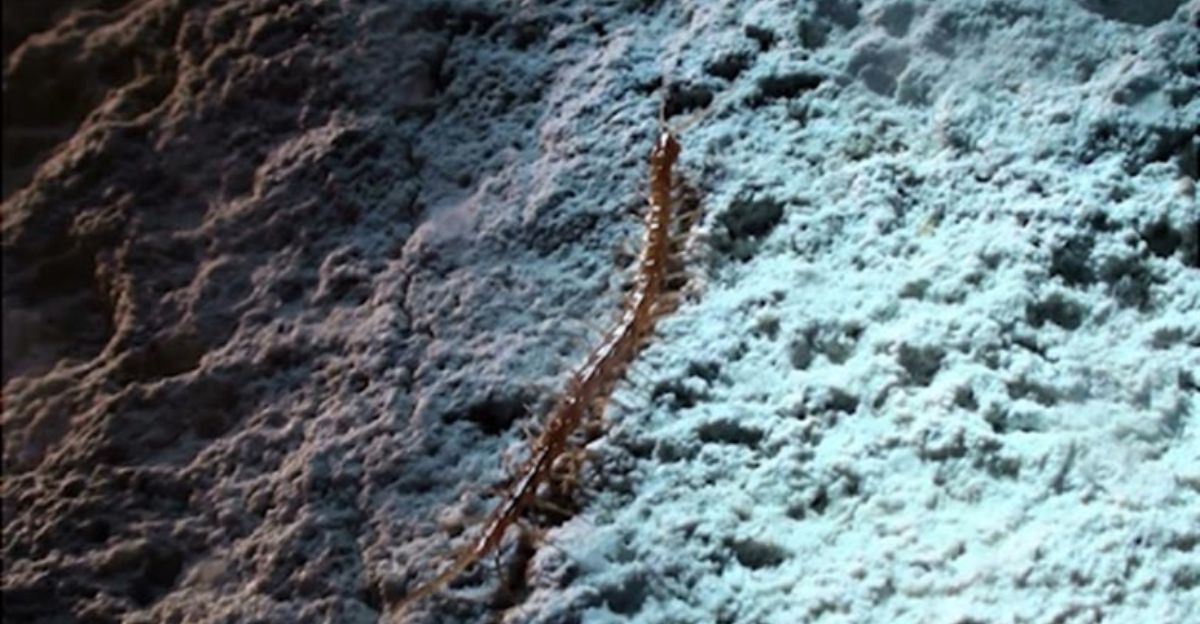
In 2020, scientists discovered a new centipede: Cryptops speleorex, the cave’s “king.”
It’s 1.9 inches long and hunts blind prey using its sense of smell and touch.
Discovering a major predator this late highlights the significant gaps in our understanding. Each expedition finds species never seen by humans before.
The Question Forward
This cave raises a deep question: Does life matter if nobody sees it?
The cave functioned properly for approximately 5.5 million years without human intervention. Now we must choose: study it and risk damaging it, or leave it alone?
Climate change, tourism, and research all pose threats to it. Scientists face this difficult choice.
Fungal Kingdoms

The cave holds more than just 57 animals. Scientists discovered 123 fungal species, including 96 that were found only in this location.
Different cave rooms have different fungi.
These fungi break down dead organic matter and recycle essential nutrients. The cave’s true biodiversity is far greater than initially thought.
Biotechnology Applications

Cave bacteria could help the human industry. Their enzymes might clean toxic waste or make medicines. Genetic codes from cave species are being studied.
However, commercial interests conflict with conservation.
Should we harvest these organisms for profit, or protect them forever? The answer isn’t clear yet.
Public Perception and Misinformation

The cave captured public imagination but caused confusion. Some people claim it has “alien life” or proves evolution is wrong.
News outlets sometimes blur the line between science and science fiction.
Real scientists clarify: life is earthly, the environment is just extreme. Education helps separate fact from hype.
Other Extreme Ecosystems
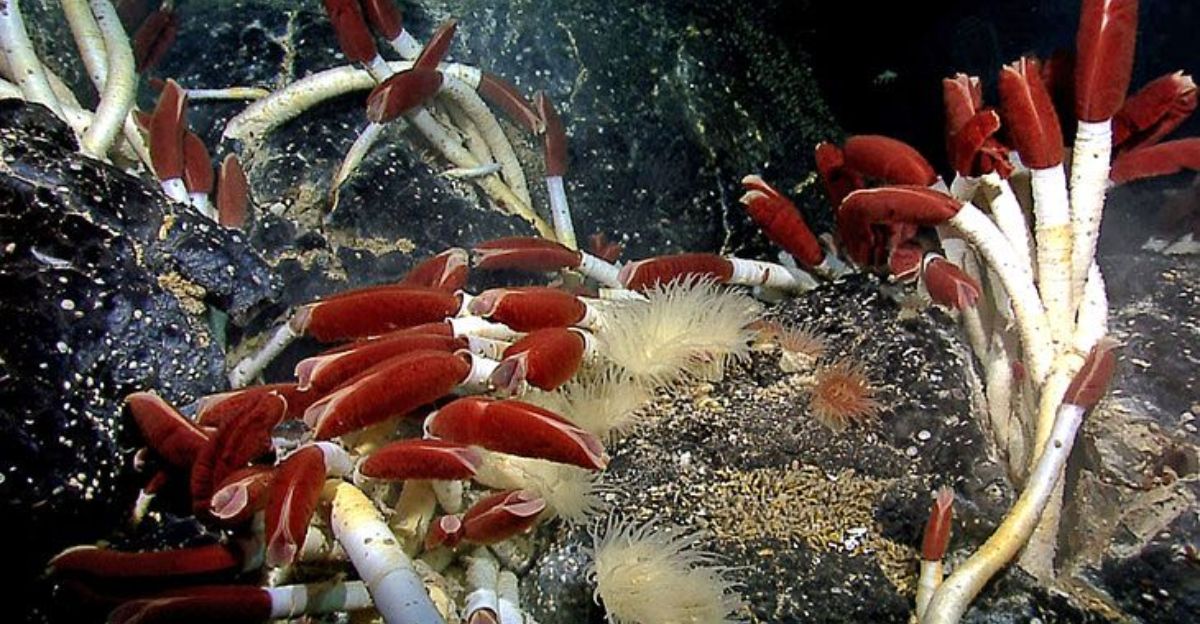
This isn’t the first extreme ecosystem found. Deep-sea vents also support chemosynthetic life, which was discovered in the 1980s.
But vents get fresh energy from Earth’s heat constantly. This cave’s energy comes from stored chemicals underground.
Movile is unique: sealed beneath the land for millions of years, supporting complex life.
Life’s Boundaries Redrawn
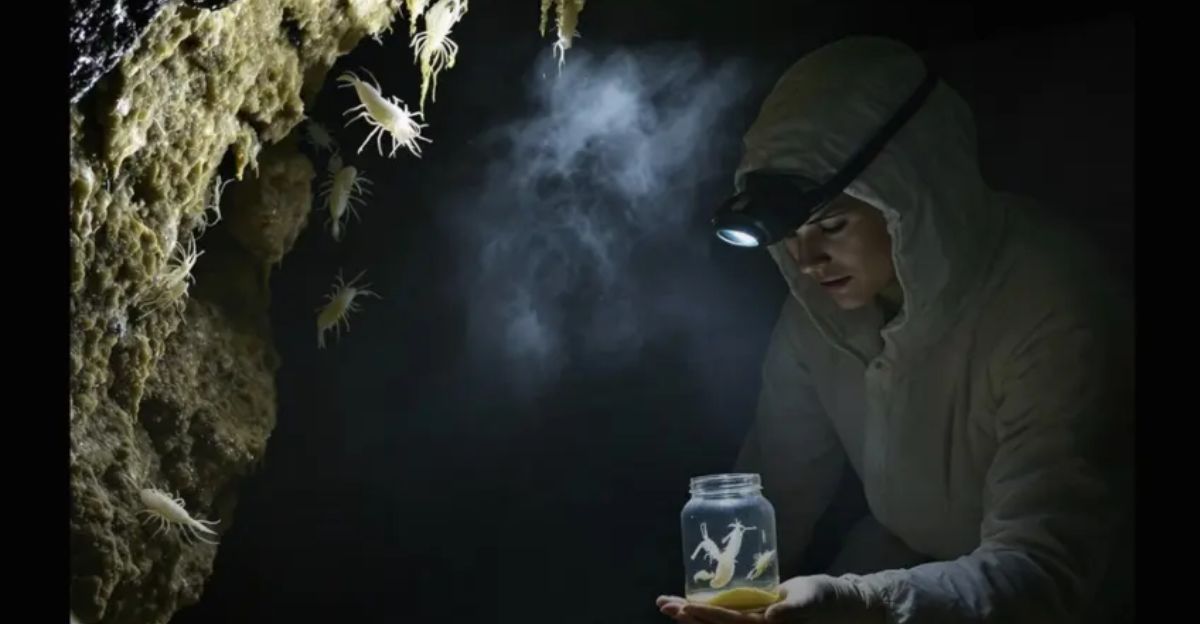
Movile Cave answers an ancient question: what are life’s limits? Life needs less than we thought. No sunlight required, no surface connection needed and, no oxygen-rich air is necessary.
In a sealed underground chamber, life created 57 animal species and hundreds of microorganisms.
This changes how we search for life on distant planets and our understanding of life on Earth.