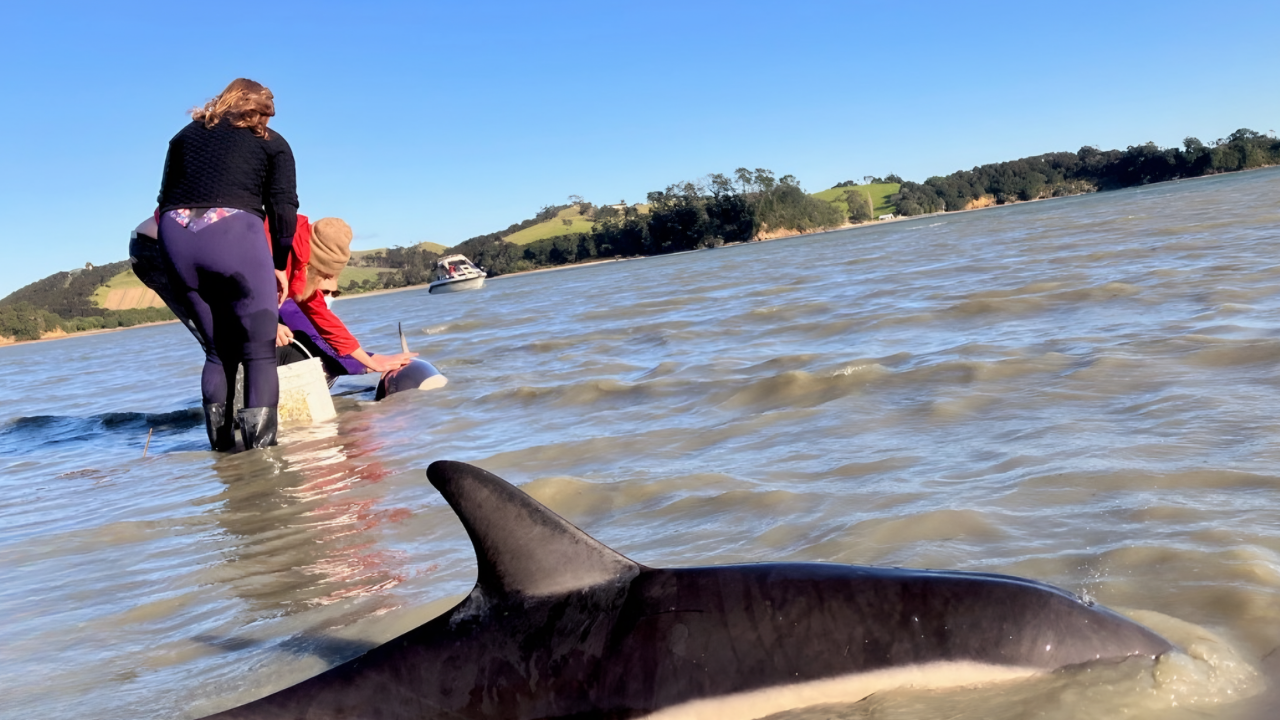
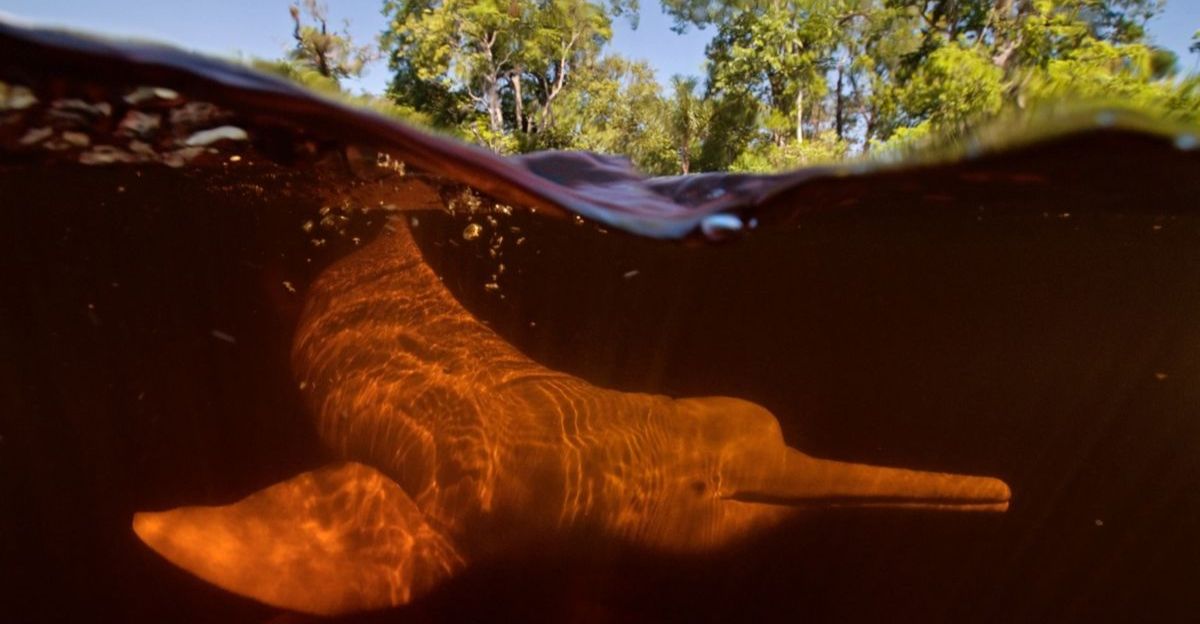
In September 2023, Brazil’s Lake Tefé witnessed a heartbreaking event: more than 150 river dolphins died due to extreme heat. These dolphins, important symbols of the Amazon’s natural richness, fell victim to temperatures never seen before in the region. Scientists around the world were shocked, realizing that even the Amazon, long known for its resilience, is becoming more vulnerable as the planet warms.
Under normal conditions, Lake Tefé is full of life. But during this event, the water became dangerously hot, reaching around 105°F from the surface all the way down to its two-meter depth. That is hotter than most hot tubs, leaving no cool layer for animals to escape to. The cause was a mix of several extreme weather conditions: strong sunlight, almost no wind, and a long drought.
When researchers arrived, they found that the water was physically painful to touch. Local fishermen said fish disappeared overnight. Water that hot cannot support most freshwater life, and the entire lake turned into an environment where survival was nearly impossible.
Drought and Trapped Wildlife
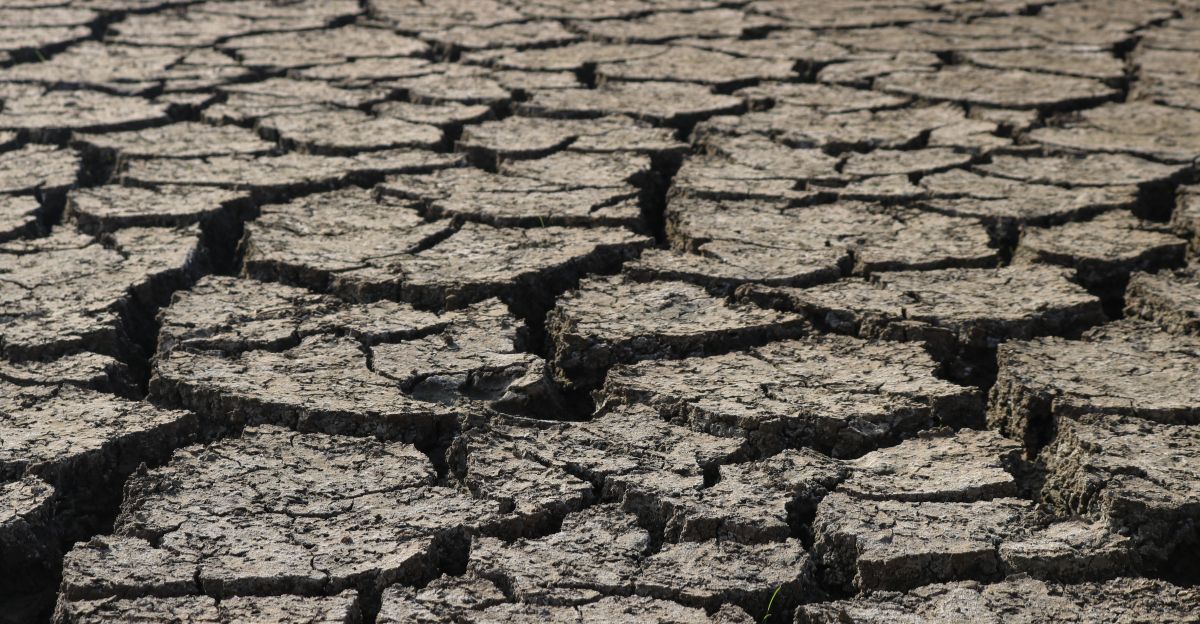
The heat crisis was made worse by one of the region’s worst droughts in decades. By late September, Lake Tefé had lost almost three-quarters of its surface area. Rivers that usually supplied it with fresh water slowed to little more than streams. The edges of the lake turned into mudflats, and many aquatic animals were stranded.
Evaporation increased sharply because of the high heat, concentrating the remaining water into small, still, and scalding pools. This was especially deadly for the dolphins. Normally, they can move through connecting rivers to cooler places, but the drought blocked all escape routes. Amazon river dolphins, unlike ocean dolphins, live in shallow and murky waters, so they had nowhere to go when the temperatures soared.
These conditions created a deadly trap. As the water level dropped, oxygen levels fell, and the dolphins were left isolated in pools too hot to survive.
The Collapse of an Ecosystem
Between September 23 and 30, the situation reached its worst point. Around 130 pink river dolphins and 23 tucuxi dolphins died within a single week. Teams from the Mamirauá Institute and international researchers quickly arrived to study what had happened. What they found was an almost complete breakdown of the lake’s ecosystem.
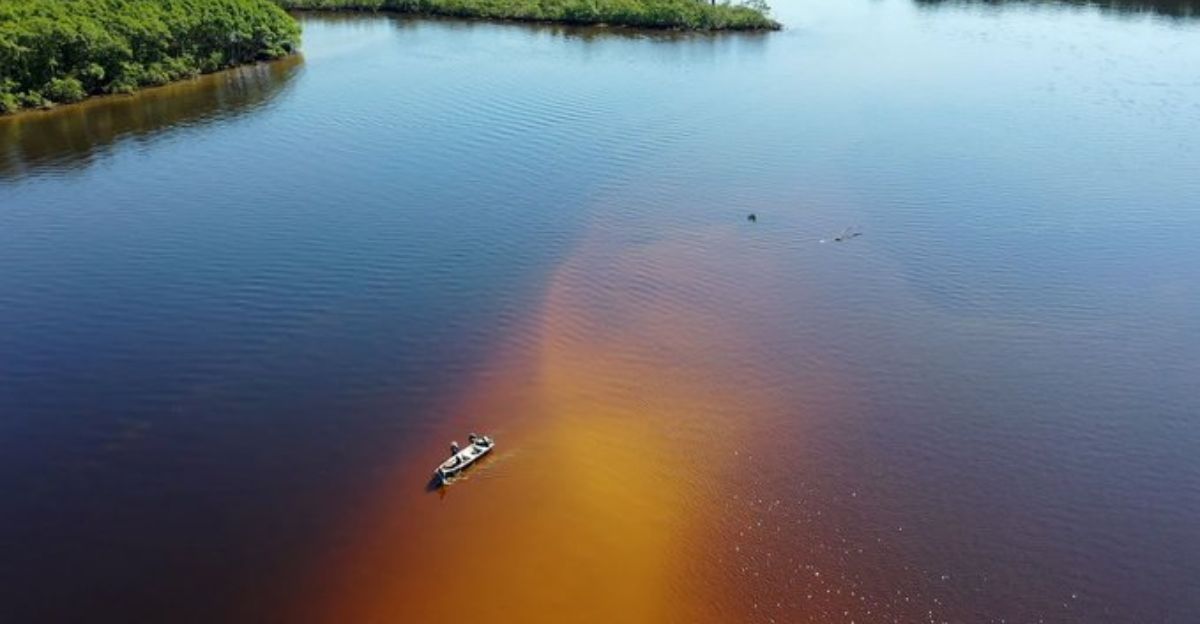
When water heats up too much, it holds less oxygen. Fish began to suffocate, and a bloom of stressed microorganisms turned the water red, signaling a larger environmental collapse. With fish dying, birds and other animals lost their food sources. The people living nearby also suffered: the fish they depended on for food disappeared, the water became unsafe, and the local economy, partly supported by tourism tied to dolphin watching, took a hit.
Lake Tefé’s disaster showed how fast extreme heat can turn a healthy ecosystem into a death zone. It also revealed how closely human and environmental well-being are linked in the Amazon region.
Climate Change and the Future of the Amazon
Scientists studying the tragedy concluded it was not just a local problem but a warning about climate change. The heat crisis at Lake Tefé resulted from a combination of regional warming, reduced rainfall, and intense sunlight, all made worse by greenhouse gas emissions. NASA data confirmed that lakes across the Amazon are heating up nearly twice as fast as the global average, with temperature increases of about 33°F per decade since the 1990s.
Further research on ten other Amazon lakes showed that similar heat spikes are happening throughout the region. Even at night, water temperatures stayed around 80°F, giving aquatic life no chance to recover. These findings suggest that the Lake Tefé incident could repeat itself as climate conditions intensify.
For local communities, the loss of dolphins and fish was both an ecological and human crisis. Families lost food sources, water became contaminated, and opportunities for tourism dried up. The event highlighted how climate-related biodiversity loss directly affects people who depend on nature for survival.
At global discussions like the United Nations COP30 summit, the Lake Tefé tragedy is now cited as evidence of how quickly climate change can outpace the ability of people and ecosystems to adapt. Experts are calling for the creation of heat-alert systems for freshwater habitats in the Amazon and for local communities to lead new monitoring programs. Indigenous knowledge, which has long guided living in harmony with the forest, is now recognized as crucial for early warning and adaptation strategies.
As droughts become stronger and more frequent, both the wildlife and the people of the Amazon face increasing danger. The death of Lake Tefé’s dolphins stands as a clear warning: protecting the Amazon means protecting its waters, its creatures, and the countless lives that depend on them.