Antarctica holds Earth’s climate secrets in ice spanning over one million years. Scientists knew the continent wasn’t always frozen. Robert Falcon Scott found fossil forests near the South Pole in 1912.
Now, researchers don’t fully understand when this transformation happened. Modern drilling and radar mapping reveal new details about Antarctica’s climate shifts. These findings matter for sea levels and ice sheet stability worldwide.
The Depths Below
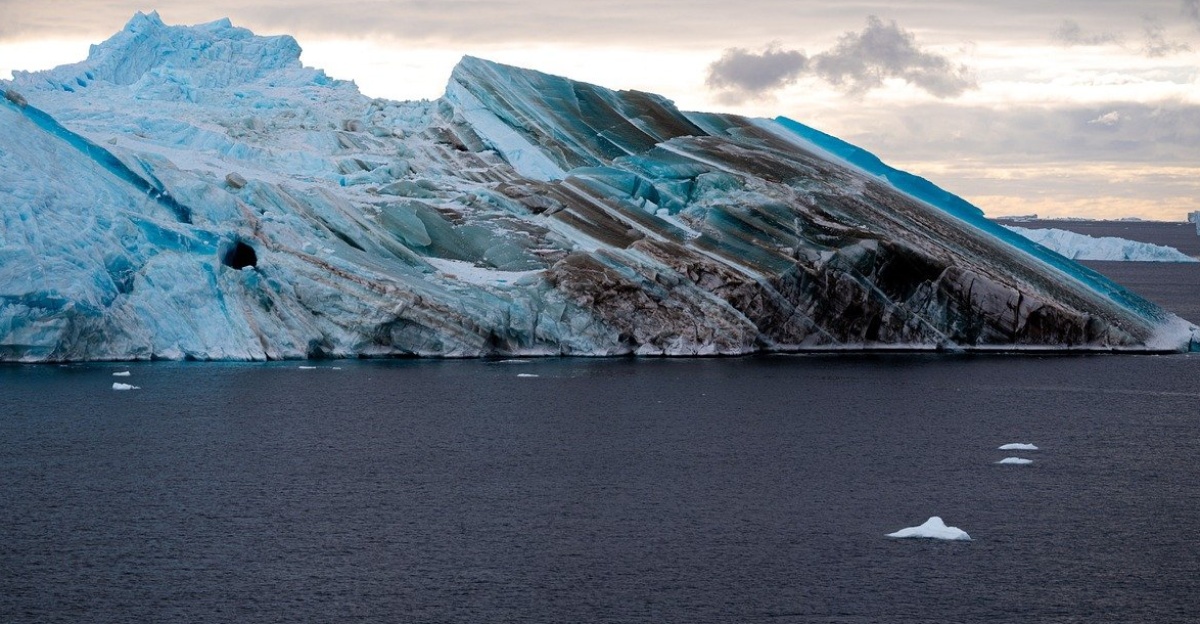
Two kilometers of ice hide a hidden world beneath Antarctica. New drilling rigs and radar now let scientists see ancient landscapes. The East Antarctic Ice Sheet covers an area the size of Australia.
It hides evidence of old rivers, valleys, and plants. Scientists can now better model ice sheet collapse and future climate.
A Continent Transformed
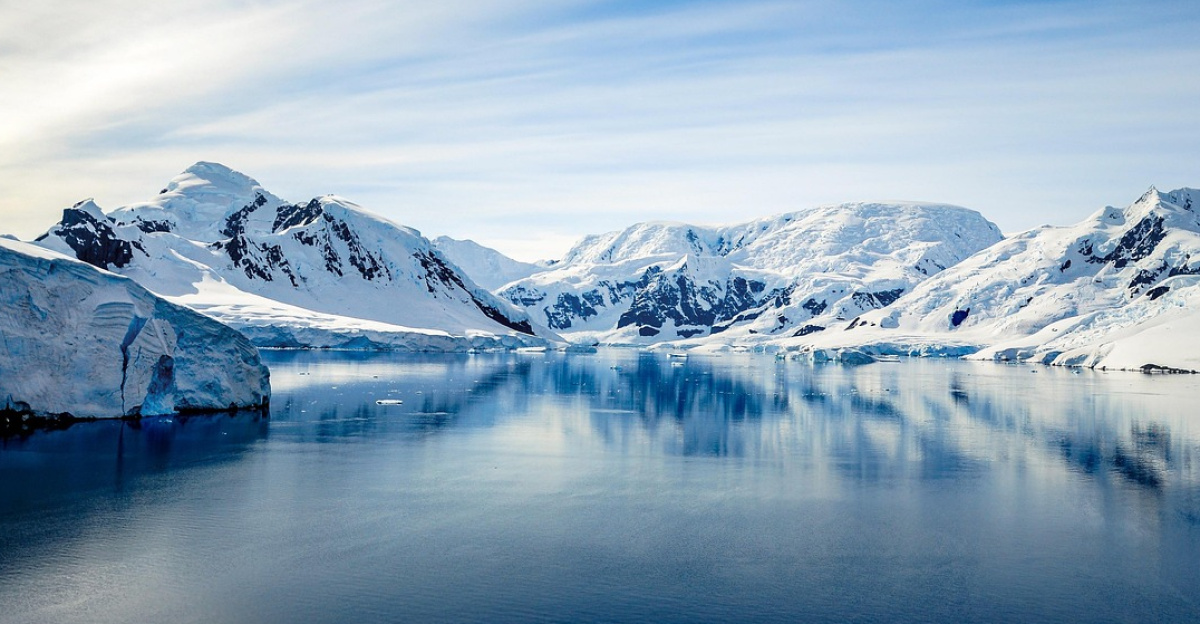
Antarctica changed millions of years ago. The Eocene epoch was warm like dinosaur times. The Oligocene epoch brought ice sheets. Around 34 million years ago, Antarctica crossed a climate turning point.
Ocean patterns shifted. CO₂ dropped. The continent froze rapidly. Scientists still debate what conditions existed before freezing.
The Evidence Gaps
For 100 years, scientists pieced together Antarctica’s climate using surface fossils and shallow sediment cores. Scott’s tree fossils proved forests existed. Getting deep ice evidence was impossible.
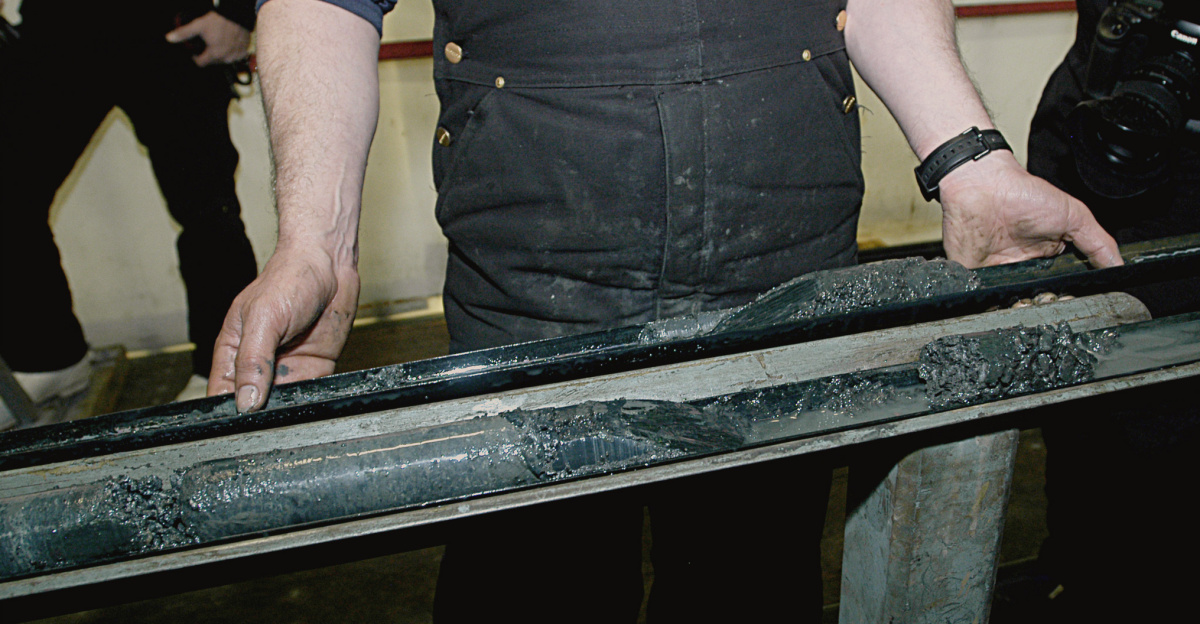
Ice cores showed climate data, but not landscape or plant proof. Scientists needed subglacial sediments and specimens to show Antarctica’s final green period.
Drilling Into the Past
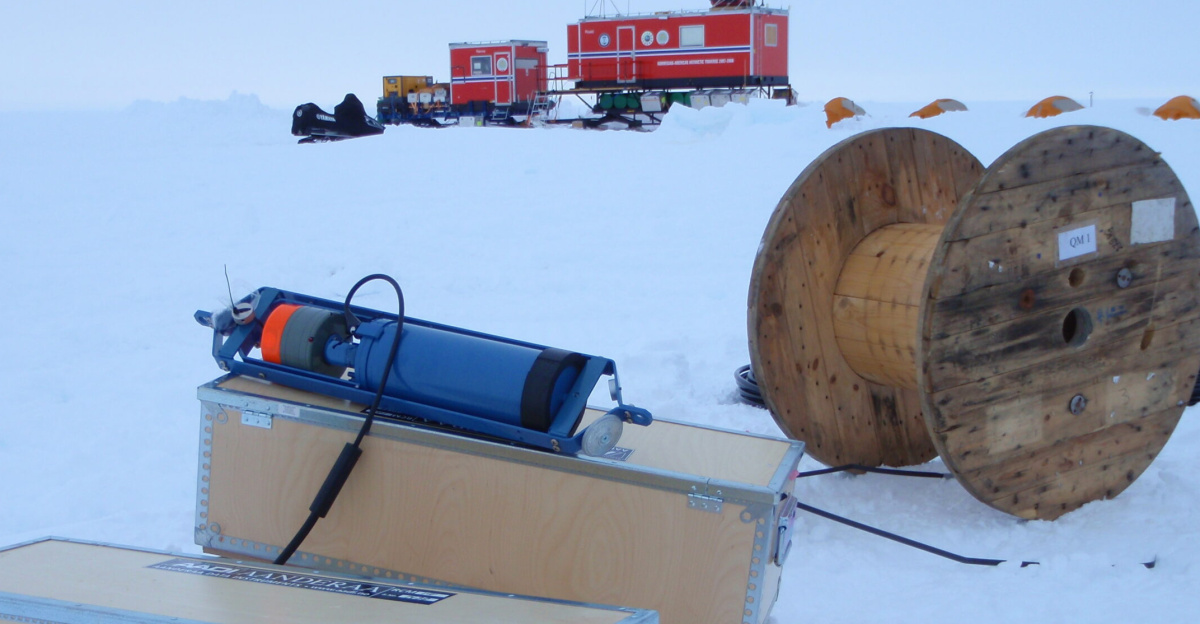
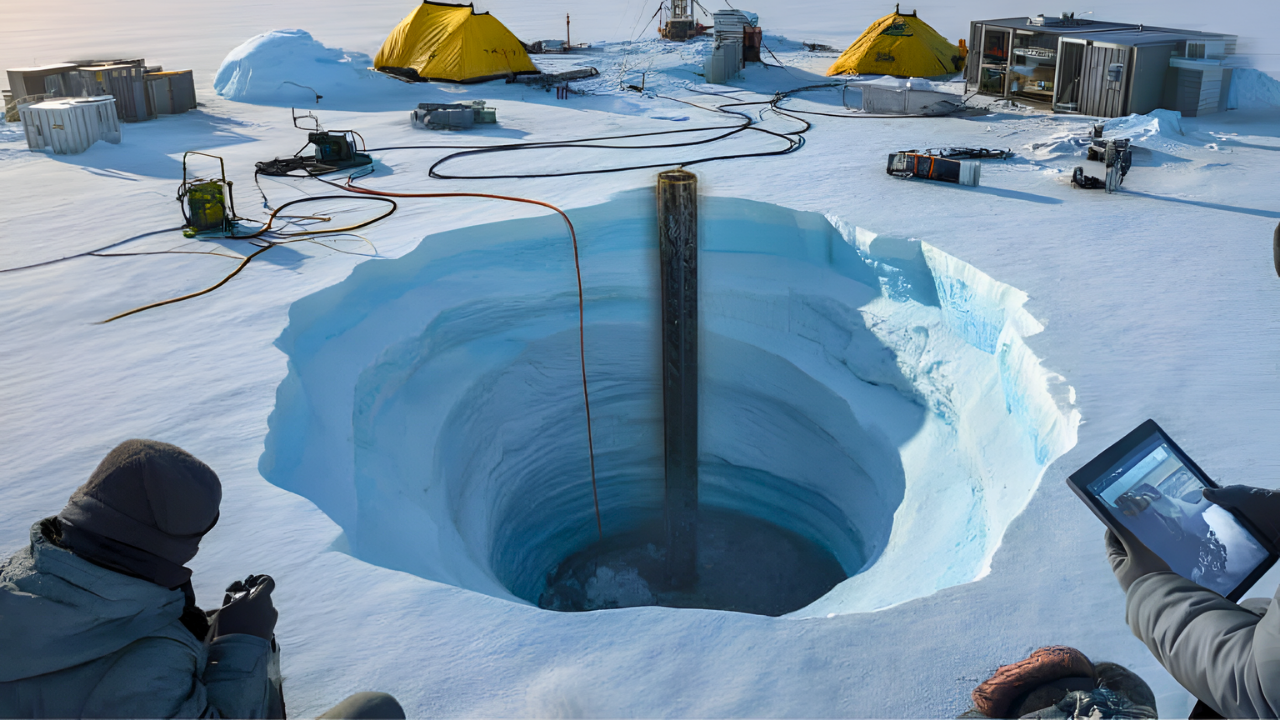
Early 2025: An international team drilled through 9,186 feet of ice at Little Dome C in East Antarctica. They reached sediments untouched for 30 million years.
Durham University’s Stewart Jamieson used radar to map an ancient landscape beneath 8,858 feet of ice near Dome C. Scientists found pollen, plant waxes, roots, and sediment cores. These provide clear evidence of old forests.
A Landscape Frozen in Time
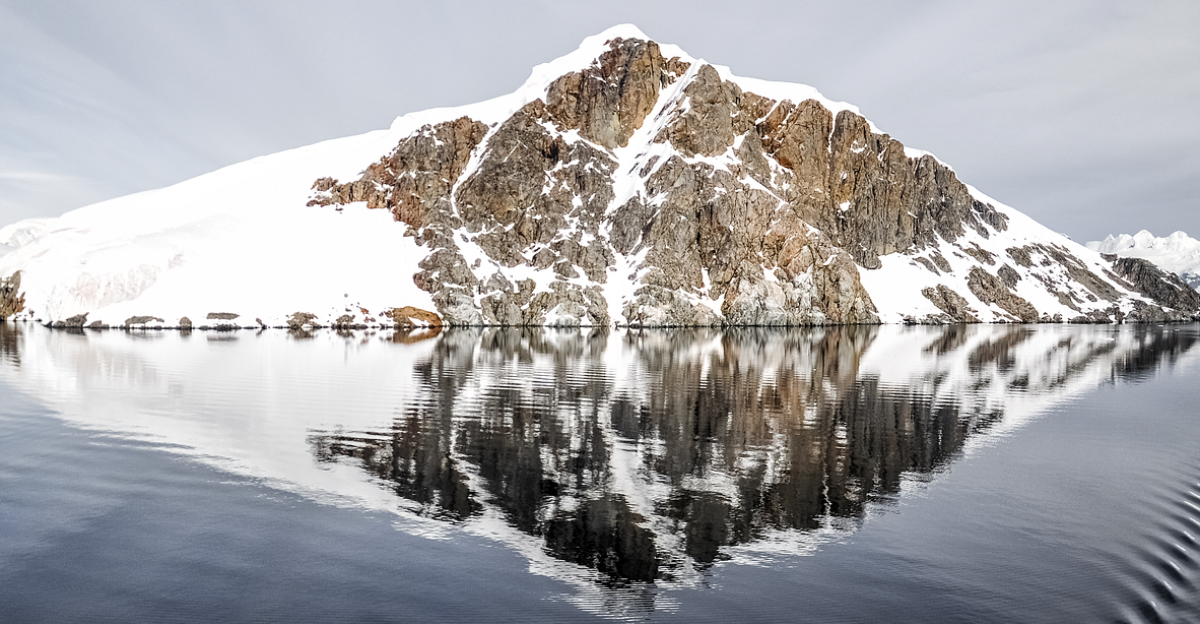
Radar showed Antarctica had mountains, valleys, and water systems before ice. River sediment grains proved that ancient water systems existed. Pollen analysis showed that the plants were adapted to cool conditions.
Root fossils proved that woody plants grew in communities. The landscape resembled boreal forests, not tropical rainforests. It differed greatly from today’s frozen desert.
The Clock Strikes Thirty-Four Million
Dating minerals in sediments confirmed precise timing: vegetation and rivers existed around 34 million years ago. This matches the Eocene-Oligocene boundary in ice cores. Antarctica’s climate reversed quickly, perhaps in 300,000 years.
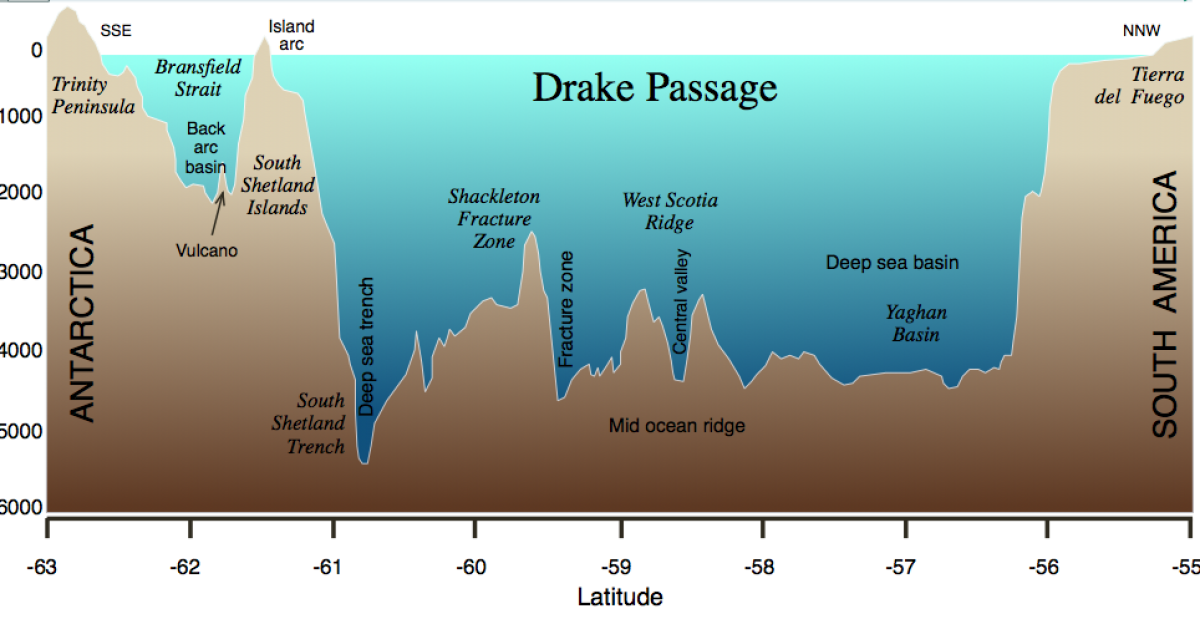
Falling CO₂ and changing ocean patterns triggered rapid cooling. The opening of the Drake Passage and tectonic shifts drove these changes.
Rival Discoveries, Complementary Insights
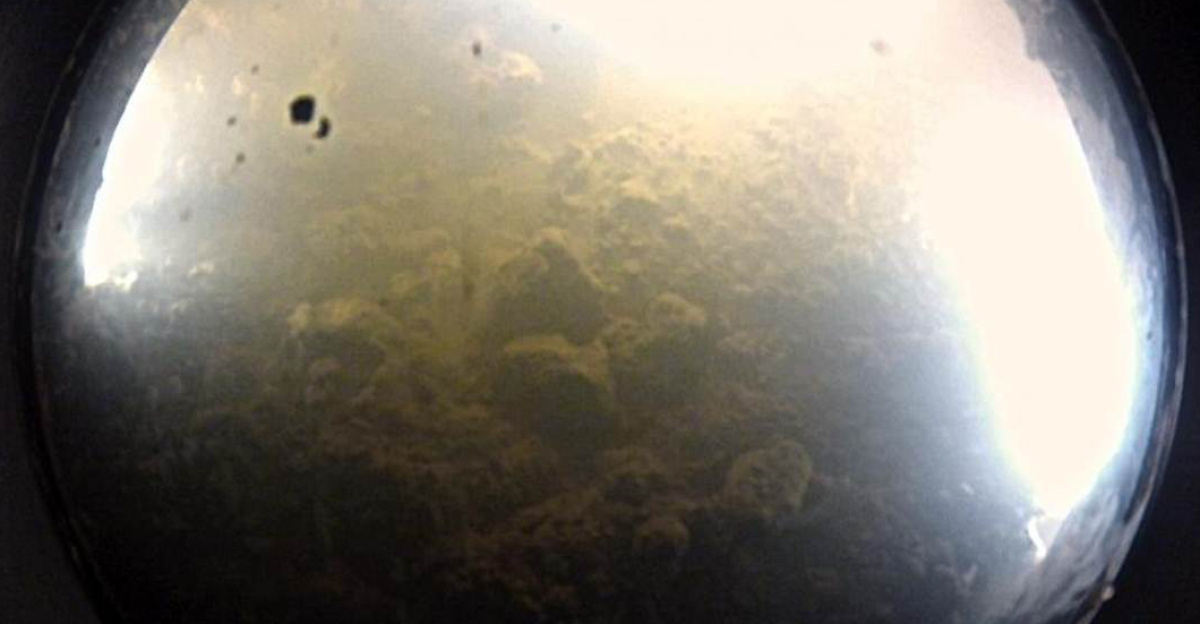
Beyond EPICA and Durham studies show similar findings separately. West Antarctica revealed its own story: 2020 drilling found a 90-million-year-old rainforest with roots and pollen from warm, swampy Cretaceous times.
Lake Whillans, a 2,625-foot-deep subglacial lake, held 34-million-year-old pollen from beech and conifer trees. These discoveries across regions show Antarctica’s frozen state is new.
The Global Climate Alarm
This matters beyond Antarctica’s history. The Eocene-Oligocene shift ranks among Earth’s biggest climate changes. Understanding what triggered this shift helps future climate models.
Today’s CO₂ levels are rising toward levels from when Antarctica was green. If warming pushes past ice-sheet thresholds, a runaway melting event lasting thousands of years could begin.
The “First Evidence” Paradox

The headline claiming “first hard evidence” needs review. Scott found 35 pounds of Glossopteris fossils in 1912—clear proof of old forests. Over 100 years of research showed Cretaceous pollen, Permian tree fossils from 280 million years ago, and core evidence worldwide.
These 2024-2025 finds show the most complete deep sediment evidence, not the first. The framing sensationalizes a century of research.
Drilling Into Controversy
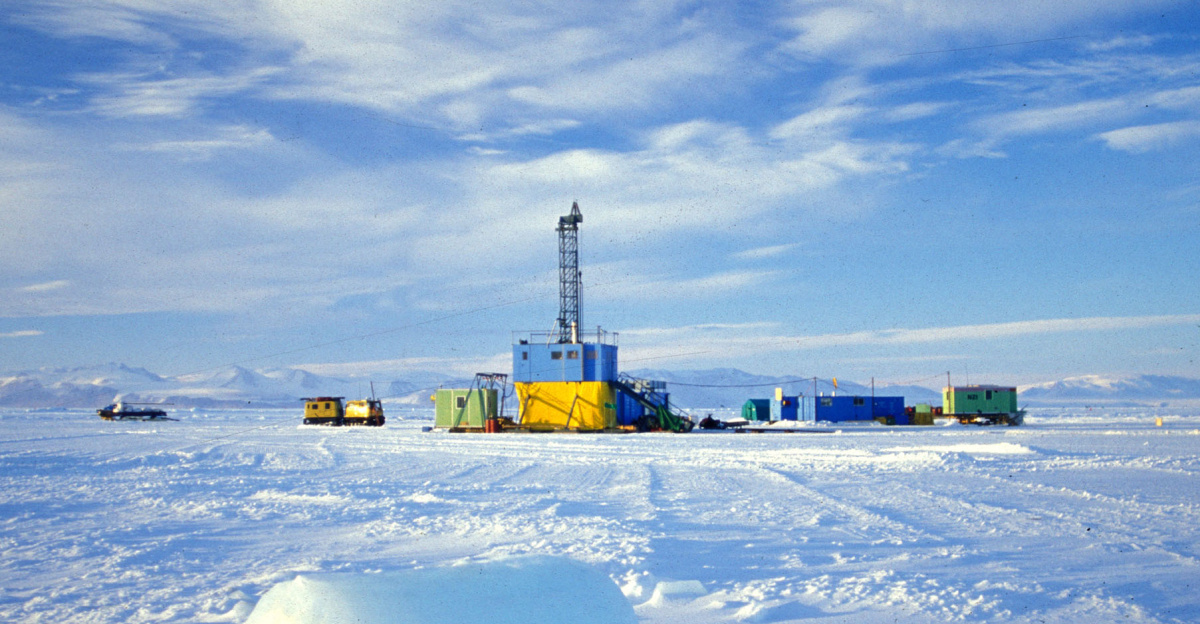
New drilling methods raised questions about environmental impact and funding. Hot-water drilling systems use lots of energy to melt through ice. Some glaciologists prefer radar and remote sensing over drilling in pristine regions.
Others say direct sampling gives unique data that radar cannot match. This debate mirrors broader questions about Antarctic research methods.
Competing Research Agendas
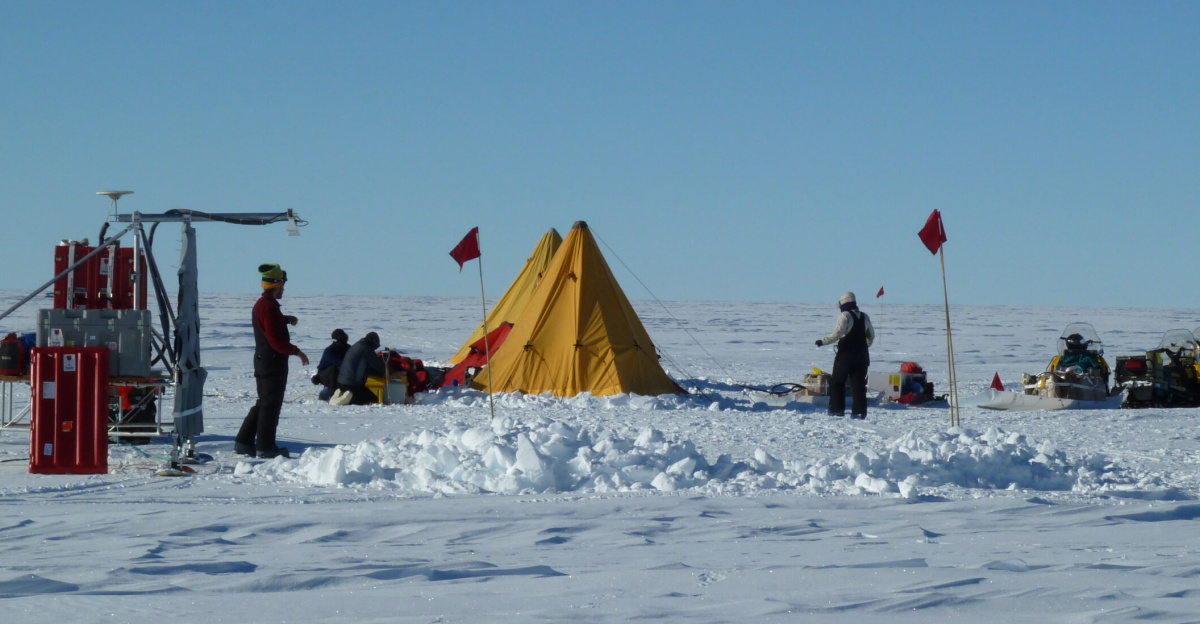
Multiple nations launched overlapping drilling programs. Australia’s Million-Year Ice Core project drilled deeper than 9,843 feet at Dome C North. Europe’s Beyond EPICA works at Little Dome C.
China and Russia pursue similar goals. This competition speeds discovery but raises coordination questions. The race for “firsts” sometimes hides Antarctic science’s collaborative nature.
The Sea Level Equation
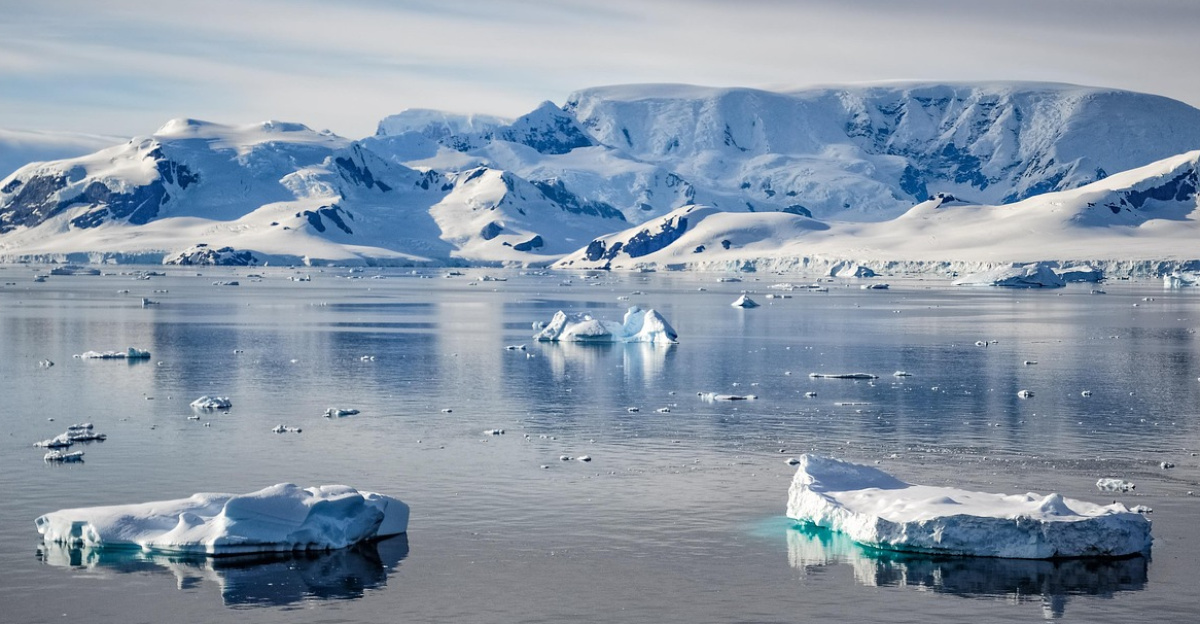
The stakes are massive. The Antarctic ice sheet holds enough frozen water to raise ocean levels 190 feet if fully melted. Models show that the West Antarctic Ice Sheet collapse could raise sea levels by 16-33 feet within centuries if warming breaks key thresholds.
East Antarctica seemed more stable, but it appears vulnerable based on sediment data. A return to 34-million-year conditions would devastate coastal cities.
Adaptation Planning Under Uncertainty

Policymakers face a hard truth: the timing of ice collapse remains unknown, but itspotential size is enormous. Small island nations like Tuvalu and Kiribati seek emergency funding and relocation help at climate meetings.
Rotterdam and Miami build flood defenses. Yet Antarctic evidence suggests budgets may fall short if changes happen faster. Research must balance worst-case planning with avoiding panic-based policies.
The Question Beneath the Ice

Drilling continues through the next decade in East Antarctica. Teams may reach sediments 3.9 million years old or older. Each core section maps climate history. A key question remains: Do 34-million-year sediments show a stable epoch that could return, or a brief pause before ice returned?
If the first, carbon emissions might trigger rapid green Antarctica with catastrophic effects. If the second, warming might stabilize differently. The evidence rewrites our past, but predicting our future remains Antarctic science’s greatest challenge.
Sources:
- Beyond EPICA Consortium, Press Release/Scientific Updates, January 2026/2025
- British Antarctic Survey, Antarctic Research Updates, 2025/May 2015
- Nature Communications, Ancient Antarctic Landscapes Study, October 2023/2023
- Science Magazine, Antarctic Ice Drilling Coverage, January 2026
- Imperial College London, Antarctic Rainforest Discovery/Antarctic Research, December 2025/April 2020
- Copernicus Climate Change Service, Climate Analysis Reports, September 2024/2024