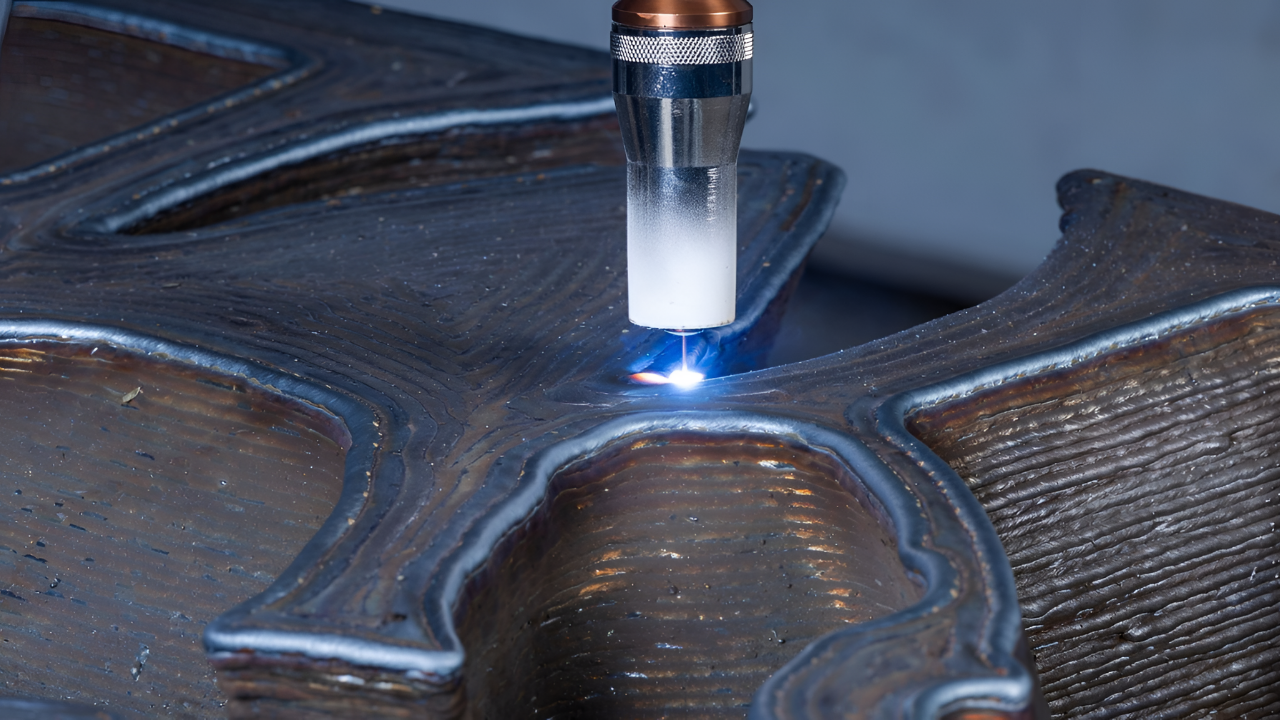
Researchers at Japan’s Nagoya University have achieved a groundbreaking advancement that defies conventional metallurgy. Their revolutionary aluminum alloy, optimized through 3D printing technology, can withstand temperatures reaching 572°F while maintaining exceptional strength and flexibility.
Published in Nature this December, this innovation promises to transform automotive and aerospace manufacturing by enabling significantly lighter vehicles with dramatically improved fuel efficiency.
Breaking Metallurgical Convention: Iron as Strengthener, Not Contaminant
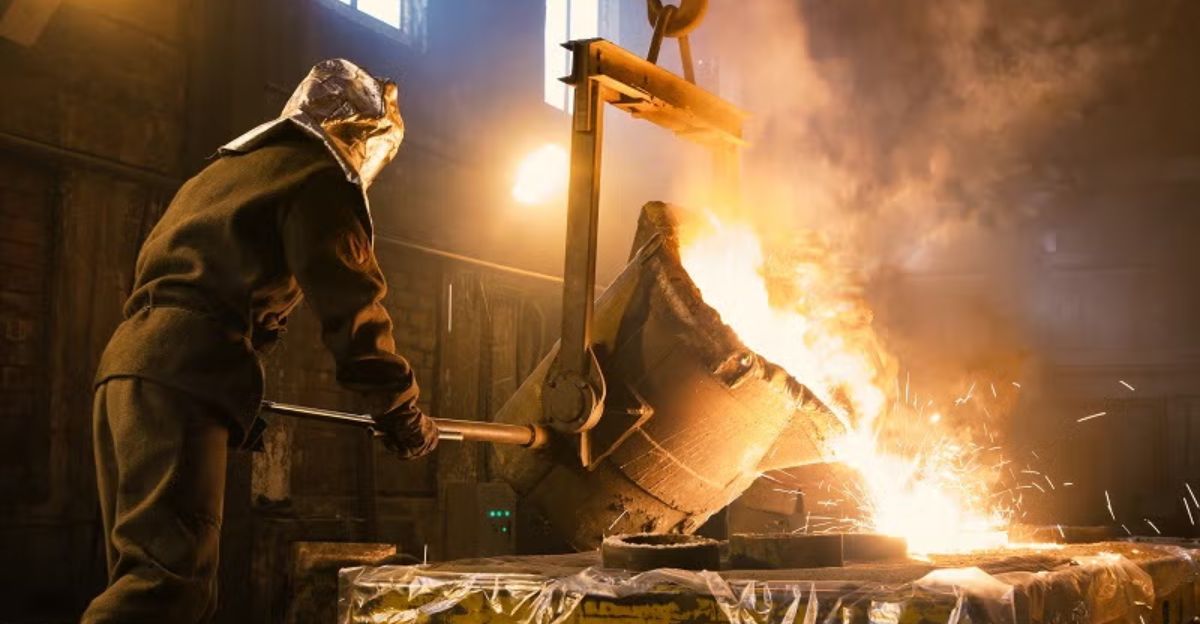
For over a century, metallurgists have treated iron as a contaminant in aluminum, avoiding its addition because it traditionally makes metal brittle and corrosion-prone. However, Nagoya University’s team discovered that through rapid cooling inherent to laser powder bed fusion 3D printing, iron transforms from liability into crucial strength-enhancing element.
Professor Naoki Takata explained that extreme cooling rates—reaching 103 to 108 K/s—trap iron in unprecedented arrangements that cannot form under normal manufacturing conditions.
The Al-Fe-Mn-Ti Formula: Precision Engineering at Molecular Scale
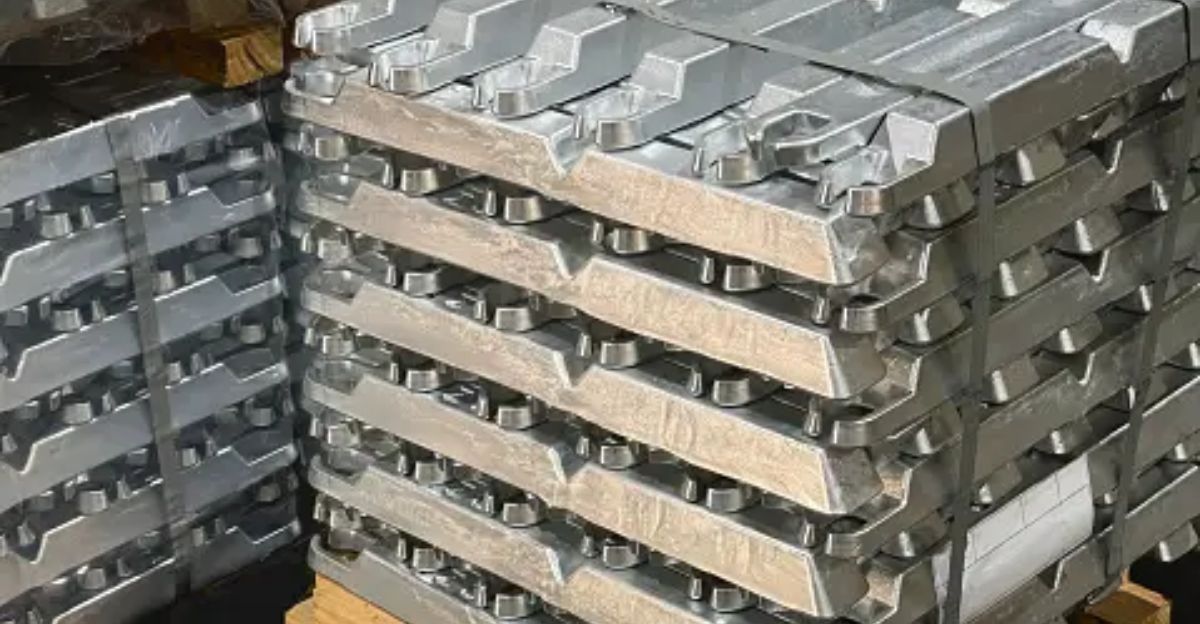
After systematic testing of various elemental combinations, researchers identified an optimal formulation: aluminum-iron-manganese-titanium (Al-Fe-Mn-Ti).
This revolutionary alloy achieves tensile strength of approximately 390 megapascals at room temperature while maintaining 14-17 percent elongation for flexibility. The manganese stabilizes crucial phases at elevated temperatures, while titanium particles refined the grain structure to just 2.3 micrometers, creating unprecedented performance characteristics.
Temperature Performance That Rewrites the Rulebook
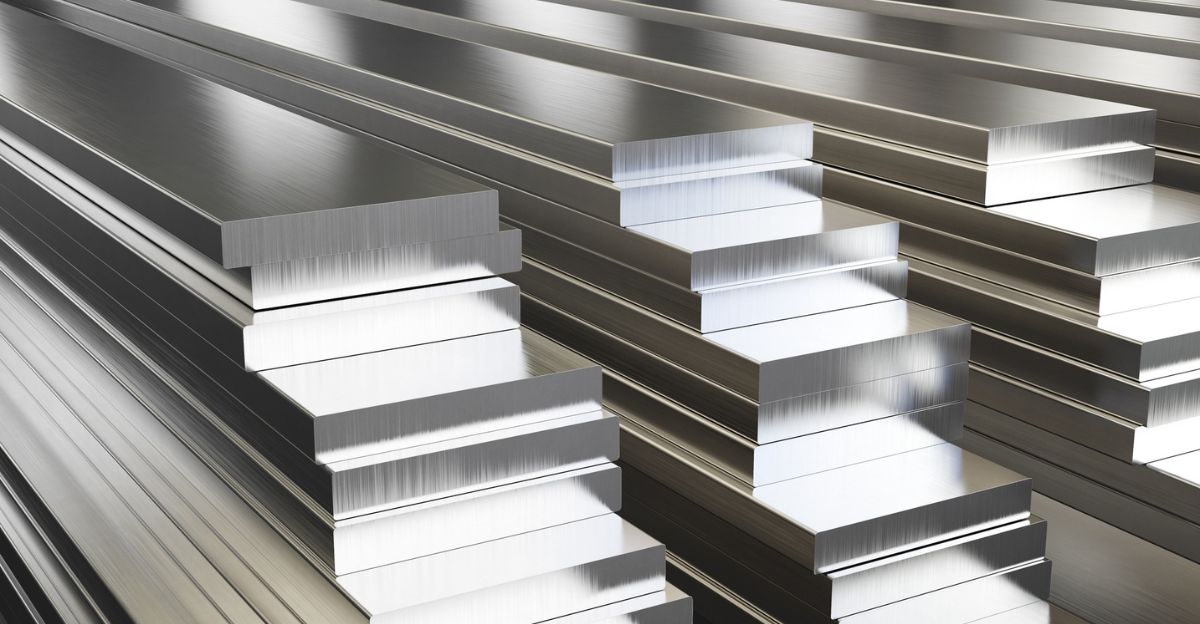
Traditional aluminum alloys lose structural strength at temperatures above 200°C, making them unsuitable for engine applications. The new Al-Fe-Mn-Ti alloy maintains both strength and flexibility at 300°C (572°F), with performance remaining nearly unchanged even after 100 hours at this extreme temperature.
This thermal stability breakthrough addresses aluminum’s fundamental weakness, opening entirely new applications previously requiring heavier, more expensive materials like titanium.
Laser Powder Bed Fusion: The Manufacturing Game-Changer
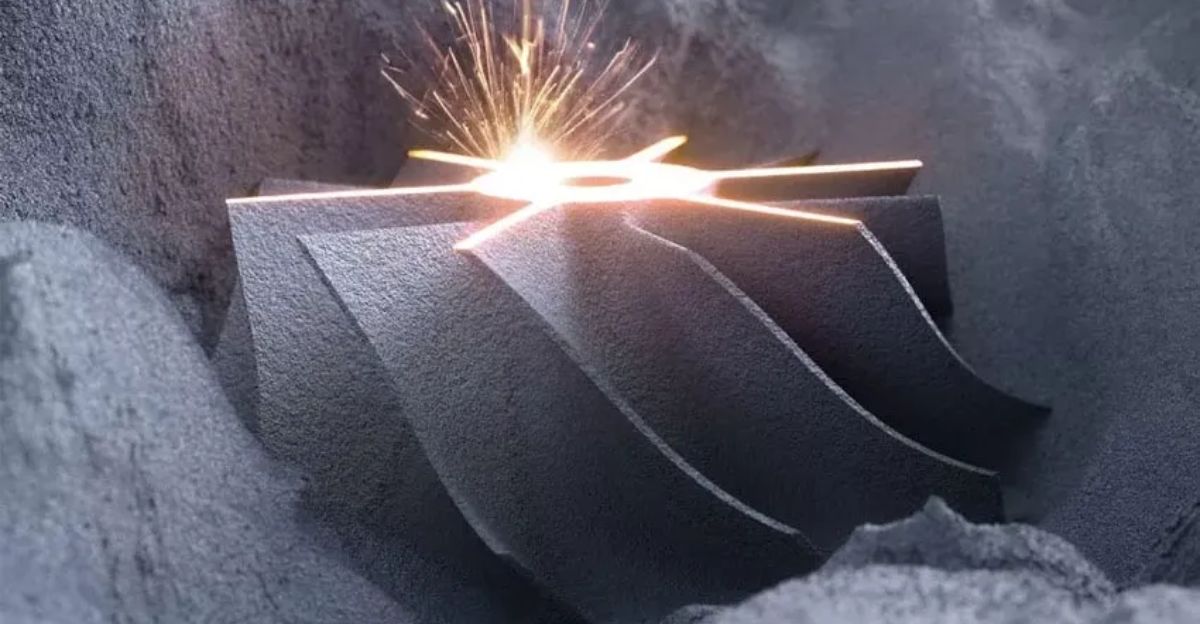
Laser powder bed fusion (LPBF) technology proves essential to this breakthrough’s success. Unlike traditional casting where molten aluminum cools slowly, allowing undesirable microstructures to form, LPBF uses high-powered lasers to melt metal powders layer-by-layer with near-instantaneous solidification.
The rapid heating and cooling enable formation of metastable phases impossible under conventional manufacturing, fundamentally changing what materials science can achieve.
Improved Printability: Solving Aluminum’s Cracking Problem
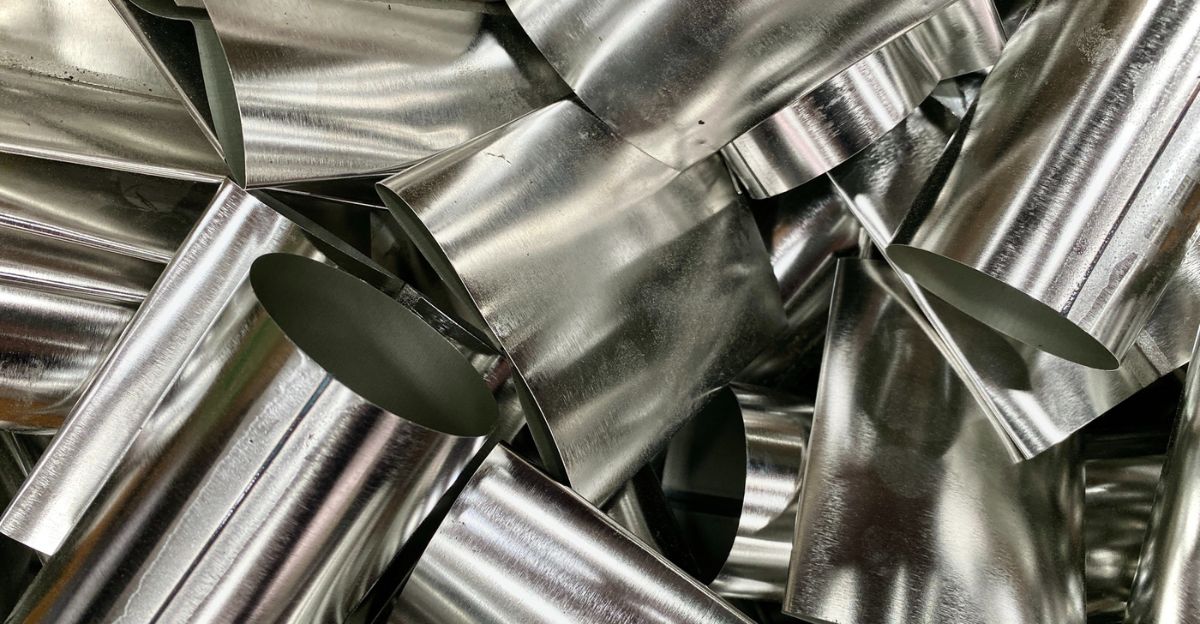
A critical advantage emerges from improved processability. Conventional high-strength aluminum frequently cracks or warps during 3D printing fabrication, limiting commercial applications.
The new alloys demonstrated superior printability, proving easier to manufacture through additive methods than existing high-strength alternatives. This breakthrough solves a major obstacle that prevented widespread adoption of premium aluminum alloys in metal 3D printing.
The 20% Weight Reduction: Transforming Automotive Engineering

The headline claim of 20 percent vehicle weight reduction aligns with established automotive engineering principles. Research consistently demonstrates that reducing vehicle weight by 10 percent improves fuel economy by 6-8 percent.
Studies show aluminum can reduce component weight by 40-65 percent compared to steel equivalents, with potential all-aluminum vehicle designs achieving 25-36 percent total weight reductions.
Real-World Precedent: Renault’s Engine Success
Renault Trucks has already demonstrated practical applications of metal 3D printing in automotive engineering.
Their advanced engine project achieved a 120-kilogram (264-pound) weight reduction in a four-cylinder engine—representing 25 percent reduction—using metal 3D printing for specialized engine components. The optimization simultaneously reduced total component count by 25 percent, eliminating 200 individual parts.
Environmental Impact: Every Kilogram Counts

The environmental implications extend far beyond direct weight savings. Research indicates that removing 100 kilograms from a vehicle reduces CO₂ emissions by 9 grams per kilometer. For every 10 percent weight reduction, fuel consumption decreases by 6-8 percent, with corresponding reductions in greenhouse gas emissions.
For automotive manufacturers facing stringent regulations, this technology offers a viable pathway to meet environmental targets.
Secondary Weight Savings Through Drivetrain Optimization
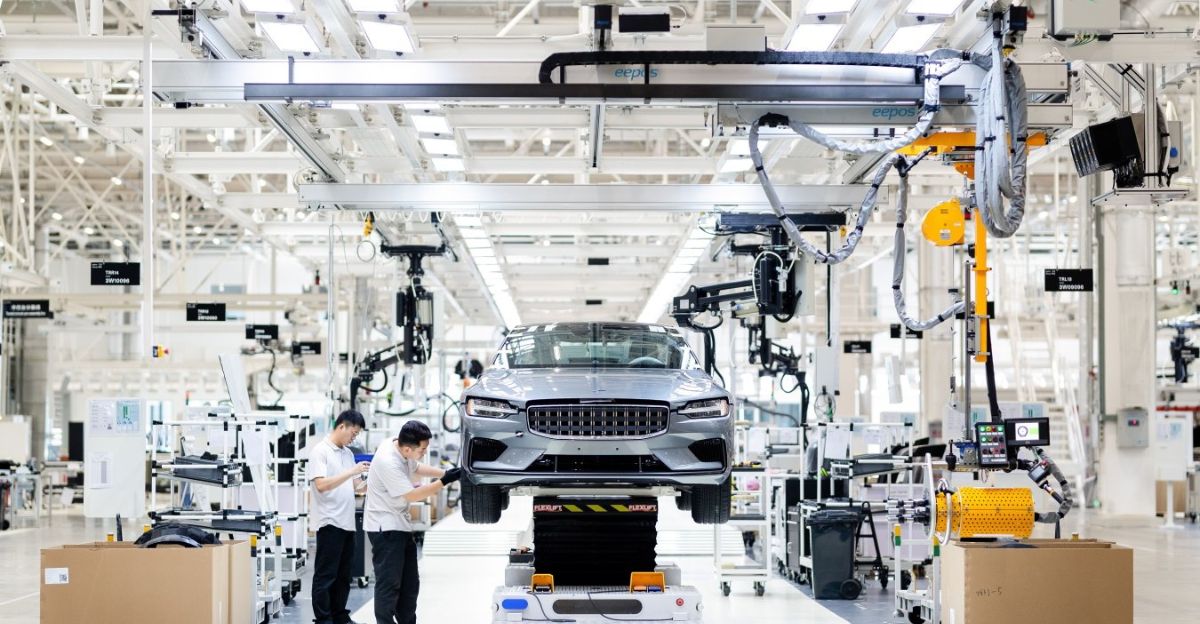
Lighter vehicles enable cascading weight reductions throughout the entire drivetrain system. Reduced mass allows for downsizing the engine, transmission, and differential components, creating multiplicative efficiency gains beyond the initial weight reduction.
This secondary optimization amplifies overall fuel economy improvements, making the technology’s environmental benefits substantially more significant than initial calculations suggest.
Sustainability Advantages: Cost and Recyclability
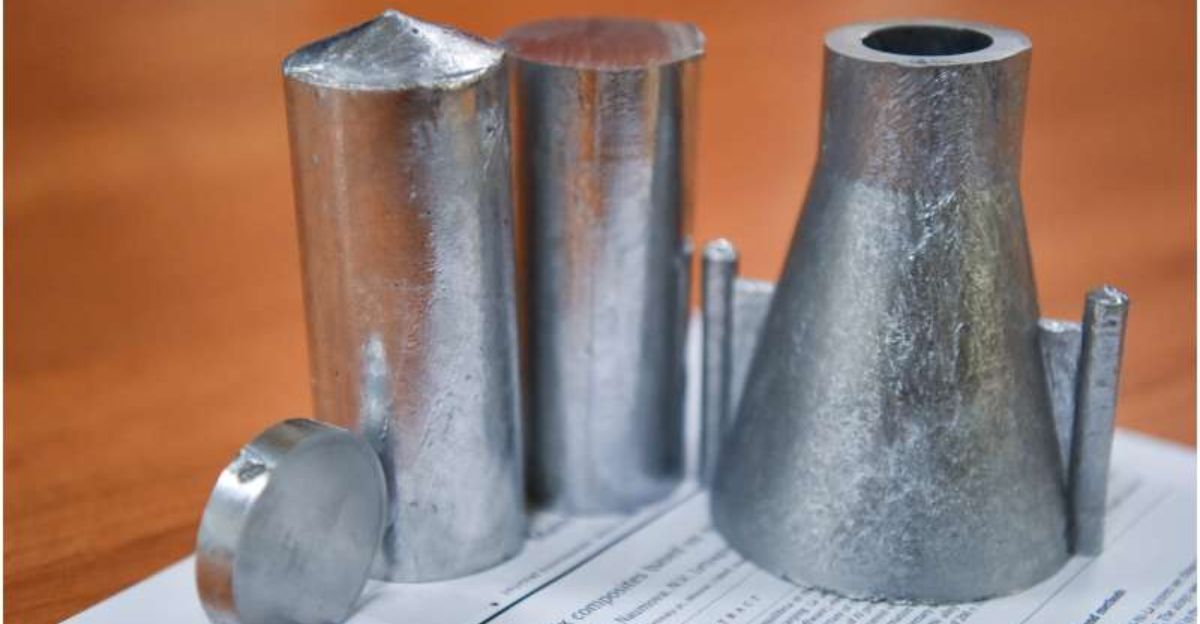
The new aluminum alloys incorporate sustainability features distinguishing them from alternative materials. They use low-cost, abundant elements—iron, manganese, and titanium—rather than expensive or scarce materials.
These alloys are specifically designed with recyclability in mind, addressing sustainability challenges in resource-intensive automotive sectors. The compositional design improves both scrap management and environmental performance.
Aluminum vs. Titanium: The Cost-Performance Equation
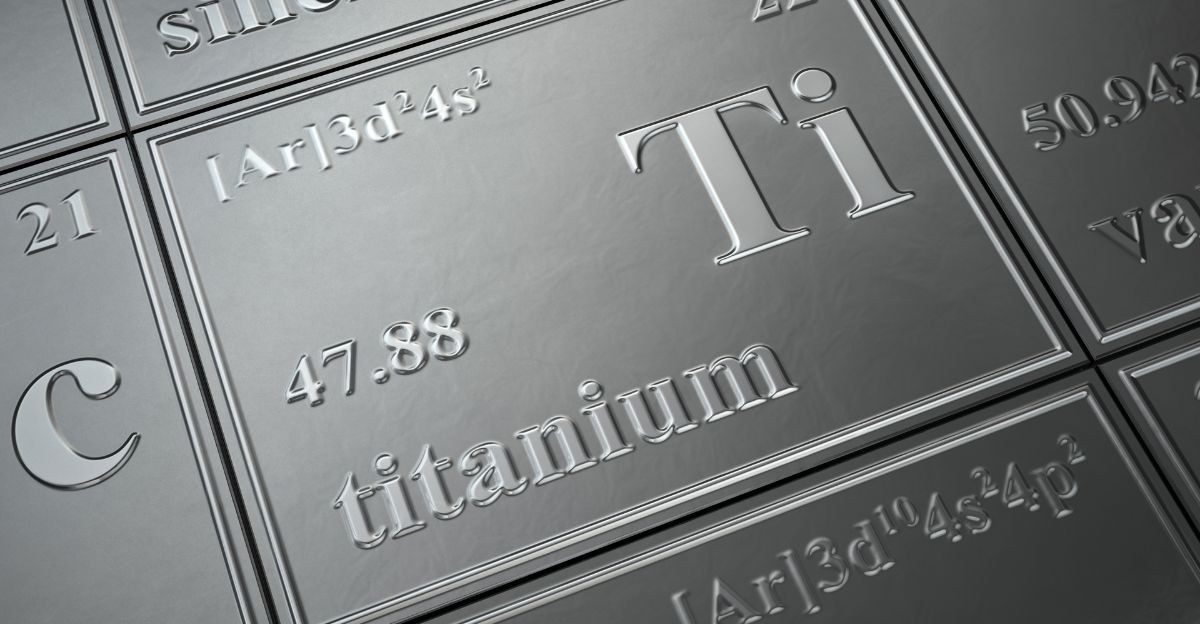
Traditional high-temperature aerospace components use titanium, which costs approximately 10 times more than aluminum (USD 20/kilogram versus USD 2/kilogram). Titanium also weighs approximately 67 percent more than aluminum.
The new heat-resistant aluminum alloys can potentially replace titanium in specific high-temperature applications, delivering significant weight savings while reducing material costs by 80-90 percent.
Aerospace Applications: Filling a Critical Materials Gap
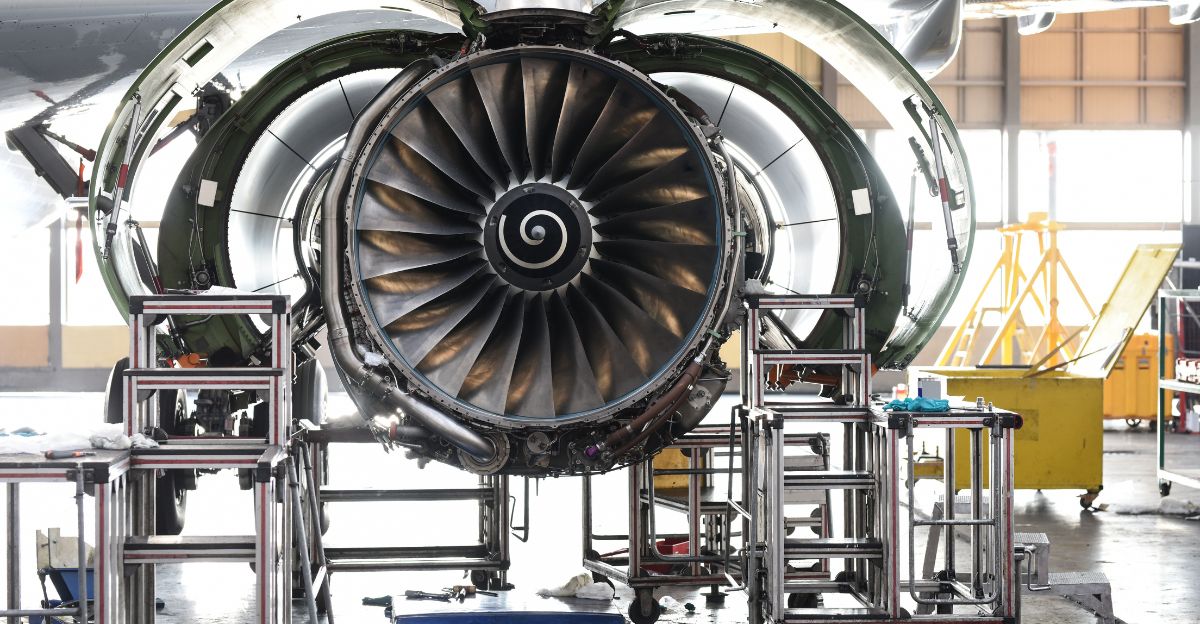
The aerospace sector stands to benefit significantly from these developments. Aircraft turbines, compressor rotors, and structural components require materials combining lightweight properties with exceptional heat resistance.
The new 300°C-capable aluminum alloys fill a critical gap previously requiring heavier, costlier titanium or nickel-based superalloys. For aerospace manufacturers, weight reduction translates directly to increased payload capacity and fuel efficiency.
Competitive Research: A Growing Frontier
The Nagoya breakthrough joins a growing portfolio of advanced aluminum research. MIT researchers developed aluminum alloys five times stronger than traditionally manufactured versions, stable at temperatures to 400°C, using machine-learning material discovery.
Oak Ridge National Laboratory created DuAlumin-3D with extreme creep resistance at 300-400°C. Tianjin University achieved unprecedented 500°C service temperatures through oxide-dispersed nanoparticles.
Market Growth: Industrial Adoption Accelerating
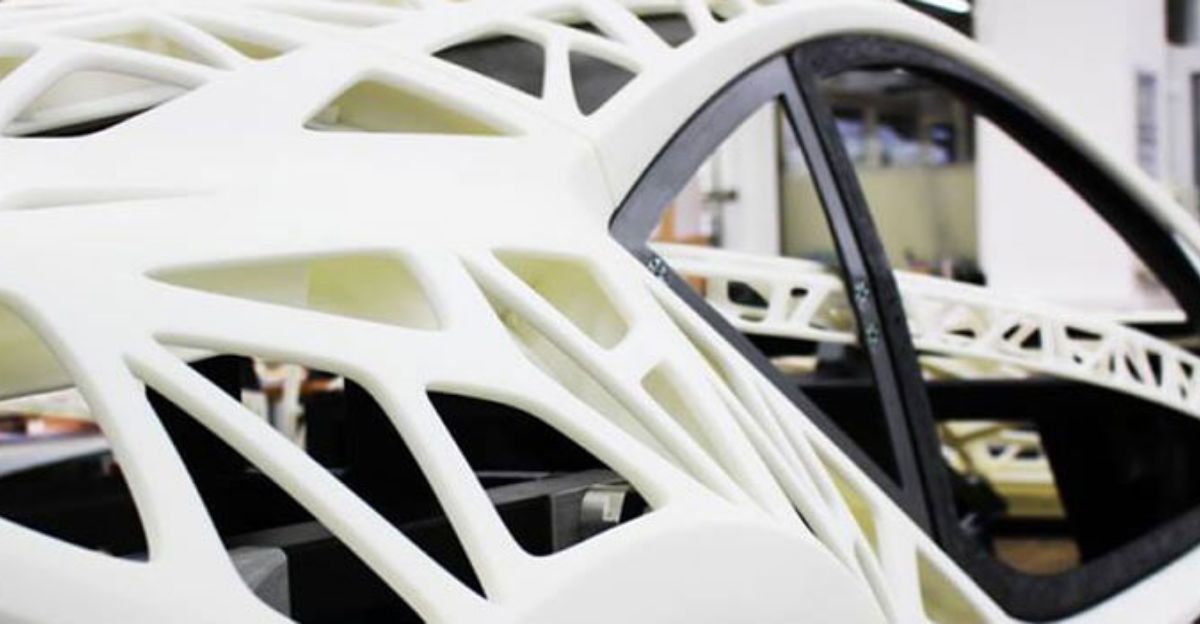
The automotive 3D printing market experiences rapid growth, projected expanding from USD 4.11 billion in 2025 to USD 25.61 billion by 2034.
Key drivers include increasing lightweight component demand, growing electric vehicle production requiring optimized weight distribution, and integration of topology optimization software enabling complex geometries impossible with traditional manufacturing.
Industry Leaders: Real-World Implementations
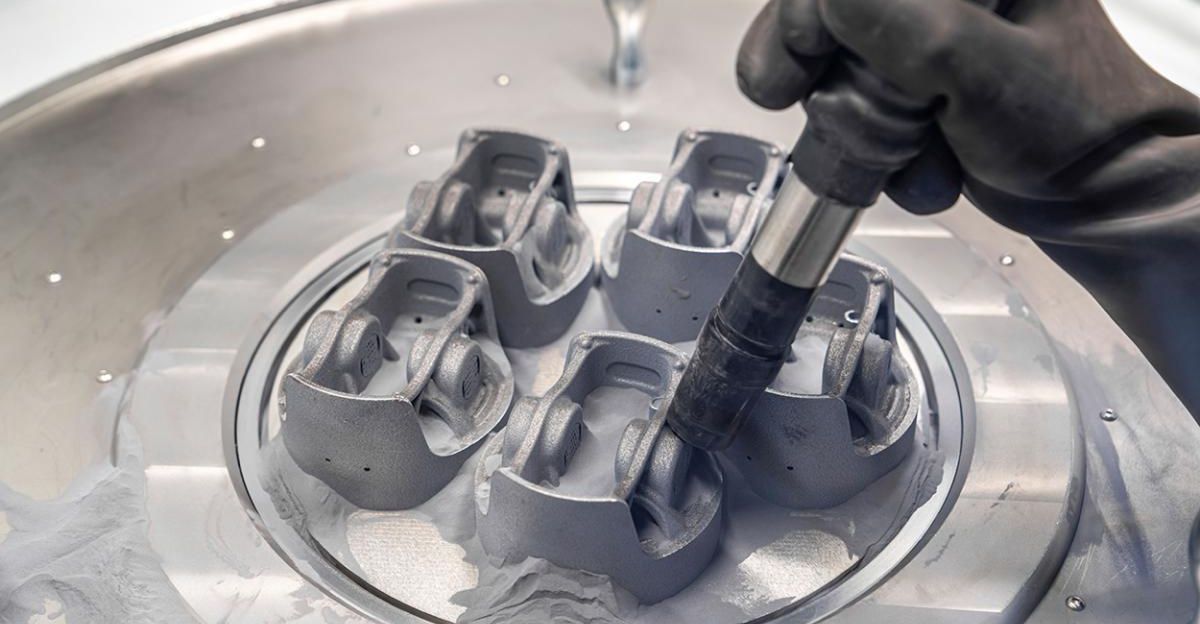
Major automotive manufacturers are already investing heavily in metal 3D printing technology. Porsche introduced 3D-printed pistons for the 911 GT2 RS, achieving 10 percent weight reduction and 30 additional horsepower through integrated cooling channels.
Ferrari equipped its F80 supercar with additively manufactured suspension components. BMW uses 3D printing for engine cylinder heads improving cooling performance.
Manufacturing Challenges: Scale and Consistency
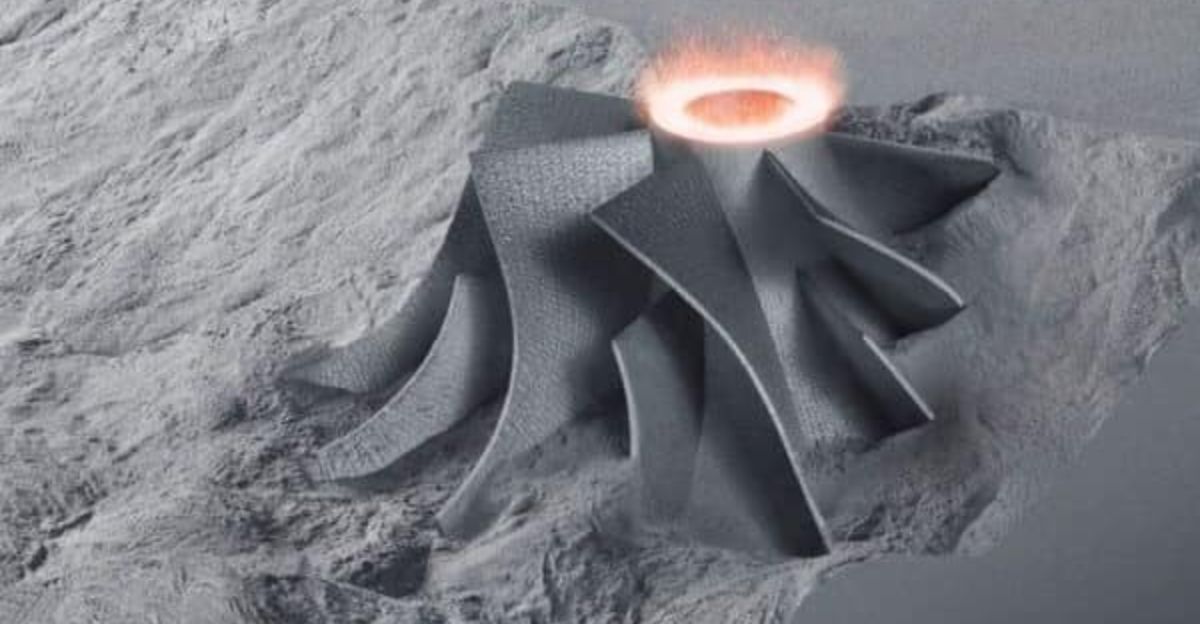
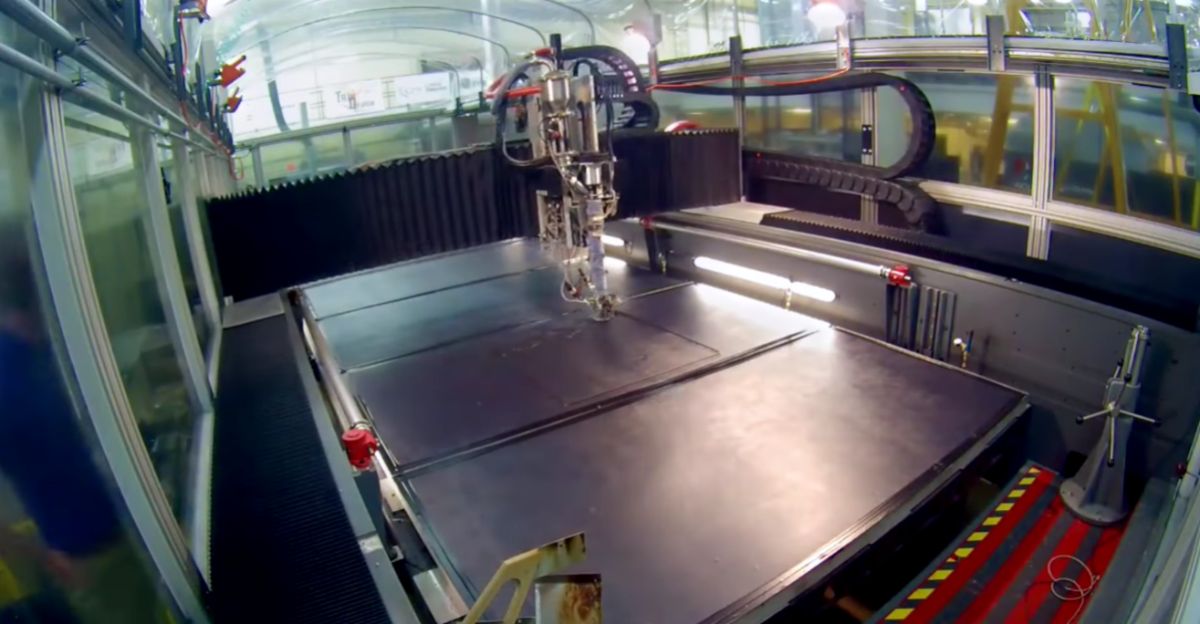
Despite breakthrough promise, challenges remain for widespread industrial adoption. Current laser powder bed fusion technology faces limitations in build volume and throughput for large-scale automotive production.
Next-generation systems with larger build dimensions (600-1000 millimeters) are being optimized for mass production of medium and small-sized parts. Process consistency and uniform quality across large production runs remain ongoing optimization areas.
The Broader Methodology: Applications Beyond Aluminum
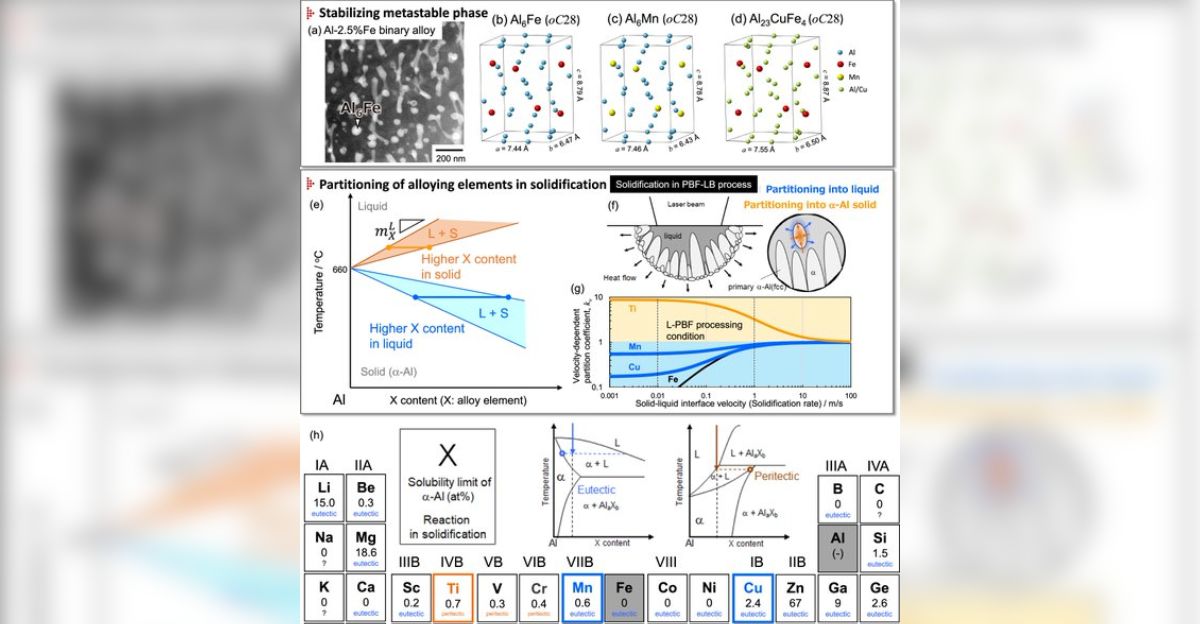
Professor Takata emphasized broader applicability of their approach. The technique relies on well-established scientific principles concerning element behavior during rapid solidification in 3D printing and can be applied to other metal systems.
This suggests the methodology could spark development of new alloy classes specifically optimized for additive manufacturing across multiple metals, revolutionizing materials science.
Industry Future: Timeline to Commercialization
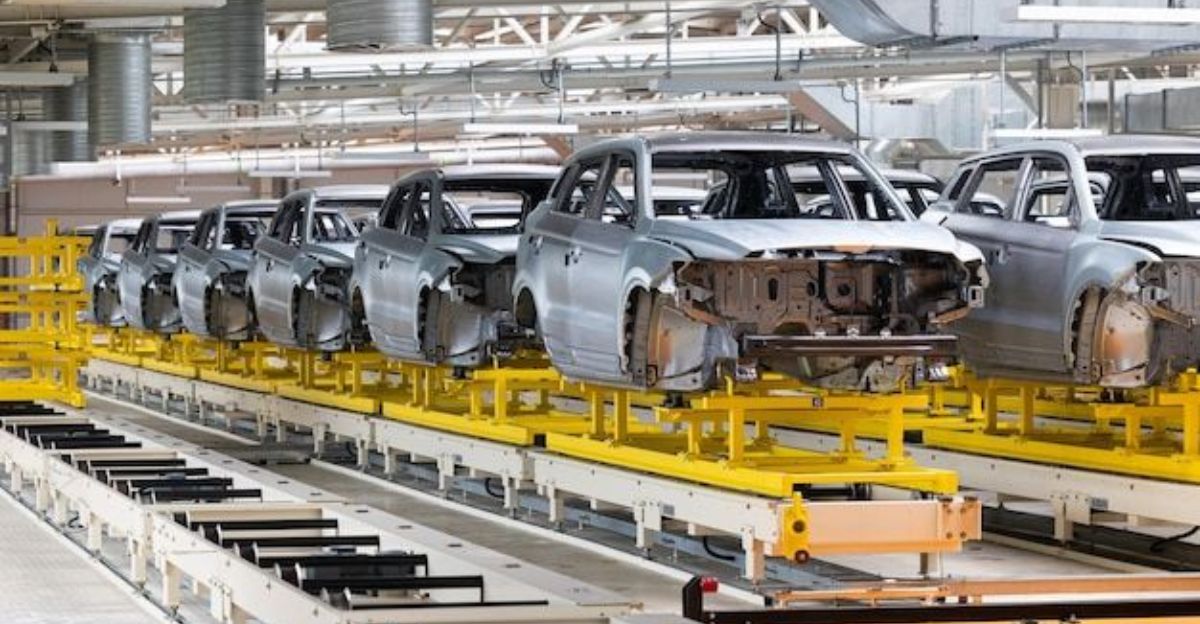
While exact timelines remain uncertain, industry analysts project rapid commercialization over the next 3-5 years. Several automotive manufacturers and aerospace companies are already collaborating with research institutions to scale these materials for production.
The convergence of advanced materials science, 3D printing technology, and industry demand creates unprecedented momentum for transforming manufacturing.
Paradigm Shift: Rewriting Materials Science Fundamentals
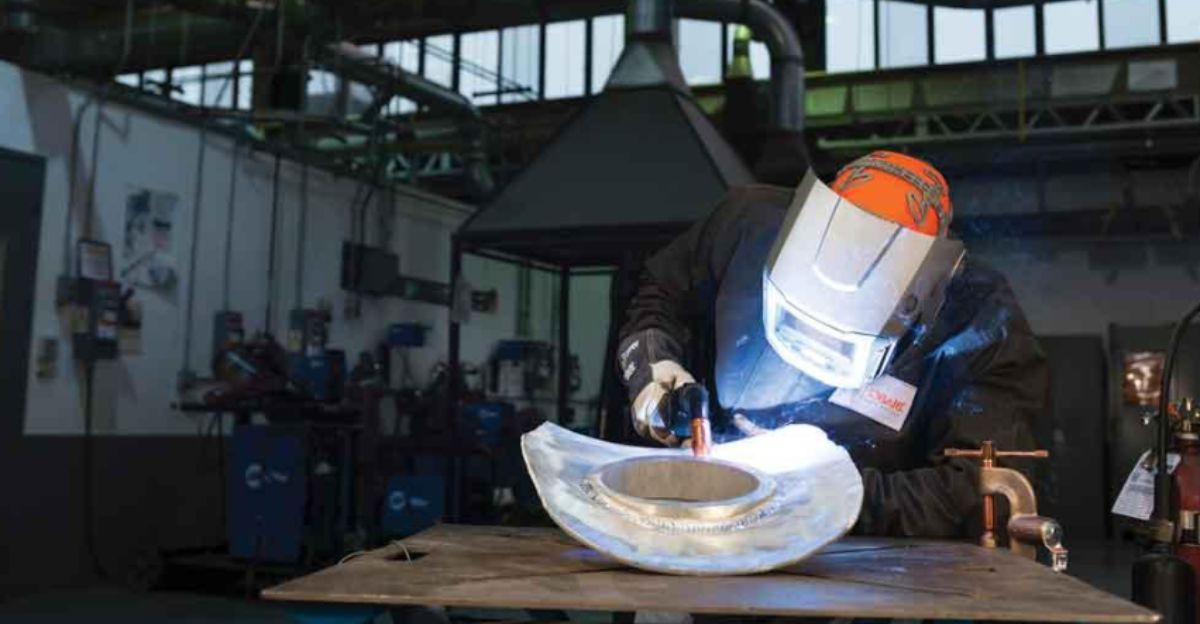
This breakthrough represents a paradigm shift in aluminum metallurgy, demonstrating that long-held assumptions about “contaminating” elements can be overturned through advanced manufacturing.
By harnessing laser powder bed fusion’s extreme cooling rates, researchers created aluminum alloys maintaining 300°C strength using abundant, recyclable materials. As technology matures and production scales increase, these alloys could become standard in next-generation vehicles and aircraft.
Sources:
“Design of high-performance sustainable aluminum alloy for additive manufacturing.” Nature Communications, December 2025.
“How 3D printing creates stronger vehicle parts by solving aluminum’s high-temperature weakness.” Nagoya University Graduate School of Engineering News Release, December 2025.
“Printable aluminum alloy sets strength records, may enable lighter aircraft parts.” MIT News, October 2025.
“Advancing Metal 3D Printing Through Real-Time Process Control.” Highways Today, November 2025.
“Metal 3D printing enables lighter Renault engines.” Electronic Specifier, July 2025.
“Exploring Metal 3D Printing Applications in Automotive.” Zone 3D Plus, May 2025.