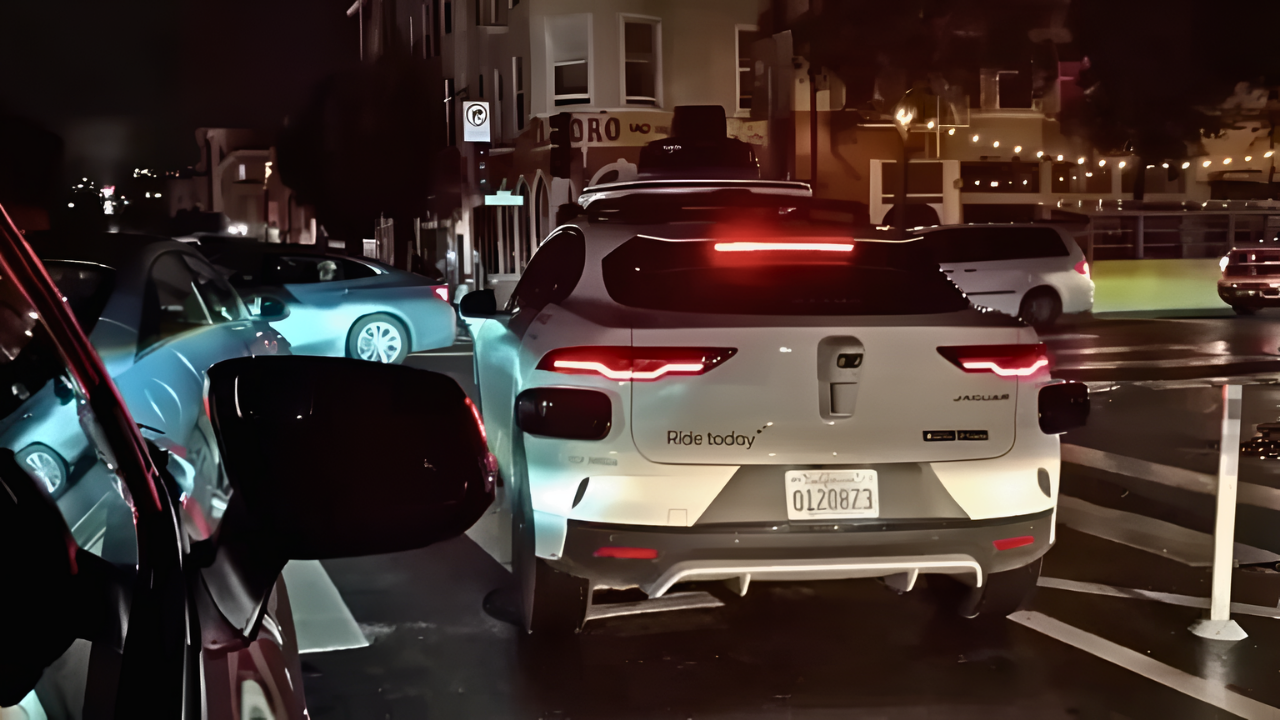
A fire hit a Pacific Gas & Electric substation at 8th and Mission Streets in San Francisco’s South of Market area on December 20, 2025. It knocked out power for about 130,000 customers across many neighborhoods. Traffic lights went dark, cell service dropped, and streets turned chaotic. This matches reports from trusted outlets like Business Insider and The New York Times.
The substation has a history of fires, as noted in local accounts. Past issues there led to big outages and fines for PG&E, highlighting ongoing risks at the site.
Robotaxis Stall at Dark Intersections
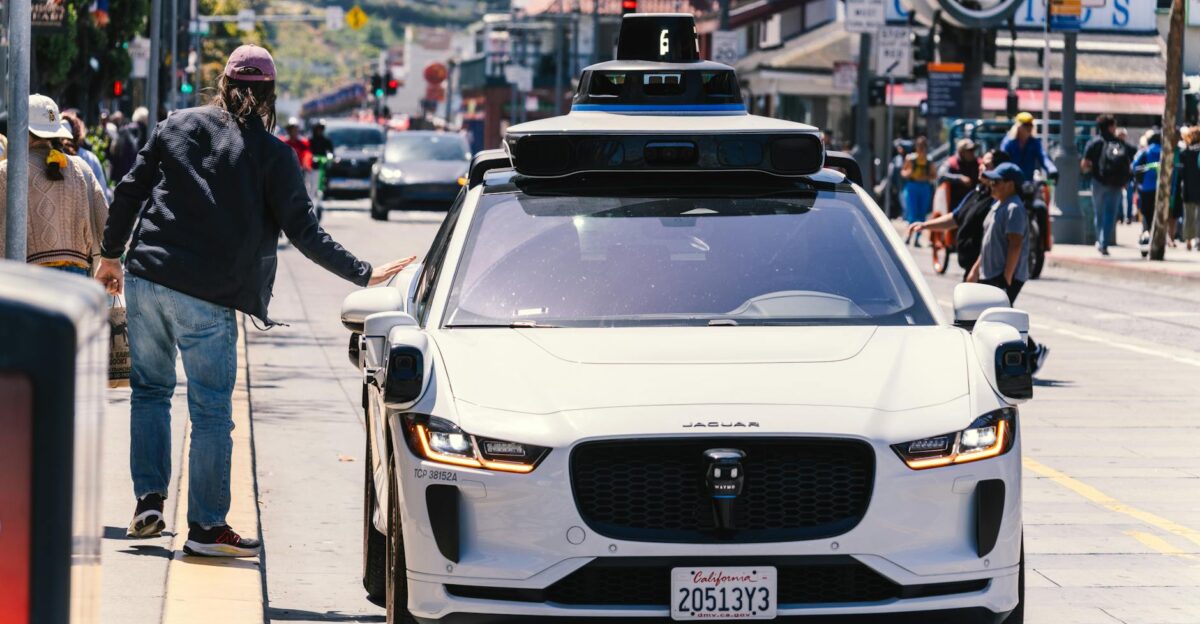
Dozens of Waymo self-driving taxis stopped dead at intersections when traffic lights failed. Their hazard lights flashed as they waited, with social media videos showing clusters of five or six driverless cars jammed together at busy spots. This directly backs descriptions of robotaxis “freezing” during the blackout.
Waymo reported that its vehicles handled over 7,000 dark signals overall. But a rush of cars needing remote human approval caused major delays and gridlock on crowded streets, per Business Insider.
Remote System Overload Blocks Emergency Aid
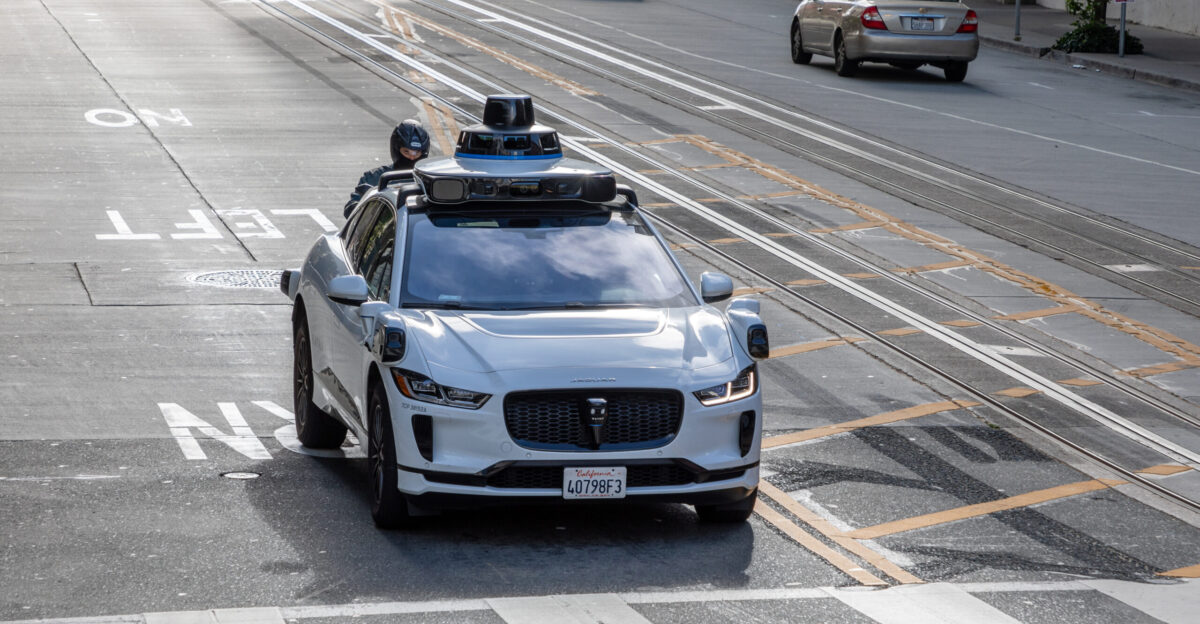
Waymo cars pause in tough spots and ask remote operators for guidance, a safety step from early testing days. The blackout’s cell service loss and wave of requests from many vehicles at once overwhelmed this setup. Waymo later called it a scaling issue, as covered by CNBC.
San Francisco Mayor Daniel Lurie called Waymo’s CEO that night. He demanded all robotaxis leave the roads right away due to blocks on emergency vehicles. Waymo complied quickly, according to local reports in SFist and The New York Times. Fire trucks faced delays reaching the fire as stalled robotaxis clogged key paths, though the fire department gave no detailed comment.
Hearings, Fixes, and Calls for Better Rules
Supervisor Bilal Mahmood, a tech supporter and startup founder, demanded board hearings on January 6, 2026. He wants clear answers on Waymo’s handling of the outage, as stated in SFist on December 22.
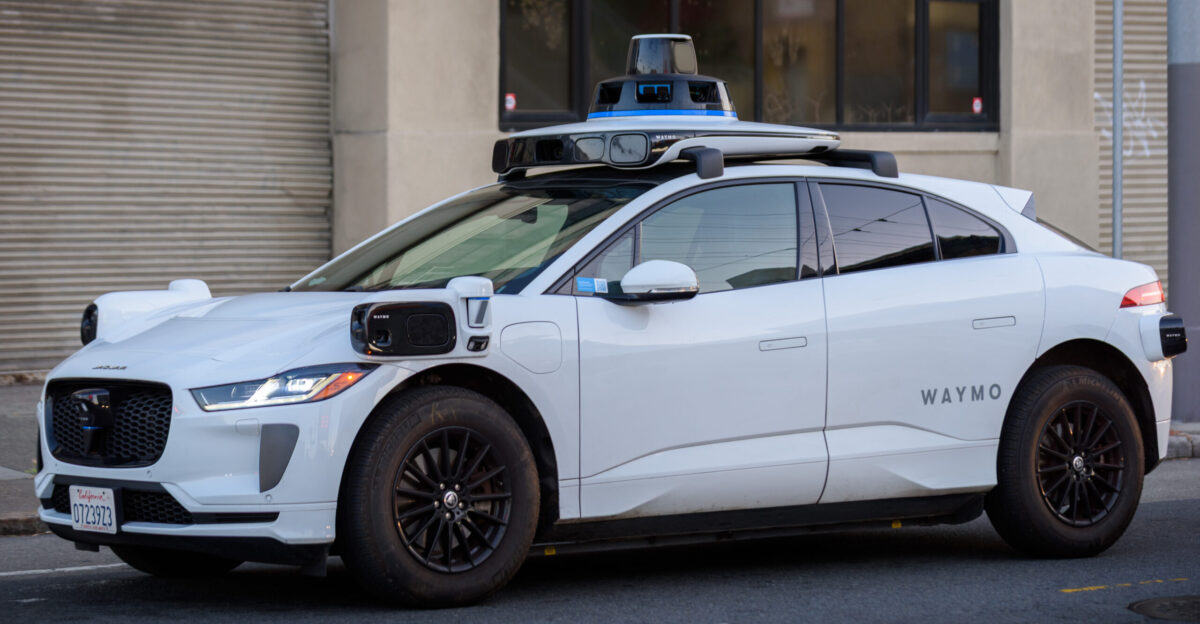
Waymo halted rides across seven Bay Area cities for over 24 hours, starting seven hours into the blackout. On Tuesday, the company admitted its protocol worked for small problems but not big ones. It now rolls out updates for better outage navigation, stronger emergency plans, and responder coordination, per CNBC.
California’s rules put autonomous vehicle control with state agencies like the Public Utilities Commission and DMV. Cities like San Francisco get little say, even when streets suffer—a gap noted in BBC News coverage. Waymo runs hundreds of vehicles in the city, part of a national fleet with thousands of weekly trips, based on company data.
Recent Waymo troubles add pressure: blocking school buses, a federal safety probe, and other incidents reported widely. Tesla’s Elon Musk claimed his robotaxis had no issues, citing different tech. Waymo’s safety stats show fewer crashes than human drivers in normal times, but blackouts test those limits.
This event spotlights key questions: Can robotaxis manage crises? Do cities need more power over them? Tests should include fake disasters, experts say. Sources confirm the blackout exposed real gaps, pushing the industry toward tougher infrastructure checks.
Sources:
“Waymo Explains Why Its Robotaxis Clogged San Francisco Streets During a Power Outage.” Business Insider, December 2025.
“Waymo Updating Fleet After San Francisco Blackout to Improve Navigation.” CNBC, December 23, 2025.
“Supervisor Mahmood Calls For Hearings Into Waymo After This Weekend’s Mass-Stalling Shambles.” SFist (San Francisco Chronicle), December 22, 2025.
“After Power Outage, San Francisco Wonders: Can Waymo Be Trusted?” The New York Times, December 22, 2025.