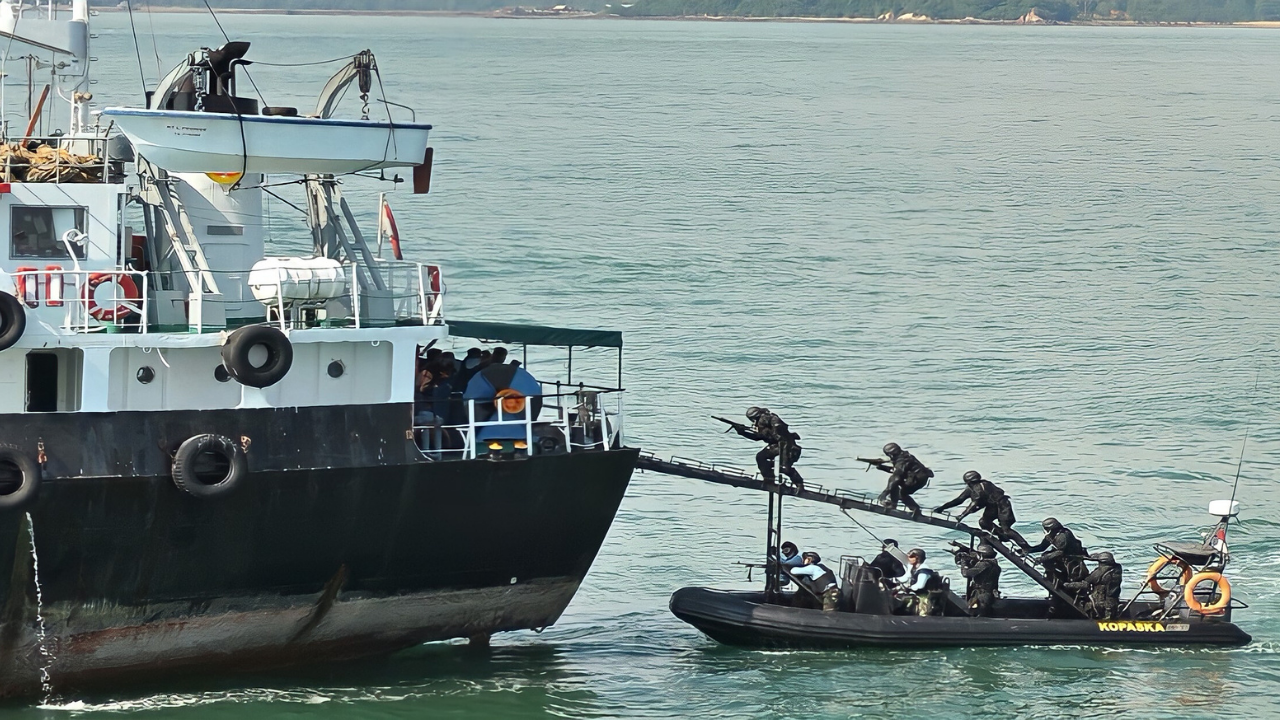
As tensions continue to escalate off the coast of Europe, Ukrainian President Volodymyr Zelensky issued a chilling warning during an EU summit on September 30, 2025. He described Russia’s covert tanker fleet as a “parked threat” that is rapidly growing, creating new risks for European nations.
“We need to recognize this danger before it manifests into something larger,” he stated, urging for collective action. Such warnings signal a concerning shift in the maritime landscape, as previously unseen vessels now loom ominously in European waters. Concerns are mounting about the implications for security and stability in the region, and the urgency for action is palpable.
Strategic Shifts
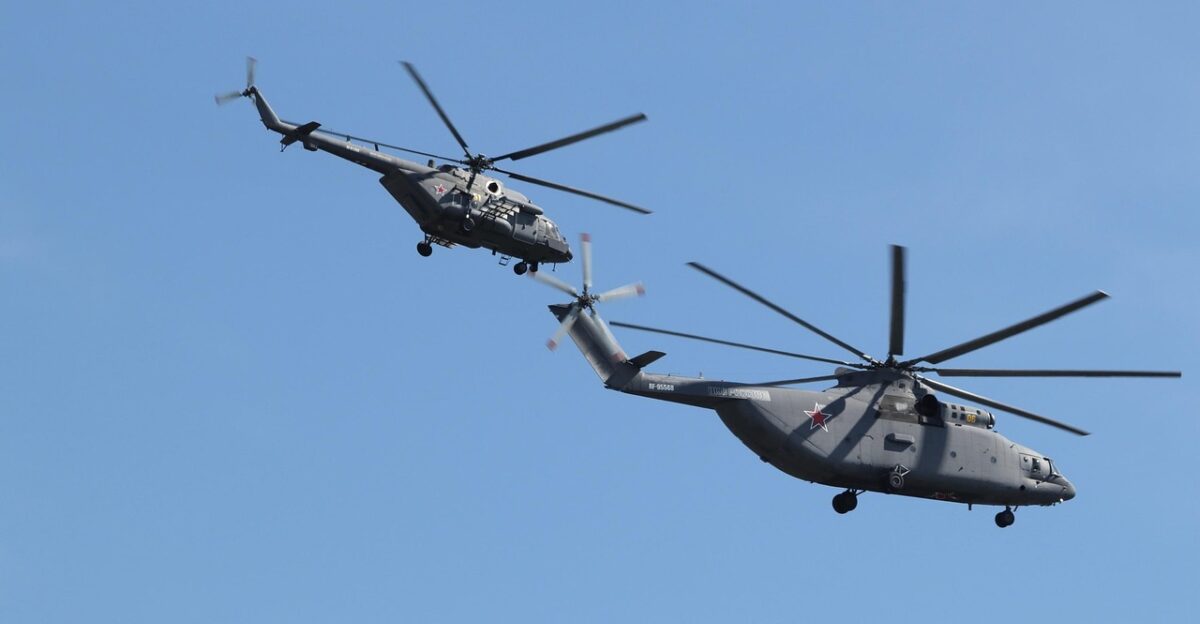
NATO officials are sounding alarms over the strategic evolution of Russia’s shadow fleet. European security experts warn that this covert tanker network could pave the way for hybrid warfare tactics directly targeting critical civilian infrastructure. “We’re entering a new phase where these vessels can serve as platforms for unexpected threats,” noted a defense analyst.
Recent reports indicate drone incursions in European airspace linked to these operations, raising the stakes for national security. As various countries evaluate their response strategies, the lurking presence of this fleet becomes increasingly worrisome. The question remains: Are we prepared for their next move?
Evasion Tactics
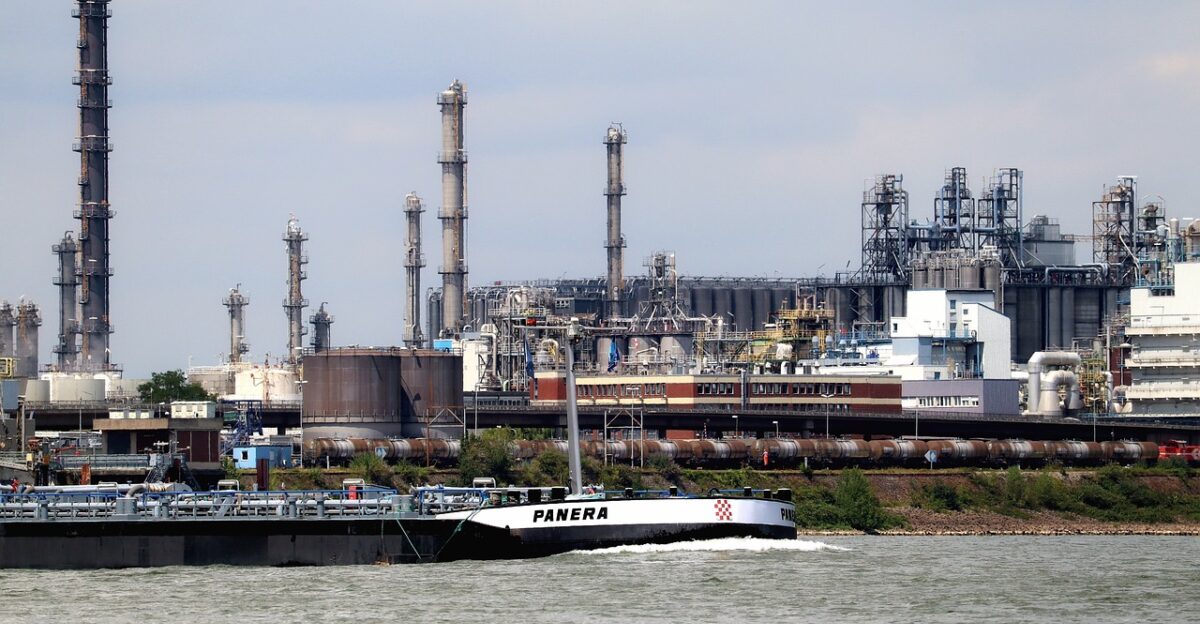
Since the implementation of sweeping Western sanctions in 2022, Russia has ingeniously navigated obstacles to maintain its oil exports. By 2024, Russian-managed tankers began operating under the flags of other nations, facilitating the transportation of 60% of its Baltic oil while avoiding price caps and embargoes.
“They’ve adapted in ways we didn’t anticipate, exploiting loopholes seamlessly,” pointed out an industry expert. This intricate web of shadows and flags has attracted early attention from NATO, prompting increased scrutiny. What plans do these countries have to tighten regulations and curb this elusive network, which poses a threat to European economies?
Rising Concerns
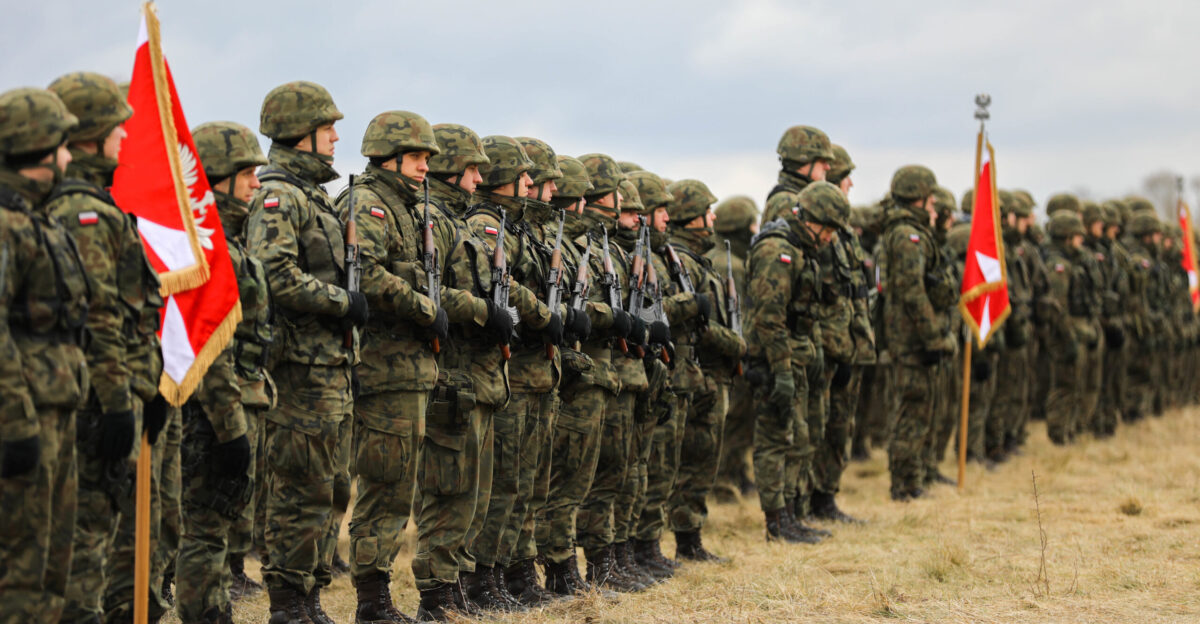
In the past year, the governments of Ukraine and the Baltic states have raised persistent concerns about the shadow fleet’s growing influence over European waters. In a decisive move, Polish air defenders intercepted 19 drones believed to be associated with Russian naval activities last September.
“It’s a clear sign that Moscow is weaponizing its economic power,” expressed a military official. This incident only amplified fears regarding the militarization of the Russian economic apparatus, shifting the focus to protective measures. Stakeholders are feeling pressured to find solutions that address this escalating situation before it spirals further out of control.
A Direct Threat
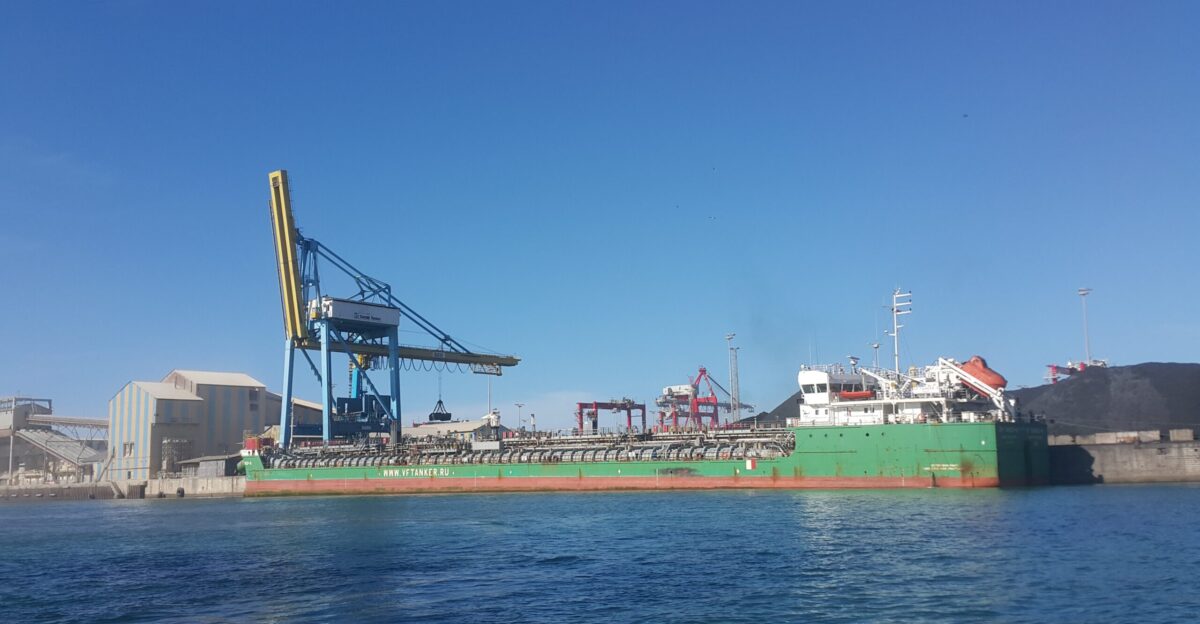
On September 28, 2025, President Zelensky explicitly stated that Russian tankers have evolved into mobile platforms for drone strikes on European cities. “This isn’t just about financial maneuvering anymore; it’s a military threat right at our doorstep,” he declared.
This alarming revelation shifts the shadow fleet’s purpose from merely circumventing sanctions to posing a serious risk to civilian safety across Europe. The implications are far-reaching, transforming the perception of these vessels from passive actors to direct threats. With such a stark warning, European leaders must reassess their strategies and defenses in response to this new reality.
European Alarm
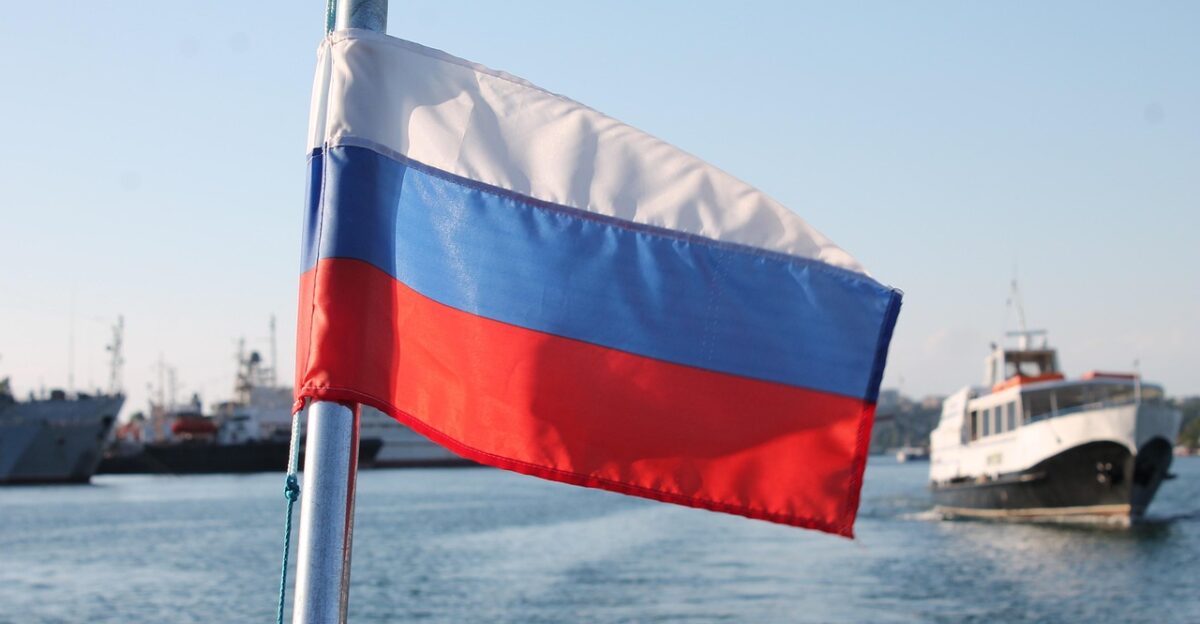
Countries across Northern Europe, including Poland, Denmark, and Germany, have reported a series of drone incursions believed to originate from Russian-linked tankers. In a dramatic incident, French authorities intercepted the Boracay tanker near Brest after drone activity disrupted air traffic in Denmark, generating widespread concern.
“Our ability to respond quickly to these threats is crucial,” stated a French security advisor. This escalating situation not only affects the immediate security of these nations but also undermines public confidence in their governments’ ability to protect citizens. Coordinated responses are becoming increasingly urgent to deter further incursions.
Civilian Safety at Risk
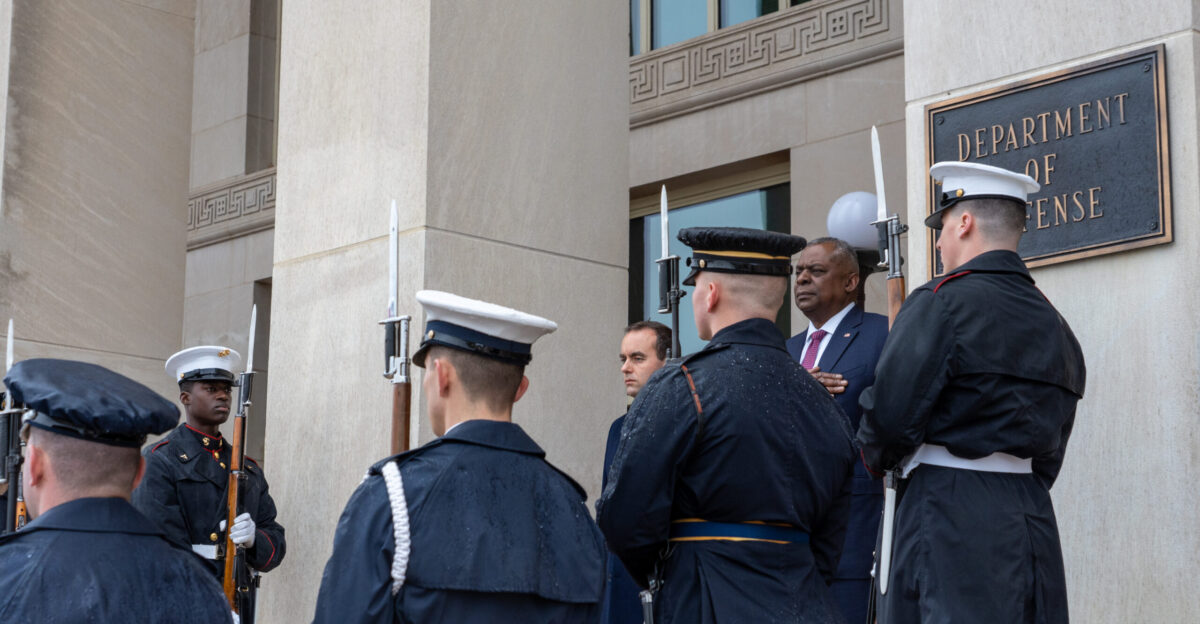
The tension surrounding the shadow fleet intensified when French authorities detained the captain and first officer of a sanctioned Russian tanker. Prime Minister Sebastien Lecornu voiced the gravity of the situation, emphasizing that the vessel’s actions posed “direct risks to civilian air safety.”
“We can no longer turn a blind eye; our people’s safety is paramount,” a resident lamented. The incident underscored the looming threat these ships pose to everyday life, prompting a reevaluation of security protocols at ports and along maritime routes. Countries are now working to ensure greater oversight and enhanced safety measures.
Global Responses
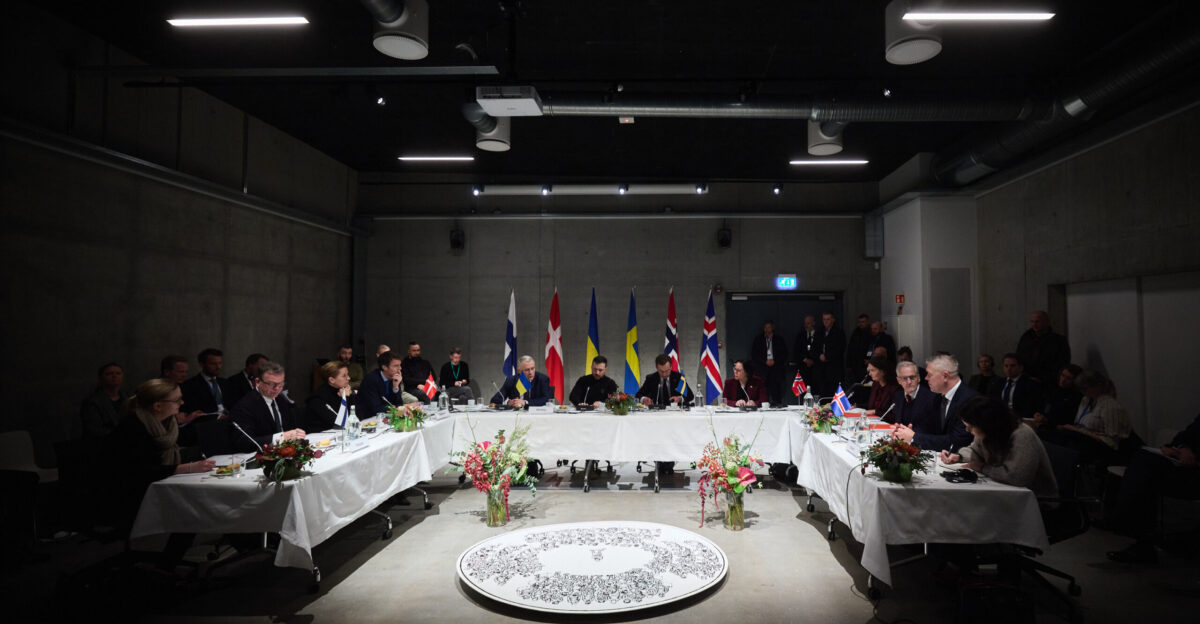
Panama, home to the world’s largest open ship registry, has begun revoking registrations for approximately 200 tankers suspected of violating Russian crude oil sanctions. However, discrepancies in enforcement persist, as some operators have cleverly sidestepped jurisdictional restrictions by quickly reflagging their vessels in countries with more lenient regulations.
“We’re seeing innovations in evasion tactics that challenge regulatory compliance,” observed a maritime law expert. The uneven enforcement complicates global efforts to deter illicit activities and raises questions about the long-term effectiveness of these sanctions. Stronger collaboration among nations is crucial to addressing the new challenges facing maritime security.
The Standoff
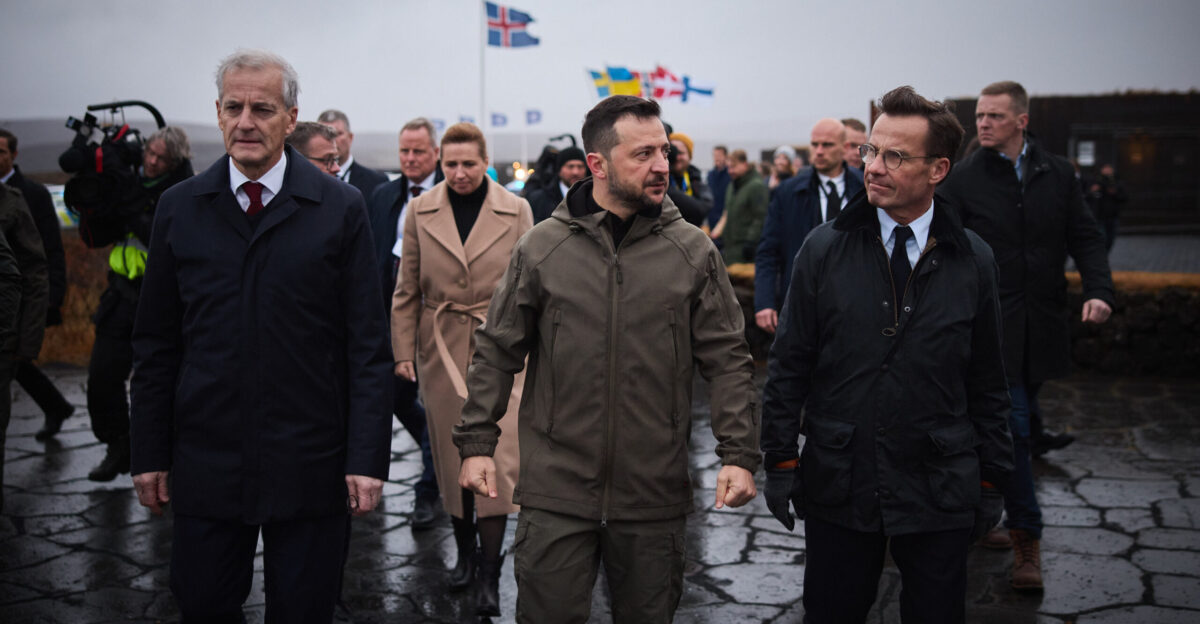
Russian officials have cautioned that any aggressive moves by NATO or the UK against shadow fleet vessels could trigger a broader confrontation. This ongoing standoff in the Baltic and North Sea regions reflects the deepening complexities of geopolitical tensions. “Our actions must be measured; otherwise, we risk igniting a powder keg,” said a defense strategist.
The persistent presence of Russian ships in these contested waters poses not only a logistical challenge but also a potential flashpoint for conflict. As NATO navigates this precarious landscape, the stakes continue to rise for all involved parties, demanding careful consideration of their next steps.
Unfolding Military Ramifications
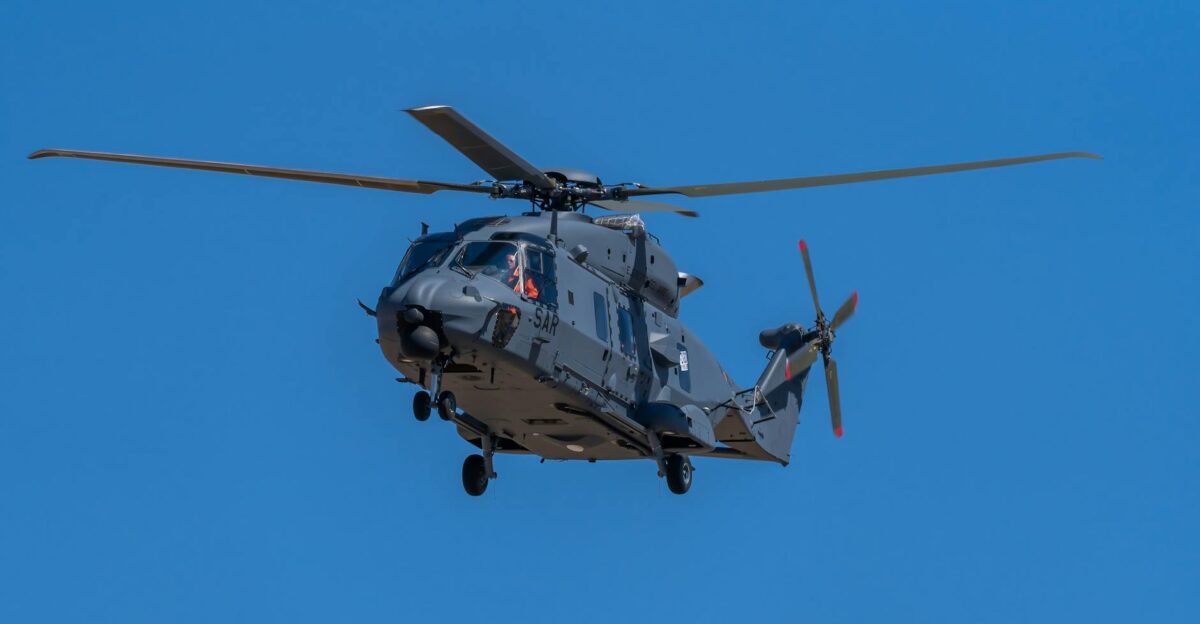
In September 2025, several European countries reported drone flights over critical infrastructure, all of which were traceable back to shadow fleet tankers. This alarming discovery reframes the fleet’s role not simply as an economic circumvention tool but as active agents of military destabilization.
“This is a game-changer in the maritime threat landscape,” an army analyst warned. The dual use of these vessels highlights the sophistication of Russian operations and poses serious security concerns for European nations. Policymakers now face the critical challenge of adapting their responses to this evolving threat while balancing the imperative of regional stability.
Tension Among Stakeholders
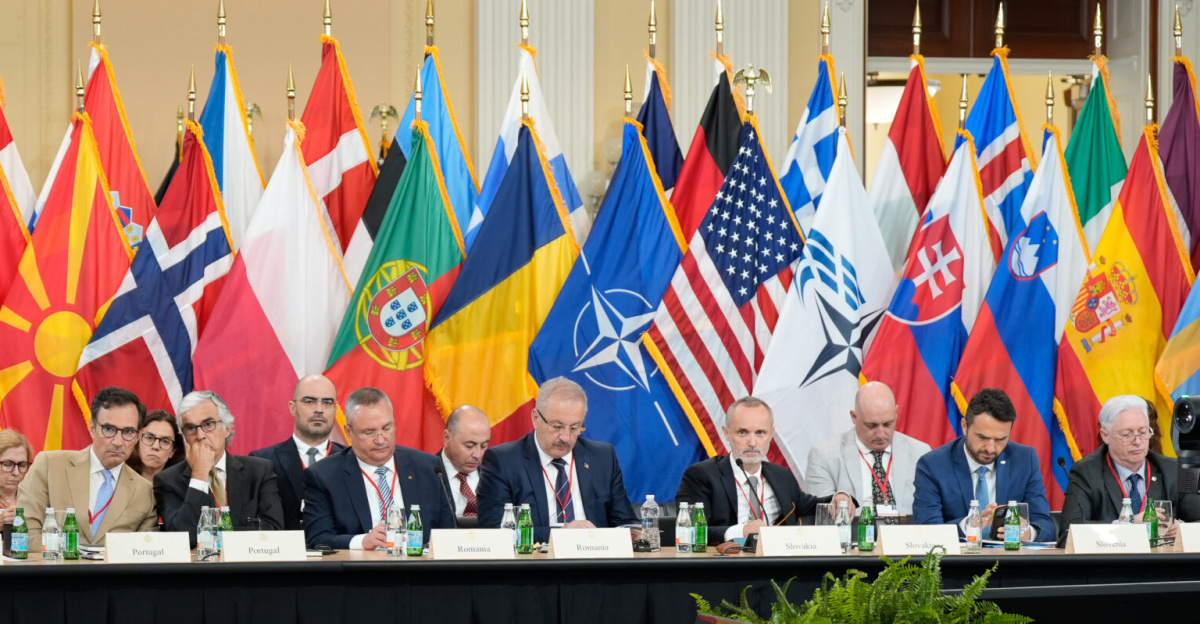
European governments are grappling with internal tensions regarding their responses to the shadow fleet. NATO allies advocate for a strong, decisive stance, whereas commercial interests express fears of disruptions to the global oil shipping industry. “It’s a delicate balance; we need to protect our interests without provoking further conflict,” remarked an industry representative.
The lack of uniform enforcement of sanctions leaves stakeholders in a state of uncertainty, complicating collaborative efforts. As discussions unfold, diverse interests will need to align for effective responses that safeguard both economic stability and national security.
Calls for Leadership
The intensifying international pressure has spurred notable leadership initiatives. French President Emmanuel Macron has called on fellow EU leaders to strengthen the crackdown on the shadow fleet and escalate port security measures. “We can no longer afford to be passive bystanders,” he insisted during a recent address.
Meanwhile, Admiral Giuseppe Cavo Dragone, head of NATO’s Military Committee, expressed frustration over the ambiguity surrounding ship flags, emphasizing the need for clear protocols. Leadership in this arena is essential to coordinate unified efforts that assure safety and deter any potential threats from the looming shadow fleet.
Struggling for Enforcement
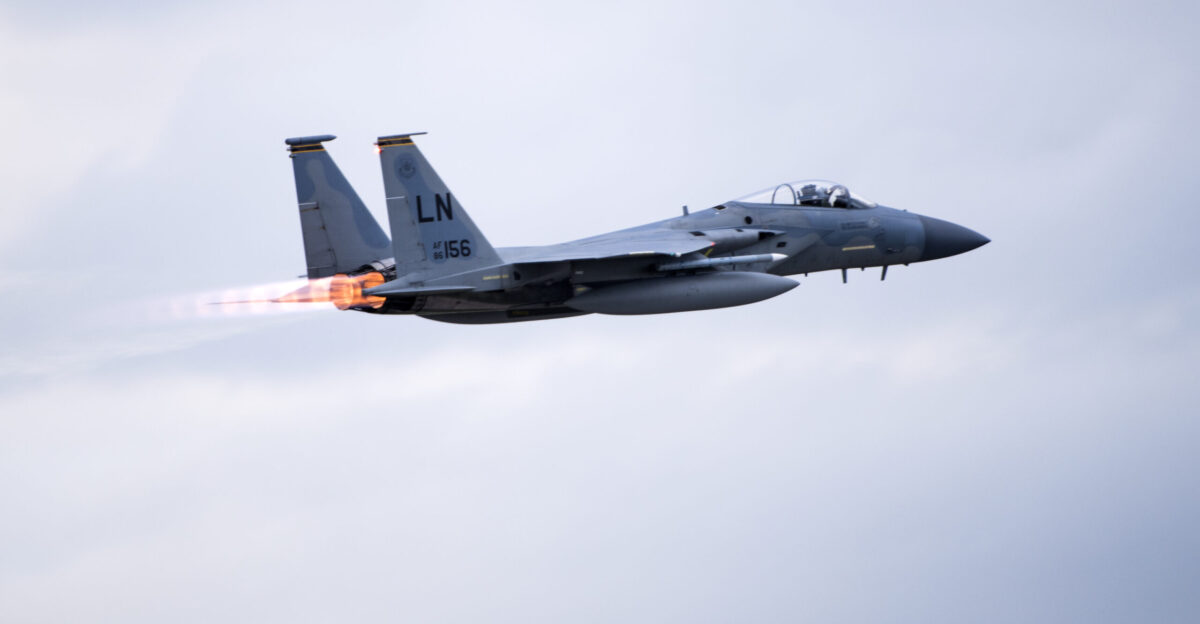
The EU has sanctioned 444 shadow fleet vessels, yet enforcement remains precarious due to “Whack-a-Mole” challenges that arise when new ships quickly replace those sanctioned. Most countries are under immense pressure to develop rigorous monitoring systems while emphasizing insurance checks.
“We can’t let this continue unchecked—tougher guidelines are on the table,” stated a European Commission official. The EU aims to diminish Russian oil revenue and hybrid threats by implementing effective enforcement measures. Persistent vigilance and proactive strategies are key to navigating this ever-evolving landscape.
Cautionary Expert Insights
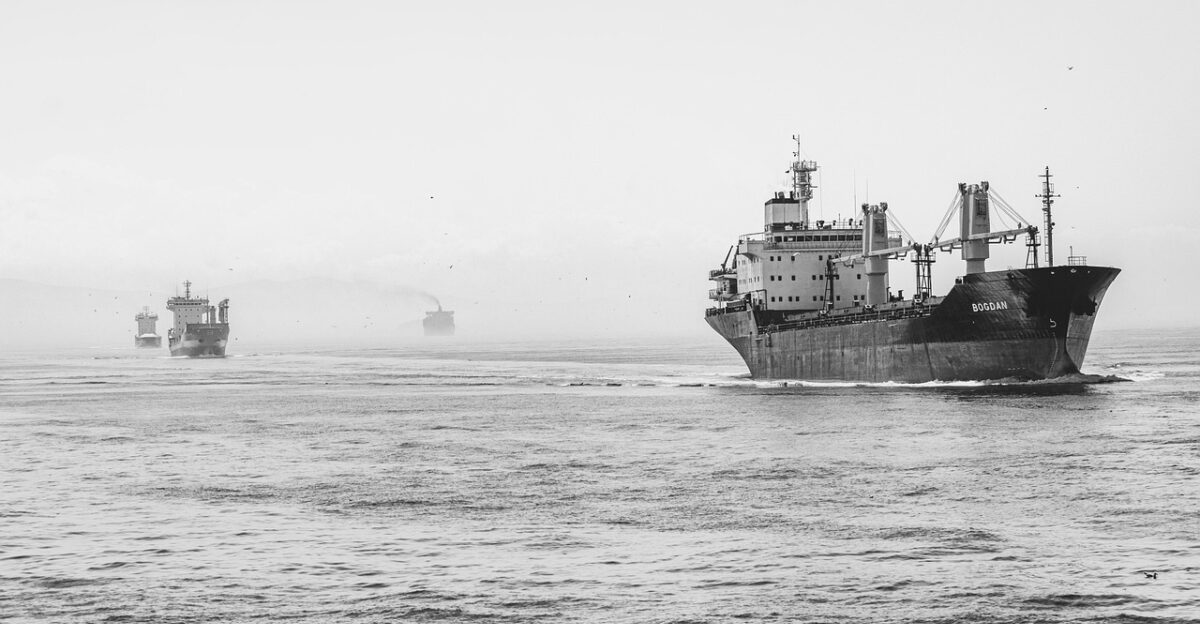
Experts are raising alarms that a robust crackdown on the shadow fleet could catalyze dangerous maritime confrontations. “Overreacting could lead to a series of unintended consequences that escalate tensions at sea,” warned a shipping analyst. The maritime industry is under considerable stress as it navigates the risk-laden waters of regulatory compliance while coping with direct military ramifications.
As tensions continue to simmer, carefully calibrated responses will be crucial for all parties involved. The path ahead requires collaboration, foresight, and unity to neutralize threats while maintaining maritime security.
Broader Implications
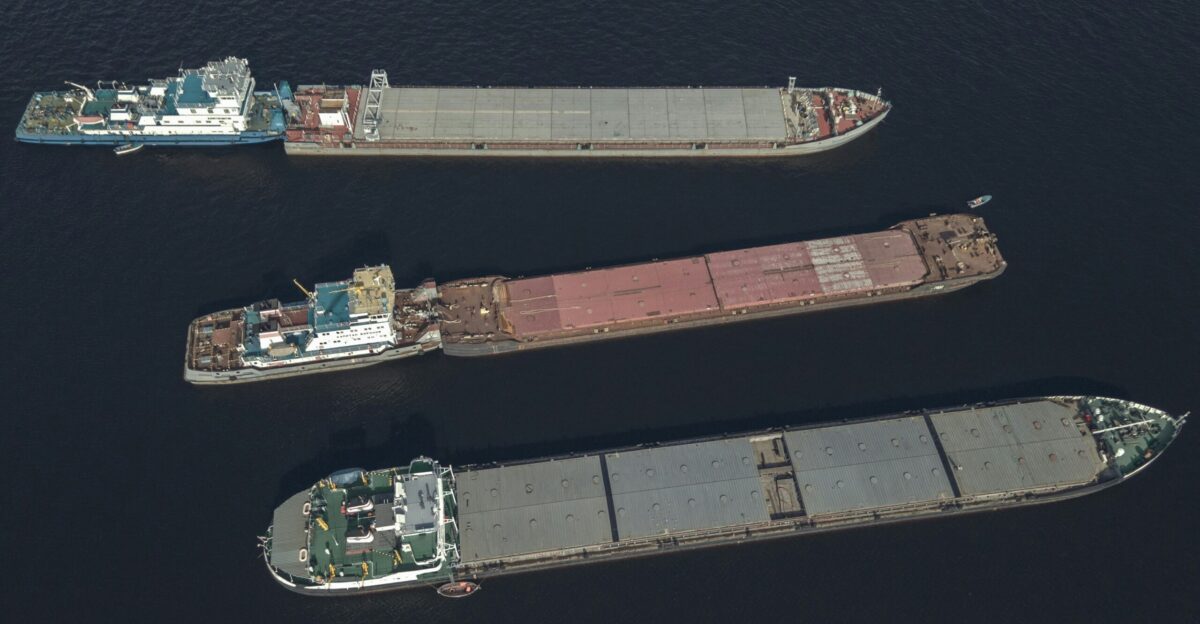
The shadow fleet’s activities extend beyond immediate threats, impacting global oil markets and geopolitical stability. Disruptions to shipping routes can have ripple effects, making it critical for decision-makers to address these maritime challenges. “Every action taken has broader implications; we cannot afford to act in isolation,” stated an energy policymaker.
As nations strive to maintain energy security and economic interests while counteracting the shadow fleet, the international community is tasked with forging cooperative pathways. Collaborative approaches will enhance resilience against these multifaceted threats, creating a more secure maritime environment.
The Public’s Concern
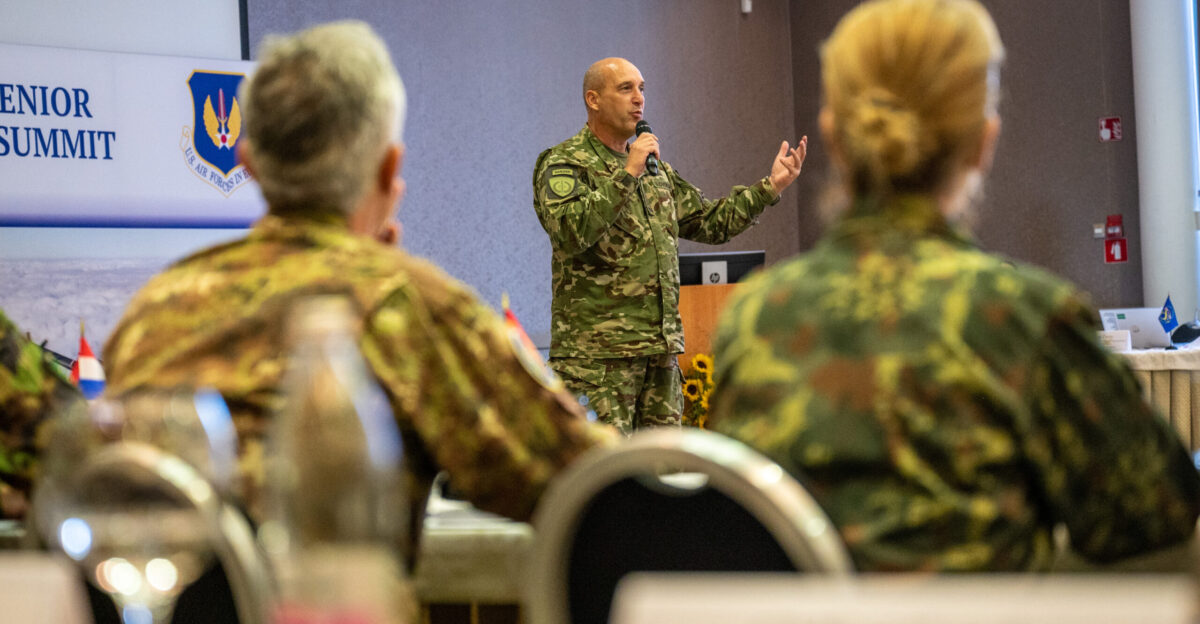
The public is increasingly aware of the lingering threats posed by the shadow fleet. Coastal residents express growing unease, fearing for their safety. “We see these ships out there, and it makes us anxious,” shared a fisherman from Denmark. This sentiment is echoed throughout affected regions, where uncertainty has taken a toll on local economies and communities.
As concerns mount, it becomes increasingly essential for governments to communicate their strategies effectively to maintain public trust. Transparent dialogue can help stakeholders navigate through this troubling chapter while reinforcing communal solidarity in addressing shared challenges.
A Call to Action
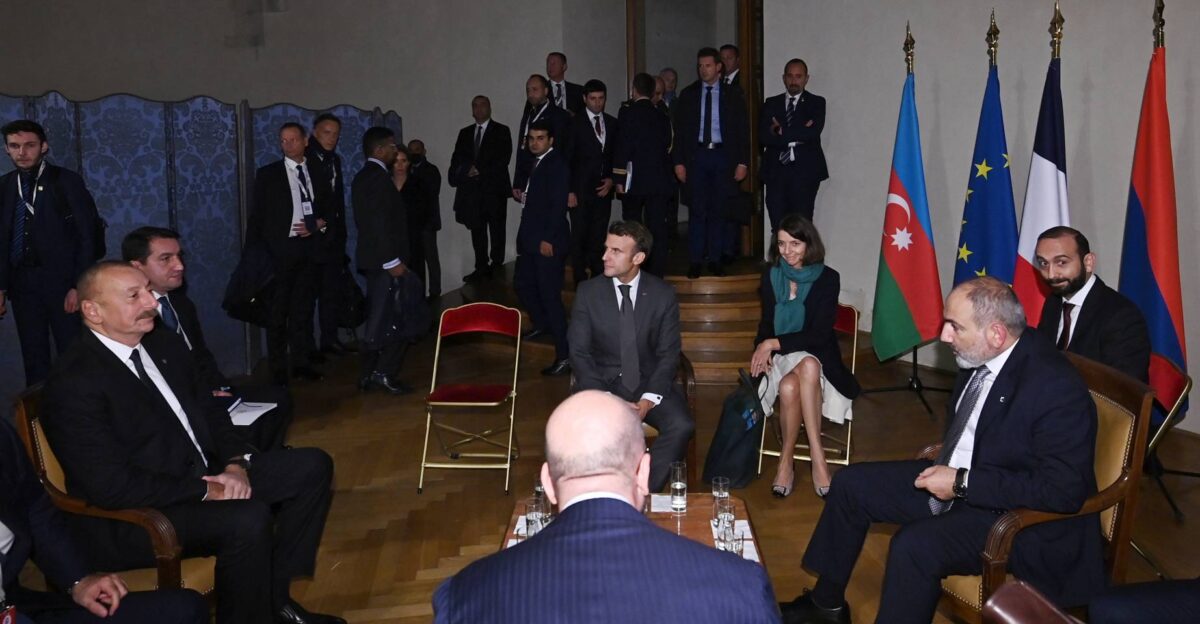
As the situation progresses, voices advocating for decisive actions grow louder. European leaders are facing pressure to enhance their naval capabilities and bolster intelligence-sharing protocols to address the threat posed by the shadow fleet. “We must put our resources where our mouths are,” stressed a naval commander at a recent conference.
Immediate and collective action is needed to fortify defenses and ensure the integrity of European waters. As nations strive to implement robust strategies, the feasibility of multilateral efforts could significantly mitigate the escalating complexities posed by the shadow fleet.
Preparing for the Future
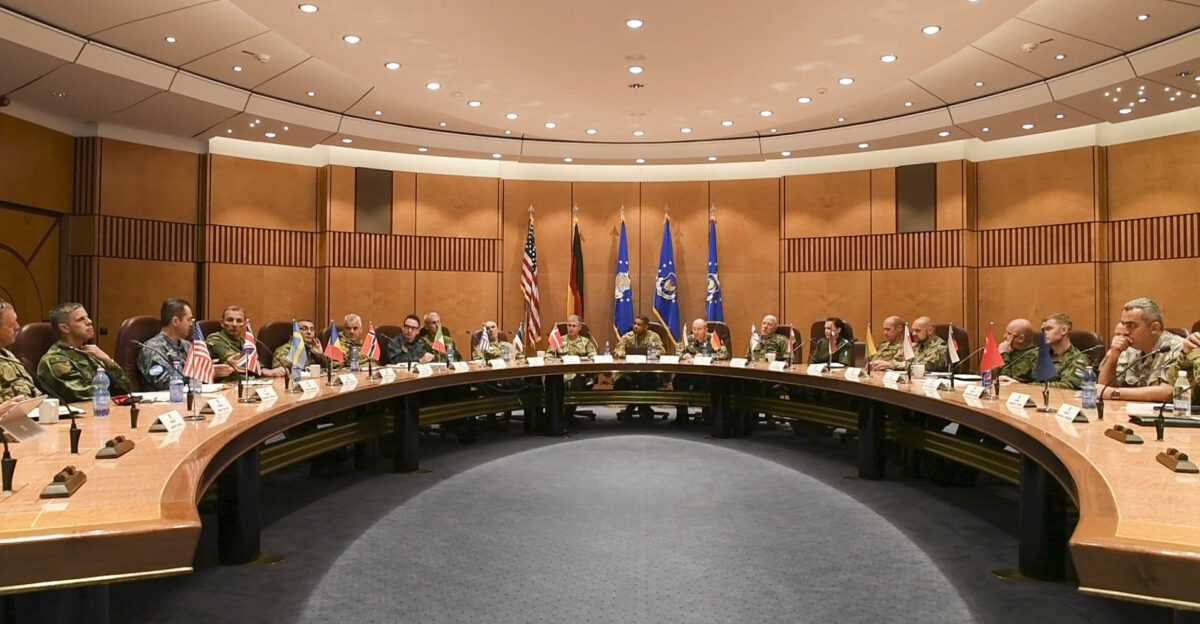
In the wake of these developments, European nations are reevaluating their long-term maritime strategies. Diplomatic approaches, coupled with hard power, may be necessary to deter further Russian encroachments. “We will need to rethink how we approach security in the Baltic region,” explained a defense analyst.
Initiating dialogue with strategic partners can help galvanize support for unified actions combined with investments in advanced surveillance and detection technologies. Preparing for future challenges requires foresight and an adaptable framework that prioritizes security in the evolving maritime landscape.
A Collective Effort
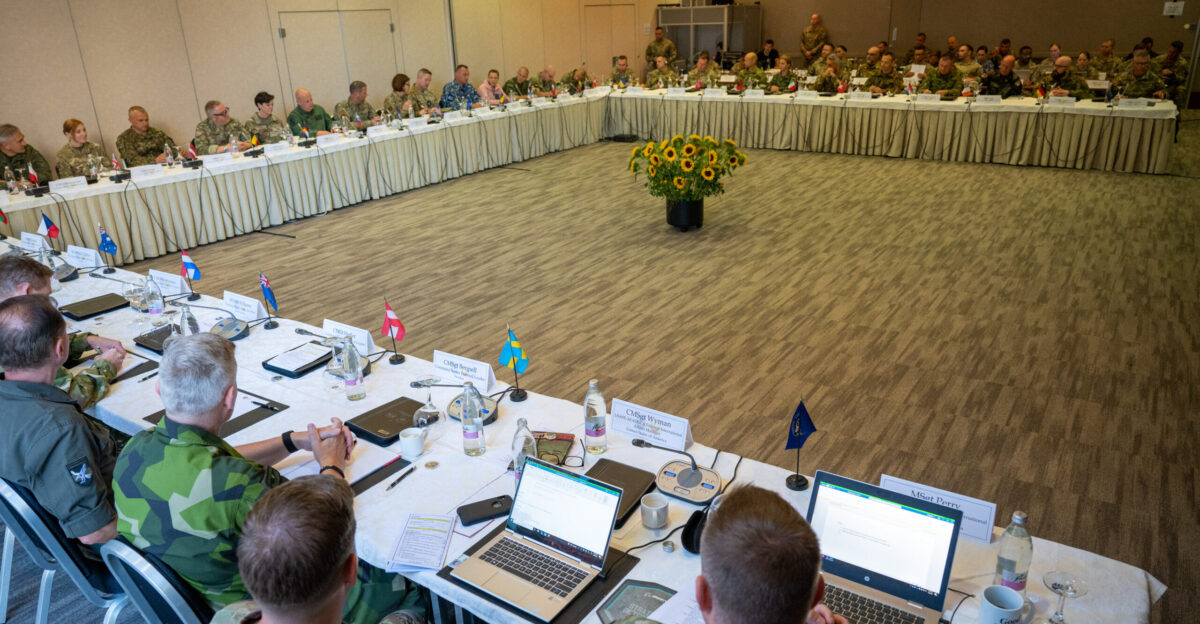
Addressing the shadow fleet issue requires engaging multiple stakeholders, including governments, private sector players, and international organizations. “Collaboration is not just essential; it is paramount for our security,” remarked a foreign policy advisor. An integrated approach that unifies efforts can provide the blueprints for success against rogue operations in maritime waters.
This unified front will help tackle not only the immediate threats but also the underlying factors contributing to economic vulnerabilities. By leveraging collective resources, the potential for meaningful change increases significantly, reinforcing resilience against the looming threats.
Looking Ahead
As the narrative surrounding the shadow fleet unfolds, the stakes remain high for European security and regional stability. Navigating these tumultuous waters will require resourcefulness, adaptability, and cooperation from all involved parties.
“We are standing at a crossroads; our choices will define the future,” remarked an EU official, underscoring the importance of decisive actions. Ultimately, finding a path forward that prioritizes both collective safety and the preservation of economic integrity will require united commitment and a concerted effort from nations determined to overcome the challenges ahead.