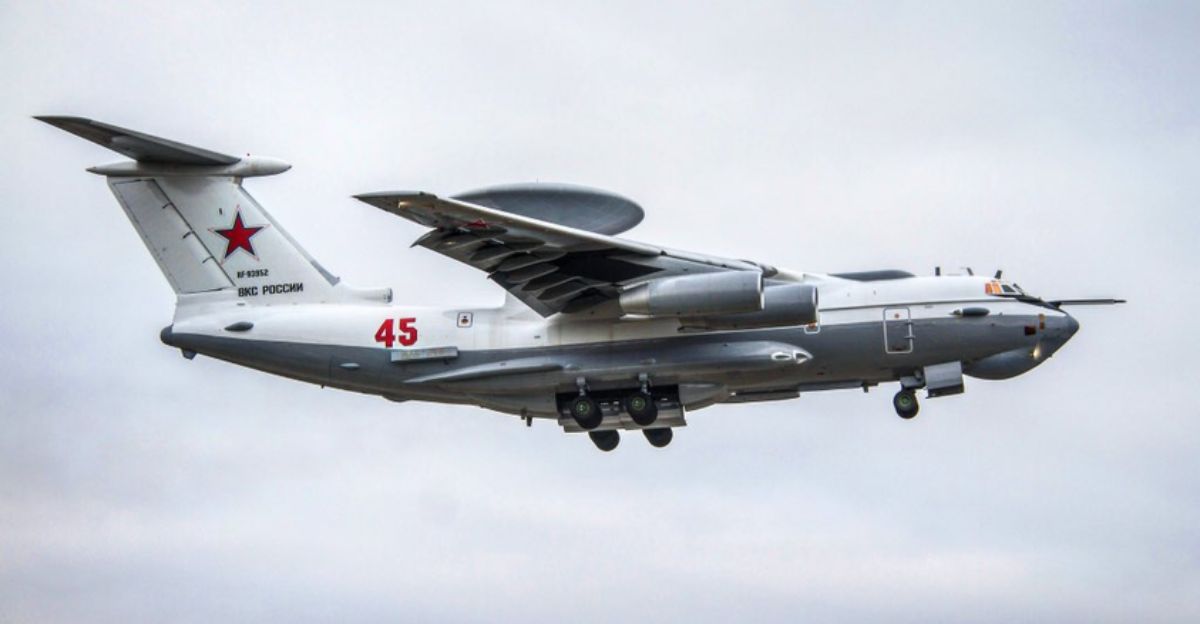
The Beriev A-60 was an experimental Soviet airborne laser platform created to study the feasibility of directing high-energy laser beams from an aircraft. It was based on the Il-76 transport airframe and served strictly as a research testbed rather than an operational weapon.
The aircraft was used to investigate laser propagation, target tracking, and atmospheric interference under realistic flight conditions. It never entered frontline service with the Russian Air Force.
Cold War Origins of Soviet Airborne Laser Research
The A-60 program originated in the 1970s during intense Cold War competition over space and reconnaissance technologies. Soviet planners sought non-kinetic ways to counter high-altitude surveillance platforms and potential space-based sensors.
The Beriev design bureau in Taganrog was selected to integrate a powerful gas-dynamic laser into a large transport aircraft capable of stable high-altitude flight. This work formed part of a broader Soviet directed-energy research effort.
First Prototype and Early Flight Testing
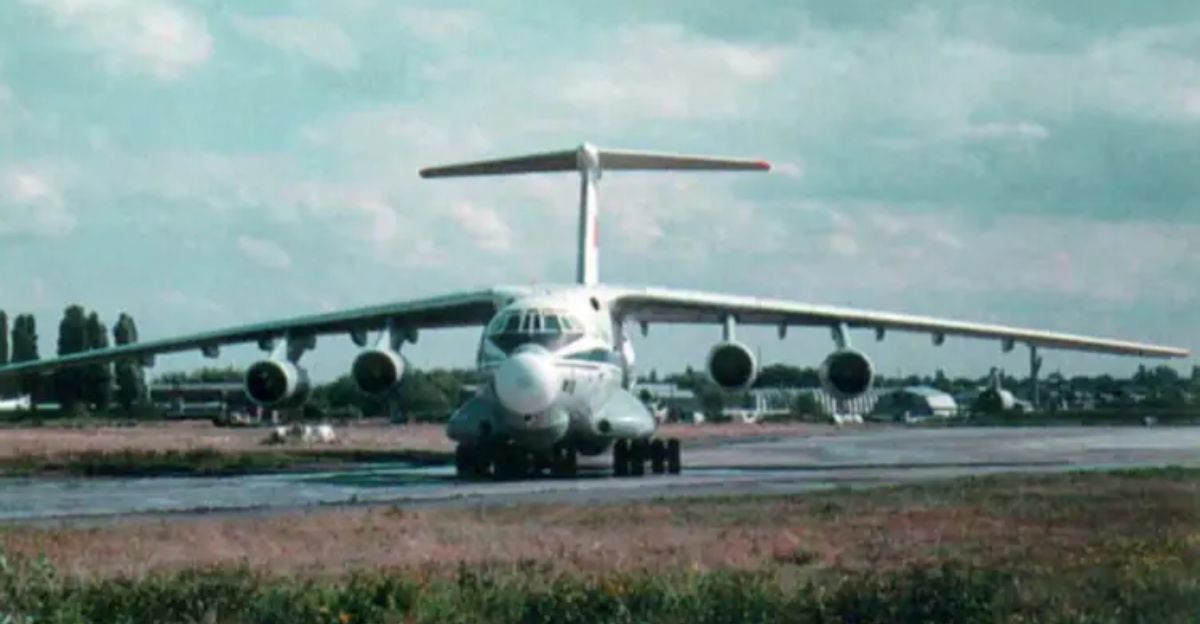
The first A-60 prototype, designated 1A, made its maiden flight in August 1981. A carbon-dioxide laser was installed in the cargo hold, while a large retractable mirror turret was mounted on the upper fuselage to direct the beam.
During trials in the mid-1980s, the aircraft successfully illuminated and reportedly damaged high-altitude test balloons, proving the basic feasibility of airborne laser targeting under controlled conditions.
Tracking Systems and Technical Constraints
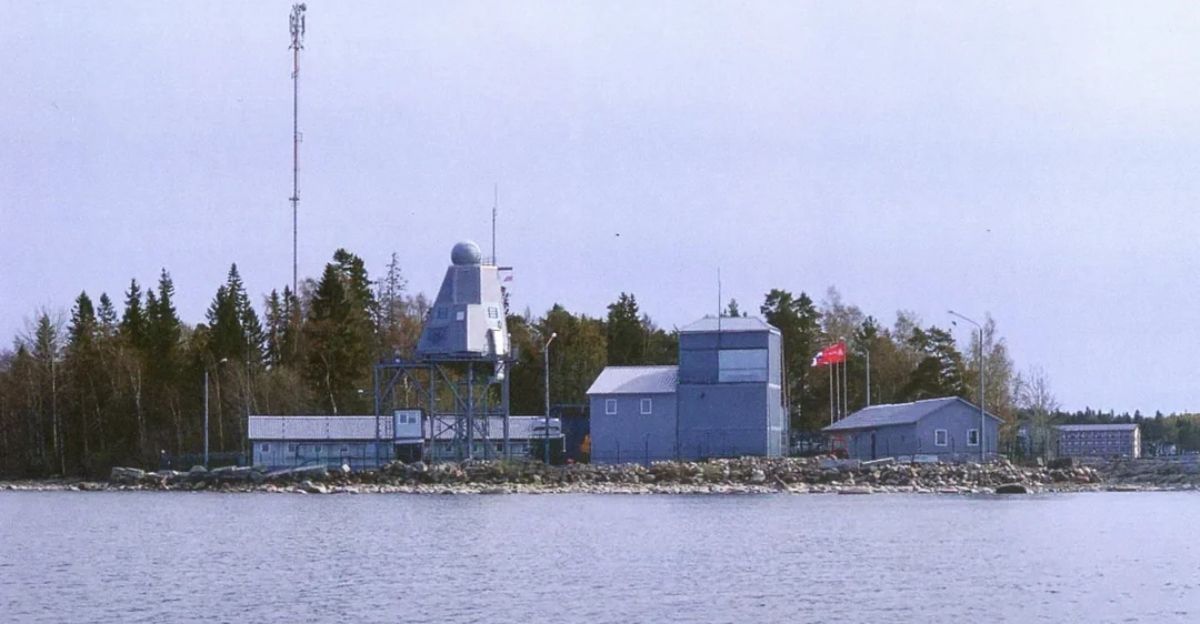
Target acquisition relied on the Ladoga radar system and optical tracking equipment. Engineers faced severe limitations caused by atmospheric absorption, vibration, beam dispersion, and thermal blooming. These effects significantly reduced the effective power delivered to distant targets.
Even in test conditions, sustained laser firing was limited to short bursts measured in seconds. These constraints prevented the A-60 from developing into a practical combat weapon.
Interruption After the Soviet Collapse
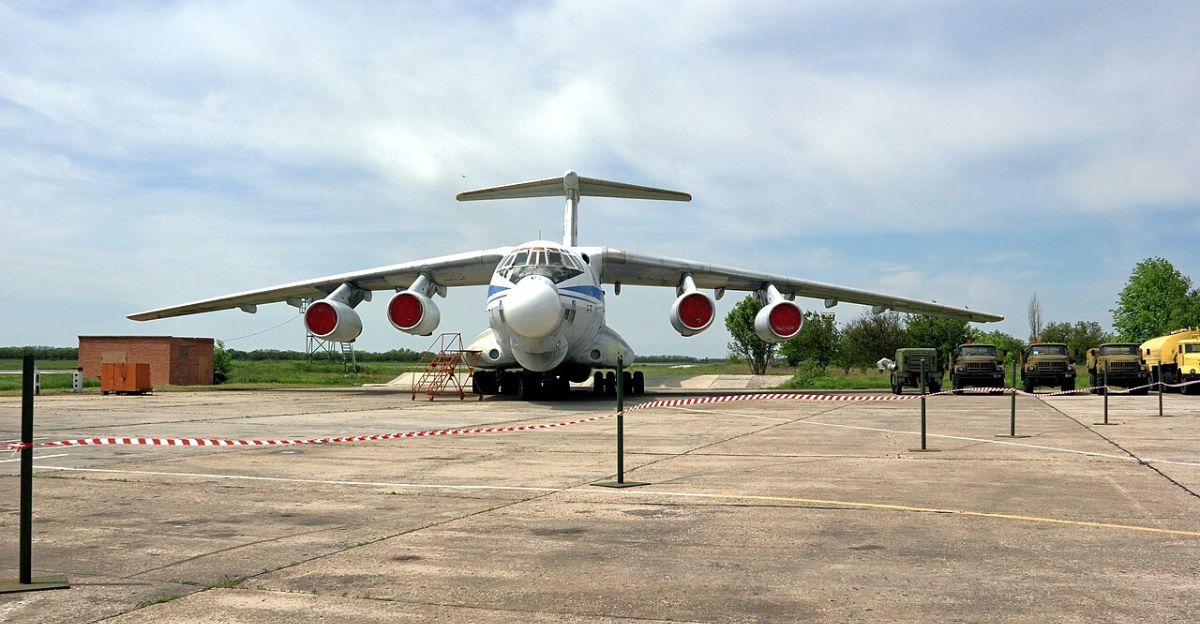
A fire destroyed the first prototype in 1989. A second aircraft, known as 1A2, entered tests in 1991. However, the collapse of the Soviet Union soon after led to severe budget cuts and institutional disruption. By 1993, the A-60 program was effectively frozen.
Russia’s defense industry lacked the financial and industrial stability required to continue such a technically demanding directed-energy project at that time.
Revival Under Russia’s Space-Defense Research
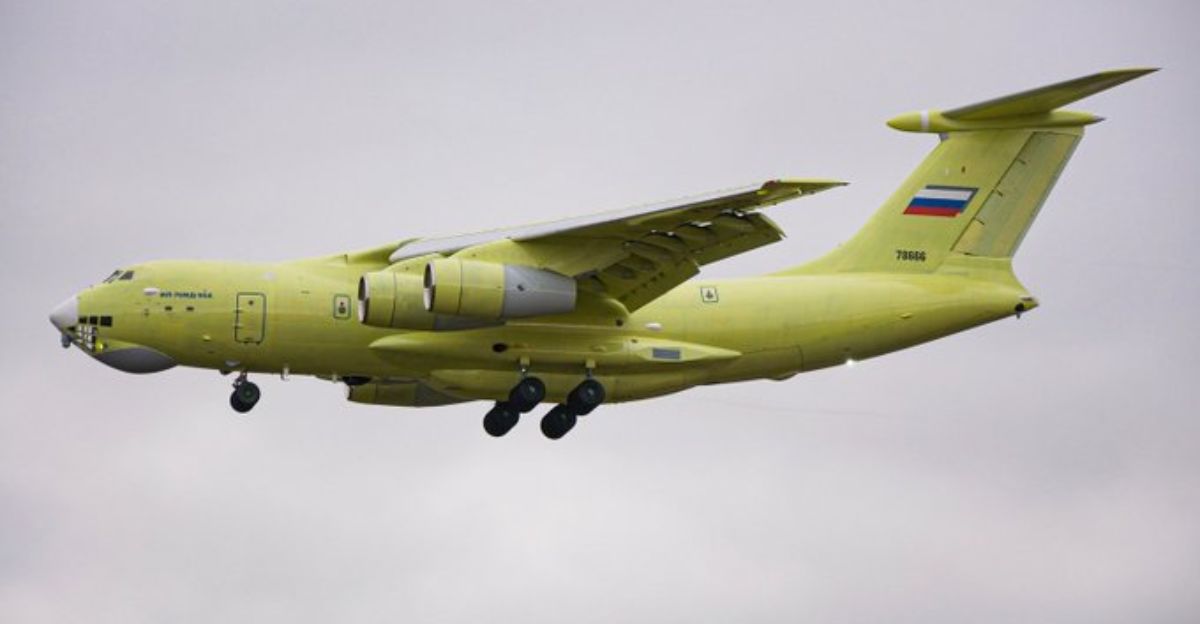
In the early 2000s, airborne laser research was revived under the classified “Sokol-Eshelon” program. The aircraft was refurbished to study interactions between laser beams and space-based optical sensors.
The mission emphasis shifted from balloons to the potential disruption of satellite-borne infrared and optical systems. Russian officials avoided describing the work in detail, referring only to research on countering surveillance technologies.
The A-60’s Actual Capabilities
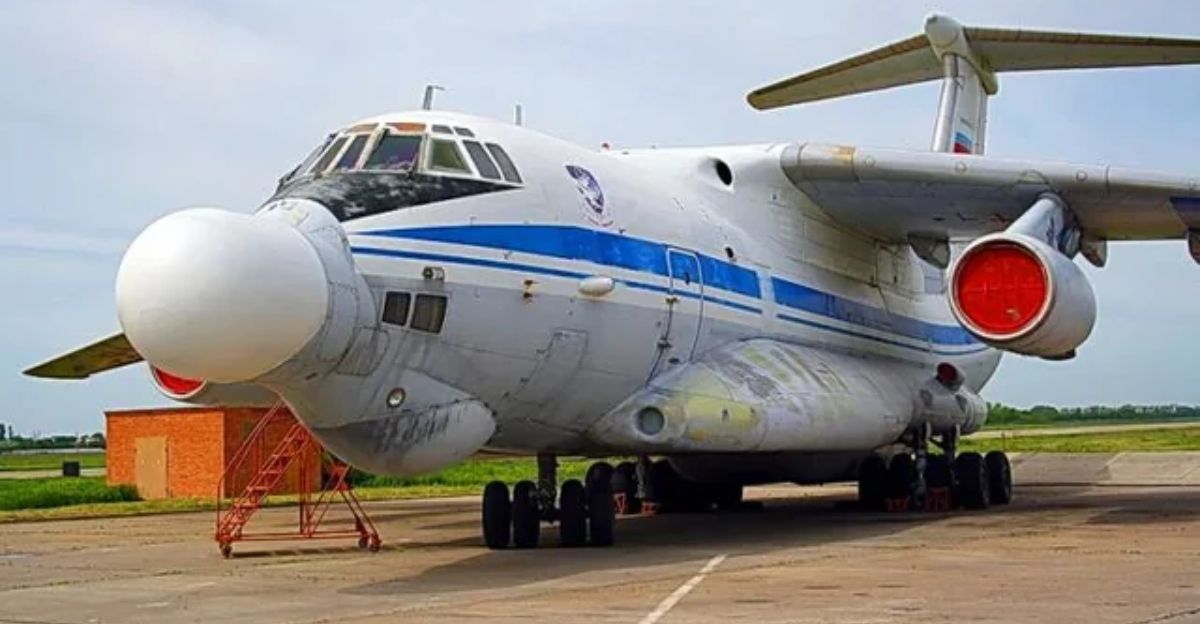
Public information indicates the A-60 remained a scientific platform rather than a deployable weapon. Laser firings were brief, power generation depended heavily on onboard energy systems, and atmospheric distortion limited beam effectiveness at long distances.
The aircraft allowed engineers to collect valuable experimental data but did not provide Russia with an operational airborne laser strike capability. Its role was analytical, not tactical.
Unclear Operational Status by the 2010s
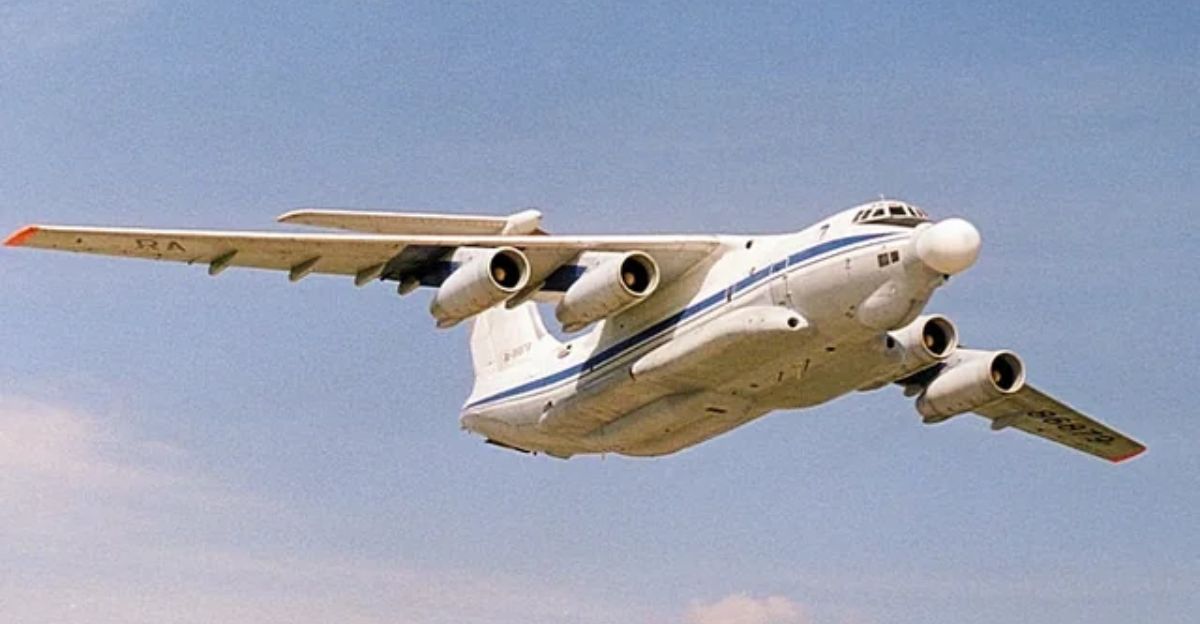
By the mid-2010s, the A-60’s condition and activity level became increasingly opaque. Open-source observers reported the aircraft parked at Taganrog for extended periods with no visible flight operations.
Russian defense officials acknowledged ongoing laser weapons research but did not provide specific updates on the A-60. Whether the aircraft remained fully airworthy or largely dormant was not publicly verifiable.
The Strategic Importance of the Taganrog Facility

Taganrog’s Beriev Aircraft Company is a key hub for Russia’s special-purpose aviation sector. The facility supports maritime patrol aircraft, airborne early-warning platforms, and multiple experimental airframes.
Because of this specialization, Taganrog has long been considered a high-value defense-industrial site. Until recent years, its location deep inside Russian territory placed it beyond the reach of most conventional Ukrainian strike capabilities.
Ukraine’s Growing Long-Range Strike Reach
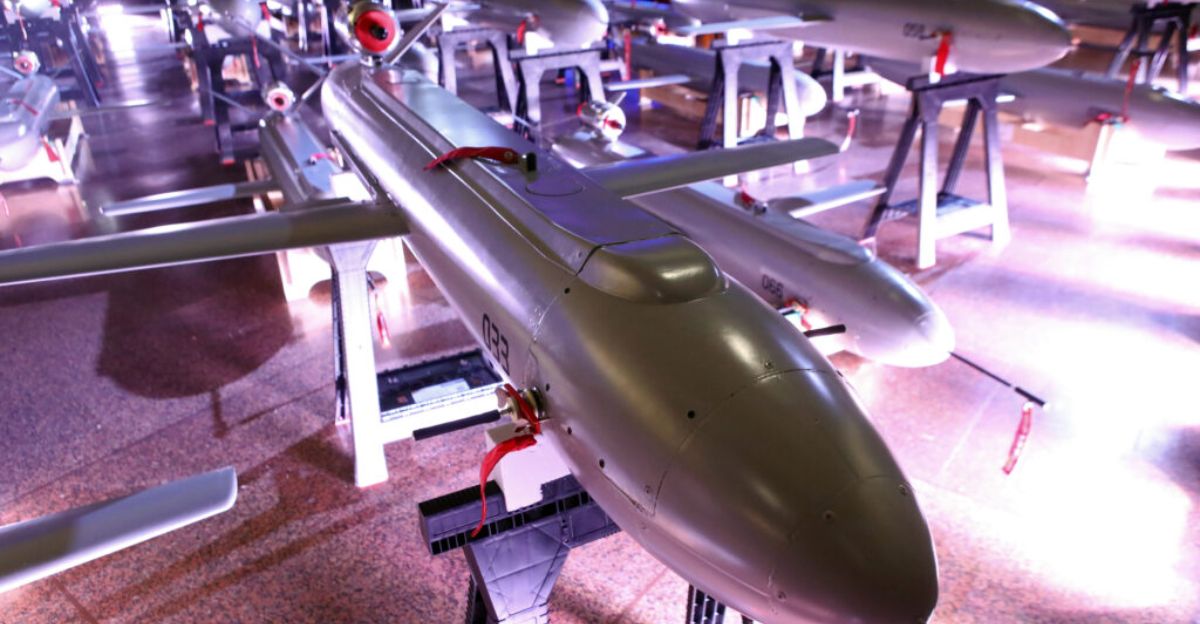
Since 2023–2024, Ukraine has increasingly demonstrated the ability to strike military targets far inside Russia using long-range drones and adapted missiles.
These attacks have targeted refineries, air bases, logistics depots, and defense-industrial facilities. The expanding range of Ukrainian strikes has eroded Russia’s assumption that rear-area facilities enjoy inherent safety due to geographic distance from the front lines.
Reports of the 2025 Taganrog Strike
In late 2025, multiple Ukrainian and Russian sources reported a major strike on military infrastructure in the Rostov region, including the Taganrog airfield area.
Videos and eyewitness accounts indicated explosions and fires at or near the Beriev facility. However, Russia imposed tight information controls, and full independent verification of the damage was not immediately possible through publicly available imagery alone.
Claims Concerning the A-60 Aircraft
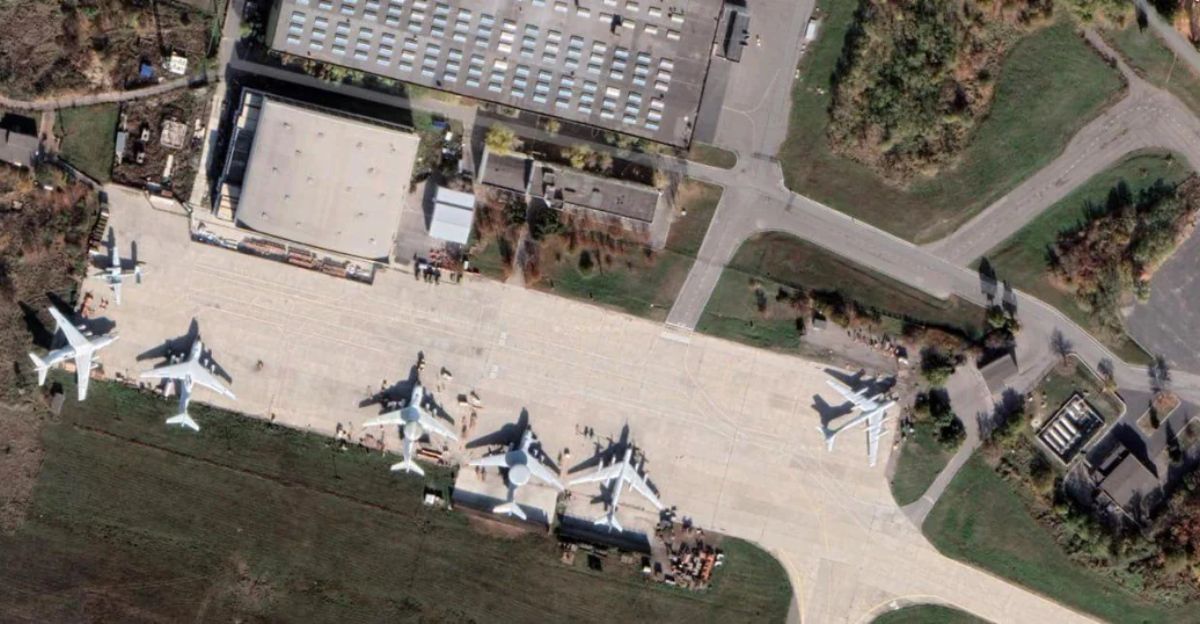
Some Ukrainian-aligned outlets and open-source analysts claimed that the A-60 aircraft had been destroyed during the Taganrog strike.
These claims were based on post-strike imagery showing burned aircraft shapes on the apron. However, distinguishing between Il-76 variants using commercial satellite imagery is difficult. Russian official sources did not confirm the loss of an A-60 platform.
Limits of Open-Source Confirmation
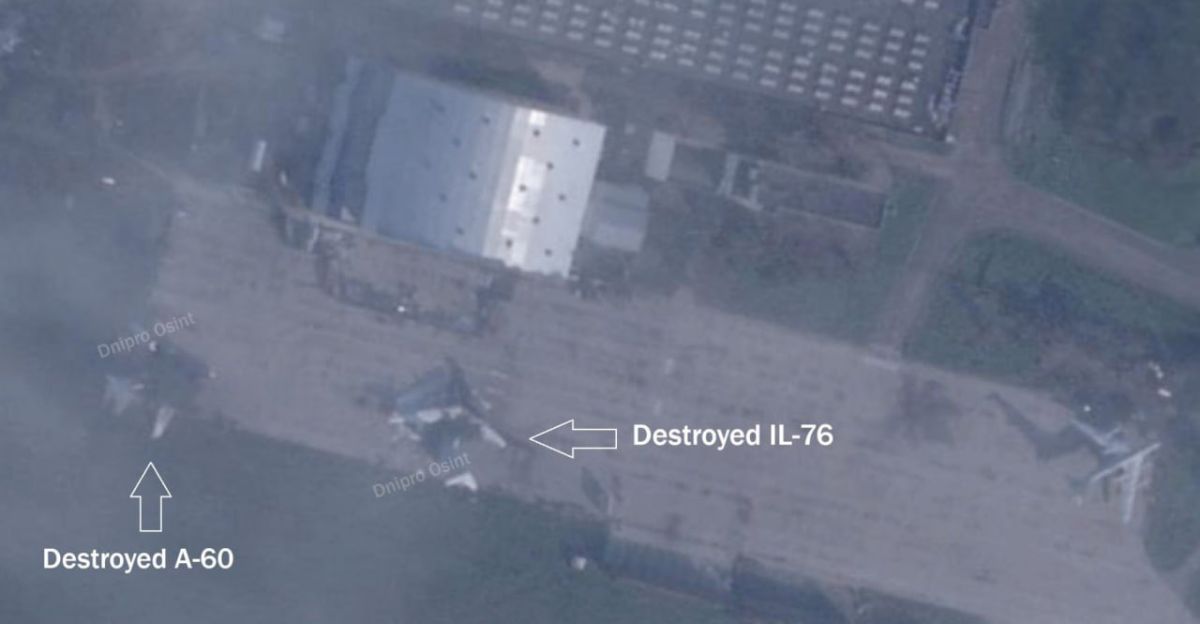
Without clear visual evidence of the A-60’s distinctive dorsal laser turret, analysts cannot conclusively confirm the aircraft’s destruction. Wartime claims on both sides are subject to misinformation, restricted disclosures, and image misinterpretation.
As a result, the fate of the A-60 following the reported strike remains unverified in independent international assessments rather than definitively established.
Scientific and Strategic Value of the Program
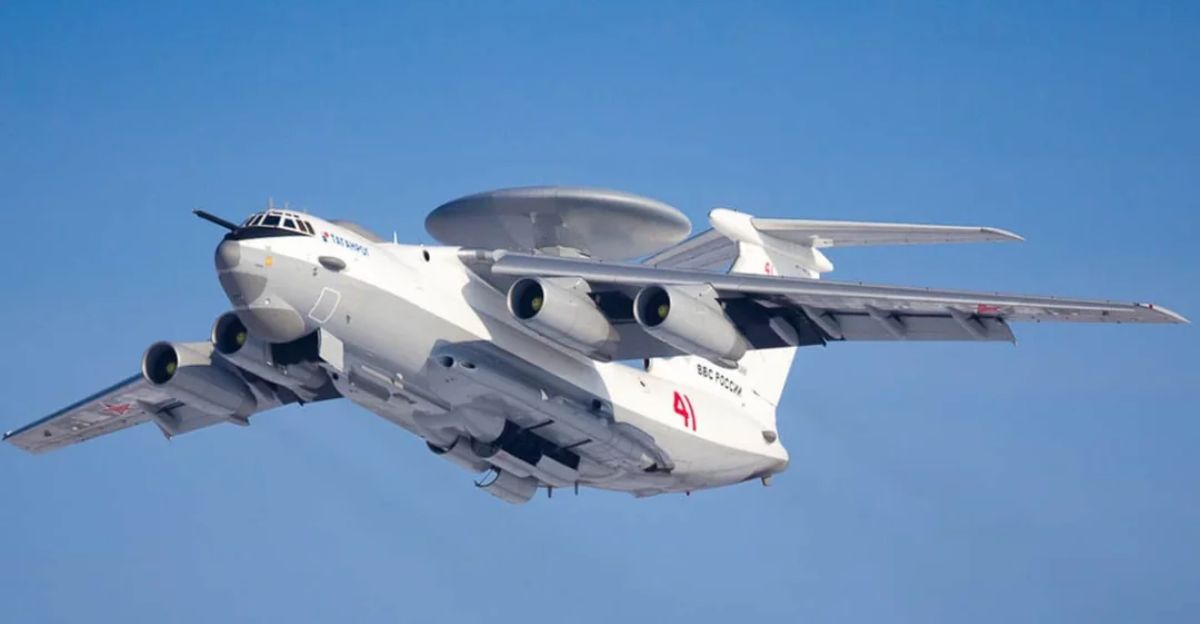
The true value of the A-60 did not lie in its airframe replacement cost, which was never publicly disclosed, but in its accumulated experimental data and specialized workforce.
Recreating a flying airborne laser laboratory requires rare expertise in optics, atmospheric physics, power generation, and precision tracking. Even if inactive, the platform represented decades of focused scientific development.
Conclusion — The Legacy of the A-60 Program
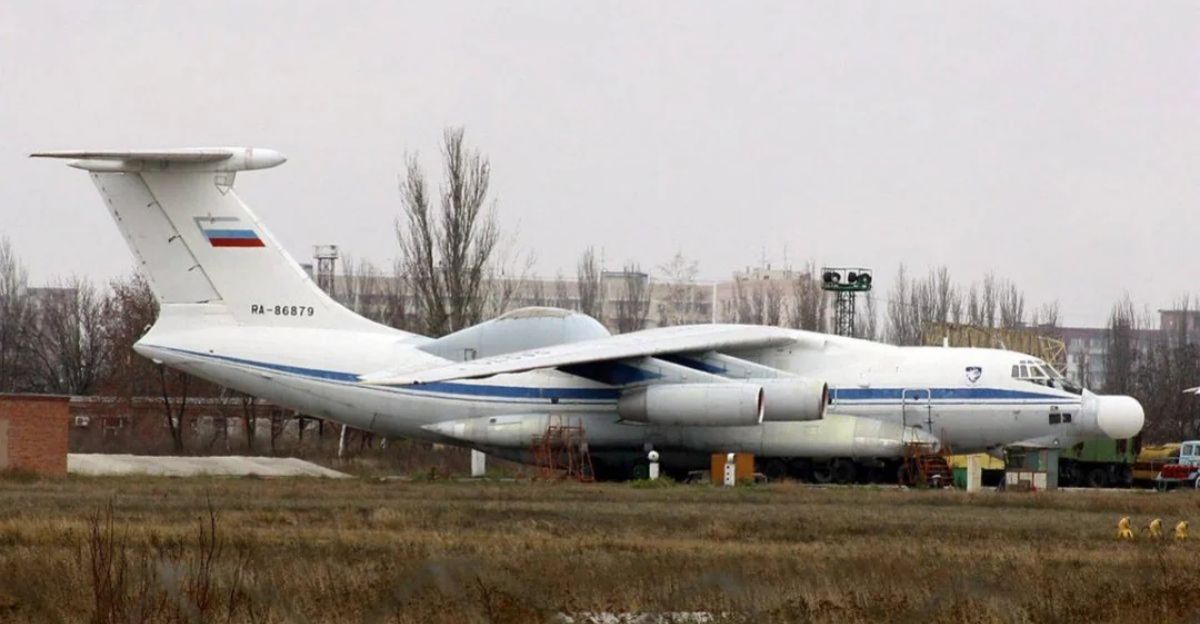
The A-60 stands as one of the longest-running airborne laser experiments ever conducted. Despite decades of effort, it never transitioned into an operational weapon, reflecting the fundamental technical limits that have constrained similar programs worldwide.
Sources:
The War Zone, “Unique Russian A-60 Laser Testbed Jet Destroyed In Ukrainian Attack,” November 24, 2025,
Laser Wars, “Ukraine Destroys Russia’s Rare A-60 Laser Plane,” November 28, 2025,
The War Zone, Op. cit.; Wikipedia, “Beriev A-60,”
Wikipedia, “Beriev A-60”
The War Zone, Op. cit.
Laser Wars, Op. cit.; Wikipedia, “Beriev A-60”
Laser Wars, Op. cit.