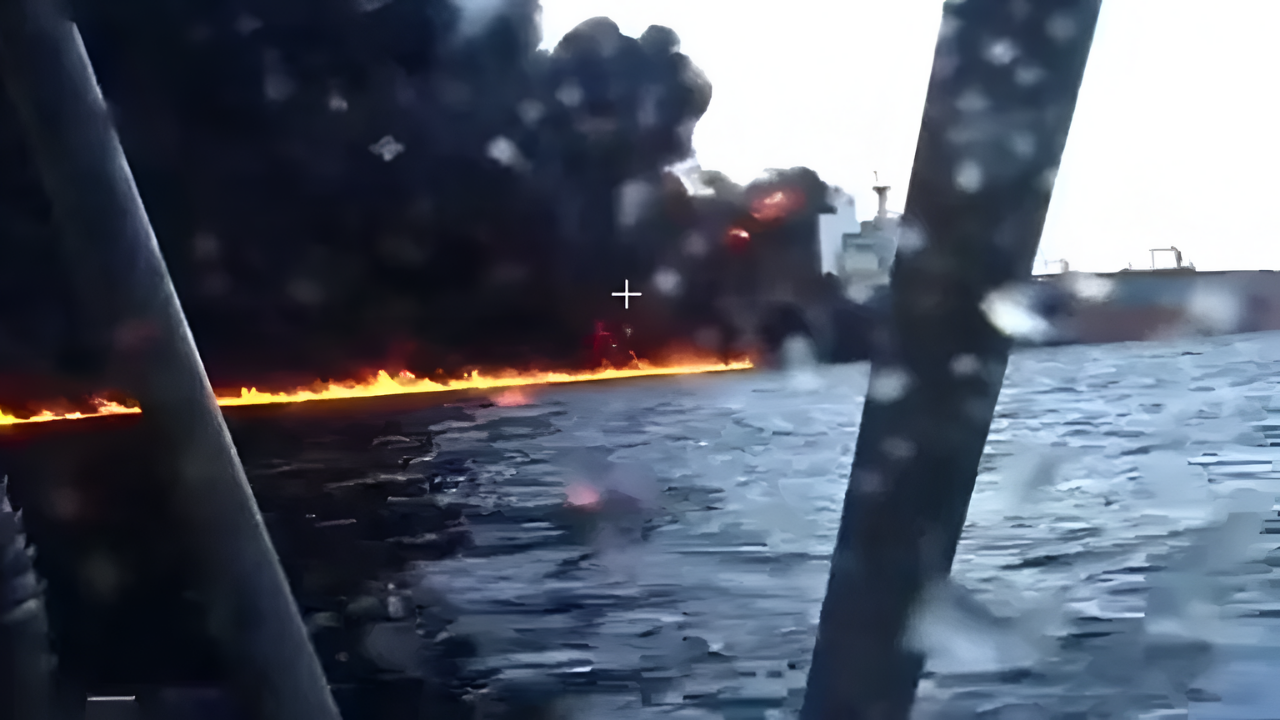
As 2026 began, the skies over Russia’s Black Sea coast lit up, not with fireworks, but with explosions. Ukrainian drones struck the Tuapse oil refinery in Krasnodar Krai just before midnight, starting a blaze that tore through nearly 300 square meters of the site.
The flames marked another chapter in Ukraine’s growing campaign to hit Russia’s energy infrastructure, aiming to weaken Moscow’s ability to fund its war. For days, plumes of black smoke hovered over the coastline, a visual reminder that the conflict now stretches deep into Russia’s industrial heart.
Why Tuapse Matters
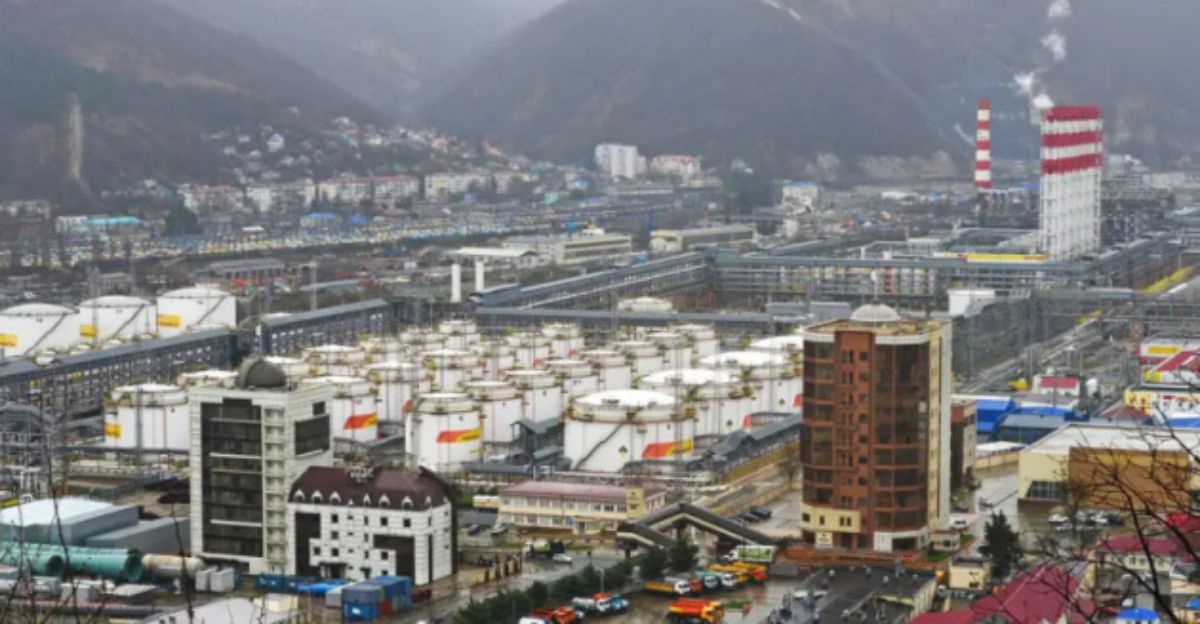
Tuapse isn’t just another refinery, it’s Russia’s only one on the Black Sea and ranks among the country’s ten largest. Owned by state-run energy giant Rosneft, Tuapse processes about 240,000 barrels of crude oil daily. That output fuels both domestic consumption and exports across southern trade routes.
When production halts, Russia doesn’t just lose fuel, it loses billions in potential export revenue. According to the International Energy Agency, each day a major refinery like Tuapse remains offline can shift global supply balances. The refinery’s coastal location also makes it a vital link for shipping fuel from the south, underscoring why its damage strikes such a nerve for Moscow.
The Night the Drones Came

The attack took place overnight between December 30 and 31. Dozens of Ukrainian drones, believed to be directed by the Security Service of Ukraine (SBU) and Defense Intelligence crossed the Black Sea before striking two key sites: the refinery itself and a nearby loading pier. Local residents reported a deafening blast just after midnight, followed by massive flames visible for kilometres.
Video clips shared online showed emergency sirens wailing as workers fled the plant. By sunrise, a thick curtain of smoke stained the horizon.
Fire Out, But Damage Done
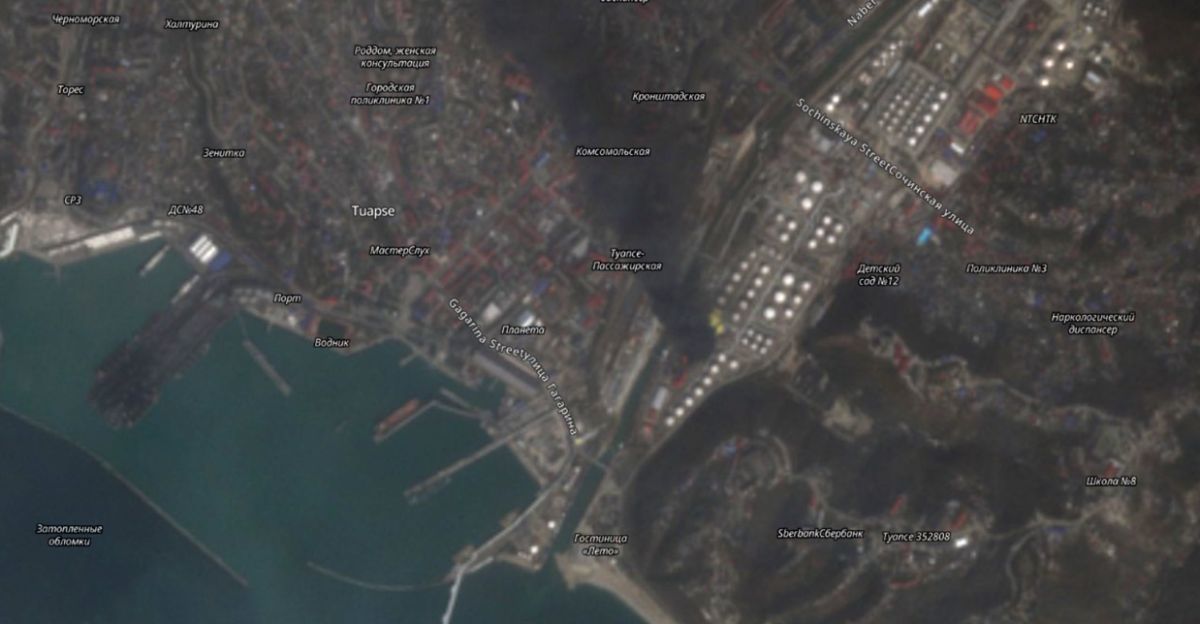
Local officials were quick to declare the fire “under control,” but satellite images told a harsher truth, large parts of Tuapse appeared blackened and twisted. Industrial safety experts note that even “contained” refinery fires can cause long delays because of damage to piping, pressure systems, and control interfaces.
Repairs at such complex facilities can take months, meaning Russia might face prolonged refinery downtimes into spring. The official silence about specific losses only deepened speculation that the plant’s operations are severely disrupted.
A Message in the Timing
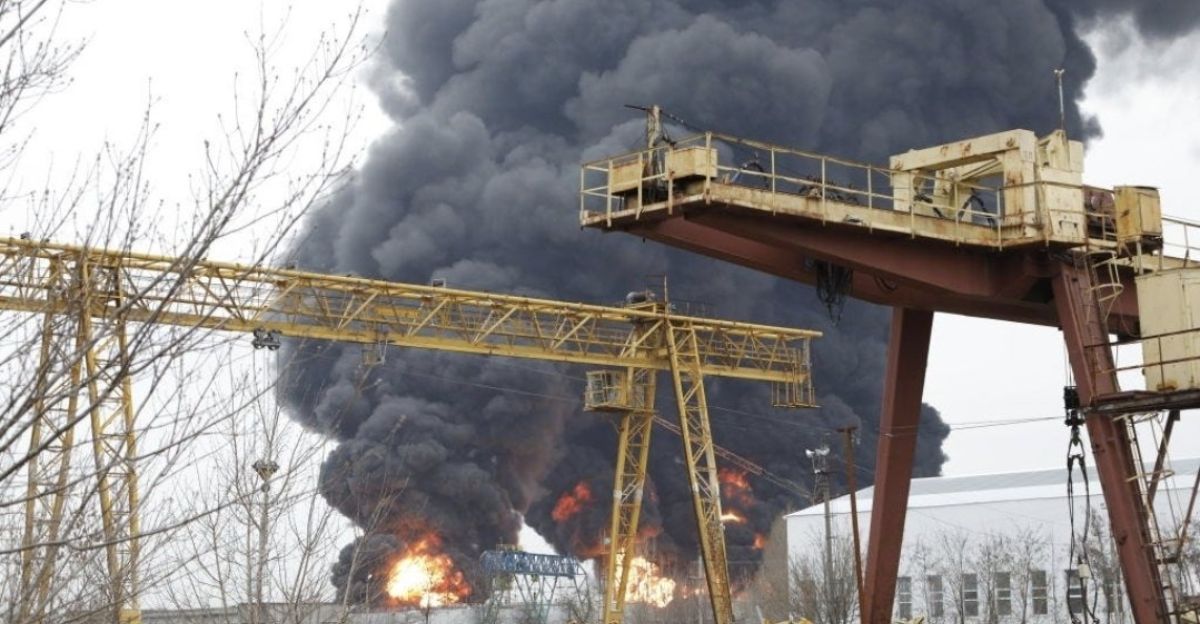
The strike’s timing on New Year’s Eve was no accident. As Russians prepared to celebrate, Ukraine delivered a fiery reminder that its reach extends beyond the battlefield. The symbolism cut deep: there would be no holiday truce in the shadow war over energy.
Ukrainian officials have said little publicly, but security sources told Reuters that the goal was to send a signal that the war continues as long as the invasion does. That statement captures Ukraine’s psychological tactics, targeting not just infrastructure, but morale, on one of Russia’s most festive nights of the year.
Russia’s Energy Bottleneck
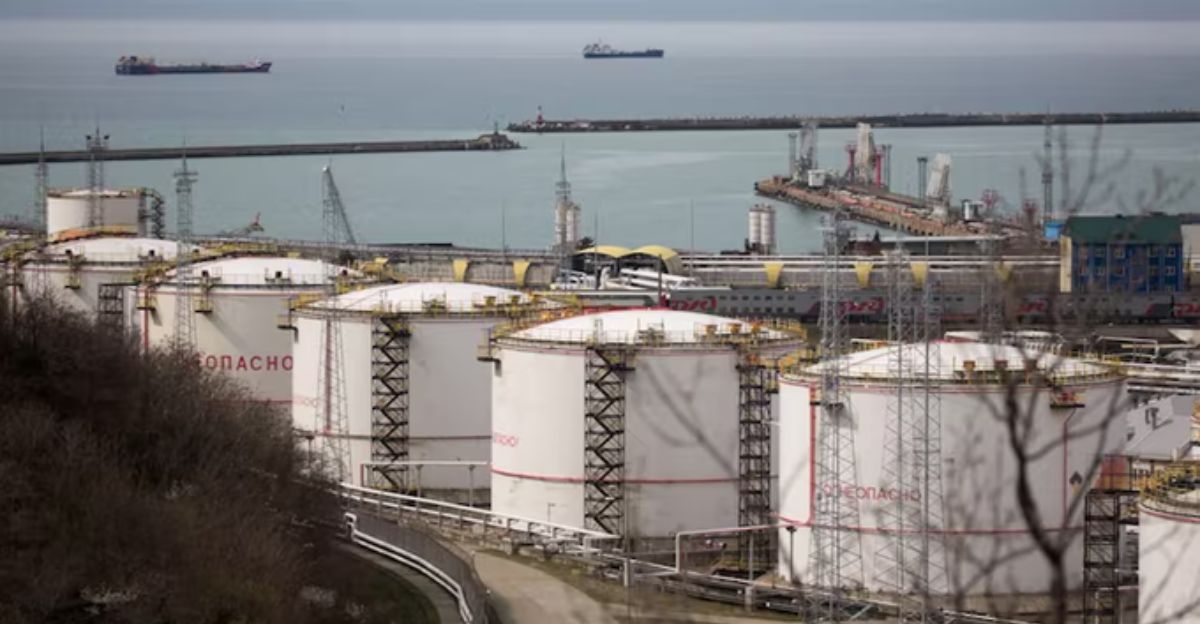
Tuapse’s uniqueness as Russia’s only Black Sea refinery magnified the blow. With it offline, Moscow loses its southern export artery for refined fuel shipments. That forces Russia to reroute crude to inland refineries or shift exports to alternate ports, such as Novorossiysk, an expensive and time-consuming process.
As Russia scrambles to maintain supplies, bottlenecks could ripple throughout its wider refinery network, exposing how dependent its energy system is on a few key hubs.
Counting the Economic Cost
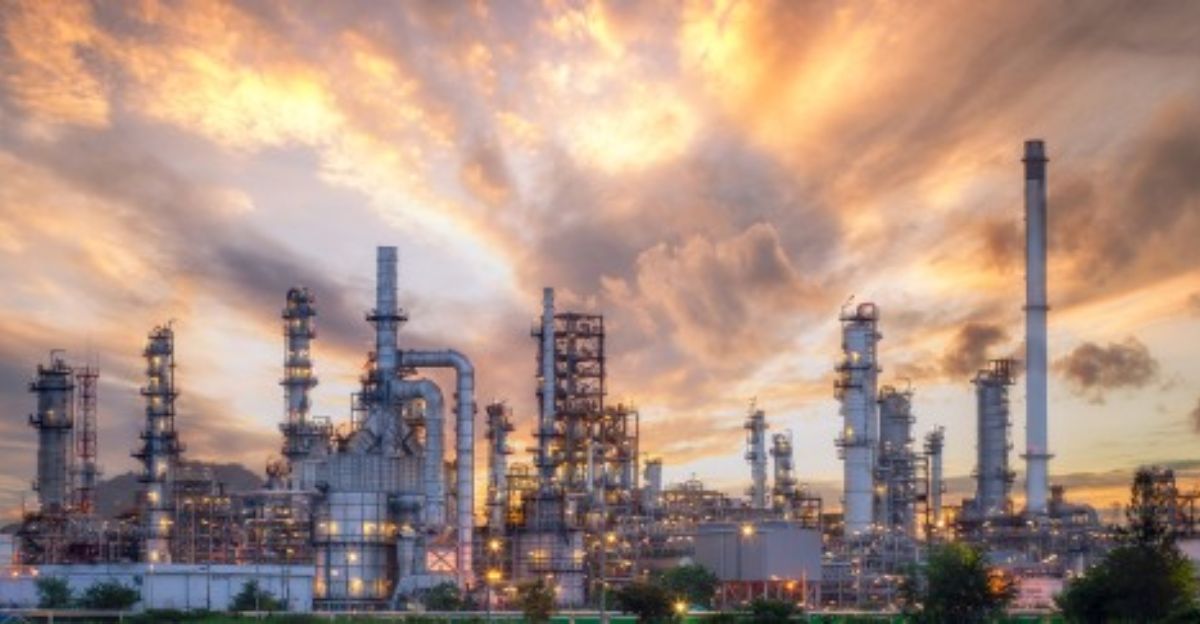
At full capacity, Tuapse refines oil worth an estimated $15–25 million daily, according to global trade data. If the refinery remains out for weeks, the financial loss could stretch into billions. Analysts estimate downtime of even 100 days could strip Rosneft of over $2 billion in profits, and cost the Kremlin far more in lost tax revenue.
Oil and gas taxes made up nearly 30% of Russia’s federal budget in 2024, according to Moscow’s Finance Ministry. That means every refinery shutdown slices directly into the war treasury funding operations in Ukraine.
The People Behind the Plant
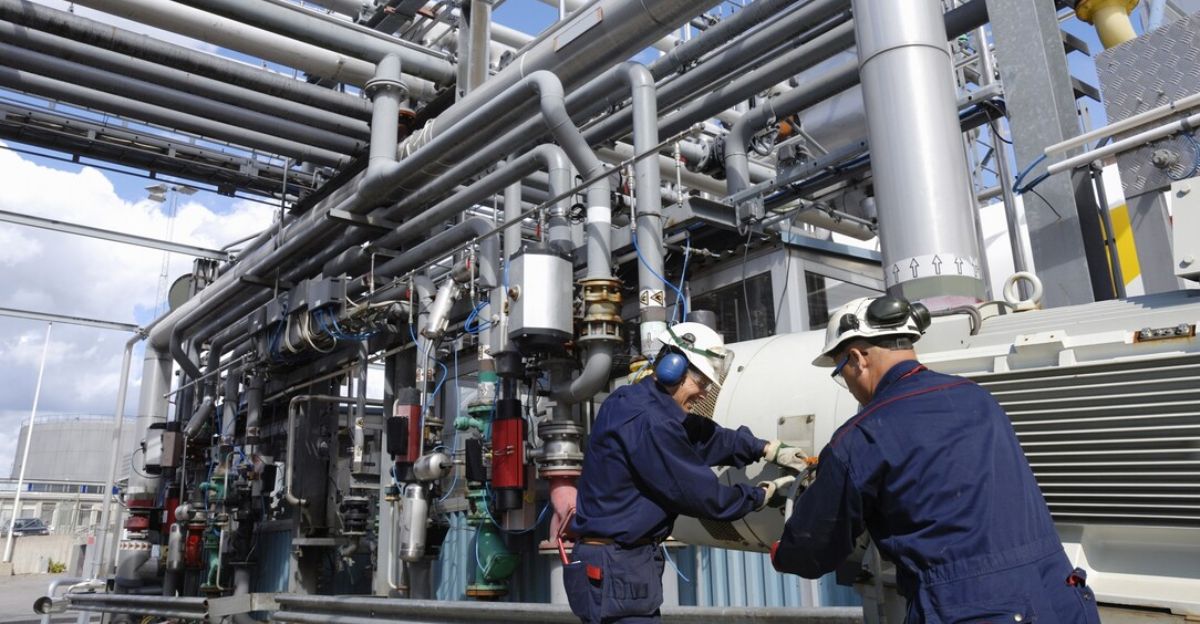
Behind the numbers are thousands of lives. The Tuapse refinery employs between 1,500 and 3,000 workers, many of whom live within a few kilometers of the site. Each drone strike triggers evacuations, road closures, and panic in nearby neighborhoods.
Local reports described buses filled with families seeking shelter inland while firefighters battled the flames. For communities built around the refinery, each new attack deepens the fear that their livelihoods, and their safety, stand in the crossfire of a bigger geopolitical war.
Ukraine’s Widening Strike Network
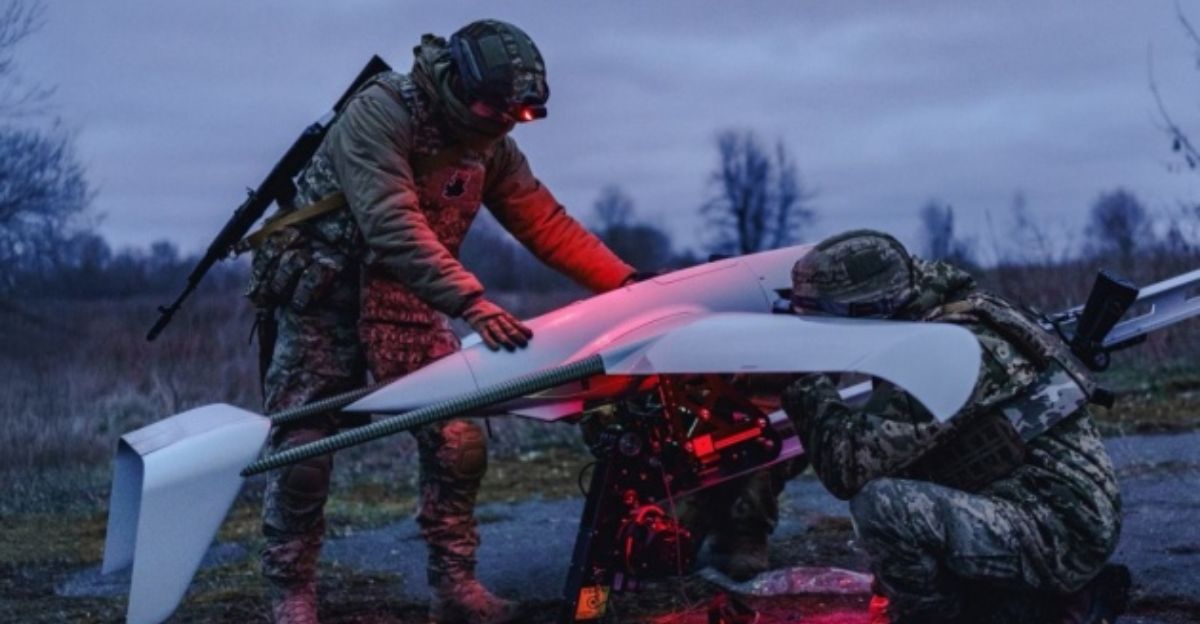
The Tuapse hit didn’t happen in isolation. Over 2025, Ukraine steadily expanded its drone campaign deep into Russian territory, targeting oil depots in Belgorod, Bryansk, and Leningrad regions.
The aim is to drain Russia’s war economy and force the Kremlin to spend heavily defending sites far from the front. These strikes stretch Russia’s defenses so thin that no region can feel entirely safe from disruption.
How the Drones Get Through

Ukraine’s success hinges on innovative engineering and local ingenuity. Its drones, often small, fast, and home-built, fly low enough to evade most radar systems. Some are made using commercial parts or 3D printing, making them cheap and expendable.
Western defense analysts remain astonished at how these relatively simple machines can fly hundreds of kilometers undetected. Every successful strike chips away at Russia’s image of total air control.
A Turning Tide in the Black Sea
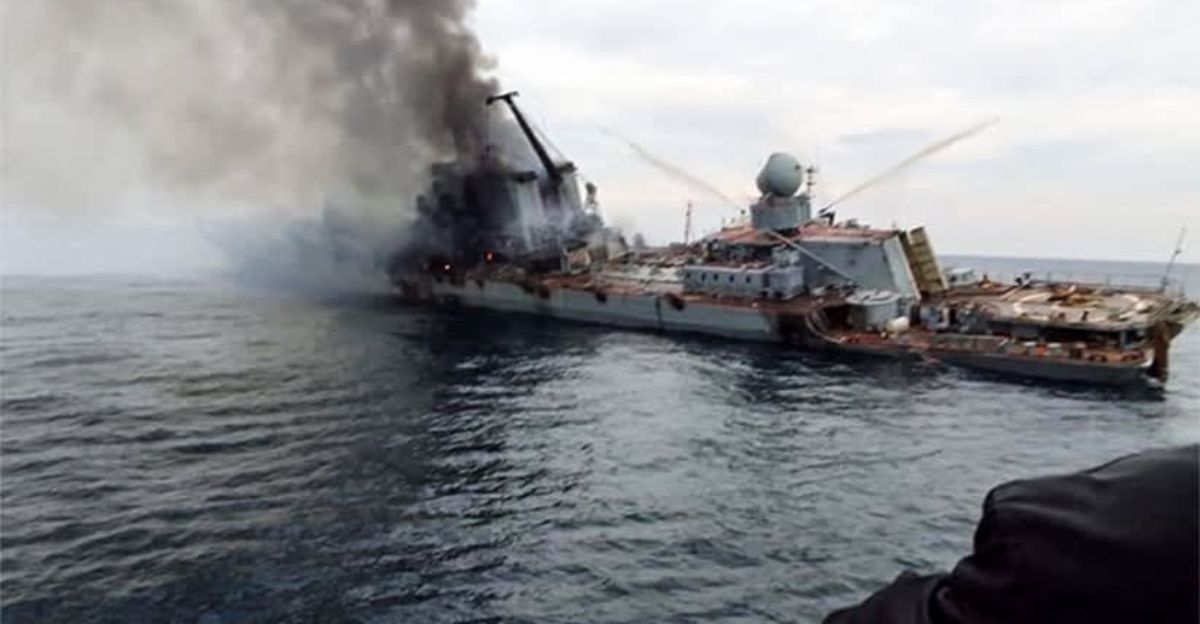
The Black Sea has become one of the war’s most volatile fronts. Since Russia lost several naval vessels to Ukrainian strikes, including the Moskva in 2022, its southern supply routes have grown increasingly vulnerable. Attacks like Tuapse reveal how Ukraine is using range and precision to undermine
Russia’s regional dominance. Maritime experts say the battle for the Black Sea now involves not just ships, but supply chains, radar coverage, and fuel logistics, all critical to sustaining war operations. The message is clear: Russia’s south is no longer secure.
Rosneft in Damage Control
Publicly, Rosneft insists operations remain stable and that no long-term shutdown is expected. But industry watchers say the evidence tells another story. Satellite data from late December showed a sharp drop in tanker traffic near Tuapse’s port facilities, an indicator of possible suspension.
“Even a short halt at Tuapse can cause waves across regional supply lines,” warned energy researcher Alexander Novak. The company’s quick reassurance contrasts sharply with the quiet scramble behind the scenes to assess damage and reroute shipments.
Cracks in Putin’s “Energy Fortress”
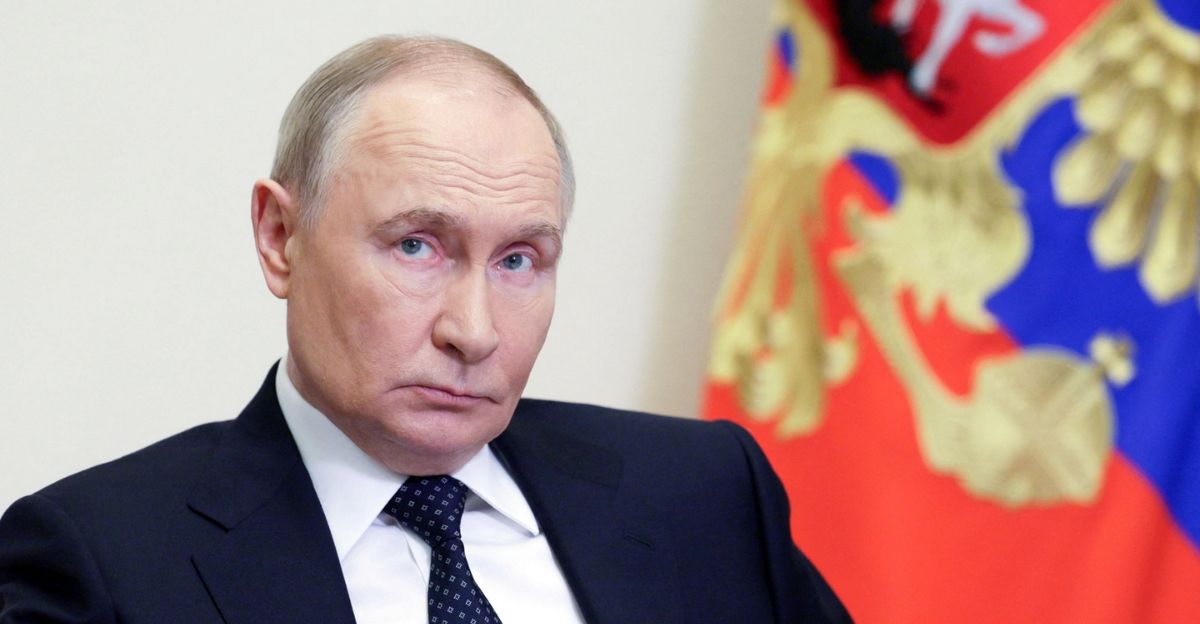
For years, President Vladimir Putin portrayed Russia’s oil infrastructure as untouchable, a fortress shielding the nation from sanctions and economic warfare. But recent strikes, including the Tuapse inferno, reveal how vulnerable that system truly is.
Each successful drone hit undermines the illusion of strength the Kremlin has cultivated since invading Ukraine. What was once seen as Russia’s greatest asset, its energy power is now a soft target in the hands of Ukrainian engineers.
Global Markets on Alert
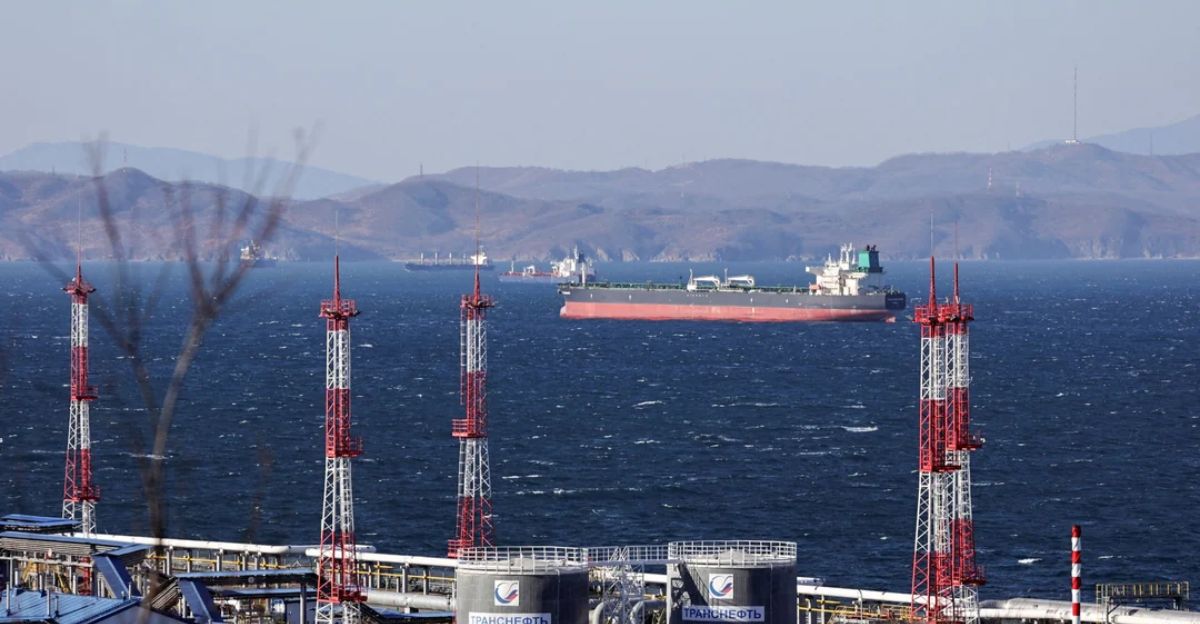
Traders and policymakers are watching closely. While global oil prices didn’t spike immediately, repeated hits on Russian export hubs could tighten global supply, particularly for southern Europe and Asia. The Black Sea remains a key shipping route for both crude and refined products, meaning turmoil there can ripple across world markets.
Analysts at S&P Global warned that prolonged disruption to Black Sea refining capacity would eventually push prices upward. In short, what began as a regional strike has economic consequences that could reach gas stations worldwide.
Ukraine’s Strategy of Energy Warfare
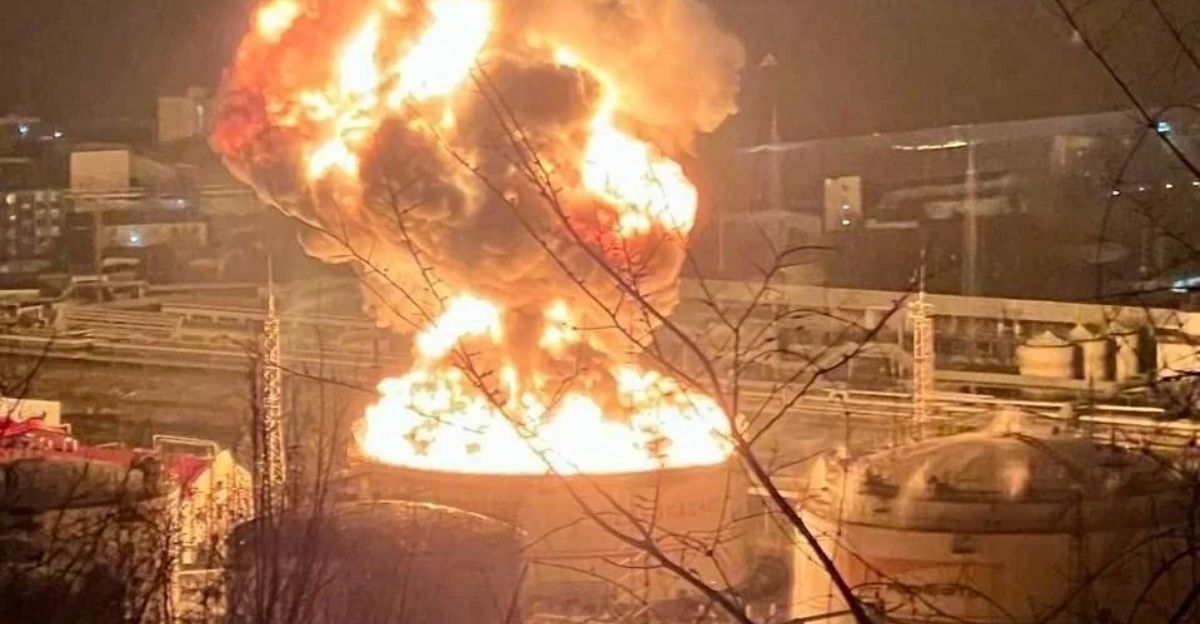
Beyond the flames, Tuapse’s destruction captures the evolution of Ukraine’s strategy, what some analysts call “energy warfare.” By going after fuel sources instead of only military targets, Kyiv is attacking what fuels Russia’s tanks, planes, and missiles.
“Cut off the oil, and you cut off the war,” said former Ukrainian energy minister Olga Buslavets. The black smoke over the Black Sea may fade, but the message remains that Ukraine can strike at the core of Russia’s war machine. The era of industrial safe zones inside Russia is over.
Sources:
Kyiv Independent, Ukraine damages major Russian oil assets in New Year’s Eve strikes, 2025-12-30
Reuters, Ukrainian drone attack sparks fire, damages equipment at Tuapse oil refinery, 2025-12-31
Critical Threats Project (ISW), Russian Offensive Campaign Assessment, December 31, 2025, 2025-12-30
Hellenic Shipping News / Reuters, Russia’s Tuapse oil refinery to resume operations in November – sources say, 2024-10-31
Oilprice.com / Reuters, Rosneft to Resume Output at Idled Black Sea Refinery in November, 2024-10-30
Oxford Institute for Energy Studies, Fiscal Flex: Russia’s oil and gas revenues in 2024, 2025-02-01