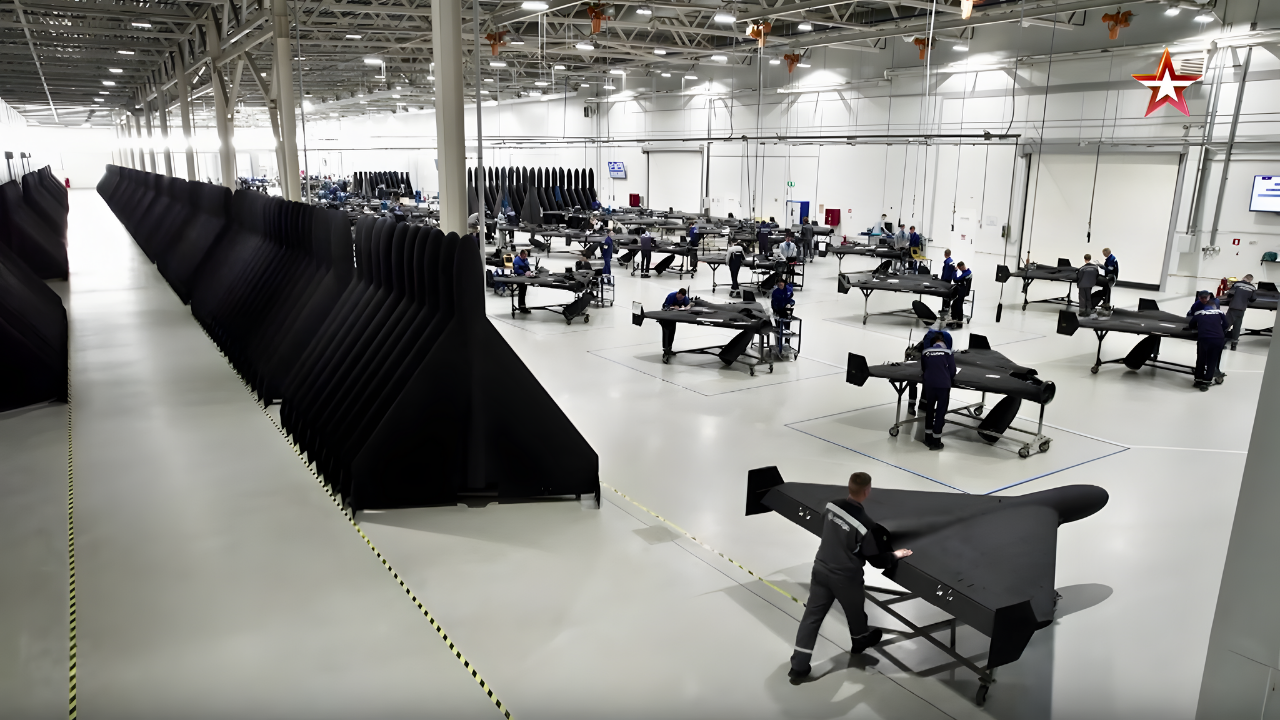
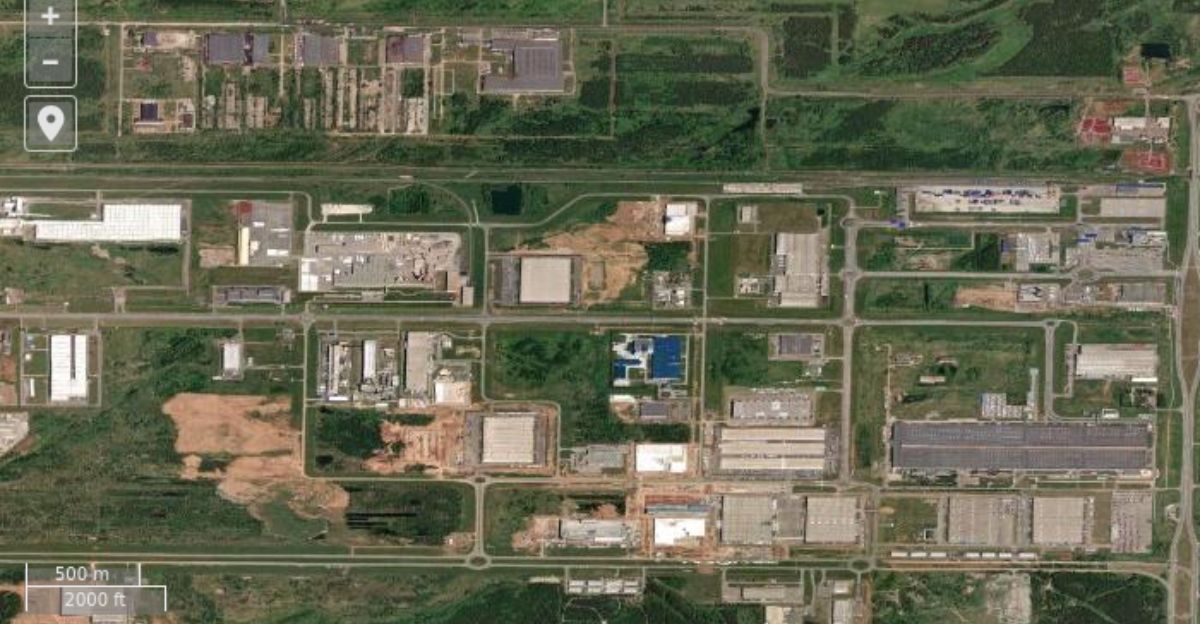
Russia’s Yelabuga Shahed factory, the largest producer of Iranian-designed attack drones, is facing an acute labor crisis. Ongoing Ukrainian strikes, which have consistently hit targets up to 1,300 kilometers into Russian territory, have made it perilous for workers.
By November 2025, Moscow disclosed plans to import 12,000 North Korean laborers by the year’s end, highlighting a troubling reality: Russia is unable to staff its production lines adequately. This alarming trend highlights a significant vulnerability in Russia’s military capabilities, where technological ambitions outpace logistical support.
Why It’s Happening: A Perfect Storm of Strikes, Demographics, and Danger
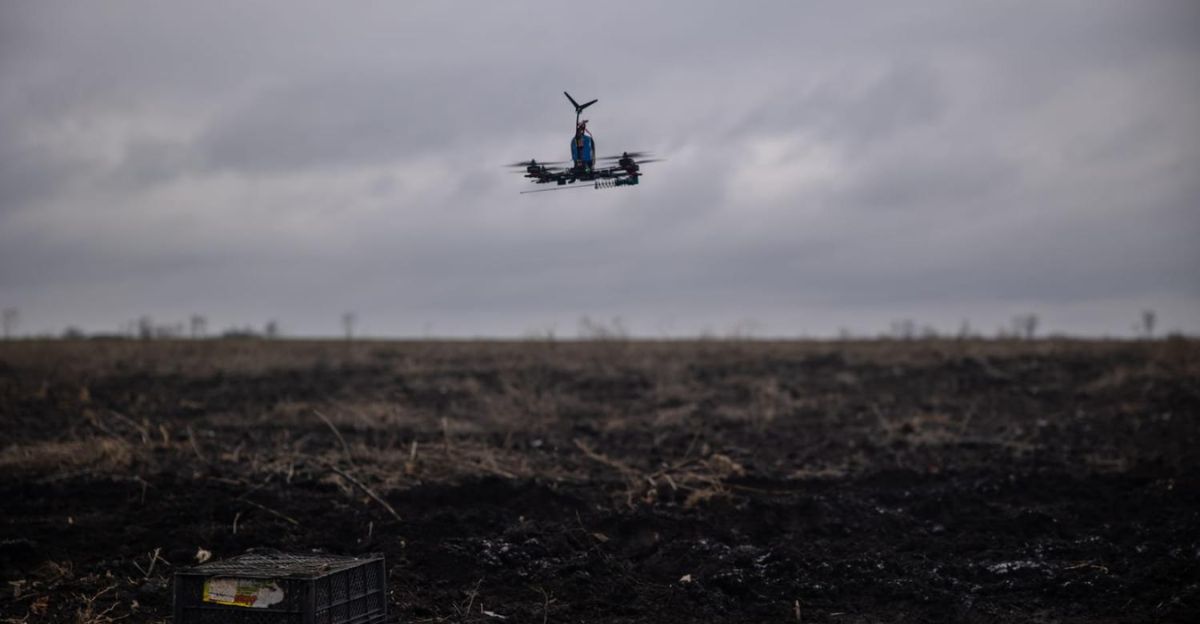
Three main factors have contributed to this labor crisis. First, Ukrainian drone strikes have caused extensive damage, including a devastating December 2024 fire that destroyed $16 million in components and inflicted ongoing damage to the final assembly line.
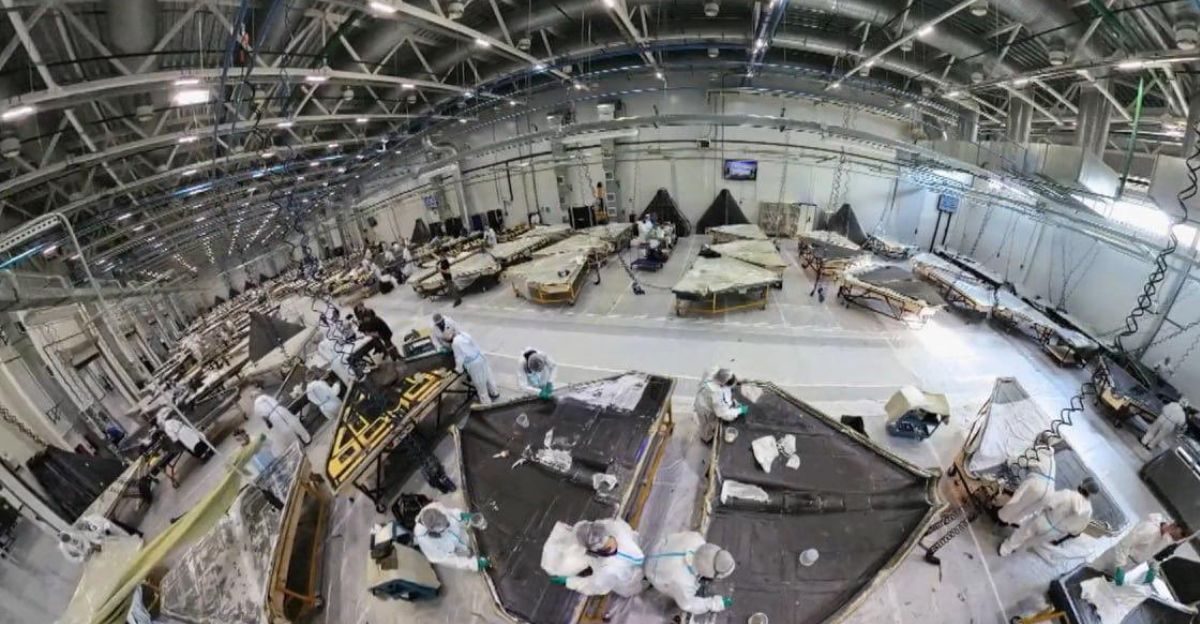
Second, the mobilization of Russian military personnel has depleted the workforce, resulting in an exodus of fighting-age men from factories. Lastly, hazardous working conditions, including exposure to dangerous chemicals and grueling 12-hour shifts, have rendered domestic recruitment nearly impossible.
Ukrainian Cities Face Drone Surge as Production Accelerates
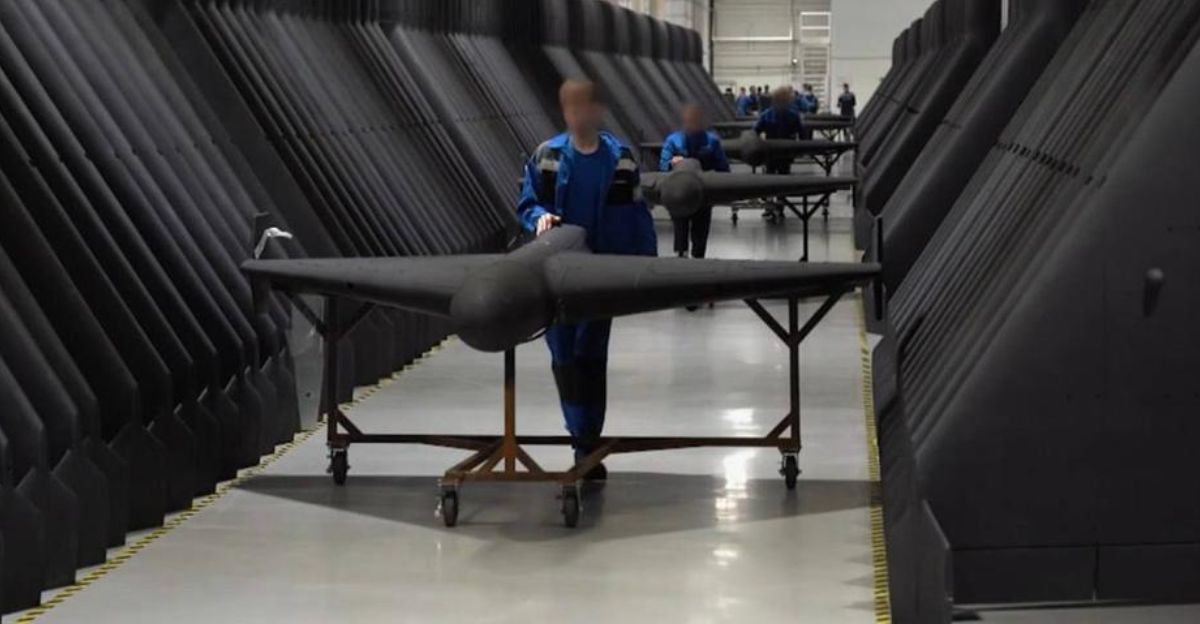
Despite the labor crisis, Russia has ramped up its Shahed drone production to counter losses. The Yelabuga facility, which now produces around 2,700 drones monthly, is struggling to meet the increasing demand.
Ukrainian cities face relentless night attacks, with civilian casualties rising sharply in 2025 due to these strikes. The increased production reflects Russia’s desperation to maintain its military operations, as it opts for foreign labor at low wages rather than scale back aerial offensives.
Corporations Adapt Supply Chains to Avoid War-Torn Facilities
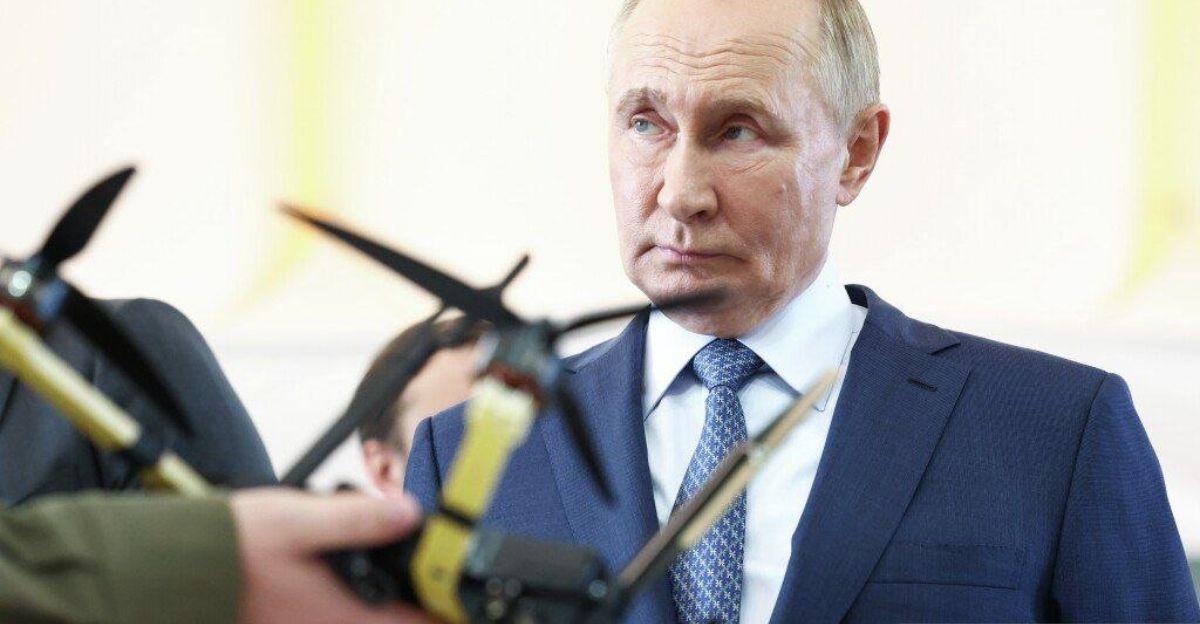
In response to Russia’s escalating drone production, Western defense contractors are swiftly altering their supply chains. Companies with any ties to Russia, or those that depend on components crossing through border nations, are facing heightened scrutiny.
Many tech firms have proactively shifted procurement practices toward Southeast Asian suppliers, aiming to sidestep potential sanctions and reputational risks. The Yelabuga situation underlines a broader lesson: no military-industrial facility can operate unchallenged near an adversary engaged in an active technological arms race.
Labor Trafficking Explodes as Russia Recruits from 77 Countries
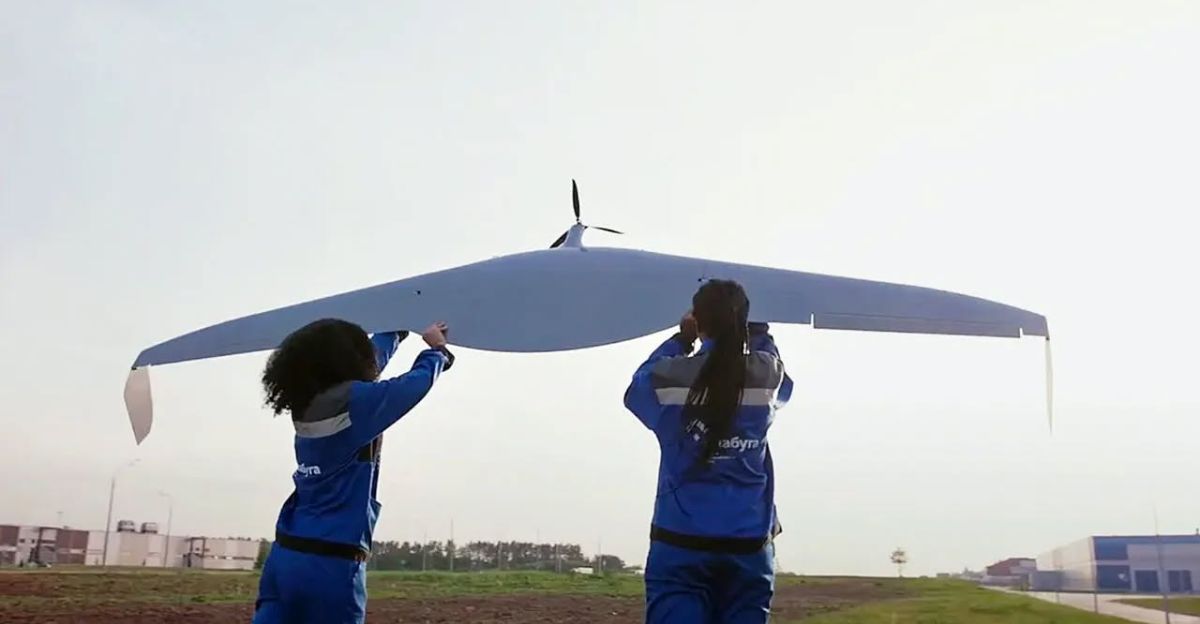
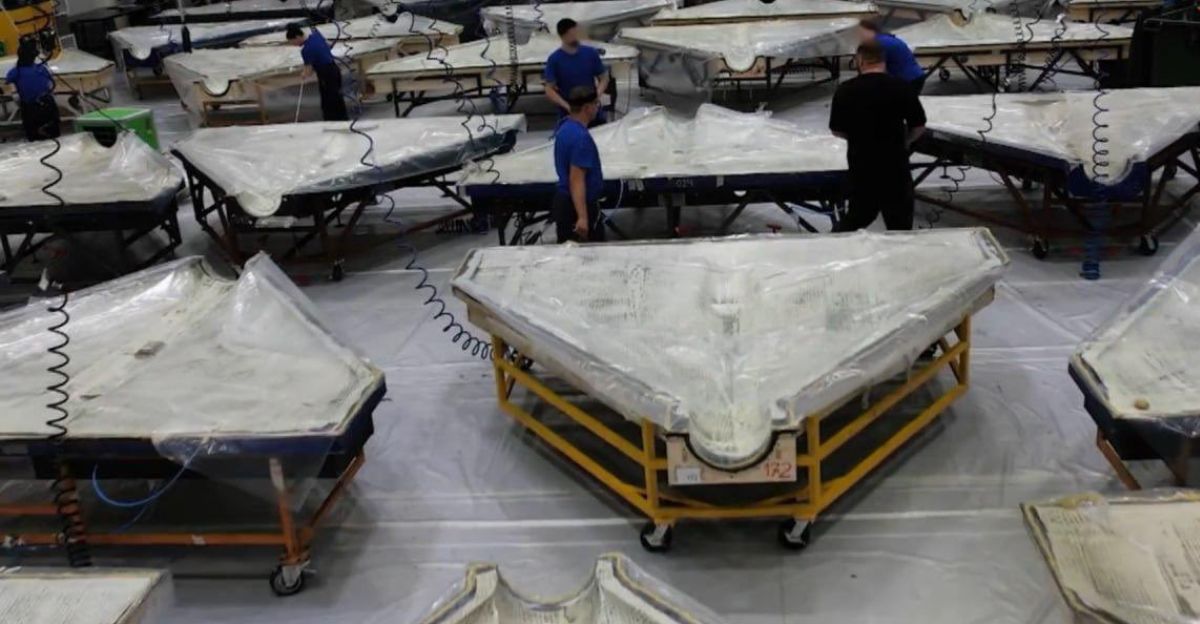
Russia’s recruitment program “Alabuga Start” has expanded dramatically, now sourcing labor from 77 countries, predominantly targeting young women from Africa, Latin America, and Asia. Investigative reports reveal tragic stories of these recruits, lured by promises of hospitality jobs but trapped in dangerous drone assembly roles.
Around 200 African women reported exploitative conditions, facing wage deductions that leave them destitute. This alarming trend has led human rights organizations to classify the program as a form of human trafficking.
North Korea Gains Diplomatic Leverage Over Russia
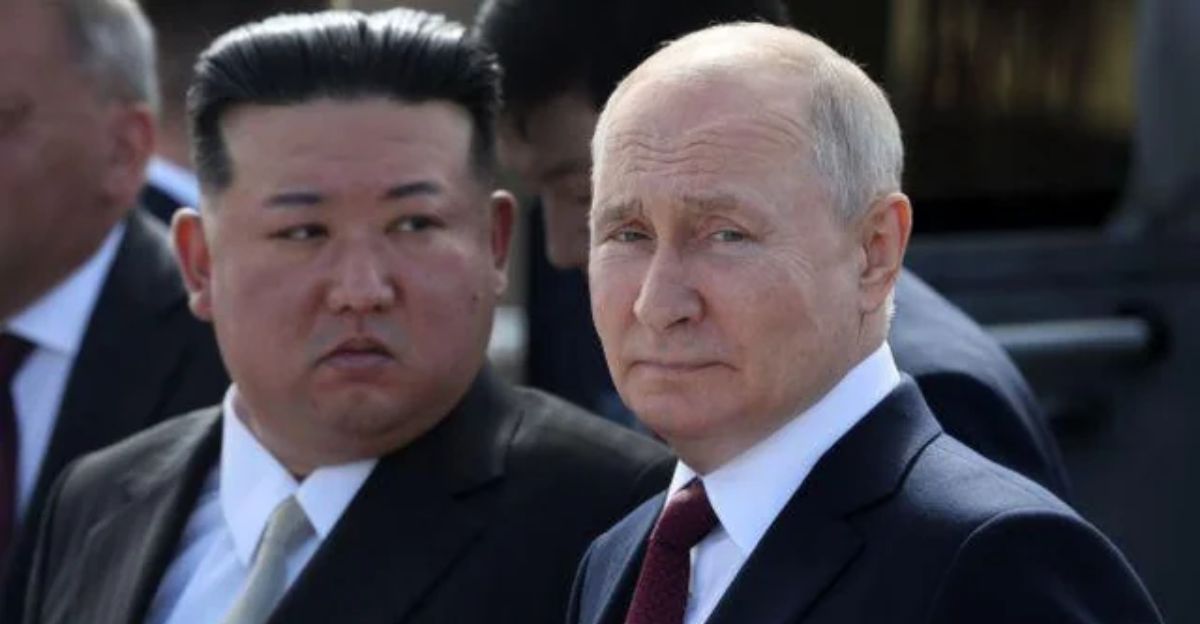
By facilitating the import of North Korean laborers, Russia has unwittingly strengthened North Korea’s diplomatic leverage. This labor export deal has seen North Korea extract significant concessions from Moscow, including increased weapon transfers and renewed military cooperation.
The arrangement not only highlights Russia’s dependency but also solidifies North Korea’s role as an essential ally in the ongoing conflict, bolstering the Russia-China-North Korea axis amid growing tensions with the West.
Russian Teenagers and Migrants Now Comprise 40% of Drone Workforce.
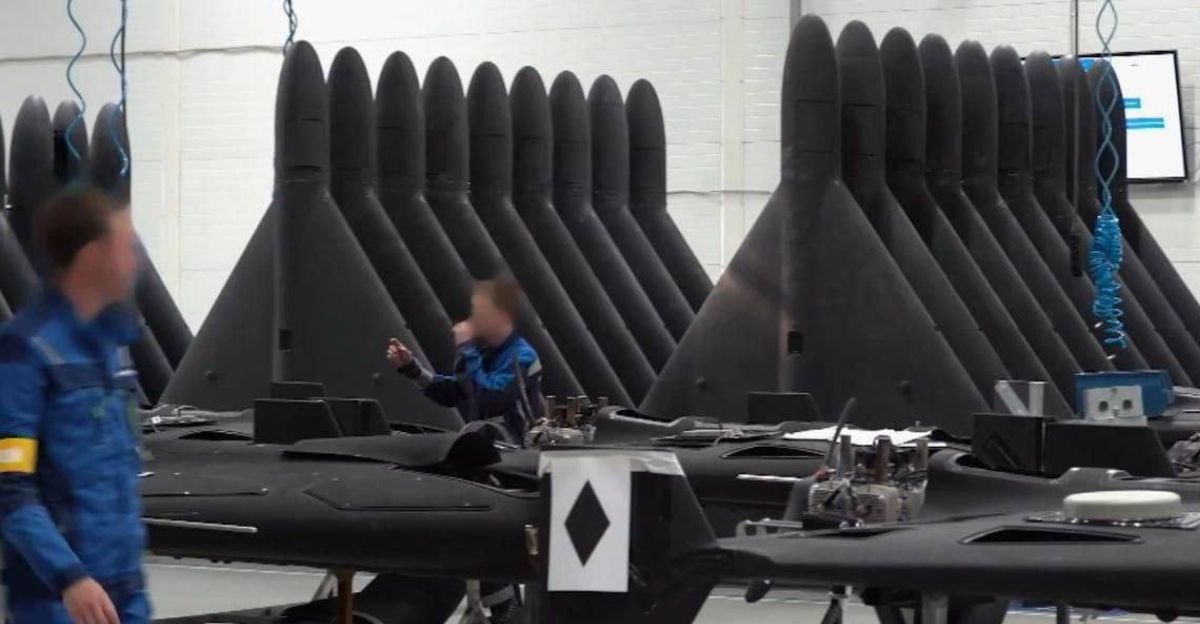
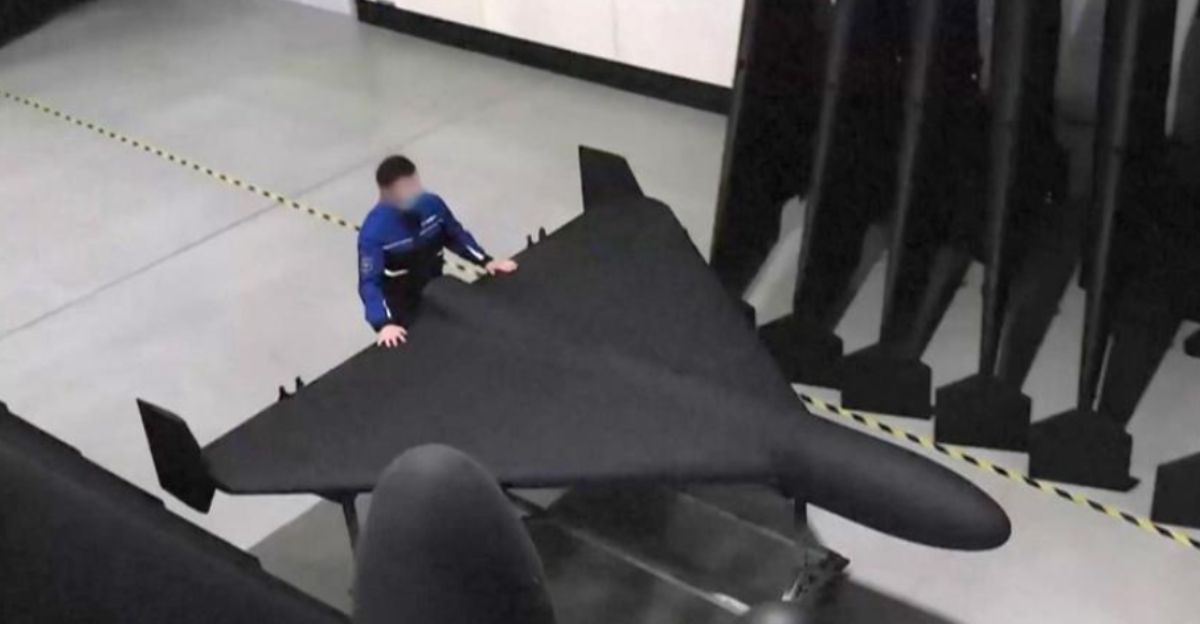
Footage accidentally aired by Russian state media revealed the alarming reality of young workers at the Yelabuga factory, including minors as young as 14. Together with laborers from abroad, these youths now account for up to 40–50% of the Shahed production workforce.
This exploitation of minors in arms manufacturing breaches international law and poses potential war crime allegations against Russia, attracting further scrutiny from human rights observers worldwide.
EU and US Launch Targeted Sanctions on Russian Labor Recruitment Networks
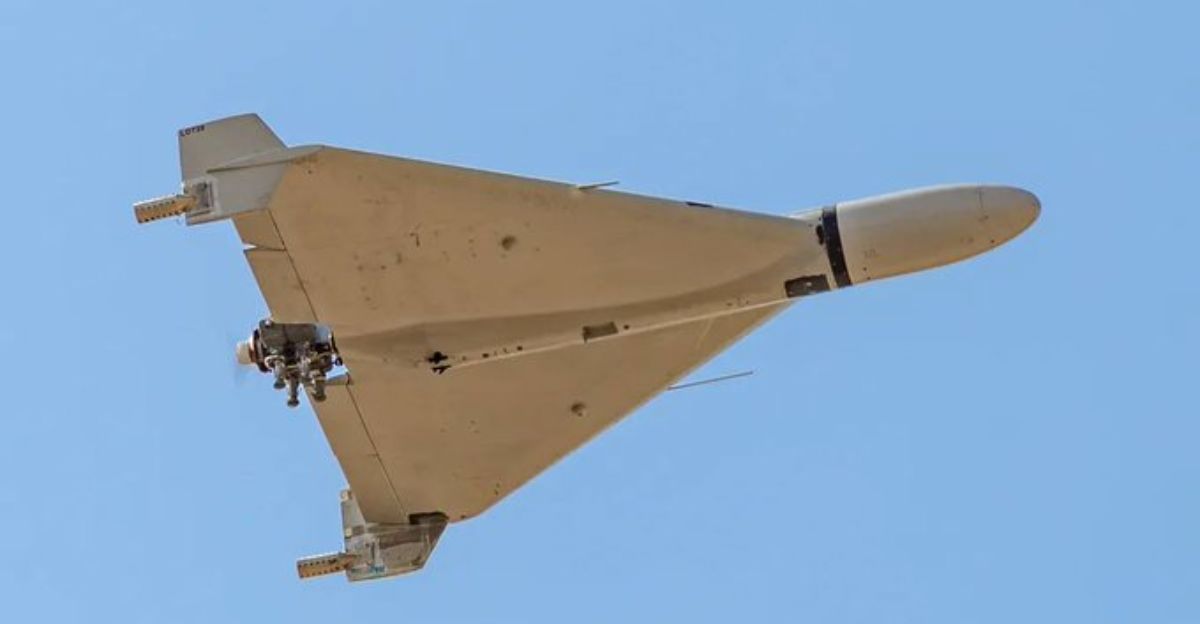
In response to the alarming conditions at Russian drone facilities, the EU and US launched new sanctions in December 2025. These measures specifically target recruitment agencies and companies involved in labor trafficking for military production.
Notably, the Alabuga Start program is explicitly mentioned, with asset freezes imposed on firms facilitating the transfer of North Korean workers. This strategic action reflects international efforts to combat human rights abuses linked to military supply chains.
The Human Cost: Voices from the Ground
“The conditions are unbearable, it’s like a trap,” shared one African woman who managed to escape from the factory. Her story reflects the grim reality for many laborers employed under pretenses, revealing dire working conditions and vulnerability to exploitation.
Local reports highlight sentiments among workers feeling abandoned and pressured to meet production quotas, showcasing a chilling trade-off between life and labor in Russia’s drone industry.
A Broader Implication: The Crisis Rattles Global Supply Chains
This labor crisis at the Yelabuga factory extends beyond Russia’s borders, creating ripples in global defense and technology supply chains. As manufacturers reevaluate their partnerships and operations, the consequences of this conflict ripple outward, prompting stakeholders worldwide to reassess their strategies.
The human cost intertwined with geopolitical maneuvering underscores the complex dynamics at play, compelling governments and corporations to rethink their engagement with Russia.
Looking Ahead: What The Future Holds
As Russia attempts to fill staffing voids with foreign labor and minors, the broad implications for international humanitarian standards loom large. Human rights advocates worry that this exploitation will foster an environment conducive to systemic violations, necessitating vigilance from global watchdogs.
Furthermore, Western nations’ response to the evolving landscape of labor trafficking in military production will likely shape future policy and international relations, stressing the need for humane and ethical practices.
Analyzing the Underlying Issues: Exploitation in Conflict
The situation at the Yelabuga factory serves as a stark reminder of the ethical dilemmas inherent in war economies, wherein human lives become commodities in military production.
This cycle of exploitation and desperation continues to fuel conflict, compelling analysts to question whether viable solutions can shift the paradigm from human trafficking to sustainable workforce practices. The urgent need for intervention becomes increasingly apparent as conditions worsen.
International Responses: Legislative Actions and Human Rights Engagement

In light of Russia’s precarious labor situation, international bodies are prompted to evaluate their legislative frameworks concerning labor trafficking and arms production. Countries are beginning to coordinate efforts to hold violators accountable through sanctions and remediation.
Focused policies will be essential to dismantle the networks of exploitation created by military operations and to reaffirm a commitment to human rights and labor standards.
The Continuing Conflict: Military Strategies and Economic Implications
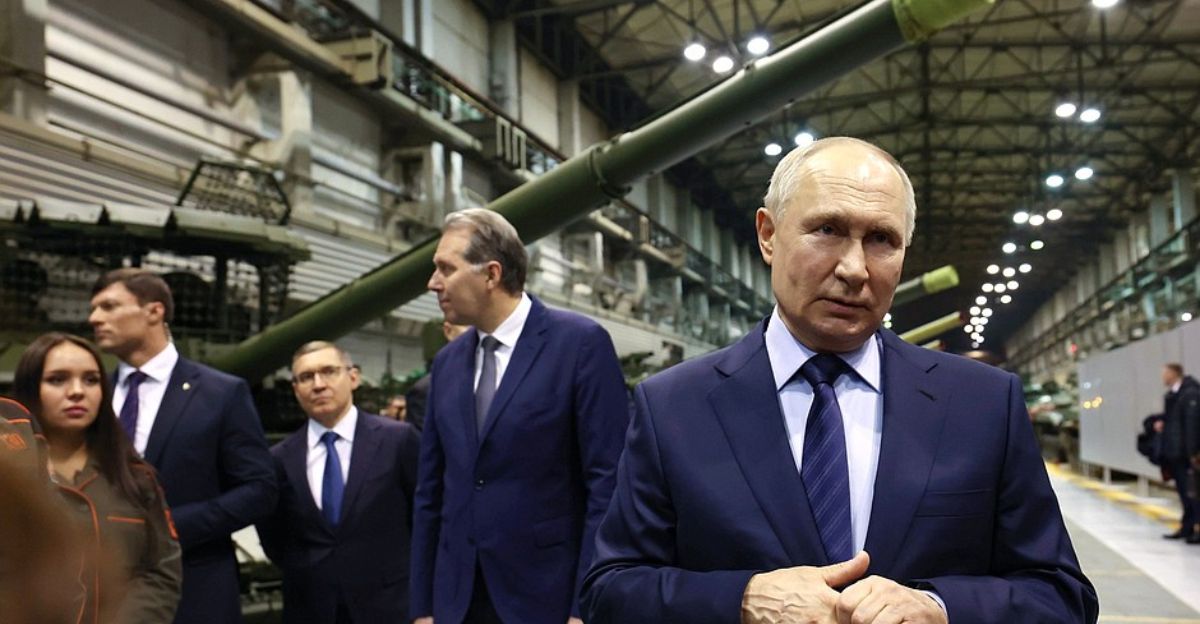
As military strategies evolve, the reliance on foreign labor and the push for increased drone production raise questions about the sustainability of Russia’s war efforts.
Economic implications for Russia include potential backlash from the international community, with sanctions threatening the very supply chains that sustain its military objectives. The conflict thus propels a series of decisions that will shape the geopolitical landscape for years to come.
A Call to Action: Ensuring Ethical Practices in Military Production
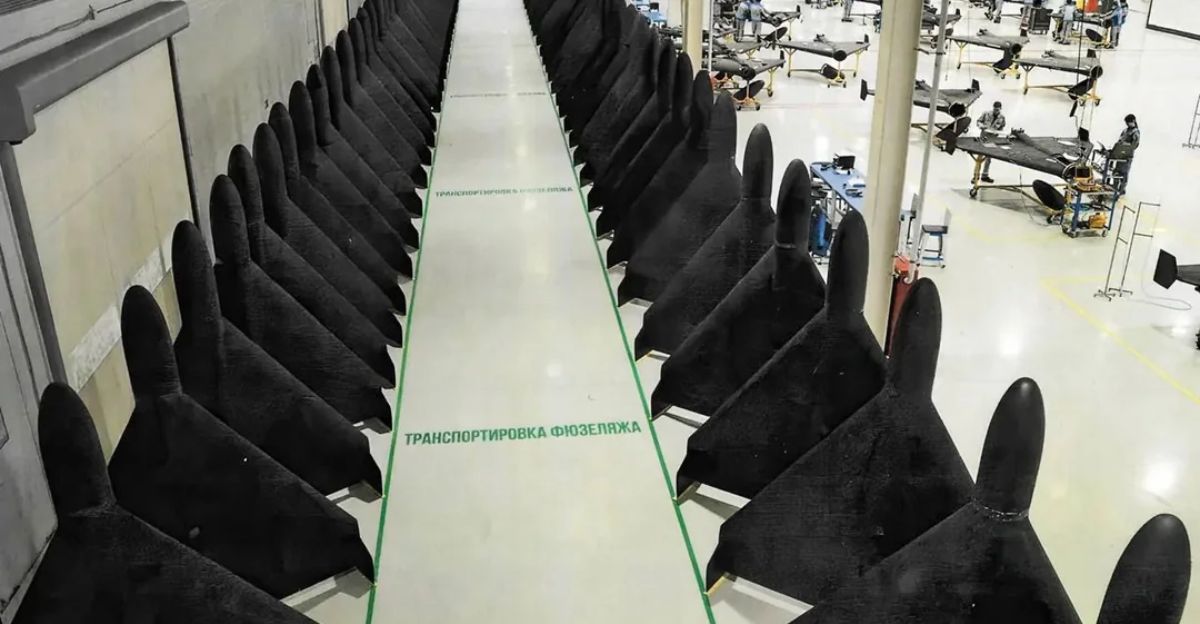
The situation at Russia’s Shahed drone factory underscores a larger crisis in military production that transcends national borders. Stakeholders are called upon to advocate for ethical employment practices globally and insist upon accountability within defense supply chains.
Raising awareness, supporting human rights initiatives, and enforcing ethical labor standards can offer pathways toward breaking the cycle of exploitation and fostering a more humane approach to conflict resolution.
SOURCES
Kyiv Independent, “Russia plans to import 12,000 North Koreans to work in its massive Shahed drone plant,” November 13, 2025
FDD (Foundation for Defense of Democracies), “North Korean workers to make Russian drones, Ukrainian intel says,” November 17, 2025
CNN, “Russia is intensifying its air war in Ukraine. A secretive factory in Tatarstan could be key,” December 27, 2024
United24Media, “Ukraine’s Drone Raids Force Moscow Into Desperate Defenses at Yelabuga Shahed Plant,” August 25, 2025
Reuters, “Ukrainian strike damages Russian drone production site in Tatarstan,” April 23, 2025
Global Initiative Against Transnational Organized Crime, “Who is making Russia’s drones? The migrant women exploited for Russia’s war,” May 2025