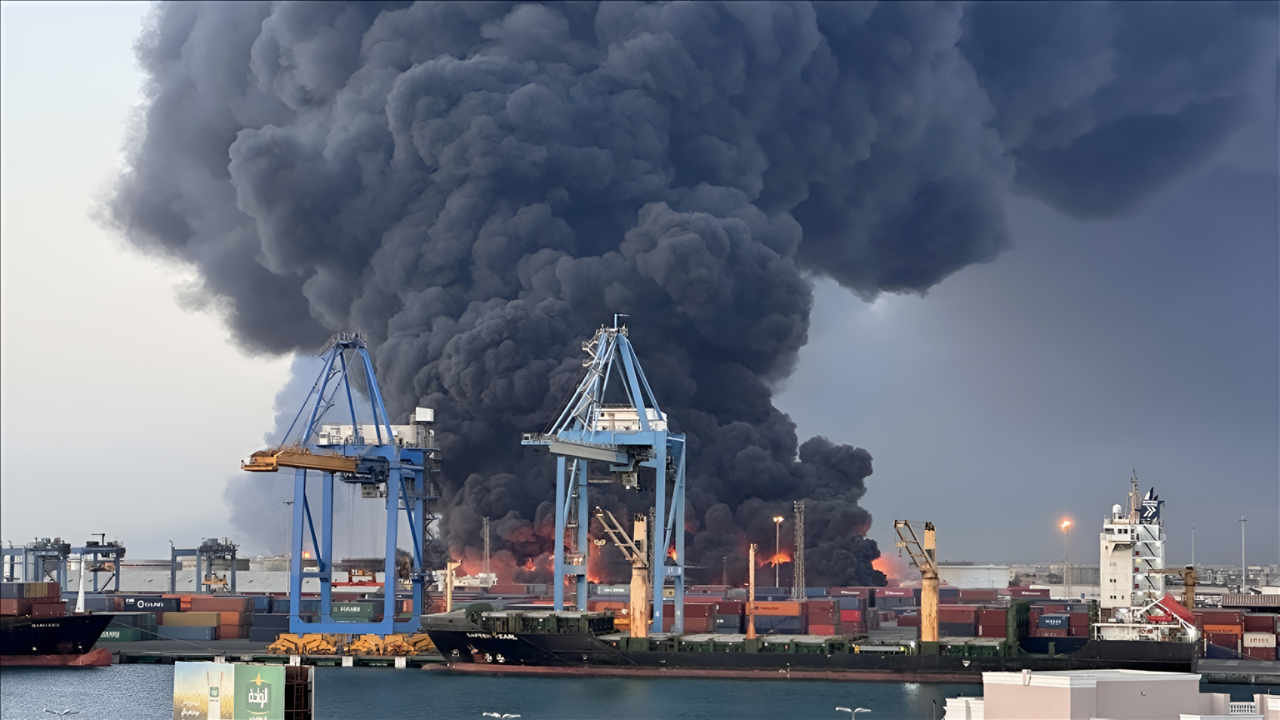
One of Russia’s biggest oil export gateways was severely damaged when Ukrainian forces launched a coordinated drone strike against the crucial Tuapse oil terminal on the Black Sea coast early on November 2, 2025. China, Malaysia, Singapore, and Turkey receive energy from this terminal, which has a refining capacity of 240,000 barrels per day.
At least one oil tanker caught fire as a result of the attack, and loading piers and other infrastructure were harmed. That evening, Russia claimed to have destroyed 283 Ukrainian drones, the biggest drone swarm attack against Russian oil infrastructure to date. 60,000 Ukrainians in Zaporizhzhia lost power as a result of the strike, which indirectly led to retaliatory Russian attacks.
The Context and Historical Significance
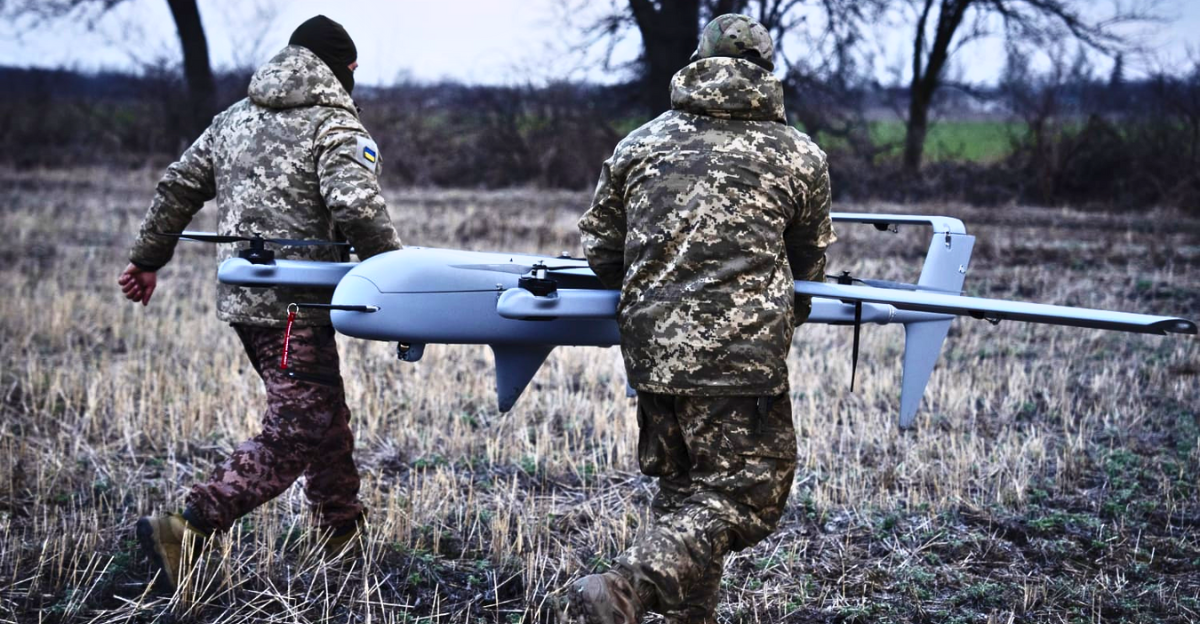
With over 283 drones reportedly destroyed, suggesting a much higher number launched, this attack is the largest coordinated Ukrainian drone assault on Russian oil infrastructure in the ongoing conflict. In the past, Ukraine has systematically targeted Russian energy assets in an effort to cut Putin’s war funding.
Because of its capacity and function in exporting oil to important Asian markets, the Tuapse terminal stands out as a strategic chokepoint. This attack directly affected Russia’s international oil trade and jeopardized the economic foundations of the war effort, in contrast to previous attacks that targeted refineries or pipelines inside Russian borders. It indicates an increase in Ukraine’s tactical proficiency and readiness to pose a threat to Russia’s energy supply chain off the battlefield.
Drone Swarm Strategies and Military Economics in Ukraine
Despite the substantial hardware cost of between $28 million and $56 million, Ukraine’s obsession with swarm tactics to overwhelm Russian air defenses is demonstrated by the deployment of about 300 drones in a single night.
According to reports, each drone costs between $100,000 and $200,000, making it a risky move to target strategic assets. Ukraine’s strategy points to a move away from traditional defense and toward high-impact economic warfare operations meant to severely impair Russia’s sources of income. This strategy effectively turns relatively cheap drone technology into a force multiplier against a more powerful adversary by compelling Russia to take expensive retaliatory actions and divert resources in order to protect infrastructure.
Economic Effects on International Markets and Russian Oil Exports

Given Tuapse’s capacity of 240,000 barrels per day, even a short shutdown could result in losses of up to 1.68 million barrels over the course of a week, or about $134 million at current crude prices (~$80/barrel). About 10–15% of Russia’s Black Sea oil export capacity could be disrupted by the strike because the terminal supplies several Asian markets, including China and Singapore.
This disruption may lead to market disruptions, raise the price of energy globally, and make it more difficult for Russia to maintain a long-term military conflict. The operational paralysis of four piers, which results in a 25–40% decrease in tanker handling capacity, exacerbates the economic impact.
Logistical and Environmental Consequences
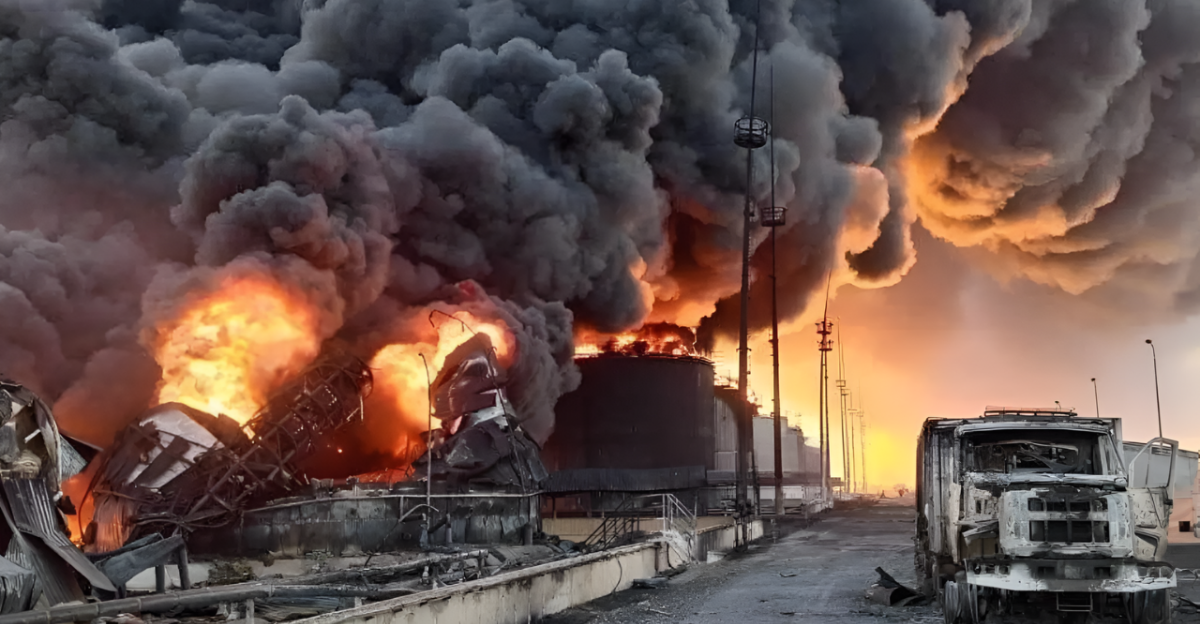
Significant environmental risks are posed by the fires involving oil tankers and damaged terminal facilities, both from immediate oil spills and from long-term maritime safety issues in the Black Sea corridor. Damage to loading infrastructure may cause shipments to be delayed, impacting the dependability of the supply chain and the cost of insurance for international shipping that is impacted by the war zone’s proximity.
Additionally, two foreign civilian vessels sustained damage, indicating a worrying increase in non-combatant shipping risks and possible diplomatic tension over civilian safety and commercial losses that could change the dynamics of maritime insurance and foreign interest in Black Sea routes.
Ukraine’s Power Outages and Russia’s Retaliatory Strategy
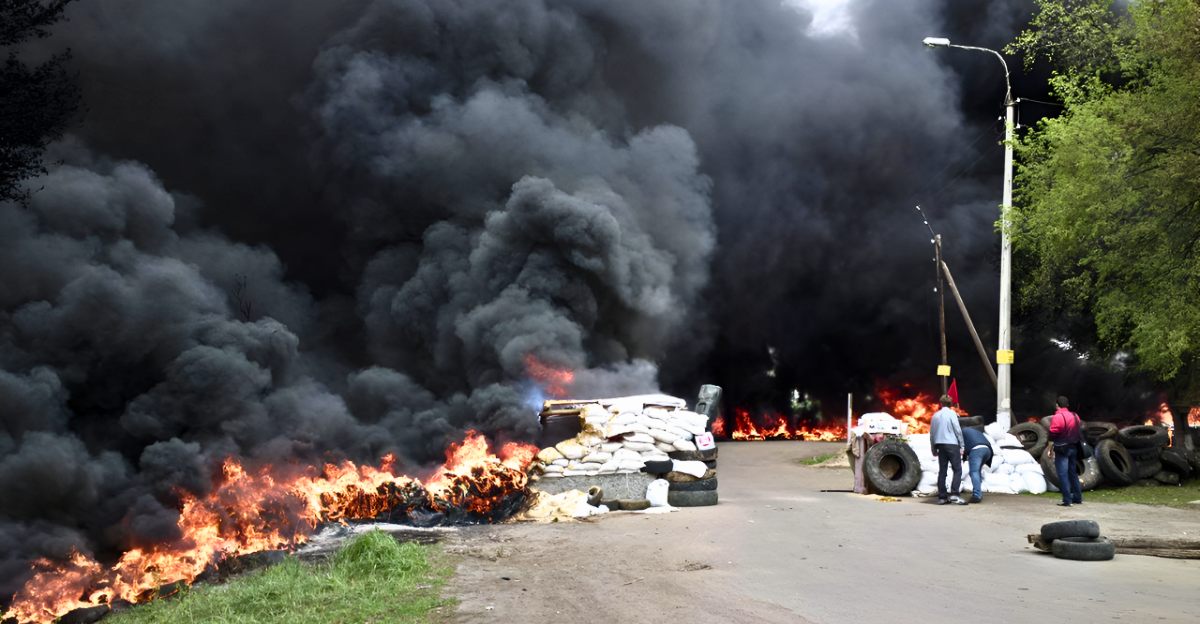
Nearly 60,000 people were left without electricity as a result of Russia’s counterattack on Ukrainian infrastructure, which primarily targeted Zaporizhzhia power grids.
This tit-for-tat dynamic links physical attacks on energy assets to humanitarian crises, demonstrating how infrastructure warfare extends into civilian hardships. While Ukraine’s precision drone strikes aim to undermine Moscow’s financial and industrial base that fuels the war, Russia wants to punish Ukraine economically and demoralize its populace. The brutality of asymmetric warfare, which has cascading effects on civilian populations, is highlighted by such retaliation.
Implications for Strategic and Psychological Warfare
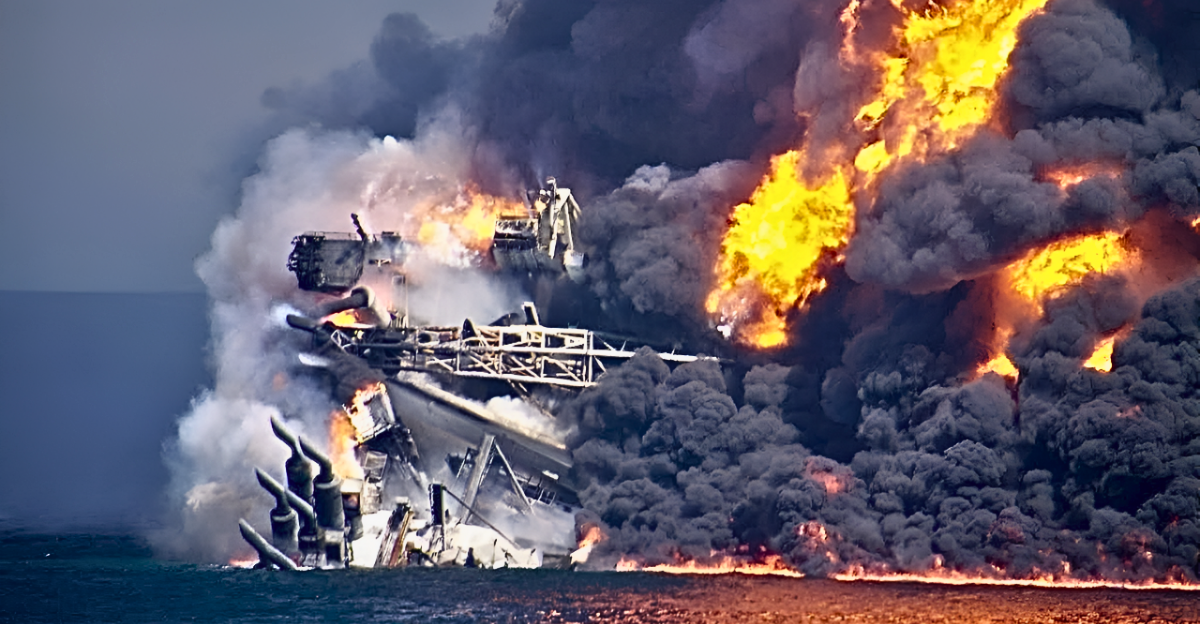
In addition to physically destroying vital Russian assets, the drone swarm’s sheer size and the successful attacks on a heavily guarded target like Tuapse port have a negative psychological impact on both military and civilian morale. It highlights Ukraine’s capacity to attack deep within Russian territory and undermine alleged defenses.
The lack of reported crew casualties suggests deliberate, controlled targeting as opposed to indiscriminate attacks, which strengthens Ukraine’s international narrative of moral superiority and legitimate resistance in the conflict.
Tuapse Terminal’s Function in Russia’s War Economy

Tuapse serves as a vital conduit for Russia’s energy exports to Asia, which are a major source of funding for the Kremlin’s military spending.
The terminal is a key component of Russia’s effort to diversify away from Western sanctions because of its large capacity and export orientation to rapidly expanding Asian economies. In addition to lowering export volumes, disruptions here put Russia’s financial stability under sanctions and its strategic shift to Asian markets in jeopardy, exerting geopolitical and economic pressure off the battlefield.
Dangers to Global Trade and International Shipping
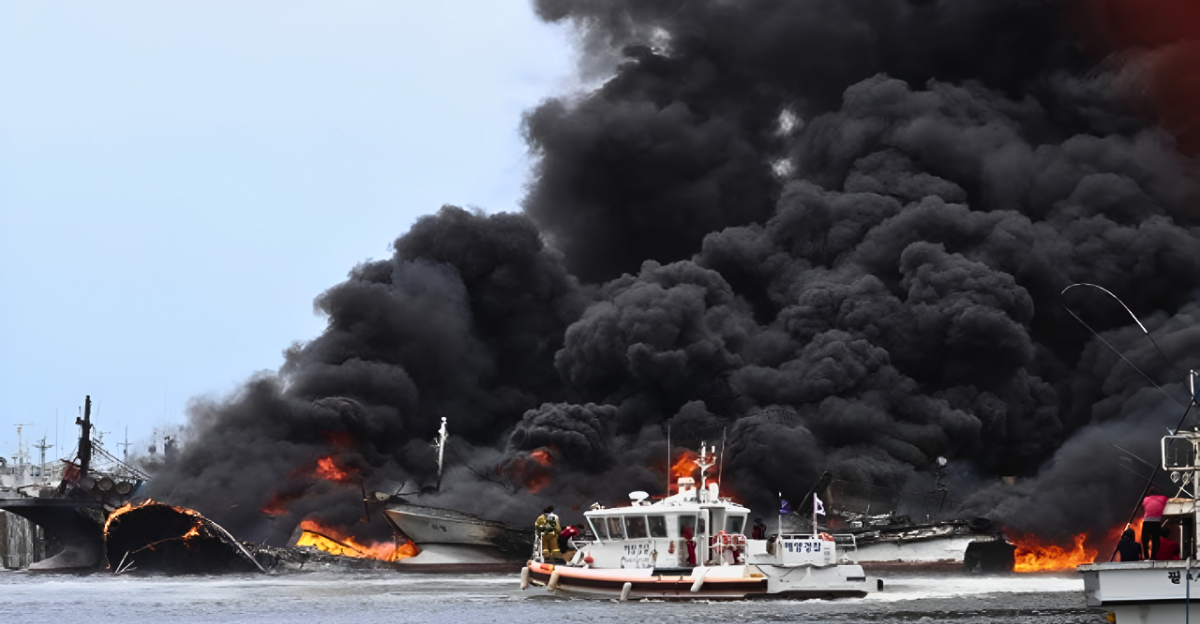
Shipping security in the Black Sea, a vital maritime route for the world, is called into question by damage to foreign civilian vessels. Trade routes and energy supply chains may become more complicated as a result of this incident, which could lead to higher insurance costs and reluctance among international shippers.
The possibility of escalation involving foreign vessels increases geopolitical risks by drawing the attention and intervention of foreign governments regarding commercial interests, maritime safety, and indirect involvement in hostilities.
Verified Infrastructure Losses and Operational Damage
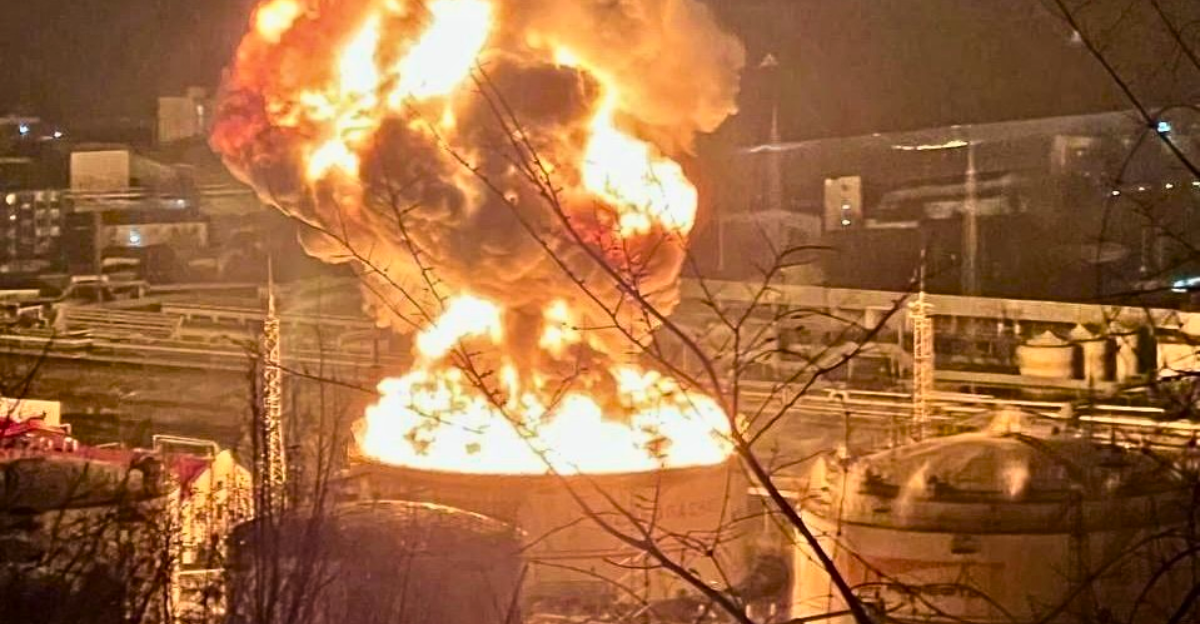
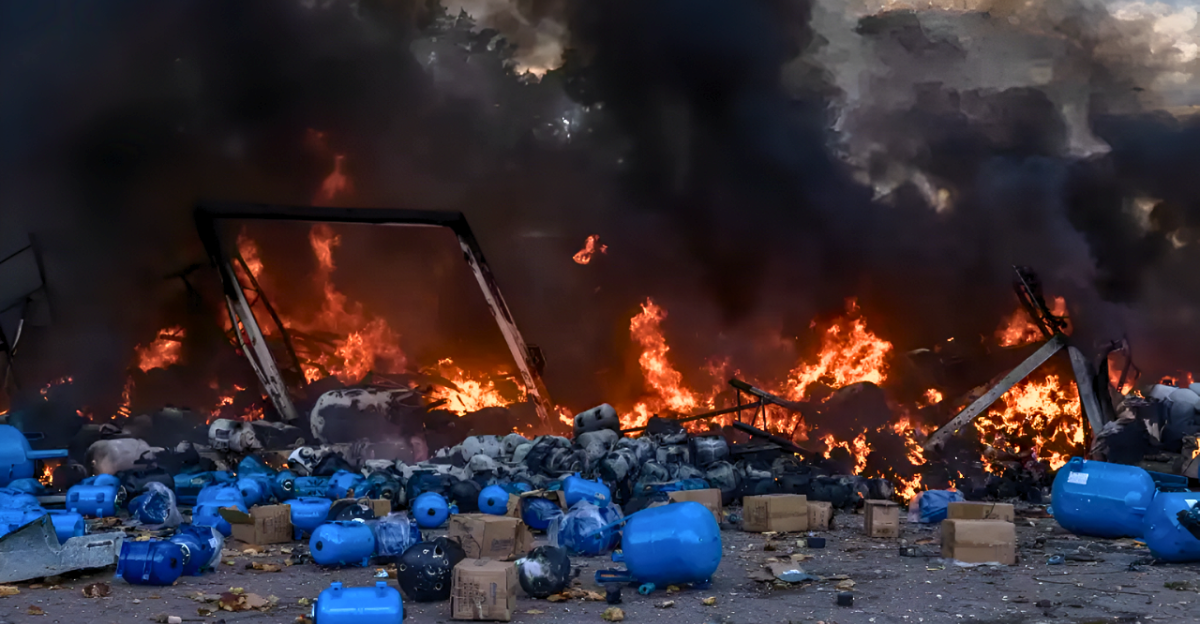
According to official sources, five drone strikes occurred at the Tuapse terminal, causing damage to port structures, loading infrastructure, and terminals that are crucial for handling oil. The Kyiv Independent claims that four piers were rendered unusable, seriously impairing the terminal’s ability to operate.
All fires were successfully put out, according to Russian authorities, and there were no terminal crew casualties. The strike’s strategic impact is further reinforced by the fact that such physical damage will necessitate extensive repairs, which will probably result in prolonged downtime that directly reduces Russia’s oil export capabilities and affects scheduled shipments.
Air Defense Performance and Defense Ministry Claims
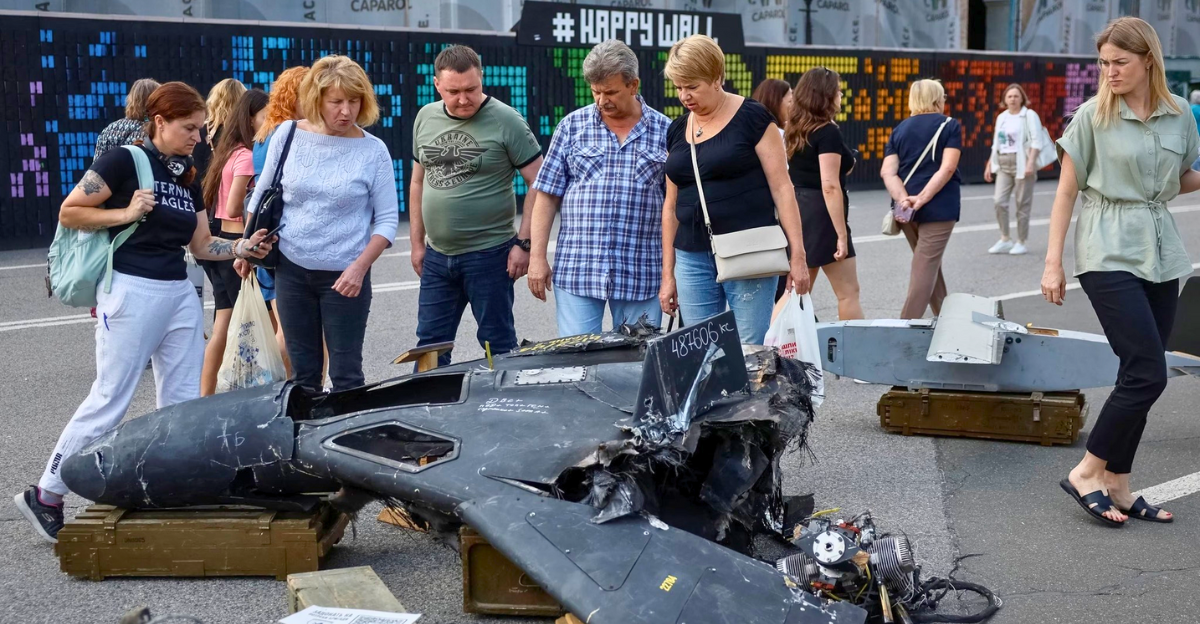
283 Ukrainian drones were destroyed during the attack, according to the Russian Defense Ministry, demonstrating Russia’s strong air defense response.
Nonetheless, the fact that vital infrastructure was still impacted suggests either security flaws or an excessive number of drones causing breaches. This data point illustrates an air defense system under tremendous strain, exposing weaknesses in Russia’s defenses that Ukraine is taking advantage of with creative drone swarm strategies.
Drone Deployment Costs Compared to Russia’s Lost Revenue

The deployment of hundreds of relatively cheap drones by Ukraine is an example of an economic counterstrategy during a war. Russia could lose $134 million in oil exports every week due to disruptions, which contrasts with the estimated $28–56 million cost of drone hardware.
This cost disparity demonstrates the strategic acumen of Ukraine’s strategy, which uses contemporary drone technology as a force multiplier in economic warfare and invests in comparatively inexpensive methods to cause expensive harm.
More Comprehensive Energy Warfare and Sanctions Framework
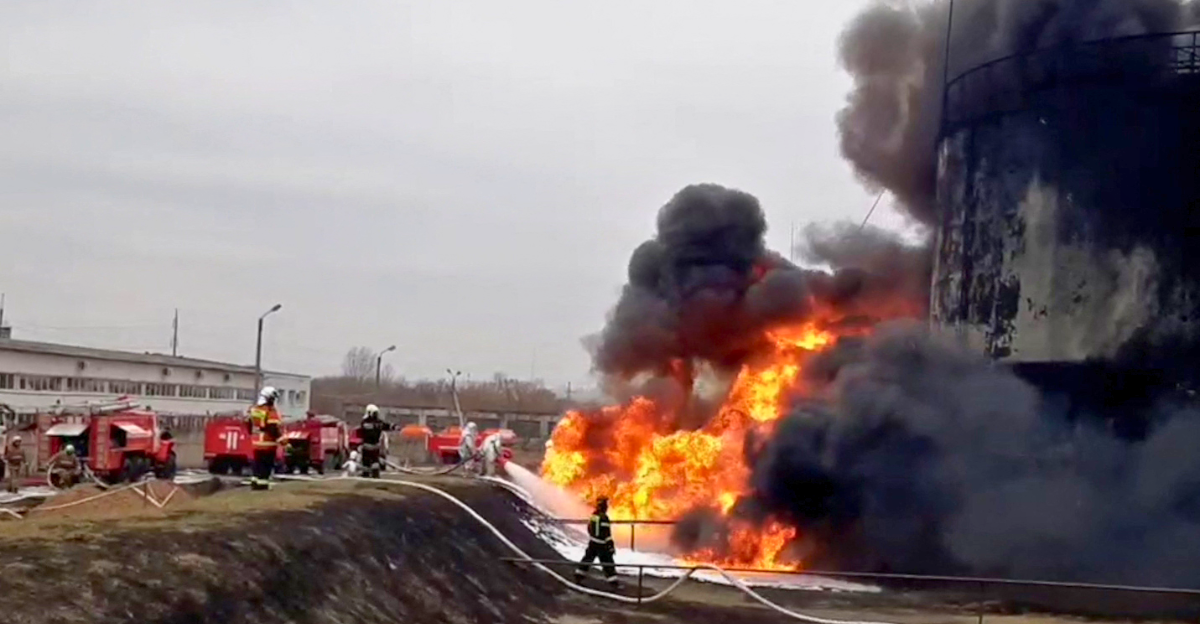
Due to Ukraine’s systematic attacks on Russian pipelines, depots, and refineries, energy infrastructure has turned into a battlefield in the conflict. This is the most audacious attack on an export terminal to date, signifying a new stage in energy warfare.
It exacerbates the current sanctions imposed by the West and Russia’s attempts to circumvent them through Asian markets. Here, disruptions act as useful leverage to weaken Russia’s standing in the world economy and undermine its capacity to maintain military operations.
Future Prospects and Hypothetical Second-Order Effects
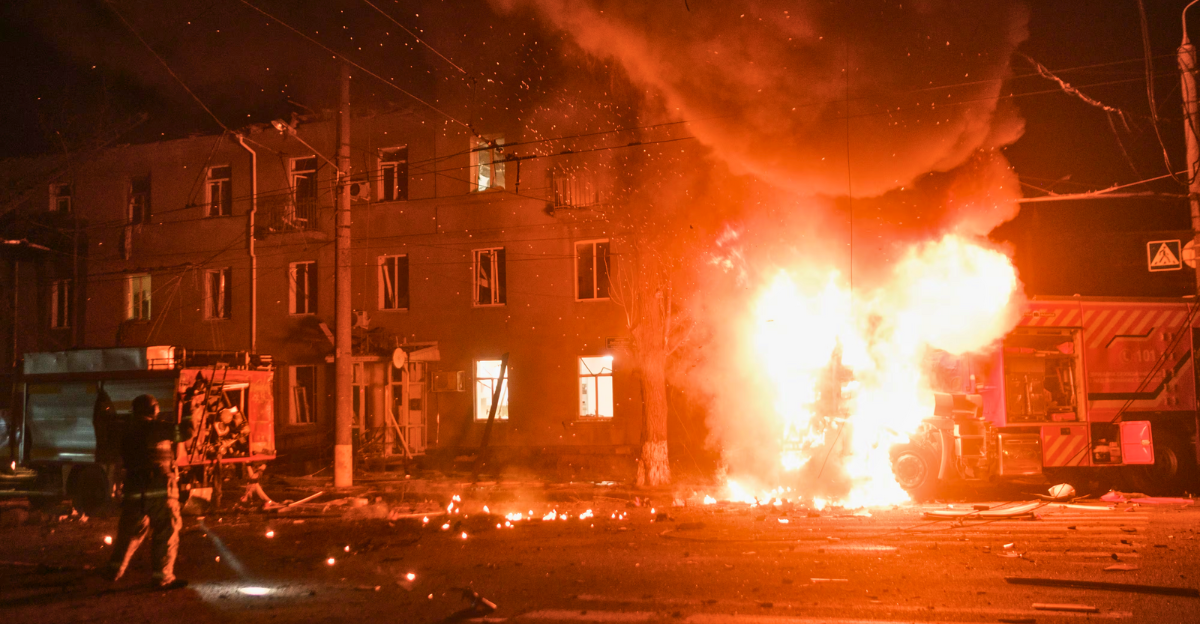
Russia may experience protracted export bottlenecks if such drone strikes become commonplace, which would force it to increase its investments in military and air defense upgrades and take funds away from front-line combat. Global shifts toward alternative suppliers and investments in renewable energy could be accelerated by market volatility in energy prices.
Multilateral talks on maritime security may be necessary if diplomatic tensions with nations whose ships are damaged increase. A new era of conflict focused on targeting vital infrastructure could be signaled by Ukraine’s success in economic warfare, which could encourage similar asymmetric tactics elsewhere.
Using Strategic Targeting to Win the Economic War
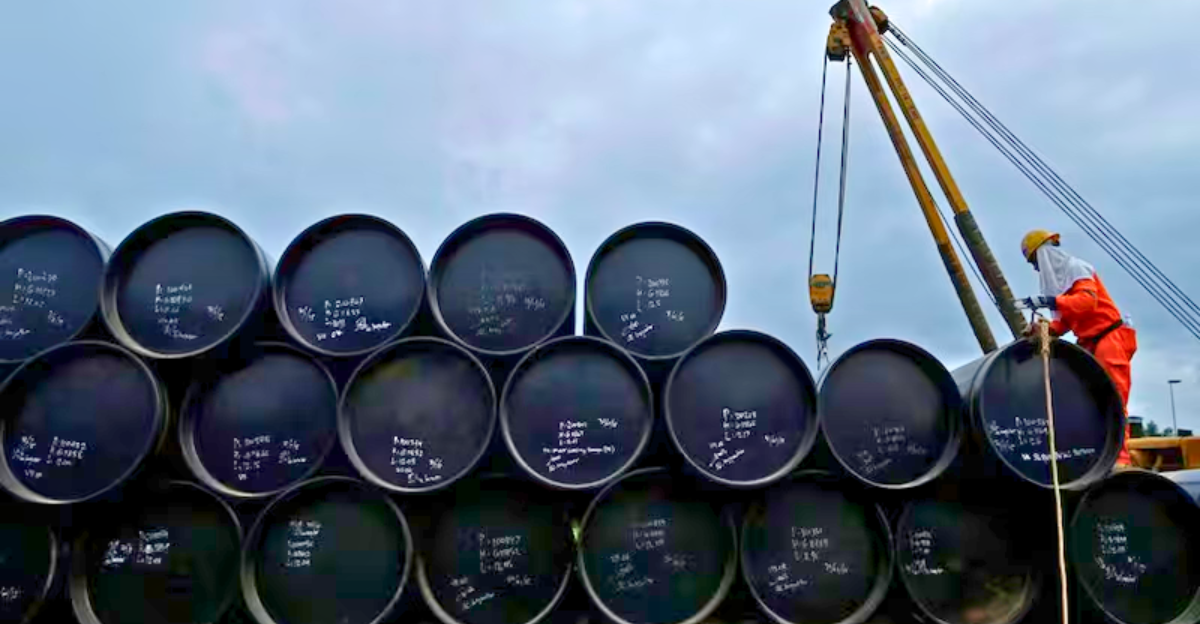
The attack on the Tuapse terminal serves as a striking example of Ukraine’s new economic warfare strategy, which uses technological advancement to severely damage Russia’s financial infrastructure. Ukraine sends a clear message by burning through 240,000 barrels per day in export capacity: cutting off Moscow’s war chest is crucial to the outcome of the conflict.
The attack reveals serious weaknesses for Russia and the high costs of continuing aggression, indicating that Ukraine has a decisive tactical advantage that goes well beyond conventional battlegrounds. For months to come, this incident will probably have an impact on the military, economic, and geopolitical domains.