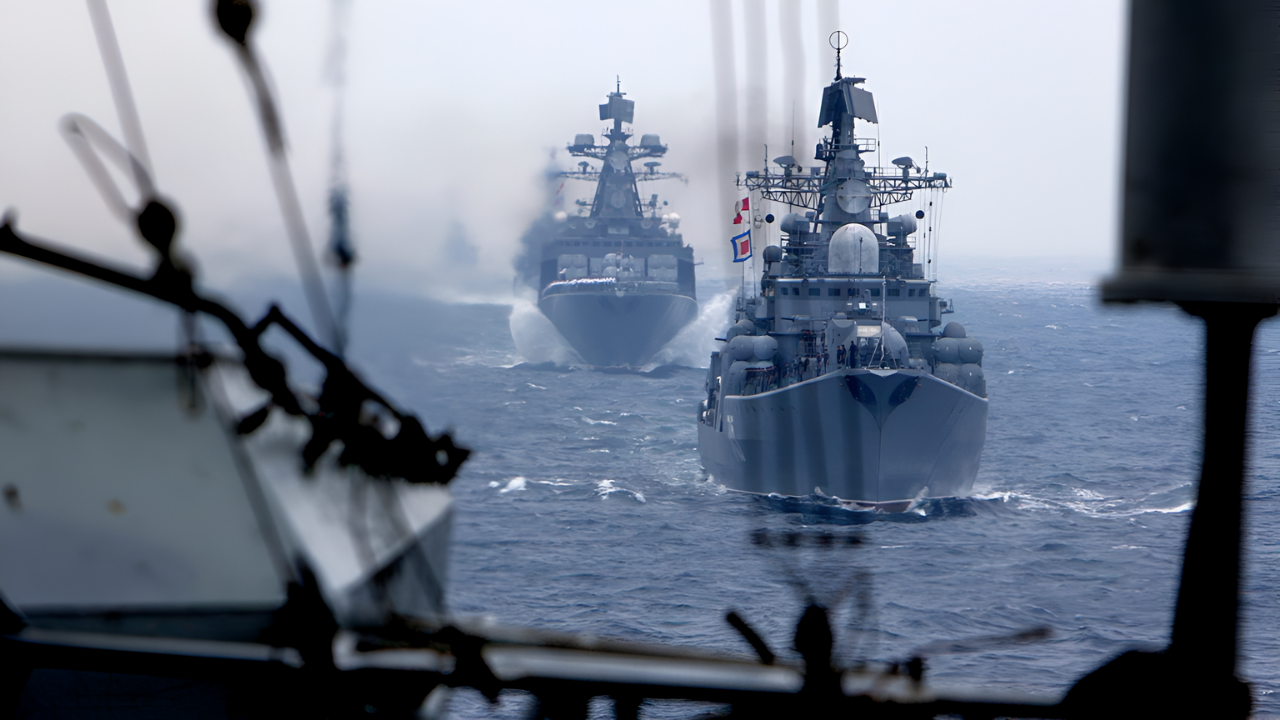
Three and a half years into the Ukraine conflict, Russia has committed itself to a grinding campaign of attrition. Despite catastrophic losses across personnel, equipment, and naval assets, the Kremlin continues escalating its military commitment, testing the boundaries of Russian economic and demographic capacity.
The Human Cost Reaches Historic Proportions
Russian casualties have climbed to nearly one million—a figure that rivals or exceeds the combined total of all Russian and Soviet military losses since World War II. Monthly death tolls continue rising, with estimates suggesting 100 to 150 troops lost for every square kilometer of territory gained in 2025. To sustain these losses, Russia launched its largest spring conscription drive in 14 years, bringing 160,000 new conscripts into uniform. Simultaneously, monthly recruitment of contract soldiers hovers between 30,000 and 40,000—barely sufficient to offset mounting casualties. The financial burden of maintaining this manpower has become staggering: each volunteer soldier costs an average of 2 million rubles, approximately $23,700, with recruitment expenses alone projected to consume up to 2.5 percent of Russia’s GDP by year’s end.
Equipment Depletion and Aging Arsenal
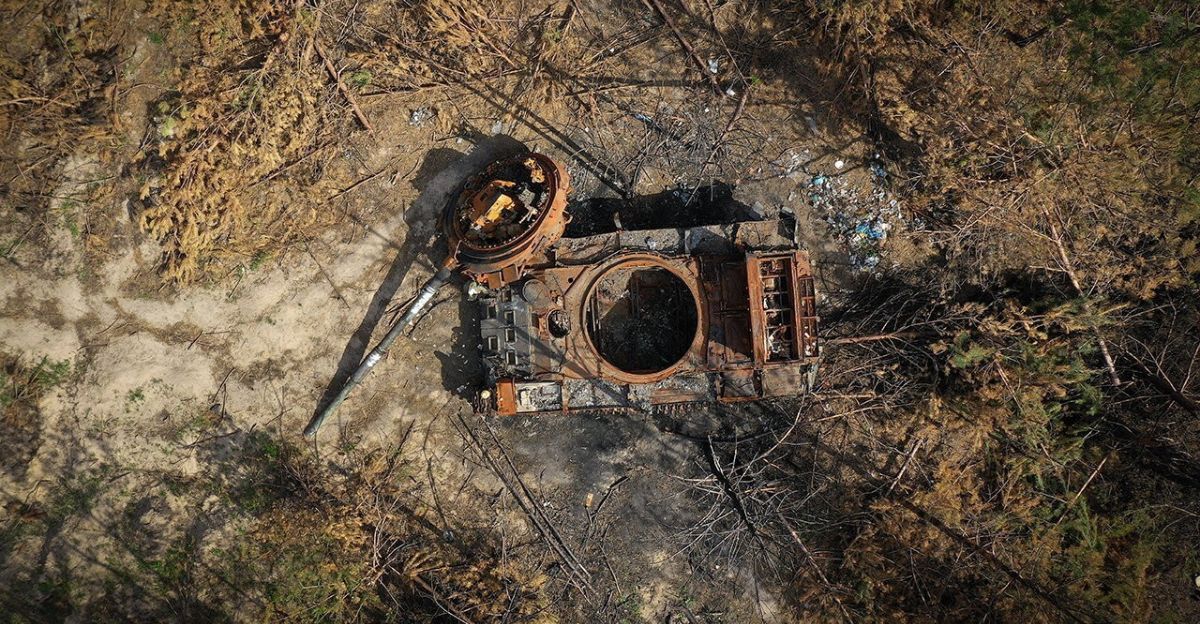
Russia’s tank losses have exceeded 3,000 units since February 2022—surpassing the nation’s entire prewar active-duty inventory. By early 2025, an estimated 25 to 40 percent of Russia’s tank reserves had been withdrawn from storage, with most easily restorable vehicles already depleted. This depletion has forced Russian armored units to rely increasingly on aging, less effective equipment as newer reserves run dry, creating growing vulnerabilities on the battlefield.
Drone Warfare as Compensation Strategy
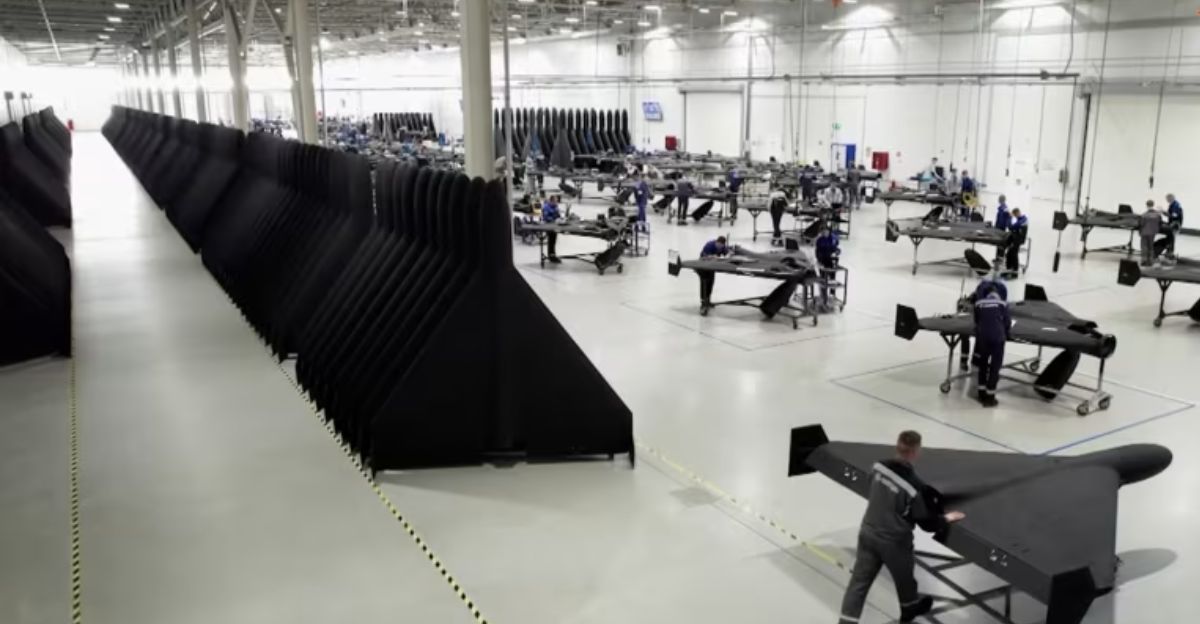
Seeking to offset manpower and equipment shortages, Moscow has invested heavily in unmanned systems. Current production of Shahed-type drones stands at approximately 30,000 annually, with plans to double this figure to 60,000 by 2026. Russia has launched salvos exceeding 2,000 drones by fall 2025. Ukraine’s air defense capabilities, while formidable, have begun showing strain—interception rates declined from 93 percent in 2024 to 88 percent in 2025, reflecting both the growing volume and improving sophistication of Russian air assaults.
Naval Collapse and Regional Power Loss
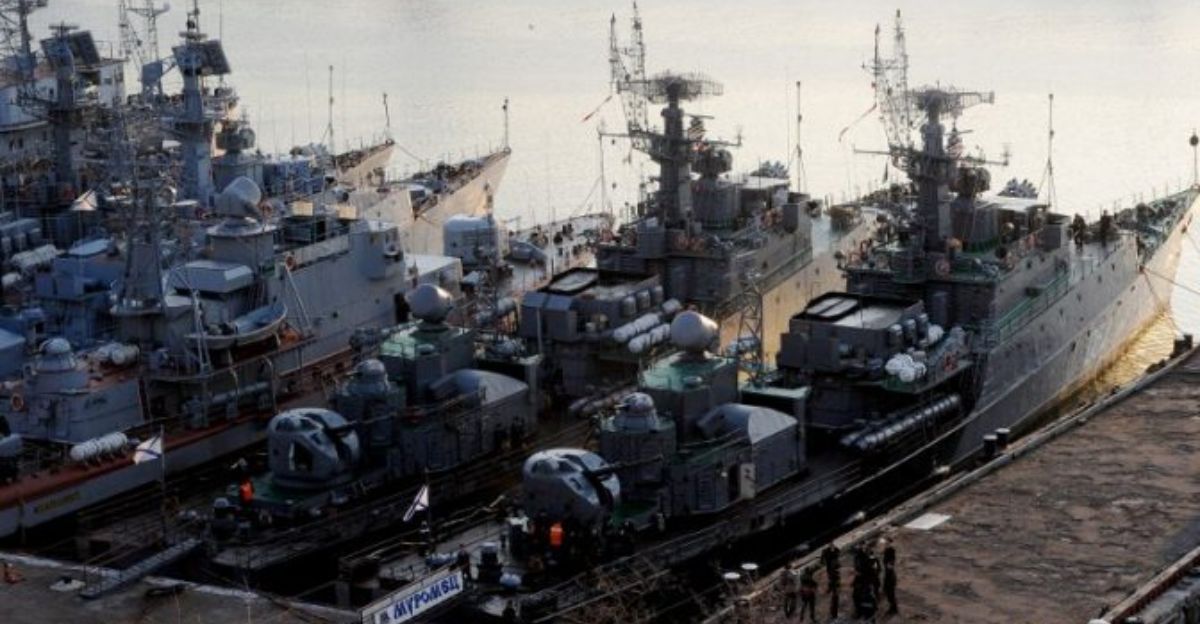
The Russian Black Sea Fleet, once the region’s dominant naval force, has been substantially neutralized by 2025. Confirmed losses include at least 11 large warships, with many others withdrawn, damaged, or confined to distant ports. Ukrainian ingenuity—leveraging drones, missiles, and modern coastal defense systems—has dramatically reversed the naval balance and crippled Russia’s regional power projection capabilities.
Economic Strain and Long-Term Implications
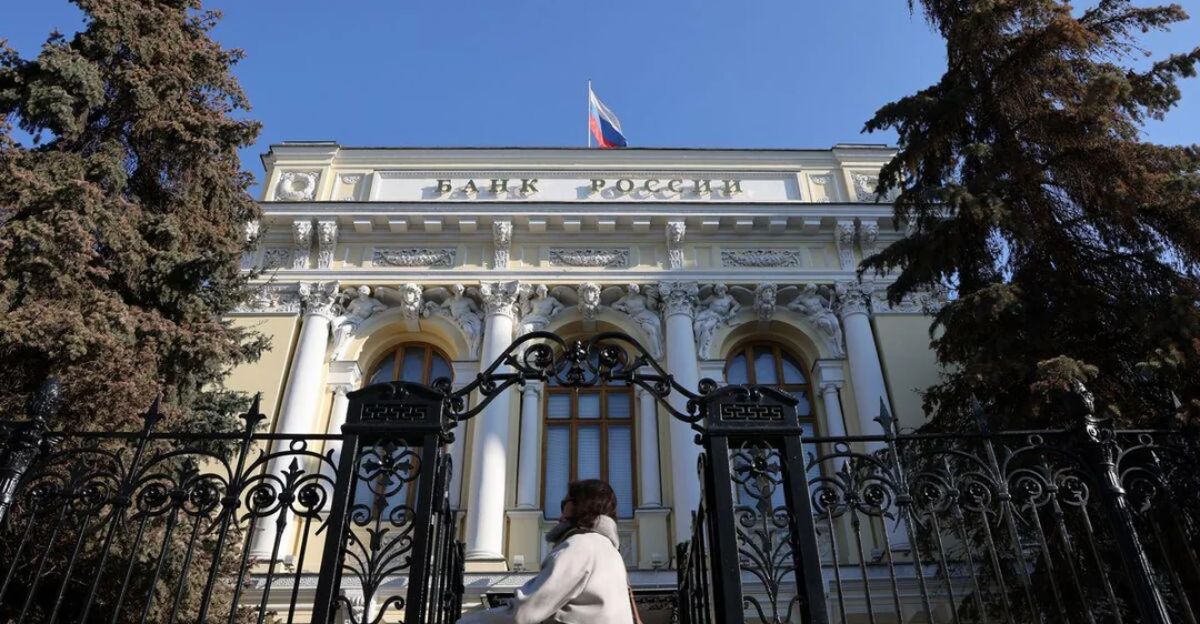
The war now consumes an estimated 7.2 percent of Russia’s GDP, with 40 percent of the federal budget allocated to military and security services. President Putin’s September 2024 decree set an ambitious goal of expanding the active-duty army to 1.5 million—second only to China’s military. Reaching this target requires extraordinary recruitment and mobilization efforts. Despite severe international sanctions and Western isolation, Russia has adapted, sustaining both military production and governmental stability. Putin’s strategy increasingly suggests a readiness for perpetual conflict at a “low simmer,” seeking to outlast Ukraine and the West through steady mobilization and relentless combat—even amid immense losses. The conflict’s ultimate outcome now depends not merely on territorial gains, but on which side can sustain its will, resources, and resilience longest.
Sources
Documented losses (11+ large ships confirmed)
Timeline of collapse (2022–2025)
Ukraine’s asymmetric tactics (drones, missiles, coastal systems)
Strategic implication (loss of naval dominance, regional power projection failure)
Current status (November 2025): Fleet “almost completely neutralised”