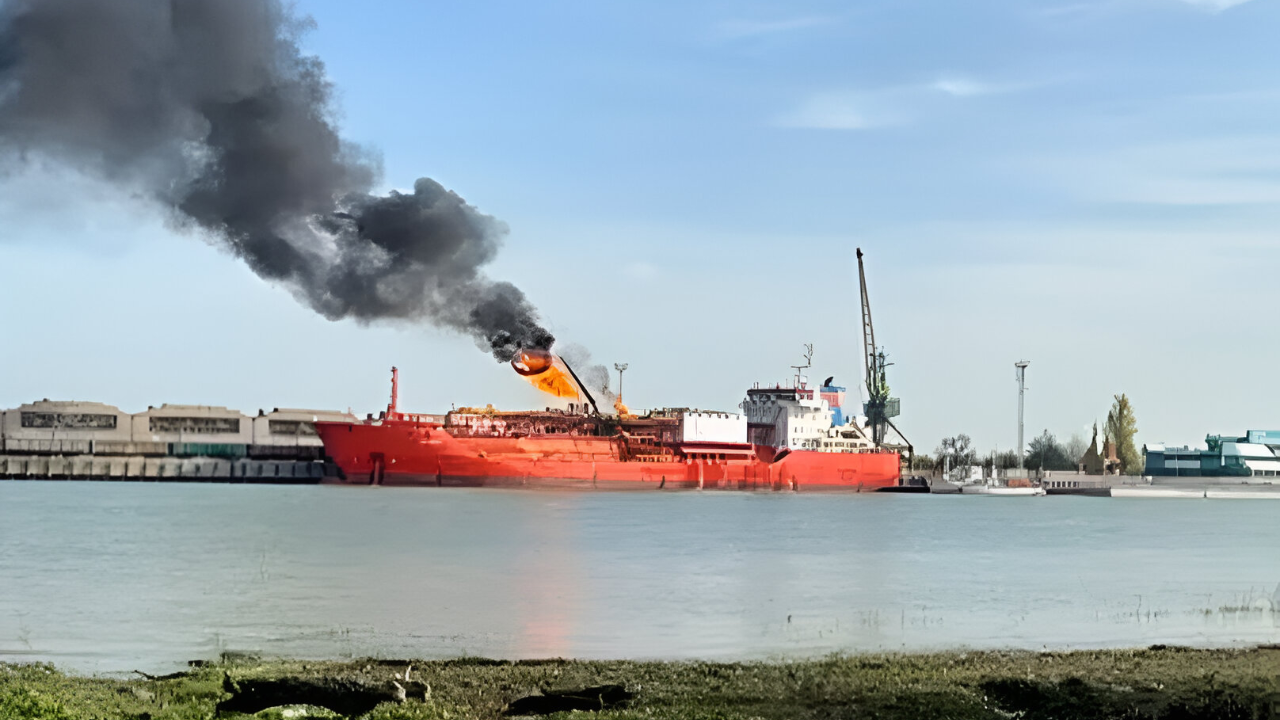
Flames towered above the Danube River as the Turkish tanker ORINDA burned in the darkness, its metal hull glowing orange while smoke drifted toward the Romanian shore. Emergency crews scanned the waterline, watching the fire pulse and flare around the ship loaded with 4,000 tonnes of LPG. Just across the river, Romanian families stood outside their homes, listening to the crackle of burning fuel carrying through the night.
What investigators uncovered next revealed just how close this came to becoming a far larger disaster.
Why This Happened: Escalating Attacks on Ukraine’s Ports
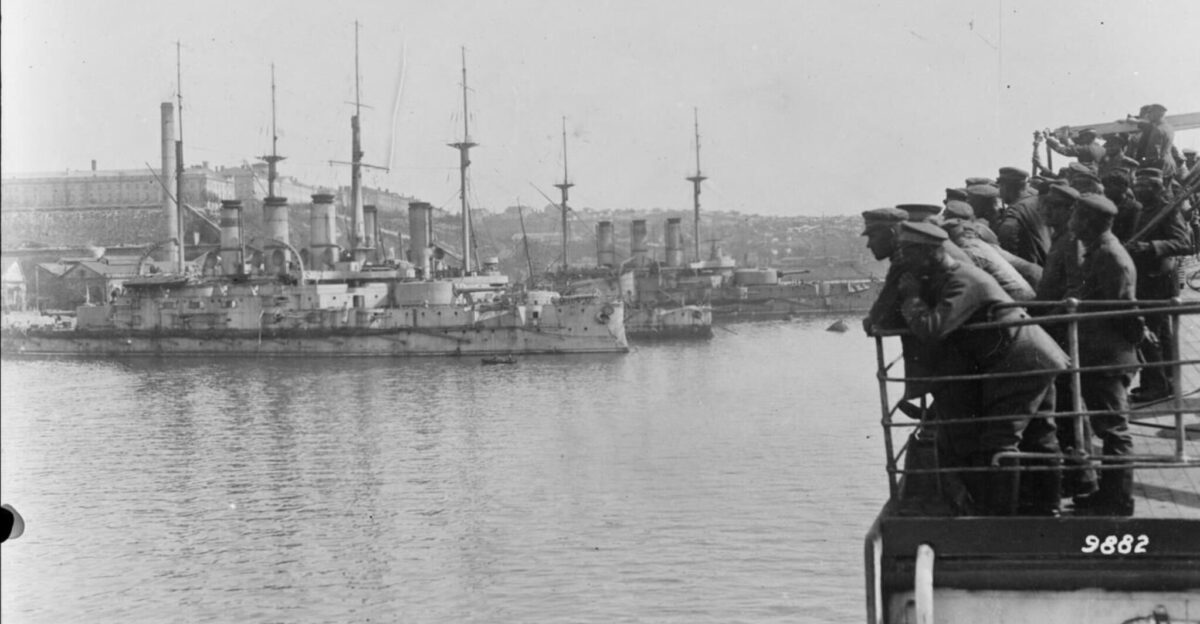
Russia has intensified drone strikes on Ukraine’s Danube export corridor, repeatedly targeting Izmail to disrupt food and fuel routes that bypass Black Sea blockades.
The attack on ORINDA aligned with this pattern, striking a civilian tanker carrying extremely volatile cargo. With 4,000 tonnes of LPG onboard, the risk of a blast extended across national boundaries, pushing Romania into rapid response mode despite no drones entering NATO airspace.
Conflicting Evacuation Numbers Clarified by Romanian Officials
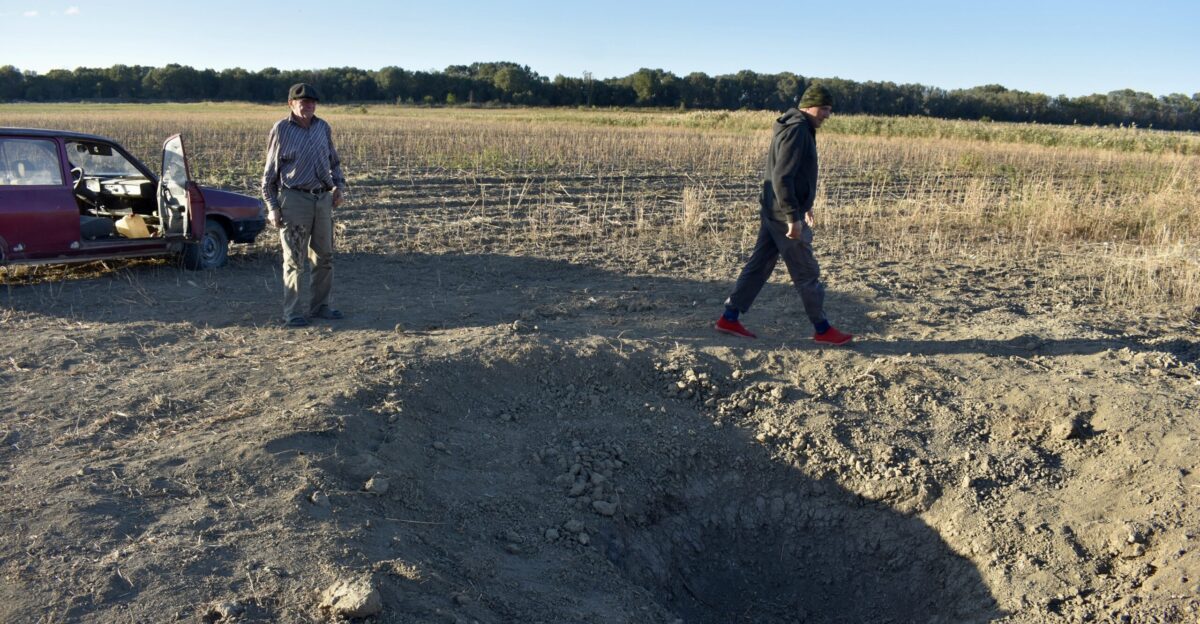
Early reports suggested between 100 and 150 residents might be evacuated from Plauru due to explosion risk. However, Romanian authorities initially confirmed only 15 residents were relocated from Plauru before expanding the evacuation to both Plauru and Ceatalchioi, with approximately 300 people moved to safety.
These families were moved preventively, carrying pets and essentials. The discrepancy reflected initial caution versus expanding field verification, underscoring how fast cross-border strike situations develop along the Danube frontier.
Border Communities Face Disruption and Heightened Anxiety

Even a significant evacuation carried major emotional impact in communities accustomed to drone fragments and nightly alarms. Residents described seeing flames and smoke rising directly across the river, making the war feel inescapably close.
Many worried about livestock, property, and the uncertainty of when they could return. Emergency teams maintained a high-alert posture, emphasizing that conditions could change rapidly if the tanker’s structure weakened, potentially triggering a wider blast radius.
Shipping Industry Responds to the Burning “Floating Bomb”
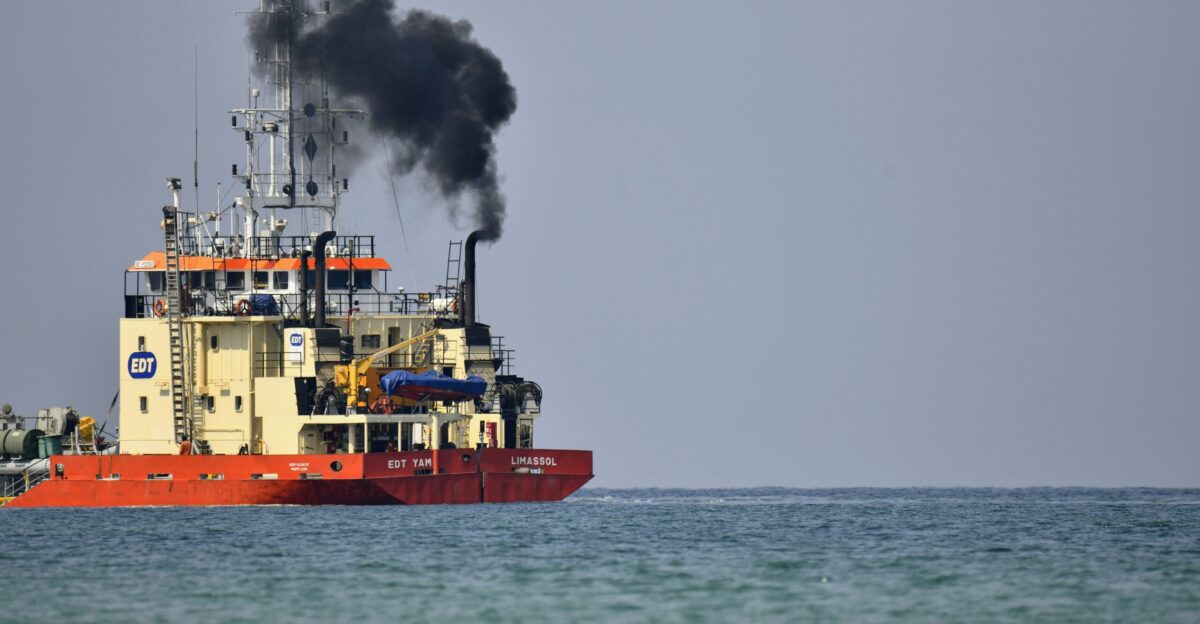
The strike on a civilian tanker carrying millions of liters of LPG shocked commercial operators. Shipowners immediately rerouted vessels away from the Danube’s conflict-exposed segments, while insurers began reassessing premiums for routes near Ukraine’s ports.
The event highlighted vulnerabilities for neutral ships navigating the region, with companies warning that even distant conflicts now create unpredictable hazards. Conversations intensified around whether essential European trade arteries can remain viable under ongoing drone assault.
Energy and Fuel Markets Brace for Ripple Effects
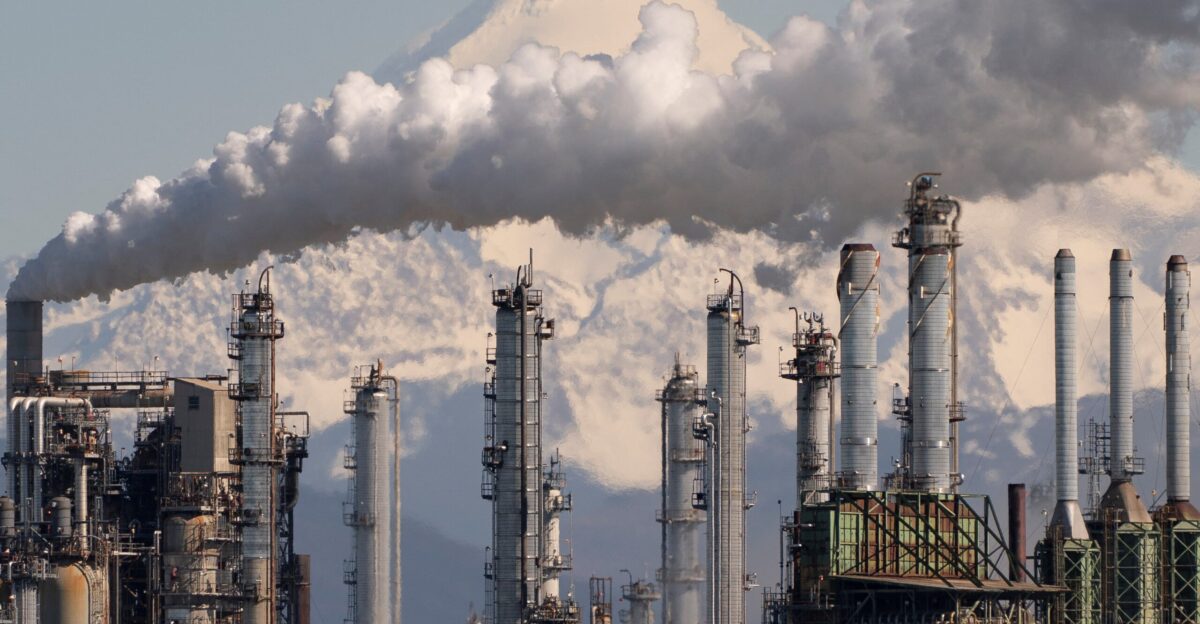
Izmail serves as a critical outlet for fuel exports, making the loss of a 4,000-tonne LPG cargo symbolically and operationally significant. Traders explored shifting volumes to ports in Romania, Bulgaria, or Turkey, though such diversions raise costs and reduce efficiency.
The strike revived concerns about supply chain fragility across Eastern Europe. Market analysts emphasized that fear, uncertainty, and rising insurance rates may cause greater disruption than the immediate loss of fuel itself.
NATO and EU Intensify Scrutiny of Danube Trade Routes

Policymakers across Europe focused on how a drone strike near NATO territory forced actual civilian evacuation inside the alliance. Though limited in scope, the evacuation highlighted growing cross-border risks from the war in Ukraine.
NATO expanded surveillance through its Eastern Sentry initiative, while EU officials examined security gaps threatening grain and energy corridors. With Russian drone strikes continuing to target the region, leaders warned that crucial waterways are increasingly becoming indirect battlegrounds shaped by Russian drone warfare.
Residents Describe Fear as Flames Rose Across the River
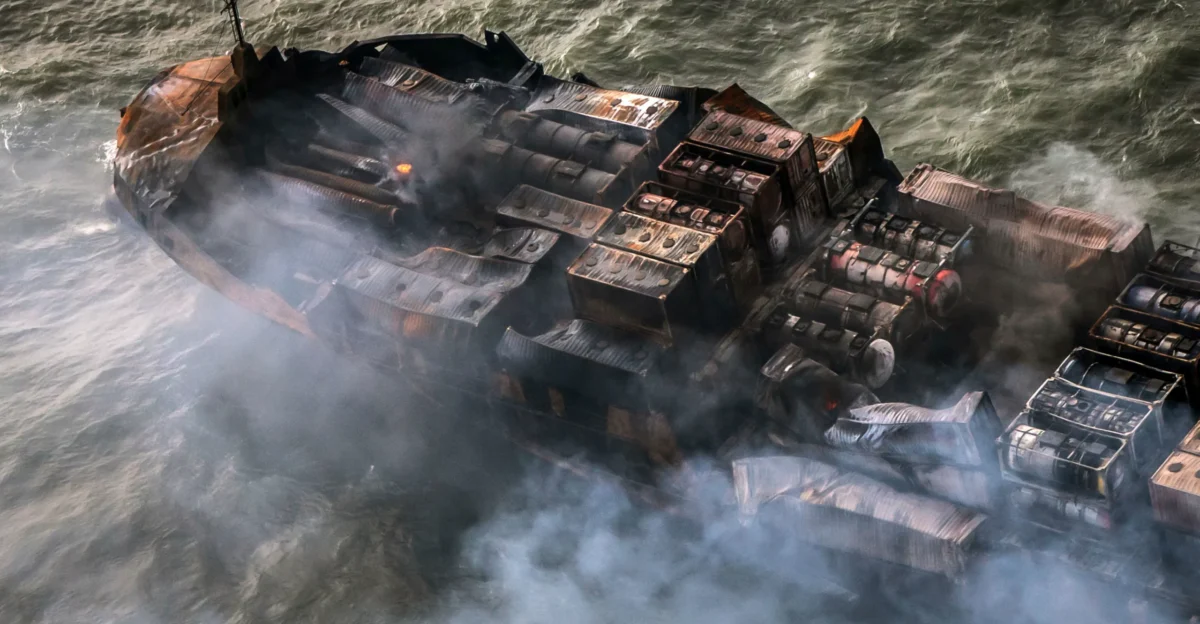
Local leaders called the situation extremely dangerous, warning the tanker could explode without warning. Families watched emergency crews monitor air and water conditions as smoke drifted toward Romanian villages.
Some residents said the river no longer feels like a border but a fragile frontline separating two realities. The psychological toll continues to deepen, especially in communities that previously dealt with drone debris falling on Romanian territory throughout earlier phases of the war.
Romania Condemns Strike as Breach of International Norms
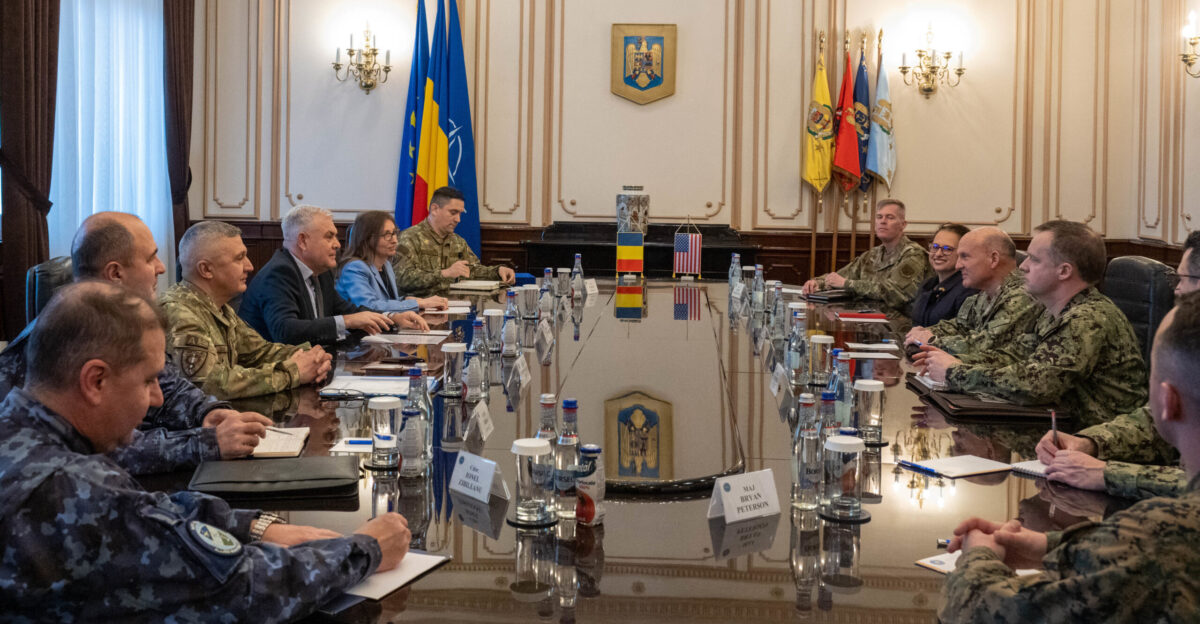
Romania’s Defense Ministry denounced the attack for endangering civilians near NATO territory. Officials stressed that the strike targeted civilian infrastructure and risked destabilizing border security.
The event raised practical concerns for NATO planners: emergency modeling showed that in a worst-case scenario, the blast radius could extend 4.5 to 5 kilometers, potentially reaching allied territory. While not an Article 5 scenario, the tanker incident highlighted the alliance’s need to prepare for indirect consequences that challenge traditional definitions of cross-border aggression.
Energy Traders Monitor Regional Instability and Insurance Shifts

Energy markets reacted quickly as insurers reassessed risk around the Danube corridor. Although the tanker’s cargo was lost, the broader concern centered on the reliability of river logistics under intensifying drone activity.
Traders warned that sustained attacks could push companies to diversify routes or reduce reliance on Ukraine’s river ports. The psychological impact of a volatile tanker burning beside NATO territory contributed to overall uncertainty in already fragile regional energy markets.
Health and Safety Protocols Activated for Border Communities

Romanian emergency teams prepared contingency plans in case the tanker exploded, with modeling showing a potential blast radius of 4.5 to 5 kilometers. Residents outside the evacuated zone were instructed to remain alert, keep documents accessible, and monitor updates.
Health officials reported elevated stress among families, especially children, after repeated nighttime disruptions linked to the conflict. Even after residents returned, many described lingering anxiety about future strikes and the unpredictable nature of drone-based warfare.
Environmental Concerns Intensify as LPG Burns Over Waterway
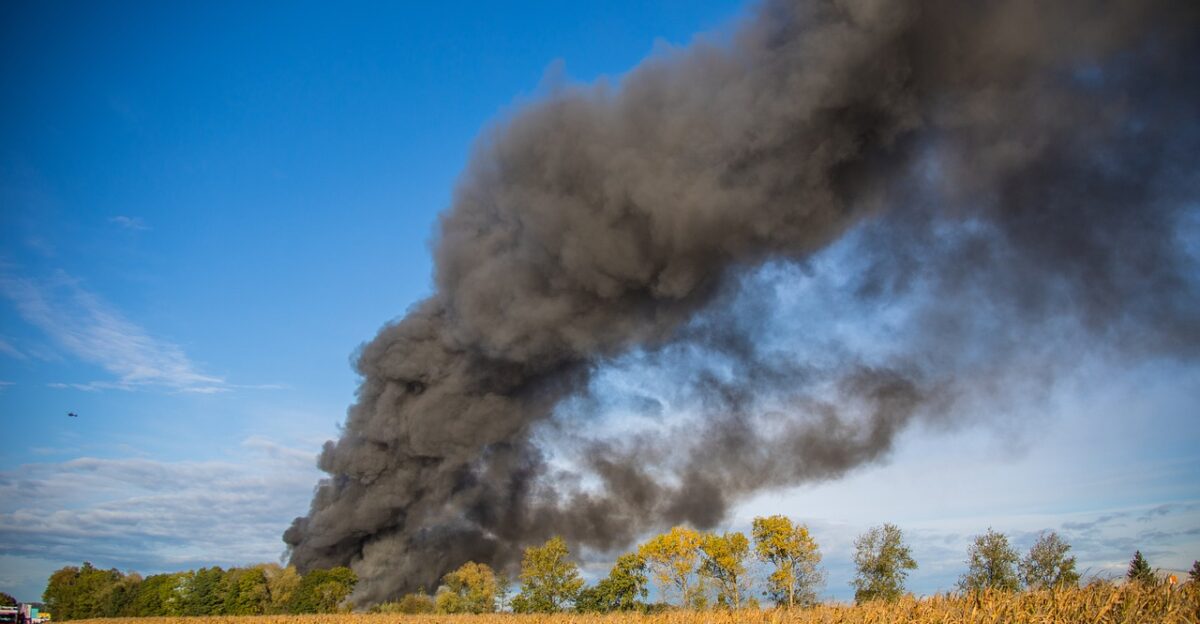
Environmental specialists warned that prolonged burning of millions of liters of LPG could harm air quality and stress Danube ecosystems. While initial assessments showed limited immediate cross-border contamination, observers emphasized that repeated strikes may carry cumulative impacts.
Border communities with strong cultural and economic ties to Izmail also expressed sadness over seeing familiar waterfront areas consumed by fire. The river, once a symbol of connection, now reflects the conflict’s expanding environmental footprint.
Global Supply Chains React to Deepening Regional Instability
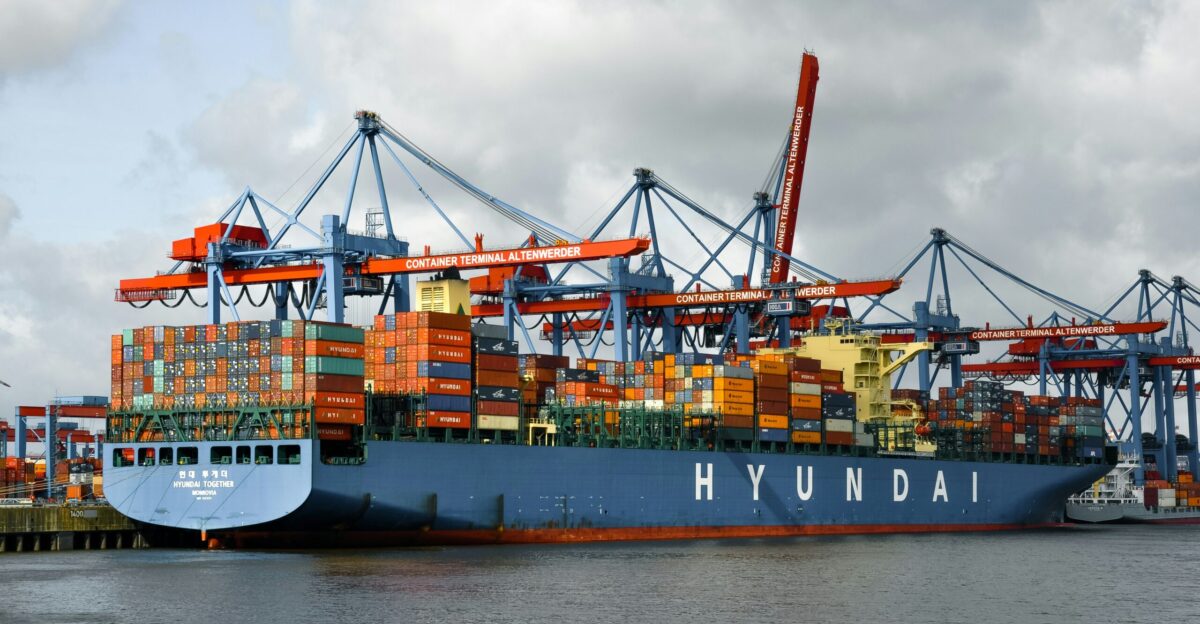
The strike underscored the fragility of global logistics networks operating near conflict zones. Businesses worldwide reevaluated exposure to routes passing through Ukraine’s borderlands, particularly for fuel and grain shipments.
The incident demonstrated how a single drone attack can disrupt energy supplies, alter insurance calculations, and reshape maritime decision-making. Global companies increasingly explore diversified sourcing to reduce vulnerability, recognizing that modern warfare blurs the line between battlefield and commercial infrastructure.
Shifting Winners and Losers as Trade Routes Realign
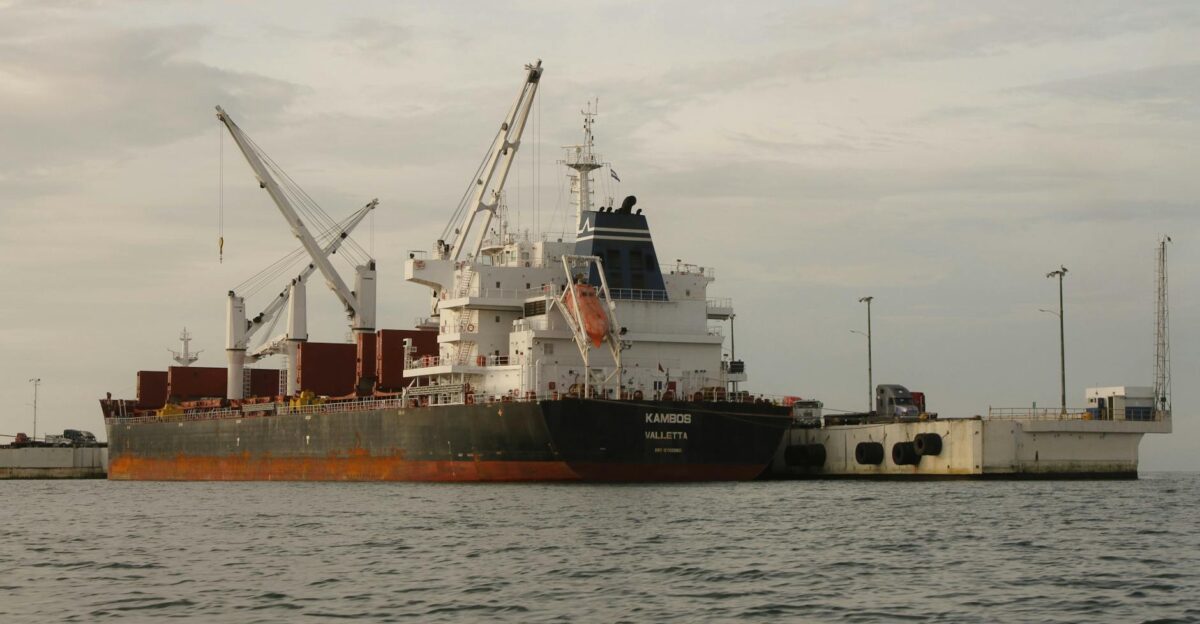
Ports farther from the conflict zone reported growing inquiries as shippers sought alternatives to the Danube corridor. Meanwhile, insurers specializing in high-risk zones saw increased demand for expanded coverage options.
Local Romanian businesses, however, faced losses from closures during the evacuation period, alongside reduced cross-river commerce. Ferry operators, small shops, and agricultural traders all felt the economic impact. The tanker fire highlighted how quickly localized crises reverberate through regional economies.
What Comes Next for Romania, Ukraine, and the Region
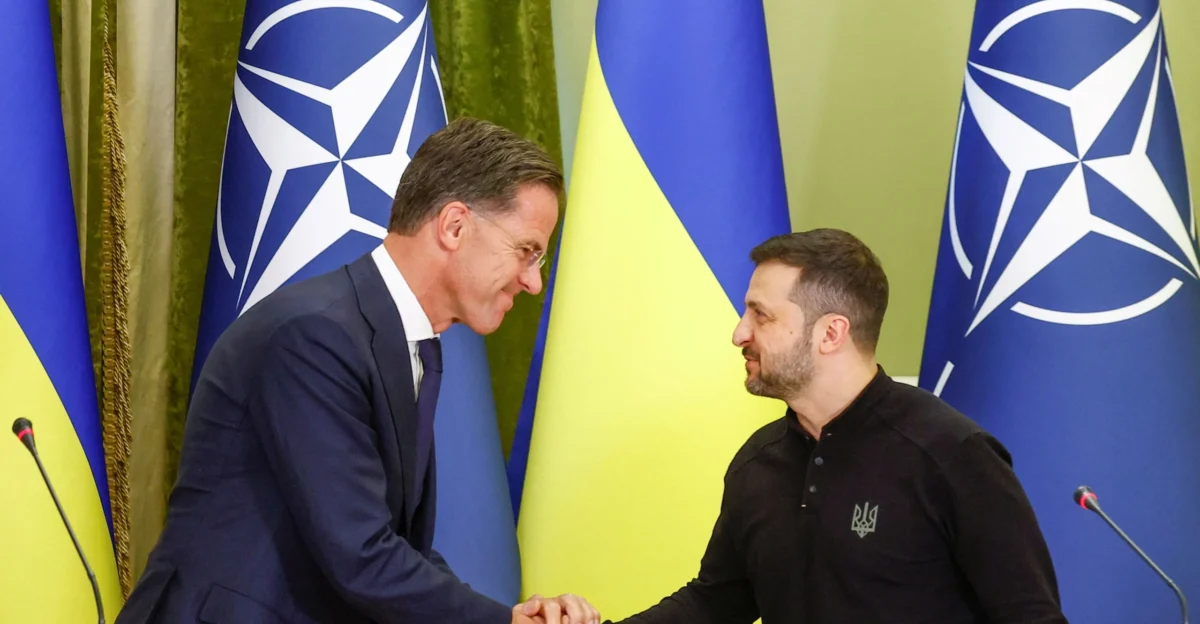
Romania allowed evacuated residents to return once fire risks subsided, but officials warned the threat is ongoing. With Russian drone strikes continuing to target the port infrastructure in the region and 11 vessels struck in the Odesa region between January and September 2025, cross-border hazards remain high.
Romania and neighboring states continue investing in air defense, surveillance, and emergency planning. The tanker incident illustrates the new reality: regional resilience now depends on adapting rapidly to drone-driven instability.