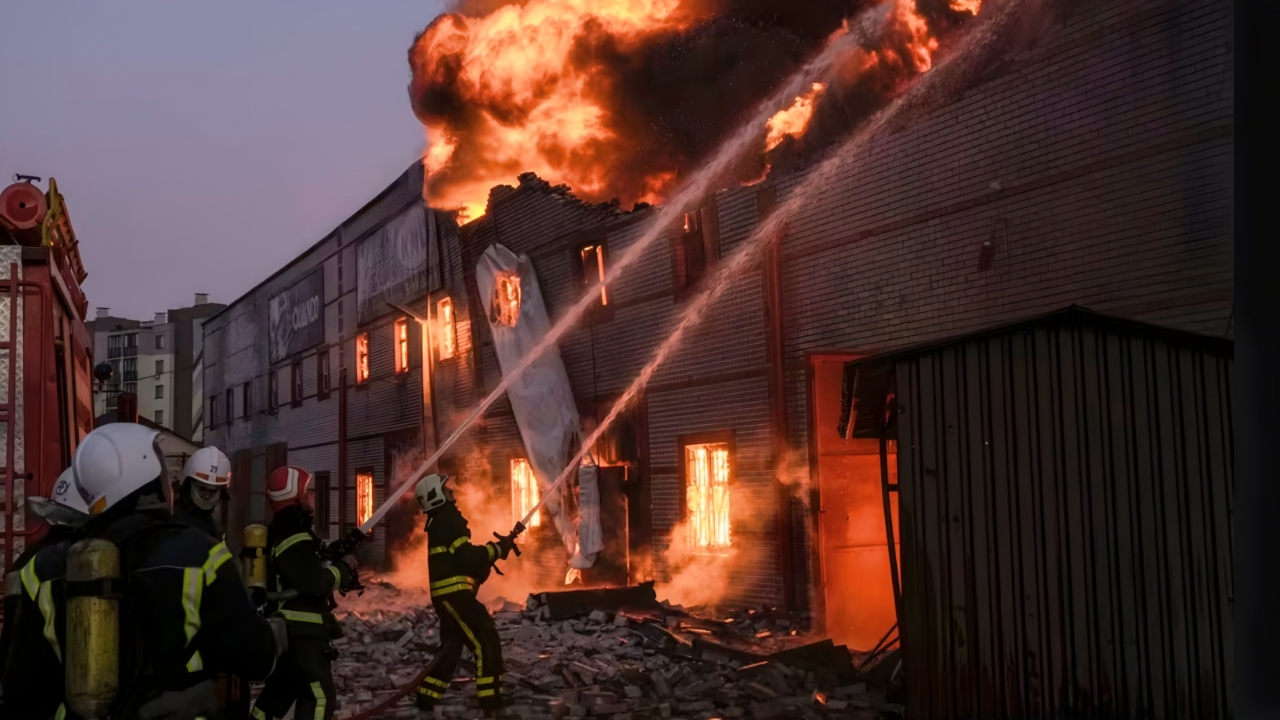
Darkness spread across Kyiv as explosions echoed through the freezing night, knocking out electricity for much of the city.
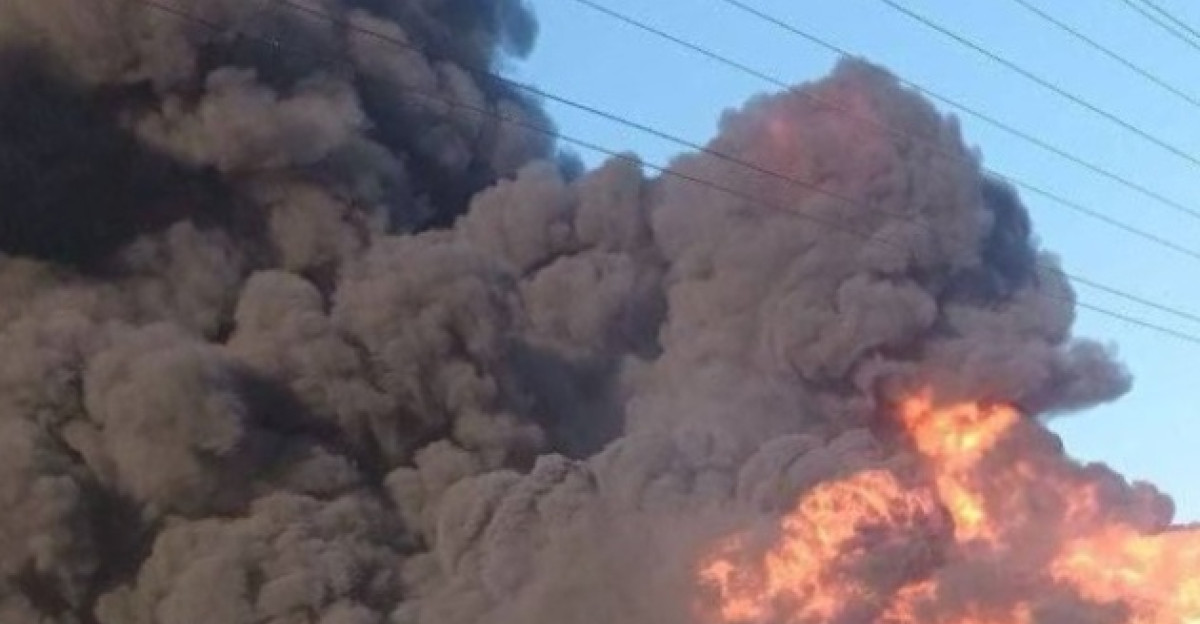
At the same time, video from inside Russia showed flames and thick smoke rising from an industrial complex just 40–60 kilometers from the Ukrainian border.
The two scenes unfolded within hours of each other—one city going dark, one factory burning. What exactly was hit, and why does it matter now?
Retaliation Unleashed
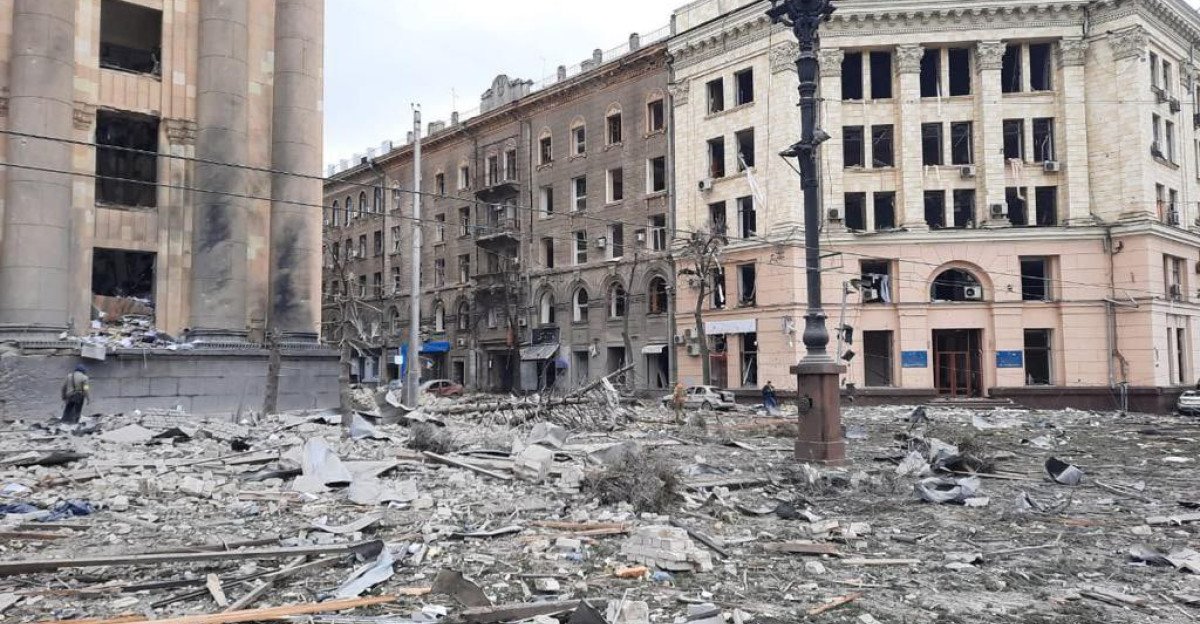
Within hours of Ukraine’s deep strike, Russia launched nearly 300 drones and 25 missiles across eight regions. A Kharkiv suburb was hit when a Nova Poshta terminal was destroyed, killing four civilians.
Separate strikes damaged a children’s medical facility in the city. In Kryvyi Rih, tens of thousands lost power and heating as temperatures plunged well below freezing.
A War Measured in Civilians
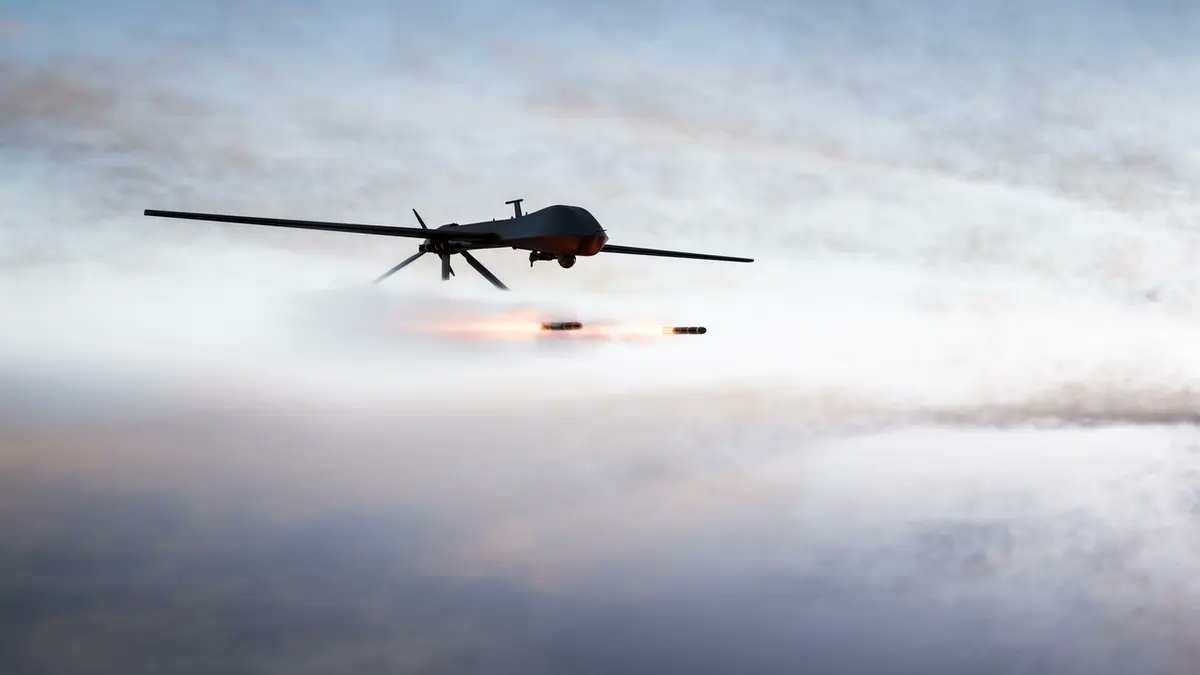
As the invasion approaches its fourth year, Ukraine has endured a sharp rise in civilian casualties. United Nations data shows deaths in 2025 surged roughly 70% compared to 2023, with winter energy attacks amplifying the toll.
Drones have transformed cities into front lines, turning power stations, mail depots, and heating systems into military targets.
The Drone Arms Race
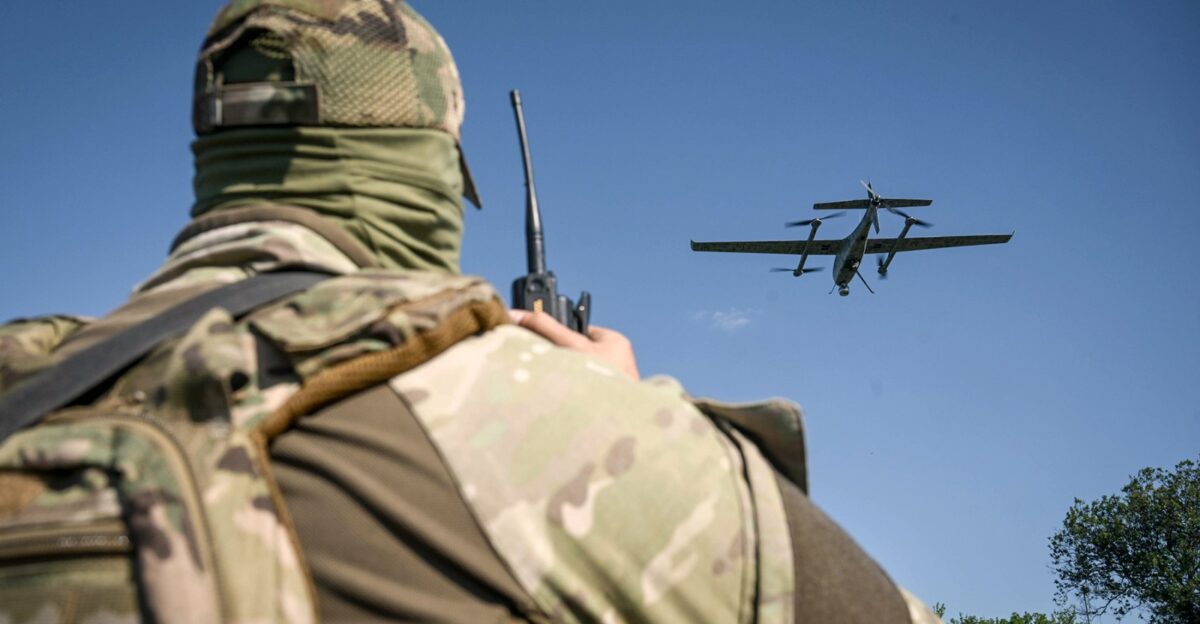
Both sides have poured resources into drones since 2022, favoring cheap, mass-produced systems capable of overwhelming defenses.
Russia scaled production aggressively, while Ukraine invested in long-range strike capability. The result is an escalating drone war where factories now matter as much as battlefields—and are increasingly targeted.
The Target Near the Border
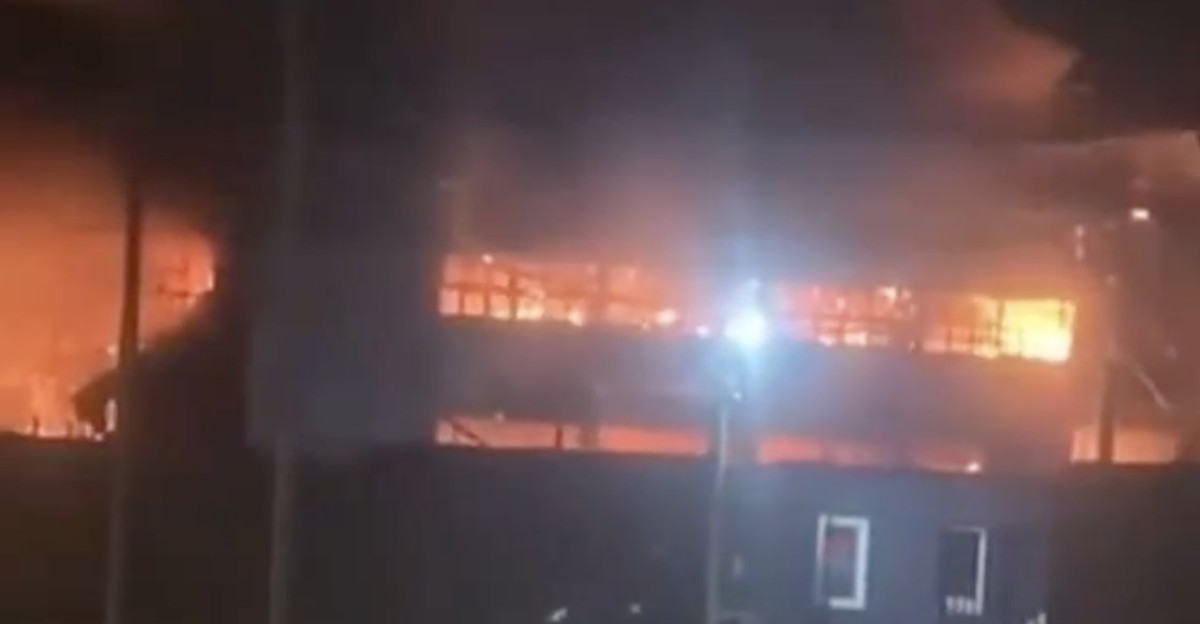
The latest Ukrainian strike hit a facility in Taganrog, a key industrial hub located roughly 40–60 kilometers from Ukrainian territory.
The proximity underscores how far Ukraine’s drone reach has expanded. This was not the first time the site drew attention; it had already been struck once in mid-2025.
Factory Hit
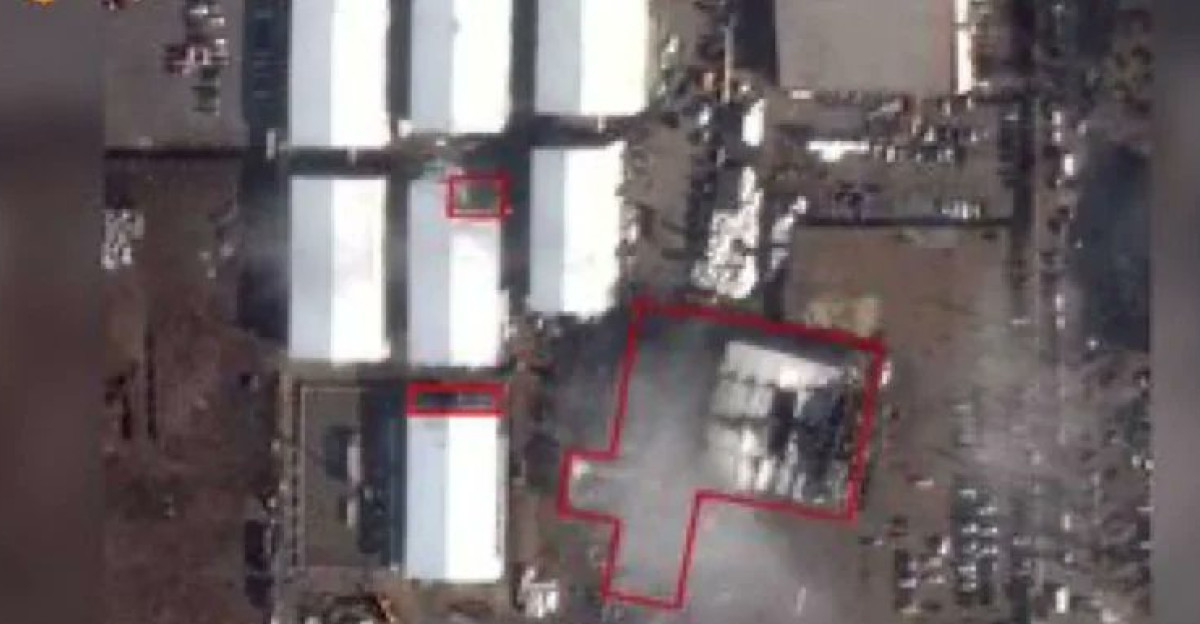
Overnight on January 13, 2026, Ukrainian SBU Alpha units and Navy forces struck the Atlant Aero drone factory. Explosions tore through production buildings, igniting fires across the complex.
The plant produces Orion reconnaissance drones, Molniya attack drones, and FPV-style loitering munitions critical to Russia’s drone campaign.
Inside the Damage
Footage from the scene showed flames engulfing assembly halls used for military UAV production. Ukrainian officials stated that multiple production lines were damaged, disrupting output.
Russian authorities acknowledged the attack but sought to minimize its impact. The strike targeted the heart of a system designed to sustain nightly drone barrages over Ukrainian cities.
Why This Plant Matters
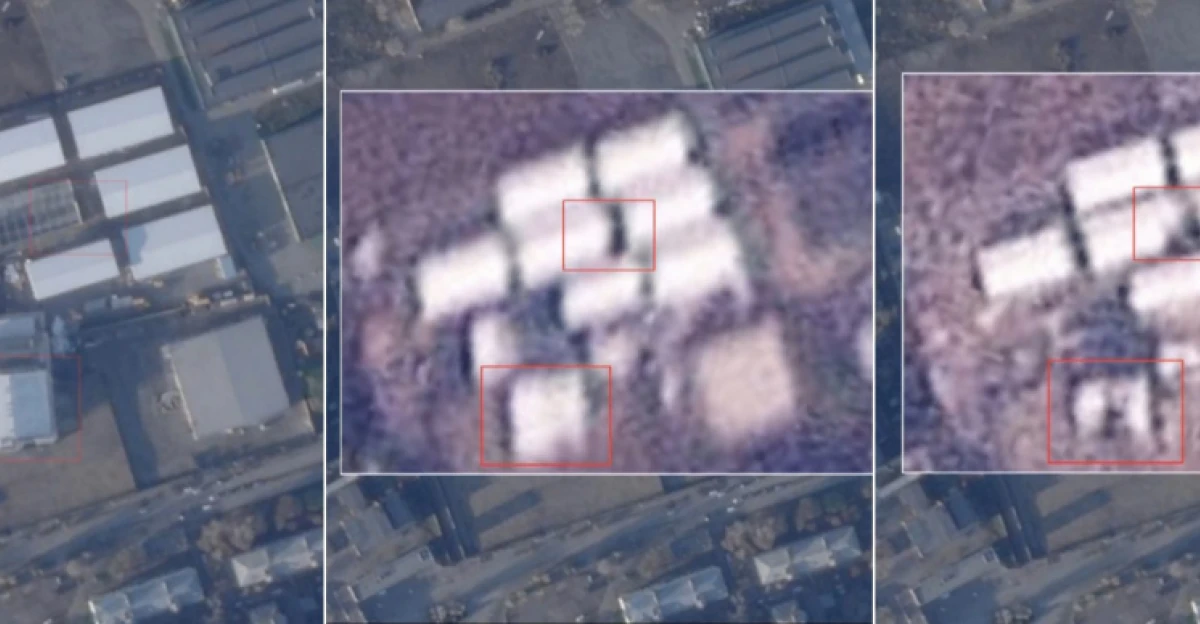
Atlant Aero operates a full-cycle production system, handling design, assembly, and testing of strike-reconnaissance drones.
Damage to this facility disrupts more than a single shipment—it interrupts a pipeline feeding Russia’s broader drone strategy. Ukrainian officials argue that every halted production line directly reduces future attacks on civilian infrastructure.
Mourning in Kharkiv
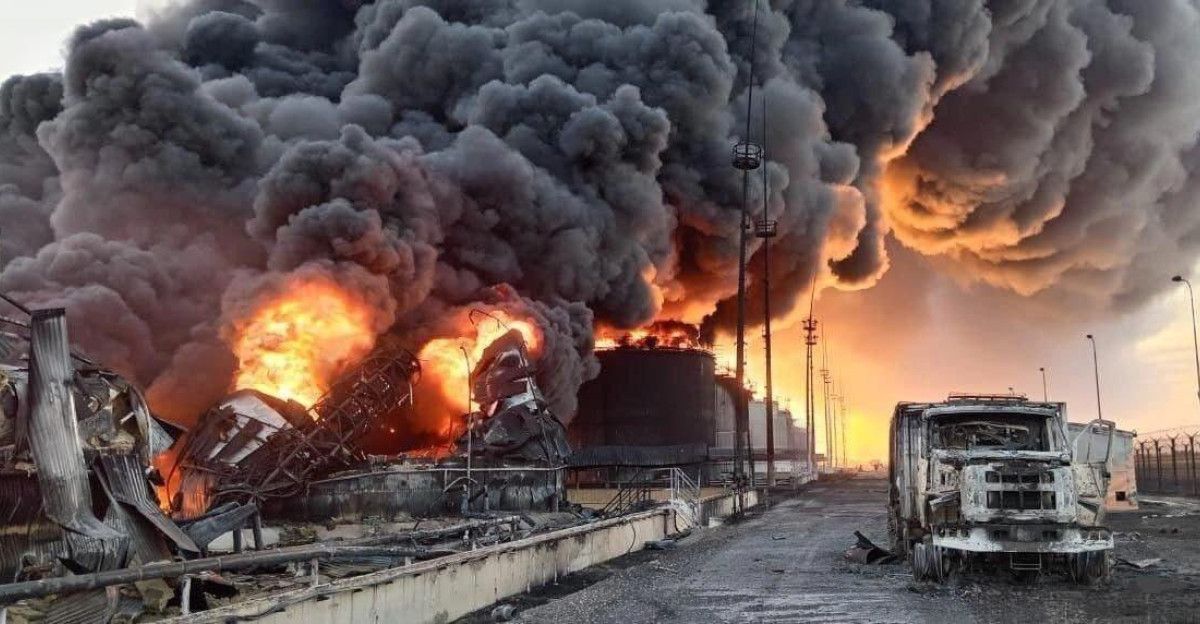
While factories burned in Russia, families in Kharkiv buried four civilians killed at the Nova Poshta terminal. Emergency crews worked through wreckage as fires smoldered nearby.
A separate Russian strike damaged a children’s sanatorium. Ukrainian officials framed the factory hit as an attempt to stop drones before they reach cities like this.
Blackouts as a Weapon
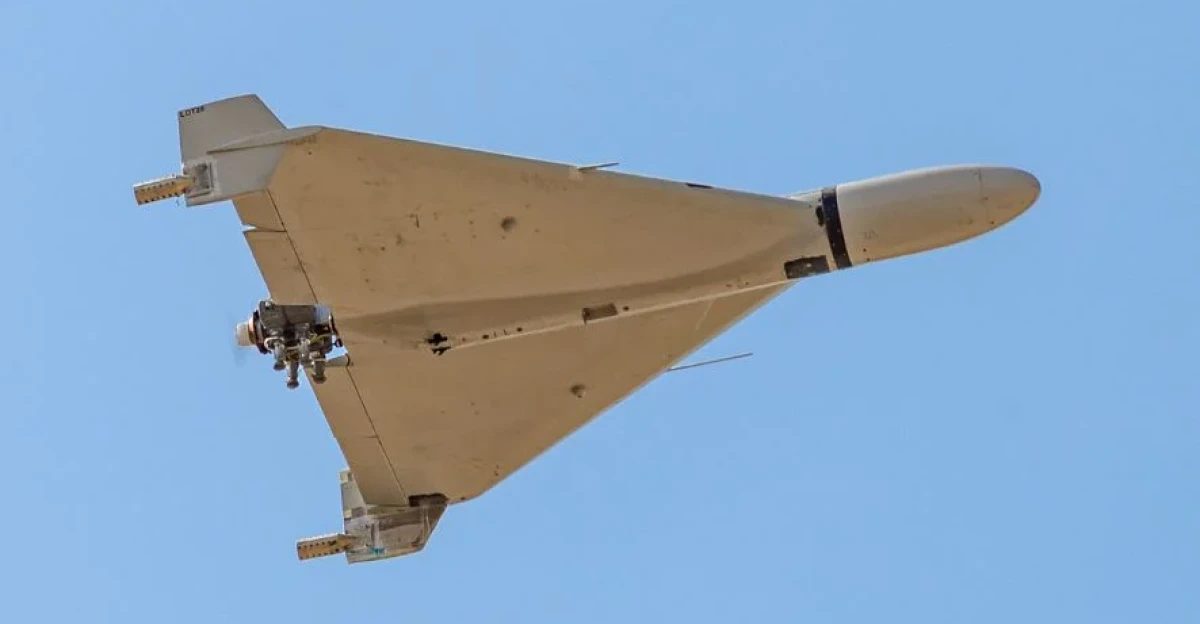
Russia’s retaliation again focused on energy infrastructure. Shahed-type drones targeted power grids, plunging large sections of Kyiv into darkness and leaving tens of thousands without heat.
The cycle is stark: factory strikes provoke grid attacks, which deepen civilian suffering during winter months.
Moscow Under Pressure
Regional officials in Rostov Oblast confirmed multiple drone incursions, noting that air defenses intercepted several UAVs.
Still, repeated deep strikes have fueled frustration within Russia’s security establishment. Local footage circulating online intensified scrutiny over the protection of critical military-industrial sites.
The Operators Behind the Strike

The operation was led by Ukraine’s Security Service of Ukraine Alpha Center in coordination with naval forces. Ukrainian leadership emphasized precision targeting, avoiding civilian areas while focusing on military production.
Russian defense officials shifted blame to air defense systems, offering no indication of leadership changes at the factory.
Can Production Recover?

Russia is expected to disperse drone manufacturing across multiple sites, a strategy used after earlier strikes. Analysts note that while Atlant Aero’s damage is significant, Russia’s broader drone network may absorb the loss over time.
Ukraine counters that even temporary disruption matters when drone attacks are measured in nightly volumes.
Analysts Debate the Impact

Some experts caution that Russia’s extensive production capacity could blunt the long-term impact of a single factory hit.
Others argue that repeated strikes compound delays and logistical strain. Ukrainian intelligence insists the damage will translate into fewer drones reaching cities, though independent verification remains ongoing.
A War Decided by Assembly Lines

Ukrainian officials summed up the stakes plainly: each destroyed production line means hundreds of drones that never reach civilian neighborhoods.
Whether the strike on Atlant Aero meaningfully shifts momentum remains uncertain. As the war enters its fifth year, drone factories—not just front lines—may determine who endures the winter and who doesn’t.
Sources:
“Ukraine’s Security Service and Navy hit drone production facilities at Atlant Aero plant in Taganrog.” Ukrainska Pravda, 13 Jan 2026.
“Russia attacks Ukraine with 25 missiles and 293 UAVs.” Ukrainska Pravda, 13 Jan 2026.
“2025 deadliest year for civilians in Ukraine since 2022, UN human rights monitors find.” UN Human Rights Monitoring Mission in Ukraine, 12 Jan 2026.
“Russian Missile Hits Nova Poshta Terminal in Kharkiv, Killing Four.” Scroll Media, 13 Jan 2026.