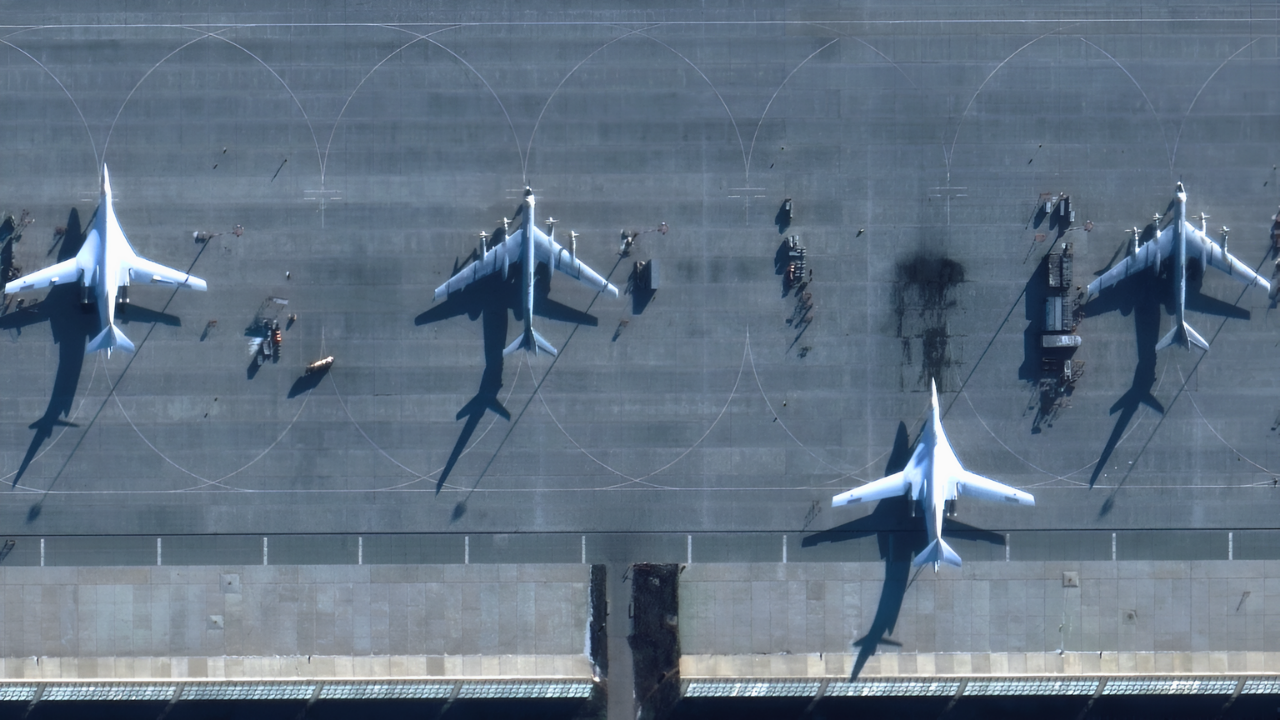
In the early hours of November 5, 2025, a thunderous series of explosions shattered the night at Donetsk Airport, marking one of Ukraine’s most precise and consequential strikes of the war. The target: a newly constructed Russian drone base, less than 20 miles from the front lines, which had rapidly become a hub for launching Iranian-designed Shahed drones against Ukrainian cities. The attack, executed with a combination of missiles, drones, and artillery, destroyed multiple buildings and triggered powerful secondary detonations, signaling a dramatic escalation in Ukraine’s campaign to disrupt Russia’s drone warfare infrastructure.
A Calculated Gamble: Russia’s Forward Drone Base
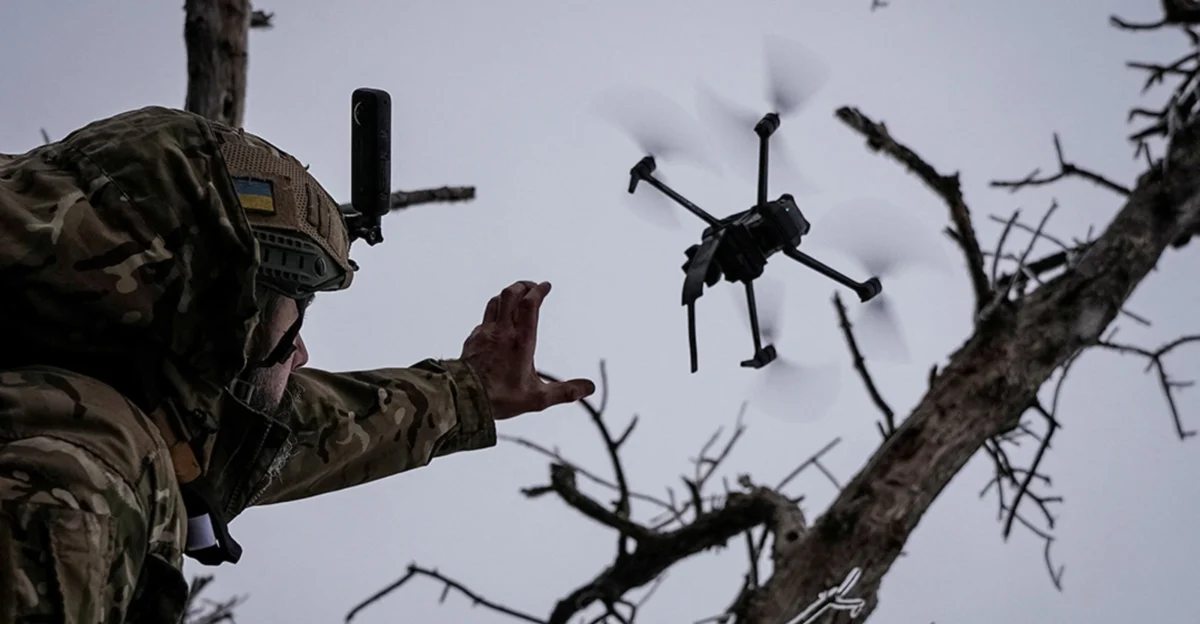
Russia’s decision to convert Donetsk Airport into a drone launch site was driven by tactical logic. By positioning Shahed drones so close to Ukrainian targets, Russian forces could reduce flight times to as little as 10 to 15 minutes—far less than the 45 to 90 minutes required from bases deeper in Russian territory. This proximity was intended to overwhelm Ukrainian air defenses, giving them minimal time to react. Launch rails and storage sheds were installed directly on the airport’s runways, transforming the civilian facility into a military asset almost overnight. However, this strategy came with a significant risk: the closer the base was to the battlefield, the more vulnerable it became to Ukrainian counterstrikes.
Months of Surveillance: The Road to the November Strike
Ukrainian military intelligence had been monitoring the transformation of Donetsk Airport since early summer, using satellite imagery to track construction and activity at the site. Rather than striking immediately, Ukrainian planners waited, gathering intelligence and observing as the warehouse filled with drones and munitions. This patient approach was designed to maximize the impact of any eventual attack. By November, the base was fully stocked, and Ukraine’s Special Operations Forces had completed a months-long reconnaissance operation, ensuring that the strike would inflict maximum damage on Russian drone capabilities.
Destruction and Aftermath: Assessing the Damage
The coordinated assault on November 5 was devastatingly effective. Videos from the scene showed massive explosions lighting up the sky, followed by secondary blasts as stored ammunition and warheads ignited. Ukraine’s General Staff confirmed the destruction of the Shahed warehouse, noting the scale of the secondary detonations. While neither side released official figures, independent analysts estimated that between 50 and 200 Shahed drones, along with more than 1,500 warheads, were destroyed. At current production costs, this represented a loss of $1 million to $14 million in drone inventory for Russia. Notably, satellite imagery taken days later revealed that the launch rails and storage sheds remained largely intact, raising questions about whether this was the result of deliberate targeting or chance. The surviving infrastructure meant that, with new supplies, Russia could potentially resume drone operations from Donetsk within days.
Russia’s Expanding Drone Arsenal
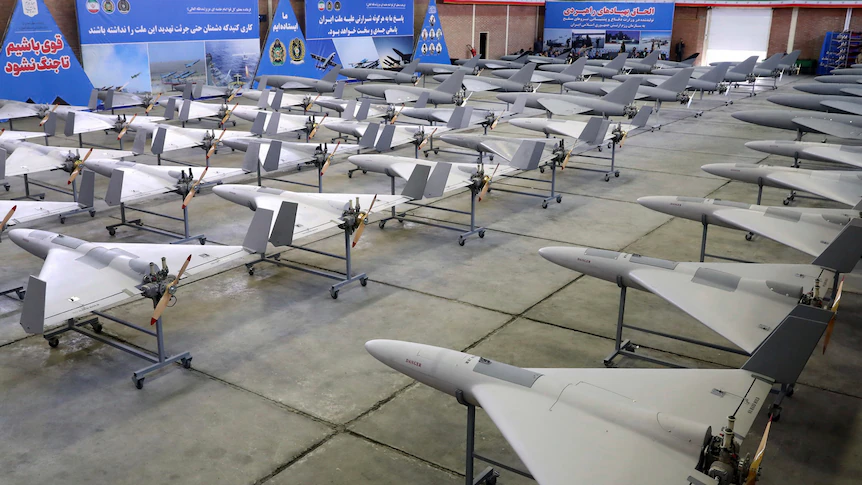
The destruction at Donetsk was a blow, but Russia’s drone war is fueled by a vast and growing domestic production effort. After acquiring the Shahed drone blueprint from Iran in 2022, Russia rapidly scaled up manufacturing, driving unit costs down from $300,000 to as little as $20,000. By 2025, Russian factories were producing up to 2,700 Shahed-type drones each month, with government targets set at 30,000 drones annually and some estimates suggesting even higher output. The Kremlin has invested heavily in new battery plants, composite materials, and assembly lines, making drones a central pillar of its war economy. This industrial capacity has enabled Russia to launch nightly barrages of drones—sometimes more than 200 in a single night—using a mix of explosive-armed and decoy drones to overwhelm Ukrainian air defenses.
The Stakes Ahead: Escalation and Uncertainty

The strike on Donetsk Airport signals a shift in Ukraine’s approach, from defending against drone attacks to proactively targeting the infrastructure that enables them. Yet the destruction of drone stockpiles is only a temporary setback for Russia, given its ability to replenish supplies. Western intelligence warns that Russia may soon be capable of launching coordinated assaults involving up to 2,000 drones at once—a scale that could overwhelm even the most robust air defense systems. The intact launch infrastructure at Donetsk underscores the ongoing threat: if Russia can restock faster than Ukraine can strike, the cycle of attack and counterattack will continue. As both sides adapt, the battle over drone bases and production facilities is set to define the next phase of the conflict, with the balance of power hinging on speed, precision, and industrial capacity.