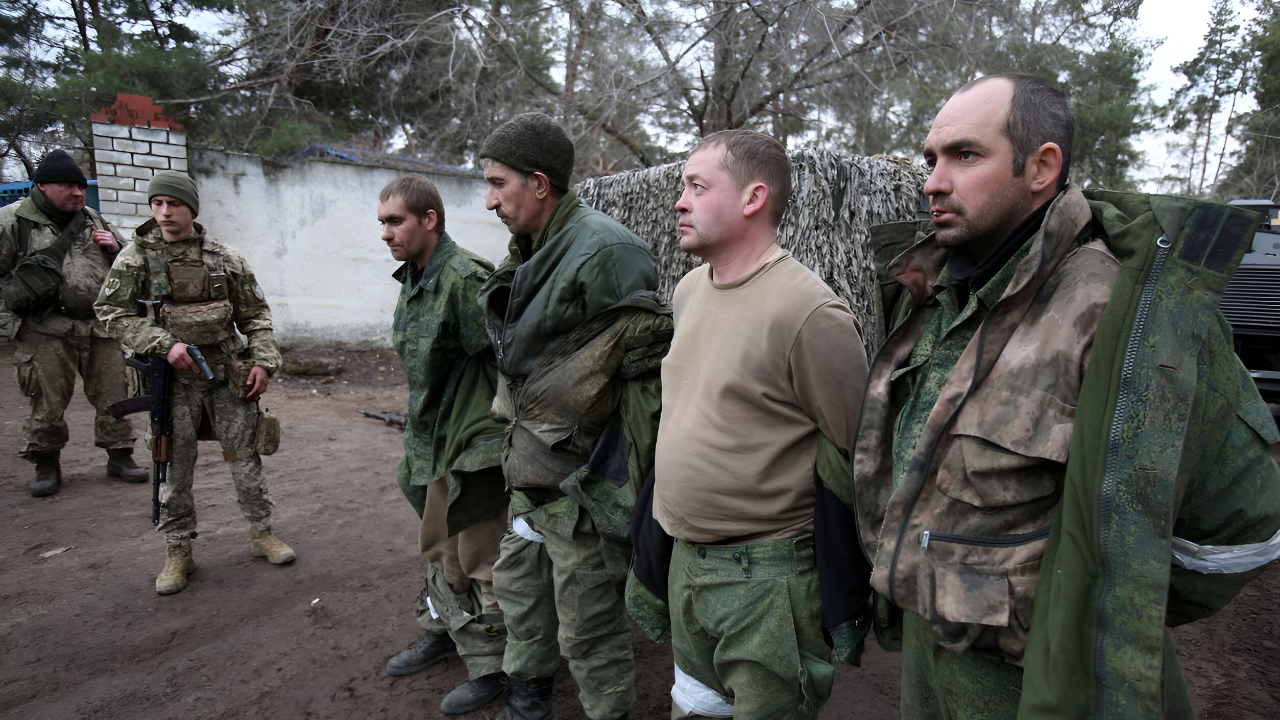
In the pale dawn near Kucheriv Yar, eastern Ukraine, a rare and striking scene unfolded: nearly 50 Russian soldiers, rifles slack and white flags raised, emerged from the treeline and surrendered en masse to Ukrainian forces. Captured on video by the 132nd Separate Reconnaissance Battalion and quickly verified by Kyiv, the footage spread rapidly online, offering a stark glimpse into the mounting pressures and unraveling morale within Russian ranks along one of the war’s most contested frontlines.
A Public Surrender and Its Symbolism
The surrender, one of the largest group capitulations in Donetsk this year, was meticulously documented by Ukrainian troops. Exhausted Russian soldiers appeared in small groups, visibly malnourished and shaken, laying down their weapons under the watchful eyes of Ukrainian drones. “They raised their hands, white flags, and surrendered in batches,” recounted a Ukrainian paratrooper who participated in the operation. The images, widely circulated on social media, have become emblematic of a rare breakdown in Russian discipline on a front Moscow claims to control.
Military analysts attribute the mass surrender to weeks of relentless bombardment and severe supply shortages. The event has sent shockwaves through both armies, highlighting the psychological toll of a grinding war of attrition that has now entered its fourth year.
War of Attrition and Deepening Strikes
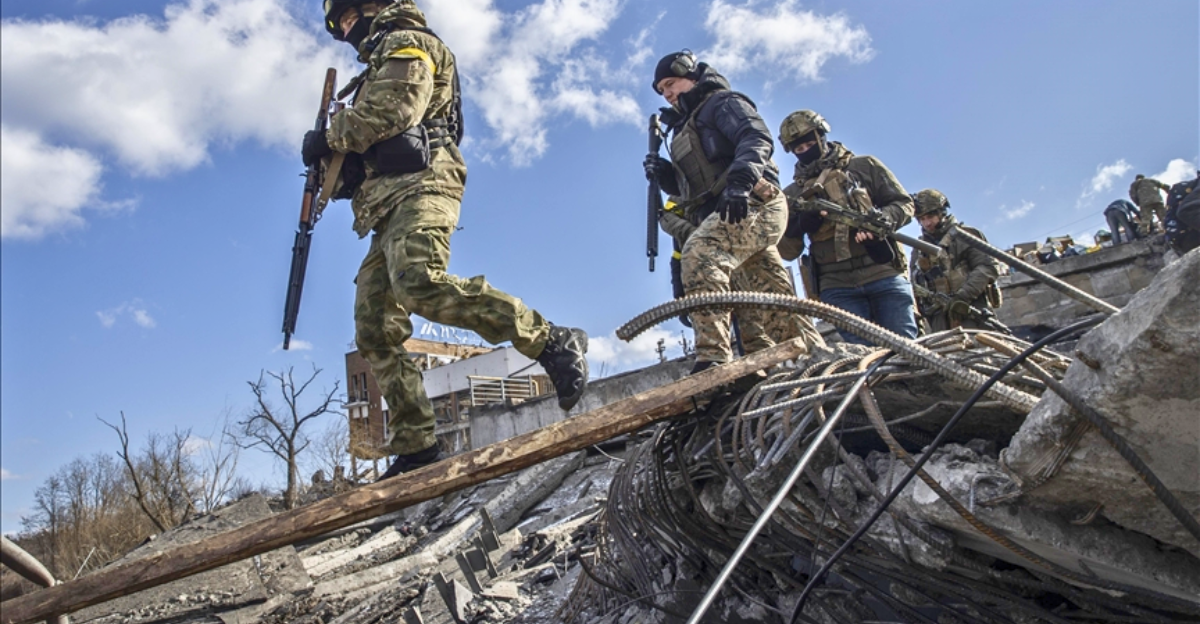
Since Russia’s full-scale invasion in February 2022, the conflict has devolved into a brutal war of attrition. Russian forces maintain control over significant swathes of eastern Ukraine, but face fierce resistance and mounting logistical challenges. The Donetsk region, officially annexed by the Kremlin but fiercely contested, remains a focal point for some of the war’s bloodiest fighting.
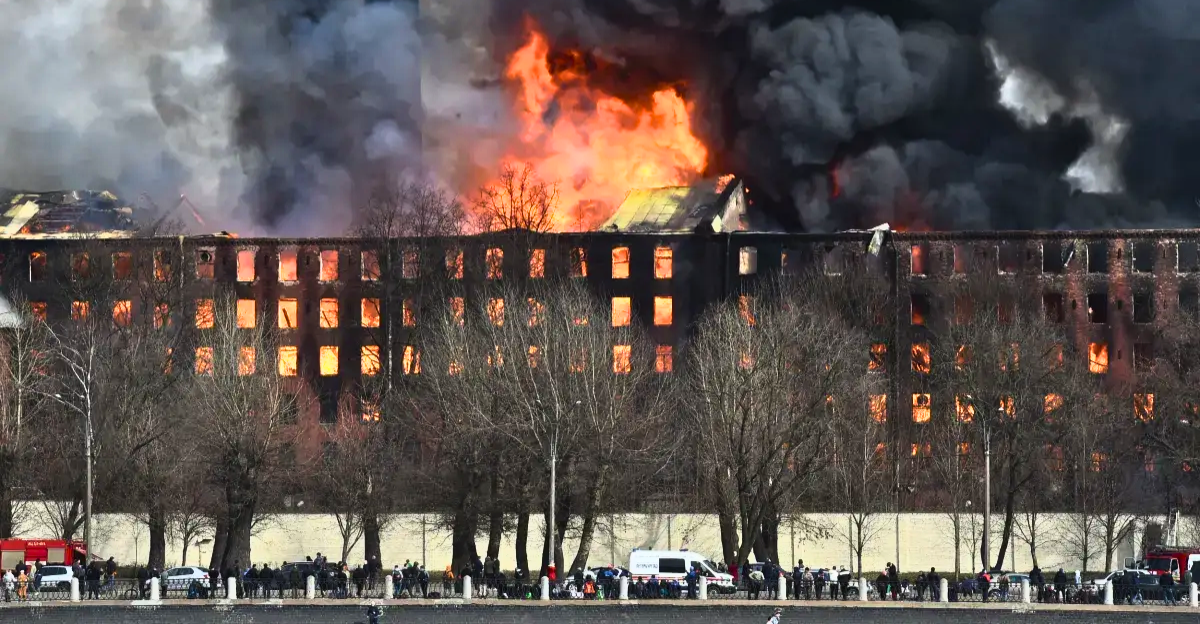
The conflict’s reach now extends far beyond the frontlines. In Kopeysk, nearly 1,000 miles inside Russia, an explosion at the Plastmass ammunition factory killed 23 workers and injured several more. The facility, a key producer of artillery shells and rockets for the Russian military, was reportedly struck after witnesses saw drones overhead. Russian investigators are probing both sabotage and negligence, but the blast has already disrupted regional munitions production and forced Moscow to reroute critical supplies.
Ukraine’s deep-strike capabilities have also grown. Recent drone and missile attacks have hit the Ryazan oil refinery, the Dyagilevo air base—home to Russia’s long-range bombers—and other strategic sites deep inside Russian territory. These strikes, among the deepest since the war began, have exposed vulnerabilities in Russia’s air defenses and signaled Kyiv’s ability to target assets once thought untouchable.
Economic Pressure and Civilian Toll

As refineries burn, Russia faces mounting economic pressure. The U.S. Treasury recently imposed new sanctions on Rosneft and Lukoil, the country’s two largest oil companies, which together control approximately 50% of national production. Economists warn that these measures, combined with the physical damage to refineries, could deepen Russia’s fuel crisis and further strain its wartime economy.
On the ground in Ukraine, civilians continue to bear the brunt of the conflict. Overnight missile strikes wounded seven people in Kyiv, damaging a synagogue and a kindergarten. In Kharkiv, firefighter Yuriy Chystykov was killed while rescuing victims from a burning home. “We are exhausted, but we have no choice but to keep going,” said Olena Kovalenko, a Kharkiv resident whose apartment was damaged in the latest attack. International condemnation has grown as Russia increasingly targets civilian infrastructure, especially as winter approaches.
Morale, Command, and the Cycle of Collapse
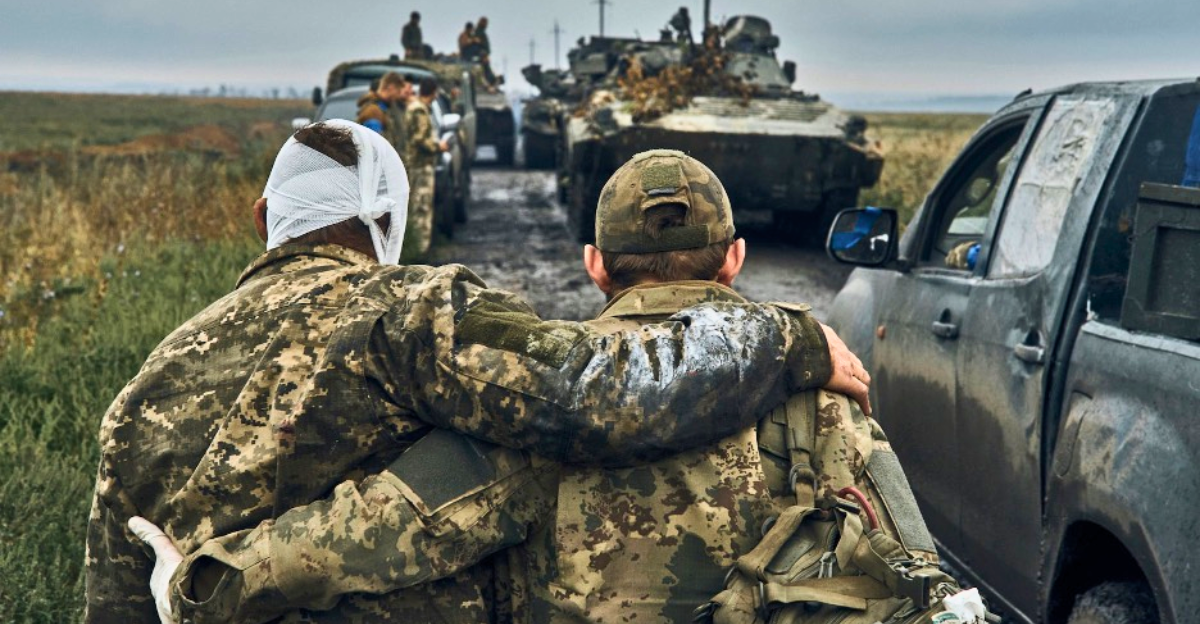
Ukraine’s intelligence service has tracked over 30 cases of Russian desertion involving stolen weapons or vehicles since late 2024. Analysts estimate that up to 25,000 soldiers have deserted from Russia’s Central Military District alone, with army-wide figures potentially reaching 70,000 this year. Reports describe a breakdown in trust between officers and enlisted men, fueled by supply shortages, harsh discipline, and command failures.
The mass surrender near Kucheriv Yar is seen by Ukrainian officials as a severe tactical and psychological blow to Russian forces. Military analysts note that visible surrenders can amplify anxieties across defensive sectors. While the immediate territorial gain was limited, the event has amplified concerns within the Kremlin, where officials have reportedly increased surveillance and discipline measures to prevent further capitulations.
A War at a Crossroads
As winter looms, the war appears to be entering a new phase. Ukraine’s deep strikes and psychological operations are testing the limits of Russian resilience, while sanctions and industrial setbacks strain Moscow’s ability to sustain its campaign. The so-called “annexed” territories are now marked by surrenders and uncertainty, and the factories that once fueled Russia’s invasion are themselves under siege.
Globally, military experts draw comparisons to other protracted conflicts where morale and logistics proved decisive. When soldiers lose faith in their mission and supply lines falter, even the largest armies can face serious challenges.
With both sides bracing for a harsh winter, the stakes remain high—not just for the territory in dispute, but for the future shape of the conflict itself.