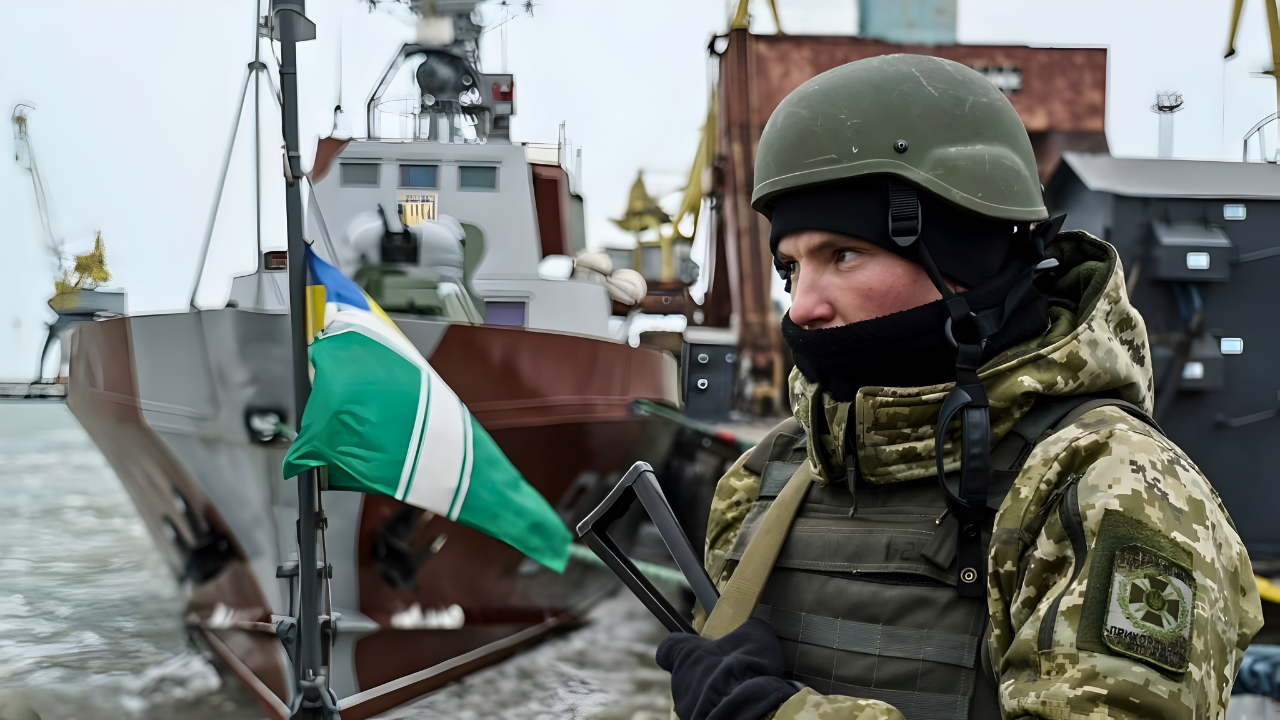
Two suspected Russian intelligence operatives quietly entered the United Kingdom in spring and summer 2025 aboard ordinary commercial cargo ships, revealing a new security blind spot for NATO. Instead of using embassies or spy vessels, the operatives blended into routine maritime trade, docking at Torquay, Middlesbrough, and Grangemouth.
From those ports, they traveled to locations near military bases and critical fuel infrastructure. Intelligence officials say the cases expose a systemic vulnerability in how commercial shipping is screened across Europe.
Why Cargo Ships Became Intelligence Tools
Following Russia’s 2022 invasion of Ukraine, the UK expelled 24 Russian officials and sanctioned more than 2,900 individuals and entities.
These actions sharply reduced Moscow’s ability to operate under diplomatic cover. Intelligence assessments now show that Russian services shifted toward commercial transport as an alternative covert pipeline. With Russian-linked interests dominating parts of the global shipping sector, merchant vessels offered low-visibility movement that bypassed tightened embassy-centered counterintelligence measures.
Port Security Meets Everyday Trade
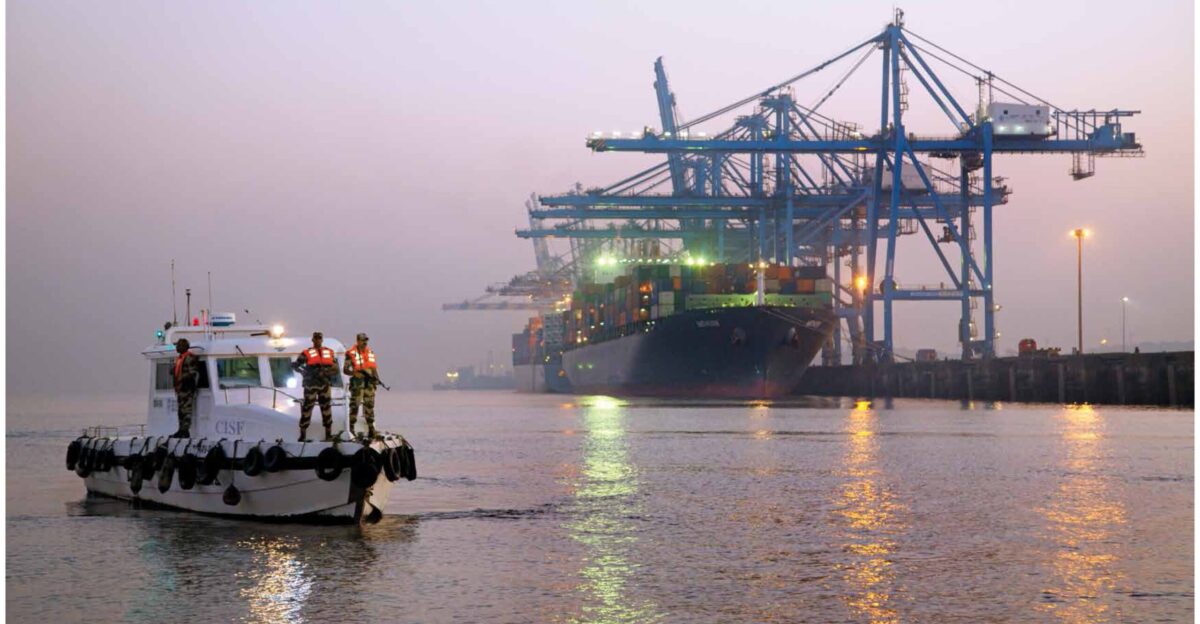
The two operatives entered Britain through active commercial ports handling thousands of legitimate workers and shipments. One traveled from Finland, the other from Kaliningrad. Both moved through ordinary cargo traffic before being tracked near sensitive military and fuel sites.
The cases show how standard port procedures prioritize efficiency and trade flow over intelligence screening, creating an environment where operatives can enter undetected among hundreds of routine crew rotations each month.
Shipping Companies Under Scrutiny
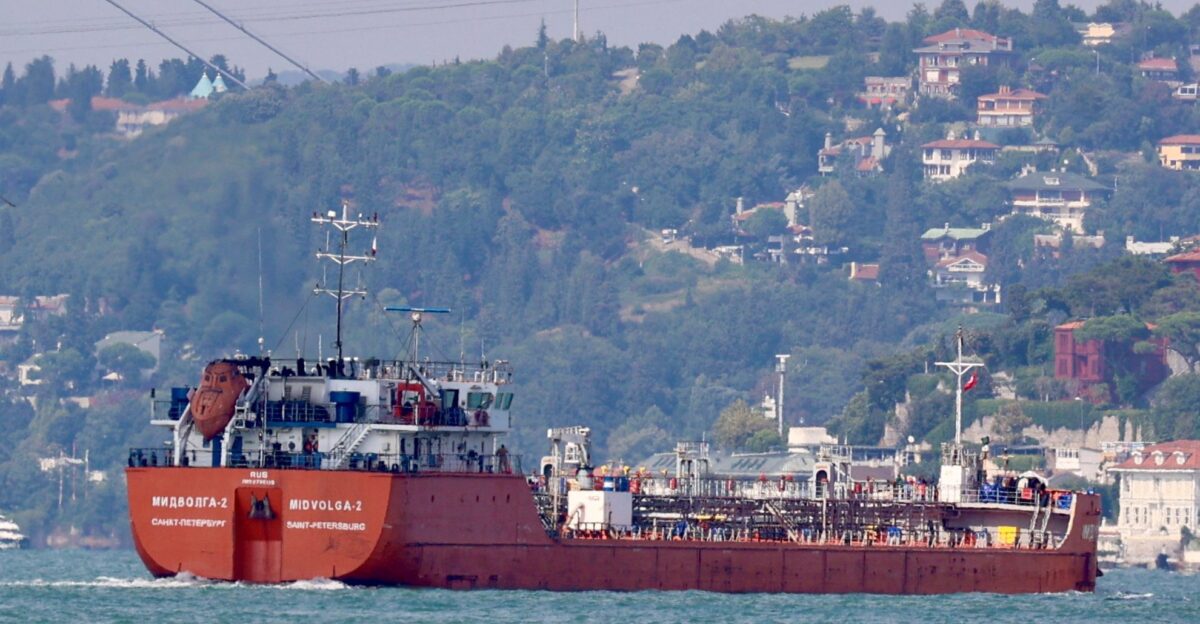
The revelations have placed unprecedented pressure on shipping firms to verify ownership structures, crew backgrounds, and indirect Russian links. Intelligence officials stress that the operatives did not sail on shadow-fleet tankers or Russian-flagged ships.
They traveled on legitimate commercial vessels. This reality complicates compliance for global carriers, who now face heightened due-diligence demands from regulators and insurers while trying to maintain uninterrupted trade contracts and tight delivery schedules.
Shadow Fleets and Undersea Threats
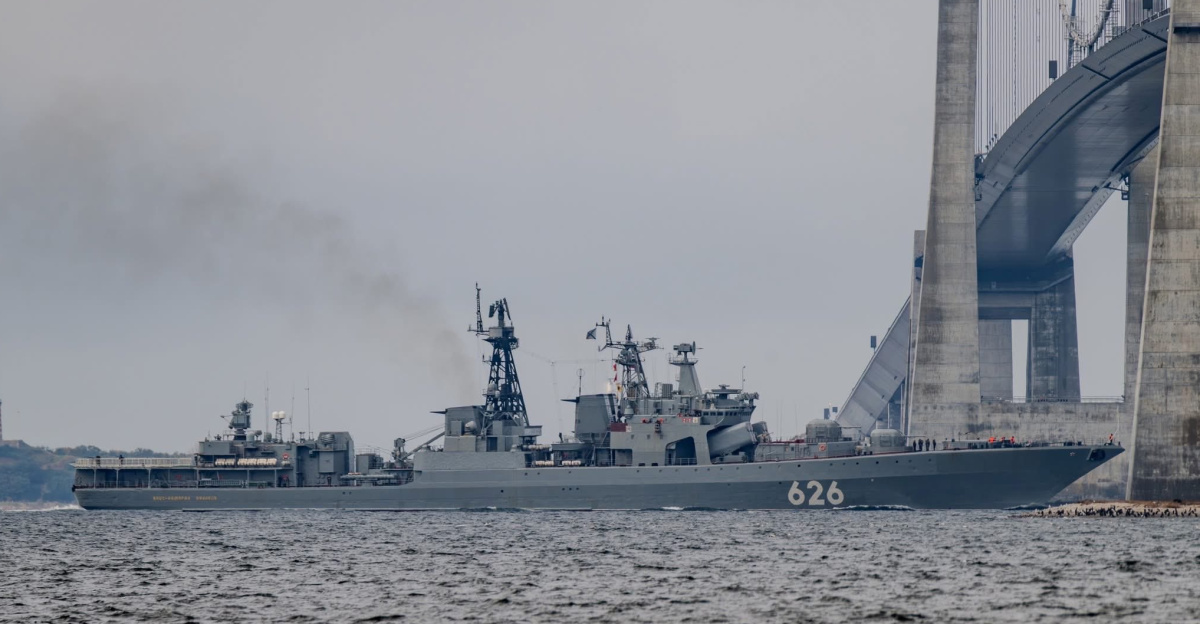
The cargo-ship infiltrations intersect with broader Russian maritime activity involving shadow fleets and specialized surveillance vessels. These platforms have been linked to undersea cable mapping and energy infrastructure monitoring in the North Sea and Baltic regions.
Together, they form a layered maritime intelligence strategy that blends overt commercial traffic with covert reconnaissance tools. Ordinary freighters and specialized spy vessels now operate as complementary components within the same gray-zone campaign.
Baltic and North Sea Trade Corridors
Busy trade corridors connecting the Baltic Sea and North Sea have become key surveillance environments. Intelligence services now link covert Russian activity to repeated monitoring of energy terminals, port infrastructure, and naval facilities across multiple NATO states.
The same shipping routes that support European energy security and commercial supply chains also provide high-volume cover for reconnaissance. Coastal governments now face mounting costs for escorts, continuous monitoring, and maritime domain awareness expansions.
Seafarers Caught in the Middle

The operatives reportedly traveled as ordinary crew members among multinational ship teams. As a result, thousands of legitimate merchant sailors now face more intrusive vetting, longer inspections, and extended port delays. Maritime unions warn that security pressure could lead to profiling and job disruptions.
Governments counter that tighter screening near sensitive military and energy sites is unavoidable. The human cost of gray-zone warfare is increasingly being absorbed by civilian workers.
NATO’s Policy and Naval Response

NATO has intensified its focus on protecting maritime and undersea infrastructure since 2023. New coordination centers and dedicated naval patrol missions were launched to enhance surveillance of suspicious vessels near pipelines and data cables.
These efforts are designed to close gaps exposed by the cargo-ship infiltrations and rising shadow-fleet movements. The shift marks one of the most significant expansions of NATO’s maritime security posture since the Cold War.
Economic and Insurance Costs
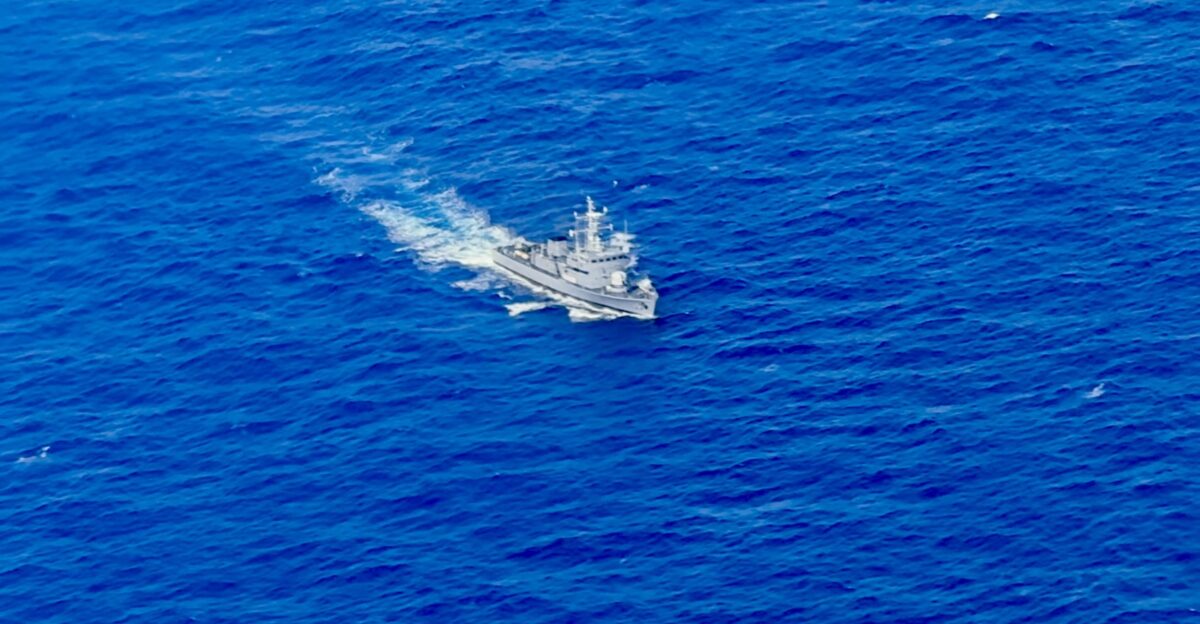
Espionage risk now factors directly into port insurance, freight contracts, and infrastructure financing. Higher premiums, additional inspections, and expanded monitoring systems are increasing operating costs across Europe’s maritime sector.
Governments must also divert defense budgets toward naval patrols and sensor networks. Analysts warn that any successful sabotage of undersea cables or fuel terminals could trigger cascading disruptions across digital services, energy pricing, and international trade payments.
Daily Life and Infrastructure Resilience
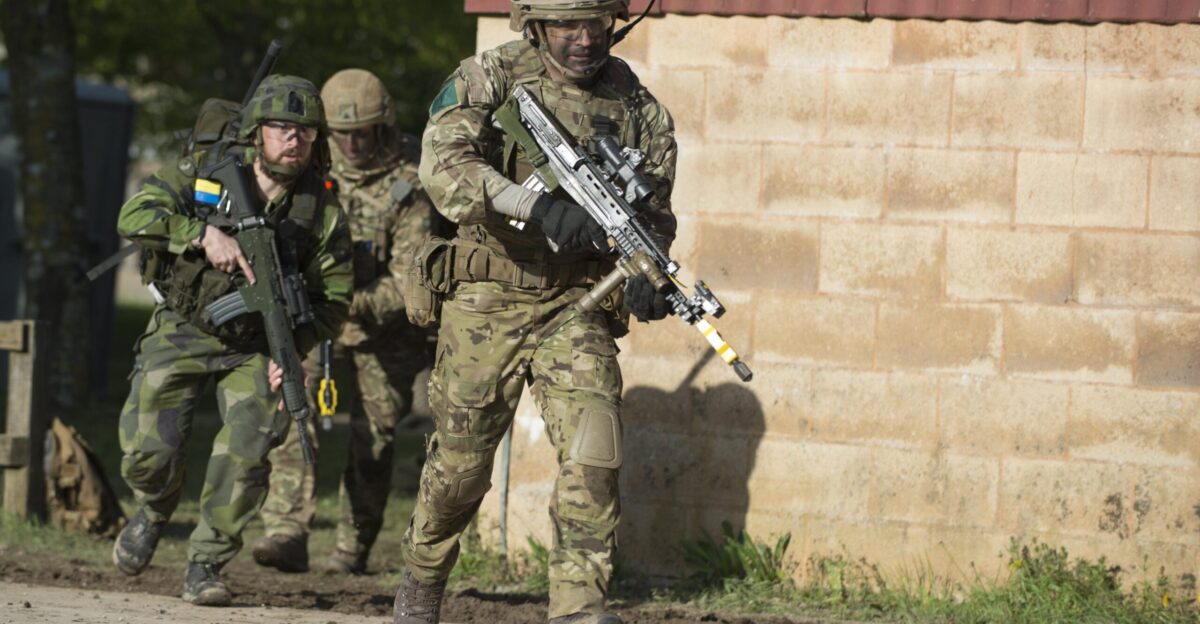
The sites visited by the operatives included critical fuel infrastructure and areas near Lulworth Firing Range, where British forces train Ukrainian soldiers. In response, authorities have quietly reinforced physical security, surveillance coverage, and access controls.
While port activity appears outwardly unchanged, residents near strategic sites may notice increased patrols and restricted zones. The goal is to harden civilian infrastructure against military-grade intelligence collection without alarming the public.
Cultural Debate on Gray-Zone Warfare
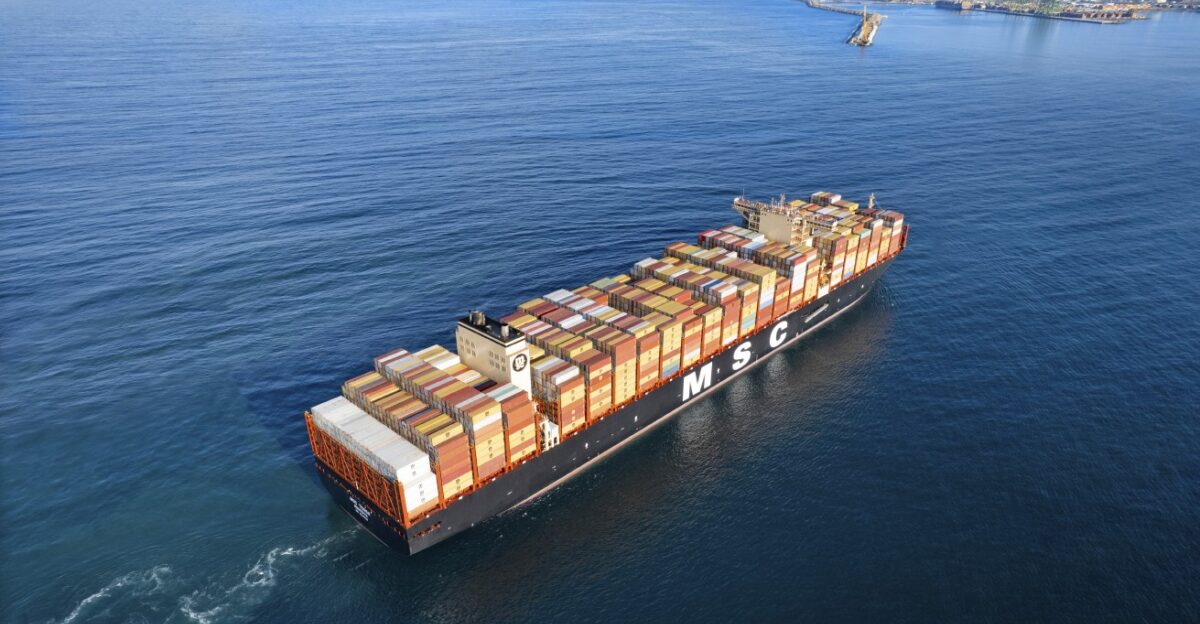
The use of commercial vessels for intelligence missions intensifies debate over where civilian activity ends and warfare begins. Russia’s strategy blends trade, infrastructure, cyber activity, and surveillance into a continuous pressure campaign below the threshold of open conflict.
Traditional legal and military definitions of attack struggle to keep pace with such hybrid tactics. Democratic states now confront difficult choices on deterrence, escalation control, and how to respond to non-kinetic aggression.
Public Trust in Trade and Travel
Reports of covert surveillance linked to routine shipping are eroding public confidence in maritime commerce as a neutral activity. From Britain to the Baltic states, citizens increasingly view ports and infrastructure through a national security lens.
Governments in Northern Europe now openly warn about aggressive Russian intelligence behavior. These disclosures are reshaping public attitudes toward long-term defense spending, port security measures, and NATO’s expanded military presence along trade corridors.
New Winners and Losers

The security shift is generating rapid investment in naval drones, underwater sensors, AI-driven monitoring platforms, and port-protection technologies. Defense contractors and maritime-security firms stand to benefit from sustained NATO demand.
At the same time, shipping companies with Russian links face tighter sanctions, vessel seizures, and route exclusions. Some ports labeled higher-risk may lose traffic to alternative hubs as carriers seek to minimize inspection delays and political exposure.
Market Signals and Consumer Readiness

Investors are increasingly tracking defense, cybersecurity, and maritime-technology sectors as structural growth areas tied to infrastructure protection.
Businesses are urged to diversify logistics partners, reinforce data-backup systems, and adopt contingency planning for energy and cable disruptions. Consumers may experience indirect effects through fuel pricing, digital service reliability, and shipping delays. Gray-zone maritime security has now become a routine factor in commercial risk management across Europe.
What’s Next: Ports as a Long-Term Battleground
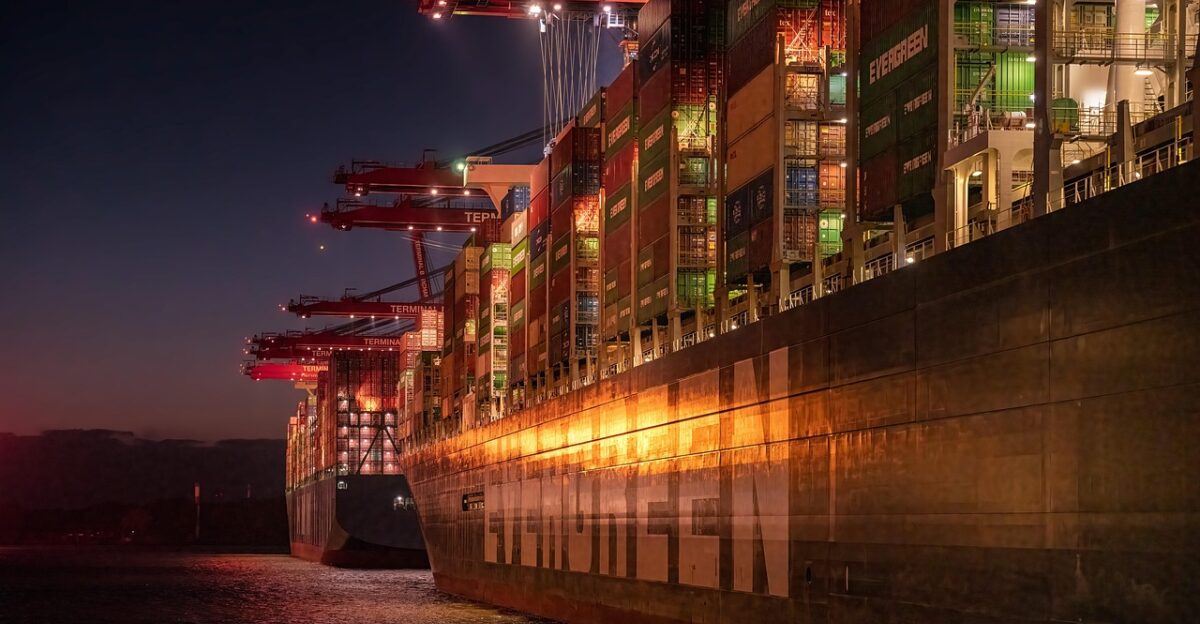
The spring and summer 2025 cargo-ship infiltrations confirm that Europe’s ports and sea lanes have become permanent front lines of gray-zone conflict. With diplomatic cover reduced, Russian intelligence now exploits the global supply chain itself for covert movement and surveillance.
NATO’s ability to secure commercial maritime space—without crippling trade—will shape Europe’s future security, energy resilience, and technological stability. The contest is no longer offshore. It is embedded directly in everyday commerce.
Sources:
- The i Paper (UK)
- Fox News – “Russian spies infiltrate UK on cargo ships to scout military sites, find weaknesses”
- Daily Express – “Suspected Russian agents ‘slip into UK on cargo ships’”
- GB News – “Suspected Russian spies ‘snuck into Britain using cargo ships’ in major security blunder”
- ACLED – report “Testing the waters: Suspected Russian activity challenges Europe’s support for Ukraine”
- UK Government – “UK sanctions following Russia’s invasion of Ukraine” (sanctions overview)
- Hudson Institute – “Deterrence on NATO’s Eastern Flank” / related testimony and analysis
- U.S. Helsinki Commission / CSCE hearing material on “Deterrence on NATO’s Eastern Flank”