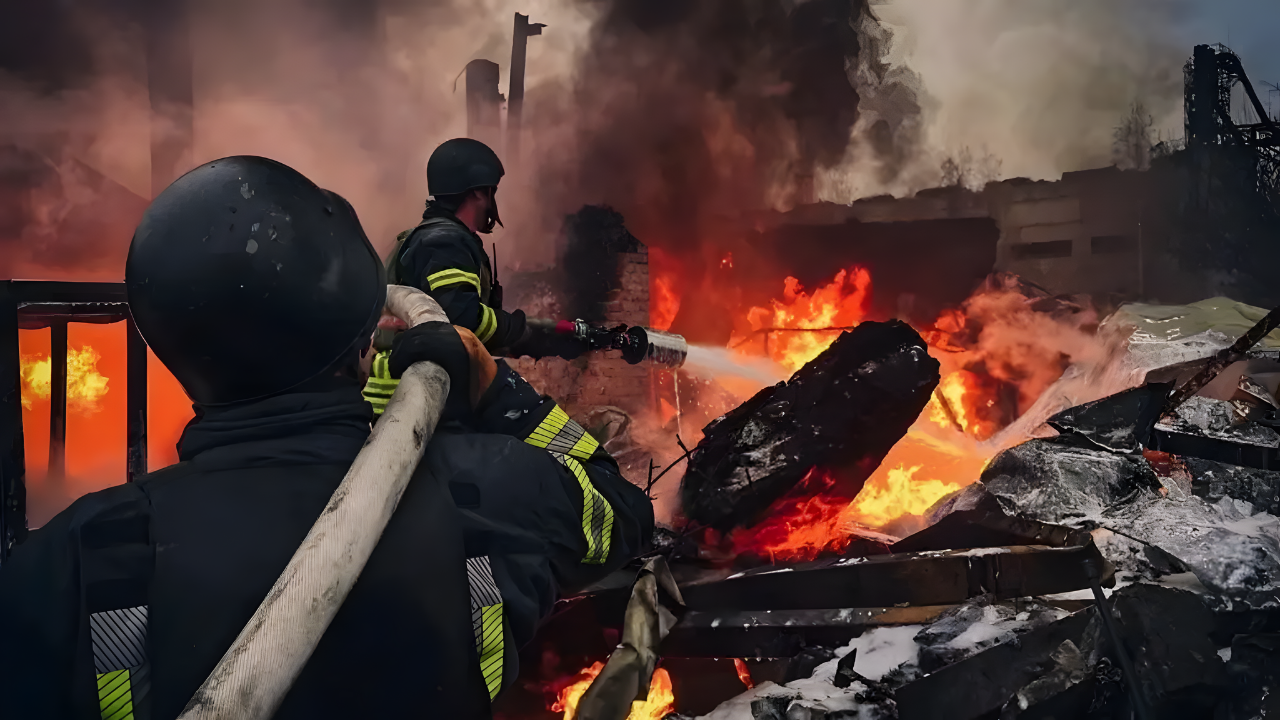
Air-raid sirens pierced the Ukrainian night on December 7-8, 2025, as Russia unleashed 149 attack drones from six locations, targeting energy infrastructure and urban areas in one of the war’s largest single-night barrages. Defenders intercepted most, but 16 drones struck, causing damage and injuries amid winter’s onset.
A Coordinated Multi-Vector Strike
Drones launched from Bryansk, Oryol, Kursk, Primorsko-Akhtarsk, Millerovo in Russia, and Chauda in occupied Crimea, spanning a 1,300-kilometer arc. This dispersion forced Ukraine’s air defenses—aviation units, anti-aircraft missiles, electronic warfare, counter-UAV tools, and mobile fire groups—to respond across north, south, and east regions simultaneously. The strategy aimed to saturate radar and missile systems, hitting not only military targets but also power grids and residential zones. Alerts blanketed the country, affecting an estimated 10 to 20 million people who sheltered in basements and subways for hours.
The Scale of the Assault
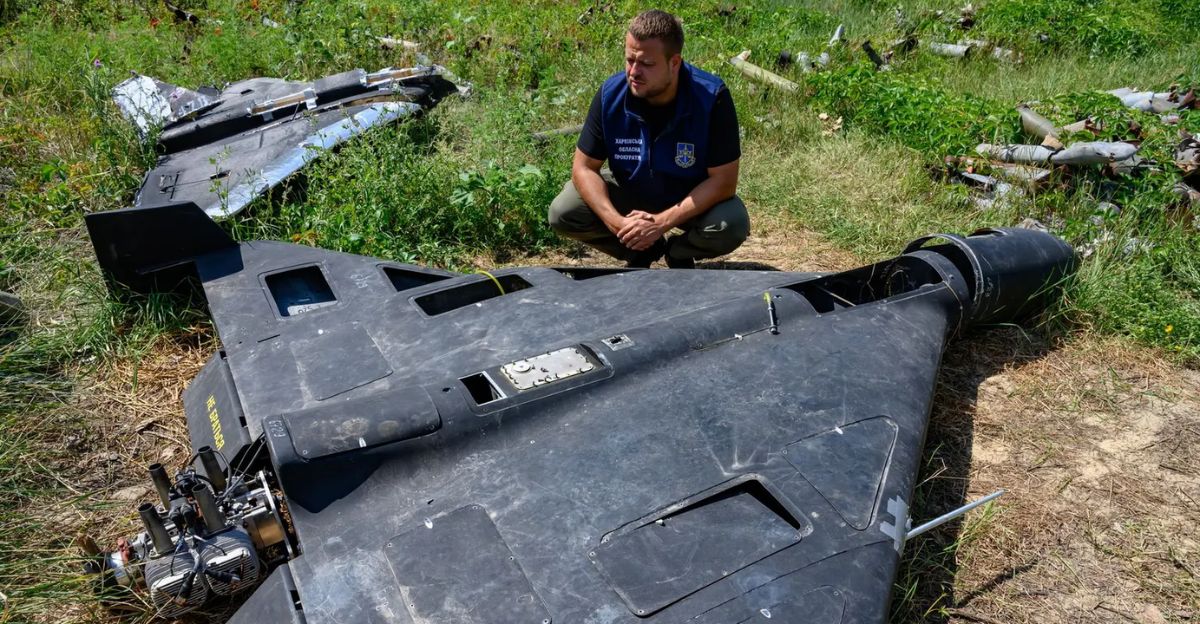
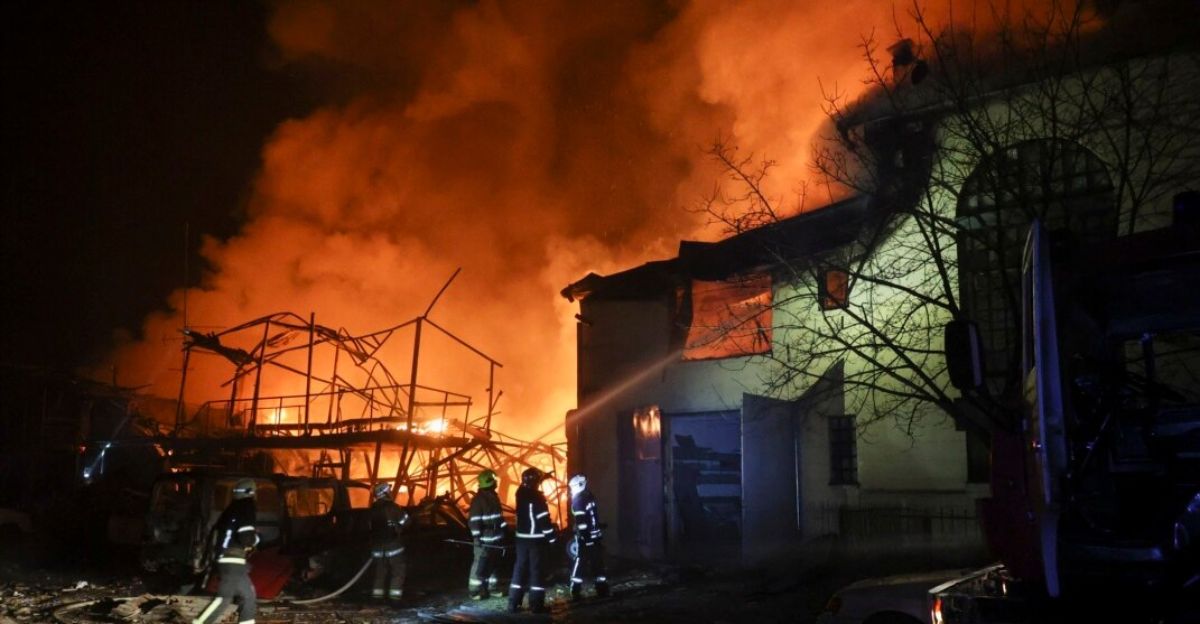
Officials confirmed 149 drones launched overnight, including about 90 Shahed-type and others like Gerbera models. The barrage tested Ukraine’s endurance as cold weather amplified risks to heating, hospitals, and communications. By 09:00 local time, the Air Force reported 131 drones shot down or suppressed—an 88% interception rate, a notable defensive success. Still, the remaining 16 hit 11 sites, with debris falling at four more, igniting fires and outages.
Impacts on Energy and Civilians
Direct hits damaged power generation, transmission, and distribution in multiple regions, following Russia’s pattern since 2022 of targeting the grid to impose blackouts. The Ministry of Energy noted strain on repair efforts from prior strikes, warning of potential cascading failures. In Okhtyrka, Sumy region, one drone struck a nine-story residential building, injuring seven civilians amid shattered windows and structural harm. Emergency teams responded, highlighting vulnerabilities in civilian areas despite the assault’s infrastructure focus.
Defensive Achievements and Costs
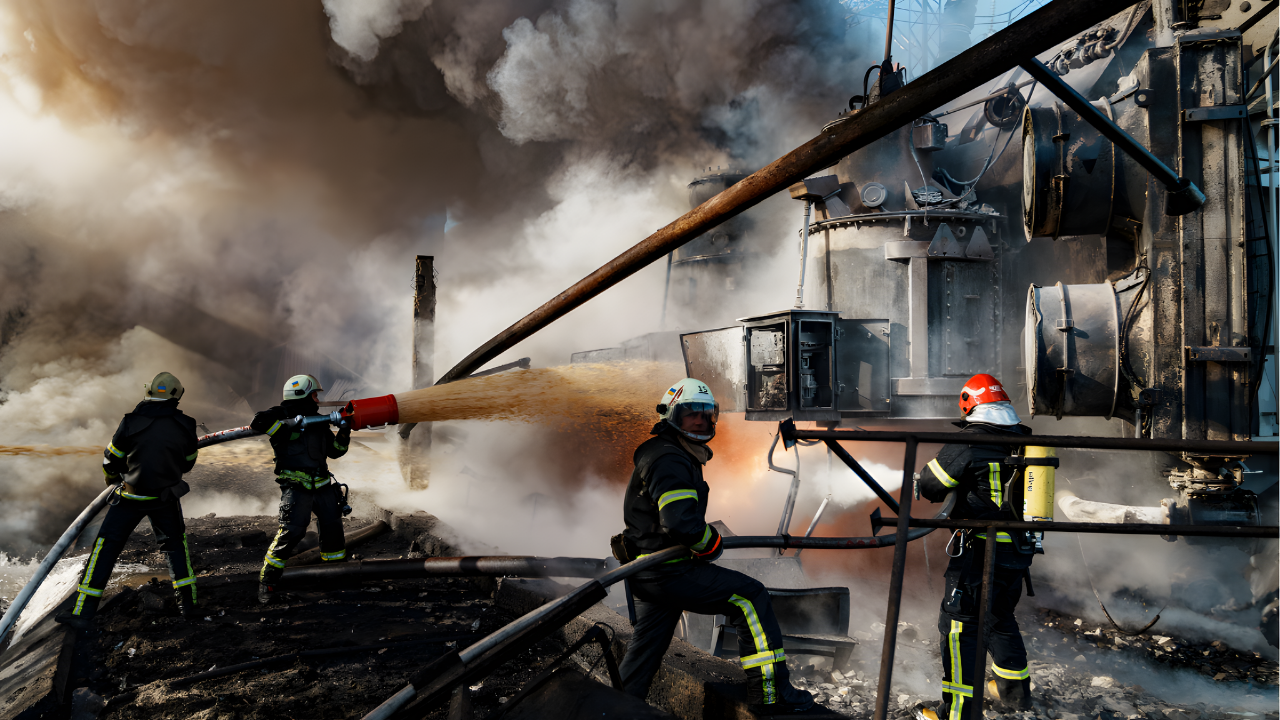
Ukraine’s layered defenses neutralized most threats, destroying an estimated $13–26 million in Russian assets at $100,000–$200,000 per drone. Energy crews swiftly deployed mobile generators, black-start protocols, and planned imports from Europe to restore 11 sites. Yet experts note the toll: downing 131 drones depleted missiles, ammunition, and electronic warfare resources, vulnerable to Russia’s industrial-scale production. Sustained swarms could outpace resupplies.
Strategic Pressures Ahead
This winter-timed attack underscores Russia’s bid to erode civilian resilience through darkness and cold, while Ukraine balances interception gains against ammunition limits. Repair progress hinges on averting repeats, as grid stability affects daily life and military operations. The incident reveals the conflict’s evolving aerial dynamics, where high defensive rates mask growing risks to non-combatants and infrastructure endurance.
Sources:
Ukrainska Pravda (English edition) — “Russians attack Ukraine with 149 UAVs, 131 of which fail to reach their targets” — December 8, 2025
Kyiv Independent — “Ukraine war latest: Kyiv shifts focus to soldier training and safety amid continued Russian offensive, Syrskyi says” — December 8, 2025
Ukrinform — “Russian drones attack Okhtyrka in Sumy region, leaving seven people injured” — December 7-8, 2025
Eurasian Crisis — “Russian Drone And Missile Barrage Devastates Ukraine” — December 9, 2025
CBS News — “2 killed in Russia while Ukraine’s energy infrastructure is targeted and peace talks press on” — December 13, 2025