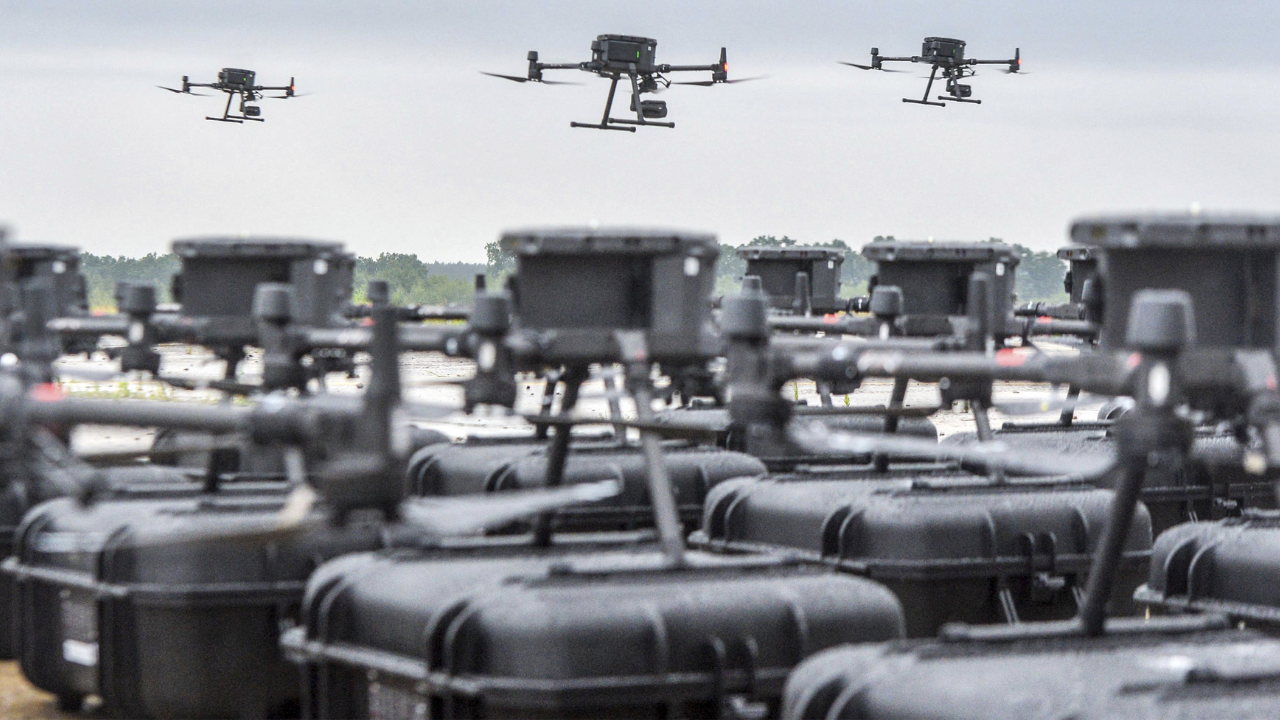
On the evening of December 2, U.S. envoys Steve Witkoff and Jared Kushner met with Vladimir Putin at the Kremlin in a marathon five-hour discussion aimed at exploring a possible settlement in Ukraine. As talks unfolded, Russia launched a coordinated strike of 111 drones across multiple regions, highlighting a persistent strategy: pursuing diplomacy while keeping military pressure high.
Ukrainian defenses intercepted 83 drones, but 27 reached targets, killing at least two civilians and damaging infrastructure. Kremlin spokesperson Dmitry Peskov stated, “Compromises have not yet been found,” framing the talks as ongoing yet far from agreement. The meeting underscored that while intermediaries engage Moscow, Ukraine’s fate is still being shaped by military realities.
Putin’s Framing of Strength
During the December 2 talks, Kremlin messaging emphasized that Russia negotiates from a position of battlefield confidence rather than mutual compromise. Peskov noted that “compromises have not yet been found,” while Russian media repeatedly highlighted Putin’s assertion that he feels “absolutely confident on the battlefield.” This rhetoric coincided with drone strikes targeting civilian areas across Ukraine, sending a clear signal that military pressure would continue regardless of negotiations.
The U.S. delegation, though lacking formal diplomatic roles, was treated as a serious channel to test whether Moscow might accept a settlement. Yet Russian forces control roughly 19% of Ukraine’s territory—about 115,600 square kilometers—and have advanced toward Pokrovsk, solidifying leverage.
The synchronized timing of the strikes and discussions illustrated Russia’s approach: maintain pressure while signaling a willingness to engage in diplomacy, but only from strength.
The Proposal and Putin’s Response
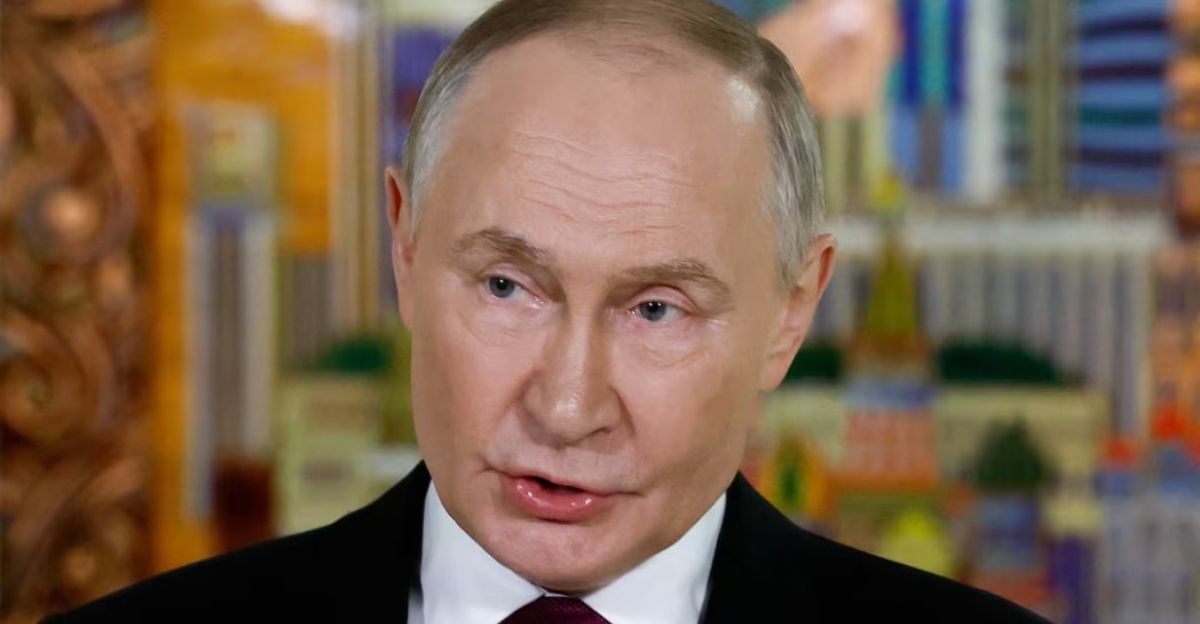
Reports indicate a 28-point proposal linked to Trump associates suggested Ukraine cede Crimea, Luhansk, and Donetsk while reducing armed forces to 600,000 personnel. Kremlin officials described parts of these ideas as “acceptable” while rejecting others outright. Putin’s response was firm: Russia would seize contested areas by force or compel Ukrainian troops to withdraw entirely, refusing compromise on core territorial demands.
The proposal underscored the gap between U.S.-linked ideas and Moscow’s expectations. While the intermediaries explored potential concessions, Russia’s insistence on permanent territorial gains revealed that any settlement would be dictated as much by battlefield realities as by diplomatic dialogue. These developments highlighted the limits of behind-the-scenes negotiations without Ukraine’s direct participation.
Ukraine Excluded, Human Costs Mount
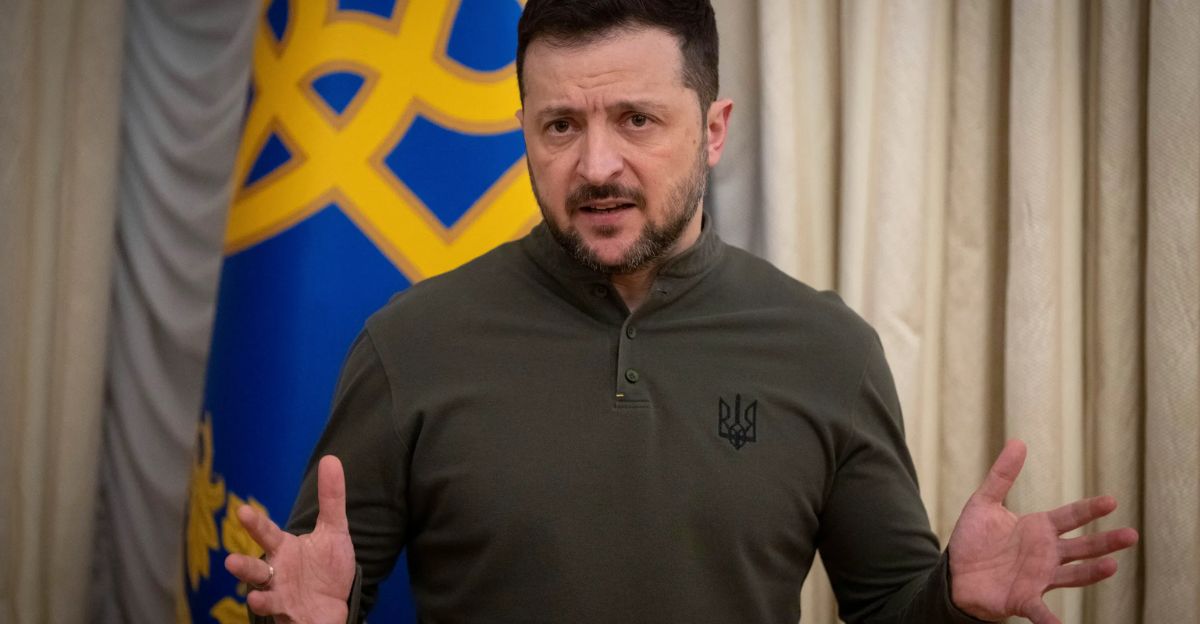
President Volodymyr Zelenskyy was not part of the Moscow talks, warning against “behind-the-scenes maneuvering regarding Ukraine” and insisting “there will be no easy solutions.” On the ground, the consequences of Russia’s drone assault were immediate and devastating.
In Ternivka, Dnipropetrovsk, two men—43-year-old miner Vitaliy Korotich and 50-year-old retired miner Valeriy Kalinevich—were killed, three others were injured, and multiple homes were damaged. Across the country, additional casualties and infrastructure damage were reported, with power cuts and fires compounding human suffering.
These strikes emphasized that negotiations conducted without Kyiv’s direct involvement have tangible consequences for civilians. They reinforced the perception that Moscow’s military operations remain central to its strategy, while intermediaries’ diplomatic efforts occur in the shadow of ongoing violence.
Energy Systems Under Strain
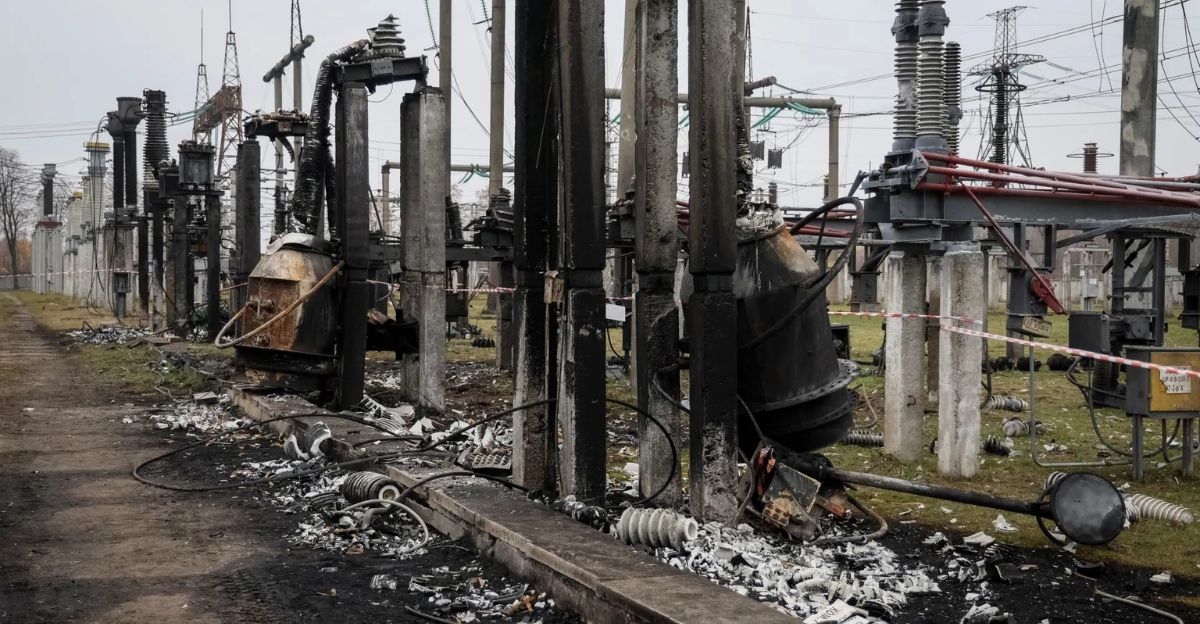
The December 2-3 attacks intensified pressure on Ukraine’s energy grid as winter deepened. Strikes affected Kyiv, Lviv, Zaporizhzhia, and Odesa, leaving 51,000 consumers temporarily without power and 9,500 families in Odesa without heating. Water supply systems also failed, disrupting sanitation and basic services. Hospitals, food supply networks, and critical infrastructure faced rolling blackouts, affecting surgery schedules, hygiene, and overall daily life.
The Zaporizhzhia nuclear plant lost off-site power for approximately 30 minutes on December 5, marking the 11th such outage since the invasion began in February 2022, according to the IAEA. Each outage forces reliance on emergency diesel generators and raises nuclear safety risks. International estimates suggest reinforcing Ukraine’s energy network could cost close to €20 billion, a figure complicated by continued attacks.
Economic Shock for Businesses
Repeated power and water disruptions have shaken Ukraine’s small and medium-sized enterprises, vital to the national economy. Firms operate in “maintenance mode,” focused on survival rather than growth. Outages disrupt production, inventory, transportation, and customer service, while factories stand idle and refrigerated goods spoil. Supply chain instability pushes up costs and undermines confidence.
Beyond economic output, public health suffers. Pump failures in dense urban areas compromise sanitation and safe food preparation. Combined with labor shortages, damaged facilities, and reduced purchasing power, these disruptions deepen the challenges facing Ukrainian communities. Civilians and businesses alike continue to endure the ripple effects of ongoing military strikes during what is already a harsh winter.
Negotiating From Strength
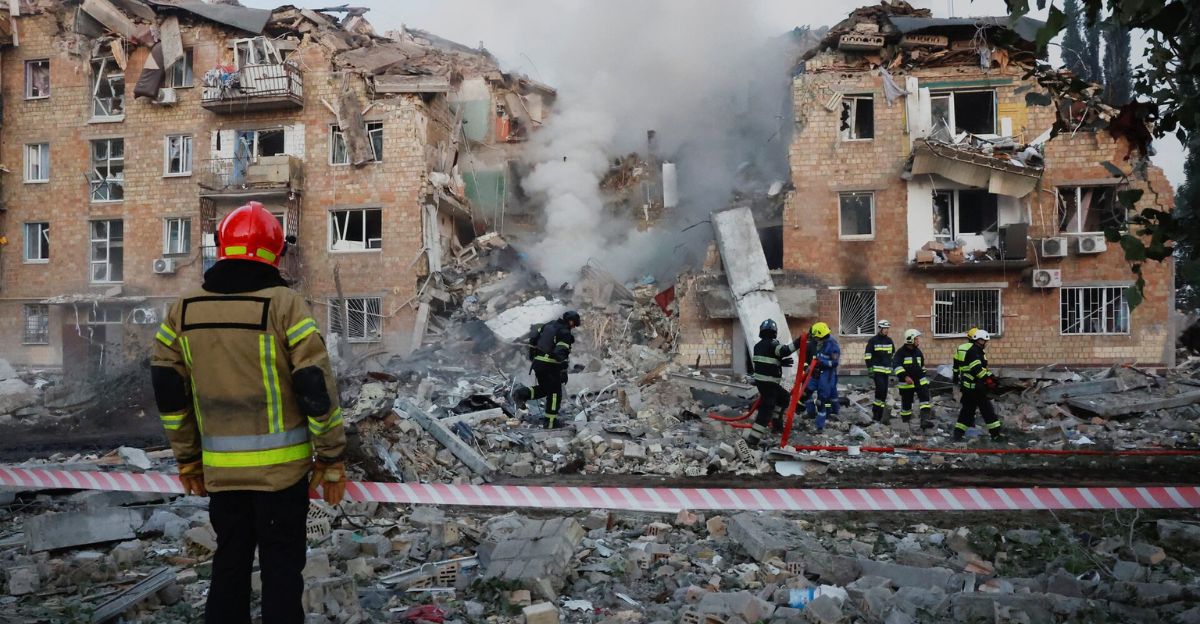
The December 2 drone assault underscored Putin’s consistent approach: maintain military pressure while engaging intermediaries. Follow-up meetings in Miami on December 5-6 failed to resolve key issues, including territorial control and sovereignty.
As winter progresses, Ukraine faces military threats, energy shortages, economic disruption, and nuclear safety concerns. For Russia, the message is clear: diplomacy may occur, but any settlement will be shaped as much by the ground situation as by negotiating tables. These developments illustrate the high stakes for Ukraine, the limits of behind-the-scenes diplomacy, and the human costs of continued conflict.
Sources:
Reuters – December 2-3, 2025 (Witkoff-Kushner-Putin meeting, talk duration, drone attack)
Ukrainian Air Force – December 3, 2025 (111 drones launched, interception rate)
Kyiv Independent – December 2-3, 2025 (casualty figures, regional damage)
Al Jazeera – December 2-4, 2025 (Putin statements, territorial demands)
International Atomic Energy Agency (IAEA) – December 5-6, 2025 (Zaporizhzhia nuclear plant 11th power outage)
Axios – November 20 & December 2, 2025 (28-point peace plan details)
UNDP – February 2024 (Ukrainian SME assessment, maintenance mode operations)
Ukraine Facility Platform (UAFP) – November 3, 2025 (heating season risks, energy infrastructure analysis)
U.S. News & World Report – December 6, 2025 (Odesa heating and water supply figures)