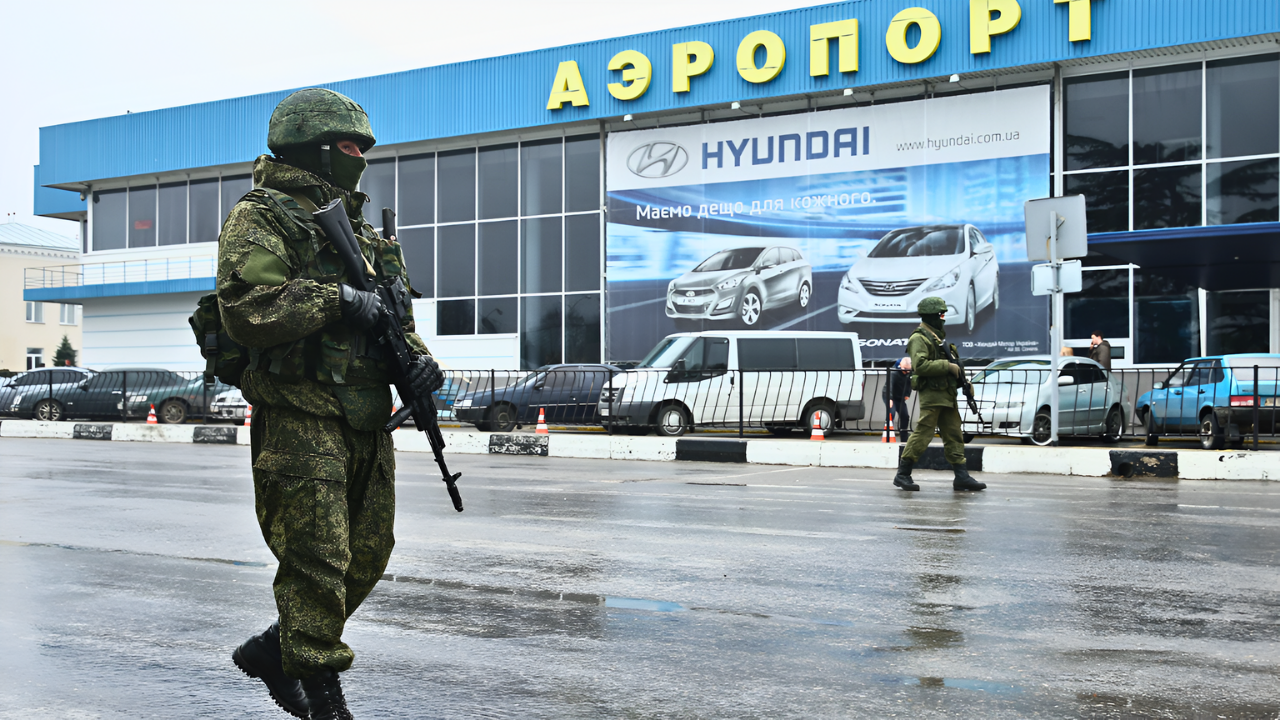
Since November 19, 2025, Russian authorities have stationed military officers at twelve major airports to intercept arriving citizens with draft summonses. What officials call immigration enforcement has become a conscription dragnet targeting naturalized citizens and expats.
The moment passengers land, they face fines of $330 for non-compliance—and the threat of being forcibly deployed to Ukraine. This isn’t a bureaucratic procedure. This is a trap.
State TV Accidentally Exposes the Real Purpose
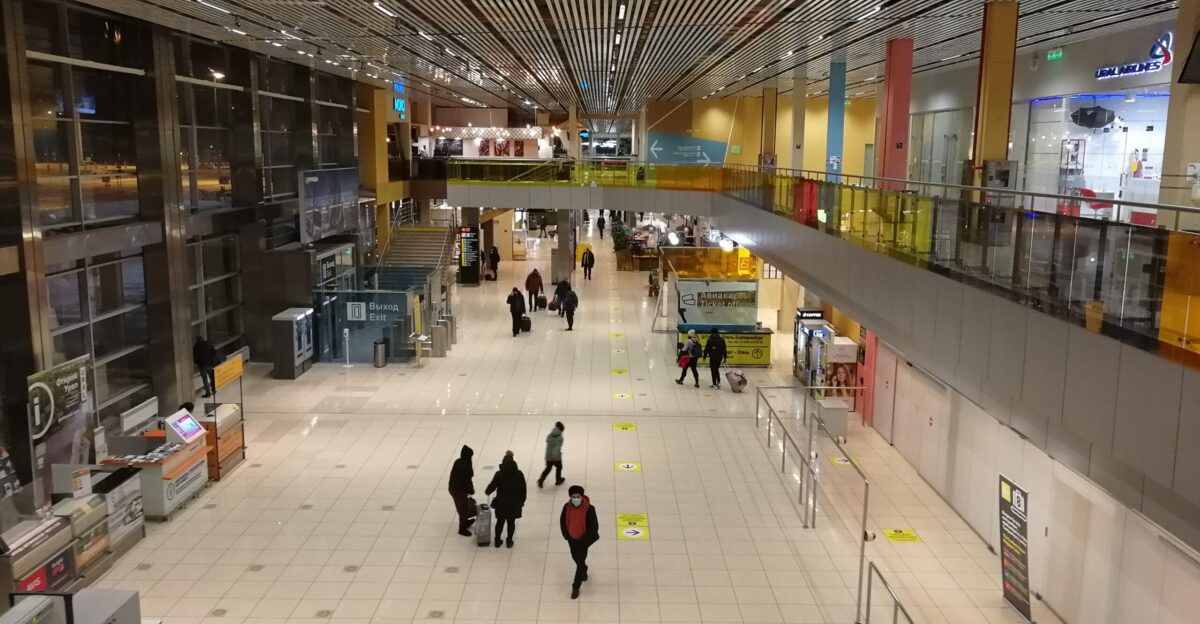
State television inadvertently revealed what was actually happening. Vesti Ural broadcast footage on November 20, 2025, showing Russian citizens—not foreign nationals—detained at Koltsovo Airport in Yekaterinburg and handed draft notices on the spot.
The reporter explained that arriving passengers “couldn’t simply fly back out.” Despite holding return tickets for the next day, they faced immediate military registration requirements. One man had landed in the Urals only hours before. Now he couldn’t leave.
Twelve Airports Cover 70% of Russia’s Traffic
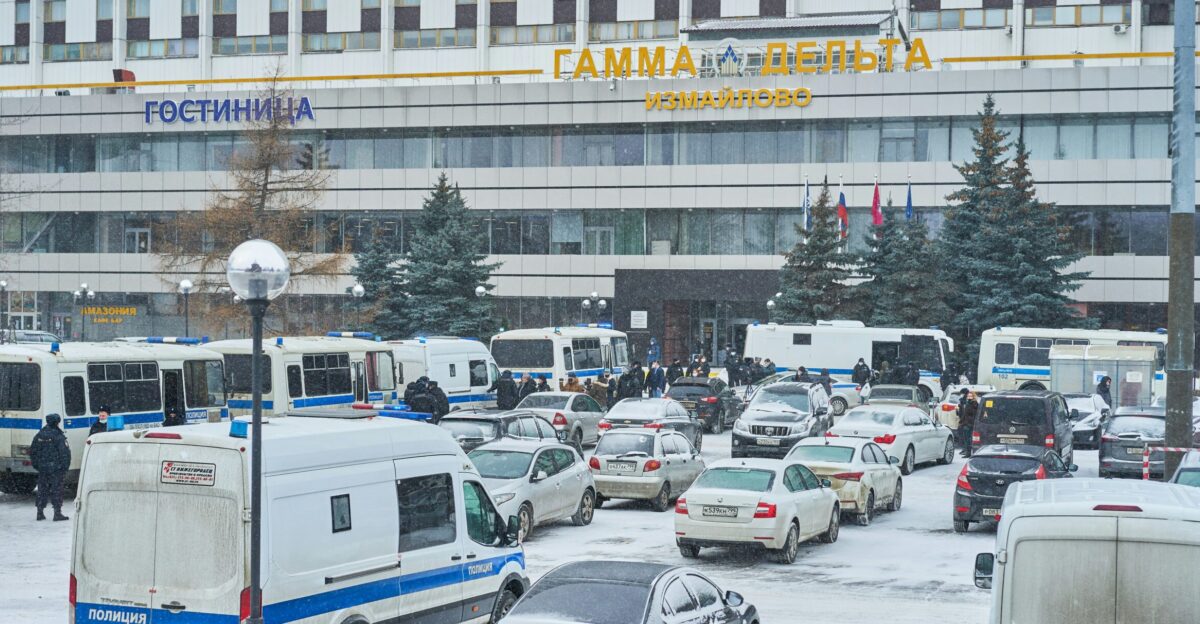
Twelve migration control points now operate across Russia’s major airports: Moscow’s three hubs (Sheremetyevo, Vnukovo, and Domodedovo), Saint Petersburg’s Pulkovo, Yekaterinburg’s Koltsovo, plus Sochi, Kazan, Novosibirsk, and five other locations.
These twelve airports alone handled over 150 million passengers in 2024—capturing approximately 70-80% of Russia’s international passenger traffic. Most returning citizens have no choice but to pass through a military checkpoint.
Ten Times the Fine, Maximum Leverage

Fines for non-compliance reach 30,000 rubles—roughly $330 USD. But that’s just the financial component. This represents a tenfold increase from previous maximum penalties, part of legislation Putin signed in August 2023. The same law raised penalties for failing to report address changes to military offices.
The escalating financial consequences are designed as leverage. Comply or face mounting financial and legal consequences.
Your Name Enters a Database That Never Forgets
Russia’s electronic draft notice system, fully operational by 2025, allows authorities to serve summonses through the Gosuslugi government portal. Once a notice appears online, it’s legally delivered—whether you read it or not.
Your name is automatically entered into databases, triggering travel bans, loan denials, property transaction blocks, and prohibitions on business registration. The FSB Border Service maintains real-time access. You can’t escape the system.
They’re Targeting Men of ‘Non-Slavic Appearance’

Military law expert Timofey Vaskin reveals the discriminatory selection criteria. Authorities focus on men “of non-Slavic appearance” due to resource constraints. “They can’t check every arriving male passenger,” Vaskin told United24 Media in November 2025. “The Interior Ministry and military offices are severely understaffed.”
This ethnic profiling isn’t a bug in the system—it’s the system: limited resources + selective enforcement = racist dragnet.
Naturalized Citizens Face Deportation; Native Russians Don’t

This is where the cruelty becomes systematic. Naturalized citizens face far greater risks than native-born Russians. While ethnic Russians can often ignore draft notices without serious consequences, naturalized citizens risk passport revocation, legal status complications, and deportation.
Those from Central Asia, the Caucasus, and occupied Ukrainian territories are disproportionately targeted. Accept Russian citizenship, and you’ve signed a military contract you didn’t realize you were signing.
Moscow Metro’s Facial Recognition Came First

Airport interceptions follow Moscow’s facial recognition dragnet in the metro system. Since October 2025, police have used surveillance networks to identify and detain draft-age men who challenged conscription orders in court.
Oleg Filatchev from the Civil Alliance of Russia reports that detainees are held at conscription centers without lawyer access. The metro program proved authorities could successfully target individuals through surveillance. Airports are the logical next step.
Citizenship Became a Military Contract in Disguise
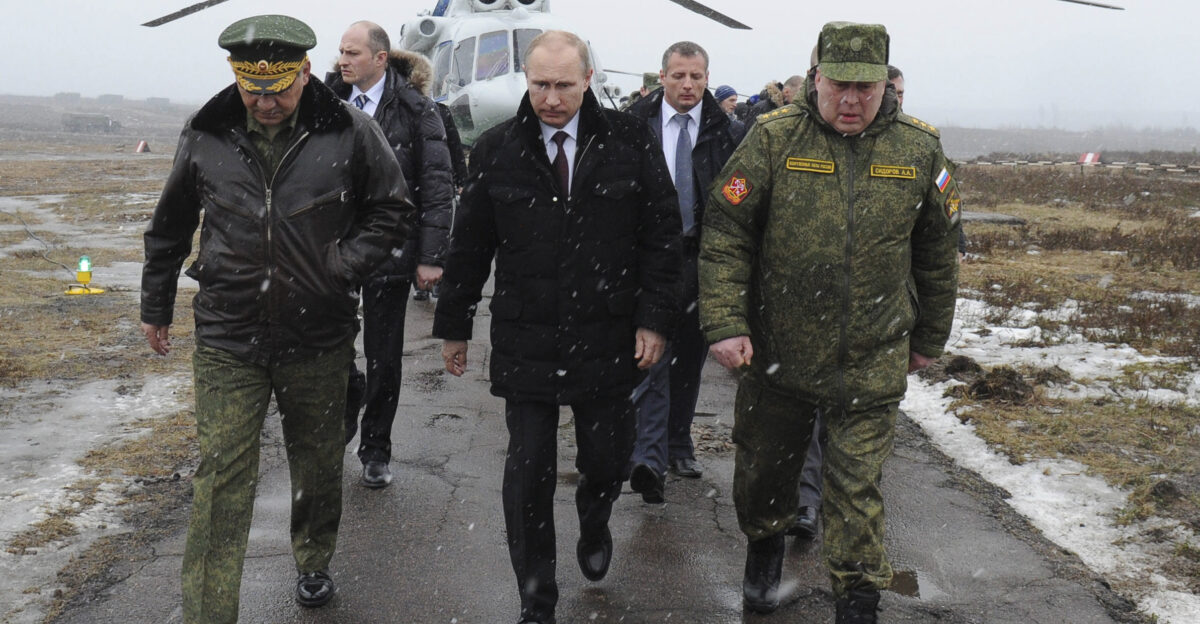
Putin accelerated citizenship pathways for military service, and the trap closed. Foreigners signing year-long contracts now qualify for fast-tracked citizenship. By January 2024, decision timelines had shrunk from three months to one month. Migrants report being directed from government service centers directly to military recruitment offices.
Official documentation refuses processing without military certification. It’s entirely illegal. It’s also entirely systematic.
650,000 Expats + 3.5 Million Passports = Millions at Risk
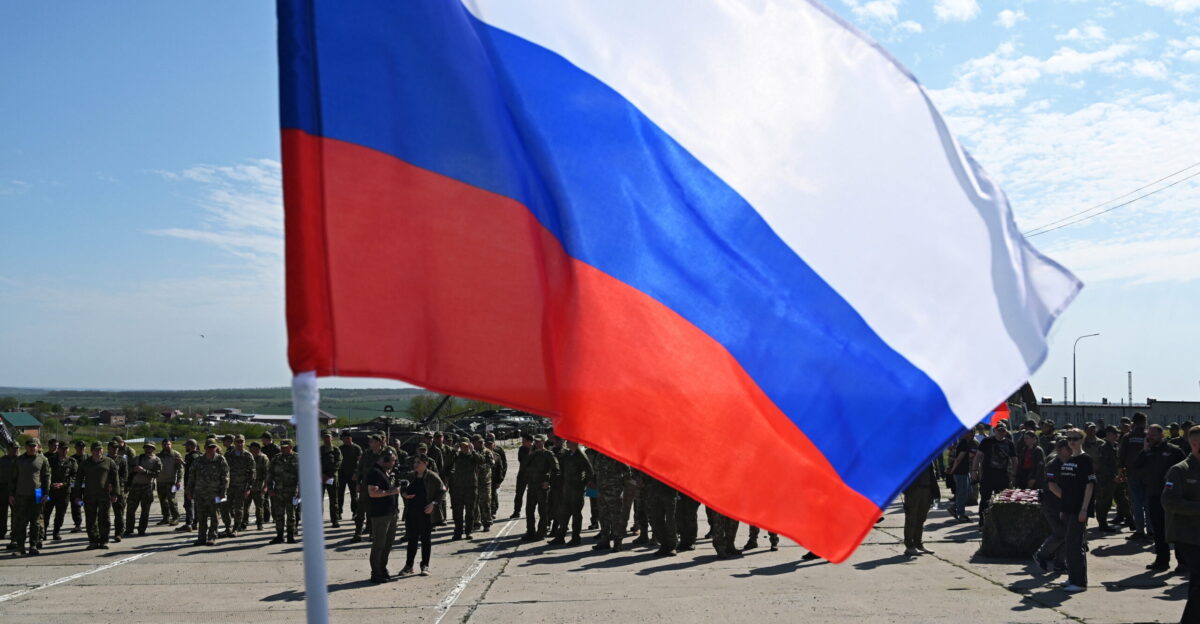
At least 650,000 Russians who left after the 2022 Ukraine invasion remain abroad. Russia has issued 3.5 million passports to occupied Ukrainian territories since 2022, many under coercion. Hundreds of thousands of Central Asian migrants obtained citizenship, often under pressure.
Each represents a potential target when returning—whether for family visits, inheritance matters, or property transactions. Every return trip is now a gamble.
Crack Down, Then Conscript

Human rights groups document systematic targeting of Central Asians, Caucasians, and other non-Slavic groups. The March 2024 Crocus City Hall attack intensified xenophobia and government crackdowns. Russia deported 85,800 migrants in the first half of 2024—double the previous year.
Raids, arbitrary arrests, and prolonged detentions became routine. Many faced conscription pressure in detention facilities before deportation. The system weaponizes fear at every level.
10,000 Naturalized Citizens Already Deployed to Ukraine
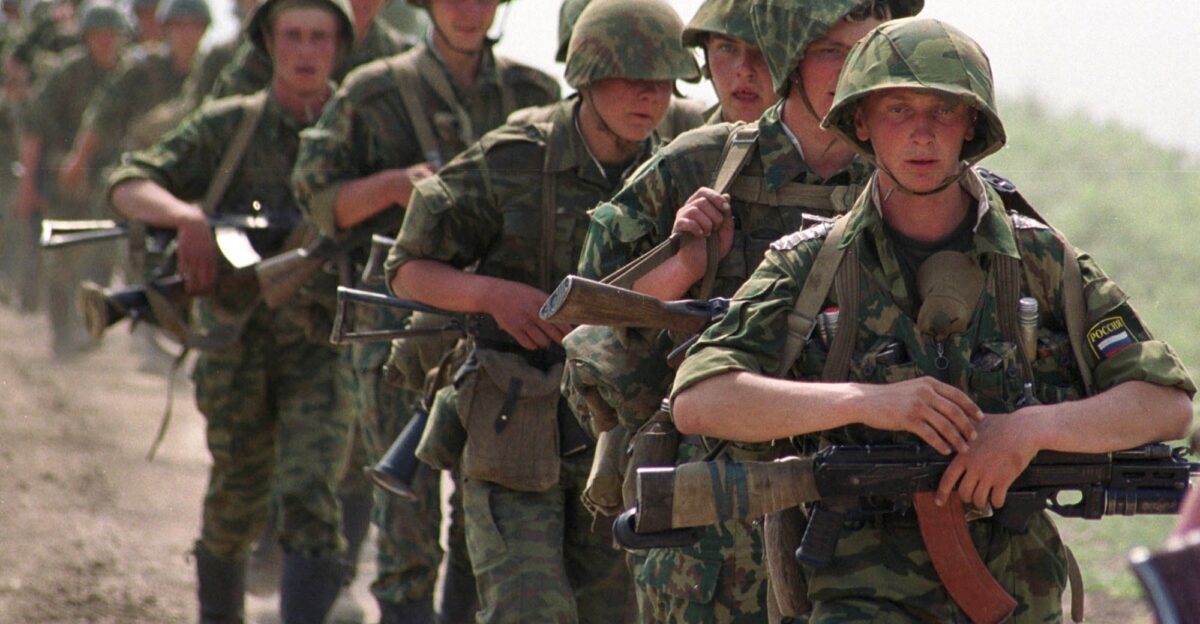
In September 2023, authorities rounded up hundreds of Central Asian migrant workers and pressured them to sign military contracts. Many reported being unable to read documents or being tricked into signing unmarked papers.
Alexander Bastrykin, head of the Investigative Committee, boasted in May 2025 that 30,000 naturalized citizens who had refused registration had been tracked down. 10,000 were already deployed to Ukraine. The human cost remains hidden in official statistics.
Soviet Exit Controls Inverted
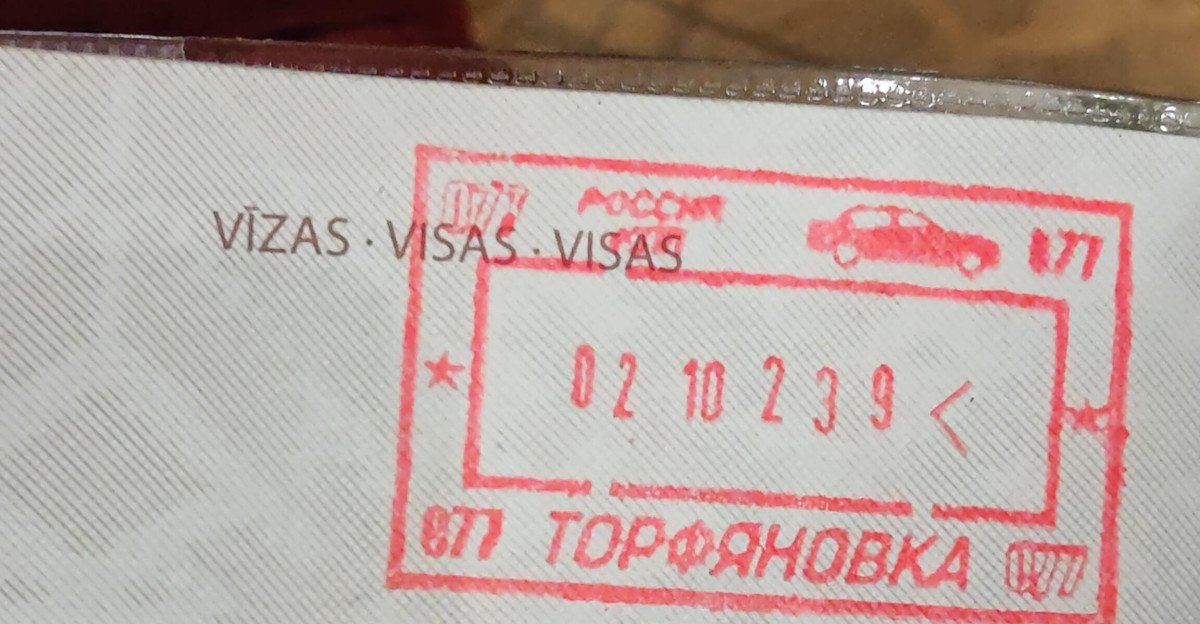
During the Cold War, the Soviet Union restricted citizens’ right to travel abroad through exit visas and security checks. Travel restrictions prevented exposure to Western prosperity that would expose communism’s failures. Now, Russia inverts that logic entirely.
Rather than preventing departure, authorities trap citizens upon arrival. Both systems weaponize travel controls to serve state power. History doesn’t repeat, but it rhymes—and the rhyme is chilling.
10.8 Million Russians Abroad

For Russian citizens abroad, the airport draft trap creates an agonizing calculation. Holiday visits, family emergencies, inheritance matters, property transactions—all require physical presence in Russia. Each return trip carries military conscription risk and potential deployment to Ukraine, where Russian forces suffer catastrophic casualties.
The unpredictable selective enforcement amplifies fear. Every journey home becomes a gamble. Never return, or risk conscription.
This Is Just Phase One
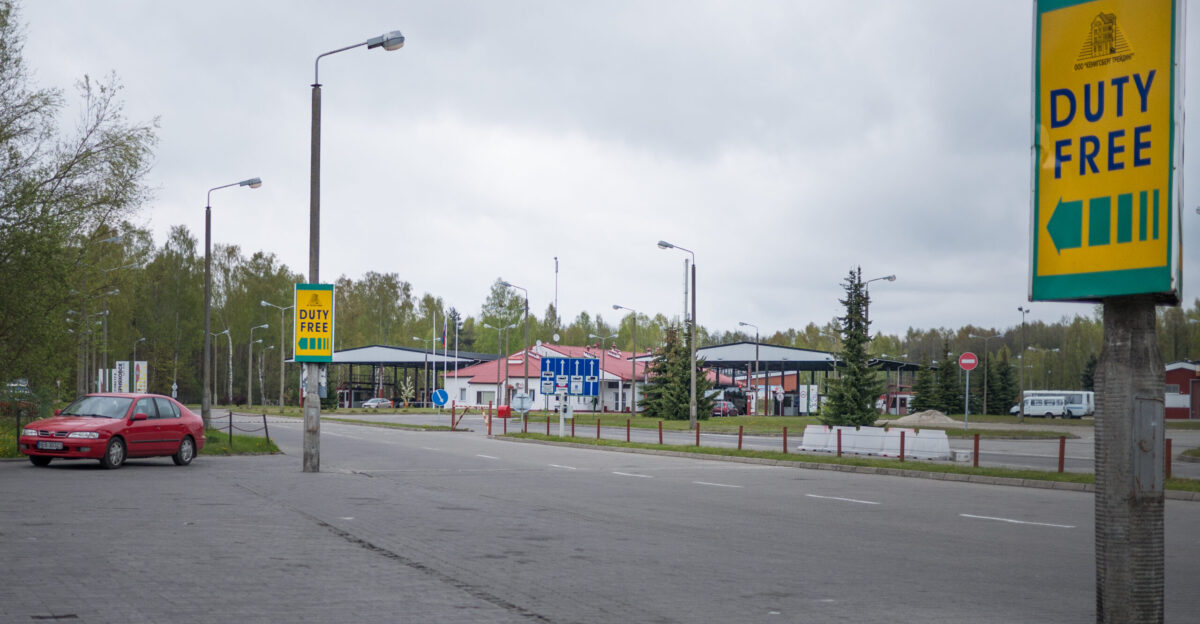
By November 25, 2025, the Interior Ministry confirmed that the dragnet would be expanded beyond airports to railway stations and border crossings. The 12-airport program represents Phase 1 of a nationwide enforcement system. Combined with facial recognition surveillance, digital notice systems, and ethnic profiling, this creates multiple conscription layers.
Russian authorities have built an unprecedented apparatus for controlling citizens through mobility restrictions and military coercion. The system is still expanding.
Sources:
United24 Media. “Russia Starts Issuing Draft Notices at Airports to New Citizens and Returning Expats,” November 30, 2025.
Dagens. “Draft summonses handed out at Russian airports,” December 1, 2025.
The Moscow Times. “Russia Pressures Migrant Workers with Raids, Military Summons,” September 7, 2023.
Global Detention Project. “Russia: Weaponising Immigration Policies,” April 27, 2025.
Newsmax. “Russia Issuing Citizens Draft Notices Upon Airport Arrival,” December 3, 2025.
BBC World. “Russia conscription laws change,” August 3, 2023.
Newsweek. “Putin Tightens Mobilization Noose,” August 1, 2023.