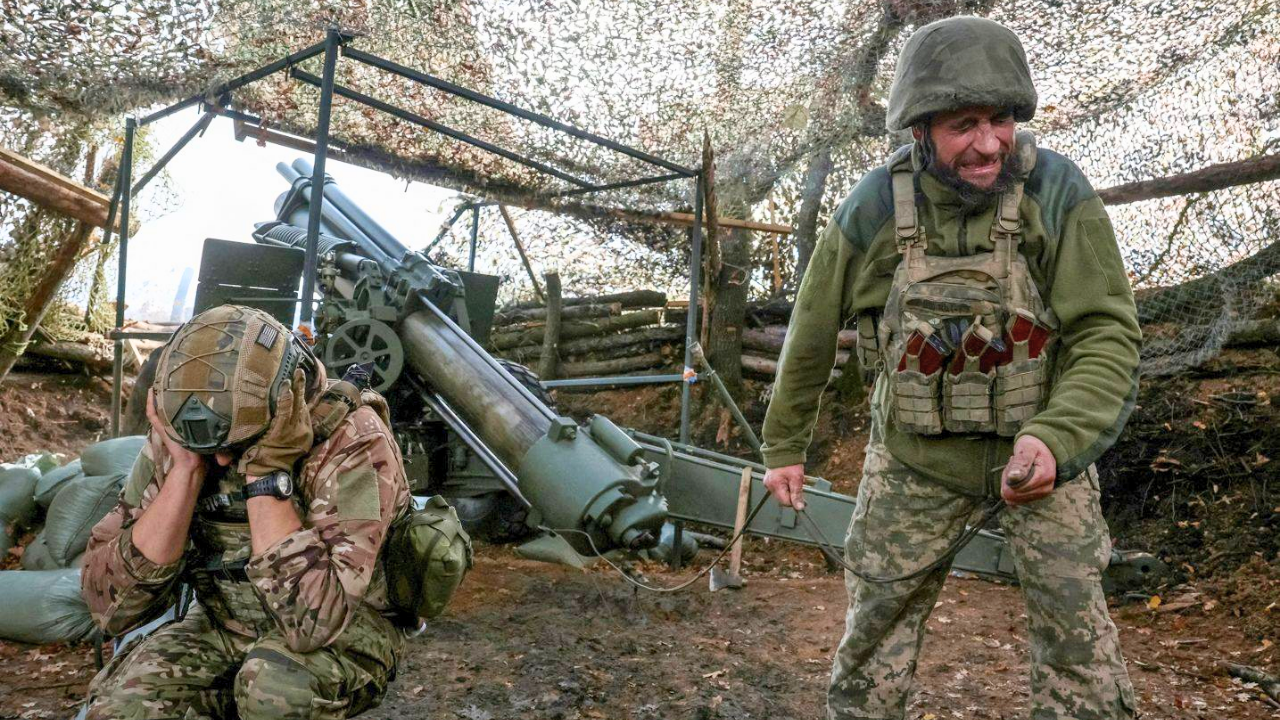
In October, the eastern Ukrainian city of Pokrovsk became the deadliest battleground since Russia’s full-scale invasion began, with Ukrainian officials reporting at least 25,000 Russian soldiers killed in confirmed video footage and thousands more unconfirmed casualties. The staggering losses, concentrated in this strategic logistics hub in Donetsk, mark a pivotal moment in the war’s trajectory as both sides brace for winter and potential negotiations.
Pokrovsk: The New Epicenter of Attrition
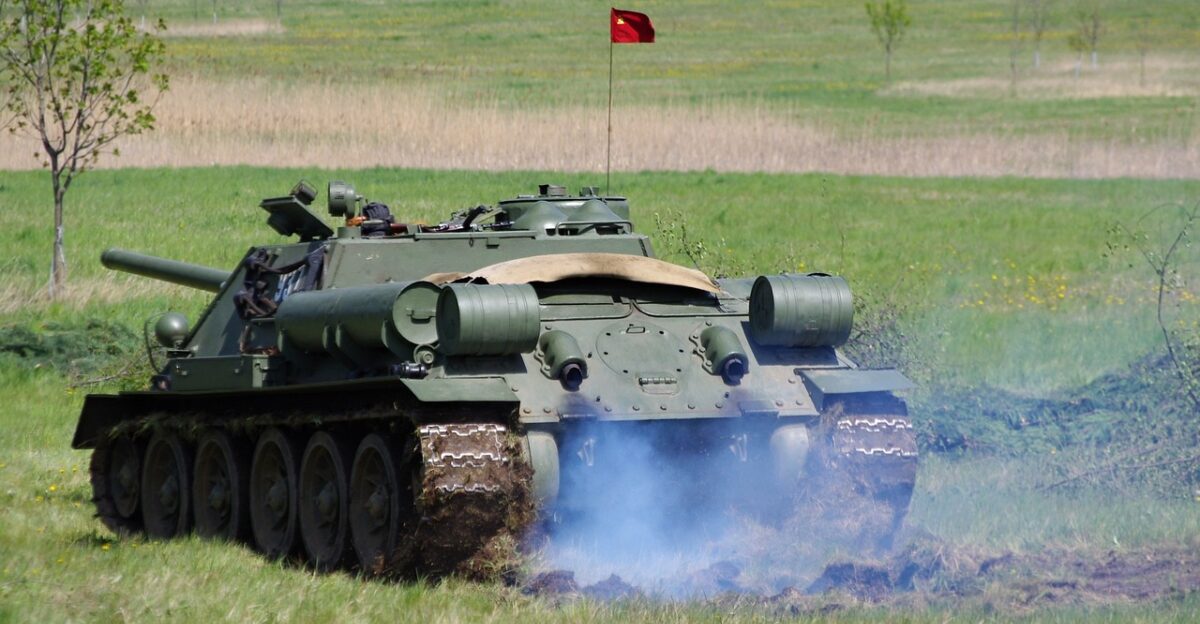
Pokrovsk’s transformation into the war’s bloodiest front is no accident. The city’s rail lines and industrial infrastructure make it the primary logistics hub for Ukrainian forces across eastern Donetsk. Recognizing its strategic value, Russia deployed its entire strategic reserve—about 150,000 troops, or one-fifth of its estimated force in Ukraine—to the sector. Four marine brigades, mechanized units, and motorized rifle regiments now crowd the area, underscoring Moscow’s determination to seize Pokrovsk before diplomatic talks can freeze the front lines.
The Russian offensive has been relentless. In a single 72-hour period, Ukrainian President Volodymyr Zelenskyy reported 220 Russian assaults on Pokrovsk’s defenses. The 7th Rapid Response Corps documented 132 attacks in one week, a sharp increase over previous periods. This surge reflects Russia’s urgency to break through before worsening weather hampers operations and before any ceasefire negotiations can lock in current positions.
Tactics of Sacrifice: Infantry Waves and Urban Warfare
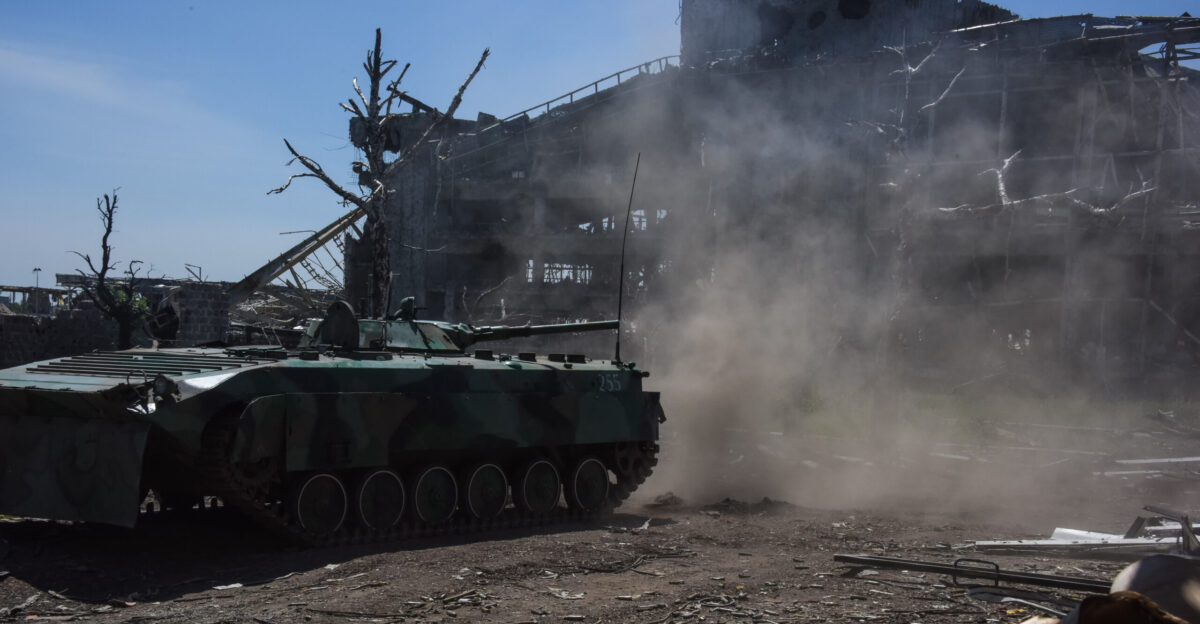
Russian forces have relied on massed infantry assaults, sending small groups forward in waves. Ukrainian drone operators describe a grim calculus: groups of three advance, with the expectation that two will be killed but one might reach Ukrainian lines. As many as a hundred such groups attempt to breach defenses daily, overwhelming Ukrainian positions through sheer numbers rather than tactical finesse.
Once inside the city, Russian troops face a landscape reminiscent of Bakhmut, where months of urban combat cost tens of thousands of lives. Pokrovsk’s coal mines, rail yards, and steelworks have been transformed into fortified strongholds. The Shakhta industrial district, with its tunnels and basement fortifications, is especially difficult to clear. Ukrainian soldiers report that once Russian units gain a foothold in these areas, dislodging them requires significant firepower and coordination.
To counter these infiltrations, Ukrainian forces conduct continuous “search-and-strike” operations, clearing buildings and hunting down Russian soldiers who slip into contested neighborhoods. Despite fog and limited drone visibility, Ukrainian response teams have managed to prevent Russian troops from consolidating their gains.
Propaganda and the Reality on the Ground
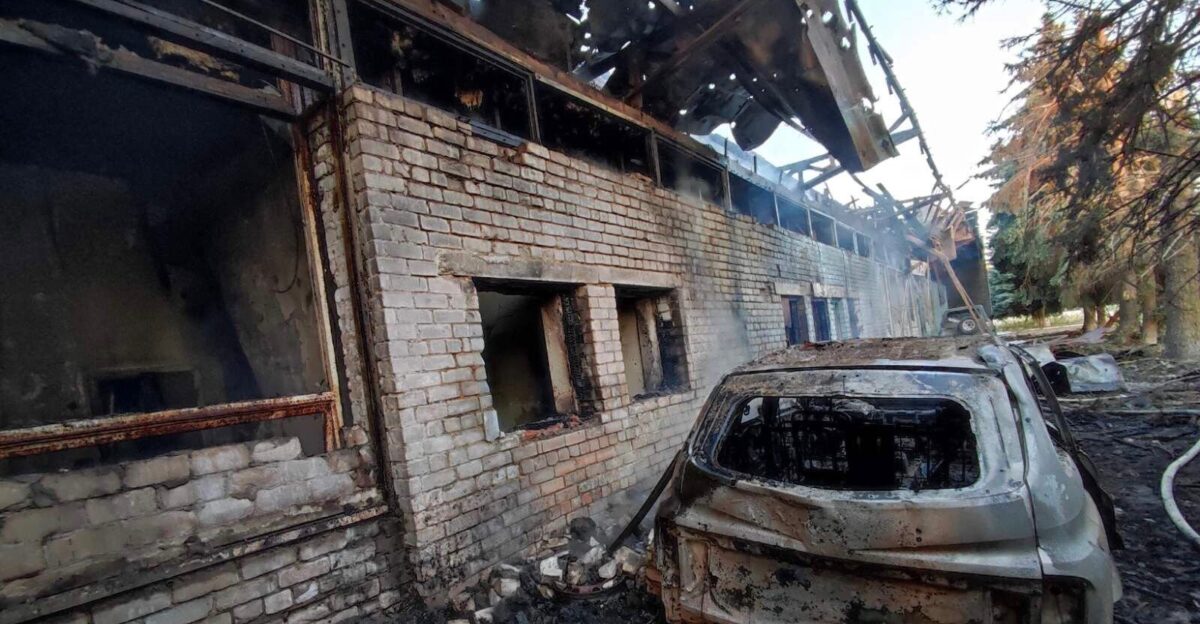
As the battle rages, Russian military bloggers and state media have claimed that Ukrainian forces in Pokrovsk are encircled, with Russian fire control threatening to cut off supplies. Ukrainian officials have flatly denied these assertions. Major Andriy Kovalov of the Ukrainian General Staff stated that while logistics are “complicated but operational,” there is no encirclement. Ammunition, personnel rotations, and medical evacuations continue, contradicting Russian narratives of an imminent Ukrainian collapse.
Recent weeks have seen Ukrainian units receive new weapons and ammunition, rotate personnel, and evacuate wounded—actions that would be impossible under true siege conditions. The General Staff emphasized that Pokrovsk’s logistical situation mirrors that of neighboring Myrnohrad, where Ukrainian forces continue to hold their ground.
The Stakes: Symbolism, Strategy, and Attrition
For Moscow, capturing Pokrovsk is both a symbolic and strategic goal. President Zelenskyy has described the city as Russia’s “number one goal,” with the Kremlin seeking to claim control over the Donbas before any peace talks. Commander-in-Chief Oleksandr Syrskyi noted that a rapid victory in Pokrovsk would bolster Russia’s negotiating position, especially as Ukraine has made gains in Russia’s Kursk region.
Yet the cost has been staggering. October’s confirmed Russian casualties—25,000 killed, with up to 3,000 more unconfirmed—represent the highest monthly toll since the war began. Ukrainian military intelligence credits much of this destruction to FPV drones, which have proven devastating against Russian infantry advancing across open ground.
Despite being outnumbered as much as eight to one, Ukrainian defenders have held their positions. Moscow’s reliance on massed, often poorly equipped troops suggests a willingness to accept heavy losses for incremental gains. Ukrainian commanders say they have contingency plans for all scenarios, signaling flexibility even under extreme pressure.
A Battle with Far-Reaching Consequences
As November unfolds, Pokrovsk remains the focal point of Russia’s most costly offensive. The city’s fate could reshape the war’s next phase. If Russia succeeds, it would secure a vital logistics hub and claim its most significant territorial gain in nearly two years. If Ukraine holds, it will have blunted Russia’s largest offensive effort at enormous cost to Moscow’s manpower reserves.
The outcome will influence not only battlefield dynamics but also the tenor of future negotiations and the willingness of Western allies to sustain support. For now, Pokrovsk stands as a testament to the war’s escalating brutality—and as a symbol of the high stakes facing both armies as winter and diplomacy approach.