
Intelligence agencies from two NATO countries have detected Russia developing a “zone-effect” anti-satellite weapon aimed at Elon Musk’s Starlink network, which could scatter hundreds of thousands of high-density pellets into orbits around 550 kilometers altitude. This approach threatens to disable multiple satellites at once and generate enduring debris clouds endangering all spacecraft in low Earth orbit.
Strategic Response to Ukraine’s Satellite Edge
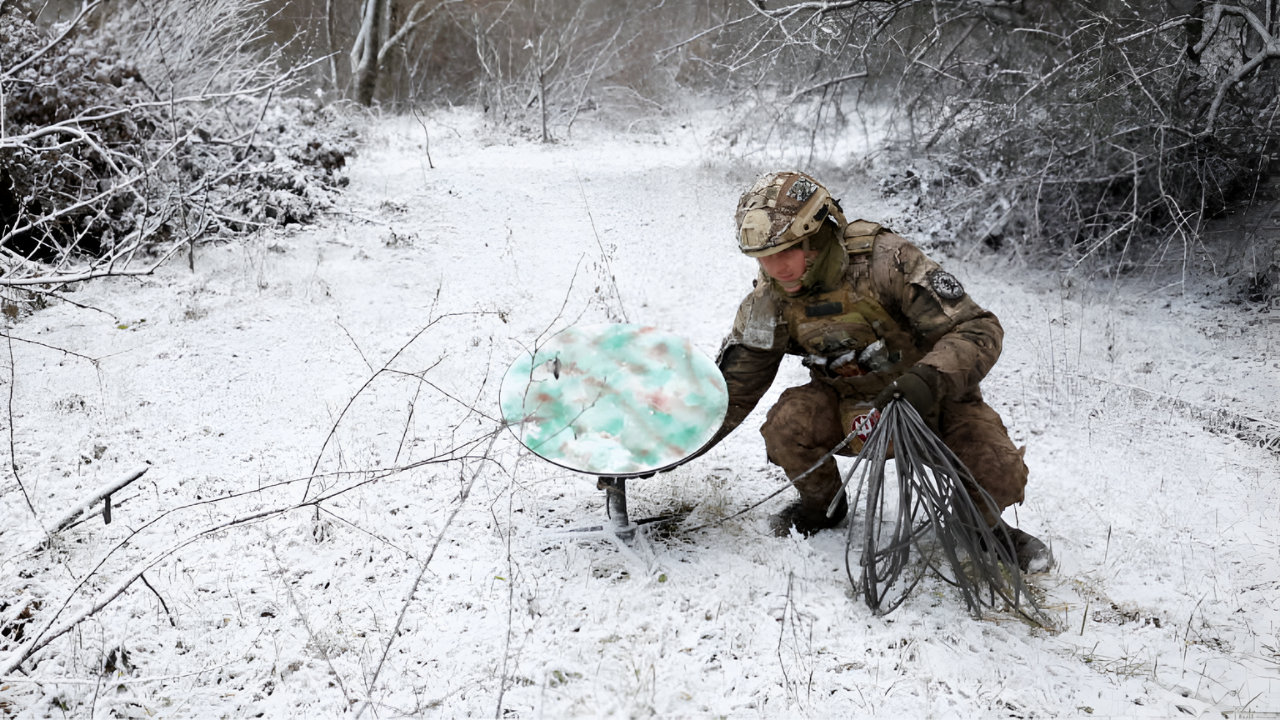
Russia perceives Starlink as a major obstacle to its Ukraine campaign, where the network has served as vital infrastructure for Ukrainian troops since activation shortly after the February 2022 invasion. It supports real-time artillery fire, drone missions, and command links, bolstering counteroffensives amid Russian assaults on ground-based communications. The system’s durability against such strikes has kept Ukrainian coordination intact.
Multi-Layered Counterspace Arsenal
This pellet weapon forms part of Russia’s broader space countermeasures. The Kalinka system, active since late 2024, spots Starlink terminals up to 15 kilometers away using mobile units like boats and helicopters. The S-500 Prometheus air defense system, now operational, targets satellites up to 200 kilometers high with response times of 3-4 seconds, covering Starlink’s full range.
Questions on Weapon Practicality
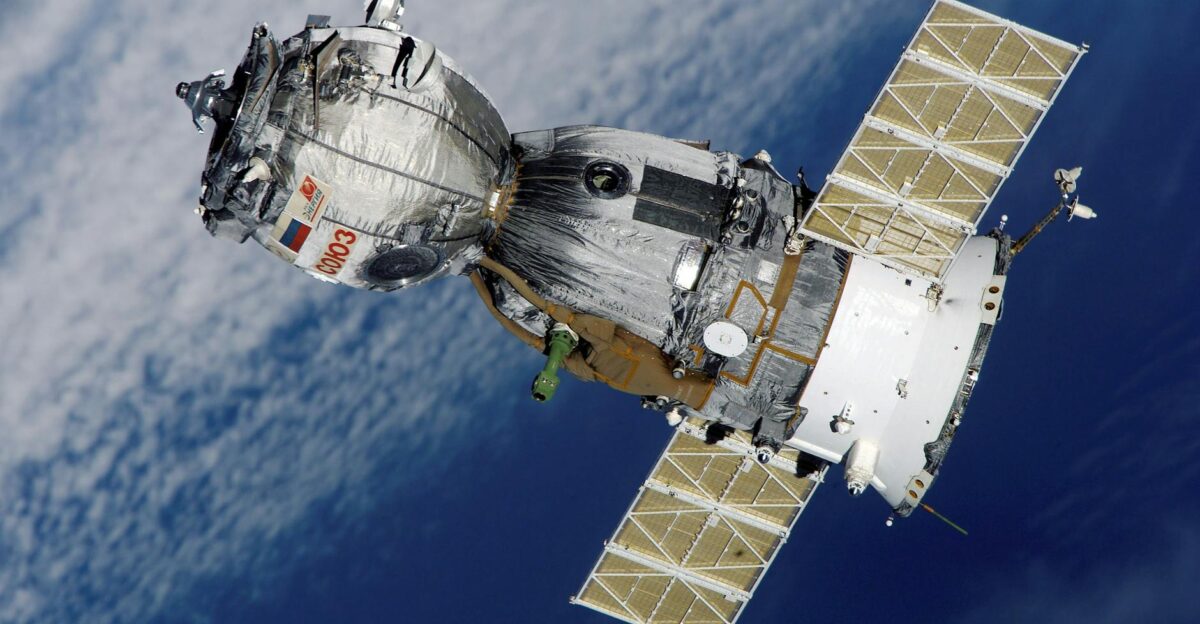
Space security specialists cast doubt on the weapon’s realism. Experts note its indiscriminate debris would harm Russian and Chinese satellites too, clashing with sound strategy. Such effects point to possible early-stage research rather than ready deployment.
Starlink’s Built-In Defenses
Starlink withstands broad attacks via redundancy and quick replenishment. Over 7,600 satellites operate now, with SpaceX building 120-240 monthly. The network sustains performance even after 90% losses if satellites spread across planes, demanding foes hit hundreds at once for impact.
Debris Chain Reaction Hazards
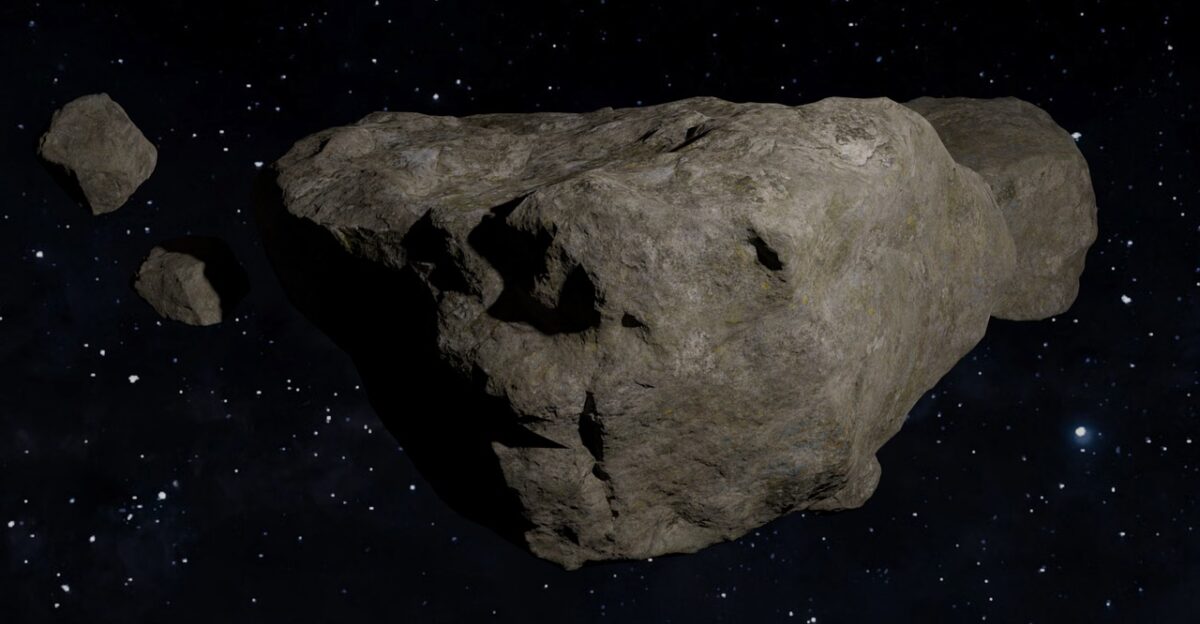
Releasing vast pellet numbers into low Earth orbit risks Kessler Syndrome, where collisions spawn more debris faster than atmosphere clears it. At 7-15 kilometers per second, one-gram pellets deliver massive kinetic force. Models indicate 550-600 kilometer altitudes near tipping points, with orbits potentially unusable for decades. Past events like Russia’s November 2021 ASAT test against Cosmos 1408, yielding over 1,500 trackable fragments, and the 2009 Iridium-Cosmos collision, producing over 1,800 debris pieces, underscore the peril. About 34,000 trackable objects already crowd these zones.
Legal and Alliance Gaps
The 1967 Outer Space Treaty bars nuclear arms in orbit but not conventional kinetic anti-satellite tools. Article IX mandates “due regard” for others, which debris weapons breach, though no enforcement exists beyond diplomacy. NATO named space its fifth domain in 2019, linking orbital attacks to possible Article 5 responses. Its 2024 Space Operations Centre and February 2025 Commercial Space Strategy reflect growing focus. Brigadier General Christopher Horner called such a weapon destabilizing, akin to nuclear steps.
Global Rivals and U.S. Reliance

China pursues similar tools against dense low Earth orbit setups, including lasers, missiles, and AI jammers, studying Starlink’s “whack-a-mole” resilience. Its 13,000-satellite Guowang plan adds to congestion risks. The U.S. military leans heavily on Starlink, with Pentagon contracts nearing $22 billion, including $23 million for Ukraine in 2023. Agencies like Special Operations Command and FEMA embed it in key tasks.
Economic Edges and Viable Alternatives
SpaceX replaces satellites cheaply at about $500,000 each using reusable Falcon 9s, outpacing costly precision strikes. Russia favors proven options like S-500, electronic jamming, and Kalinka for targeted effects without self-harm. Space deterrence lags nuclear models, lacking norms or redlines amid shared debris vulnerabilities.
Decisions by major powers will shape low Earth orbit’s viability, weighing tactical gains against irreplaceable orbital access for future generations.
Sources:
“Intelligence agencies suspect Russia is developing anti-satellite weapon to target Starlink satellites.” PBS NewsHour, December 2025.
“Russia Develops Area-Effect Weapon to Destroy Starlink Satellites, Intelligence Warns.” United24Media, December 2025.
“Russia deploys first S-500 air defense unit, claims it can hit satellites.” Interesting Engineering, December 2025.
“Musk ordered shutdown of Starlink satellite service as Ukraine retook territory from Russia.” Reuters, July 2025.
“Russia’s Alleged Nuclear Anti-Satellite Weapon and International Law.” Secure World Foundation, April 2025.