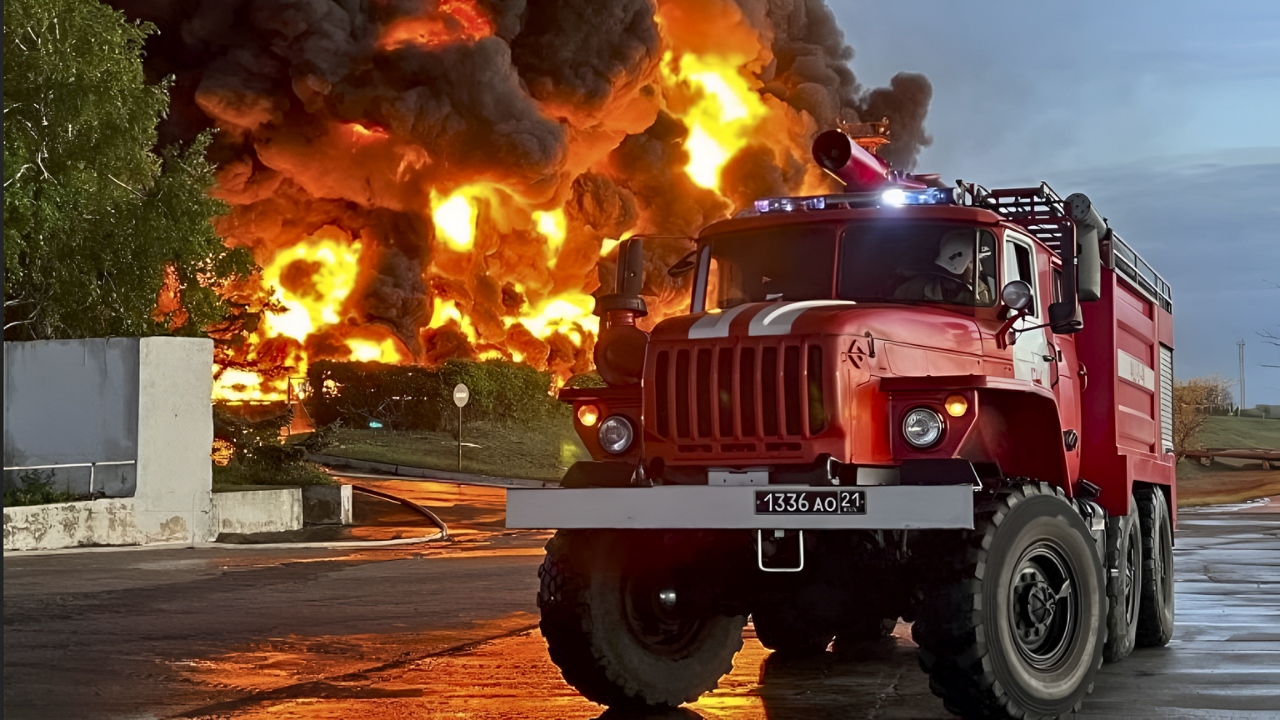
In the early hours of November 6, 2025, a wave of Ukrainian drones struck the Volgograd oil refinery in southern Russia, marking the sixth Ukrainian drone strike on this facility and representing a significant escalation in Ukraine’s record-scale campaign against Russian energy infrastructure. The attack knocked out a critical facility responsible for 5.6% of Russia’s national refining capacity, with an estimated value in the range of $5-10 billion based on industry construction cost models for similar-capacity refineries. By November 2025, Ukraine’s campaign had damaged approximately 38% of Russia’s 38 major oil refineries. The strike set fire to critical processing units and halted operations, sending shockwaves through Russia’s energy sector and beyond.
Strategic Targeting of Energy Infrastructure
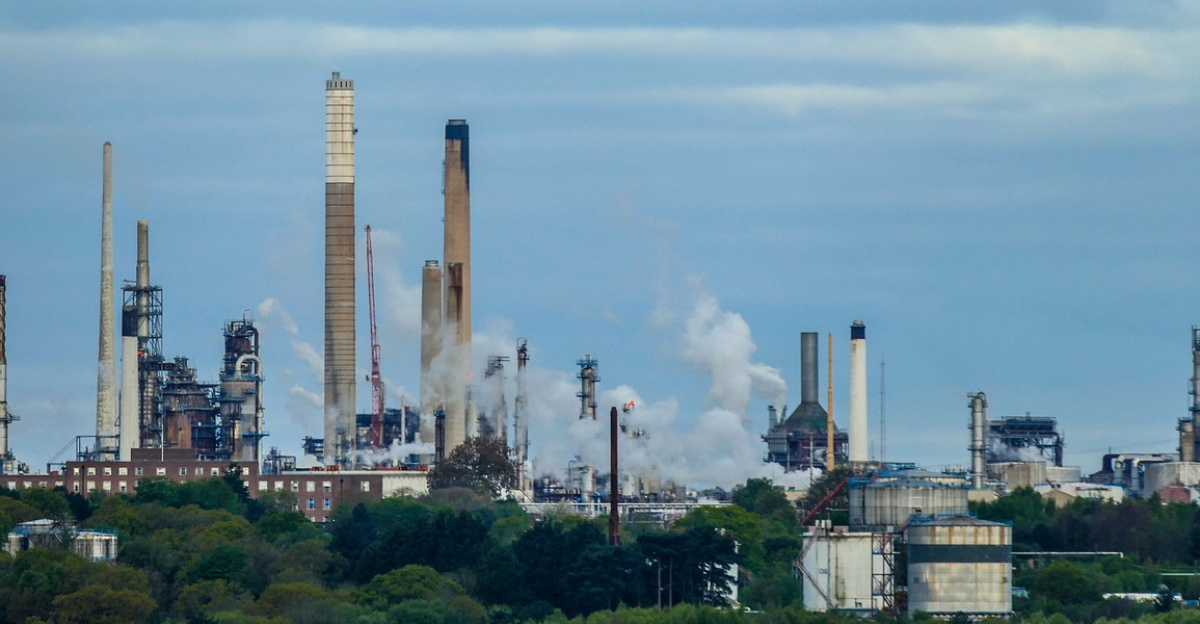
Ukraine’s decision to target the Volgograd refinery reflects a broader shift in its military strategy: striking deep inside Russian territory to undermine the country’s energy infrastructure. The refinery’s location near the front lines and its role in supplying both military and civilian fuel made it a high-value target. By disrupting such a vital asset—one that accounts for a significant portion of national refining capacity—Ukraine aims to weaken Russia’s military logistics and place additional strain on its already struggling economy.
Immediate Impact on Fuel Supply

The attack triggered widespread fuel shortages across Russia, with long lines at gas stations and rising prices for gasoline and diesel. The Volgograd refinery’s shutdown has left regional fuel supplies in limbo, compounding logistical challenges for businesses and consumers. With no clear timeline for repairs, the disruption is expected to persist, particularly as winter approaches and demand for fuel increases.
Response and Recovery Efforts
Lukoil, the operator of the Volgograd refinery, immediately halted all operations to assess the damage. Emergency crews worked to contain fires and evaluate the condition of critical processing units, including the CDU-5 and hydrocracker. While repairs are underway, the uncertainty surrounding the refinery’s recovery has heightened concerns about the region’s ability to meet fuel demand in the coming months.
Broader Economic and International Consequences

The loss of 5.6% of Russia’s refining capacity has had ripple effects across multiple sectors. Fuel demand surged at other refineries and import terminals, but even with increased imports, industries such as logistics and agriculture struggled to secure enough fuel. The disruption has also affected Russia’s export capacity, leading to delays and price volatility in international markets. Countries that rely on Russian fuel, especially in Eastern Europe, are now facing energy shortages, highlighting the risks of overreliance on a single energy supplier in a volatile conflict.
Human and Social Toll

The attack resulted in the death of a 48-year-old man from shrapnel, and workers at the refinery faced sudden unemployment. Residents in the Krasnoarmeysk district suffered property damage from fires, underscoring the human cost of strategic military targeting. While the primary focus of the conflict is on military objectives, civilians often bear the brunt of the violence, with families and communities suffering both immediate and long-term effects.
Future Outlook and Global Implications
The Volgograd refinery attack is a stark reminder of the vulnerability of critical infrastructure in times of conflict. As Ukraine continues to target Russia’s energy sector, the global energy market will need to adapt to ongoing disruptions. Financial markets have reacted nervously to the uncertainty, and the long-term effects on both global and domestic markets remain uncertain. The ongoing instability in Russia’s fuel supply is likely to cause further ripple effects across the global economy, with more disruptions on the horizon.