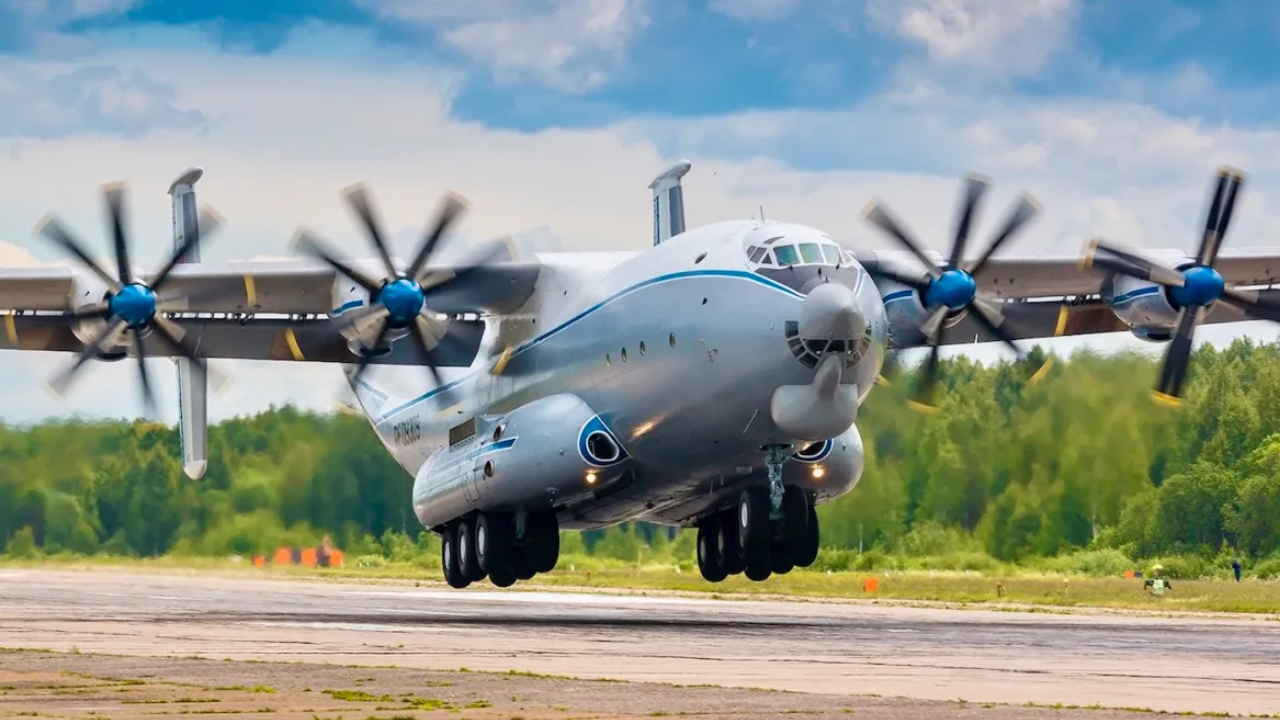
In December 2025, Russian authorities acknowledged an incident involving an Antonov An-22 “Antei” military transport aircraft in the Ivanovo region.
The aircraft reportedly went down during a post-maintenance or test flight near a reservoir. As one of the rarest heavy-lift platforms still operated by Russia, the event immediately raised concerns about the resilience of the country’s strategic airlift capabilities amid ongoing wartime demands.
A Soviet-Era Giant Near the End of Its Life

Introduced in the mid-1960s, the An-22 remains one of the heaviest turboprop aircraft ever built. Designed to move outsized cargo into austere airfields, it filled a unique logistical role.
By the 2020s, only a very small number remained operational. Any loss within this fleet carries outsized consequences due to the aircraft’s age, scarcity, and inability to be replaced.
Crew Aboard, Fate Not Fully Confirmed
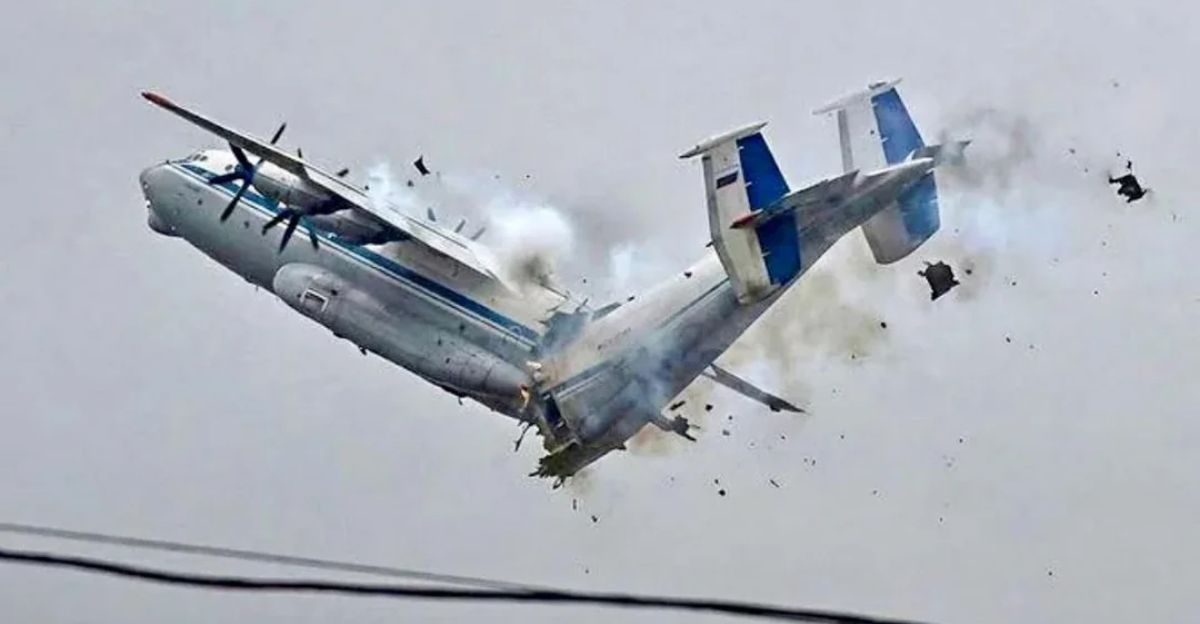
Seven crew members were reportedly aboard the aircraft at the time of the incident. Russian statements confirmed the presence of the crew but provided limited detail regarding their fate.
Recovery efforts have been complicated by debris dispersion and water depth, leaving key questions unresolved. The absence of independent verification has added uncertainty and fueled speculation surrounding the human toll.
A Post-Repair Flight Raises Technical Questions
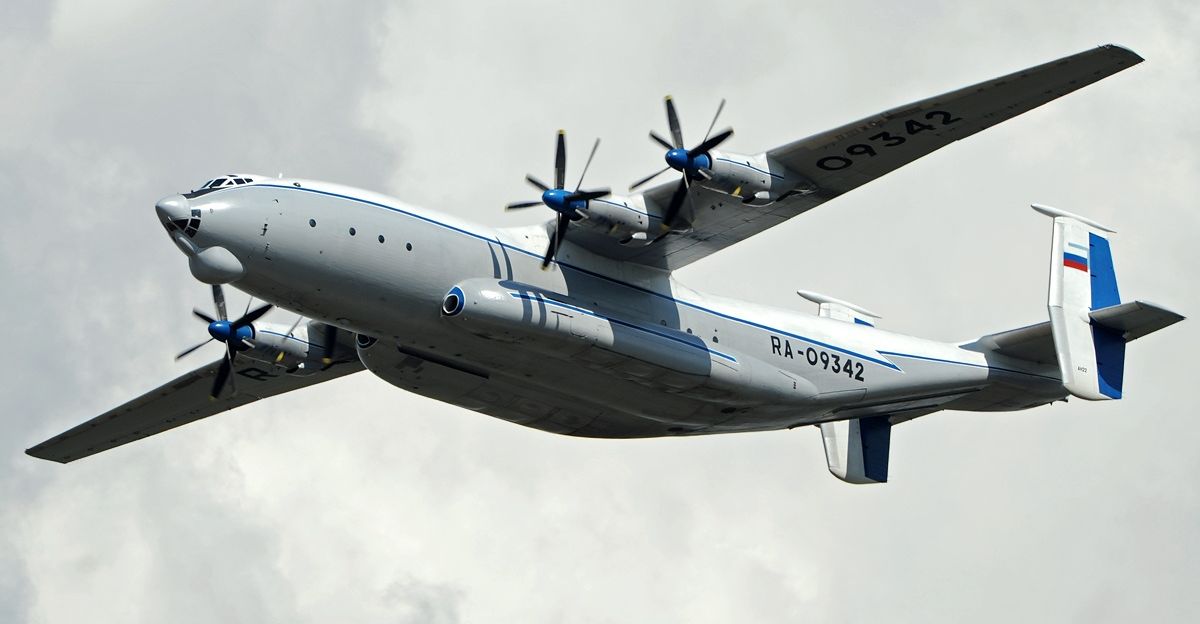
Early indications suggest the An-22 was conducting a post-repair or test flight rather than an operational mission.
Such flights are inherently risky, particularly for aircraft with decades-old airframes. Maintenance challenges, compounded by parts shortages and aging systems, have long affected the An-22 fleet, placing renewed focus on whether technical malfunction played a role.
Sanctions and Sustaining Aging Aircraft
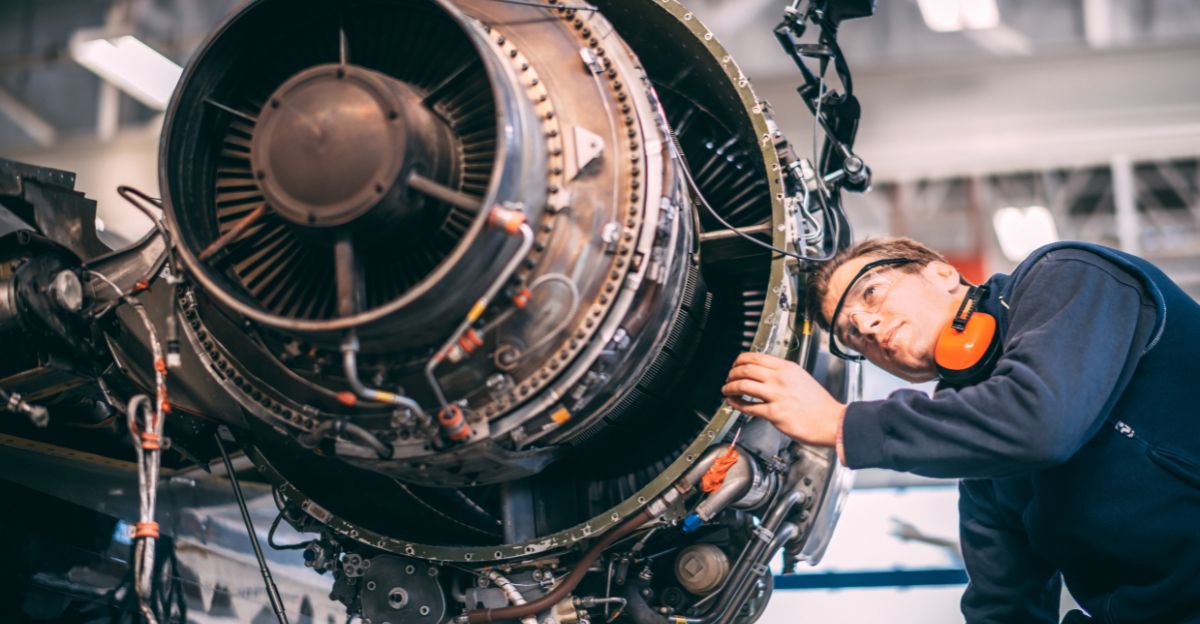
Long-standing international sanctions have steadily constrained Russia’s access to aviation parts, maintenance services, and manufacturer support.
For aircraft originally designed and supported by Ukrainian industry, these challenges are especially acute. Keeping a complex platform like the An-22 airworthy increasingly relies on improvised maintenance solutions, which heighten operational and safety risks.
Why the An-22 Still Mattered
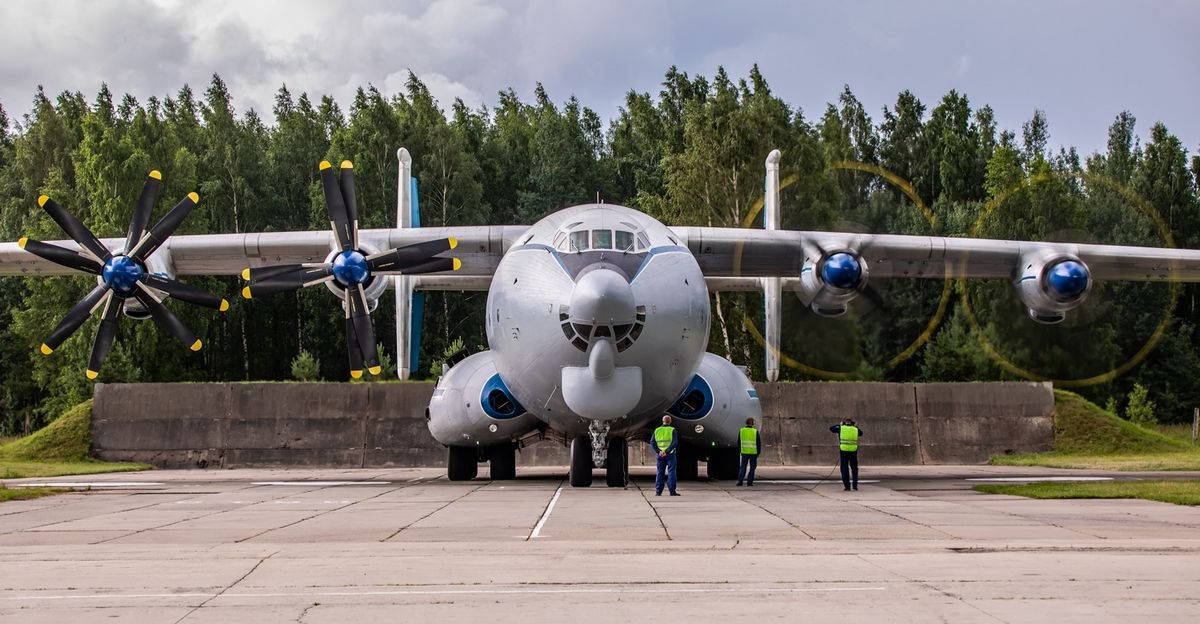
Despite its age, the An-22 remained uniquely valuable. With a cargo capacity of roughly 60 tonnes and the ability to operate from shorter or less-developed runways, it could perform missions beyond the reach of many jet transports.
In wartime conditions requiring flexibility, this made the aircraft a critical—if fragile—logistics asset.
A Shrinking Strategic Airlift Fleet
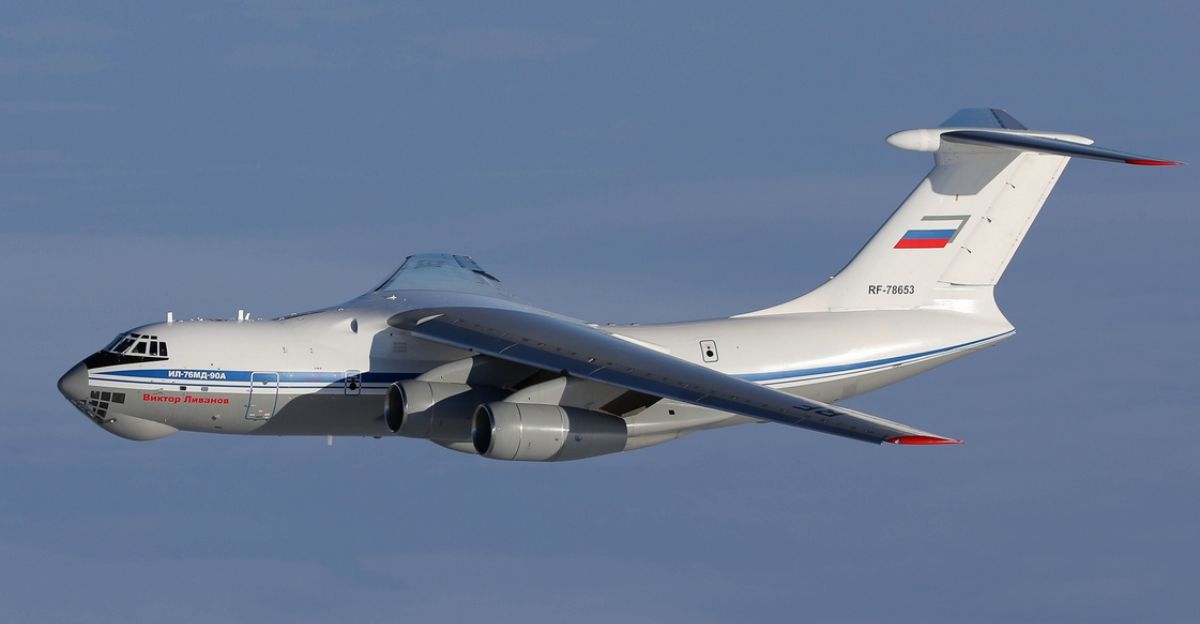
Russia’s broader military transport fleet is under strain. Il-76 aircraft are heavily tasked and aging, while larger An-124 transports are few and increasingly difficult to maintain.
The potential loss of an An-22 further reduces options for moving heavy or oversized equipment, forcing remaining aircraft to shoulder more missions and accelerating wear across the fleet.
Rising Costs and Slower Logistics
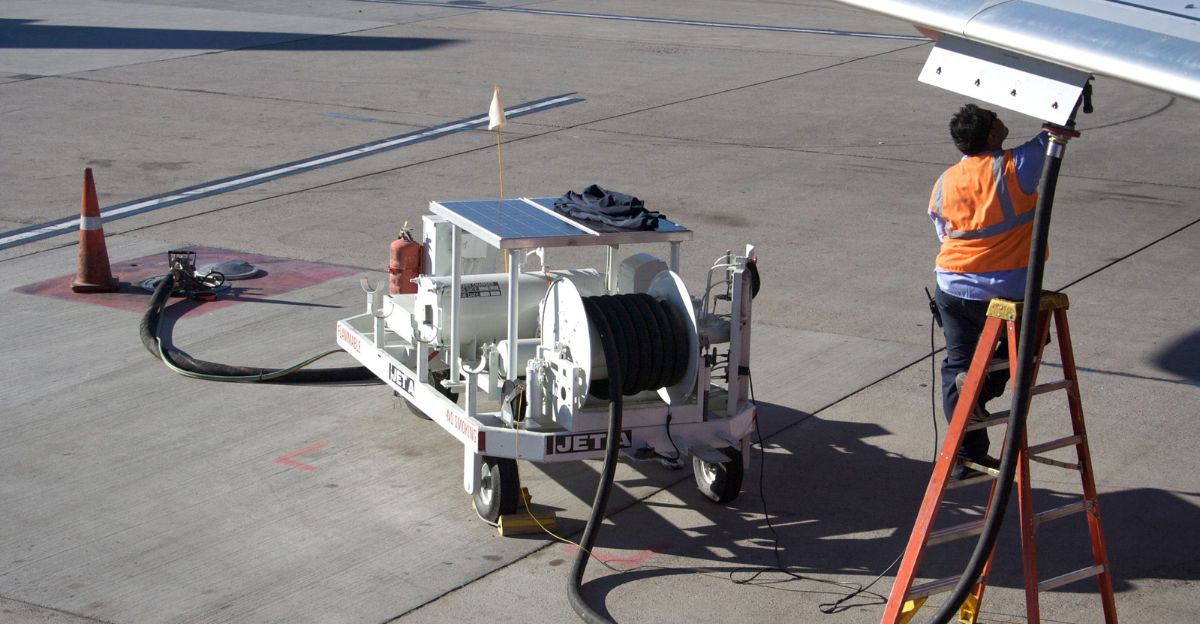
As airlift capacity tightens, logistical efficiency declines. Heavier reliance on jet transports increases fuel consumption and infrastructure requirements, while overland transport introduces delays and higher risk.
Over time, these adjustments raise costs and slow resupply, quietly eroding operational tempo even without dramatic battlefield losses.
Human Risk in Legacy Aircraft Operations
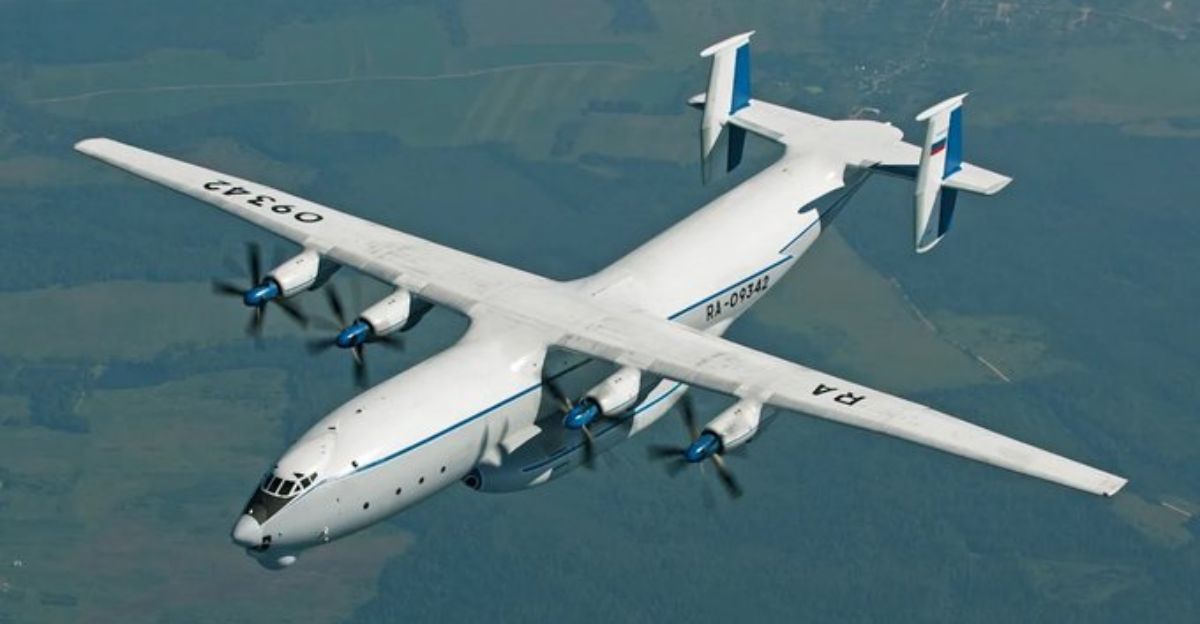
Operating legacy aircraft under wartime pressure places aircrews at elevated risk. Limited redundancy, aging components, and constrained maintenance environments increase the likelihood of catastrophic failure.
The incident underscores the human dimension of sustaining outdated platforms, where strategic necessity often collides with safety realities.
Official Investigation and Fleet Scrutiny
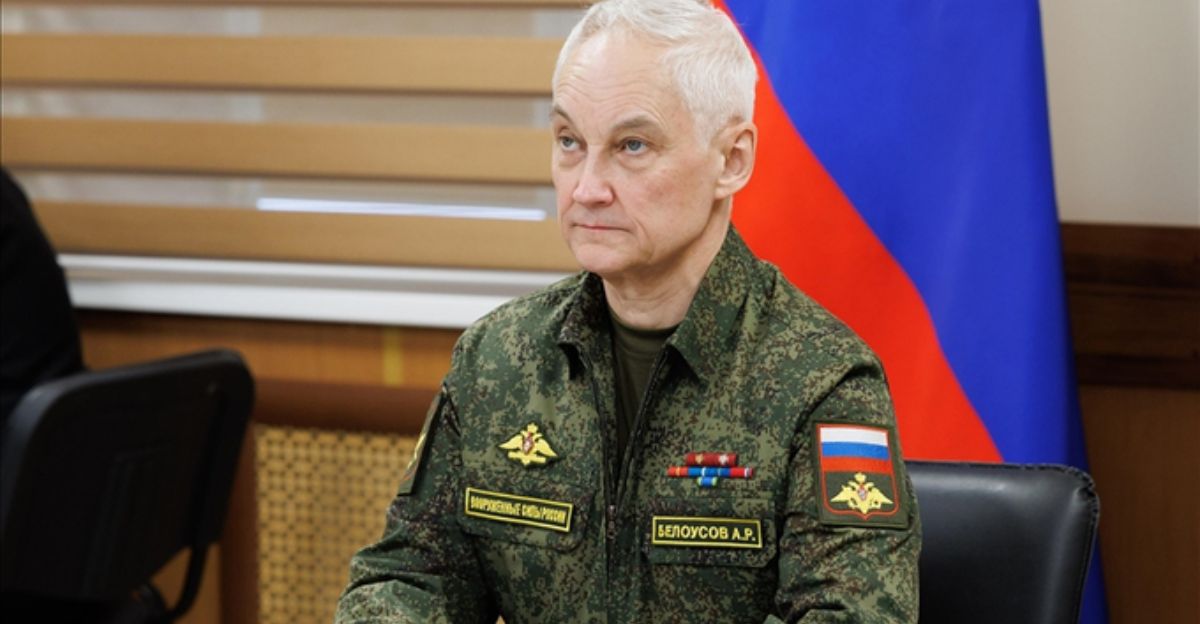
Russia’s Defense Ministry announced an investigation into the incident, focusing on technical and operational factors.
Such reviews are standard but rarely transparent. Nonetheless, the event is likely prompting closer scrutiny of remaining An-22 airframes in storage or limited service, raising questions about whether they will be grounded—or pushed back into use.
Symbol of Soviet Engineering Meets Modern War
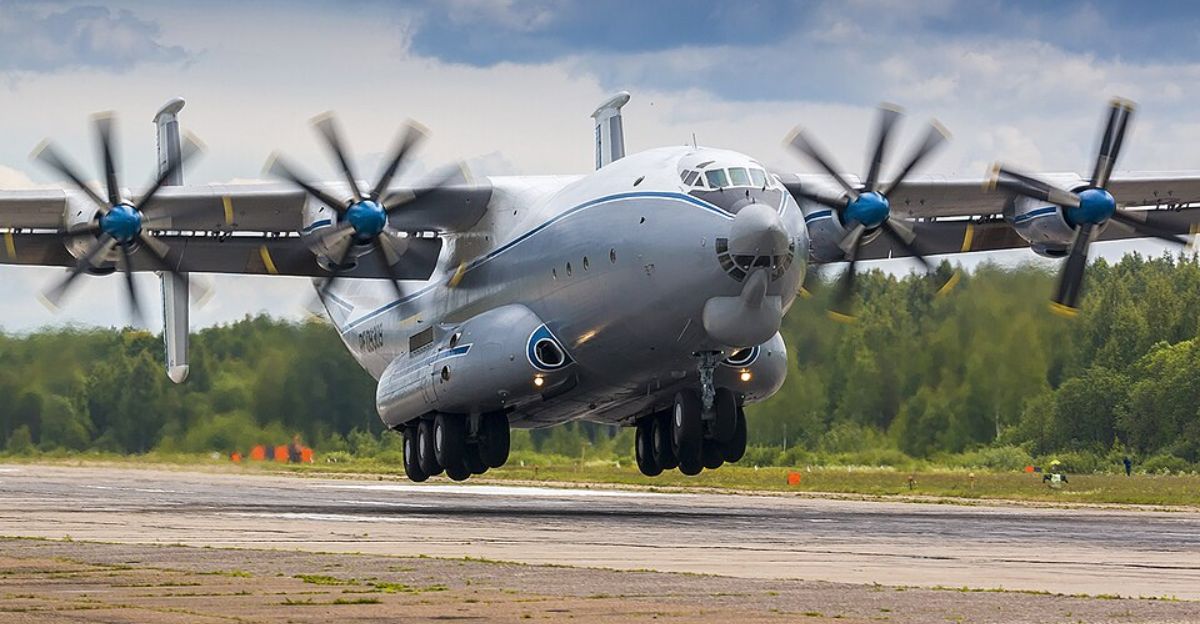
The An-22 once symbolized Soviet industrial power, setting records and projecting logistical reach. Six decades later, its continued operation highlights the tension between Cold War engineering and modern warfare.
Precision strikes, drone threats, and sanction-constrained maintenance have transformed the risk calculus for operating such legacy giants.
Global Perception of Logistical Strain
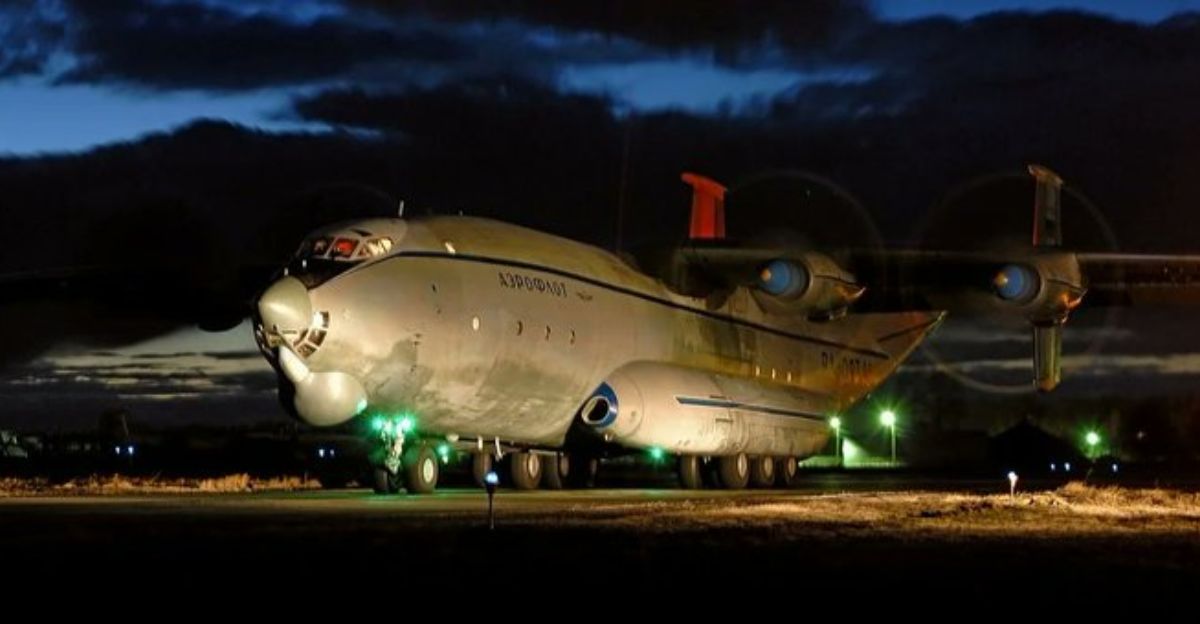
International analysts view the reported loss as another indicator of pressure on Russia’s military logistics.
Strategic airlift is essential for sustained operations, and visible attrition—even from accidents—reinforces perceptions of vulnerability. In modern conflicts, logistics shortfalls often prove more decisive than frontline firepower.
No Replacement, No Recovery

Unlike modern aircraft losses, an An-22 cannot be replaced. The type is long out of production, and its original manufacturer is located in Ukraine.
Restarting production is not feasible. This makes every remaining airframe effectively irreplaceable, turning any loss into a permanent reduction in capability.
Strategic Ripple Effects
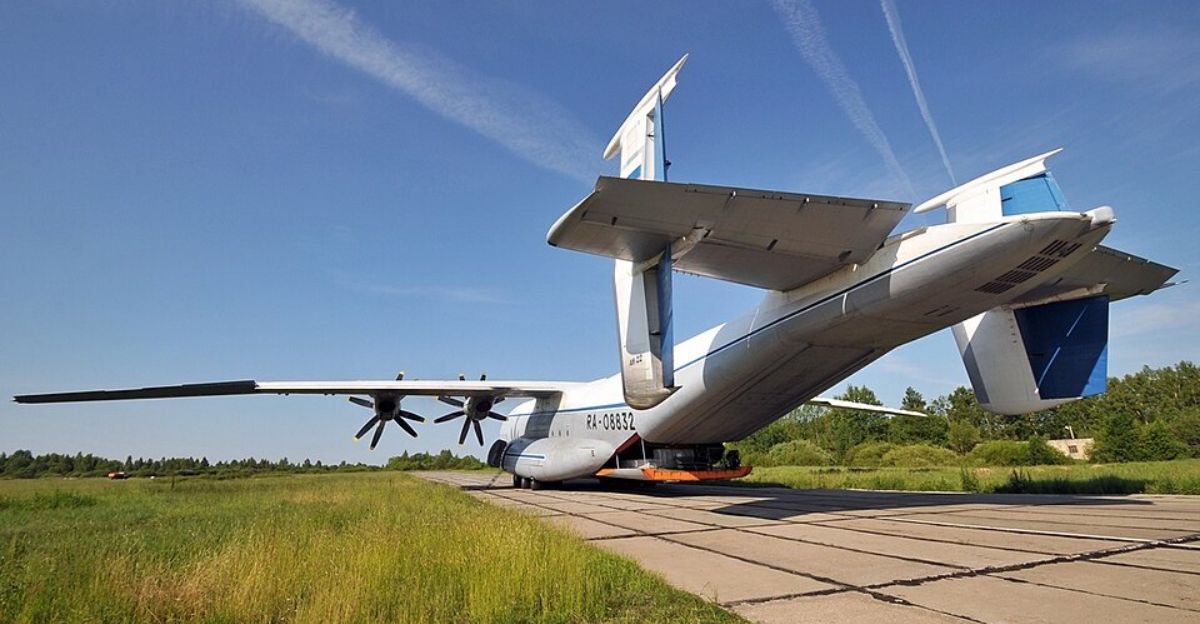
As heavy-lift options dwindle, military planners must adjust expectations for speed, reach, and flexibility.
Transport timelines lengthen, mission planning grows more complex, and remaining aircraft face intensified usage. These second-order effects reshape operations quietly but persistently over time.
The Quiet End of a Super-Cargo Era
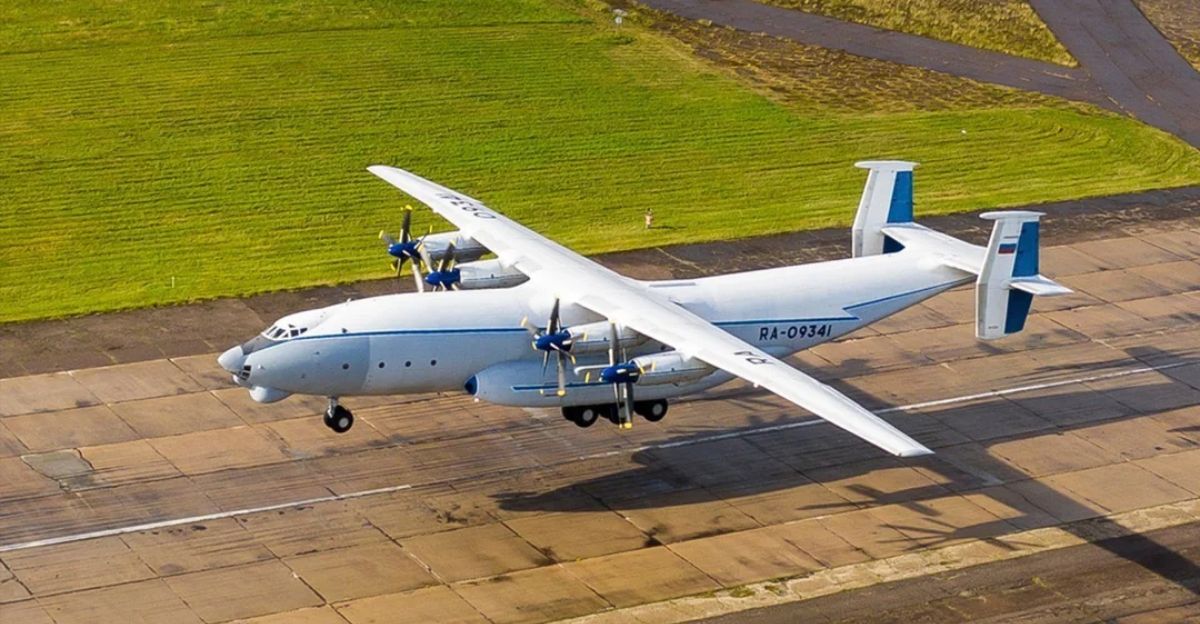
The reported An-22 incident underscores how war, sanctions, and aging infrastructure converge to exhaust even legendary machines.
Designed for a different era, the aircraft has outlived its intended lifespan. What remains is a shrinking fleet, rising risk, and a logistics system forced to operate with fewer tools—marking the near end of Russia’s super-cargo airlift legacy.
Sources:
Aerospace Global News, “Russia Antonov An-22 Crash”, Aerospace Global News, Dec 2025
Wikipedia: Antonov An-22, “Antonov An-22”, Wikipedia, ongoing
Maximus Aviation (YouTube), [Video title not specified in appendix; crash analysis footage], Maximus Aviation, Dec 15, 2025
The War Zone, “There’s Likely No Way Back For Russia’s An-22 Turboprop Heavy Transports After Fatal Crash”, The War Zone, Dec 18, 2025
EUR-Lex: Council Regulation (EU) No 833/2014, “Council Regulation (EU) No 833/2014”, EUR-Lex, Apr 25, 2024
Aviospace.org, “Antonov An-22 Largest Turboprop Guide”, Aviospace.org, ongoing
PPRuNe.org, “Russian A-22 reported crashed into lake 9 December 2025”, PPRuNe.org, Dec 10, 2025