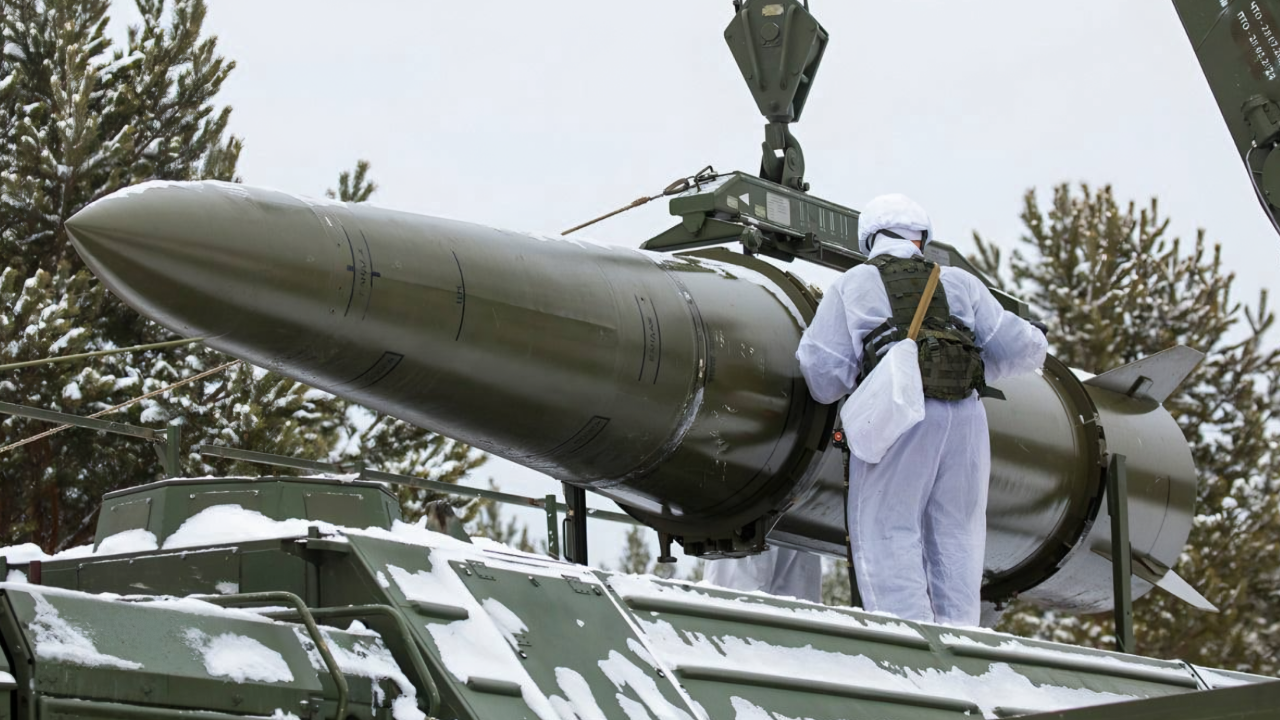
A massive, missile-shaped streak cut across the sky, traveling over 8,700 miles in a single test. Russian officials cheered the launch of their new nuclear-powered cruise missile, nicknamed the “Flying Chernobyl.” They claim it can evade all U.S. defenses.
Observers, however, are watching closely. Independent experts in both the West and Russia question whether the missile is truly reliable—or even operational.
Unprecedented Range
The Burevestnik missile’s test flight reportedly lasted over 15 hours and covered 8,700 miles—far beyond the reach of conventional cruise missiles, according to Russia’s military chief. President Vladimir Putin asserts its range is “not the limit.”
External analysts such as Jeffrey Lewis and Pavel Podvig call the missile expensive and of “doubtful practical value,” with its actual invincibility disputed. Russian officials claim this capability threatens to bypass traditional defense perimeters, but NATO and U.S. experts caution that interception remains possible, especially with new tracking technologies.
Soviet Roots
The concept of a nuclear-powered cruise missile dates back to the Cold War. The United States abandoned its own “Project Pluto” in the 1960s, citing safety concerns.
Russia revived the idea in the early 2000s, building on decades of Soviet-era ambitions. The Burevestnik project represents decades of technological persistence, now culminating in a weapon that could reshape strategic deterrence. It reflects both historical ambition and modern drive to achieve global military parity.
Pressure to Innovate
Growing geopolitical tensions and the potential expiration of the New START Treaty have fueled Russia’s drive to develop new strategic weapons. The Burevestnik’s unveiling comes as Moscow seeks to counter perceived U.S. technological advantages.
With arms control faltering, both sides are racing to deploy systems that can outmaneuver each other’s defenses. The missile is part of a broader push for innovative military capabilities amid shifting international security dynamics.
Nuclear-Powered Flight
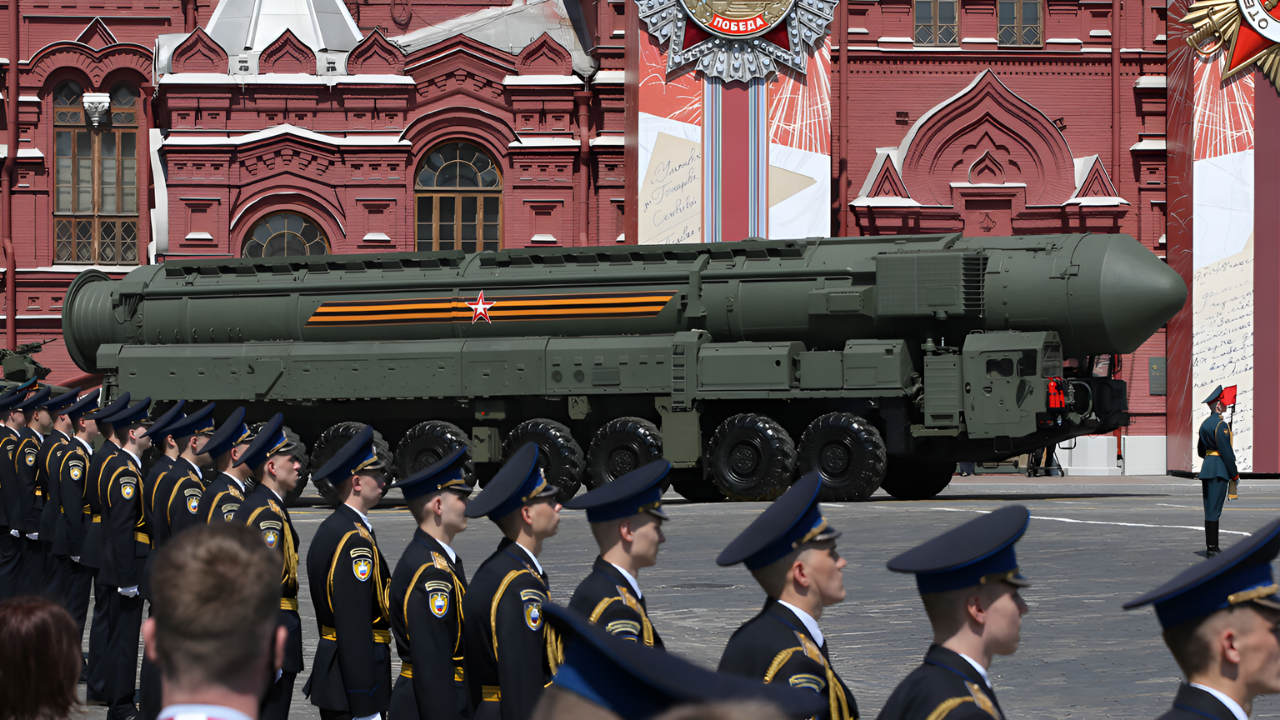
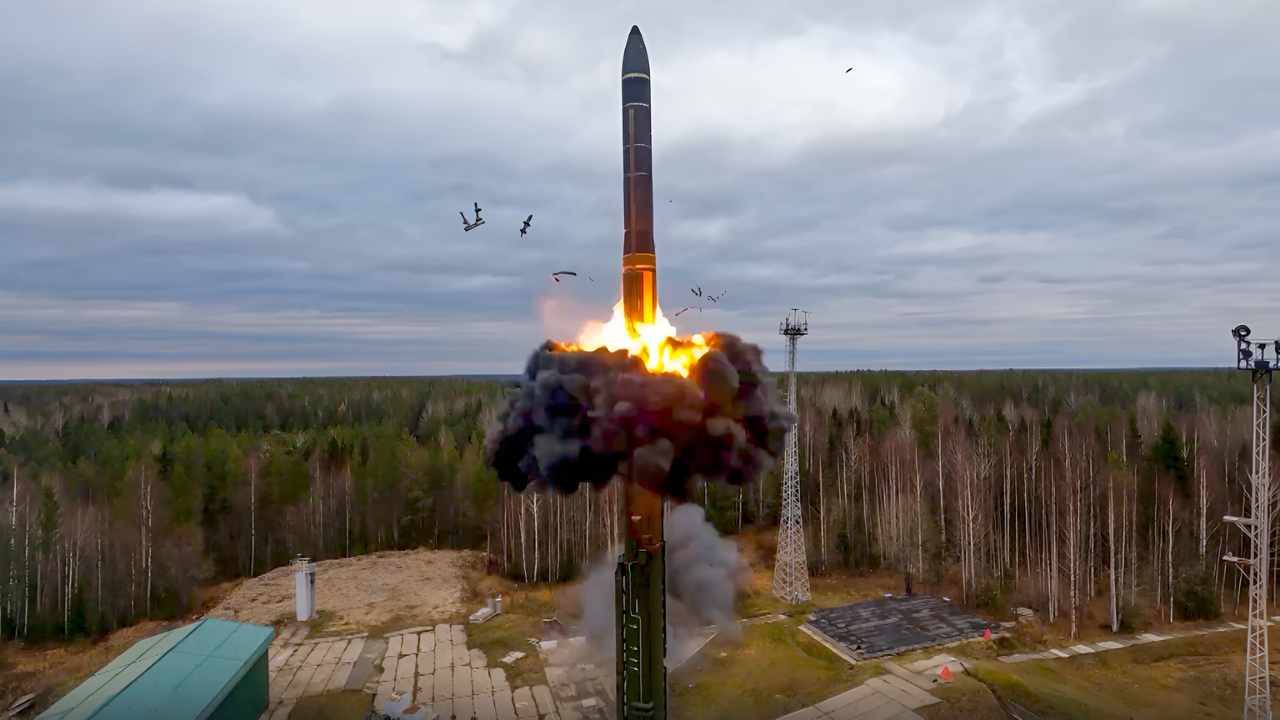
On October 21, 2025, Russia’s Chief of the General Staff confirmed a successful long-endurance test of the Burevestnik missile. The weapon remained airborne for over 15 hours, powered by a miniature nuclear reactor.
This marks the first public demonstration of a cruise missile with nuclear propulsion, a technological leap that could redefine global military balance. Experts note its unique method allows unprecedented range but comes with high risk.
Arctic Fallout
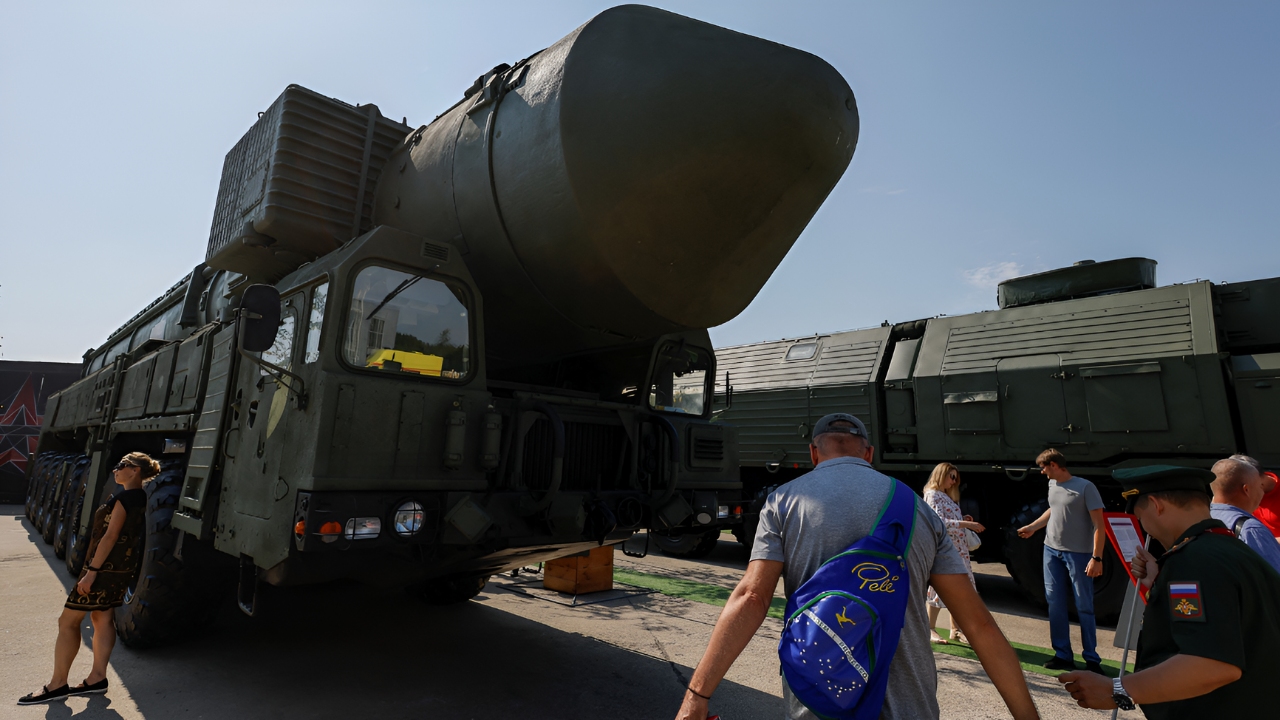
Previous Burevestnik tests resulted in deadly accidents, including a 2019 explosion in the Arkhangelsk region that killed five Rosatom scientists and led to locally elevated radiation levels, confirmed by Russia’s meteorological agency.
Environmental groups and analysts warn the risks of a flying nuclear reactor could be catastrophic if the missile crashes, earning it the “Flying Chernobyl” nickname. Some scientific sources note the actual scope of potential fallout remains uncertain and largely speculative at this stage.
The Arctic route presents particular vulnerabilities for U.S. defenses. Russia is deploying the AS-23A cruise missile with extended range, allowing bombers “flying well outside NORAD radar coverage to threaten targets in North America,” according to a Mitchell Institute report. The aging North Warning System was designed for 1980s-era Soviet bombers, not modern low-altitude cruise missiles. Until planned over-the-horizon radars become operational “in the next decade,” the Pentagon acknowledges “the homeland is at great risk from the Arctic approaches.”
Human Cost
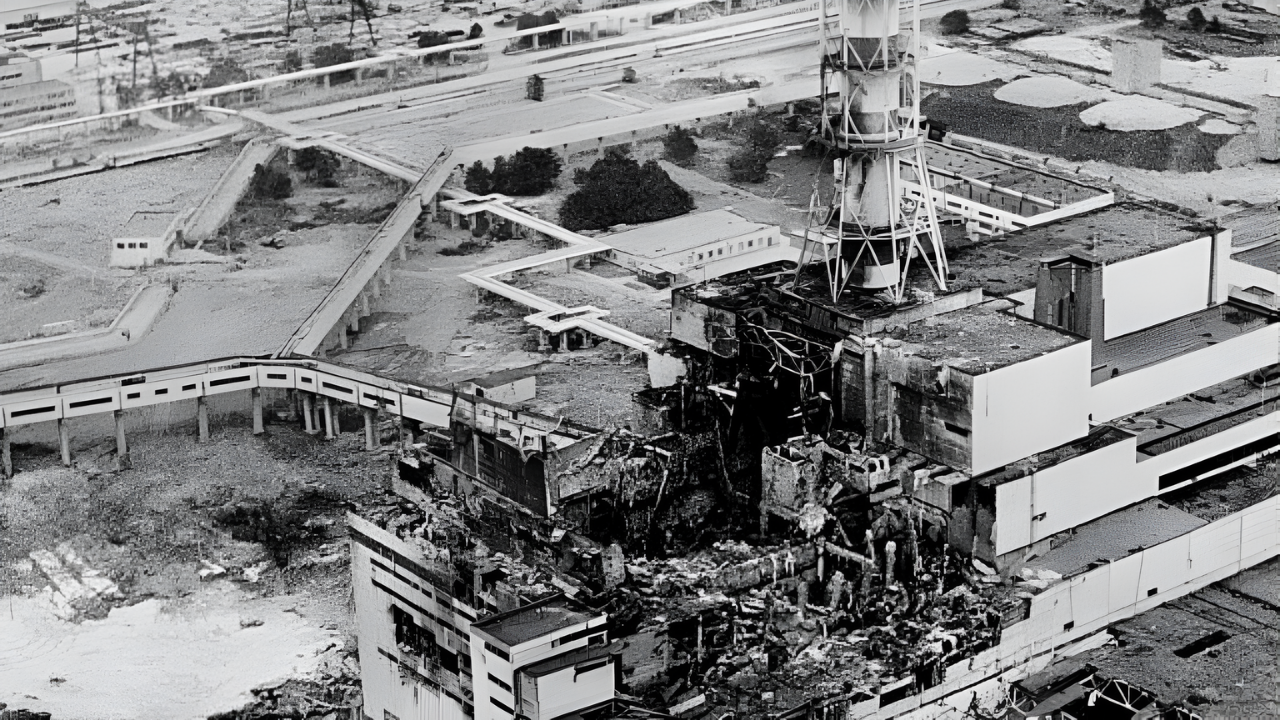
The pursuit of nuclear-powered flight has come at a steep human cost. In 2019, at least five Rosatom scientists died during a failed test in Arkhangelsk, with additional military and technical personnel possibly affected by radiation exposure.
President Putin presented their families with state awards, emphasizing the strategic importance of the project.
Defense Dilemma
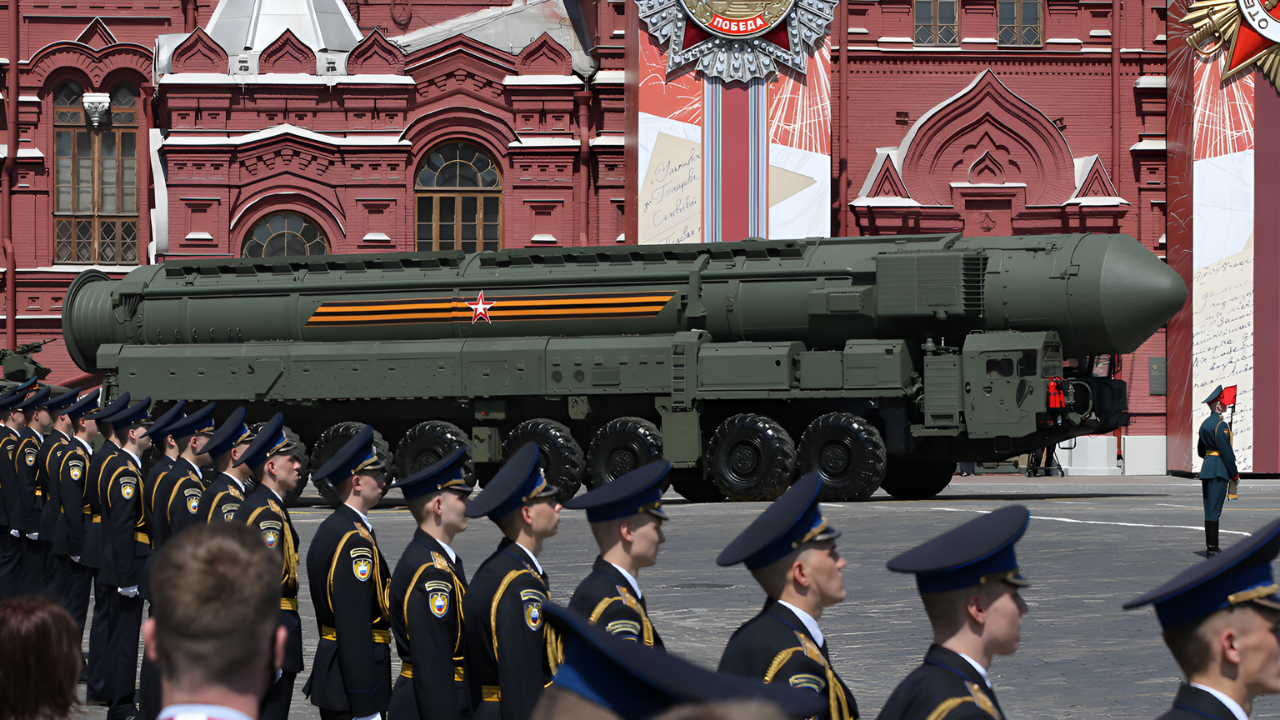
The Burevestnik’s design is intended to evade radar by flying at low altitudes and unpredictable courses, as Russian military leaders claim. A 2022 Center for Strategic and International Studies report reveals the U.S. has a “near-complete lack of homeland cruise missile defense” against low-altitude threats. CSIS senior fellow Tom Karako explained that existing systems are “old, immobile and have well-known locations,” while the North Warning System “cannot adequately detect terrain-hugging cruise missiles.”
Deputy Commander of U.S. Northern Command Lt. Gen. A. C. Roper acknowledged Russia and China “possess the capability and have demonstrated the intent to hold the homeland at risk.” The Burevestnik’s nuclear propulsion allows it to loiter for days and approach from any direction, exploiting what experts call a “360-degree surveillance problem” for NORAD.
Global Arms Race
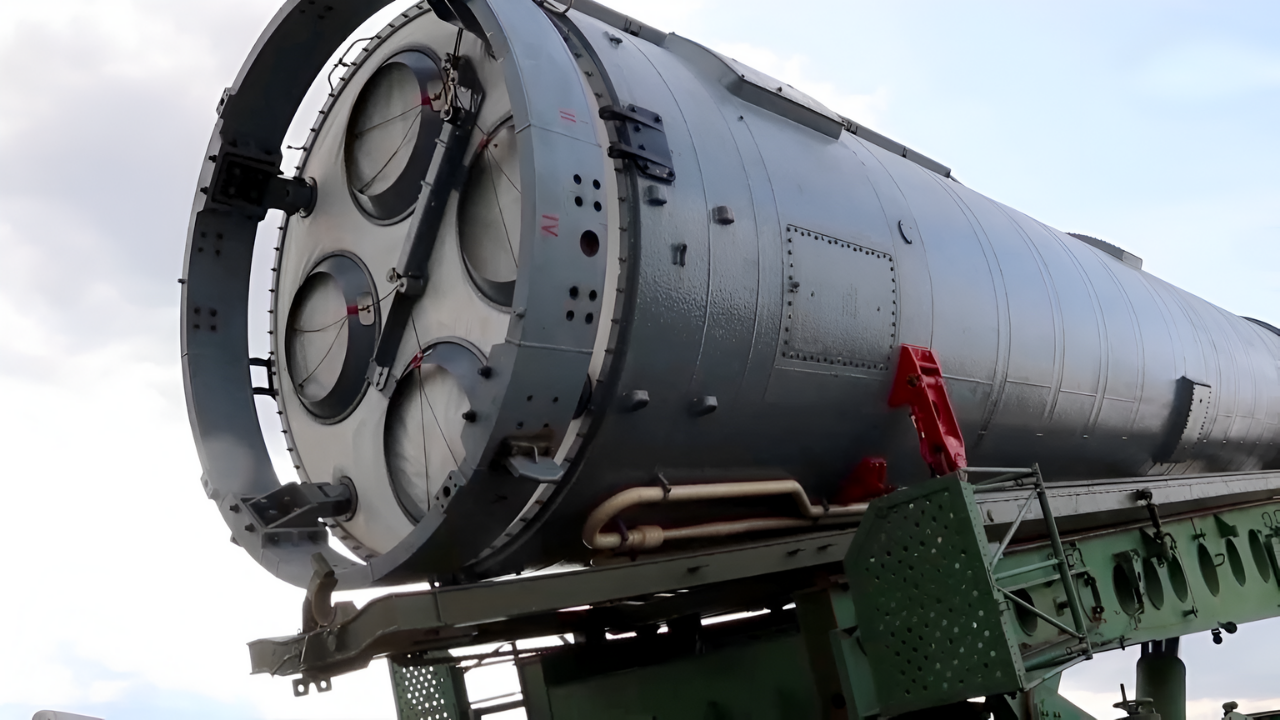
Russia’s claims of “invincibility” have intensified global competition in strategic weaponry. The United States is investing in space-based tracking systems and advanced interceptors, while China and other powers monitor developments closely.
The Burevestnik’s debut signals a new era of unpredictable, long-range nuclear threats, renewing calls for arms control talks to address these risks before deployment becomes reality.
The missile exploits fundamental limitations in current U.S. defense architecture. Aegis Ashore systems in Poland and Romania are “optimized for ballistic missile threats and offer limited protection against terrain-hugging cruise systems,” according to defense analysts. The Ground-based Midcourse Defense system in Alaska targets intercontinental ballistic missiles, not cruise missiles.
Former NORAD Commander Gen. Terrence O’Shaughnessy warned in 2019 that Russian cruise missile advances allow them to “strike North America from well outside NORAD radar coverage.”
The Burevestnik’s combination of unlimited range, unpredictable flight paths, and extremely low altitude creates what the Pentagon’s 2019 Missile Defense Review characterized as an “underappreciated, high-capacity, and near-term threat” that current systems were not designed to counter.
Environmental Hazard
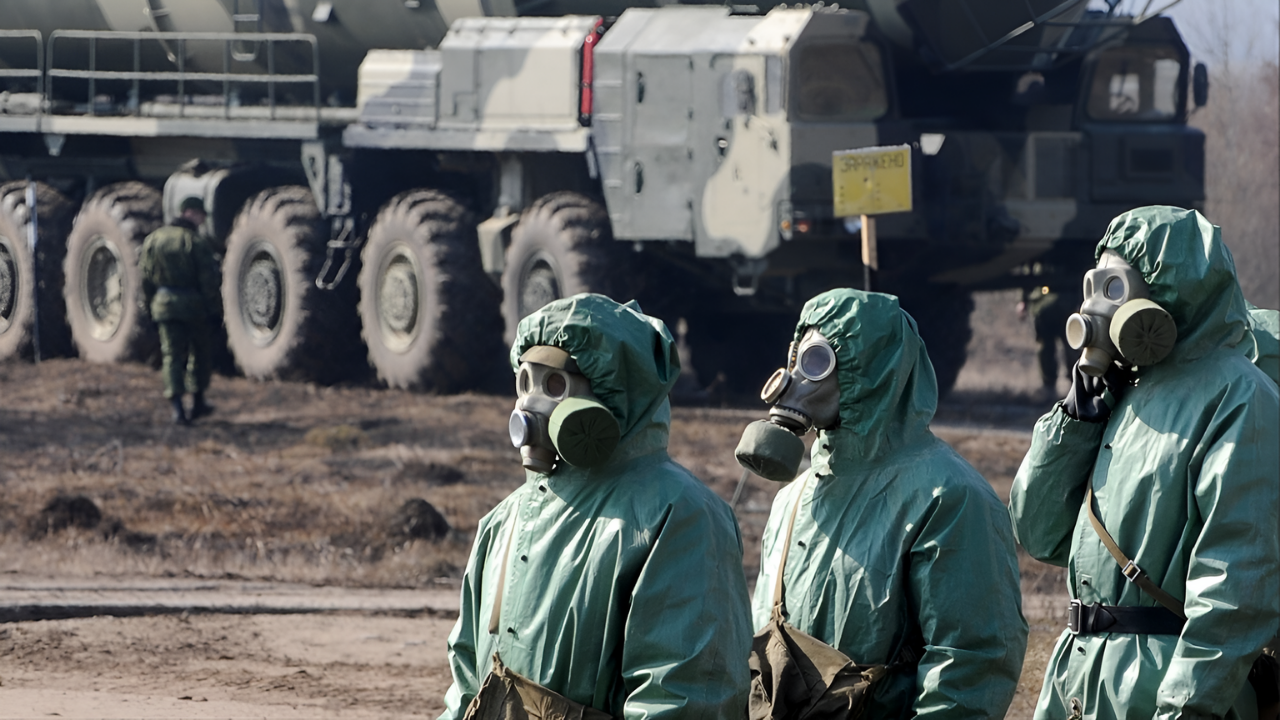
Beyond military implications, the Burevestnik poses grave environmental risks. Its nuclear propulsion could contaminate vast areas if the missile crashes or malfunctions.
Past incidents already led to radiation spikes and hazardous recovery operations. Scientific and policy experts emphasize the danger inherent in the missile’s design, though definitive global impacts remain uncertain.
Internal Skepticism
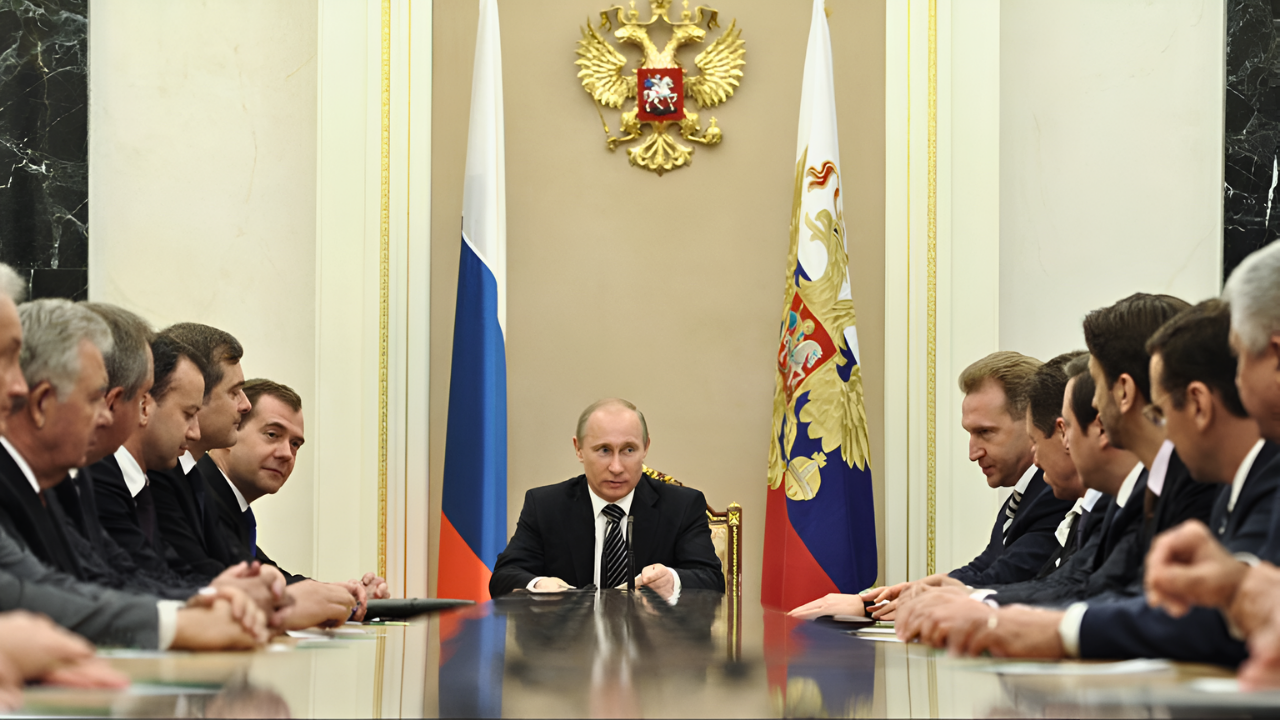
Despite Russian officials’ optimism, many domestic and Western experts continue to question the missile’s practicality and safety.
Repeated failures, crashes, and contamination events have plagued the program. Internal debates persist regarding whether the Burevestnik’s potential outweighs its risks.
Leadership Dynamics
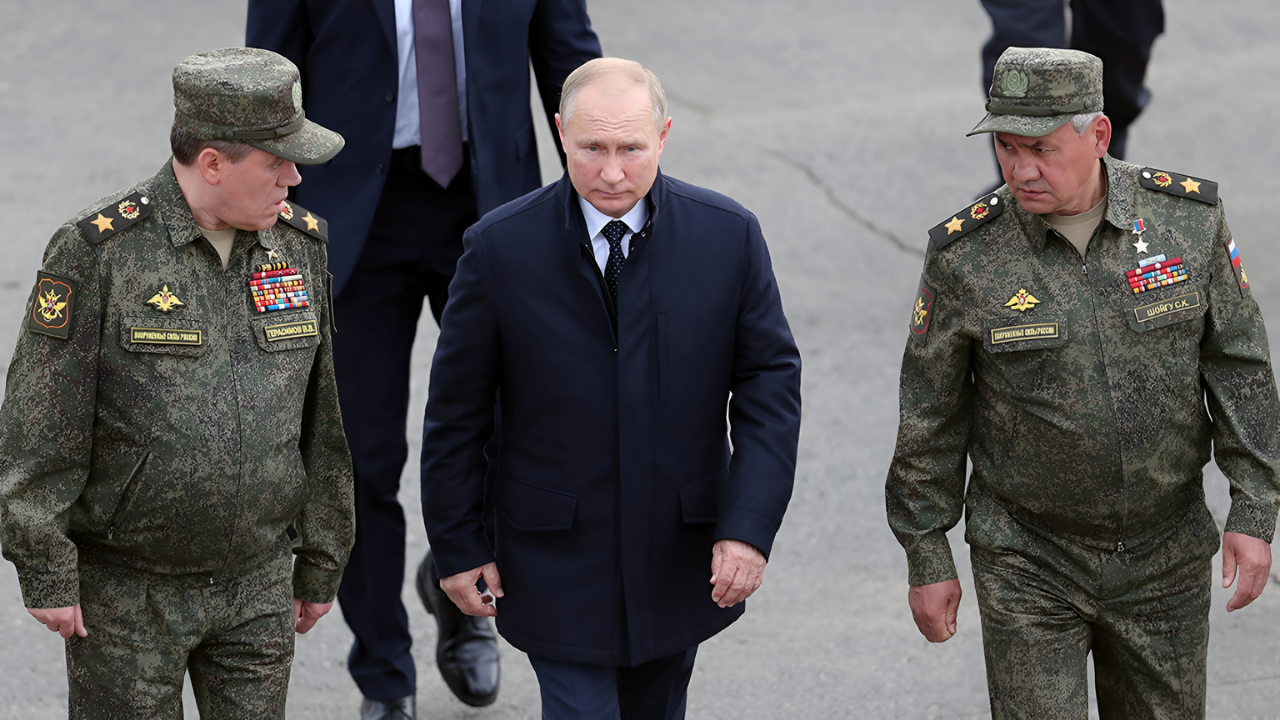
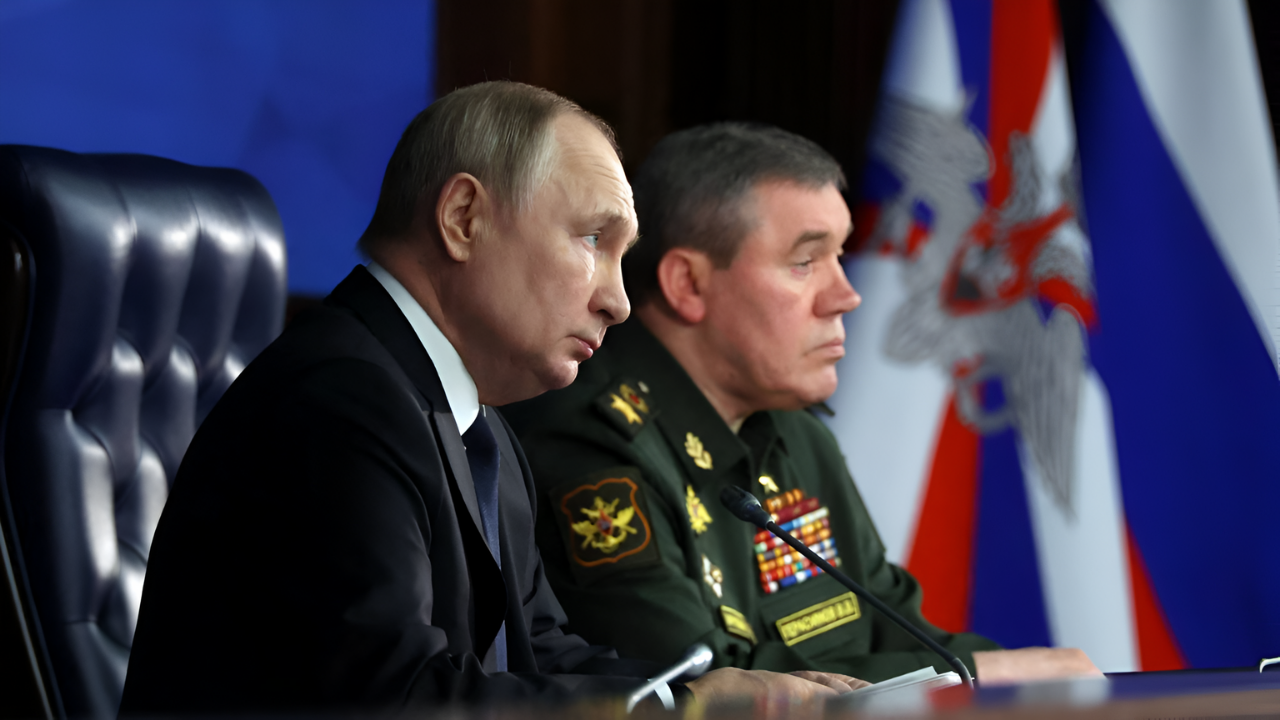
President Putin has personally championed the Burevestnik, framing it as a symbol of Russian ingenuity and resilience. General Valery Gerasimov, Russia’s top military officer, has overseen the project’s development and publicized its achievements.
Leadership changes and shifting priorities could influence the missile’s future deployment and strategic role.
Comeback Plans
Russia continues to refine the Burevestnik, aiming to address reliability and safety concerns. Officials promise further tests and improvements before the missile enters active service.
The project’s persistence reflects Moscow’s determination to maintain strategic parity with the United States, despite setbacks and international criticism.
Expert Doubts
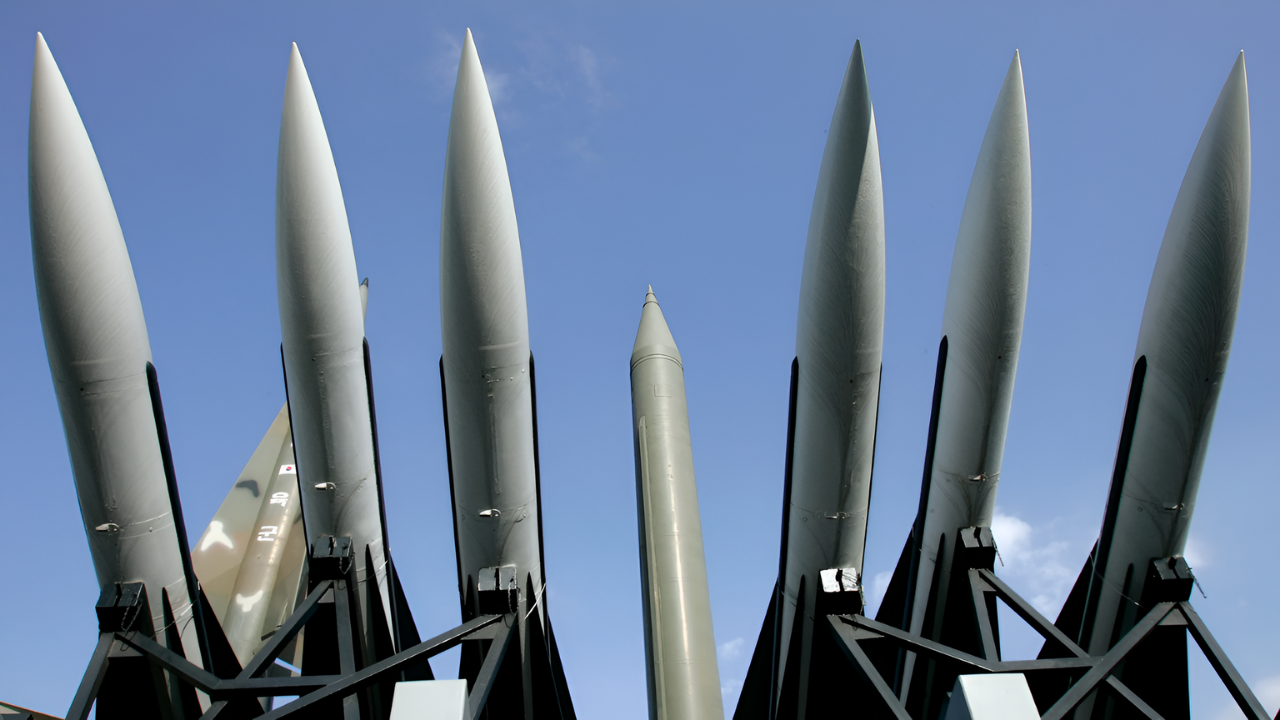
Although Russian leadership touts the missile as ‘invincible,’ many independent Western and Russian experts call its strategic impact questionable.
King’s College London analyst Marina Miron notes it is ‘difficult to intercept but not impossible,’ highlighting that its true operational status and capabilities remain classified and debated.
Future Uncertain
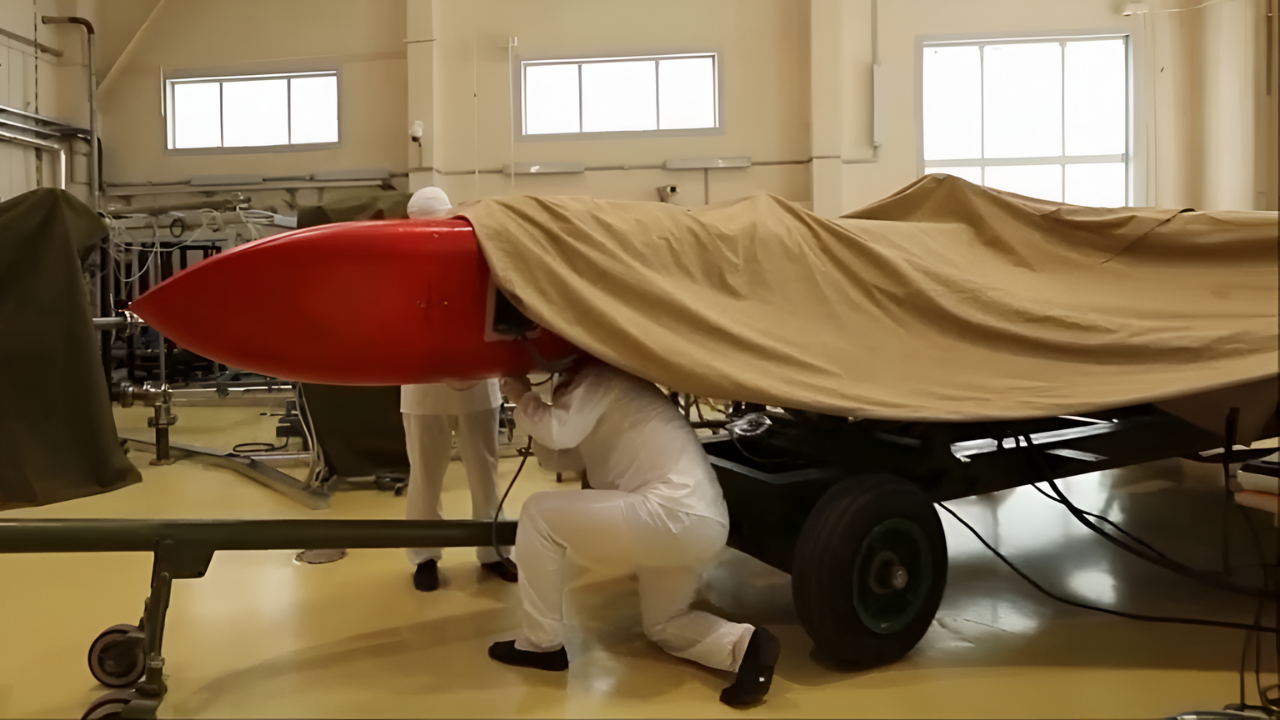
With the New START Treaty set to expire soon, the world faces a new era of nuclear uncertainty.
The fate of the “Flying Chernobyl” remains a pivotal question for global security, with the coming months determining whether the missile becomes a strategic asset or a global hazard.