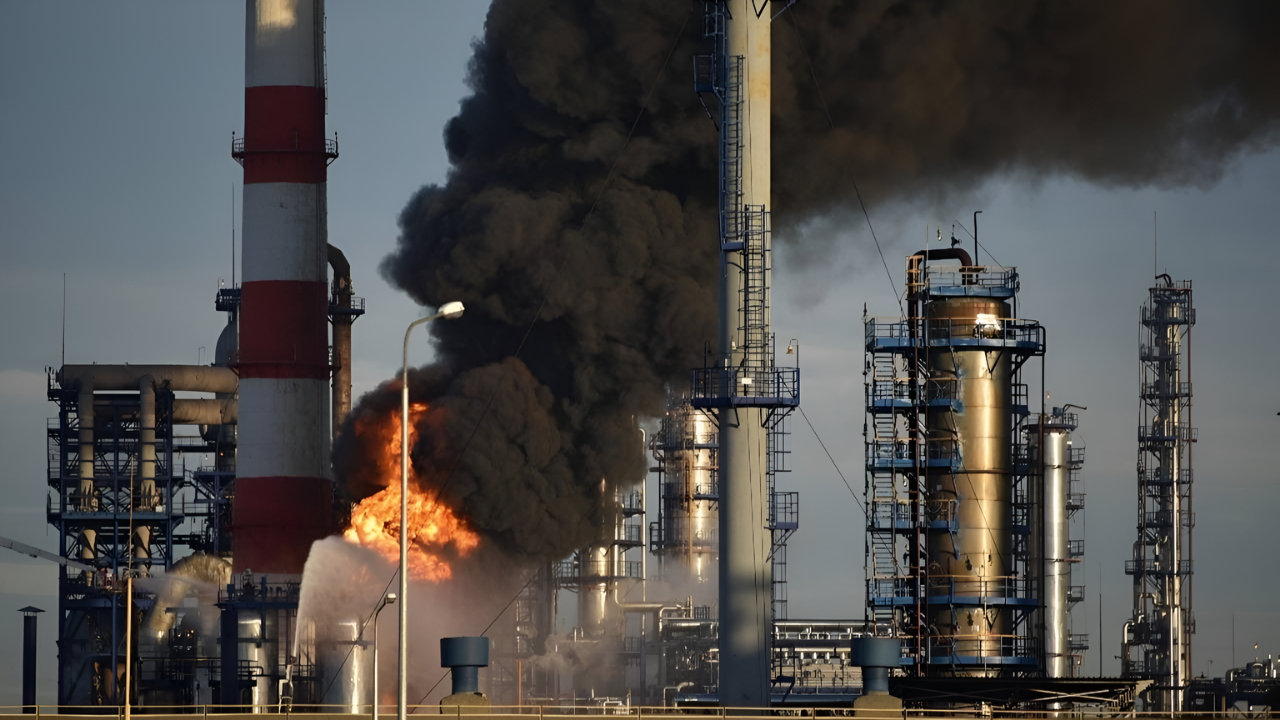
On the night of November 5-6, 2025, Ukrainian drones targeted the Volgograd oil refinery in southern Russia, responsible for 5.6% of Russia’s refining capacity. The strike halted operations at the facility, damaging critical processing units, including the CDU-5. Fires engulfed the area, marking a major escalation in the war.
This attack raises concerns about Russia’s vulnerability and the long-term impact on its energy infrastructure. The scale of the assault has drawn significant attention, as it marks a turning point in the conflict. With such a crucial refinery offline, Russia now faces a major disruption to its fuel supply, critical for both military operations and civilian needs.
Why Did Ukraine Target Volgograd?
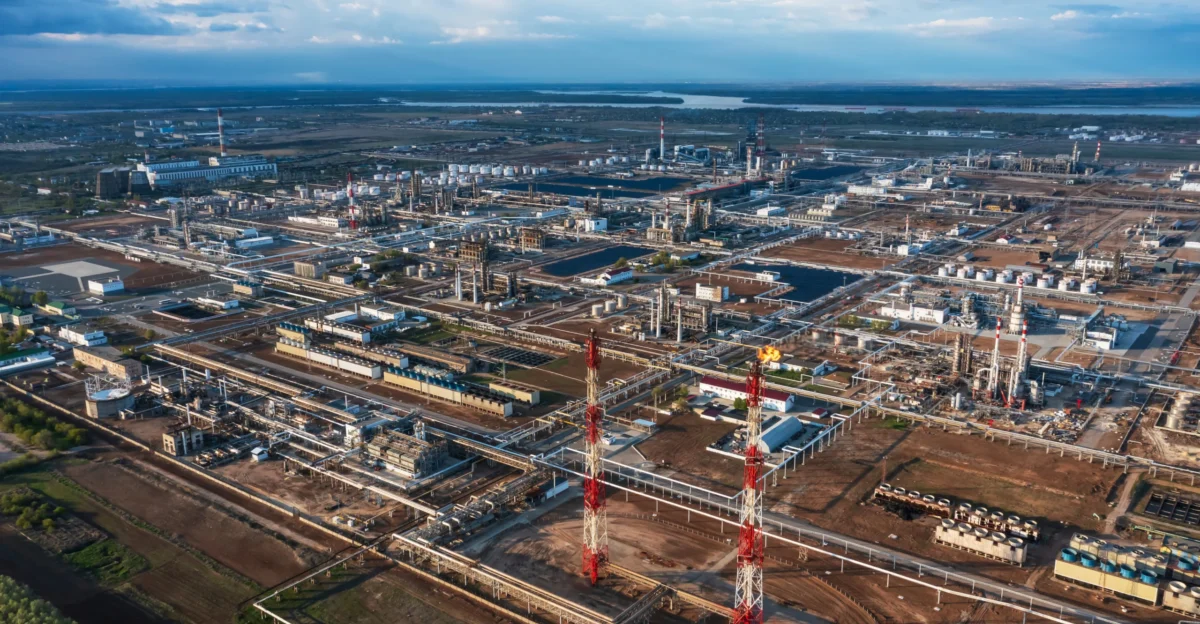
Ukraine’s strategy has shifted to targeting critical Russian energy infrastructure, and the Volgograd refinery became a key target due to its strategic importance. Located near the front lines, the refinery supplies both military and civilian fuel, making it a vital asset.
The November strike reflects Ukraine’s shift toward deeper strikes inside Russian territory as part of a broader campaign to weaken Russia’s resources. By targeting such an essential facility, Ukraine seeks to weaken Russia’s military capacity and increase the strain on its already battered economy.
Russia’s Ongoing Fuel Supply Struggles

Ukraine’s drone campaign has led to widespread fuel shortages across Russia, with long lines at gas stations and rising prices for gasoline and diesel. The Volgograd attack worsened these disruptions, increasing pressure on both military and civilian sectors.
With the refinery offline, Russia faces significant fuel scarcity, exacerbating logistical issues and inflating costs for businesses and consumers. The ongoing disruptions to the fuel supply could become more frequent, further destabilizing the country’s economy and hampering its military efforts.
Lukoil’s Response and Firefighting Efforts

In the aftermath of the attack, Lukoil halted all operations at Volgograd to assess the damage. Emergency crews scrambled to control the fire and assess the state of critical processing units, including the CDU-5 and hydrocracker. While repairs are underway, the timeline for restarting operations remains uncertain.
The delay has left regional fuel supplies in limbo. As one of Russia’s largest refineries, Volgograd plays a significant role in the country’s fuel distribution. With no clear timeline for recovery, there is growing concern about how the region will manage during the coming months, particularly as winter approaches.
Fuel Shifts and Scarcity

With 5% of Russia’s refining capacity offline, the ripple effects were felt across multiple sectors. Fuel demand surged at other refineries and import terminals as Russia’s supply chain scrambled to compensate. The Black Sea ports saw increased activity, but even with the surge in imports, industries such as logistics and agriculture struggled to secure enough fuel to operate.
This disruption has made it clear that the Russian economy is heavily reliant on its energy infrastructure. The fact that such a significant portion of the country’s refining capacity has been disabled leaves both domestic and international markets vulnerable. Russian industries now face an uncertain future, with potential fuel shortages that could further slow economic recovery.
Export Disruptions and International Trade Delays
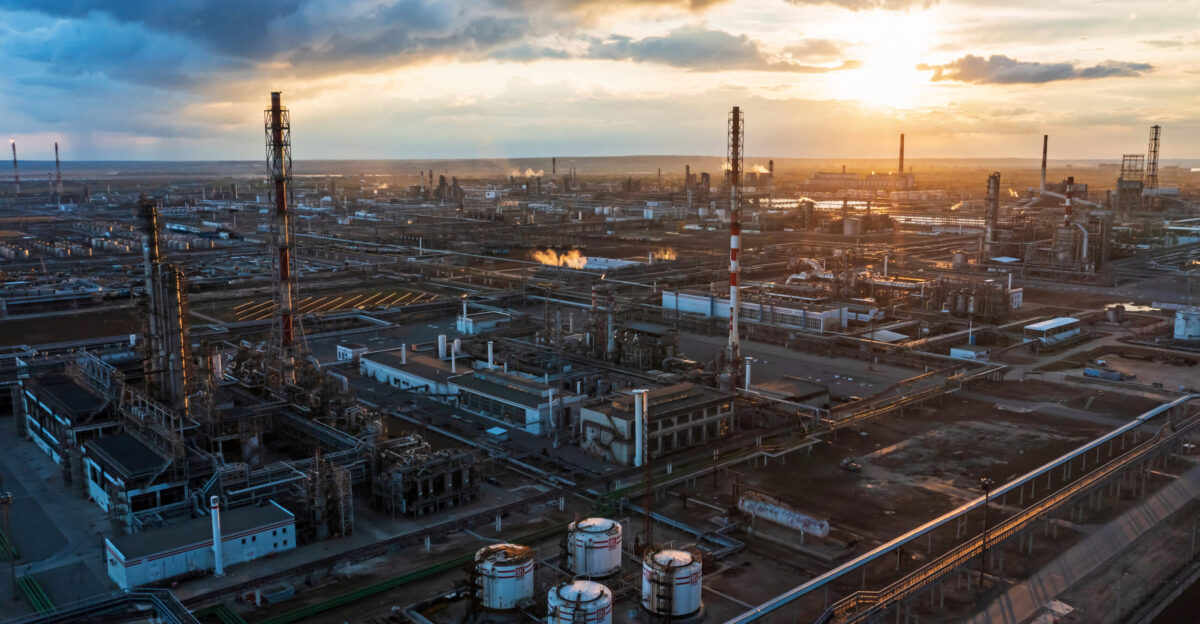
The Volgograd refinery’s shutdown didn’t just impact domestic supply; it also disrupted Russia’s export capacity, disrupting refined product flows to neighboring countries and Black Sea ports. As exports slowed, international buyers faced delays and price volatility.
Russia’s energy supply chain has been further strained, compounding challenges in global fuel markets. Countries that rely on Russian fuel, particularly in Eastern Europe, are now facing energy shortages. These disruptions serve as a wake-up call to the global community about the risks inherent in overreliance on any one energy supplier, particularly one involved in such a volatile conflict.
Casualties and Local Displacement
A 48-year-old man died from shrapnel during the attack. Workers at the refinery faced sudden unemployment, while residents in the Krasnoarmeysk district suffered property damage from fires. The human toll underscored the heavy price of strategic military targeting.
While military targets are the main focus of the conflict, civilians are often caught in the crossfire. This attack highlights the collateral damage caused by warfare, with families and communities suffering the immediate and long-term effects of the violence.
Acknowledging the Attack
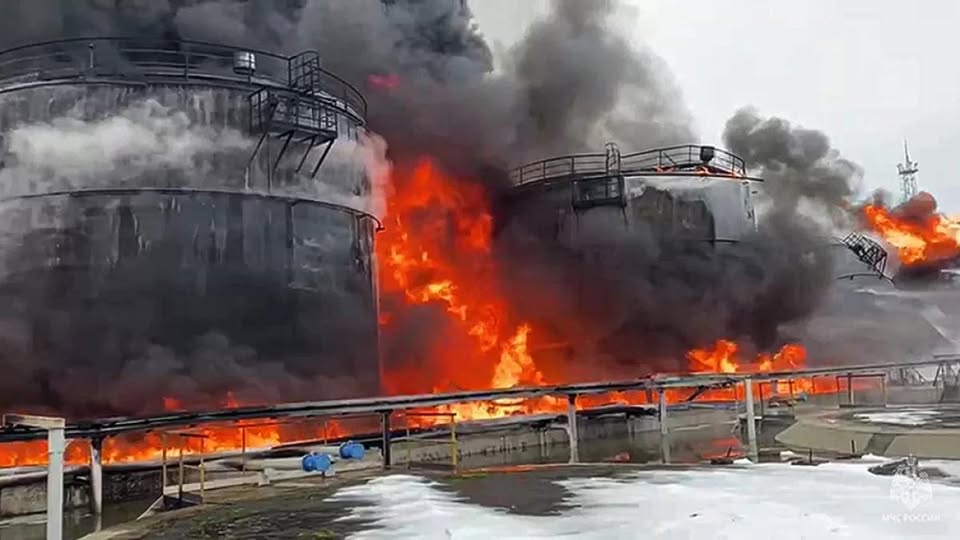
Initially, Russian officials were hesitant to confirm the attack, but Volgograd Oblast Governor Andrey Bocharov acknowledged both the refinery’s damage and the civilian casualties. The Russian Defense Ministry reported the interception of 75 Ukrainian drones, 49 of them over the Volgograd region.
The attack triggered emergency measures, and Russia promised to bolster its defenses. Despite Russia’s claims of successfully intercepting most of the drones, the attack’s success has raised questions about the effectiveness of the country’s air defense systems. This will likely lead to an increase in security measures across the region.
Inflation and Disruptions Across Russia
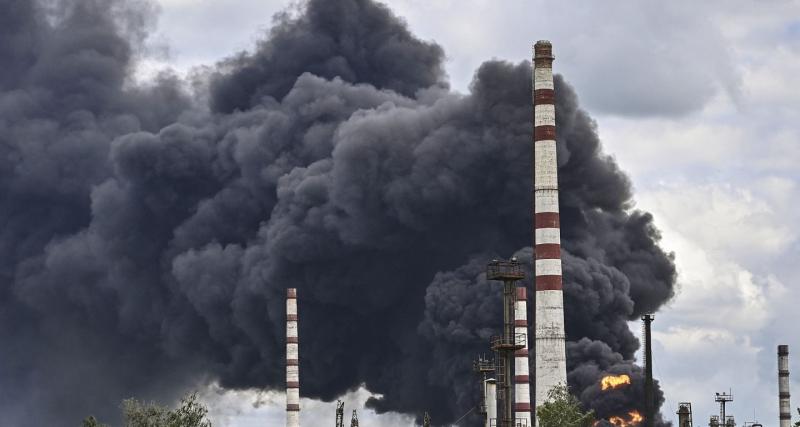
The attack on Volgograd contributed to rising inflation, with 13 airports suspending operations and trade and travel severely disrupted. The cumulative effects of the refinery strike have caused a spike in fuel prices and shortages, affecting businesses and consumers alike.
Consumers are feeling the effects of these disruptions through rising costs of everyday goods, and businesses are facing increasing operational challenges. As fuel prices rise and supply chains become more strained, the impact of the conflict on Russia’s economy becomes more apparent.
Fuel Shortages and Service Delays

Fuel shortages have affected daily life across Russia, from commuting to food delivery. Emergency services have been delayed, and routine activities, such as school commutes and transportation logistics, have become increasingly challenging.
This has become a daily struggle for millions, with long lines at gas stations and disruptions in public services becoming increasingly common. The ongoing shortage of fuel has become a central issue in Russia, with no end in sight as the conflict drags on.
Targeting Russia’s Critical Infrastructure
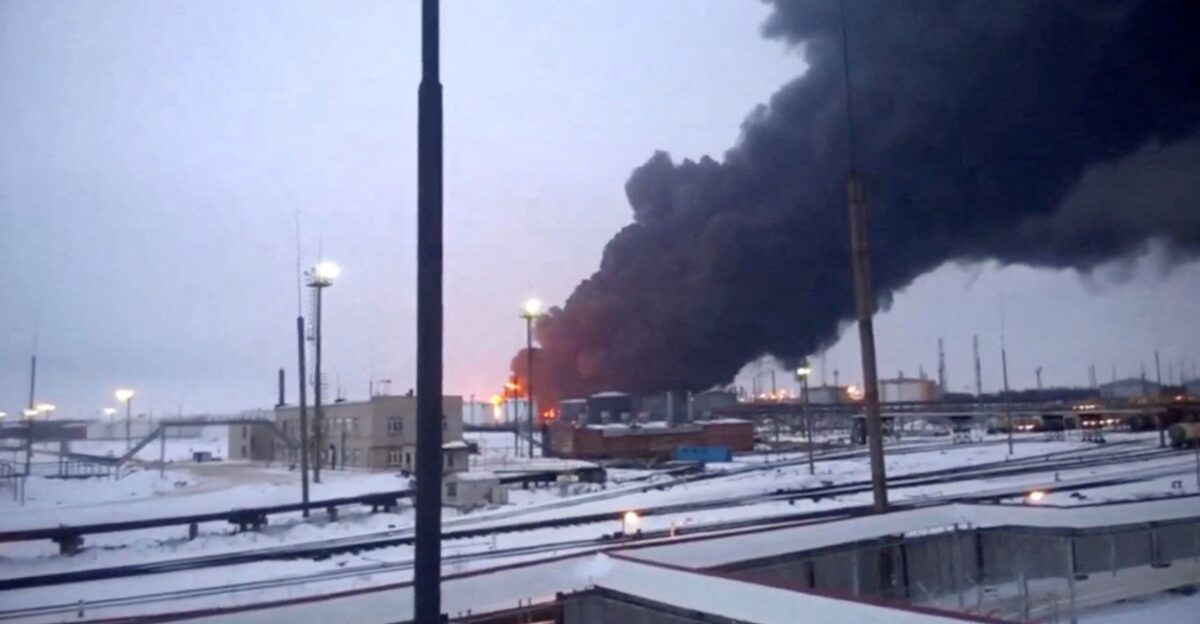
The attack on Volgograd reflects Ukraine’s broader strategy of targeting Russian energy infrastructure. The move is part of a systematic effort to weaken Russia’s economy and military capabilities. By disrupting vital resources, Ukraine aims to shift the balance of power and intensify the pressure on Russia.
With every successful attack, Ukraine weakens Russia’s ability to sustain its military and economic operations, shifting the balance of power in this ongoing conflict. These strikes are reshaping the strategic landscape and could have lasting effects on the conflict’s outcome.
Regional Market Shifts
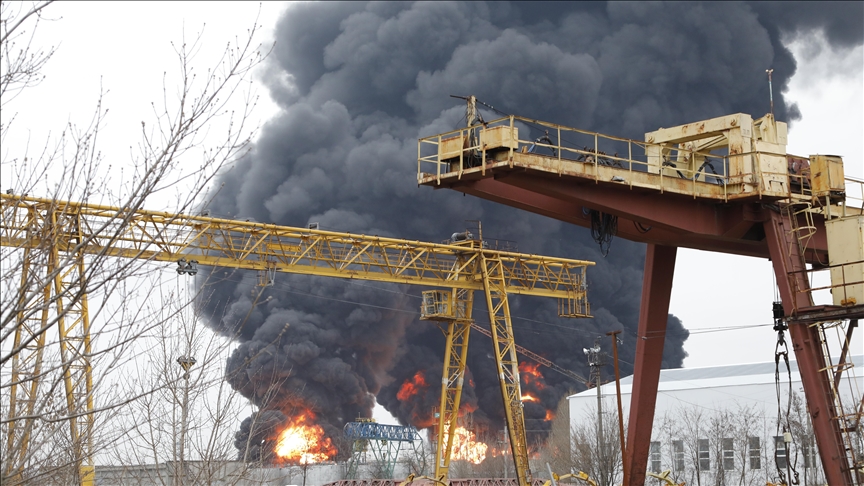
The attack on Volgograd has had wide-reaching consequences on international energy markets. The disruption of Russia’s refining capacity has contributed to price volatility and supply chain instability. Countries that rely on Russian energy are now scrambling for alternative sources, heightening the vulnerability of global energy markets.
As the conflict continues, the global energy market will be forced to adapt. This disruption to Russia’s energy sector is a reminder of how vulnerable international supply chains can be to geopolitical conflict.
Shifting Supply Chains
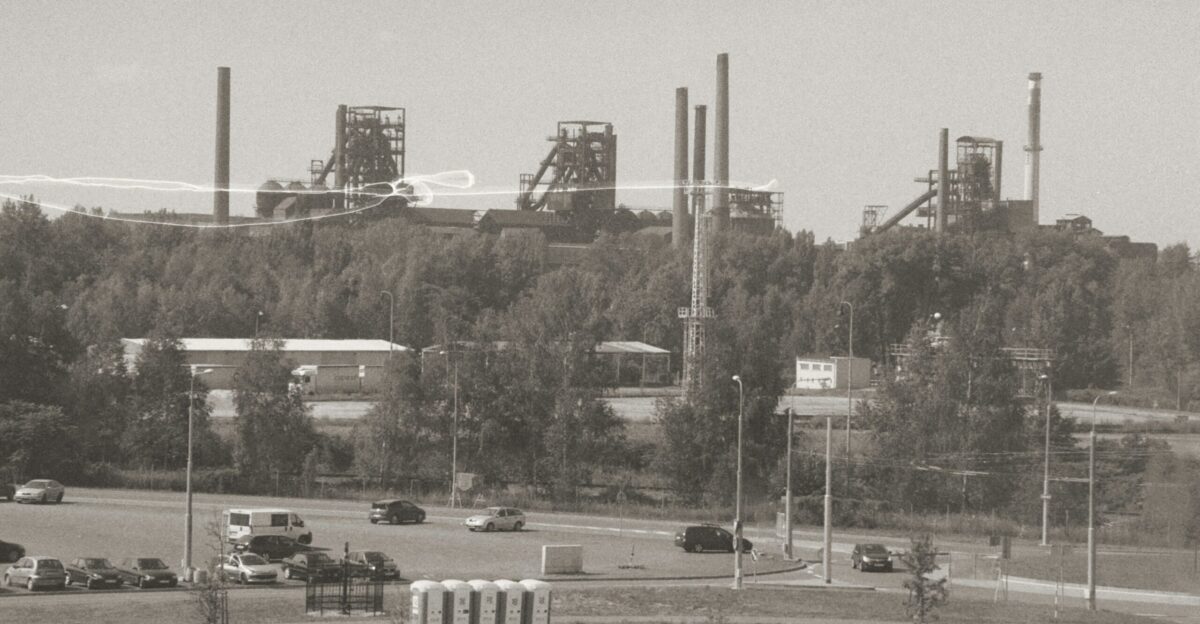
While Western refineries have benefited from the reduction in Russian supply, Russian farmers, transporters, and small businesses have faced severe challenges due to fuel shortages. Ukraine’s drone manufacturers have gained attention for their role in this strategic campaign.
As the conflict intensifies, the global energy market will continue to adapt, with certain players benefiting from the instability while others are left to suffer the consequences. The ongoing shift in supply chains underscores the wider economic impacts of this conflict.
Concerns Over Future Disruptions
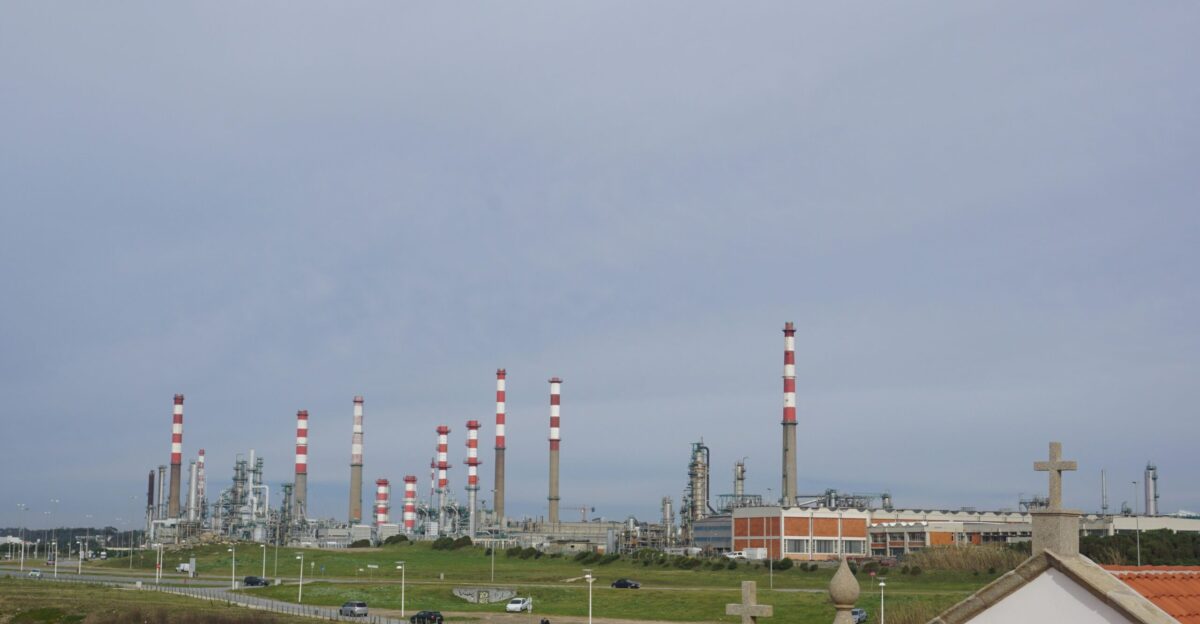
Financial markets have reacted nervously to the ongoing energy disruptions. The Volgograd refinery’s shutdown added to traders’ concerns over further instability. The uncertainty surrounding Russia’s energy supply has created a volatile financial environment, with markets bracing for additional disruptions in the coming months.
As the situation continues to unfold, financial markets are expected to remain volatile. The long-term effects of these disruptions are still uncertain, but their impact on both global and domestic markets will be profound.
Uncertainty and Ongoing Attacks
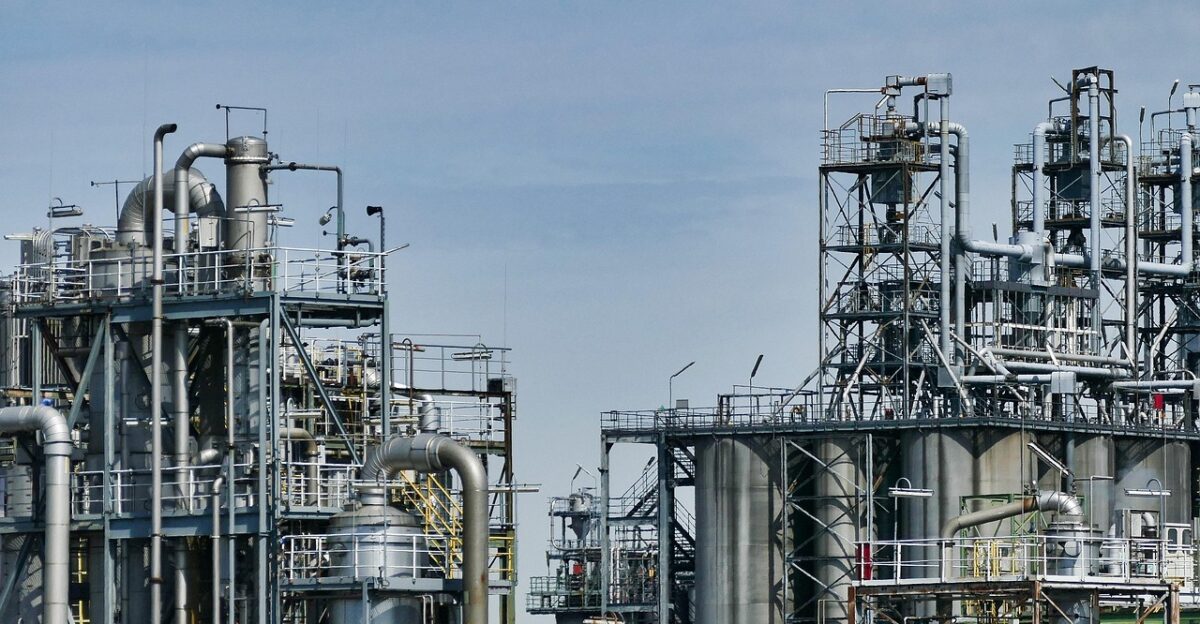
The Volgograd refinery shutdown signals that Ukraine’s strategy of targeting Russia’s energy infrastructure is likely to continue. The attack has highlighted the vulnerability of critical infrastructure, and future strikes on similar targets are expected.
Global markets will need to adjust to this new reality of constant energy disruptions as the conflict unfolds. The ongoing uncertainty surrounding Russia’s fuel supply is causing ripple effects across the global economy, with more disruptions on the horizon.