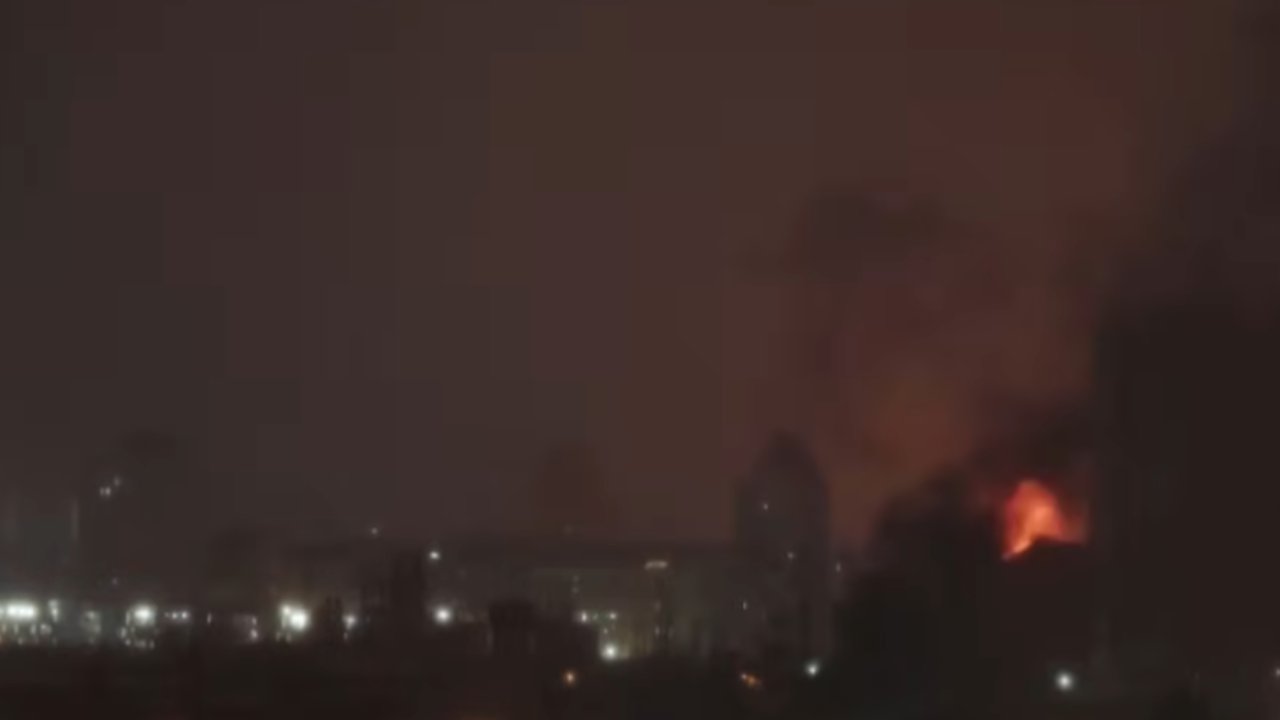
A blinding flash lit up the Ukrainian sky on the night of January 8, 2026. The Oreshnik missile—described by Russia as a new hypersonic, intermediate‑range ballistic system capable of speeds of at least around Mach 10—tore through the air, leaving Ukraine’s defenses with very limited time and options to respond.
It impacted in the Lviv region in western Ukraine, roughly 60–70 kilometers from the Polish border, bringing the war uncomfortably close to NATO territory. This was not just another attack; it was widely seen as a show of power and a message from Russia to both Ukraine and the West.
NATO political and military leaders quickly assessed the implications of the strike and considered their response.
The Second Strike
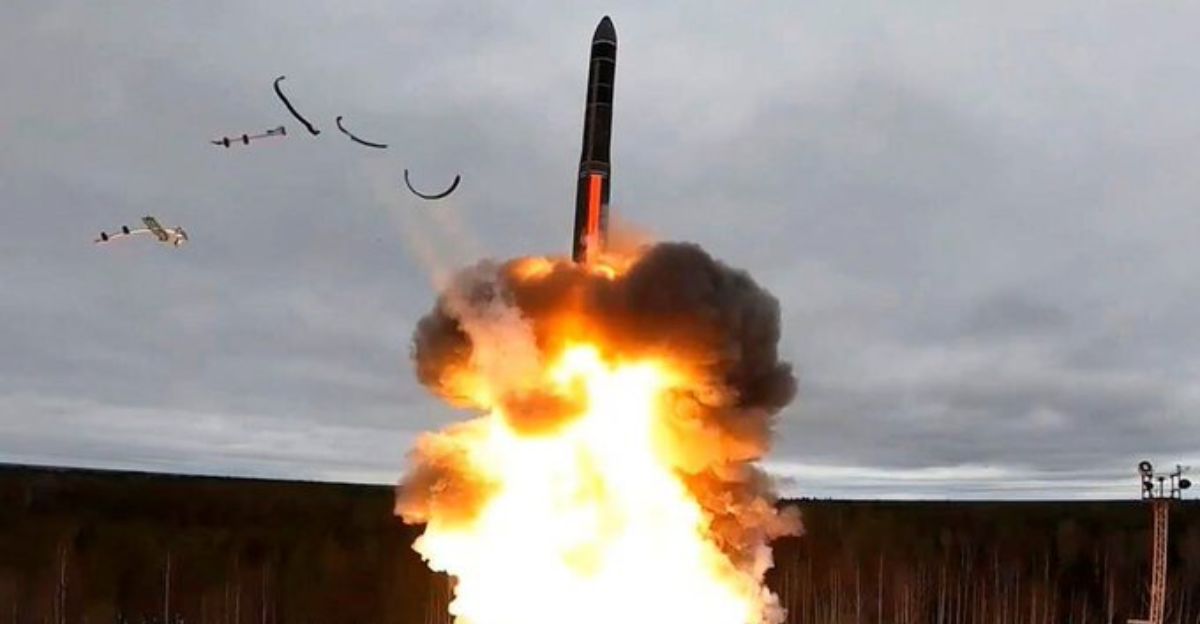
Russia’s Oreshnik missile was used again in this January attack after its first reported combat use against Ukraine in late 2024, when Russian forces struck the city of Dnipro.
By targeting the Lviv region in western Ukraine, much closer to NATO territory than the earlier strike, Russia signaled a shift in how and where it was prepared to use the weapon.
The missile’s apparent precision and range underscored the message that Moscow wanted to send, one Western governments said they could not ignore.
A Weapon Without Equal
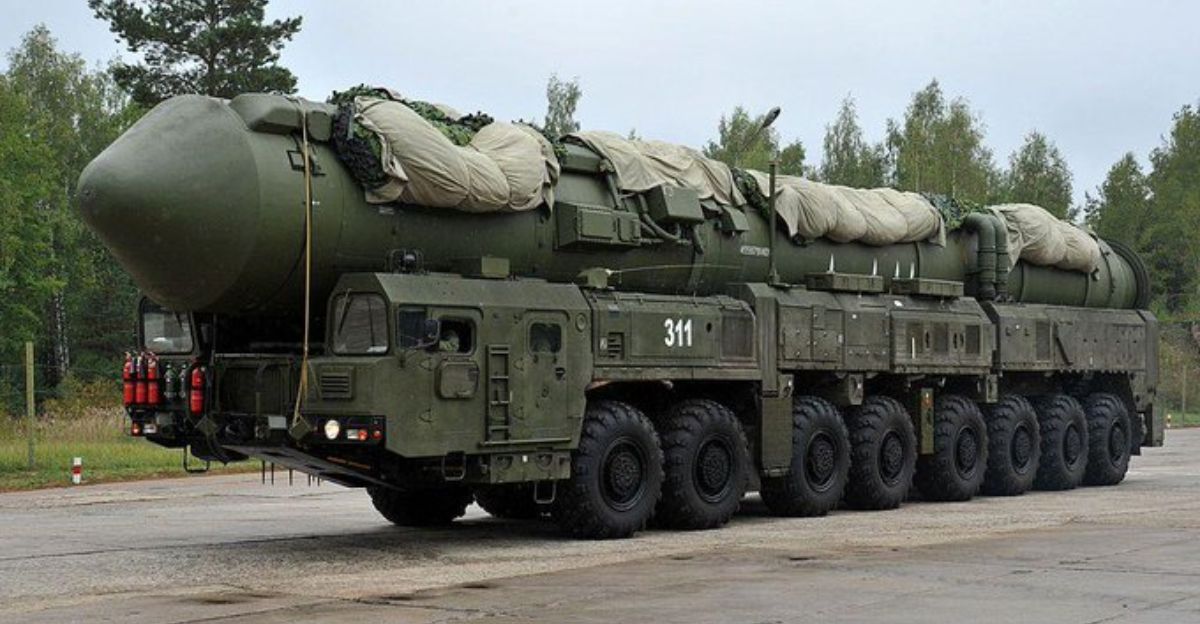
The Oreshnik missile is presented by Russia as a crown jewel of its arsenal, designed to fly at hypersonic speeds and maneuver in ways that make interception more difficult than with many traditional ballistic or cruise missiles.
Analysts and open sources say it is nuclear‑capable and can carry multiple warheads with submunitions, increasing the complexity of any defense.
While some Western systems may have limited potential against such threats under certain conditions, current NATO air and missile defenses were largely built to counter slower or more predictable targets, leaving concerns about gaps in protection against weapons like Oreshnik.
A Barrage Across Ukraine
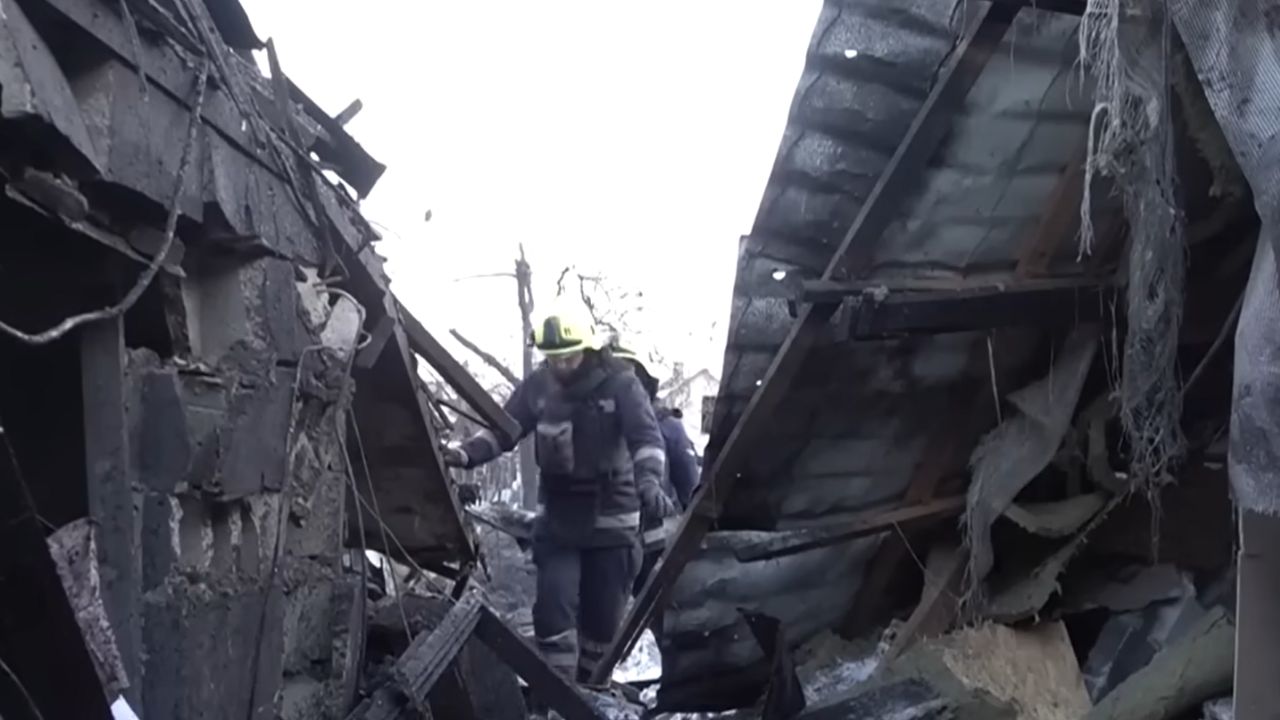
On January 8–9, 2026, Russia launched a large‑scale attack on Ukraine that combined drones and various types of missiles, including at least one Oreshnik, in what Ukrainian authorities and observers described as one of the most intense barrages in months.
Ukrainian authorities reported widespread strikes on energy and critical infrastructure, with Kyiv among the hardest‑hit areas. The assault triggered major power outages and infrastructure damage, deepening an already severe humanitarian situation across the country.
Lviv in the Crosshairs

Lviv, a city about 60–70 kilometers from the Polish border, was among the regions targeted in the January strikes, including by a ballistic missile that Ukrainian investigators later identified as an Oreshnik.
Ukrainian officials reported damage to industrial and infrastructure sites, including energy‑ and aviation‑related facilities, with craters and blast damage visible after the attack.
Initial reports from local authorities indicated no deaths in the Lviv‑area strikes, but the proximity to NATO territory sent shockwaves through Europe and highlighted the growing risk that the conflict could spill over borders.
Kyiv’s Descent Into Darkness

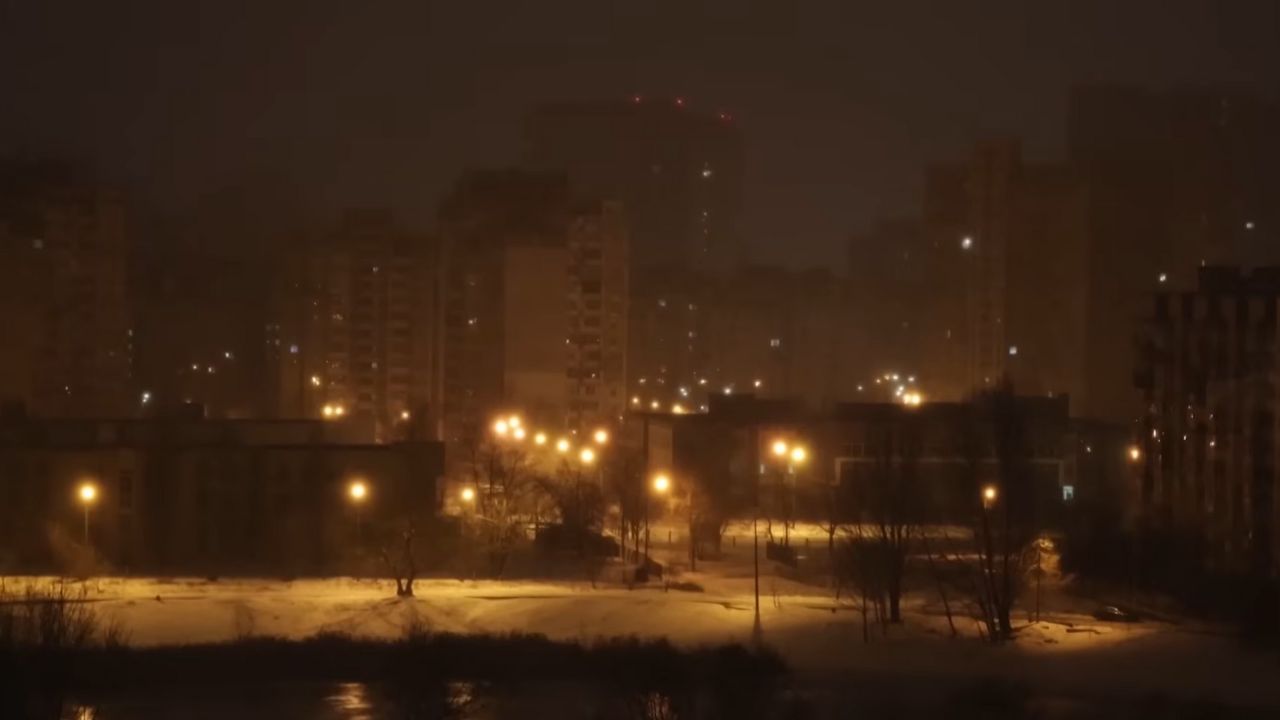
In Kyiv, the attacks severely damaged power infrastructure, leaving large parts of the city without electricity. Authorities said roughly 500,000 people lost power as temperatures dropped well below freezing, with readings around minus 10 degrees Celsius in some areas.
Thousands of apartment buildings—about half the city’s housing stock at one point—were temporarily left without heating or had restricted supply, forcing many residents to seek shelter in safer, warmer locations during one of the coldest periods of the winter.
The Human Cost
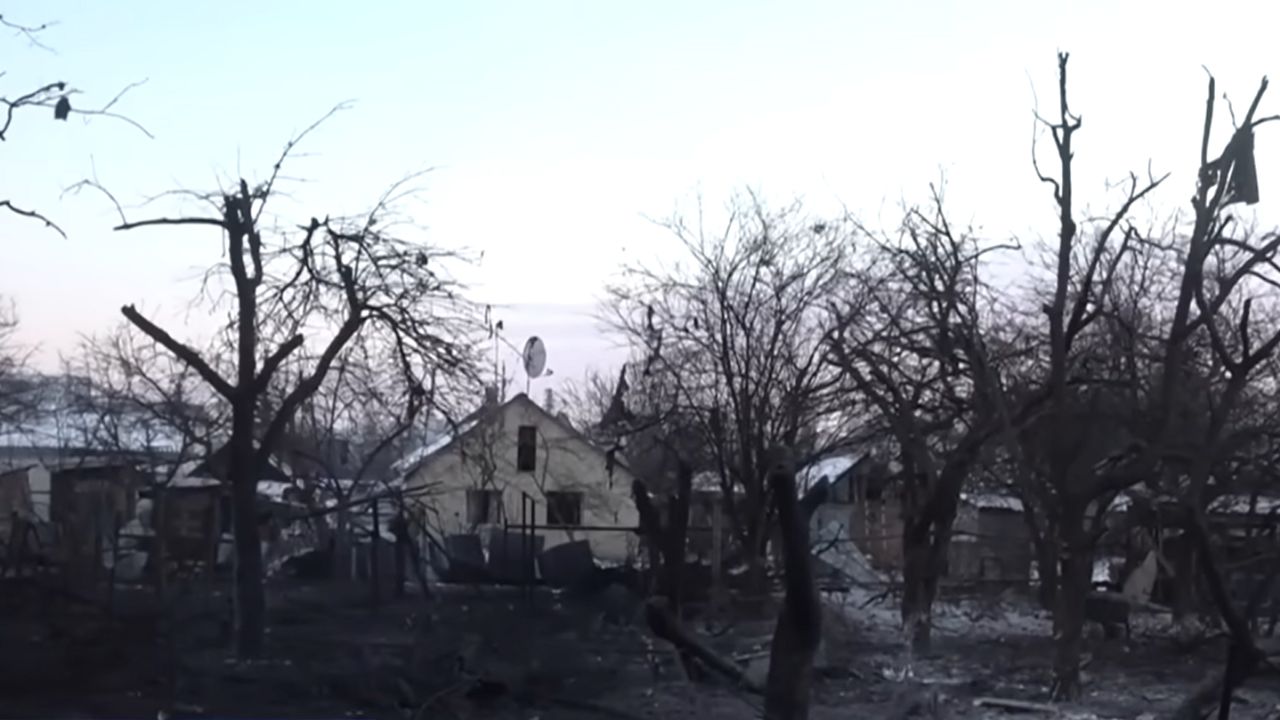
The human toll of the January strikes on Kyiv and other cities was significant. Ukrainian and international reports noted several civilians killed, including at least one emergency responder, and many more wounded as residential areas and key infrastructure were hit.
Damage to energy and water systems compounded the suffering, affecting hospitals, residential neighborhoods, and public services.
Diplomatic facilities in Kyiv also reported blast damage and disruptions, underscoring how little distinction the incoming strikes made between civilian and governmental areas.
NATO’s Alarm Bells
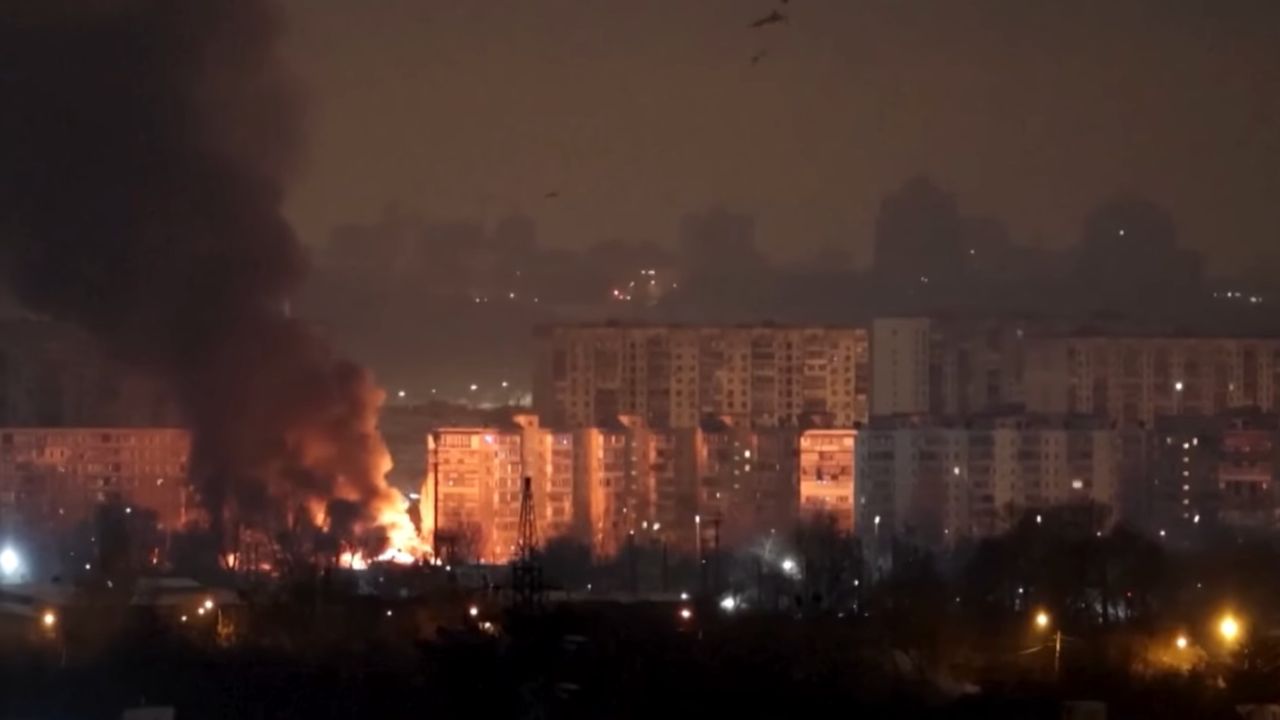
In response to Russia’s missile and drone barrage, including the use of the Oreshnik, NATO and European leaders held urgent consultations and high‑level meetings. Western officials condemned the attack, calling it a dangerous escalation and reiterating support for Ukraine’s defense.
German Chancellor Friedrich Merz and other European leaders have, in this broader context, advocated stronger support for Ukraine and reinforced European and NATO defense capabilities, including air and missile defense, in public statements before and around this period.
Russia’s Strategic Message

Russian officials framed the January strikes as retaliation for Ukrainian attacks, including alleged attempts to hit high‑profile targets linked to the Kremlin.
However, analysts noted that the choice of targets and the timing—shortly after public announcements about the Oreshnik’s capabilities and near NATO’s borders—also seemed intended to test Western resolve and demonstrate Russia’s willingness to escalate technologically.
The episode reinforced concerns that Moscow is using high‑end weapons both for battlefield effect and strategic signaling.
Exodus From Kyiv

Following the intensified attacks and rolling power cuts, Kyiv’s mayor Vitali Klitschko said that roughly 600,000 people left the city in January, seeking safer or more stable conditions elsewhere in Ukraine or abroad.
Local and international media reported crowded train stations and busy evacuation routes as families with children, the elderly, and those needing medical care chose to leave amid fears of further strikes.
This large‑scale movement of people marked another turning point in how the war was reshaping everyday life in the capital.
Repair Race in Freezing Cold
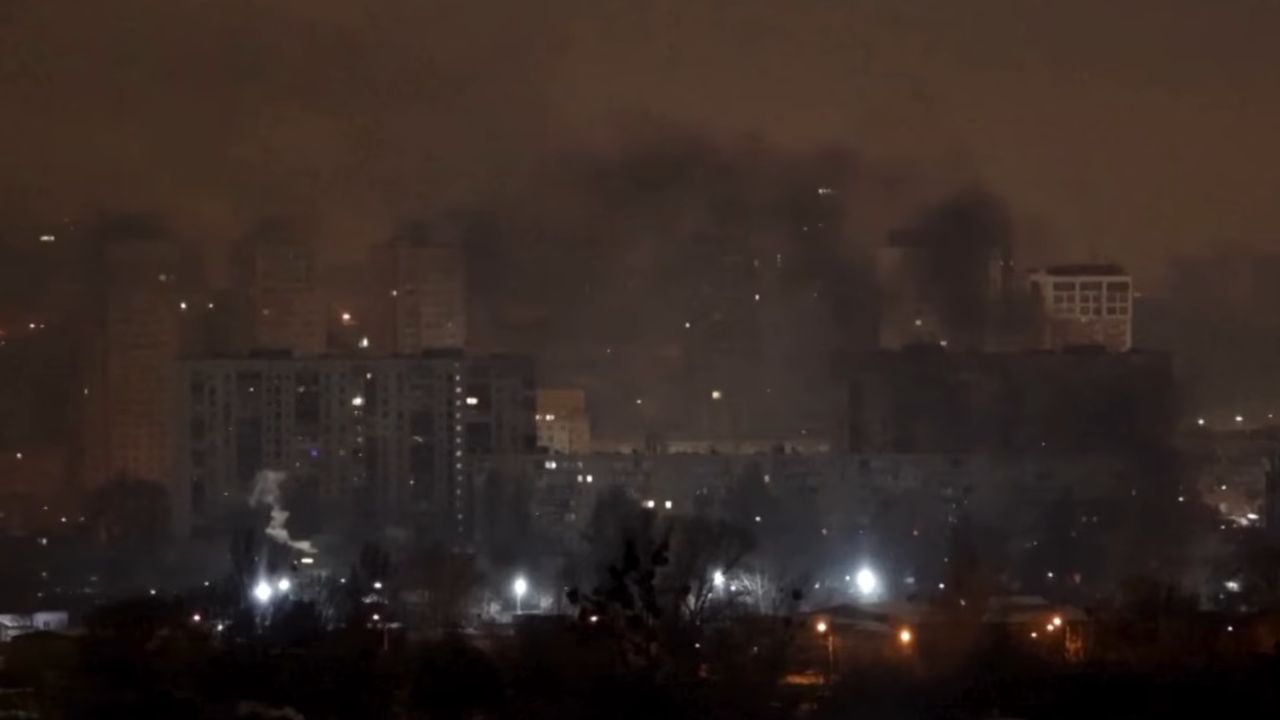
As Kyiv’s energy system struggled under repeated bombardment, emergency and utility crews worked around the clock to restore power lines, substations, and heating networks.
Some progress was made within days, but subsequent strikes in mid‑January again damaged key facilities, forcing authorities to maintain or reintroduce scheduled blackouts.
Residents, already exhausted by years of war, were left coping with frequent outages, limited public transport, and disrupted services in freezing temperatures.
The Air Defense Gap
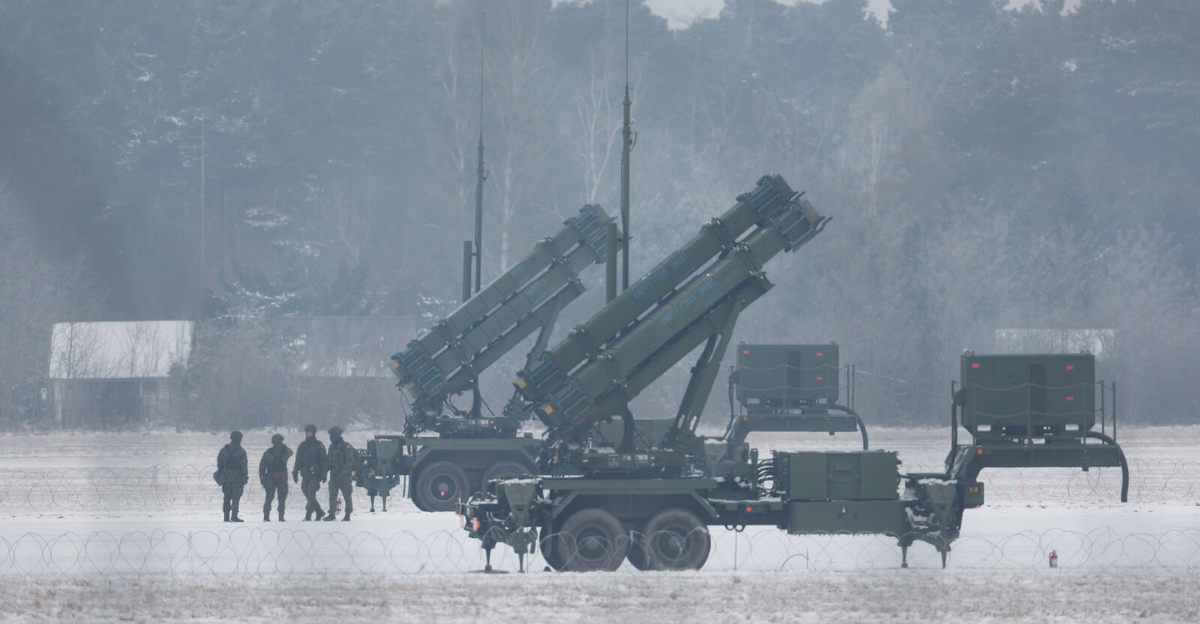
The Oreshnik missile highlighted serious concerns about gaps in Ukraine’s and NATO’s air and missile defenses when it comes to new hypersonic and advanced ballistic systems.
Systems such as Patriot and other Western interceptors have shown some ability to counter a range of Russian missiles, but experts caution that high‑speed, maneuvering weapons like Oreshnik are much harder to detect, track, and shoot down.
The January strike accelerated discussions in NATO about investing in next‑generation sensors, interceptors, and layered defenses for Eastern Europe.
Zelenskyy’s Warning to Europe
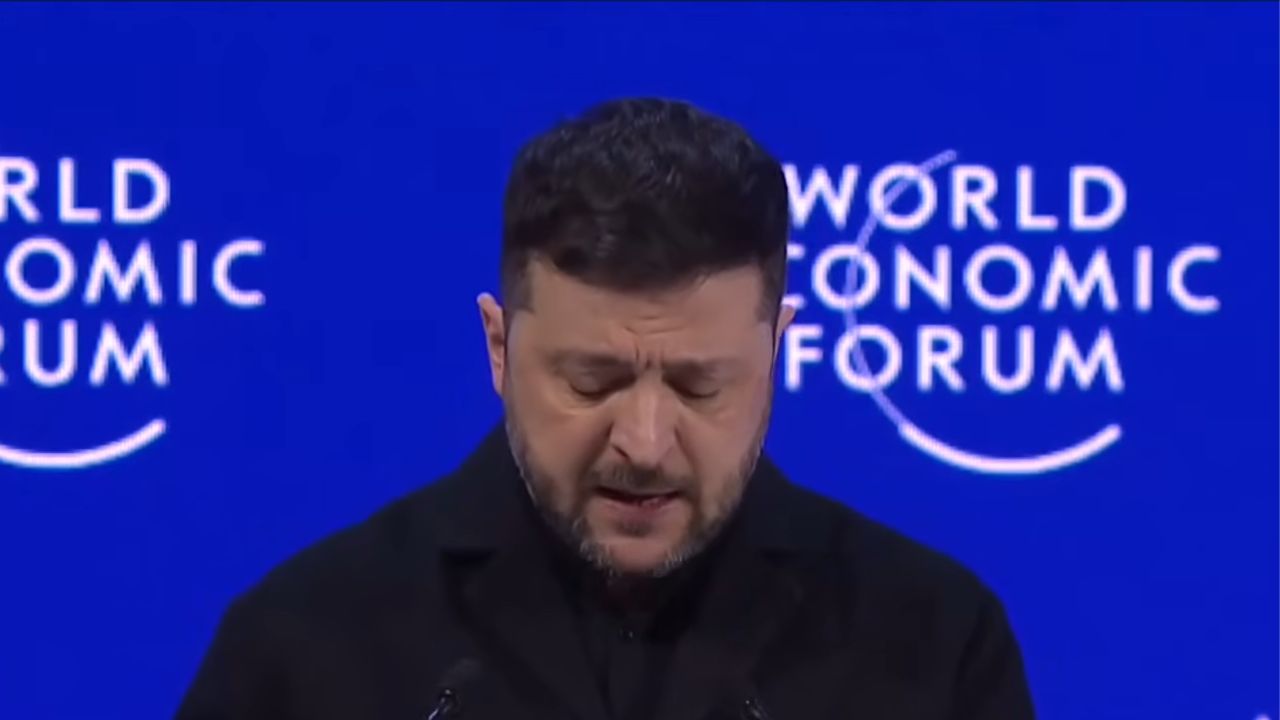
President Volodymyr Zelenskyy used the Oreshnik strike and the wider barrage as a warning to European governments that Russia’s aggression was increasingly threatening the broader region, not just Ukraine.
He urged European nations to step up air defense supplies, long‑range weapons, and financial support, arguing that Ukraine’s ability to withstand such attacks was directly tied to European security.
His message was clear: what happens in Kyiv and Lviv today could shape the security environment for the rest of Europe tomorrow.
The Nuclear Question
Public information does not indicate that nuclear warheads were used in the January Oreshnik strike, but analysts widely note that the system is designed to be nuclear‑capable.
Some observers suggest that Russia may also use conventional or inert payloads at times to demonstrate range, accuracy, and penetration capabilities without crossing the nuclear threshold.
This ambiguity has left European governments and NATO planners worried about future scenarios in which Oreshnik or similar systems could be paired with nuclear warheads.
What Happens Next?

The Oreshnik missile strike and the associated barrage mark a dangerous new phase in the conflict, in which advanced, hard‑to‑intercept weapons are playing a larger role.
NATO now faces difficult questions about how quickly it can adapt its air and missile defenses to counter such threats, and whether additional measures are needed to deter further Russian escalation.
For Ukraine’s civilians, the immediate concern remains survival through continued missile attacks, blackouts, and displacement, even as the broader strategic contest over Europe’s security architecture intensifies.
Sources:
“Russia fires hypersonic missile at target in Ukraine near NATO-member Poland.” Reuters, 9 Jan 2026.
“Russia hits Ukraine with Oreshnik hypersonic missile – why it matters.” Al Jazeera, 10 Jan 2026.
“Oreshnik ballistic missile fired in fresh strikes on Ukraine.” BBC News, 9 Jan 2026.
“Over half a million left Kyiv in January amid Russia’s energy blitz, mayor Klitschko says.” The Kyiv Independent, 20 Jan 2026.