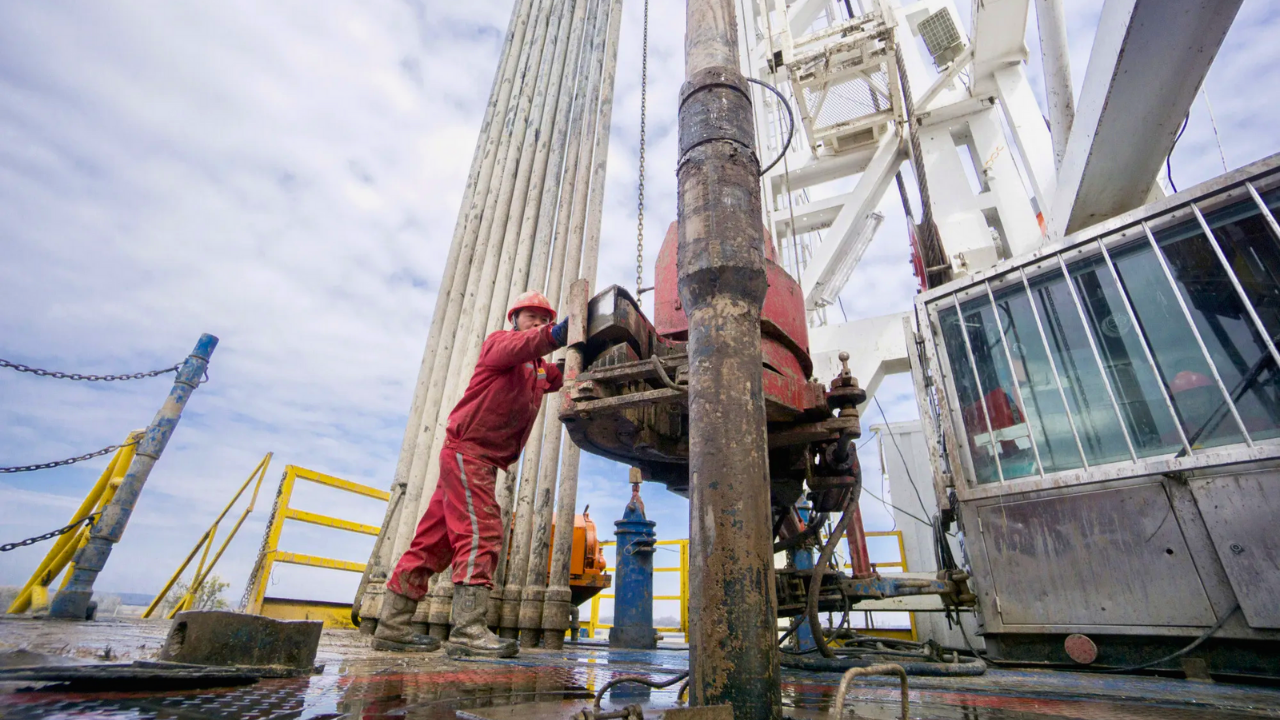
The explosions started just after midnight. Ukrainian drones pierced Russian airspace, dodging air defense systems for over 470 kilometers before finding their target: Rosneft’s Ryazan oil refinery, the fuel factory that keeps Russia’s warplanes flying. Flames erupted across the complex as secondary processing units ignited, visible from kilometers away.
Russia’s defense ministry scrambled to intercept 64 drones across the region—25 aimed at Ryazan alone—yet the damage was already done. Ukraine’s General Staff confirmed the strike, noting explosions and a massive fire spreading through the facility. Governor Pavel Malkov admitted one enterprise sustained damage but wouldn’t name it. The silence spoke volumes.
The Refinery Powering Putin’s Air War
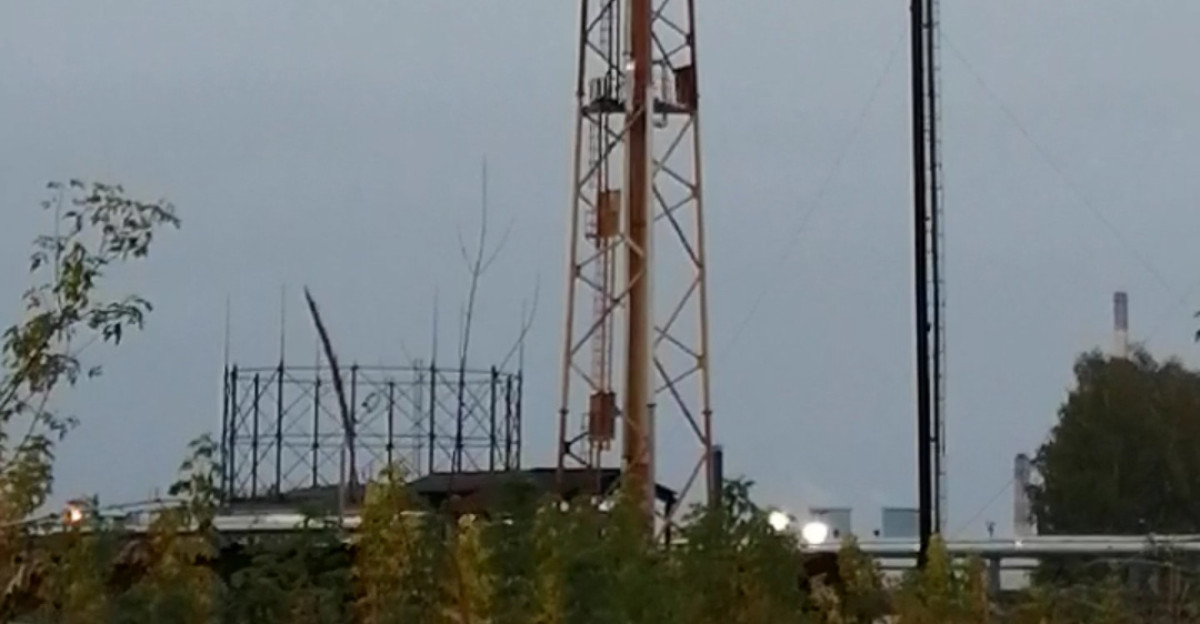
This wasn’t just any industrial target. Ryazan produces 840,000 tons of TS-1 jet fuel annually—specialized aviation kerosene essential for Russia’s Aerospace Forces combat operations. That’s roughly 2,300 tons of fuel per day now potentially offline. The facility also produces gasoline, diesel, and liquefied gases, processing approximately 13 million tons of crude oil annually—roughly 5 percent of Russia’s total refining capacity.
Every sortie flown over Ukraine, every bombing run, every long-range strike depends on facilities like this. Ukraine knew exactly what they were hitting.
They Came Back Five Days Later
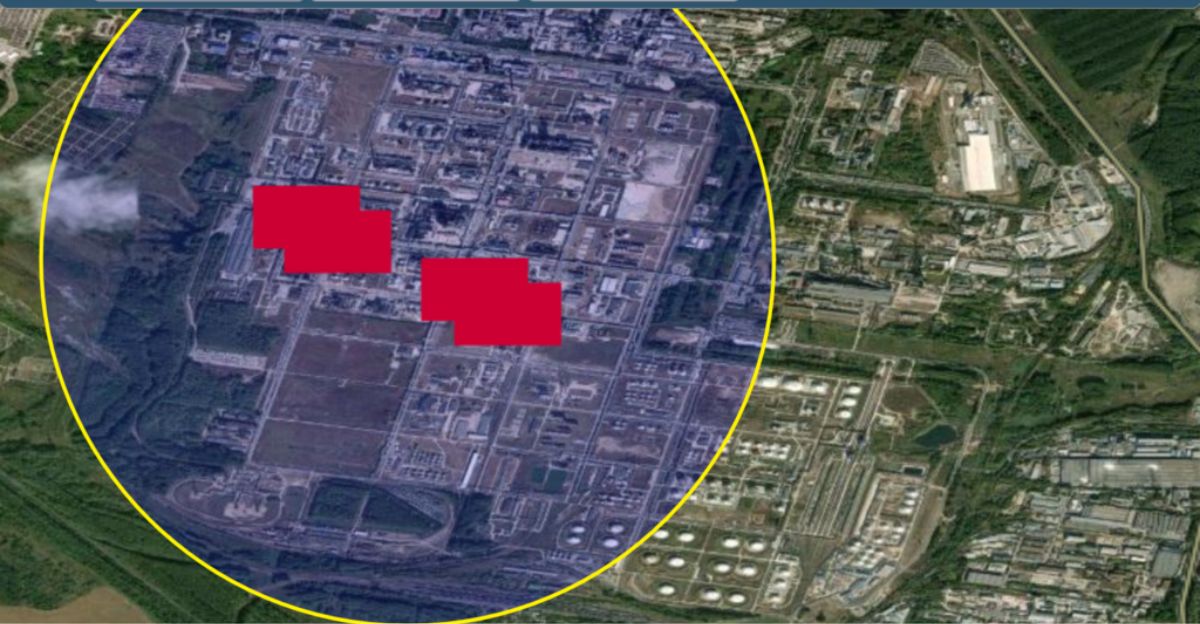
Just when repair crews thought they’d contained the damage, Ukrainian drones returned. On November 19–20, a second wave struck the same refinery, triggering fresh explosions and reigniting fires in secondary processing units. Commander Robert Brovdi of Ukraine’s Unmanned Systems Forces didn’t mince words: “Gasoline is now gradually becoming a scarce commodity in Russia.”
Residents posted videos showing the glow from active fires. This was the eighth documented attack on Ryazan since January 2025—a sustained campaign to choke off Russia’s fuel lifeline.
Production Grinds to a Halt
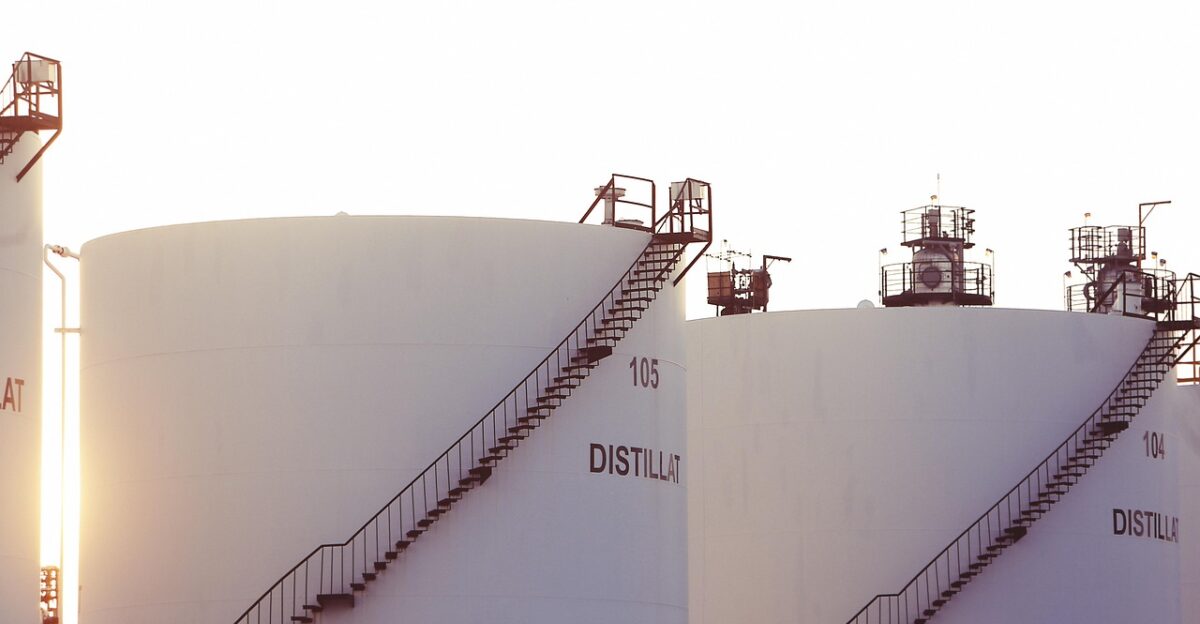
The November 15 strike inflicted damage so severe that Ryazan’s primary crude distillation unit—responsible for nearly half the refinery’s output—shut down immediately. Industry sources confirmed the main processing capacity went offline, leaving only backup systems operational.
Reuters reported no oil product loadings would occur before December 1, meaning at a minimum two weeks of halted production. For a facility handling 5 percent of national refining capacity, two weeks creates cascading pressures across Russia’s entire fuel system.
Russia’s Export Revenues Crater by 17.1% in One Month
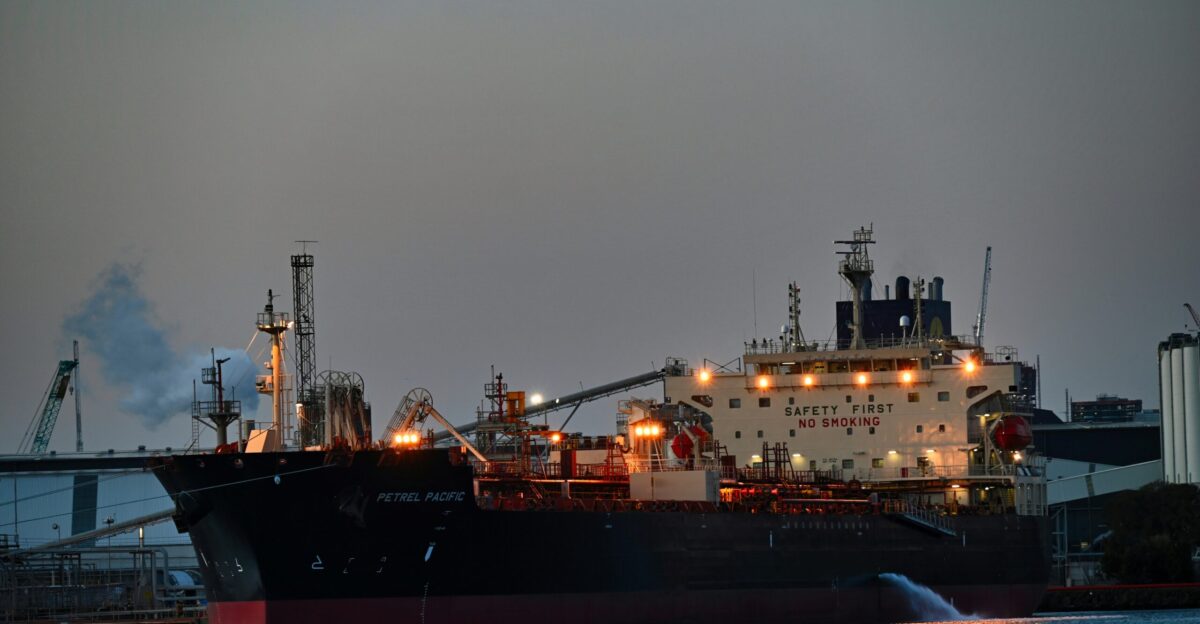
The numbers tell a brutal story. Russia’s seaborne oil product exports plummeted 17.1 percent in September compared to August—down to just 7.58 million metric tons, according to Reuters calculations. This represents one of the steepest monthly declines since the war began. Black Sea shipments tumbled 23.2 percent; Baltic exports fell 15.4 percent.
The culprit? Coordinated Ukrainian strikes on multiple major facilities throughout August and September. Fewer refineries running equals fewer products to ship.
Billion-Dollar Revenue Hemorrhage

The 17.1 percent decline in exports translates to approximately 1.5 million tons of lost monthly shipments, valued between $900 million and $1.8 billion, based on global oil product pricing. Ryazan’s annual revenue contribution alone reaches roughly $500 million to $1 billion.
Russia’s total fossil fuel export revenues reached their lowest point since the full-scale invasion began, falling to EUR 546 million daily in September, according to an analysis by the Energy and Clean Air Research Institute.
Russian Warplanes Face Fuel Constraints
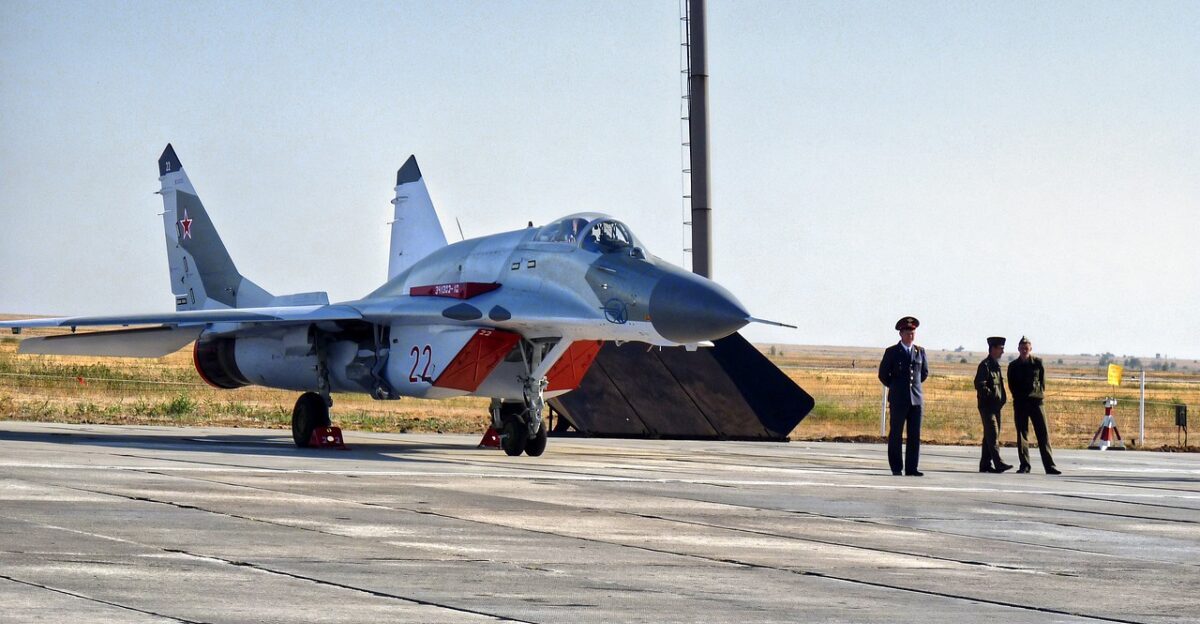
The loss of 840,000 tons of annual aviation fuel production directly impacts Russia’s air operations tempo. Military analysts estimate Russian fighter and bomber sorties typically consume 50–80 tons of fuel each.
Extrapolated across 10,000–15,000 annual sorties, Ryazan’s lost output could theoretically ground a substantial portion of Russia’s air force.
Civilians Feel the Crunch at the Pump
For ordinary Russians, the drone campaign has triggered visible economic pain. Gasoline prices surged to approximately $3.10 per gallon in certain regions, nearly double the average price in early September. In Crimea, occupation authorities limited purchases to 20 liters per customer. School buses in Nizhny Novgorod halted operations, leaving students stranded.
Long queues stretching kilometers formed at gas stations from the far east to the St. Petersburg–Moscow highway.
Record Refinery Attacks Reshape Russian Energy
Ukrainian drones hit 14 refineries in August 2025 alone—a record monthly total—followed by eight more in September, according to BBC Verify documentation. That’s 21 of Russia’s 38 large refineries that have been struck since January 2025. Carnegie Endowment analysis found Ukrainian forces have repeatedly targeted 16 major facilities representing approximately 38 percent of Russia’s nominal refining capacity.
OilX estimates suggest that drone strikes have reduced Russian crude throughput by approximately 10 percent, to around 4.86 million barrels per day.
Precision Targeting: Asymmetric Warfare Doctrine
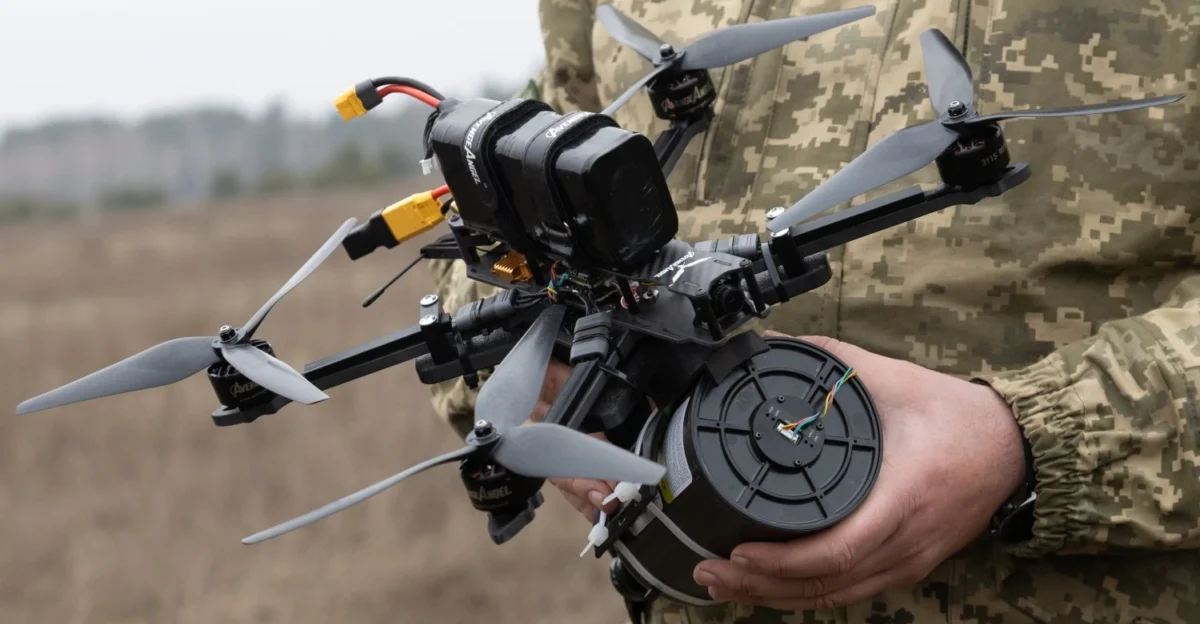
Ukraine’s drone campaign evolved from early fuel depot strikes to surgical attacks on irreplaceable refinery components. The Center for European Policy Analysis documented this shift toward hard-to-replace distillation units, cracking equipment, and hydrocracking systems—all manufactured in the West and subject to comprehensive export controls.
When Ukraine struck Ryazan’s primary crude distillation unit in August, it removed approximately 80,000 barrels per day from operation.
Independent Gas Stations Shutter Across Russia

The fuel crisis has forced small, independent gas stations to close entirely. Regional authorities implemented ad-hoc rationing rules varying wildly—some stations sell exclusively to commercial fleets, others limit purchases to 5 liters, while others prohibit filling fuel containers altogether.
In Siberia and the eastern regions, station closures, compounded by supply disruptions, created chaos for civilian motorists.
Moscow’s Emergency Measures Fall Short
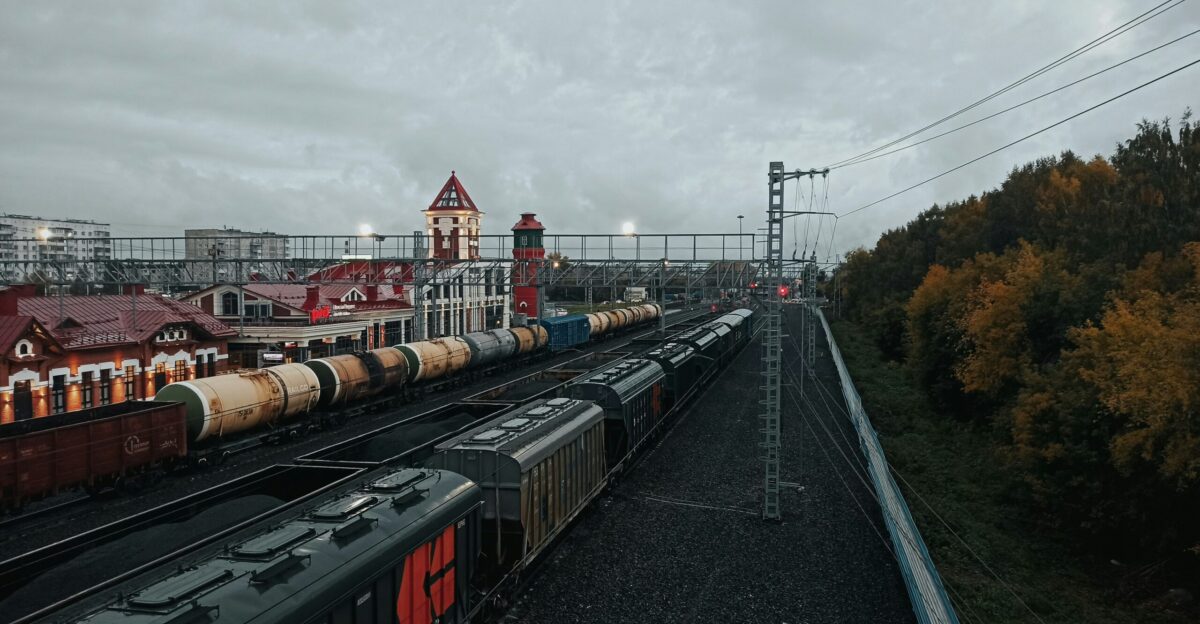
Russia imposed a partial ban on gasoline exports through the end of 2025, prioritizing domestic supply over foreign revenue. This decision signals Moscow views internal fuel security as more strategically critical than export earnings—a stunning reversal for an economy historically dependent on energy sales.
However, opposition figure Vladimir Milov noted the export ban is “relatively minor” and “won’t salvage the domestic market.”
Tax Revenues Collapse as War Financing Strains
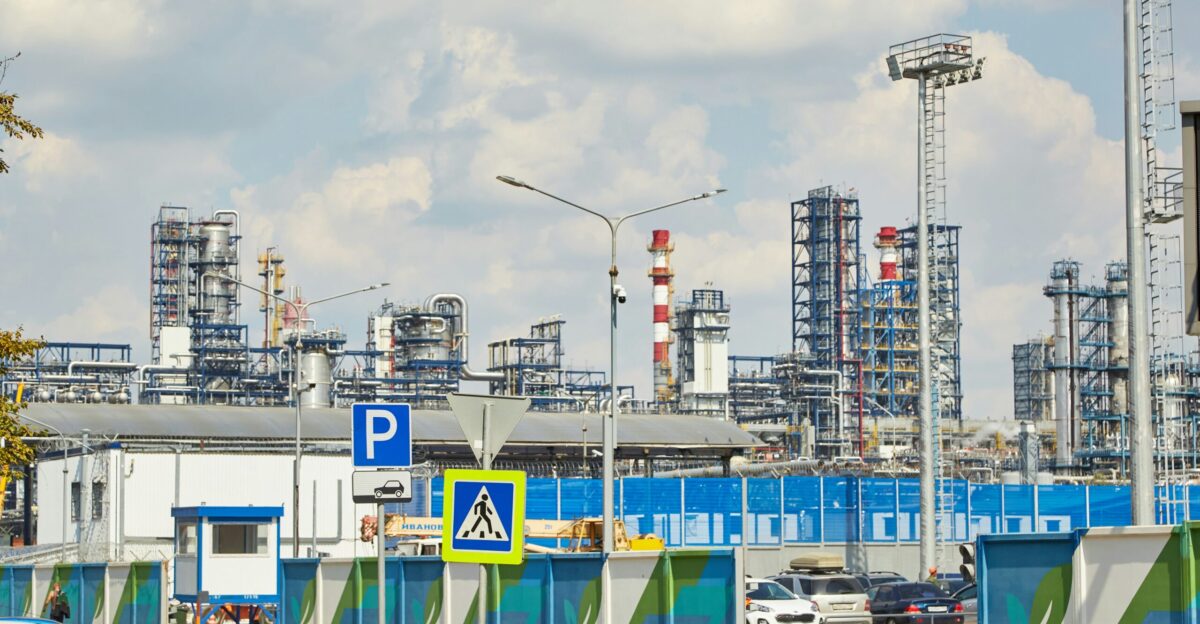
In September 2025, Russian tax revenues from oil and gas exports fell 26 percent year-over-year, hitting their lowest point since the full-scale invasion began. Weekly export revenues dropped to approximately $1.2 billion, below mid-2023 levels despite volumes experiencing only a 5 percent annual decline.
Energy and Clean Air research found that while crude exports reached record levels—as offline refineries redirected crude—crude sales are significantly less lucrative than refined fuel products.
Penetrating Deep Inside Russian Territory
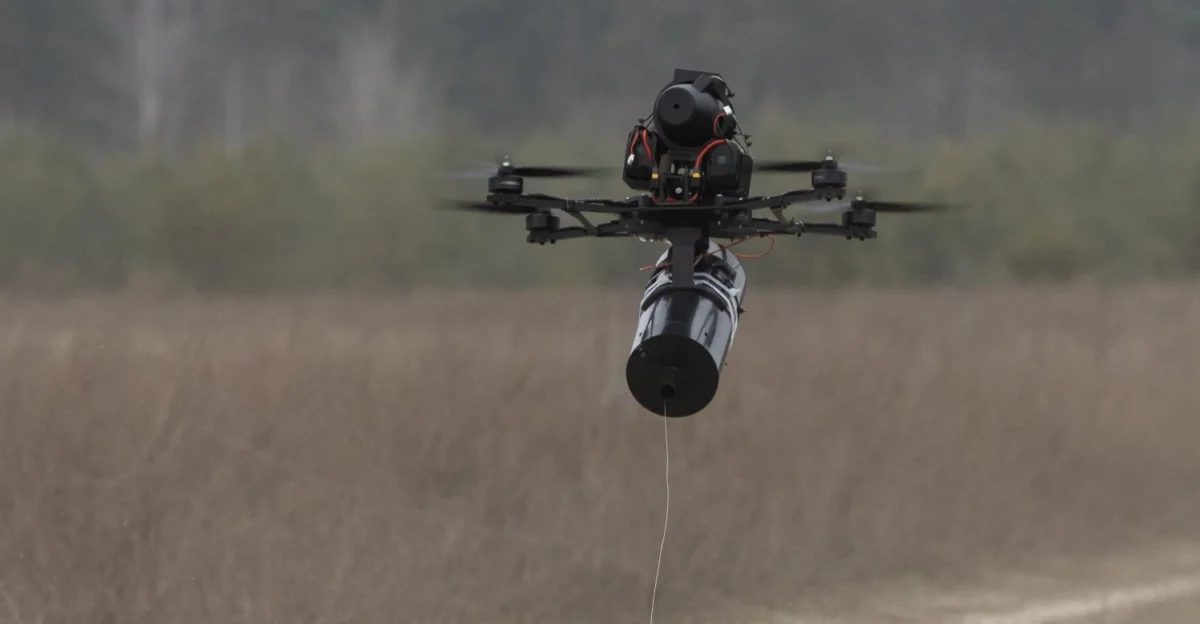
Ukrainian drone capability has demonstrably pierced Russian air defenses deep into Russian territory—from Ryazan outside Moscow to facilities over 1,100 kilometers from Ukraine’s border. The November 15 strike saw drones navigate over 470 kilometers through defended airspace. Despite Russia claiming 64 interceptions, critical damage still occurred.
Ukraine’s domestically-manufactured drone campaign, launched nightly toward oil infrastructure, represents asymmetric warfare where cheap, replaceable drones systematically destroy expensive, difficult-to-replace infrastructure.
Winter Looms as Refining Crisis Deepens
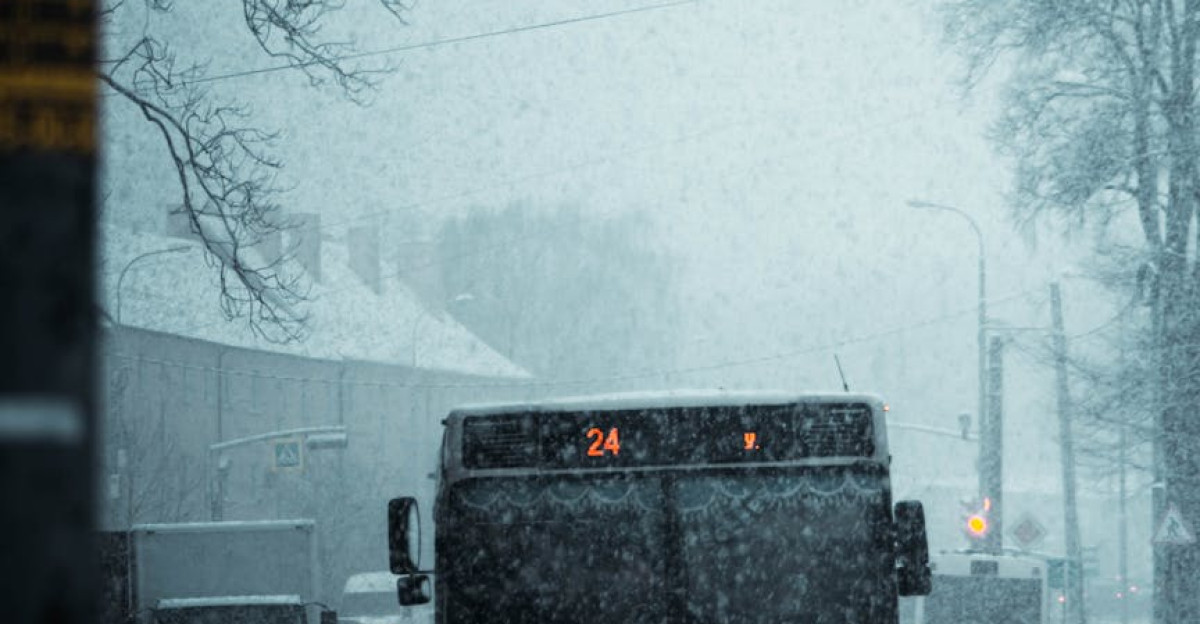
As winter approaches and heating fuel demand rises, Russia confronts a collapsing refining system at precisely the wrong moment. With 21 of 38 major refineries already struck, repair timelines extending to 36 months due to sanctions-imposed spare parts shortages, and Ukrainian strike patterns hitting facilities repeatedly, Russia faces mounting pressure on multiple fronts.
This winter will test whether rationed gasoline, empty civilian pumps, and constrained military fuel supplies will force strategic Russian decisions about continuing the war. The asymmetric war on refineries has entered a decisive phase.