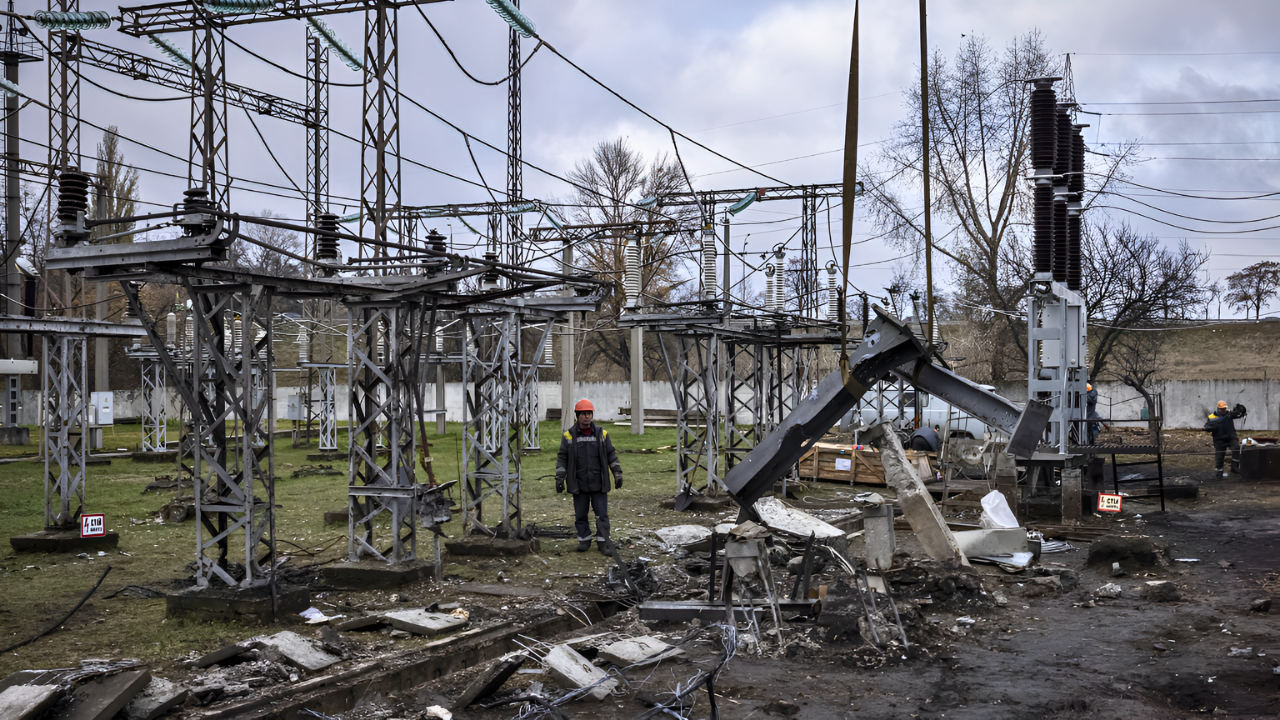
In the autumn of 2025, a new front in the Russia-Ukraine conflict emerged—not on the battlefield, but deep within Russia’s industrial core. Ukraine’s DeepStrike drone campaign has systematically targeted Russian oil refineries, crippling about 21% of the country’s refining capacity and sending shockwaves through its economy. With over 70 precision strikes in September alone, some reaching as far as 800 miles inside Russian territory, Ukraine’s use of domestically produced long-range drones marks a turning point in modern warfare.
Drone-Powered Disruption: A Strategic Shift
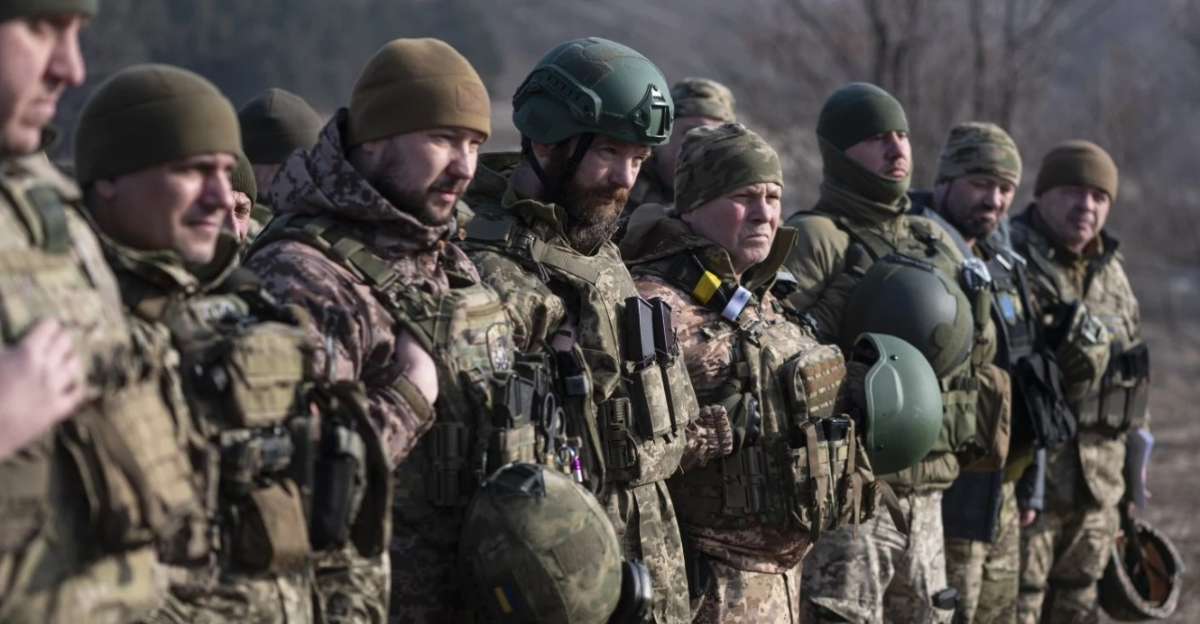
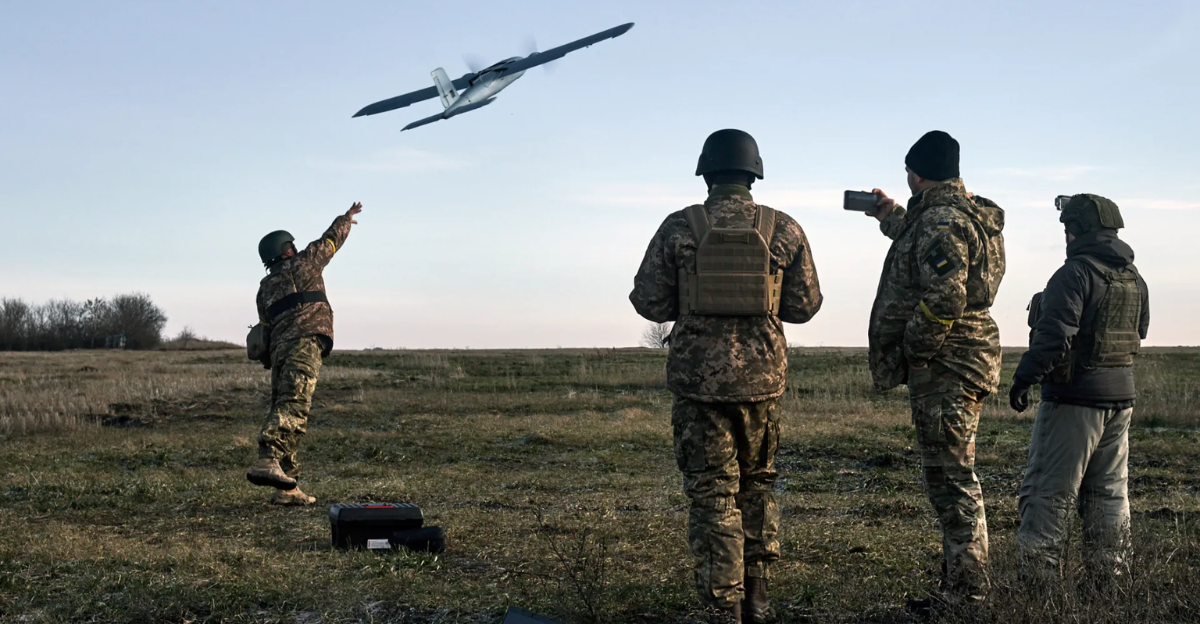
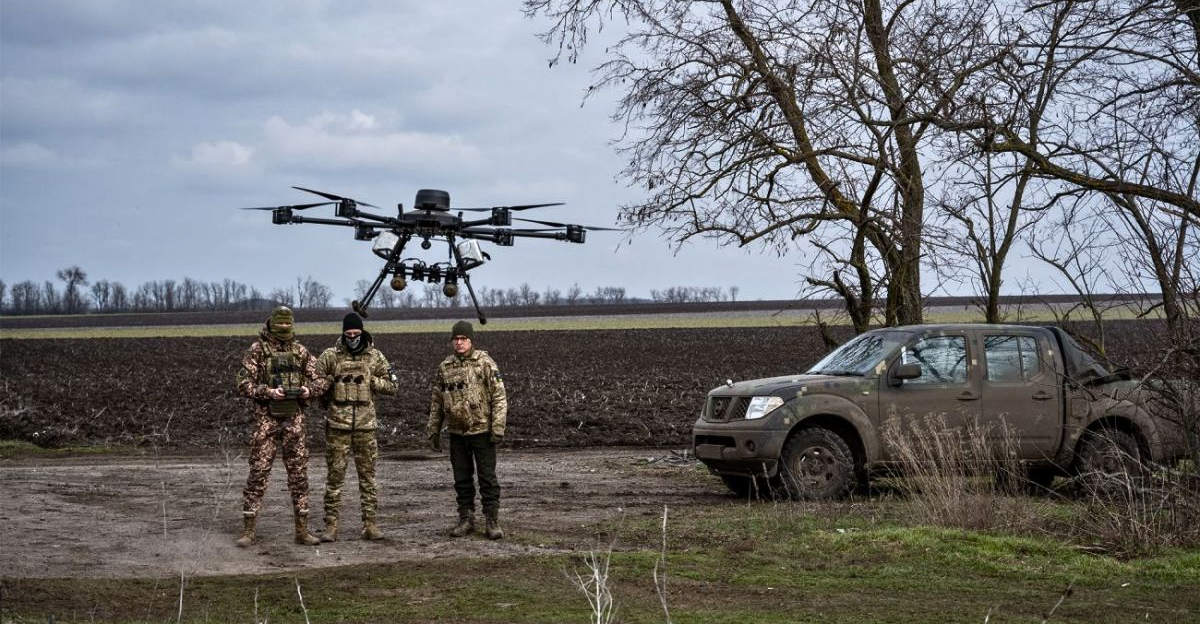
Unlike traditional air campaigns that rely on manned aircraft or imported missile systems, Ukraine’s DeepStrike operation is the first sustained, homegrown strategic bombing effort using long-range drones. The transformation of Ukraine’s 14th UAV Regiment—from a modest 40-person unit to a 2,000-strong force—has enabled a scale and reach previously unimaginable. Swarms of drones, each with a 24-foot wingspan and carrying 110-pound explosive payloads, have struck at the heart of Russia’s energy infrastructure, including the massive Kirishi refinery, which alone processes 18.4 million tons of oil annually.
This campaign has forced Russia to confront vulnerabilities in its centralized energy system. “We never thought attacks could reach this far or this often,” said a local refinery worker in western Russia, requesting anonymity due to security concerns. The strikes have not only destroyed equipment but have also forced shutdowns of key distillation units, leading to cascading effects across the fuel supply chain.
Fuel Shortages and Civil Unrest
The impact of these attacks extends well beyond damaged machinery. Russia has seen widespread fuel shortages, with some regions imposing strict rationing—such as five-gallon limits at filling stations—and half of Crimea’s gas stations suspending sales entirely. The resulting 40% spike in fuel prices since early 2025 has triggered public frustration and long lines at pumps, especially in contested and border regions.
Local residents have voiced their concerns. “We’re waiting hours for a few liters of fuel, and nobody tells us when things will get better,” said Olga Ivanova, a teacher in Crimea. The shortages have disrupted daily life, strained agricultural and industrial production, and fueled civil unrest. The Kremlin, wary of political fallout, has avoided public acknowledgment of the crisis, instead quietly deploying backup generators and prioritizing fuel distribution to key areas.
Russia’s Response: Patchwork Solutions and Strategic Dilemmas
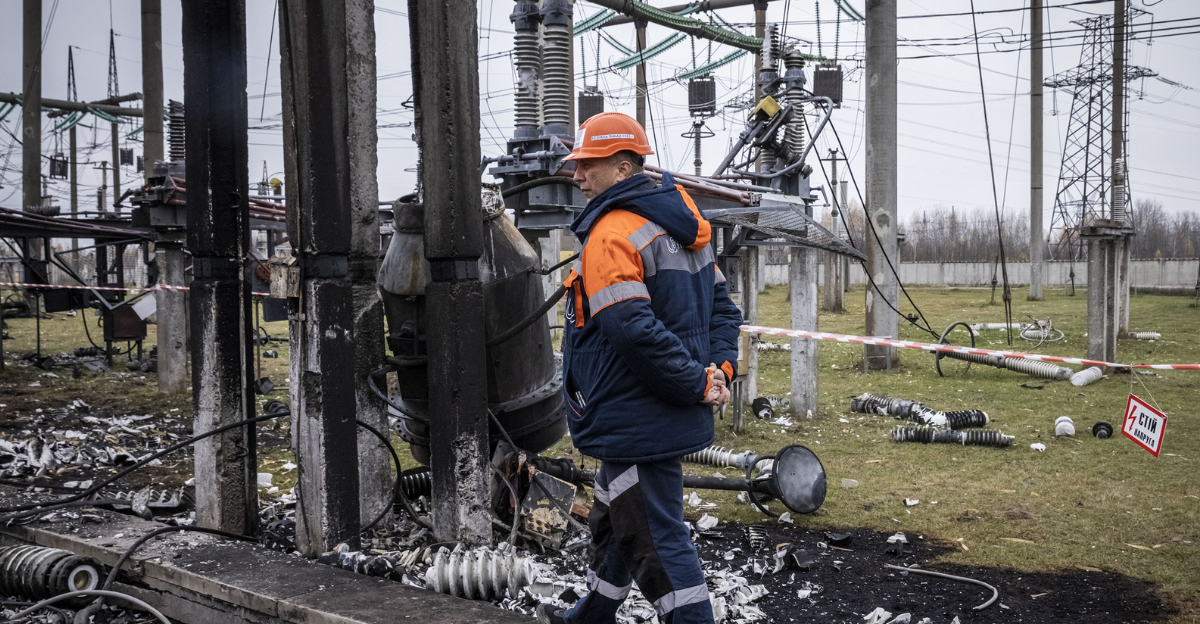
In response to the mounting crisis, Russian authorities have rushed to install backup generators nationwide to keep essential services running during power outages caused by refinery shutdowns. However, these generators are expensive, logistically challenging, and offer only temporary relief. The underlying problems—aging infrastructure and limited energy diversification—remain unresolved.
Military operations have also been affected. Fuel shortages have hampered troop movements, artillery support, and supply lines, forcing Russian commanders to make difficult choices about resource allocation. “The military is now competing with civilians for fuel, which is a situation we haven’t seen in decades,” noted Dr. Maria Petrov, an energy security expert at the Moscow School of Economics.
Global Implications and the Future of Conflict
Ukraine’s drone offensive has not only exposed Russia’s energy vulnerabilities but has also sent ripples through global markets. The reduction in Russian fuel exports has contributed to price volatility in Europe and Asia, while the success of drone warfare has prompted militaries worldwide to rethink their own infrastructure defenses. “This is a wake-up call for any nation that relies on centralized energy systems,” said Dr. Erik Johansson, a defense analyst at the Stockholm International Peace Research Institute. He compared the campaign to similar attacks on Saudi oil facilities in 2019, noting that Ukraine’s sustained, high-volume strikes represent a new level of threat.
The campaign has also accelerated investments in autonomous strike technologies and counter-drone systems globally, as governments seek to protect critical infrastructure from similar tactics.
Looking Ahead: Enduring Stakes and Uncertain Outcomes
As Ukraine’s DeepStrike drones continue to challenge Russia’s energy backbone, the conflict has entered a phase where economic disruption rivals battlefield losses. While Russia’s vast territory and industrial redundancy may offer some resilience, the speed and precision of Ukraine’s drone strikes have proven difficult to counter. The ongoing crisis underscores the growing importance of technological innovation and asymmetric tactics in modern warfare.
For millions of Russians, the immediate future holds continued uncertainty—at the pump, in the workplace, and at home. For the world, Ukraine’s campaign offers a stark preview of how future conflicts may be fought: not just with soldiers and tanks, but with drones and economic leverage, targeting the very systems that keep nations running.