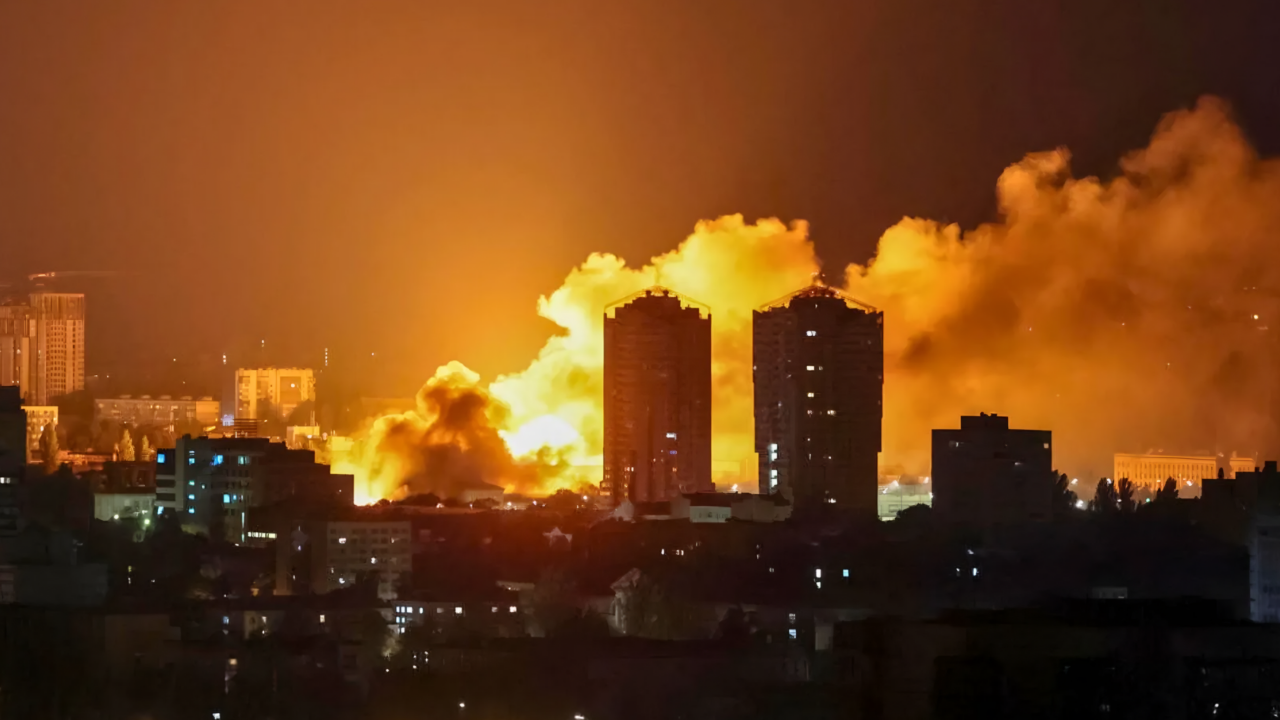
Sirens blared across Moscow as the night sky lit up with the streaks of intercepted drones. For three consecutive nights, 21.5 million residents have been jolted awake by air-raid alerts. Airports shut, emergency lights flashed, and families huddled in basements and metro tunnels.
Once celebrated as one of the world’s most secure cities, Moscow now faces a stunning reversal. Cheap, swarming drones are piercing its billion-dollar defenses—proof that the fortress is cracking under the pressure of modern drone warfare.
Airports Halted
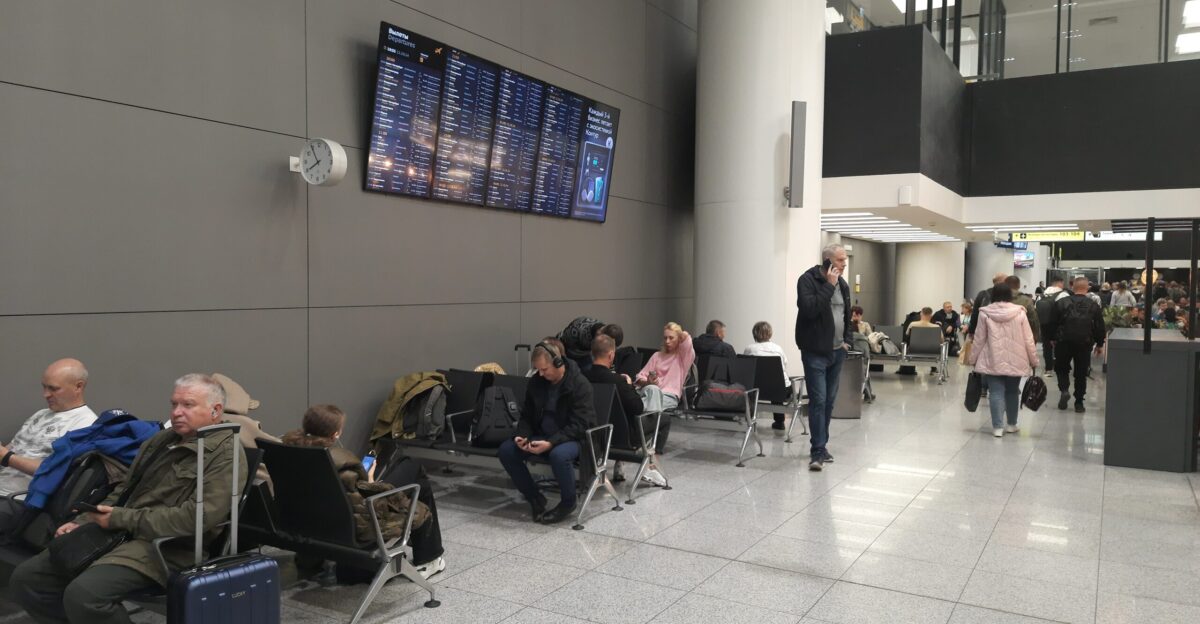
Sheremetyevo, Domodedovo, and Zhukovsky—the capital’s three major airports—were forced to suspend flights as drones approached. Thousands of travelers were stranded while aircraft circled or diverted. For the first time in decades, Moscow’s airspace was paralyzed not by snow or politics, but by unmanned aircraft.
Authorities scrambled to intercept the intruders using surface-to-air missiles and electronic jamming. Yet the repeated shutdowns reveal a new kind of vulnerability—one where the air war no longer respects borders or balance sheets.
Defensive Legacy
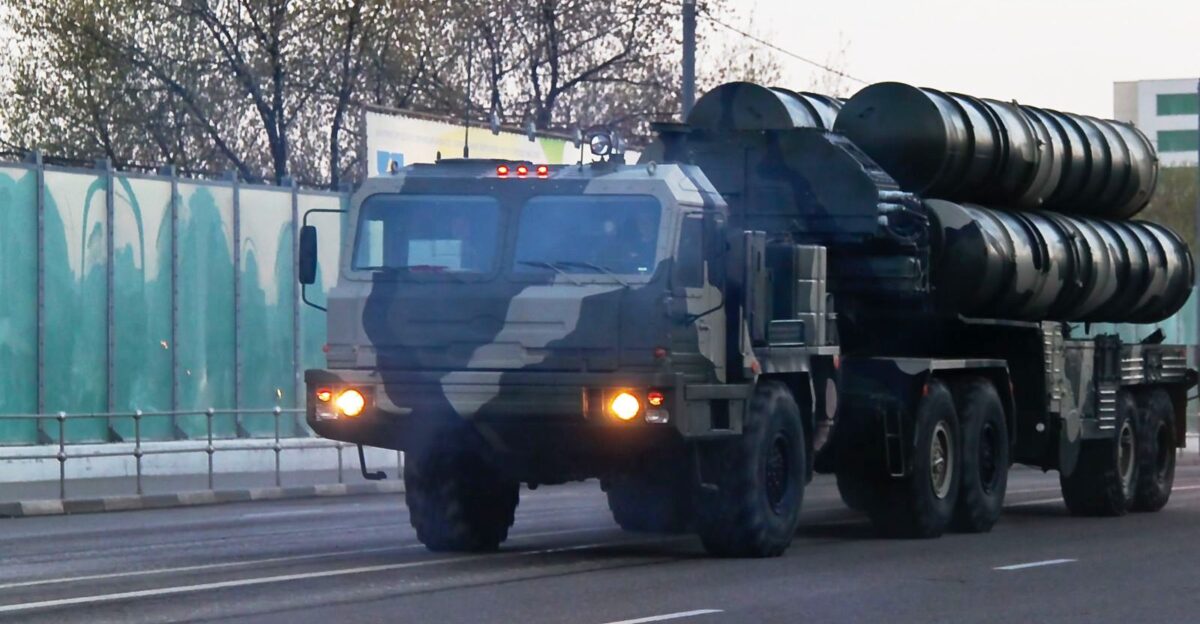
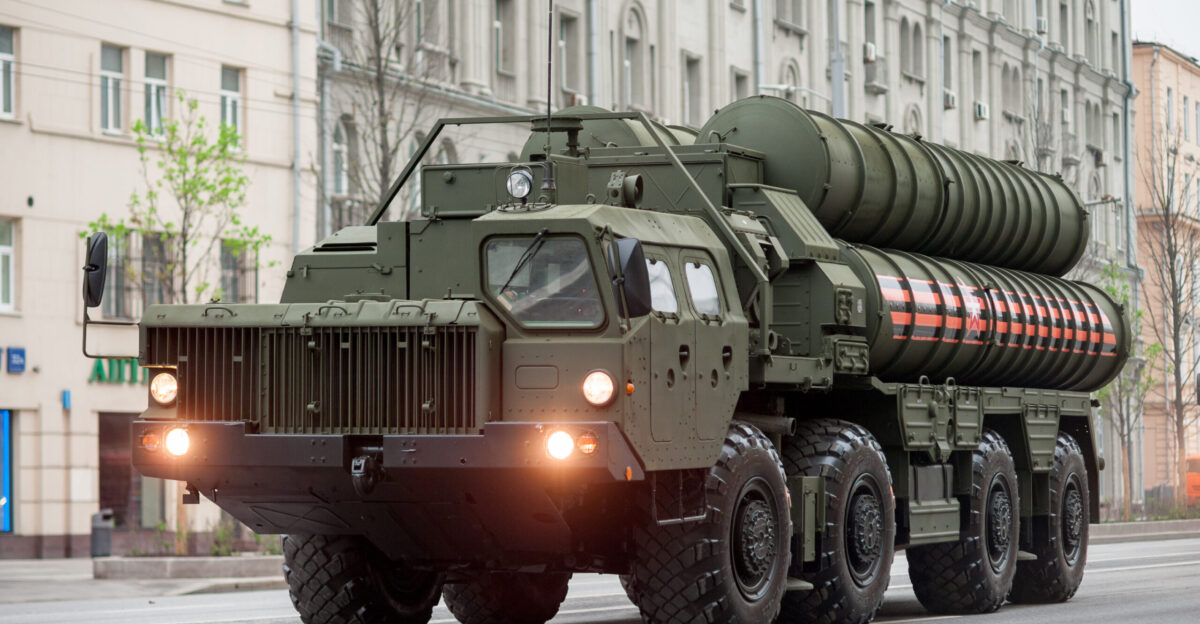
For decades, Moscow’s S-300 and S-400 missile systems symbolized the peak of Russian air defense. Designed to destroy hypersonic missiles and bombers, these systems are now being tested by tiny, inexpensive UAVs that evade radar and overwhelm sensors.
The capital’s concentric defense rings once projected invincibility. Now, each passing night exposes cracks in that image, raising questions about whether the world’s most fortified city can withstand an enemy that spends thousands to defeat billions.
Pressure Mounts
Drone raids have become a grim rhythm. Residents describe flashes and explosions over suburban districts, followed by the wail of sirens echoing through the night. Emergency crews race from fire to fire, battling blazes sparked by falling debris.
The strain is psychological as much as physical. Moscow’s nightly alarms are eroding its sense of stability. For millions, sleep now comes with one question: will tonight’s alert be the one that hits home?
Mass Drone Barrage
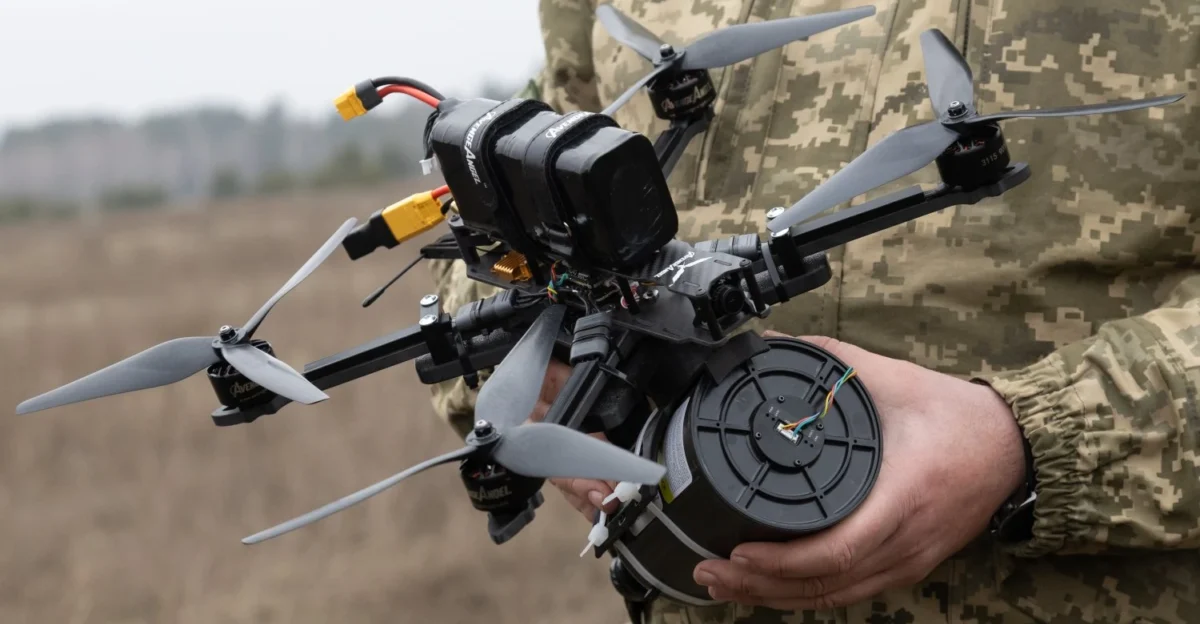
On the night of October 26–27, 2025, Moscow endured its largest drone onslaught to date. Russian officials reported 193 drones intercepted across western Russia, including 34 targeting the capital directly. Explosions were recorded near multiple districts.
Mayor Sergey Sobyanin confirmed airport closures and localized fires but urged calm. The scale of the assault marked a new phase—no longer isolated attacks, but a coordinated barrage testing the endurance of Moscow’s defenses and the patience of its people.
Regional Fallout
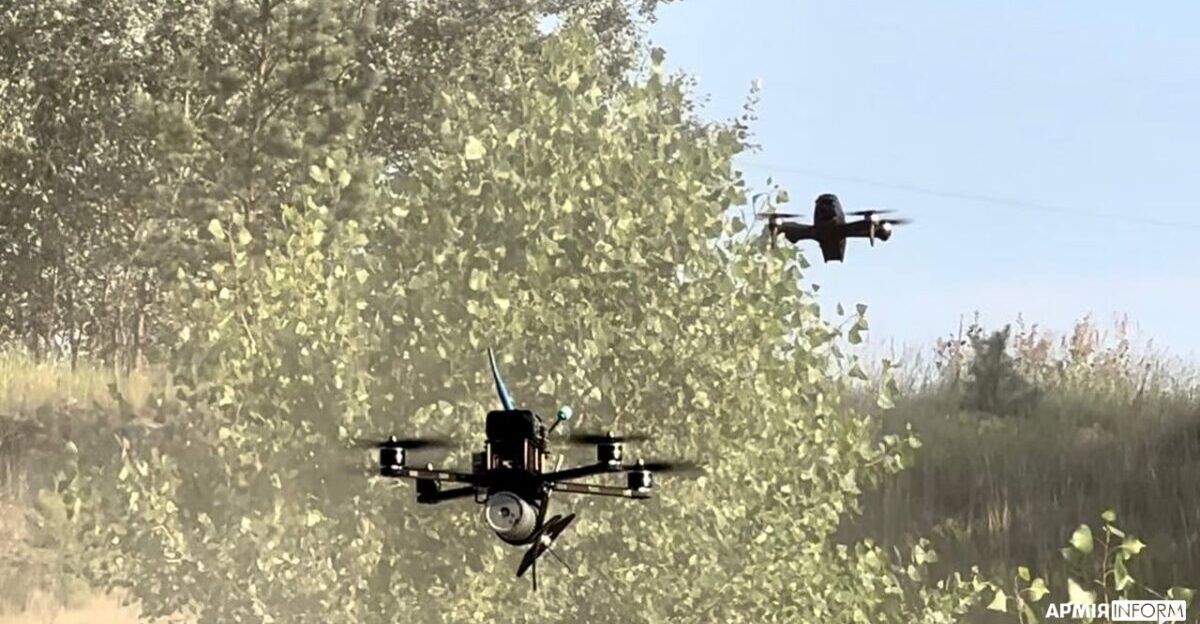
The attacks are not limited to the capital. Surrounding regions—Serpukhov, Kommunarka, and parts of Moscow Oblast—reported fires at oil depots and industrial sites. Firefighters worked overnight to contain the blazes as power outages rippled through nearby communities.
The strikes signal a widening threat zone. Moscow’s defensive ring is no longer just about shielding Red Square; it’s about protecting the industrial arteries and suburbs that feed the capital’s economy and morale.
Impact On People

Inside the metro stations, families crowd together as sirens wail overhead. Parents distract children with phones while checking updates on Telegram. Each alert triggers the same ritual—grab essentials, head underground, wait for the all-clear.
“The flight over Russia is always trouble-free once our drones pass the border,” said Ukrainian intelligence chief Kyrylo Budanov. His statement underscores what Muscovites now feel: that the war once fought far away has arrived in their own neighborhoods.
Ukraine’s Drone Surge
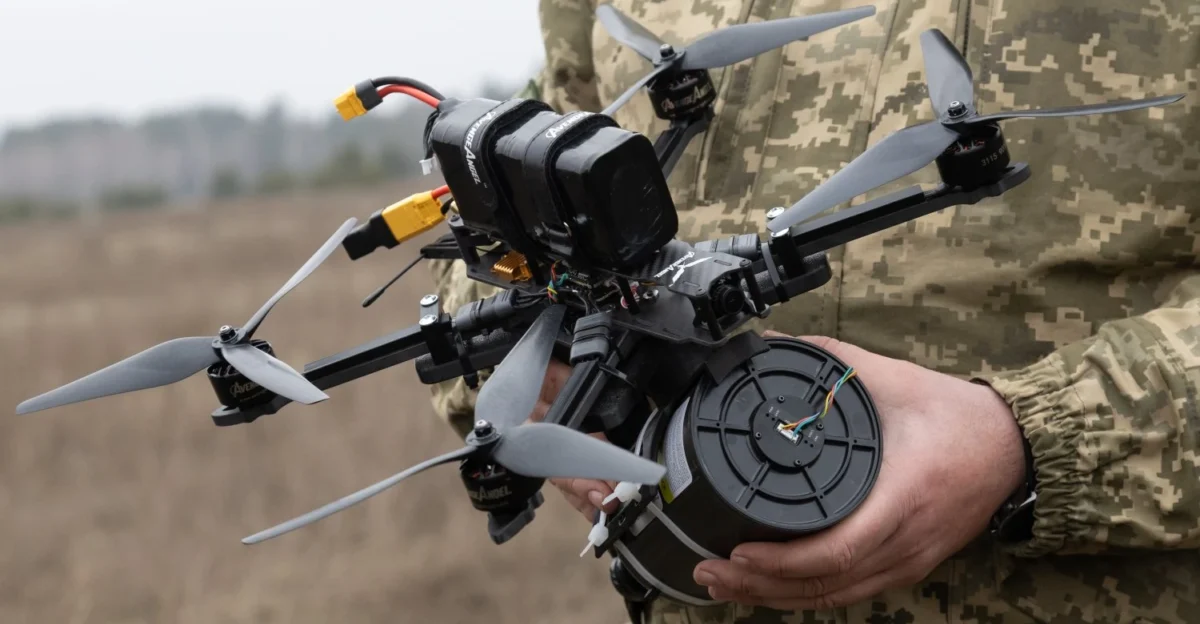
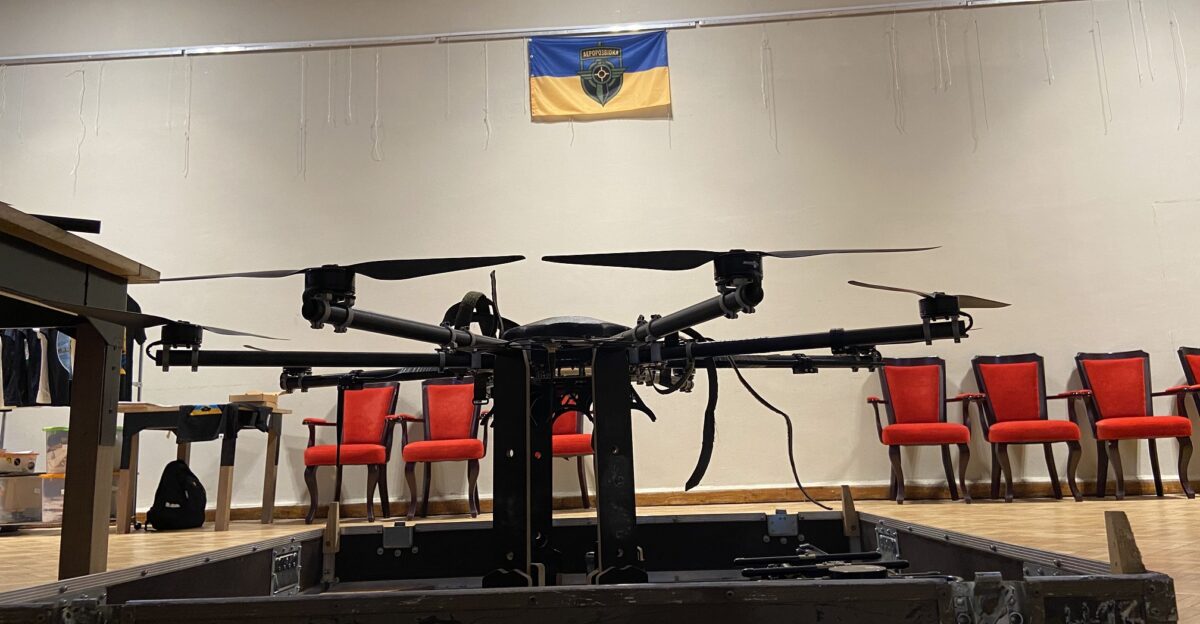
Ukraine’s drone production has exploded, with more than 500 private firms now manufacturing roughly 200 000 units per month. By the end of 2025, officials expect to field 30 000 long-range drones, supported by Western funding and domestic innovation.
This industrial scale is reshaping the conflict. What began as small-unit experimentation has become a national enterprise, shifting the balance from conventional firepower toward swarms of cheap, smart, and expendable weapons.
Technological Edge
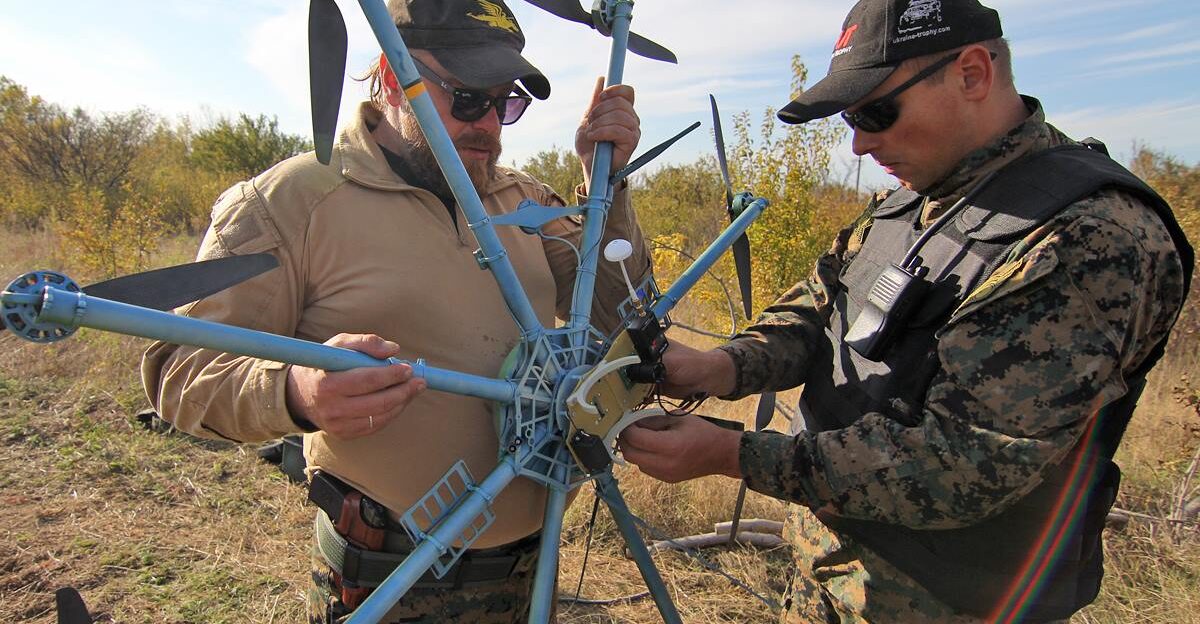
Modern Ukrainian drones use AI-guided navigation systems to dodge Russian jamming and fly autonomously toward targets. Engineers have localized almost every component, reducing dependency on imports and accelerating innovation cycles.
Each generation grows smarter, smaller, and cheaper. For Russia, that means defending against hundreds of unpredictable aerial paths—an impossible equation where million-dollar missiles are fired at machines that cost a fraction of that price.
Collateral Damage
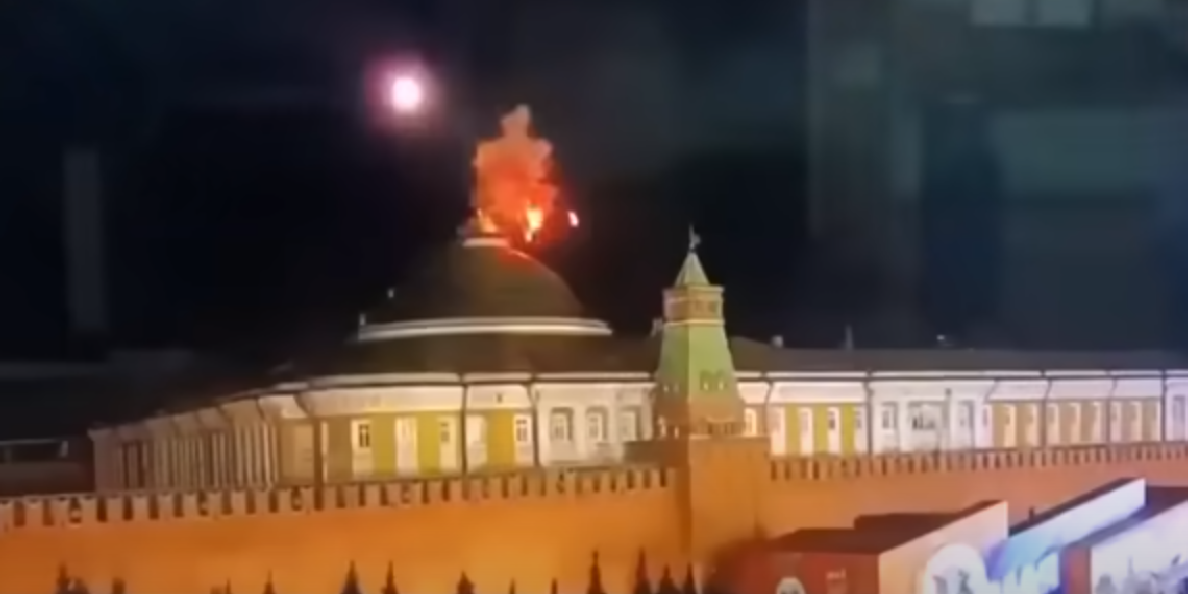
The fallout extends to Russia’s infrastructure. A drone strike at the Budyonnovsk petrochemical complex ignited massive fires, temporarily halting production and threatening nearby communities. Such incidents highlight the unpredictable reach of the conflict.
As drone warfare spreads, collateral damage blurs the line between military and civilian targets. Industrial hubs and logistical routes—once far from the front—are now battlegrounds in a war increasingly fought by machines.
Internal Frustration
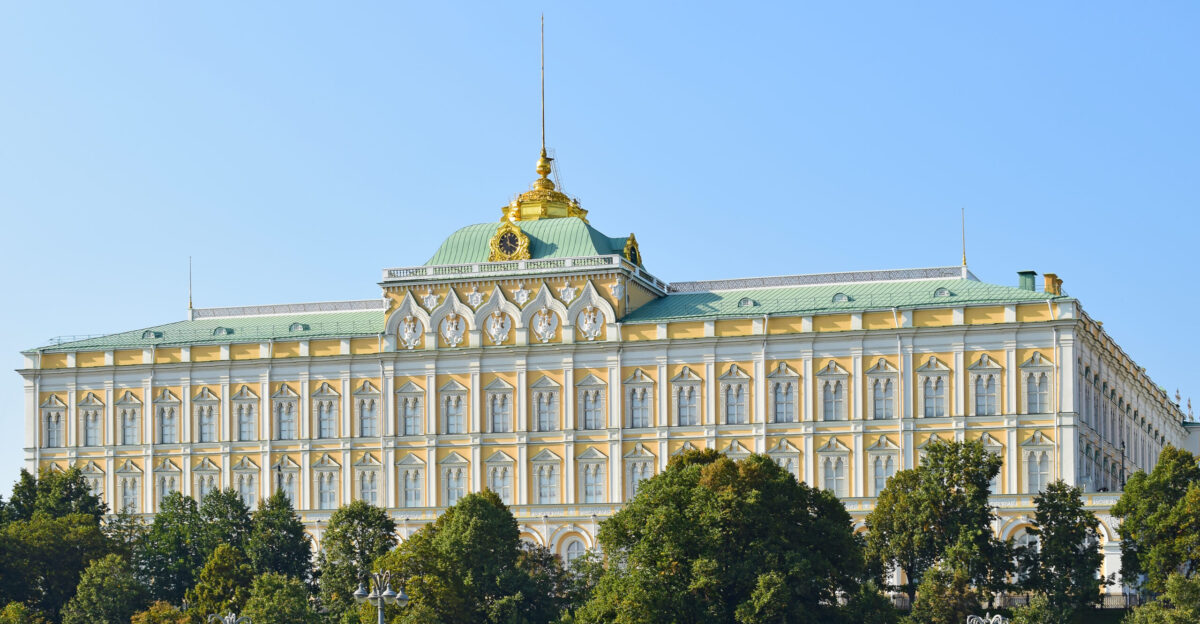
Inside Russian ministries, frustration simmers. Officials face nightly interruptions, rising costs, and the erosion of Moscow’s “safe-city” narrative. Some quietly question whether the current systems can keep up, though public statements remain defiant.
Repeated airport closures and emergency measures are draining resources. Each new alert forces Moscow’s leadership to confront a hard truth: even the best defenses cannot guarantee peace of mind in a drone age.
Leadership Response

Mayor Sergey Sobyanin has emerged as a steady voice amid the turmoil. He appears nightly on state media, confirming interceptions, outlining safety measures, and promising restoration of services. His tone is calm—but the subtext is urgency.
Meanwhile, the Defence Ministry touts increased success rates in intercepting UAVs. Still, leadership faces a political test: how to reassure citizens when nightly sirens reveal the limits of their own technology.
Recovery Efforts
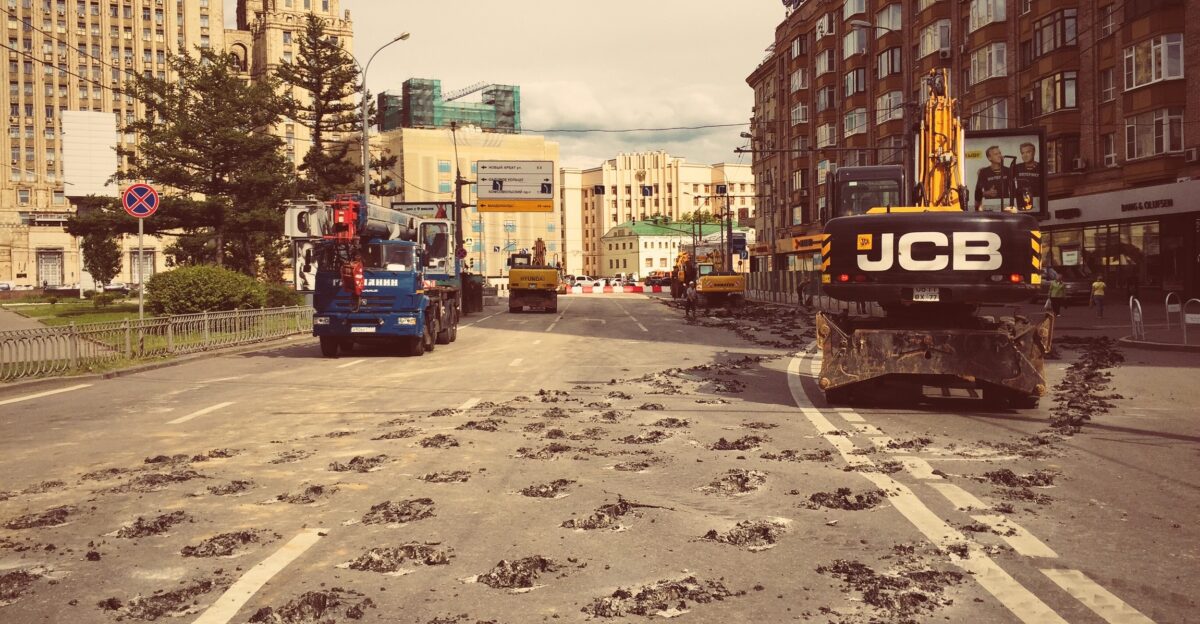
Repair teams work around the clock patching holes in infrastructure—airport runways, power substations, communication lines. Each morning brings new footage of crews welding, sweeping, and restoring what the night took away.
Russia is investing heavily in counter-drone innovations, from radar filters to directed-energy weapons. Yet the cycle is relentless: every upgrade triggers a new adaptation from Ukraine’s drone engineers. The battlefield evolves faster than the bureaucracy.
Expert Skepticism
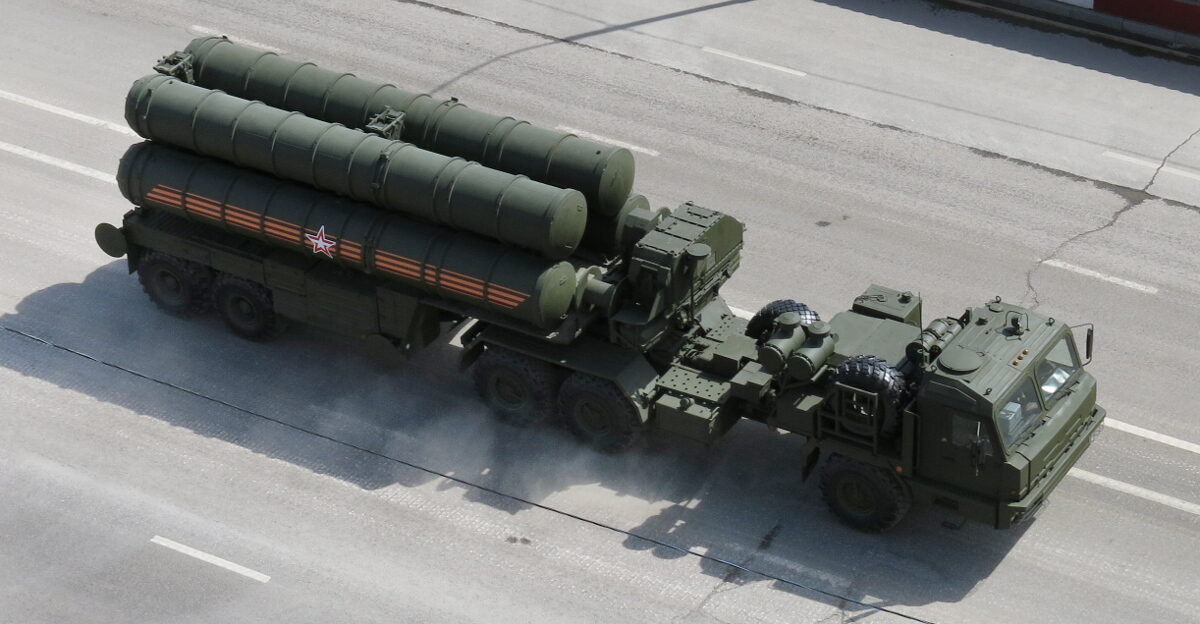
Analysts warn that Moscow’s defences remain poorly suited for the drone era. The S-400, designed for hypersonic missiles, is overkill against slow, low-flying UAVs. “You can’t swat a mosquito with a missile,” one expert noted during a televised forum.
Many argue Russia must adopt layered counter-drone grids, AI detection, and jamming coordination—or risk nightly sieges becoming routine. The city’s security doctrine, once envied, may require a total rewrite.
Future Uncertain
As Ukraine’s production accelerates and Russia’s defences adapt, the outcome remains unclear. Each night of explosions and intercepts rewrites what “safe” means for a major power’s capital.
Can Moscow restore its aura of invincibility—or has the battlefield permanently expanded to include its own skyline? The next stage of this war will likely be decided not in trenches, but in code, circuits, and clouds of cheap, autonomous aircraft.
Economic Angle
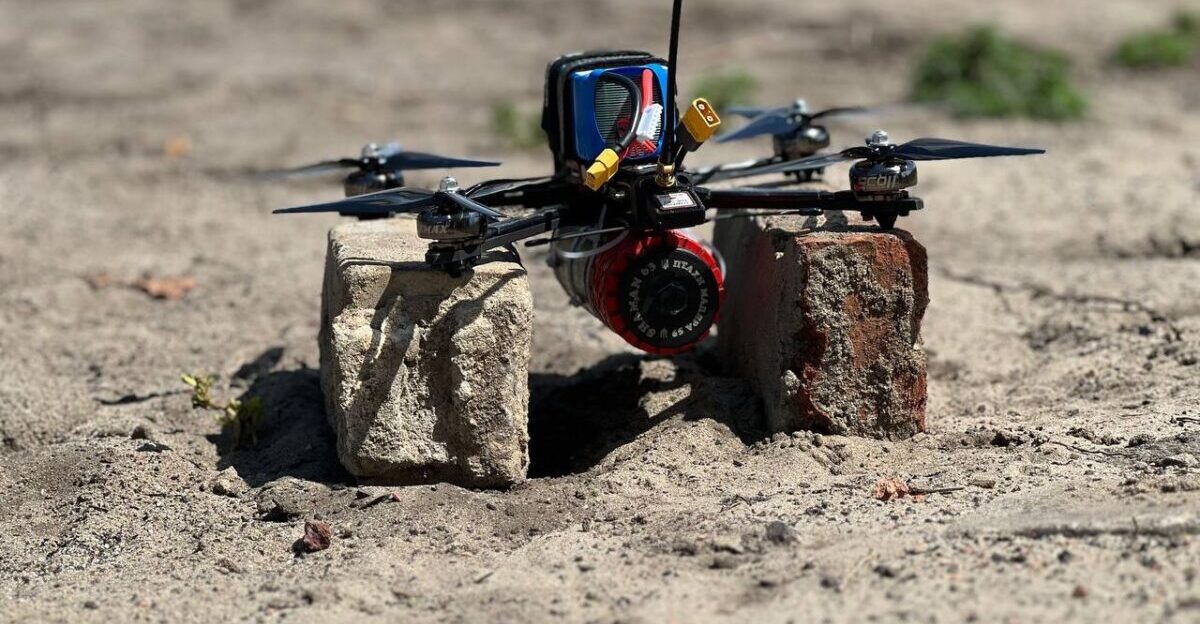
The financial contrast is staggering. Each Ukrainian drone may cost between $10 000 and $50 000, while intercepting them often requires missiles worth millions. A single factory like Fire Point produces about 100 drones a day—roughly 36 500 per year.
This imbalance tilts the war’s economics. Every successful drone sortie forces Russia to spend exponentially more to defend itself, transforming the battlefield into a contest of production lines rather than front lines.
Psychological Factor
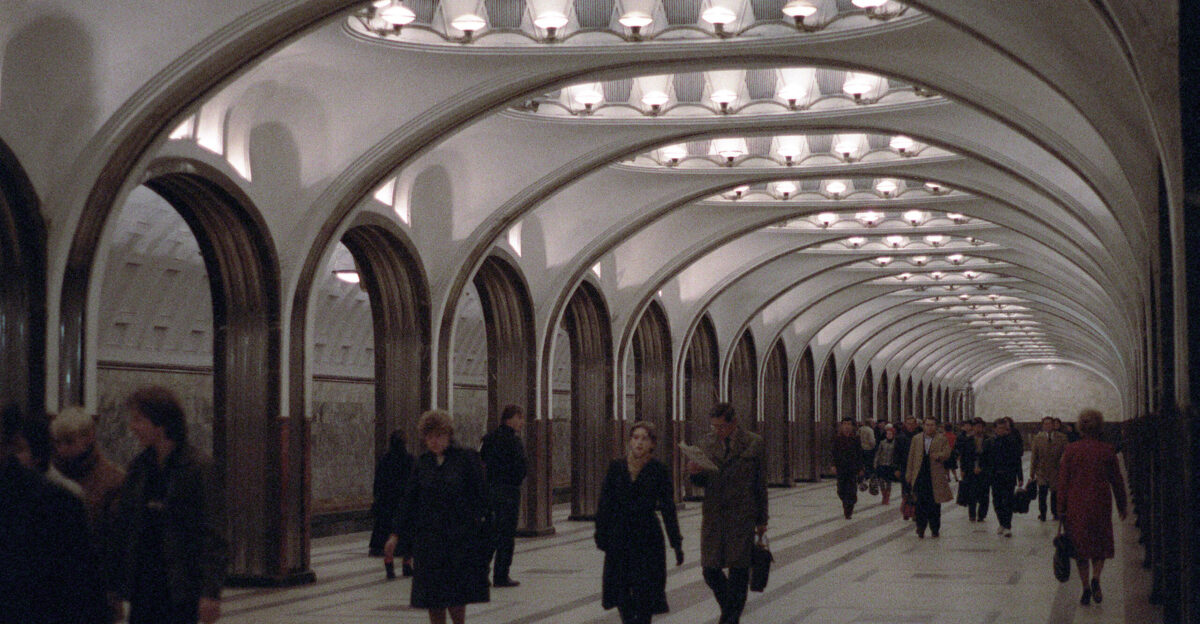
The greater cost may be emotional. Twenty-one and a half million people—roughly the population of Florida—now live under recurring air-raid alerts. Even when explosions don’t land nearby, the fear does.
Routine has been replaced by vigilance. The collective psyche of the capital—once detached from the front—is adapting to a new normal where sirens, not news reports, announce the progress of war.
Warfare Changed

This moment marks a turning point in modern warfare. The expensive fortress has met its low-cost nemesis. Small drones, not jet fighters, now dictate the rhythm of the battlefield.
Moscow’s ordeal proves that high-tech defenses alone no longer guarantee safety. The war’s new equation favors the agile, the cheap, and the numerous—a revolution redefining what power looks like in the twenty-first century.
Strategic Implications
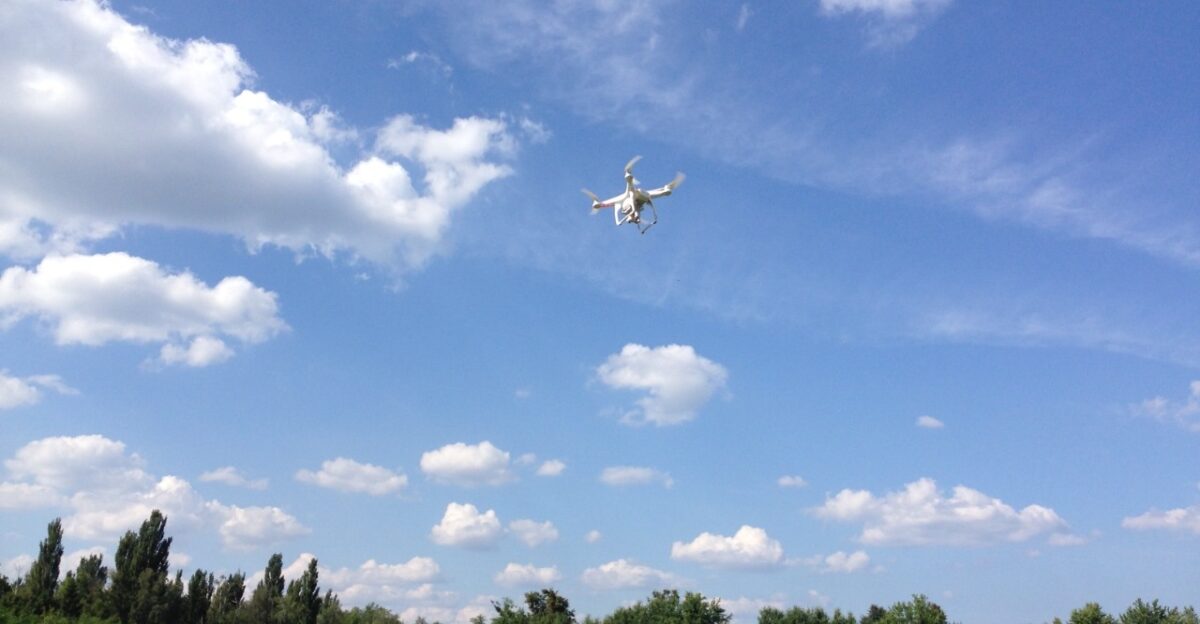
Military strategists worldwide are taking notes. If Moscow’s defenses can be overwhelmed by drones, what does that mean for other capitals? Counter-swarm systems, AI-assisted tracking, and rapid-response radar nets are becoming urgent priorities.
The world’s largest cities may now face the same question: how do you defend skyscrapers and airports against thousands of flying circuit boards? Moscow’s experience could be the cautionary tale that defines future conflicts.
The Watchful Dawn
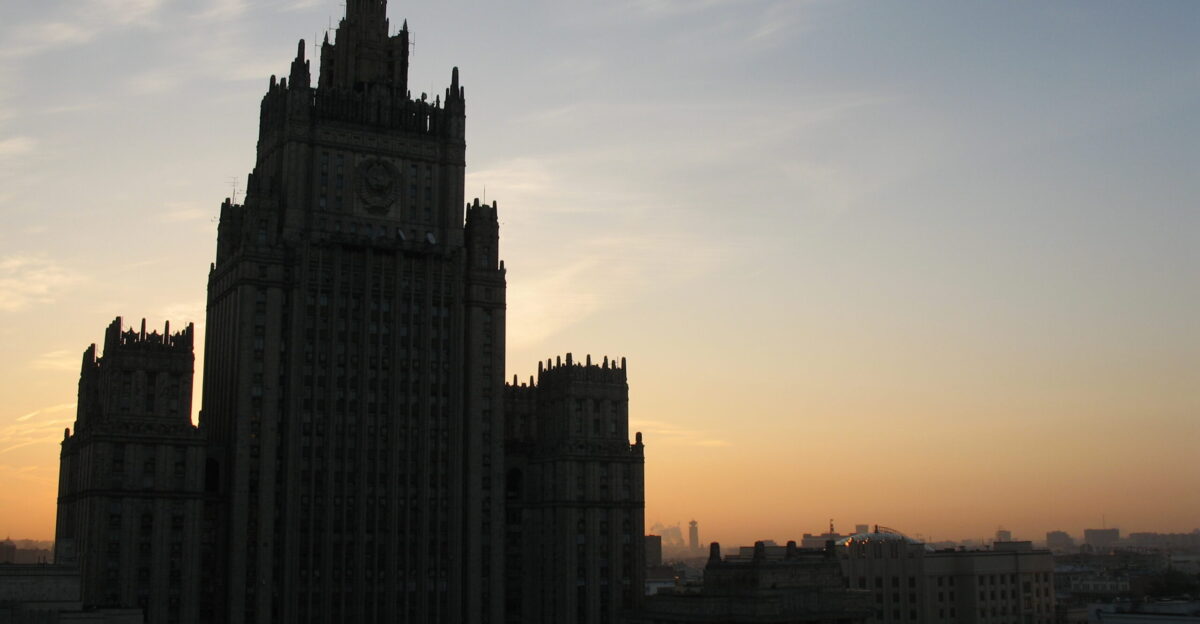
As dawn spreads across the skyline, Muscovites emerge from shelters to assess the damage. Sirens fade, but unease lingers in the pale morning light. The war that once felt distant now hums above their rooftops.
The city still stands—but changed. Its people, its defenses, and its confidence have all been tested. In this new era of drone warfare, even the most fortified capitals must learn to sleep with one eye on the sky.