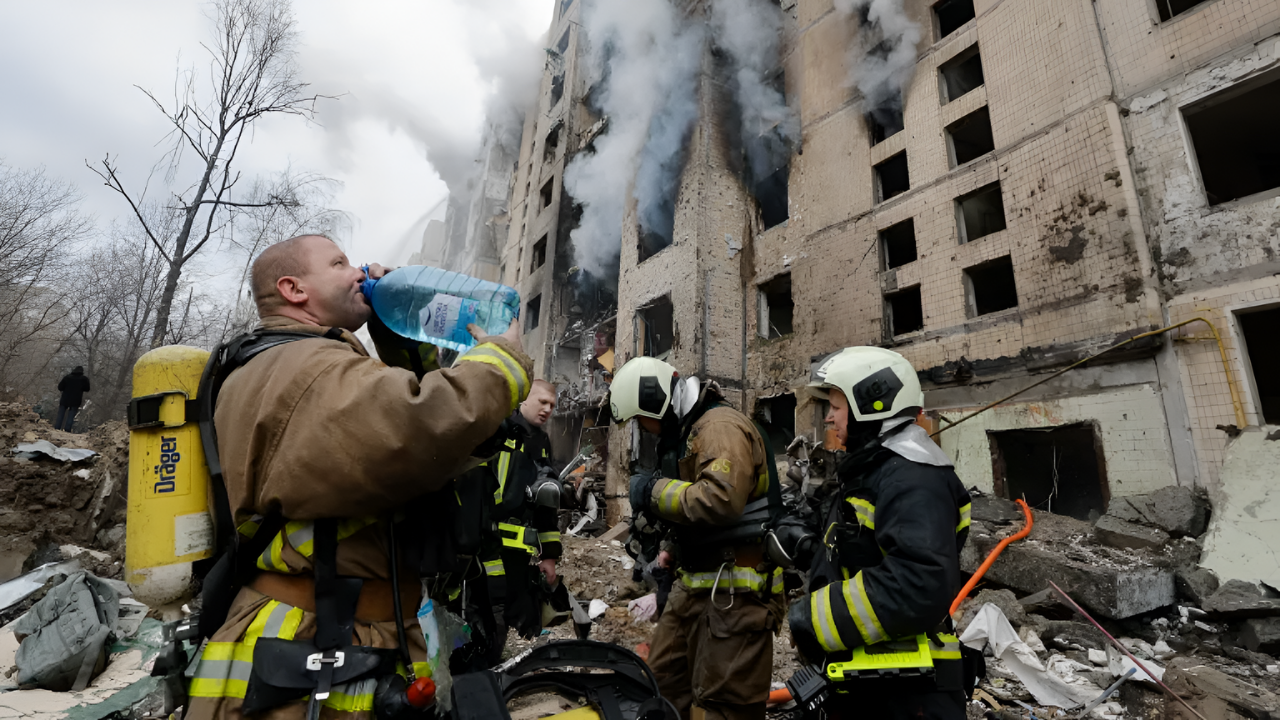
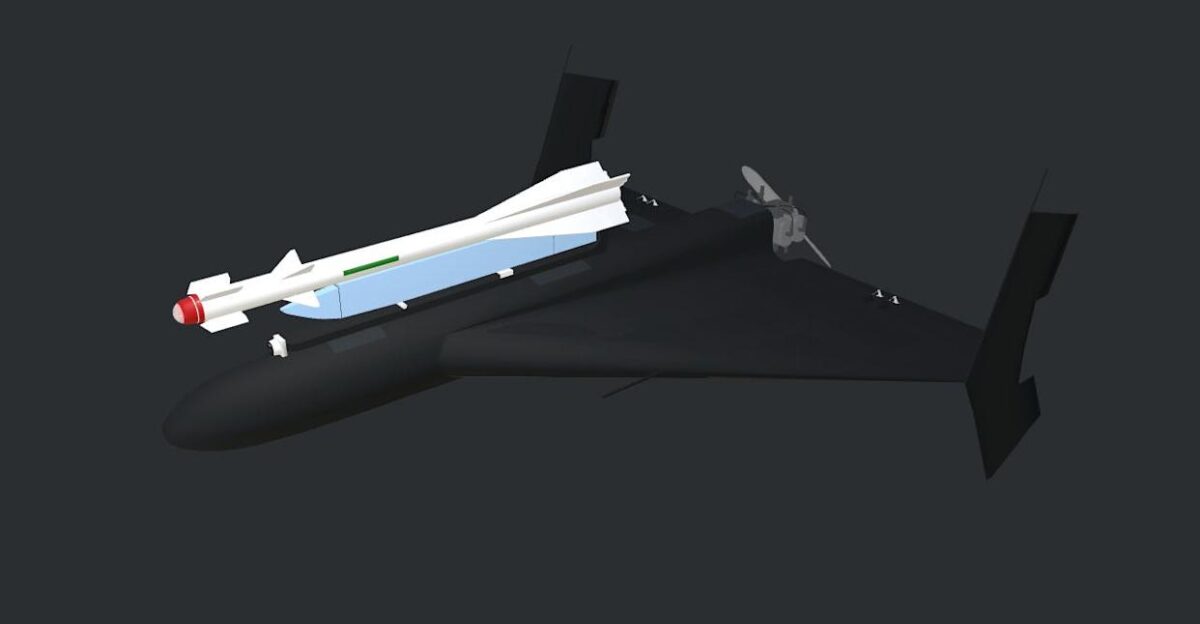
Ukrainian air defense forces achieved a groundbreaking interception on January 13-14, 2026, downing a Russian Geran-4 jet-powered drone equipped with a Soviet-era R-60 air-to-air missile. The 413th Raid Regiment of Unmanned Systems Forces confirmed the kill, marking the first documented destruction of a weaponized anti-aircraft drone in combat history.
This development signals Russia’s tactical shift toward transforming expendable drones into pseudo-interceptors targeting Ukrainian helicopters and low-altitude aircraft.
The Geran-4: Speed and Lethality Combined
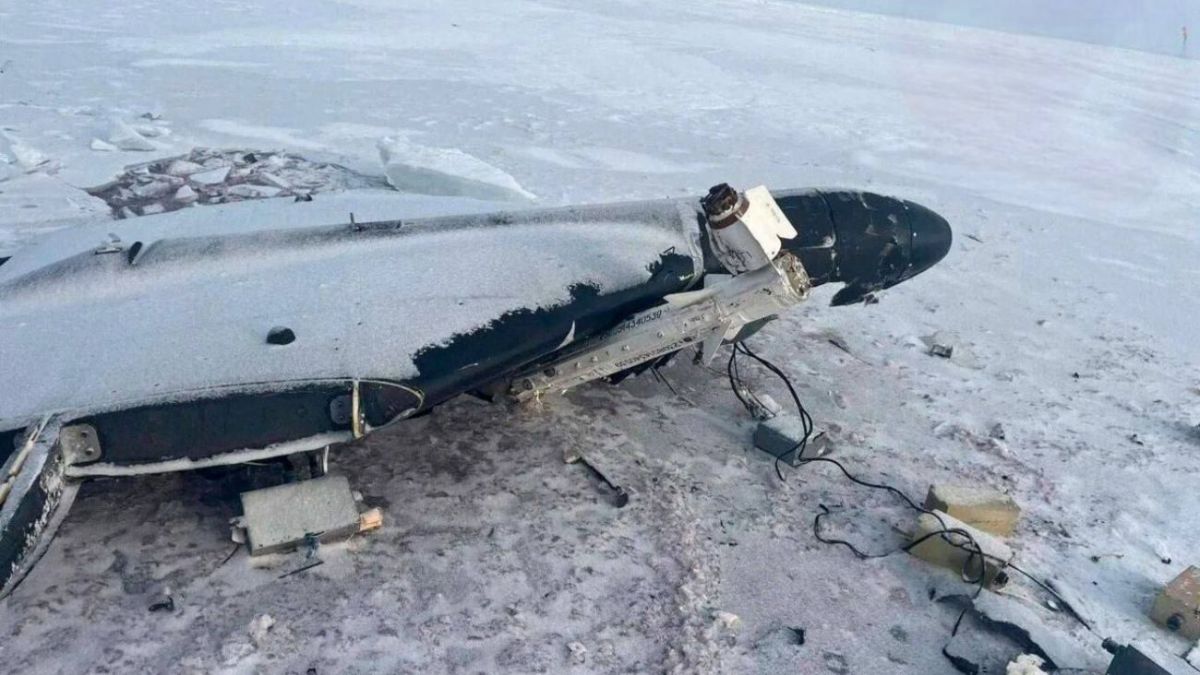
The Geran-4 represents a significant technological leap over earlier Russian drone variants. Capable of speeds up to 500 km/h—nearly triple the 180 km/h velocity of propeller-driven Shahed drones—the jet-powered platform extends Russia’s operational range to 850 kilometers.
With a 450-kilogram takeoff weight and 50-kilogram warhead capacity, the drone maintains strike capability even after deploying its missile payload.
Cold War Missile Gets New Mission
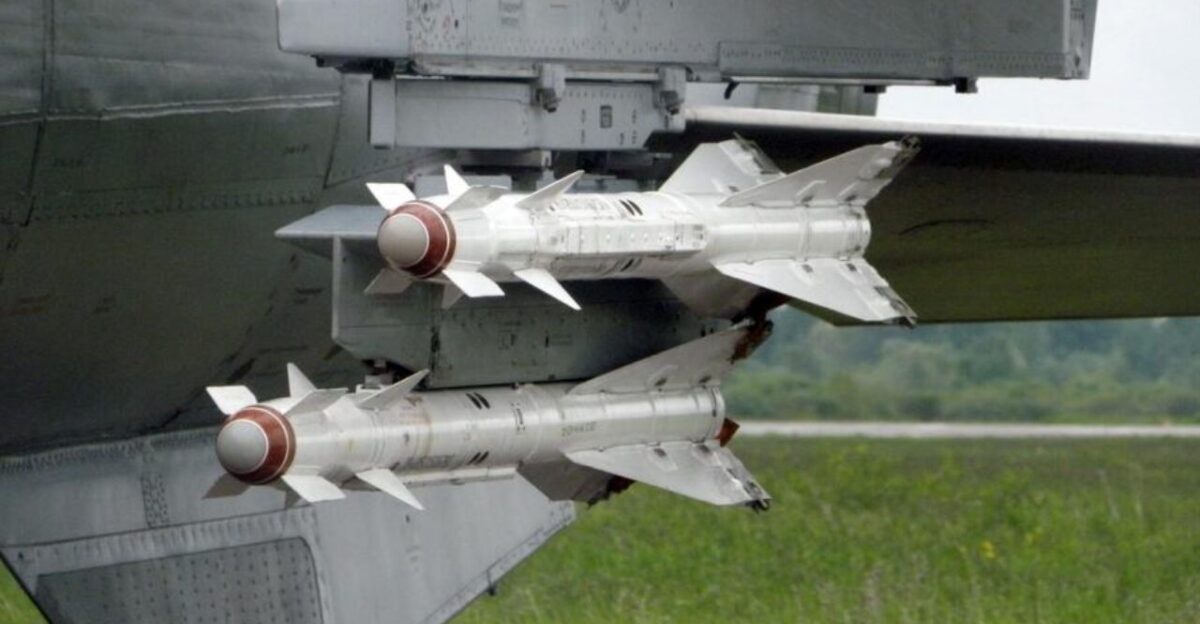
The R-60 air-to-air missile, originally designed in the 1970s for Soviet fighters like the MiG-21 and Su-25, now arms Russia’s expendable drones. Weighing just 44 kilograms with a 3-kilogram tungsten warhead, the missile achieves Mach 2.7 speeds and carries a practical engagement range of 4 kilometers.
Its infrared guidance system locks onto heat signatures from helicopter engines, creating lethal threats for Ukrainian aviation assets conducting counter-drone operations.
Operator-Controlled Targeting System
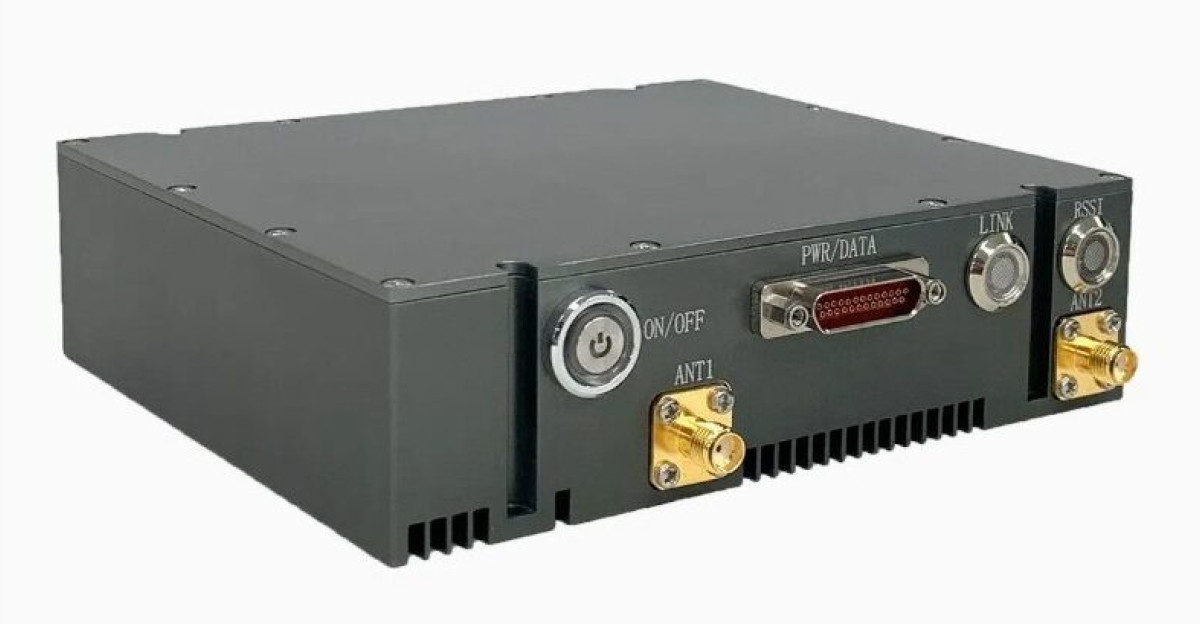
Russian operators control the Geran-4 via mesh modem networks manufactured by Chinese company Xingkai Tech. Upon visual target acquisition through onboard cameras, operators activate the R-60’s infrared seeker, achieve lock on the heat signature, and command launch.
After missile deployment, the drone retains its primary warhead for infrastructure strikes, creating dual-threat scenarios that force Ukrainian defenders to intercept every contact.
Ukraine’s STING Drone Fights Back
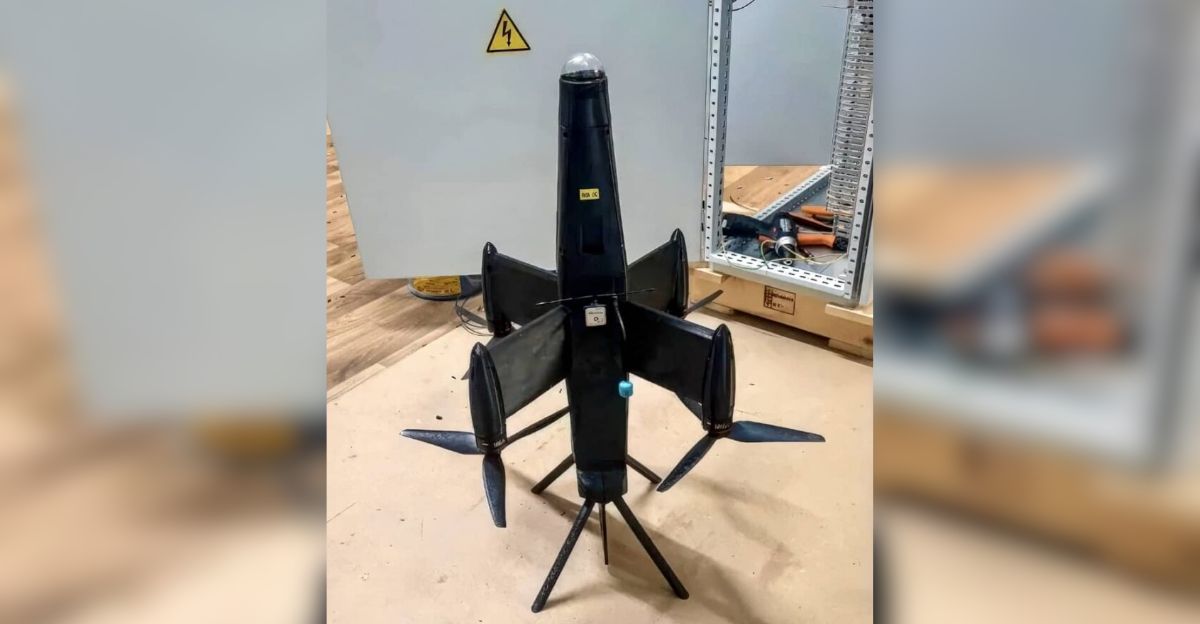
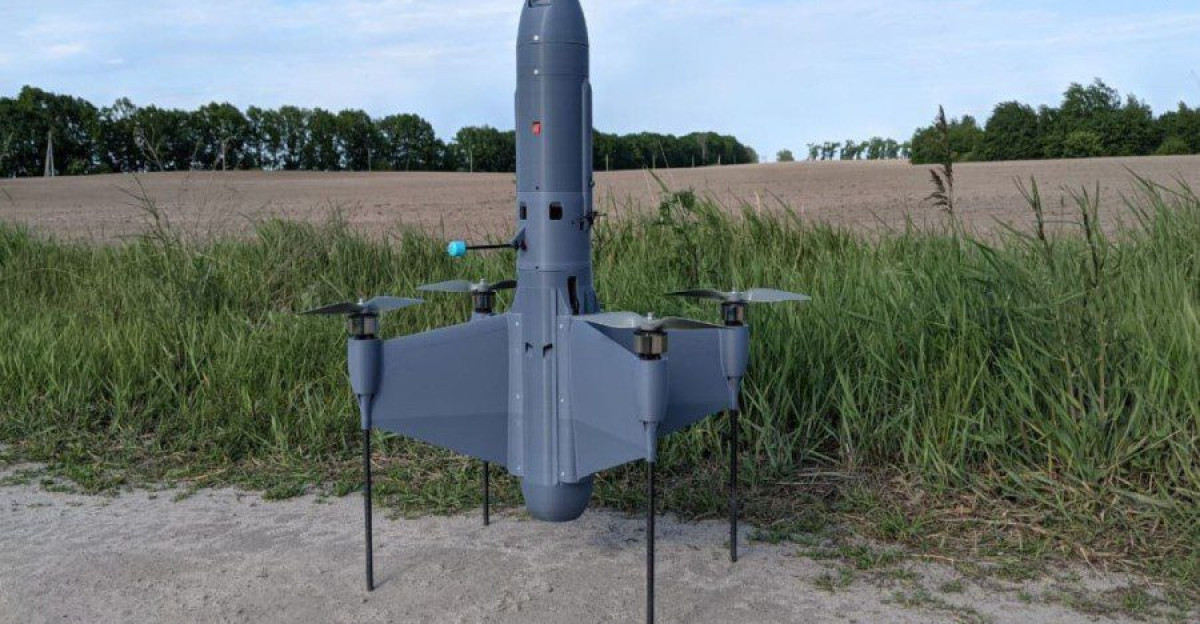
Ukraine responded with remarkable speed, deploying STING interceptor drones developed by the Wild Hornets group. On January 16, 2026, a STING successfully destroyed a jet-powered Geran armed with an R-60 missile—the first confirmed counter-interception of an armed anti-aircraft drone.
The $2,500 STING platforms achieve 315 km/h speeds and have downed over 1,000 Russian drones in four months of operations.
Economic Warfare Through Volume
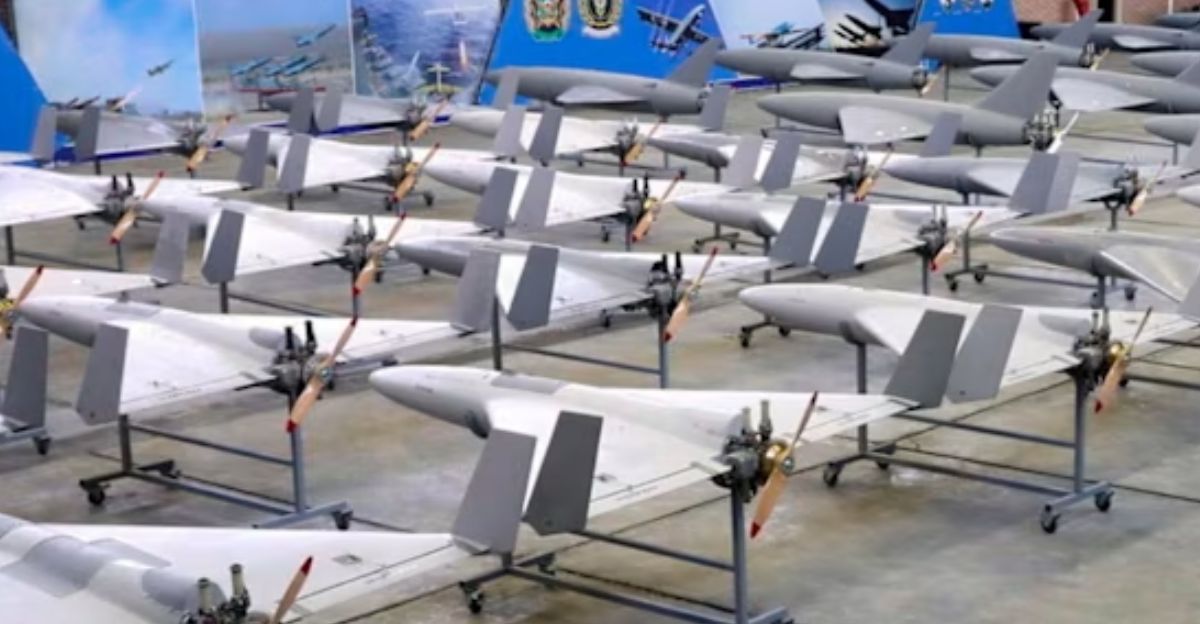
Russia currently produces 404 Shahed-type drones daily, but Commander-in-Chief Oleksandr Syrskyi warns the Kremlin aims to reach 1,000 drones per day. This production escalation would yield 365,000 units annually, creating unsustainable cost asymmetries for Ukrainian defenders.
Even at favorable exchange ratios, defending against 30,000 monthly drones using $2,500 interceptors costs $75 million monthly, excluding infrastructure and personnel expenses.
The Geran Family Expands
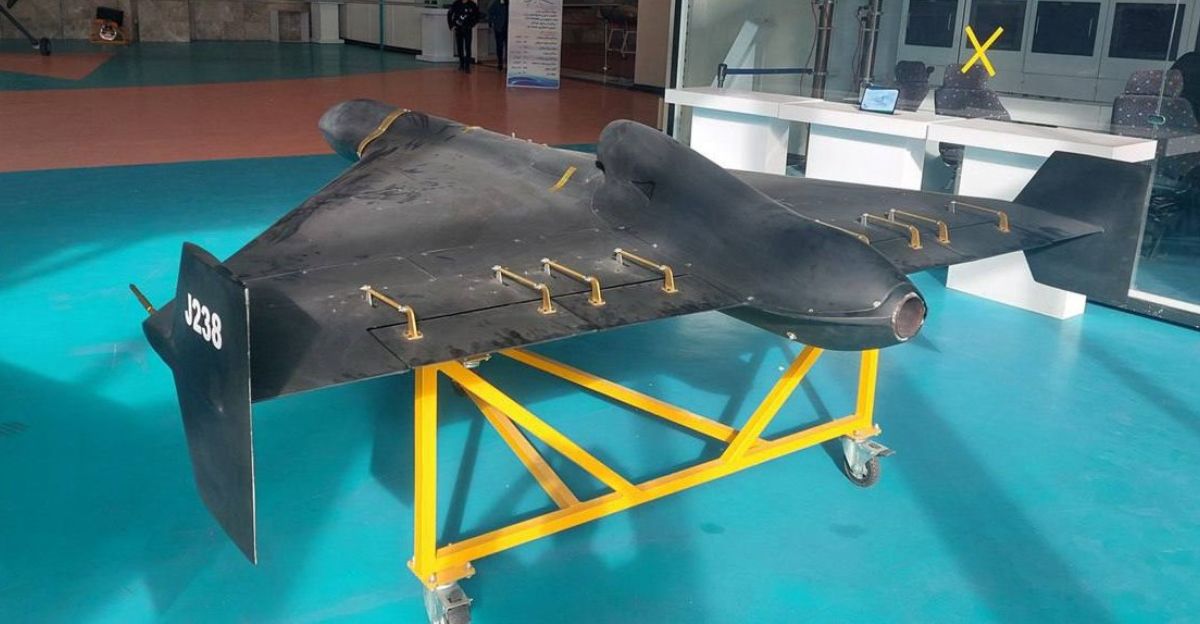
Russia deploys multiple drone variants, each with distinct capabilities. The baseline Geran-2 mirrors Iran’s Shahed-136 design at 185 km/h. The Geran-3 introduced jet propulsion at 550-600 km/h.
The newest Geran-5, first used in January 2026, achieves 600 km/h speeds with 90-kilogram warheads across 1,000-kilometer ranges using Chinese turbojet engines. Intelligence assessments suggest Russia may equip Geran-5 platforms with advanced R-73 missiles featuring superior range and maneuverability.
Iranian Technology Transfer
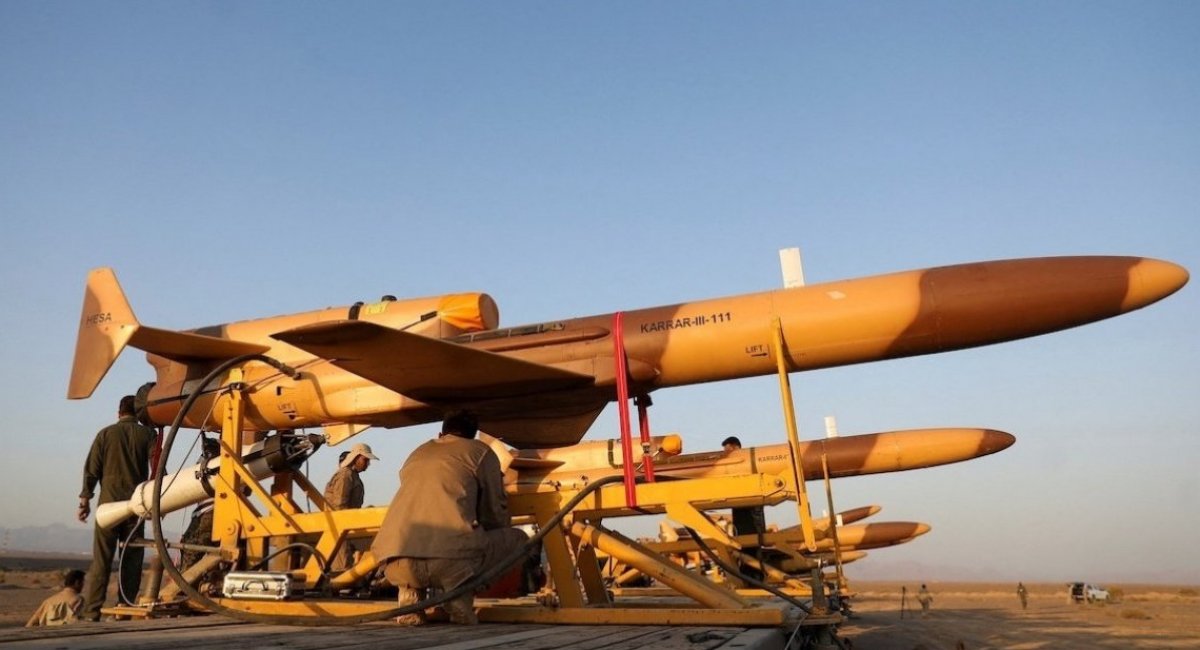
The Geran-5 directly mirrors Iran’s Karrar drone design, revealing deepening military cooperation between Tehran and Moscow. Iran successfully tested Karrar platforms armed with Majid air-to-air missiles in December 2023, demonstrating 900 km/h speeds and 1,000-kilometer ranges.
Ukrainian Defense Intelligence identified electronic components from China, the United States, and Germany within captured Geran-5 specimens, illustrating sophisticated sanctions-evasion networks.
Helicopter Crews Face New Dangers
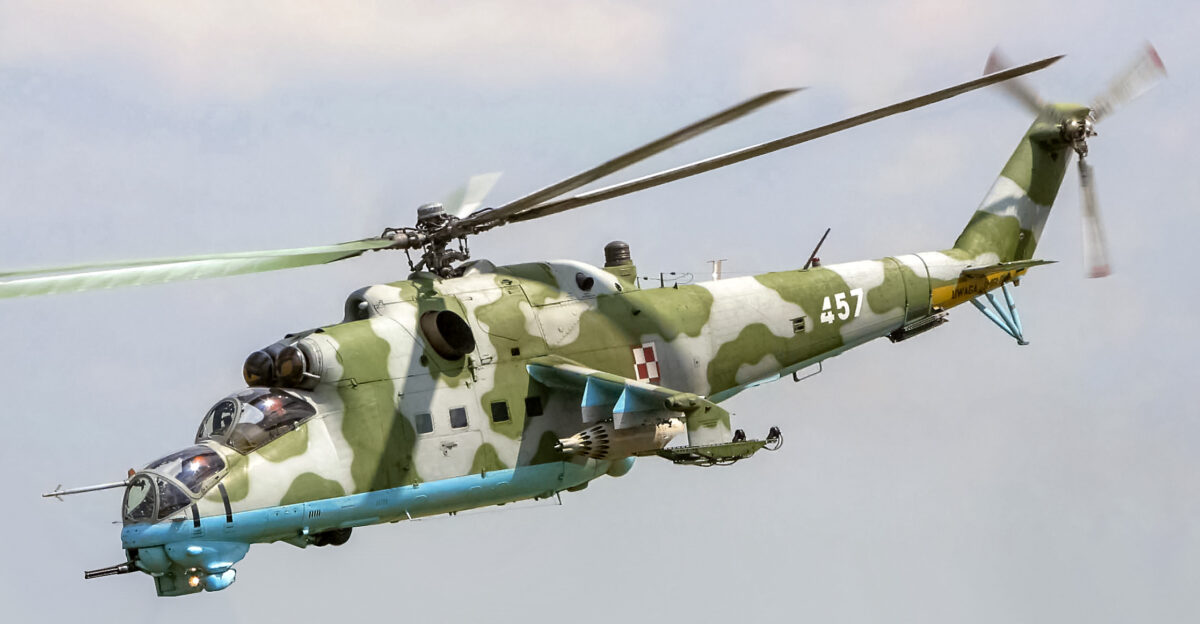
Ukrainian helicopter crews have proven exceptionally effective against slow-moving Shahed drones, with some Mi-24 crews credited with 50+ confirmed kills. However, the Geran-4’s 500 km/h speed enables rapid closure on helicopters typically cruising at 250-300 km/h, compressing crew reaction times from minutes to seconds.
The R-60’s 4-kilometer standoff range allows engagement before helicopters enter effective gun range, inverting historical tactical advantages.
Cost Advantages Favor Attackers
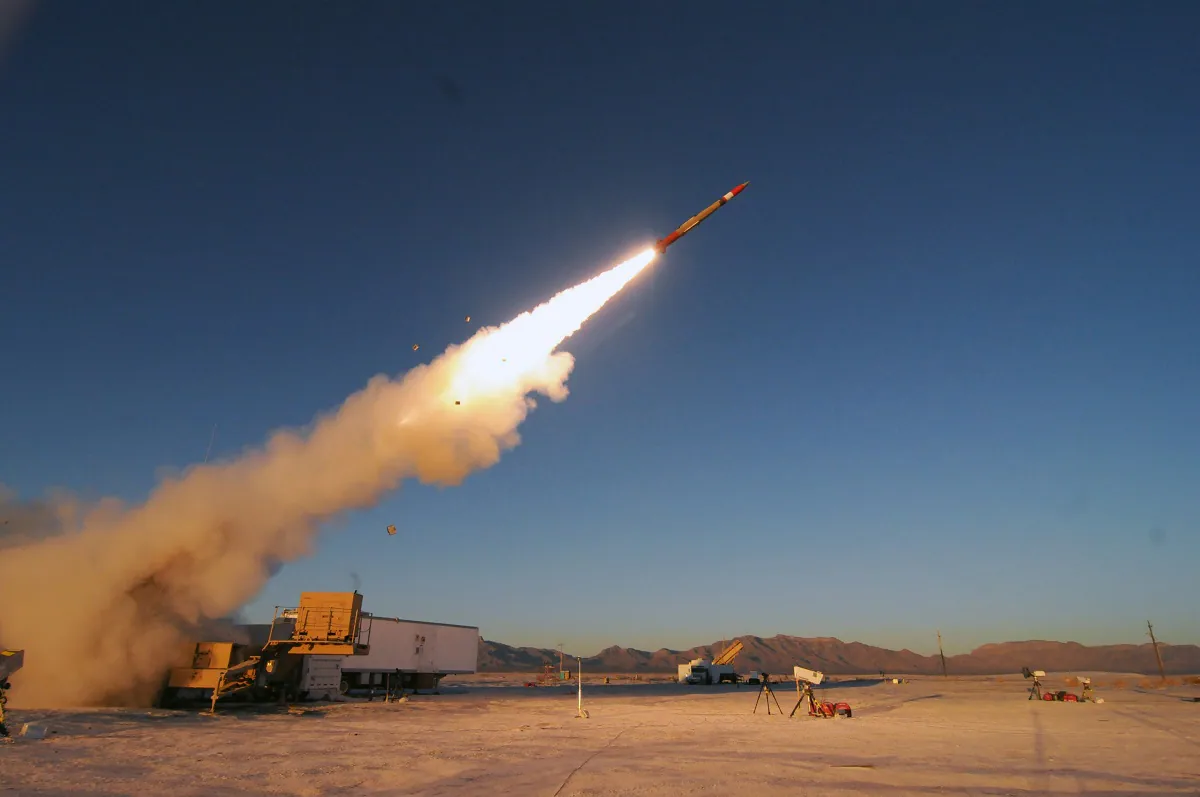
The economic asymmetries of drone warfare present existential challenges for Ukraine’s air defense. Patriot PAC-3 interceptors cost $5.17 million each, while IRIS-T missiles run $350,000-420,000 per unit. Against Shahed targets costing $20,000-$70,000, conventional air defense creates 10-100:1 cost disadvantages.
Ukraine’s interceptor drones achieve near-parity cost exchange at $2,500 per unit, preserving expensive strategic systems for high-value cruise and ballistic missile threats.
Seventy-Two-Hour Innovation Cycle
The conflict demonstrates unprecedented technological adaptation velocity. Russia progressed from Geran-2 MANPADS integration to jet-powered R-60 carriers in six weeks during late 2025.
Ukraine countered by upgrading STING velocity from 160 to 315 km/h and successfully intercepting the first armed jet drone within 72 hours of identification. This acceleration compresses Cold War-era 3-5 year development cycles into 1-3 month concept-to-deployment timelines.
Production Facilities Under Pressure
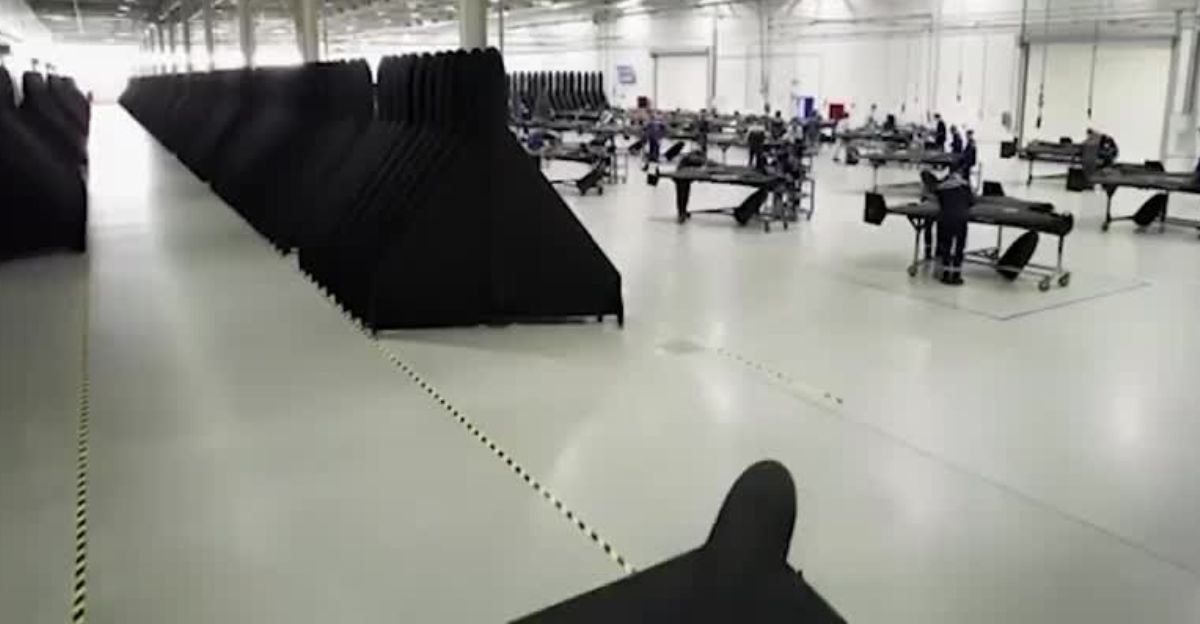
Russia’s Alabuga plant in Tatarstan produced over 26,000 Geran-2 drones by late 2025, with expansion targeting 40,000 units annually. Intelligence reports indicate 2025 production totaled 79,000 Shahed-type UAVs: 40,000 Geran-2 strike variants, 5,700 Garpiya-1 platforms, and 34,000 Gerbera decoys. Additional facilities in Izhevsk and Yelabuga support distributed production resilient to long-range strikes.
Domestic component substitution reduces Western sanctions effectiveness, though critical microelectronics retain foreign dependencies.
Layered Defense Architecture
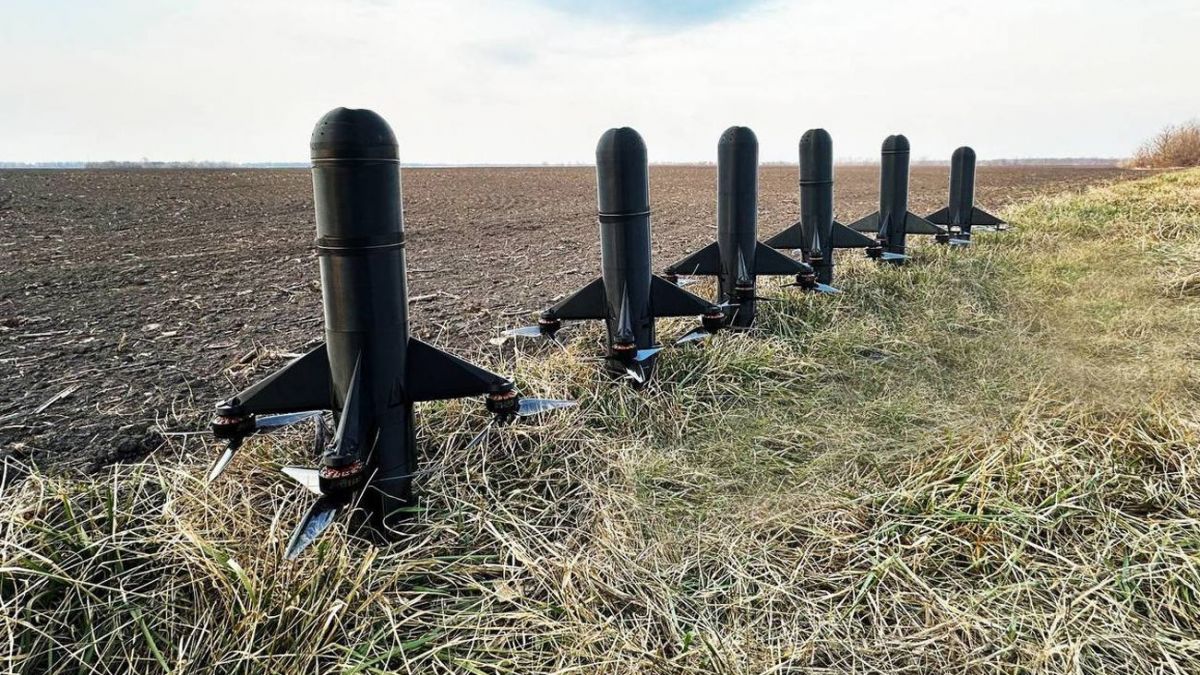
Ukraine’s 84% interception rate against November 2025 Shahed attacks stems from systematic integration across multiple defensive layers. Fighter aircraft engage high-altitude threats while strategic SAM systems reserve capacity for cruise missiles.
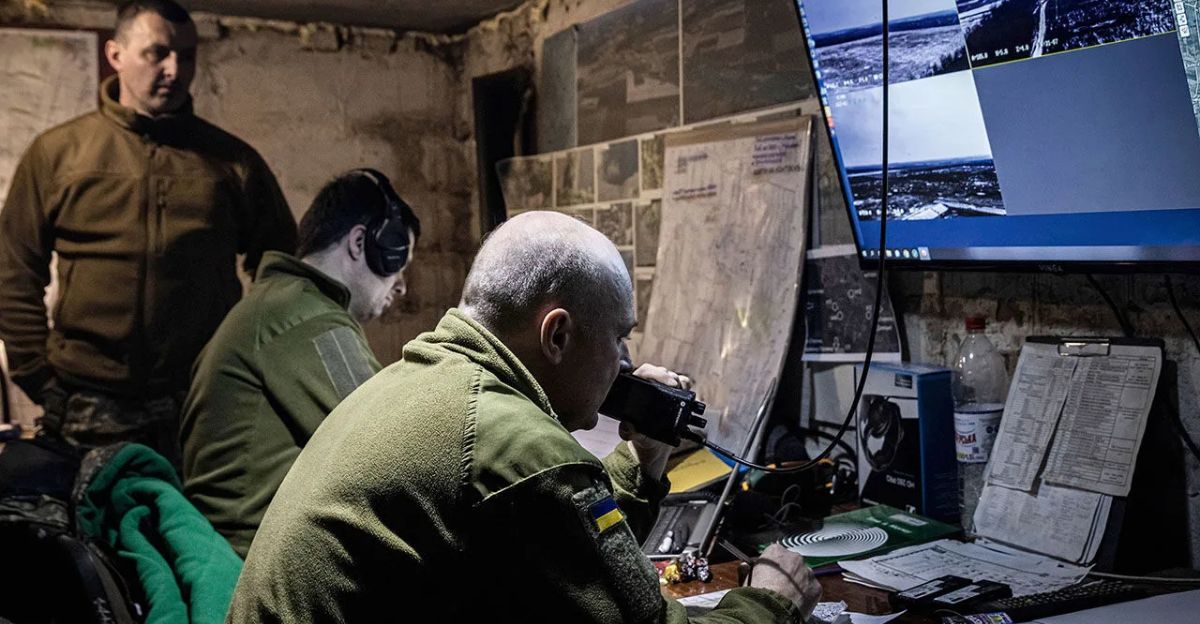
Mobile fire groups with anti-aircraft weapons, helicopter gunships, interceptor drones, and high-mobility missile platforms like the Tempest system create overlapping engagement zones. However, sustained volume attacks degrade effectiveness—on January 19, 2026, defenses intercepted 126 of 145 drones (87%).
Global Proliferation Concerns
The successful weaponization of expendable drones as interceptors establishes dangerous precedents for authoritarian military cooperation. Iran provides proven designs and operational experience, Russia offers industrial-scale manufacturing capacity, and China supplies critical dual-use components like turbojet engines and electronics.
This tripartite model creates resilient supply chains resistant to unilateral sanctions, enabling proliferation to state actors lacking modern air forces throughout the Middle East and Asia-Pacific regions.
Race Against Industrial Capacity
Ukraine faces a strategic inflection point as Russian production scales toward 1,000 daily drones by late 2026 or early 2027. Success requires matching production volume through domestic interceptor manufacturing and Western procurement support, maintaining technological superiority through continuous upgrades and AI integration, and executing strike campaigns against Russian production facilities.
The conflict has become the world’s premier laboratory for autonomous warfare, with lessons cascading to defense establishments globally as the rapid offense-defense cycle challenges foundational assumptions about modern military power.
Sources:
“Ukrainian air defence downs new jet-powered UAV armed with missile.” Ukrainska Pravda, January 14, 2026.
“New Threat: russia Arms Jet-Powered Shahed, Geran-4 with R-60 Air-to-Air Missile.” Defence Ukraine, January 13, 2026.
“Ukrainian STING Drone Downs Jet-Powered Shahed UAV with R-60 Air-to-Air Missile.” Militarnyi, January 15, 2026.
“Russia Deploys the New Geran-5 Jet Strike Drone in Ukraine.” Army Recognition, January 18, 2026.
“Ukraine’s Military Chief: Russia Trying to Build 1000 Shahed Drones per Day.” Business Insider, January 19, 2026.