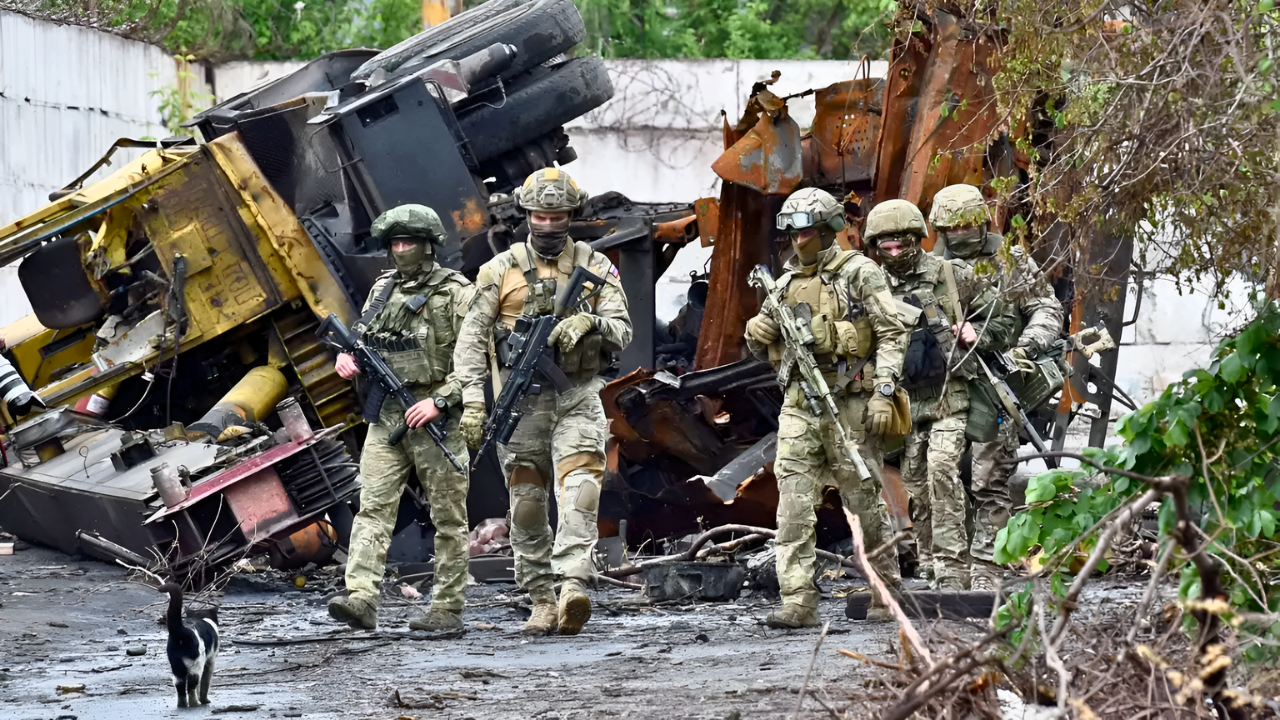
Every hour and a half, another Russian family receives the news no one should hear. On November 17, 2025, Ukraine’s General Staff reported 960 Russian soldiers killed in a single day—a stark figure in a war where the human cost continues to climb. As dawn broke over Ukrainian battlefields the next morning, the cumulative Russian casualty count since February 2022 surpassed 1.16 million, a number that eclipses the active-duty strength of entire nations.
A Relentless Toll Across Years of War
Since Russia launched its full-scale invasion of Ukraine on February 24, 2022, the conflict has produced a staggering attrition rate. By November 18, 2025, Ukrainian officials estimated Russian military casualties at approximately 1,160,380. This figure, representing personnel removed from combat duty, averages out to nearly 850 casualties per day over 1,364 days of fighting. The daily grind of losses—about 24 soldiers every hour—reflects the unyielding nature of conventional warfare on an industrial scale. Recent months have seen casualty rates stabilize at consistently high levels, with little sign of fluctuation or reprieve.
October 2025: The War’s Deadliest Month
October 2025 stands out as the bloodiest period of the war. Ukrainian President Volodymyr Zelenskyy confirmed that 25,000 Russian soldiers were killed during that month alone, averaging over 900 deaths per day. Western intelligence agencies, including the U.K. Defense Staff, corroborated these figures, estimating Russia’s daily casualties at around 1,500. The majority of these losses occurred during the Pokrovsk offensive, where Russian forces launched more than 220 assaults in a bid to break Ukrainian defenses. Military analysts describe the tactics employed as attritional, relying on waves of small infiltration groups rather than decisive breakthroughs. Ukrainian defenders, bolstered by FPV drone operators, have maintained lethal defensive zones, forcing Russian troops to advance at enormous human cost.
Drone Warfare and Equipment Losses
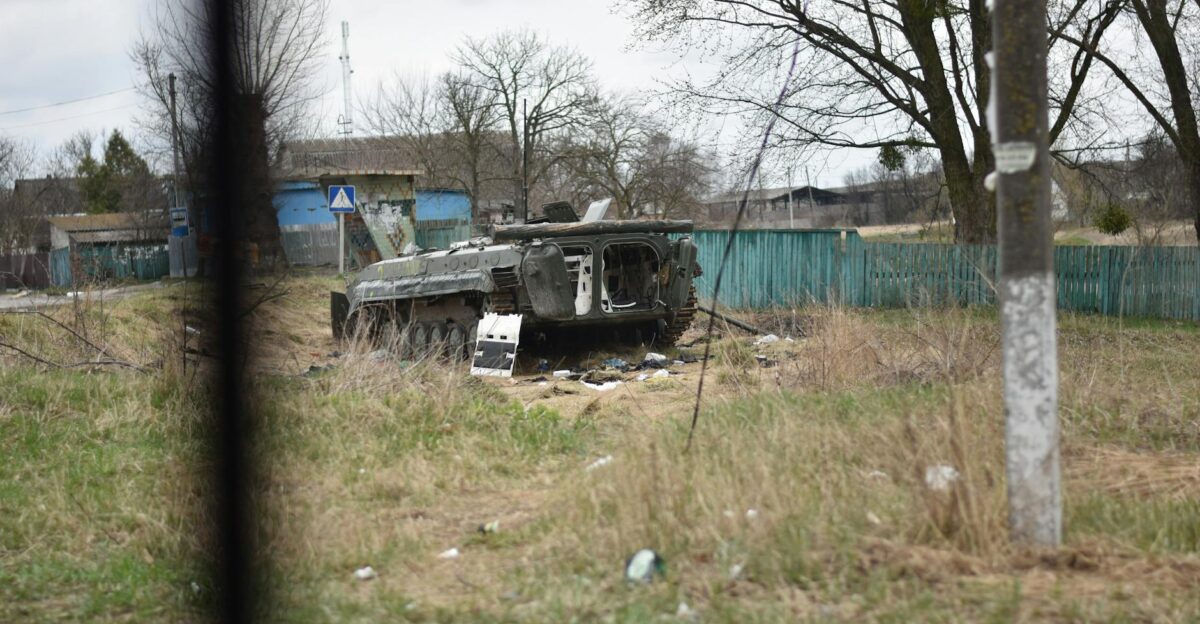
The evolution of drone warfare has dramatically reshaped casualty patterns. In the 24 hours ending November 18, Ukrainian forces destroyed 294 Russian operational-tactical drones. Since the war’s outset, Ukraine claims to have eliminated 81,793 Russian unmanned aerial vehicles. President Zelenskyy credited Ukrainian UAVs with inflicting 25,000 of the 28,000 Russian deaths recorded in October, with figures supported by video evidence. The destruction extends beyond personnel: Russian tank losses have reached 11,355, the largest in any conflict since World War II. While no tanks were reported destroyed on November 18, the cumulative toll has forced Russia to reactivate decades-old equipment from storage. Artillery and vehicle losses have also accelerated, with Ukrainian forces destroying 13 artillery systems, one multiple-launch rocket system, one air defense system, and 43 vehicles and fuel tankers in a single day. Total Russian losses now stand at 34,499 artillery pieces, 1,545 rocket systems, 1,247 air defense systems, and 67,579 vehicles.
Manpower Strain and Foreign Reinforcements
To sustain daily casualties approaching 1,000, Russia has resorted to mass mobilization and the deployment of convict soldiers with minimal training. Ukrainian assessments suggest that infiltration tactics and waves of poorly trained troops reflect Russia’s struggle to maintain unit cohesion under mounting losses. Convict battalions reportedly face casualty rates of 60–70%, far exceeding typical combat attrition. The severity of the manpower crisis became evident in October, when Moscow began deploying North Korean troops to reinforce its front lines. This unprecedented move signals that Russia’s domestic reserves are insufficient to maintain current operations without external support.
Strategic Costs and Territorial Gains
Despite the immense human and material losses, Russian territorial gains remain limited. According to analysis from The Economist, Russia’s spring 2025 offensive resulted in the capture of just 0.4% of Ukrainian territory—about 500 square kilometers—at the cost of hundreds of thousands of soldiers. Military strategists characterize Russia’s approach as trading territory through mass infantry assaults at unsustainable costs. Western intelligence estimates broadly align with Ukrainian casualty reports, lending credibility to Kyiv’s figures. The Economist’s review of over 200 independent and government sources placed Russian casualties between 984,000 and 1.438 million by mid-October, closely matching Ukrainian tallies.
A Conflict Redefining Modern Warfare
Now in its 1,364th day, the Russo-Ukrainian war has become the longest sustained high-intensity conflict in Europe since 1945. The scale of Russian losses—over a million personnel, thousands of tanks, and tens of thousands of drones—surpasses the Cold War-era losses of many NATO countries combined. At current rates, Russia is losing 0.5–1.2% of its male population under age 60 to combat, raising questions about its ability to sustain offensive operations. Experts warn that even tactical victories, such as those in Pokrovsk, come at a cost that suggests strategic exhaustion rather than triumph.
As winter approaches and the war grinds on, the daily casualty reports serve as a stark reminder of the conflict’s deepening toll. With no diplomatic resolution in sight, both Russia and Ukraine face a future shaped by relentless attrition, shifting tactics, and the enduring human cost of a war without end.