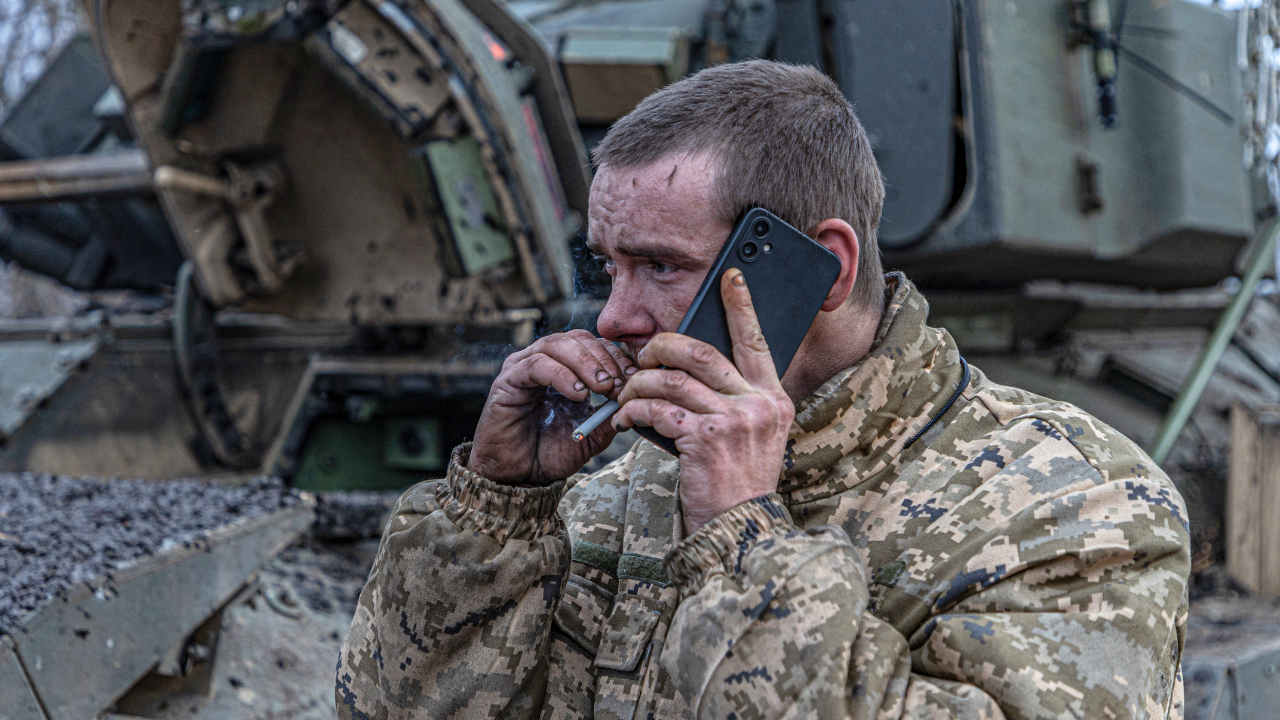
Ukrainian President Volodymyr Zelenskyy stunned the world with a casualty count that defied belief: 25,000 Russian soldiers killed in confirmed video footage during October alone, with an estimated 2,000–3,000 additional unconfirmed casualties pushing the total toward 28,000.
The vast majority fell in the Pokrovsk sector, a logistics hub in eastern Donetsk that has transformed into the epicenter of attritional warfare. October’s death toll represents the deadliest single month since Russia’s February 2022 invasion.
Russia Stacks the Deck with 150,000 Troops
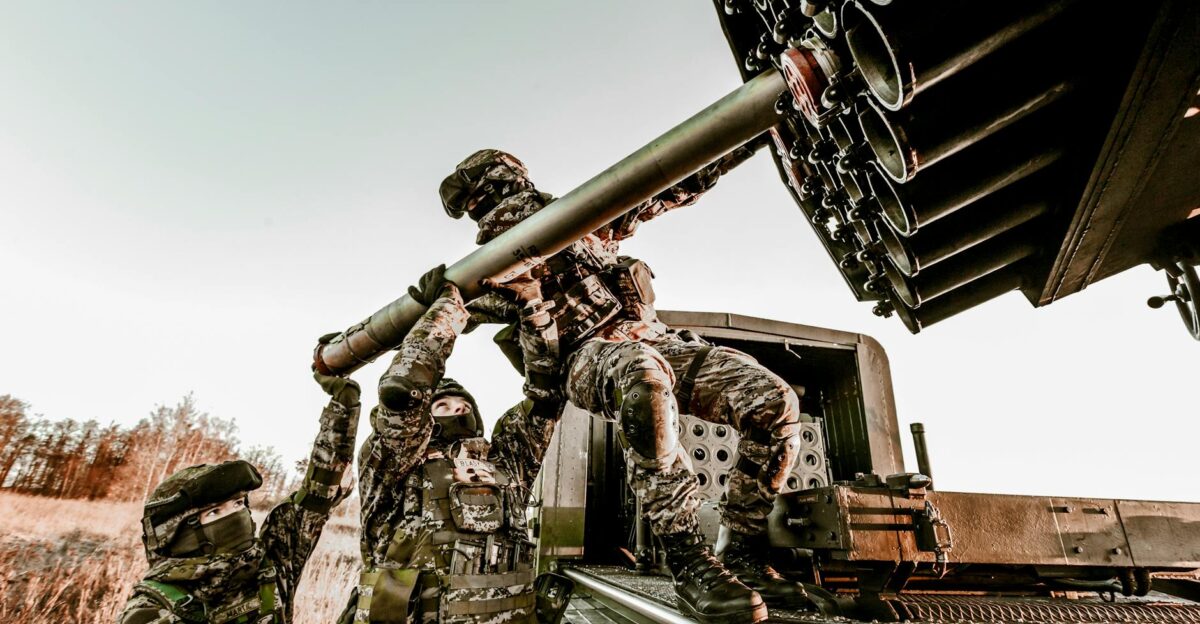
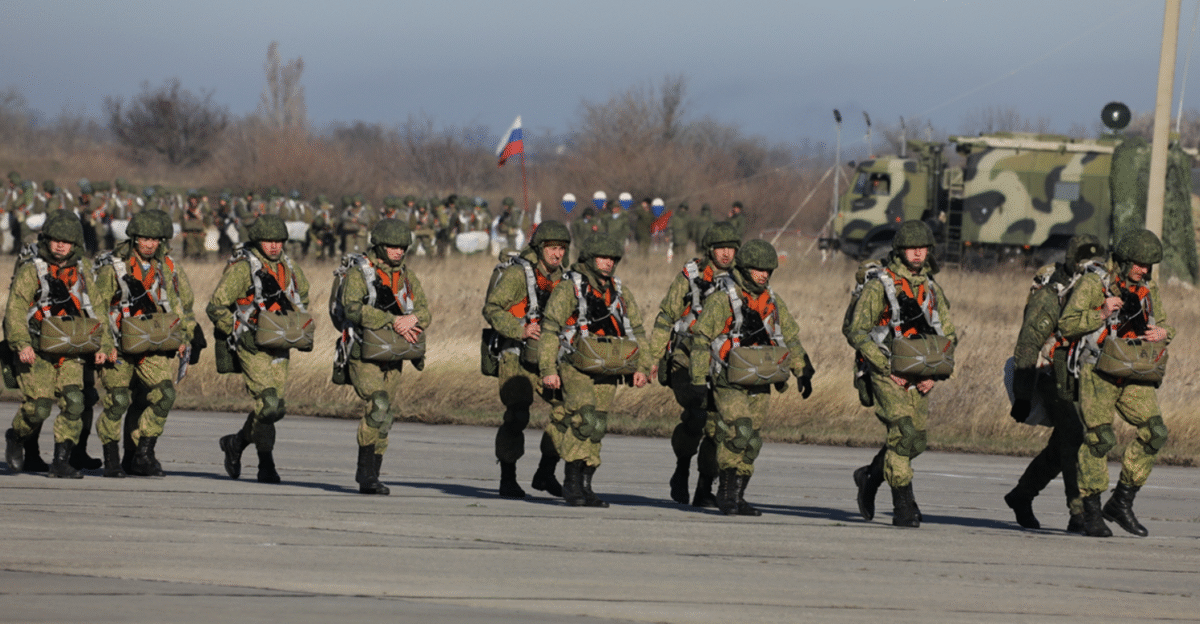
The Russian military deployed its entire strategic reserve to Pokrovsk in a concentration Moscow rarely attempts—some 150,000 troops, roughly one-fifth of Russia’s estimated 700,000-strong force in Ukraine. Major Andriy Kovalov of the Ukrainian General Staff revealed the scope: “The enemy is deploying all available reserves, but in return, is suffering enormous losses.”
Four marine brigades, mechanized units, and motorized rifle regiments now crowd the Pokrovsk sector, signaling Putin’s desperation to claim this symbolic city before potential negotiations reshape the region.
220 Assaults in 72 Hours Overwhelm the Front
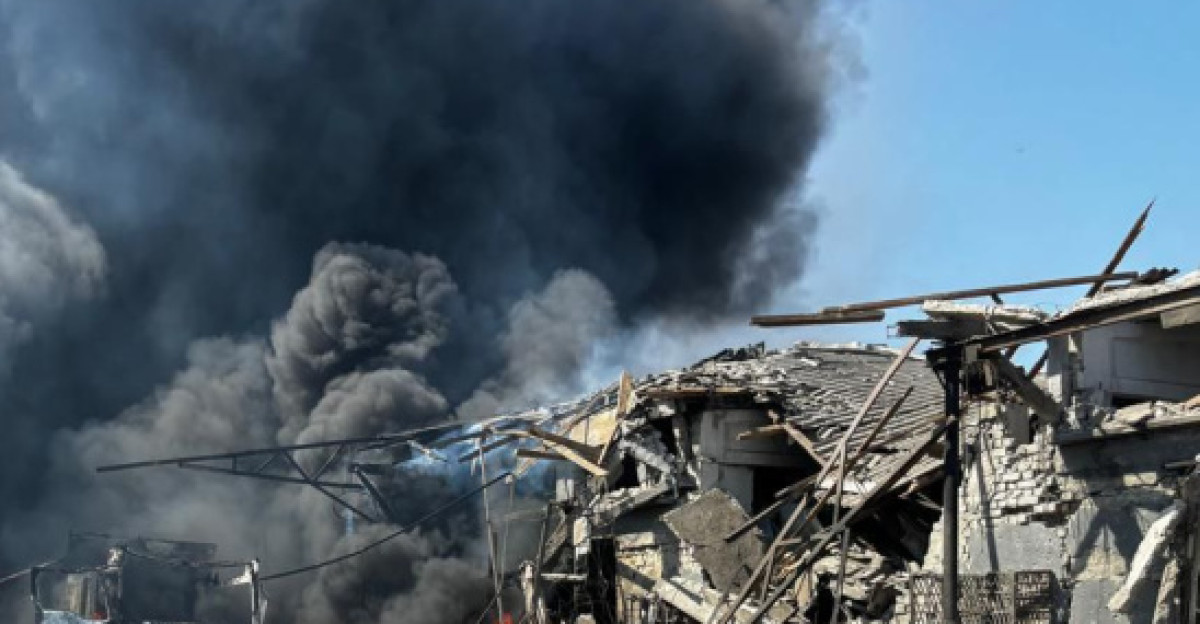
In a stunning blitz, Russian forces launched 220 assaults against Pokrovsk positions within a single 72-hour window, according to Zelenskyy. The 7th Rapid Response Corps documented 132 assaults in one week alone—nearly 20% more than the prior week—revealing Russia’s accelerating tempo to break Ukrainian defenses before winter weather degrades offensive conditions.
The escalating assault rate highlighted Moscow’s awareness that time was slipping away; negotiations could freeze positions with Pokrovsk still contested.
Infantry Waves Calculate Sacrifice Into Strategy
A Ukrainian drone operator from the “Peaky Blinders” unit told CNN that Russian infantry groups advance in threes, calculating that “two will be destroyed, but one will still reach the city and gain a foothold.” About a hundred such three-man groups attempt entry daily, testing Ukrainian defenses through sheer numerical pressure.
This meat-grinder tactic prioritizes volume over precision—a strategy only sustainable when manpower is treated as expendable ammunition.
Block-by-Block Urban Hell Mirrors Bakhmut’s Nightmare
Pokrovsk’s industrial landscape—coal mines, rail yards, steel works—transforms city blocks into fortified strongholds identical to Bakhmut’s layout, where Russia’s assault from August 2022 to May 2023 consumed tens of thousands of soldiers. Once Russian troops infiltrate the Shakhta industrial district with its tunnel systems and basement fortifications, dislodging them becomes nearly impossible without massive firepower, according to Reuters interviews with Ukrainian soldiers.
The comparison has proven deliberate: Moscow accepted Bakhmut-level casualties because capturing Pokrovsk would represent the most significant Russian territorial gain in nearly two years.
Search-and-Strike Teams Hunt Urban Infiltrators
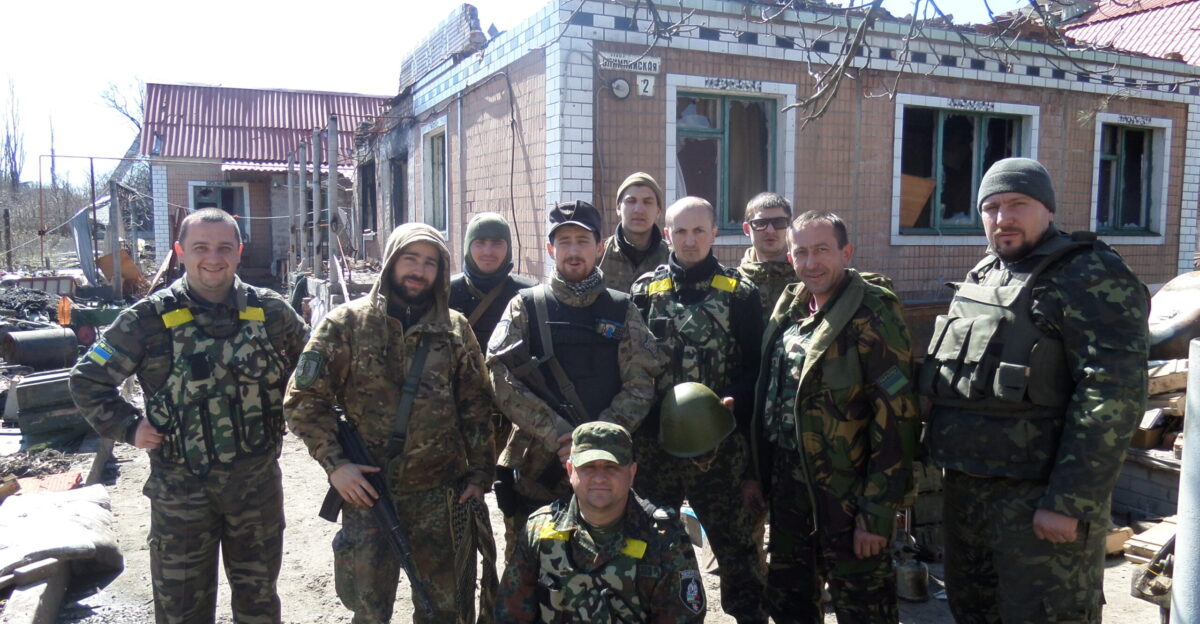
Ukrainian forces have conducted ongoing “search-and-strike operations” to clear Pokrovsk house by house, hunting down Russian soldiers who manage to slip into the city’s contested sectors. Commander-in-Chief Oleksandr Syrskyi stated that the 425th Assault Regiment is “operating very effectively” in these operations, maintaining Ukrainian control despite fog conditions that limit drone surveillance.
Each infiltration attempt triggers coordinated response teams that leverage local knowledge to neutralize Russian footholds before they consolidate
The Encirclement Claim Crumbles Under Scrutiny
Russian military bloggers and state media claimed Ukraine’s forces faced operational encirclement, with alleged Russian fire control over supply routes threatening catastrophic isolation. The Ukrainian General Staff flatly denied this propaganda narrative, with Major Kovalov stating: “Information suggesting that Russian forces have full fire advantage over our logistics or that the city is operationally encircled is not true.”
The claim contradicted observable reality—logistics remained “complicated but operational,” with ammunition resupply, personnel rotation, and the evacuation of the wounded all continuing.
Rotations and Resupply Break the Siege Narrative
Recent weeks have confirmed that Ukrainian units have received the necessary weapons and ammunition, followed by personnel rotation and wounded evacuation operations—feats impossible under a true operational encirclement. The General Staff emphasized that logistical support in Pokrovsk mirrored neighboring Myrnohrad, where Ukrainian units “confidently hold their positions and wipe out occupants on the approaches.”
This sustained resupply defied Russian propaganda and contradicted predictions of imminent Ukrainian collapse; functioning logistics indicated defenses maintained under extreme pressure remained viable.
Putin’s Race Against the Negotiation Clock
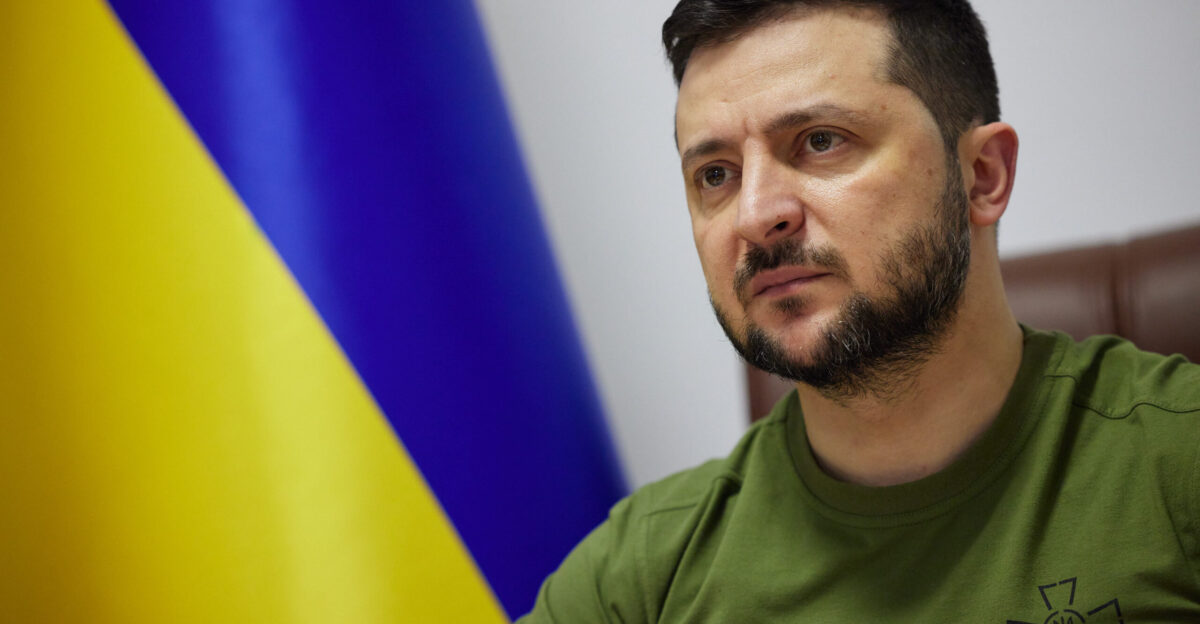
Zelenskyy explained that “the enemy’s number one goal is to occupy Pokrovsk as quickly as possible” to project complete control over the Donbas before potential peace talks reshape the battlefield geography. Commander-in-Chief Syrskyi added that Putin sought a rapid capture to bolster his negotiating position, countering Ukraine’s territorial gains in Russia’s Kursk region.
This timeline urgency explained Russia’s willingness to bleed 25,000 soldiers in a single month—symbolic and strategic value justified, in Moscow’s calculation, any casualty toll.
Logistics Hub Status Makes Pokrovsk Irreplaceable
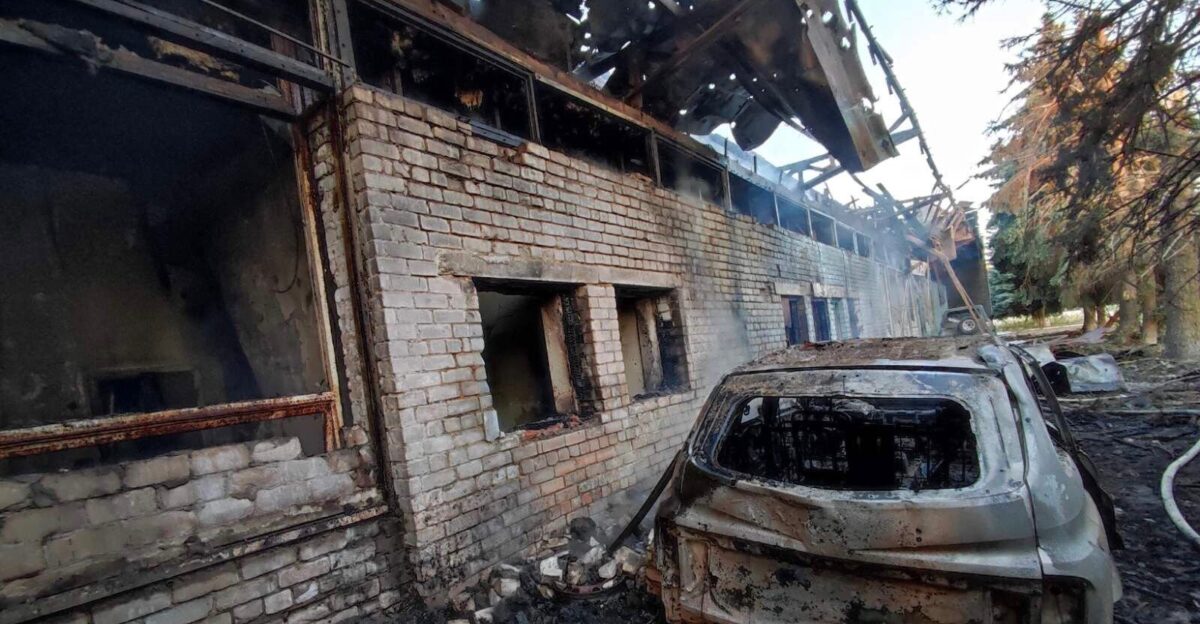
Pokrovsk functions as the primary logistics hub for the entire eastern front, with rail lines and roads connecting all Ukrainian-held positions in eastern Donetsk. Military analysts warned that if logistics failed, neighboring Chasiv Yar—positioned on elevated terrain commanding broader operations—would become indefensible, triggering cascading Ukrainian withdrawals.
The city’s industrial infrastructure, though war-damaged, remained the spine supporting Ukrainian defensive positions across the entire eastern sector.
Outnumbered Defenders Face 8-to-1 Odds Yet Hold
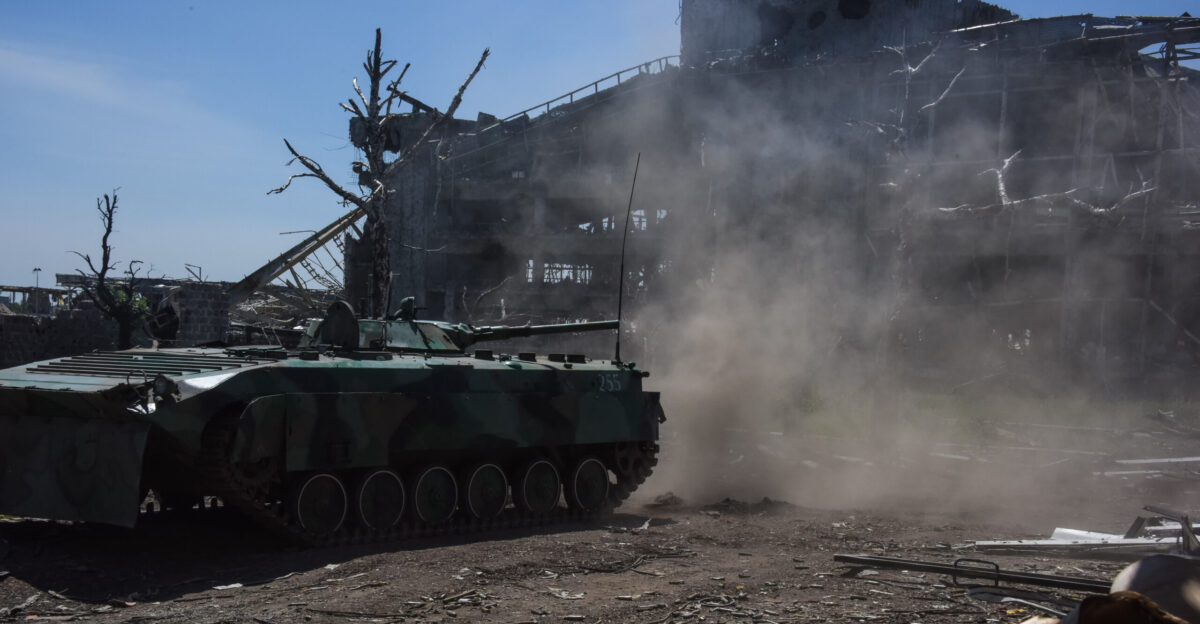
Ukrainian defenders, outnumbered approximately 8-to-1 in the Pokrovsk sector, have continued to hold their positions despite the overwhelming Russian numerical advantage. The commitment of motorized rifle regiments, marine brigades, and hastily trained territorial units—often supplied with limited equipment—suggested Moscow prioritized mass over quality, accepting attrition as the inevitable cost of a breakthrough.
Commander-in-Chief Syrskyi revealed that Ukrainian forces have “Plan B and Plan C for all possible situations,” indicating defensive flexibility despite numerical disadvantage.
October’s Body Count Sets Grim Records
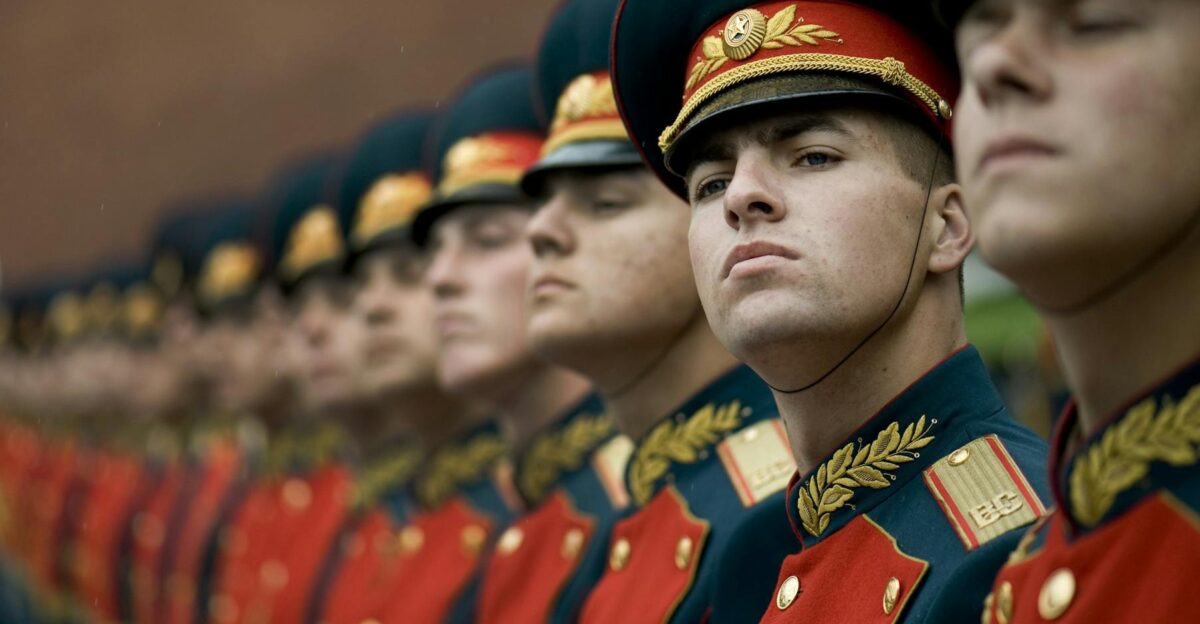
During his November 7 press meeting, Zelenskyy disclosed that 25,000 Russian soldiers were confirmed killed via video evidence during October, with an additional 2,000–3,000 estimated unconfirmed casualties. He emphasized that the figure, sourced from confirmed drone footage, represented the highest single-month toll since the February 2022 invasion launched.
Ukrainian military intelligence attributed much of the destruction to FPV drones, which dominated Pokrovsk’s open approaches and enabled operators to inflict disproportionate casualties on advancing Russian formations.
Infiltration Toehold Remains Incomplete and Contested
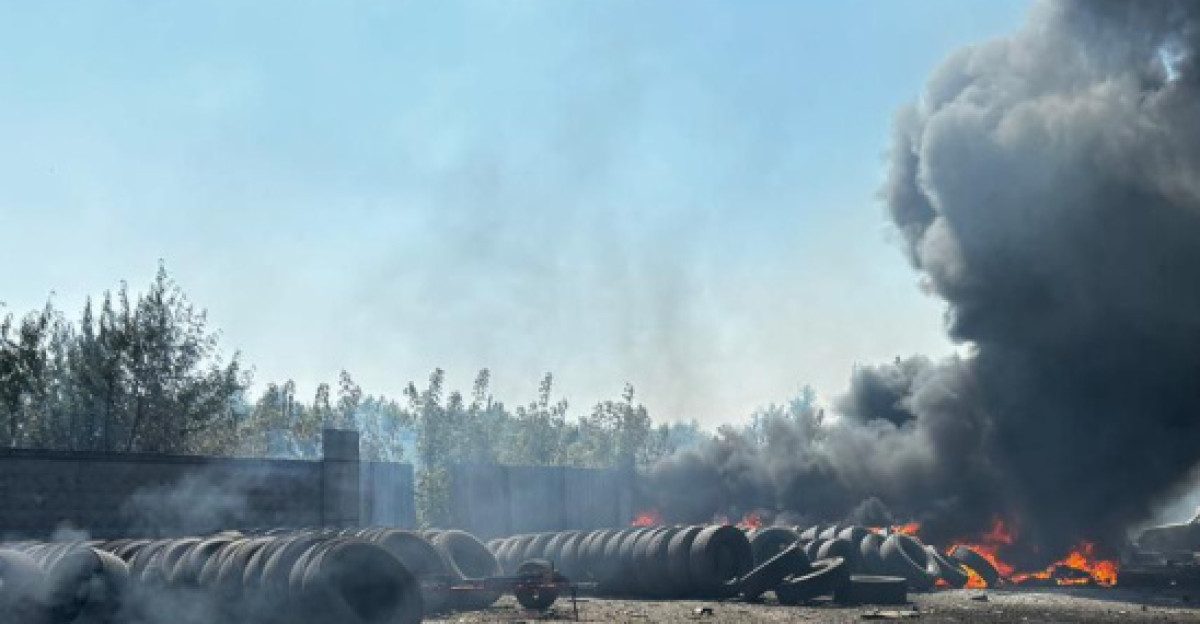
While Russian forces have managed to infiltrate portions of Pokrovsk, capturing approximately 314 troops within city limits according to Ukrainian sources, the breakthrough has remained incomplete and fiercely contested. Ukrainian assessments suggested that Russia’s strategy hinged on breaking morale through attrition rather than achieving a rapid tactical breakthrough.
The mounting casualty toll, unmatched by territorial gains proportional to the losses incurred, has signaled a potential strategic failure, masked by continued operational pressure.
Strategic Collapse Looms Behind Casualty Claims
Russia now faces a critical dilemma: continue bleeding its reserves to capture a city whose strategic value pales in comparison to the soldiers expended, or consolidate its positions and prepare for potential negotiations that are already reshaping diplomatic calculations.
Ukraine has maintained defensive positions despite overwhelming pressure, knowing that every day of holding logistics routes strengthens the case for sustained Western weapons and international support. The mounting casualty toll and slowing territorial gains have suggested Russia’s attrition strategy may be consuming its own army faster than it advances.
The Battle That Could Reshape War’s Outcome
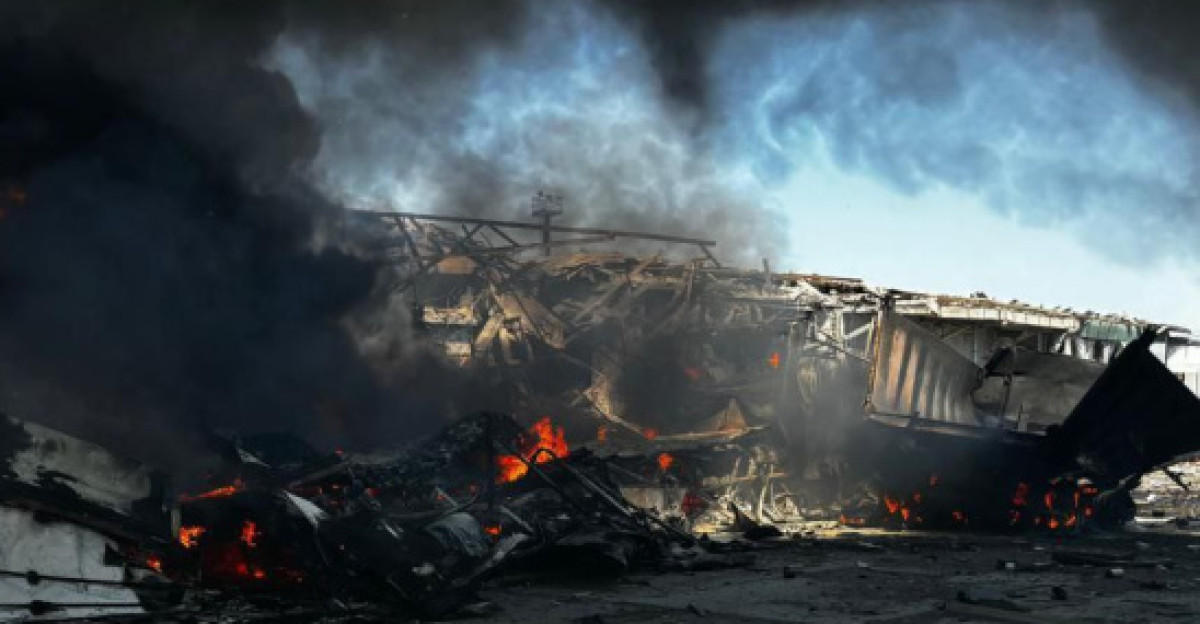
As October’s bloodiest month gave way to November, Pokrovsk has remained the focal point of Russia’s most costly offensive push, with casualty figures mounting daily. Ukrainian resolve and Russian casualties have both climbed simultaneously, creating a dynamic where tactical pressure masks underlying strategic strain on Moscow’s manpower reserves.
With November now halfway through, Ukraine’s ability to maintain logistics and rotate forces has continued to defy Russian predictions of imminent collapse, while Russia’s mounting losses raise questions about whether this attrition strategy can sustain itself before diplomatic intervention reshapes the eastern front..