
Since summer 2024, Russia has conducted massive strikes targeting Ukraine’s energy infrastructure during the coldest months. Dozens of attacks targeted power facilities, making winter a deadly season.
By January 2026, the strikes intensified. Ukrainian officials warned that the power grid was operating at critical levels, with heightened risks of winter mortality. This attack marked a rare deployment of one of Russia’s newest weapons in their arsenal, signaling a dangerous shift in their tactics.
Soviet Legacy, Modern Weaponry
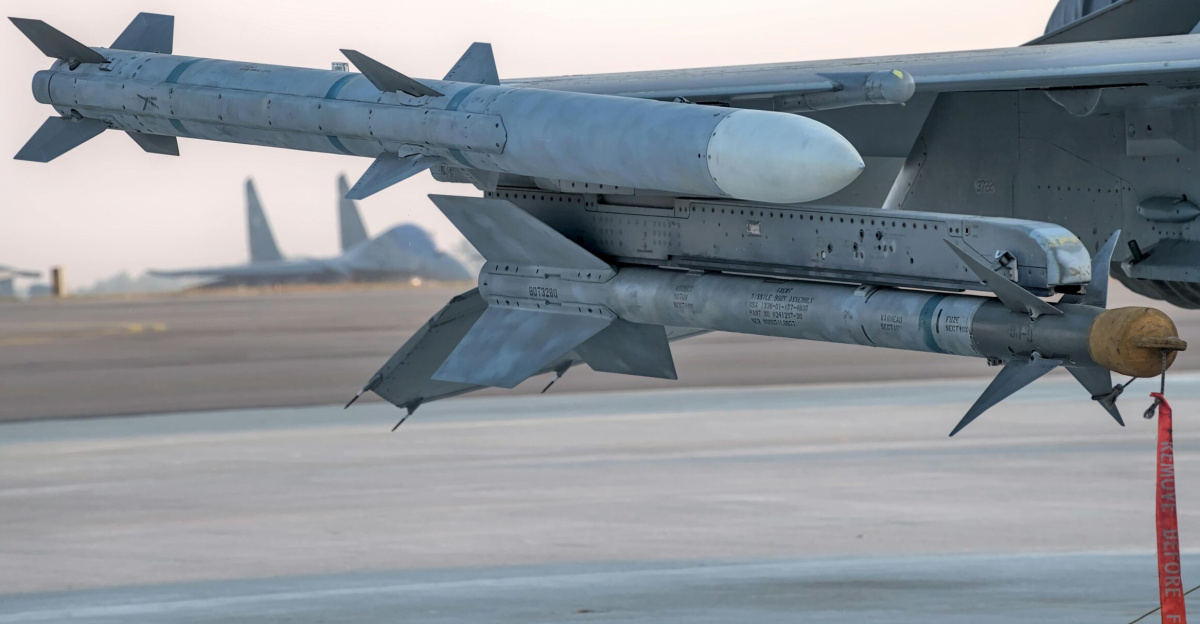
The 3M22 Zircon cruise missile, developed by Russia’s NPO Mashinostroyeniya, was first introduced as a naval anti-ship weapon in the 2010s. President Putin unveiled the missile in 2019, claiming it could reach speeds of Mach 9 and was unmatched globally.
Few experts expected it to be adapted for ground targets in Ukraine. However, its deployment since first use in February 2024 and subsequent attacks have shown that Russia has found new ways to wield this formidable weapon on the battlefield.
Building Pressure on Ukraine’s Defenses
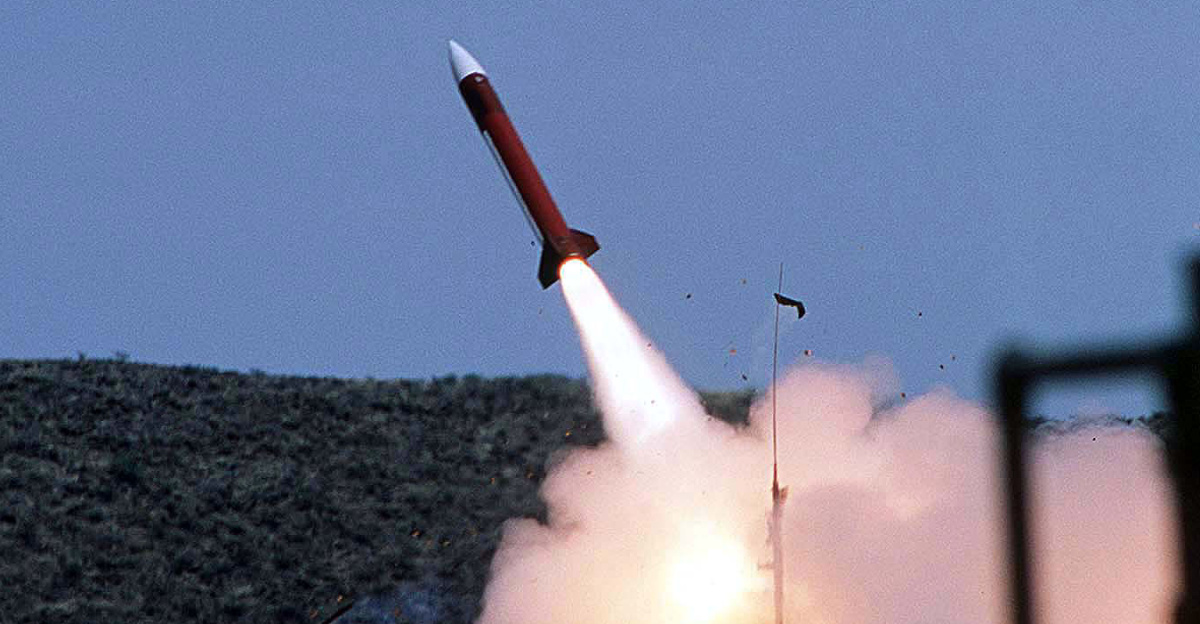
For nearly two years, Ukraine’s air defense systems, including the high-tech Patriot missiles, absorbed the weight of Russia’s relentless aerial bombardments. These advanced defense systems struggled with ammunition shortages, and the attacks overwhelmed their interception capacity.
Ukrainian officials warned of severe attack frequency as NATO allies scrambled to meet supply demands. By January 2026, the strain on Ukraine’s defenses was evident, and Russia knew this vulnerability could be exploited.
The Zircon Strike Confirmed
On January 19-20, 2026, Russia launched the Zircon missile at Vinnytsia in central Ukraine. The missile successfully struck a critical energy infrastructure target.
This marked the first use of the Zircon in 2026, continuing the missile’s destructive path since its initial combat deployment in February 2024. Despite Ukraine’s advanced air defense systems, the missile struck its target, escalating the ongoing battle for control of the skies and critical infrastructure.
Vinnytsia Under Siege

Vinnytsia, a major regional hub, suffered significant damage when the Zircon missile struck its energy facilities. The attack disrupted power, water, and heat supplies across the region in the middle of Ukraine’s harsh winter.
Hospitals switched to emergency generators, and industrial production faced interruptions. The timing of the strike—during subzero temperatures—exemplified Russia’s calculated strategy of targeting civilian infrastructure, aiming to inflict maximum suffering on the population.
Civilian Cost in Winter

The strike caused widespread disruptions across Ukraine. Elderly residents faced the threat of hypothermia, while children huddled for warmth in shelters.
Hospitals, operating on backup power, were forced to cancel medical procedures. The attack’s timing—during Ukraine’s coldest month—magnified its human cost. The strike on civilian energy systems, with no military targets justifying it, is a clear violation of international law. Ukrainian authorities have documented the attack as a war crime.
NATO’s Ammunition Crisis

Ukraine’s air defense systems, particularly the Patriot batteries, faced an acute ammunition shortage. Each interceptor costs around $4 million, while Russia’s sustained missile campaign creates overwhelming economic pressure.
Russia’s attrition strategy overwhelmed Ukraine’s defenses, causing NATO to reevaluate its arms supply strategies. Despite Ukraine’s efforts at defense, it struggled to sustain this protection, facing a growing debate among NATO members about ramping up production to keep up with the Russian onslaught.
The Hypersonic Question
Russia claims that the Zircon missile reaches speeds of Mach 9, nine times the speed of sound. If accurate, this would classify it as a hypersonic weapon, designed to evade current air defense systems.
However, Ukrainian air force analysis of previous strikes suggests the missile performs at a significantly lower speed—around Mach 5.5 to 7.5 in its descent phase. Western intelligence assessments suggest speeds up to Mach 8. This discrepancy between claimed and observed performance raises questions about its true capabilities and effectiveness against sophisticated defense systems.
The First Strike Of 2026
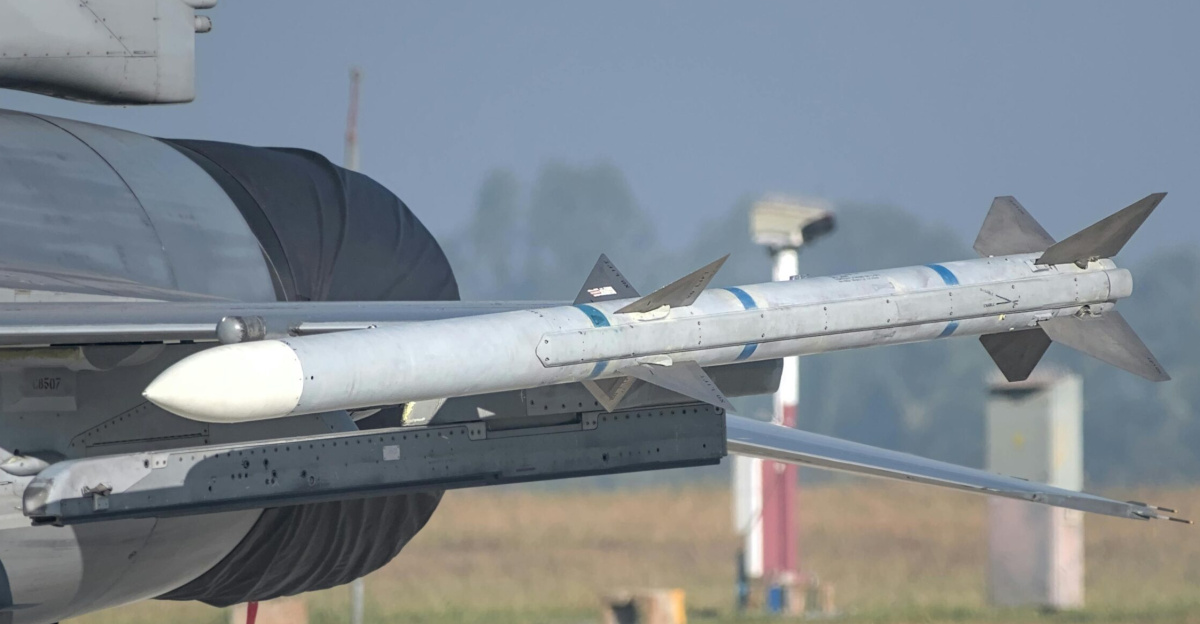
The January 2026 attack was the first use of the Zircon missile against Ukraine in 2026. Forensic analysis of missile fragments found distinctive markings linking that earlier strike to the 3M22 Zircon.
The January 2026 strike represented a continuation of the ongoing pattern of Zircon deployments that have been striking Ukraine since early 2024.
Ukrainian Command Frustration

Ukrainian Air Force officials expressed growing frustration with the continued reliance on Western ammunition supplies, which were insufficient to meet the scale of Russia’s attacks. Military spokespeople stated that the interception rate of Russian missiles was unsustainable without increased missile production.
NATO allies struggled to meet Ukraine’s air defense needs, and internal disagreements began to surface over whether the current strategies and resources were adequate for the continued defense of Ukrainian cities.
Strategic Shift in Defense Procurement

In response to the increasing effectiveness of Russia’s hypersonic missile campaign, NATO European members have been working to expand production of missile defense systems. Germany’s Rheinmetall and other defense contractors have established partnerships with Ukraine, while European allies strengthened their strategic air defense cooperation.
The Zircon strikes were a wake-up call for NATO, sparking changes in defense procurement policies. The need for enhanced missile production capacity and a shift in defense strategy became increasingly clear.
Ukraine’s Counter-Strategy

Faced with a missile barrage it could not fully intercept, Ukraine turned to counter-strike capabilities. Special operations forces focused on targeting Russian launch facilities, including those in Crimea, where the Zircon missile is believed to be deployed.
The Object 100 complex, a coastal defense facility in Crimea, has been linked to potential missile launch operations. Intelligence sharing with NATO allies intensified as Ukraine sought to weaken Russia’s missile infrastructure through asymmetric means.
Expert Skepticism on Zircon Claims
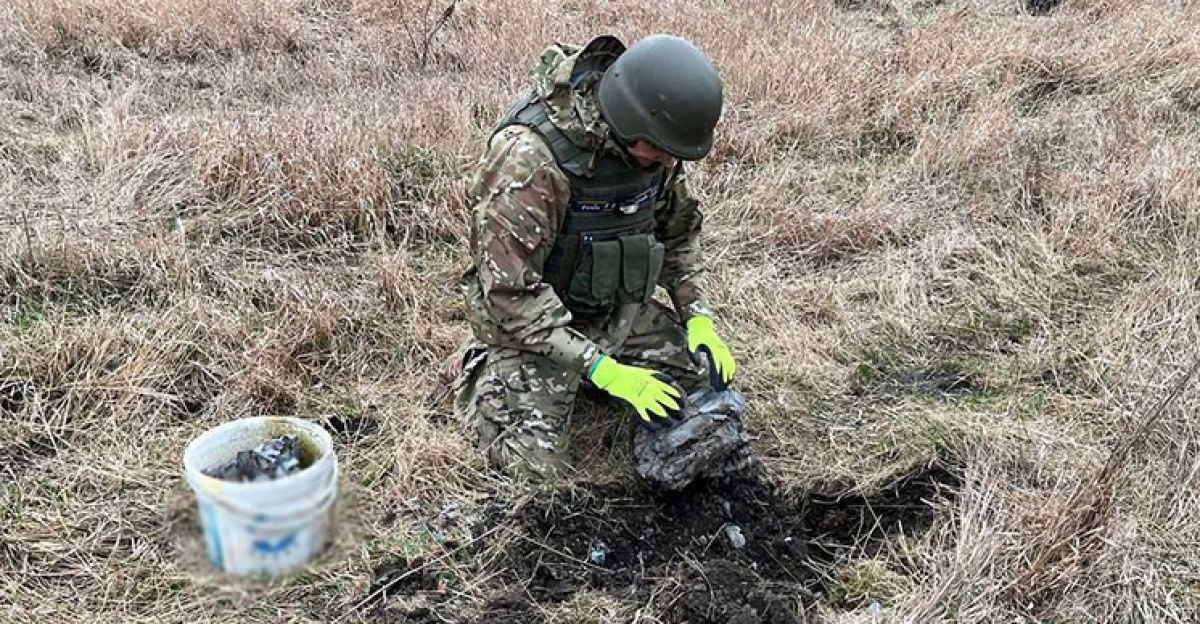
Military analysts have raised doubts about the Zircon missile’s performance. Ukrainian forensic experts analyzing missile fragments from the February 2024 strike found that the missile’s actual performance differed from specifications declared by Russia.
The gap between Moscow’s claimed capabilities of Mach 9 speed and observed performance in the Mach 5.5 to 8 range has led to skepticism among defense analysts about the missile’s true capabilities and its impact on the conflict.
Can Ukraine’s Grid Recover?
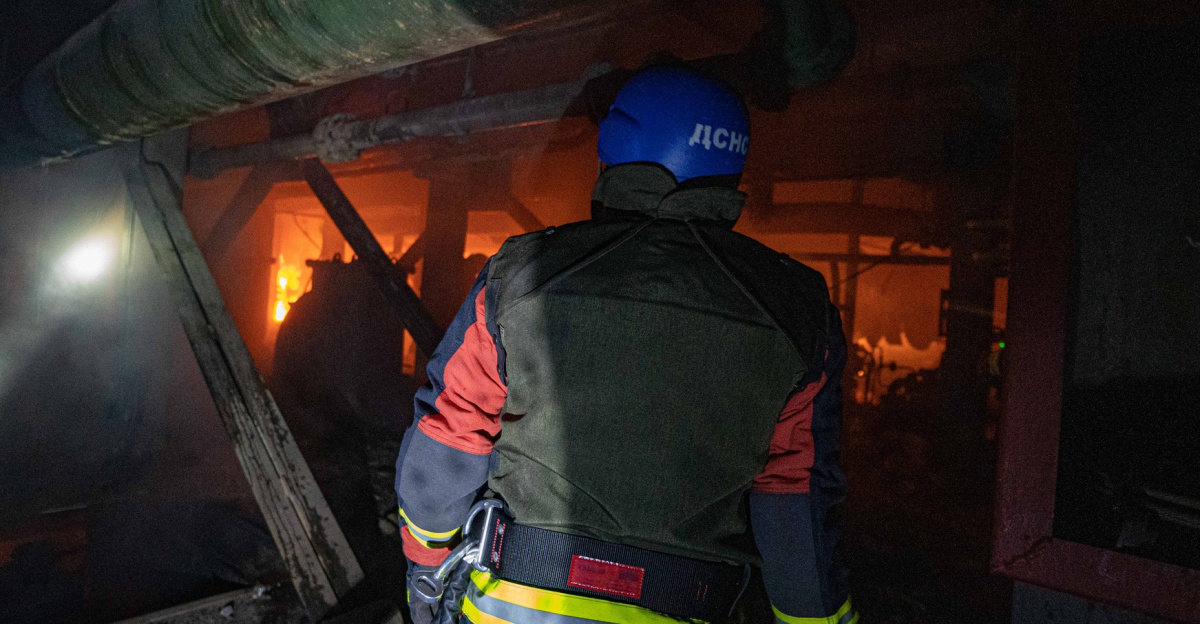
As Ukraine’s power grid continues to suffer under repeated missile strikes, officials are left to question its ability to recover before the next attack. With repair efforts ongoing, international support is helping to restore critical infrastructure.
However, the pace of repairs cannot match the frequency of Russian strikes. Ukrainian energy officials have warned that if the attacks continue, Ukraine could face catastrophic damage to its energy grid, further exacerbating the winter crisis.
Sources:
Pravda (Ukraine) – Ukraine’s air defence downs 342 Russian aerial assets, Russia launches Zircon missile – January 19, 2026
Kyiv Independent – Russia targets nuclear power plant substations, thousands without power after massive attack – January 20, 2026
The War Zone – Claims Swirl Around Use Of New Russian Missiles To Strike Ukraine – January 20, 2026
Oxfam International – Turning winter into a weapon: Oxfam warns of deadly impact of attacks on Ukraine’s energy system – January 14, 2026