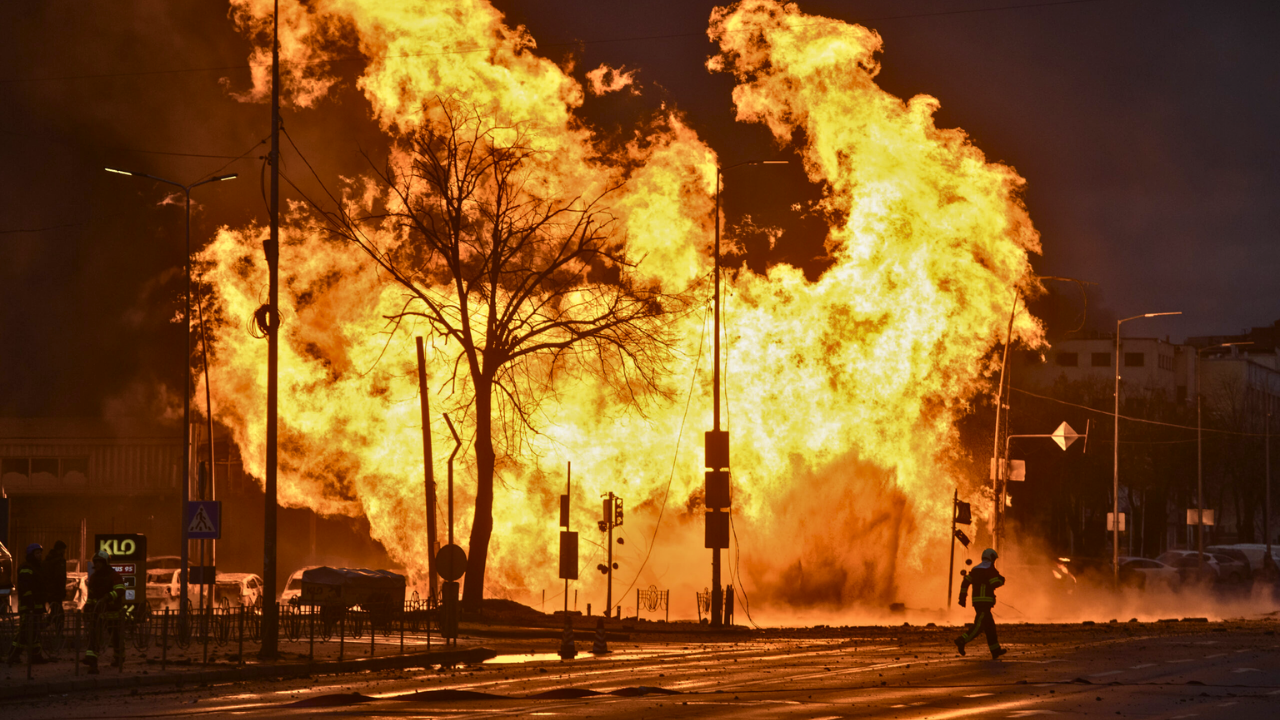
In August 2025, a series of Ukrainian drone strikes shattered long-held assumptions about the invulnerability of advanced military technology. In a matter of days, Ukrainian forces destroyed a $45 million Buk-M3 air defense system and two Tor-M2 systems, each valued at $25 million. The attacks, executed with precision and coordination, left defense analysts and military personnel worldwide reassessing the balance of power on the modern battlefield.
A New Era of Asymmetric Warfare
Ukraine’s reliance on cost-effective drones has fundamentally altered the dynamics of its conflict with Russia. Facing a larger and better-equipped adversary, Ukrainian forces turned to unmanned aerial vehicles as a way to bypass traditional defenses and strike at the heart of Russia’s military infrastructure. The August strikes were not isolated incidents but part of a broader shift toward asymmetric tactics, where smaller, agile forces use innovative technology to challenge and even overcome more powerful opponents.
The destruction of nearly $90 million in Russian air defense assets in a single month exposed critical weaknesses in systems once considered state-of-the-art. The loss of these platforms left significant gaps in Russian airspace coverage, reducing the military’s ability to counter further aerial threats and forcing a rapid reassessment of defensive strategies.
Ripple Effects in the Russian Defense Sector
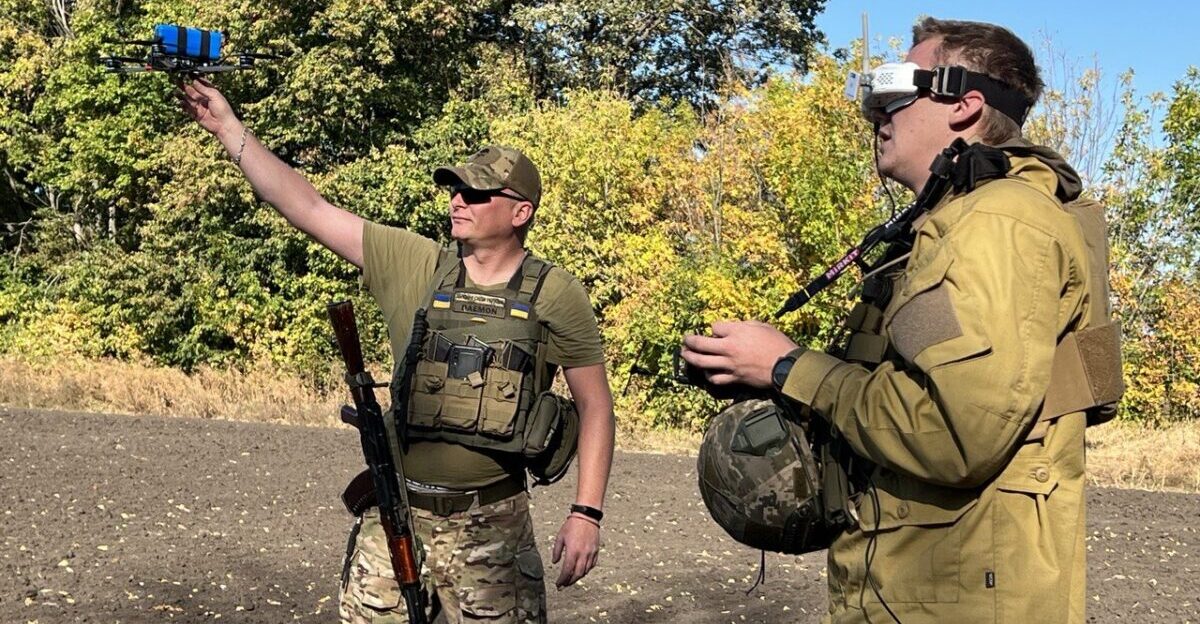
The impact of these losses has reverberated throughout Russia’s defense industry. Manufacturers and contractors are under intense pressure to address the vulnerabilities exposed by the drone attacks. Internal reviews and urgent calls for innovation have become commonplace as Russia seeks to adapt its air defense doctrine to counter the growing threat posed by unmanned systems.
This reckoning has also triggered a broader shift in Russian military planning. Air defense crews now operate under heightened stress, frequently relocating and adopting new protocols to avoid detection and destruction. The psychological toll on personnel is mounting, as the risk of being targeted by drones becomes a constant concern.
Global Demand and Shifting Markets
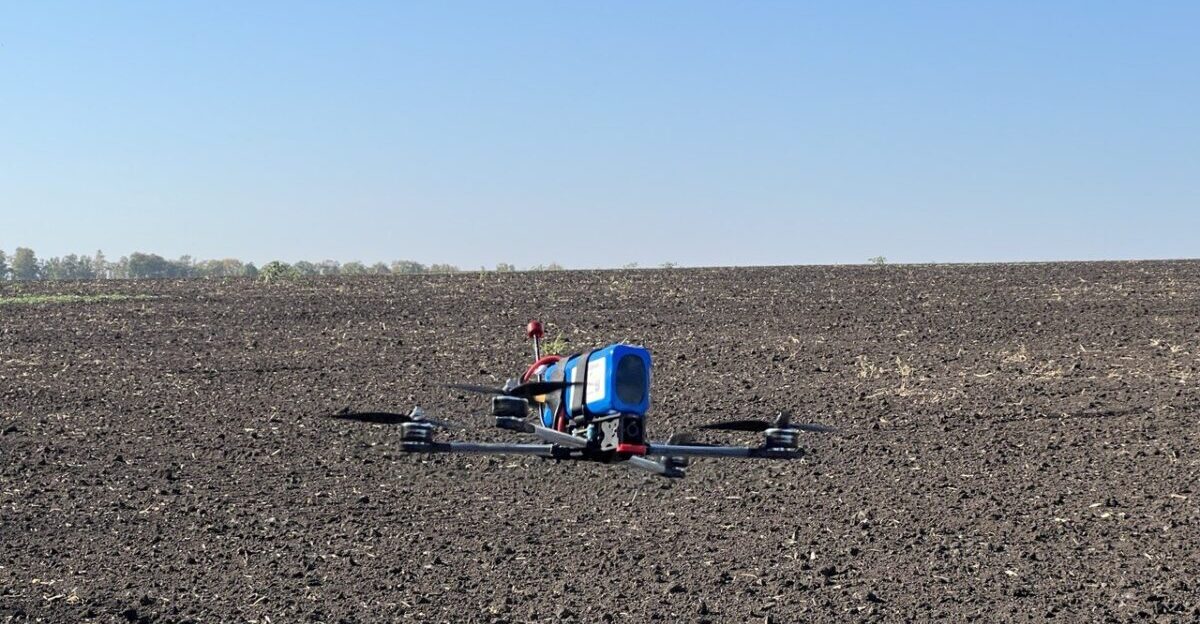
Ukraine’s success with drones has not gone unnoticed. Around the world, militaries are re-evaluating their procurement strategies, with many turning to drones and counter-drone technologies as cost-effective alternatives to traditional missile defense systems. Defense manufacturers in Europe and Asia are ramping up production, anticipating a sustained surge in demand for unmanned platforms.
Financial markets have responded accordingly. Investors are increasingly favoring tech companies specializing in drone development, often at the expense of legacy defense contractors. The rapid evolution of drone warfare is reshaping the global defense landscape, with agility and innovation now prized over sheer scale and established reputation.
Sanctions and Supply Chain Disruptions
As Ukrainian drones continue to inflict losses on Russian forces, Western nations have intensified sanctions targeting Russia’s aerospace sector. These measures have disrupted critical supply chains, making it more difficult for Russia to source the components needed to replace lost equipment or upgrade existing systems. The resulting shortages have forced Russian defense planners to seek alternative suppliers, often at higher costs and with uncertain reliability.
The financial burden of replacing destroyed air defense systems, combined with the expense of developing new countermeasures, is straining Russia’s defense budget. Sanctions have compounded these challenges, isolating Russia from traditional markets and further complicating efforts to maintain military readiness.
Civilian Impact and Ethical Questions
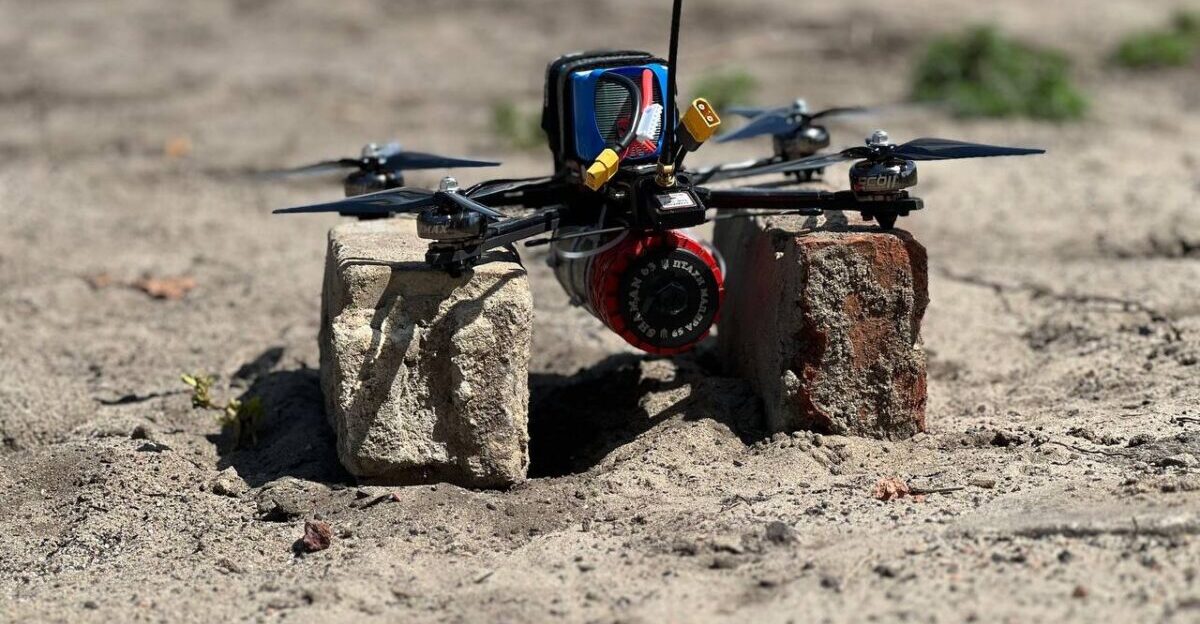
The widespread use of drones has also affected civilian populations in both Ukraine and Russia. Frequent air raid alerts and the persistent threat of aerial attacks have taken a psychological toll, prompting the expansion of mental health support services. The emotional strain of living under the constant risk of drone strikes is now a significant concern for communities on both sides of the conflict.
At the same time, the rise of drone warfare has sparked ethical debates about the conduct of modern conflict. While proponents argue that drones can reduce direct human casualties by enabling more precise targeting, critics warn of the potential for civilian harm and the environmental consequences of destroyed military hardware. These discussions are likely to intensify as unmanned systems become an increasingly central feature of armed conflict.
Looking Ahead: The Future of Warfare
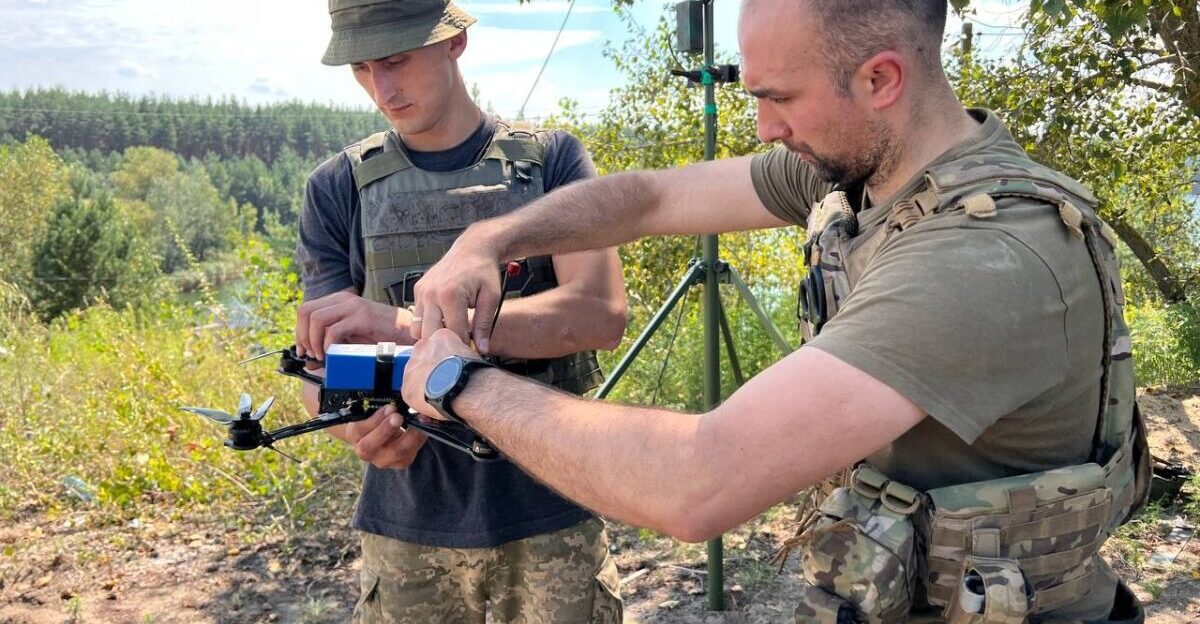
Ukraine’s drone campaign has set a precedent that is already influencing military doctrines worldwide. The establishment of Ukraine’s Unmanned Systems Forces in 2024 signaled a formal commitment to integrating drones into national defense strategy. Russia, in turn, is investing heavily in counter-drone technologies and revising its own operational playbook.
The August 2025 strikes mark a turning point in the evolution of warfare. As smaller forces equipped with smart, agile technology demonstrate their ability to challenge traditional military powers, the global defense community faces a new reality. The era of expensive, invulnerable defense systems is giving way to one defined by innovation, adaptability, and the relentless advance of unmanned warfare. The stakes—for military planners, industry leaders, and civilians alike—have never been higher.