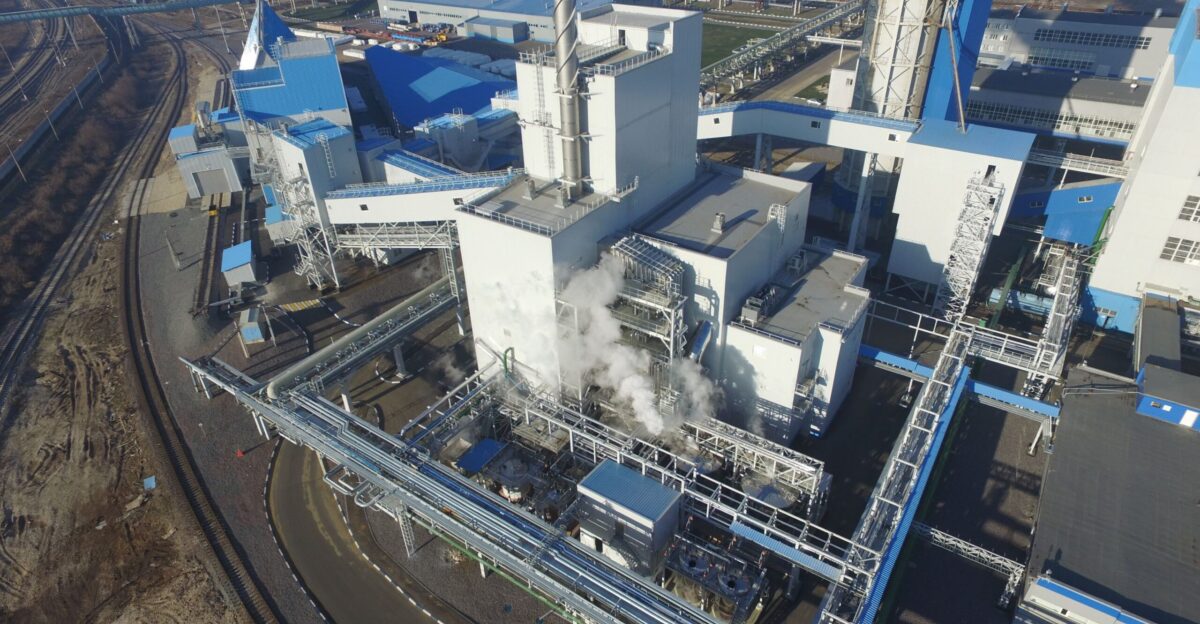
On Oct. 6, 2025, Ukrainian drones attacked the Antipinsky oil refinery in Tyumen – over 2,000 km from Ukraine’s border. Videos show fire crews racing to the site amid multiple explosions.
Moscow’s Tyumen authorities say three drones were downed with no damage, but analysts note the evidence of strikes suggests this was Ukraine’s deepest strike yet.
Broad Drone Barrage Hits the Russian Heartland
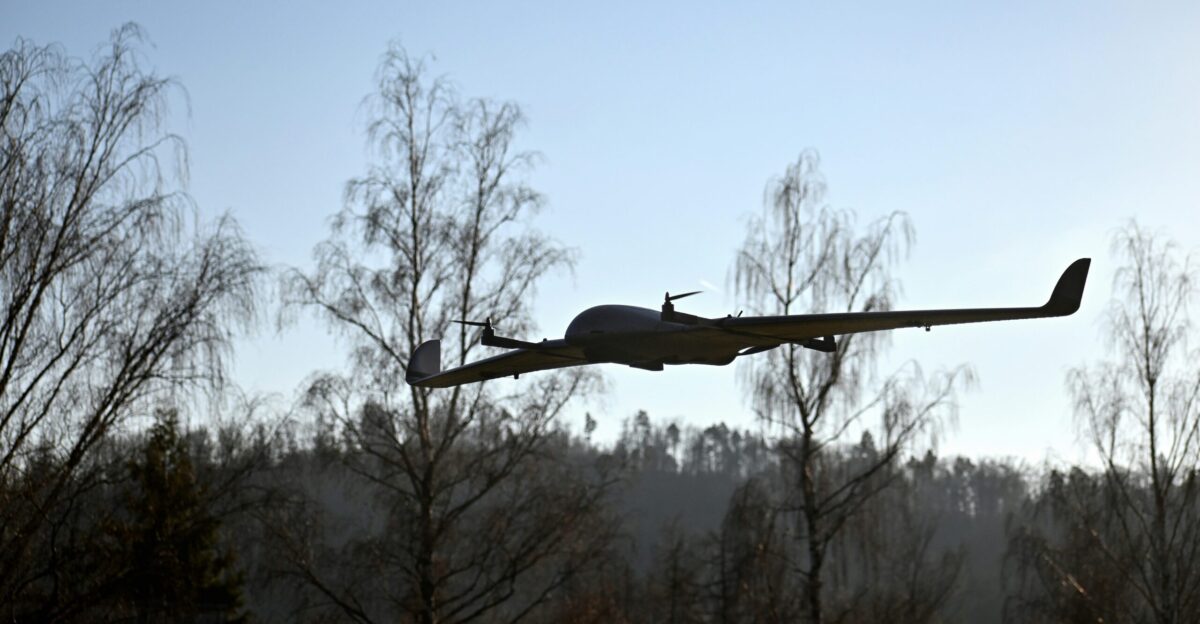
The Tyumen raid came amid a sharp uptick in Ukraine’s energy-infrastructure strikes. In early October, Kyiv launched a massive swarm – reportedly 251 drones – deep into Russia.
These coordinated raids struck fuel depots, ammo plants, and refineries across dozens of Russian regions. Ukraine’s military says the campaign is meant to choke off Moscow’s war revenues as diplomacy stalls.
From Battlefield to Economic Warfare

By September 2025, Ukrainian leaders openly framed the strikes as economic warfare. Kyiv announced drone hits on major oil refineries and petrochemical plants as part of an “intensifying campaign” to disrupt Russia’s oil and gas sector.
Frustrated by stalled peace talks, Ukraine has been “systematically targeting key facilities to try to reduce Moscow’s export revenues and stir domestic discontent,” Reuters reported. The goal is to spark fuel shortages at home and weaken Russia’s war machine.
Reaching All Russian Refineries
The attacks now span Russia’s vast industrial map. Analysts say at least 16 of the country’s 38 major refineries have been struck by Ukrainian drones or missiles since August.
Recent targets include the Orsknefteorgsintez refinery in Orenburg (~1,400 km from Ukraine), the Azot fertilizer plant in Perm Krai (~1,700 km), and the Antipinsky complex in Tyumen (over 2,000 km). These hits demonstrate Ukraine can now threaten refineries “long considered beyond Ukrainian reach.”
Inside the Tyumen Strike

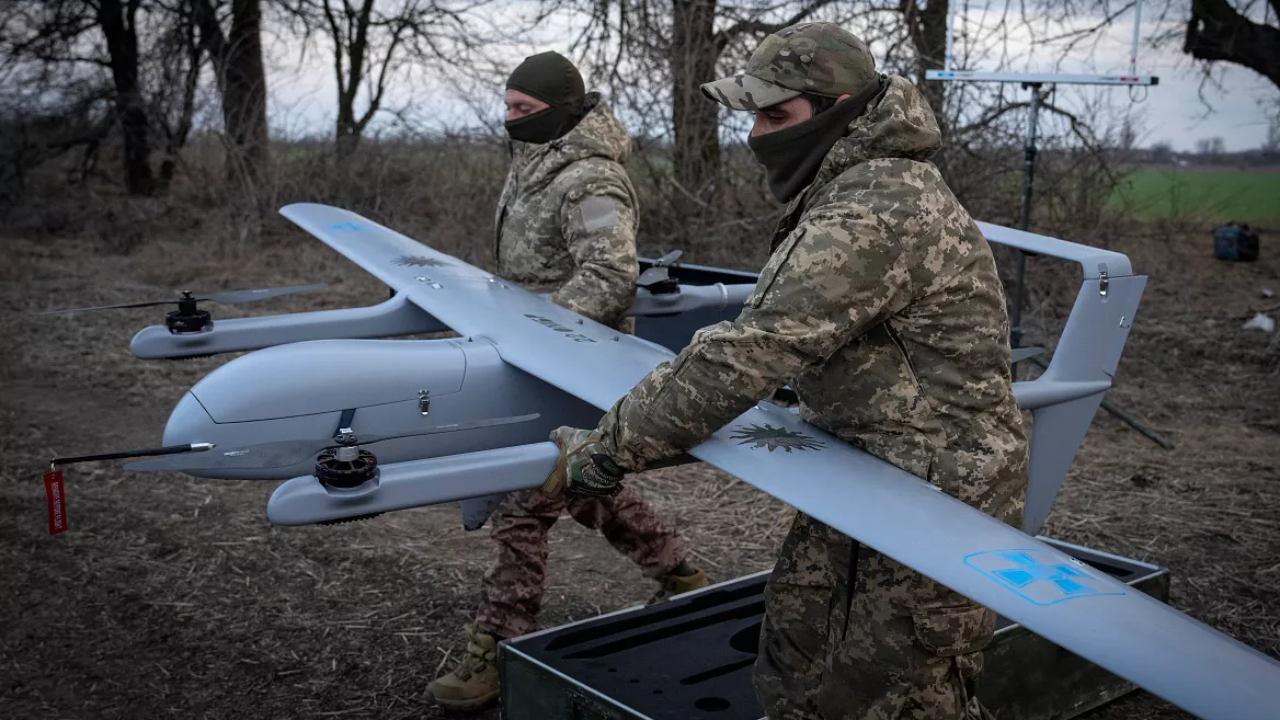
Investigations reveal this Oct. 6 strike was meticulously planned. Ukraine deployed FP-1 kamikaze drones from the south, flying ~2,000 km to strike Tyumen. The assault (coinciding with Putin’s 73rd birthday) reportedly damaged the refinery’s distillation column and cooling systems.
Videos circulated of firefighters at Antipinsky, contradicting Moscow’s claim of “no explosions or fires”. Kyiv’s unmanned arsenal set a new record for distance into Russian territory.
Waves of Destruction Expand East
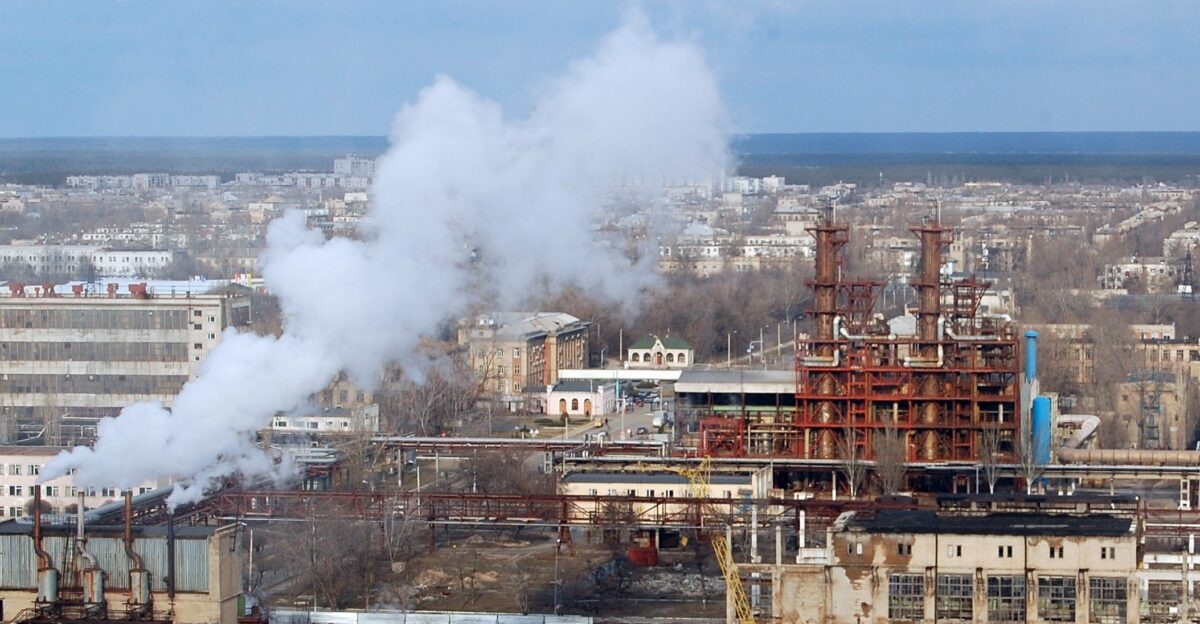
Tyumen is just one of many recent far-flung strikes. On Oct. 3, Ukrainian drones forced the evacuation of the Orsknefteorgsintez refinery in Orenburg (1,400 km from Ukraine). Orenburg’s governor, Evgeny Solntsev, acknowledged the attack, noting emergency crews were dispatched but downplaying damage.
That same night, the Azot chemical plant in Perm Krai (1,700 km away) was hit, briefly halting production. Governor Dmitry Makhonin said, “There was a brief stoppage of the technological cycle at Azot”. Each success pushes Ukraine’s reach deeper.
Ukraine’s Drone Assembly Line
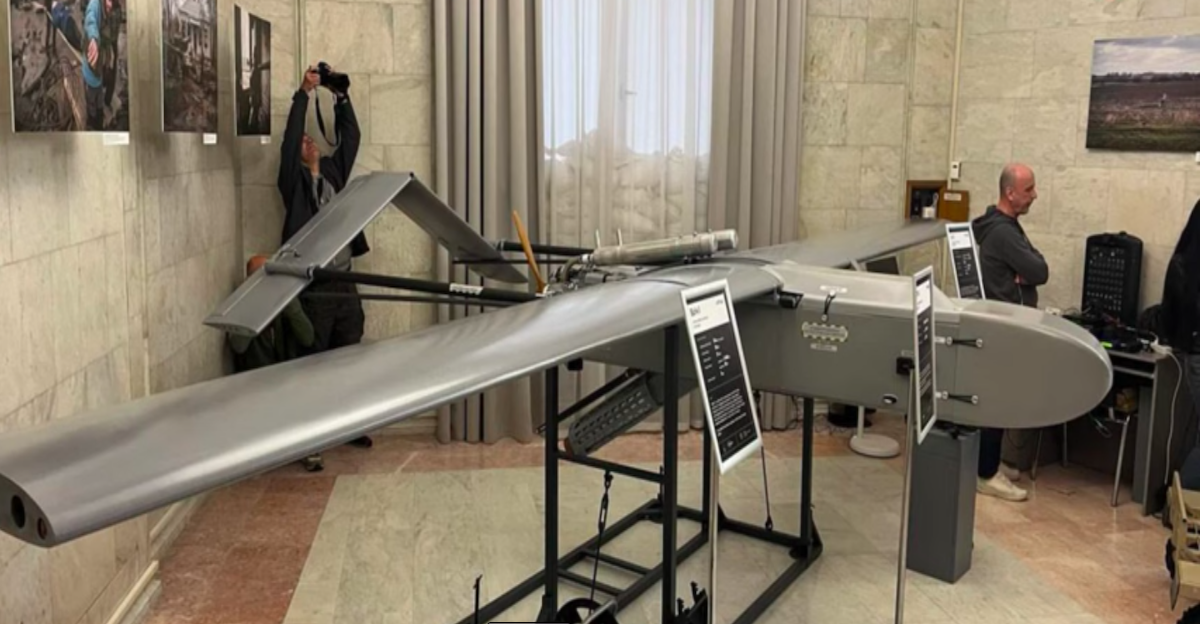
The surge in strikes is backed by a production boom. Ukraine’s state-owned manufacturers now turn out long-range FP-1 drones at an industrial scale. Fire Point factories produce roughly 3,000 FP-1s per month (≈100 per day).
Each costs only about $55,000 – barely a quarter of the ~$193,000 price of a comparable Shahed drone. Built mostly from plywood and CNC-cut parts, the FP-1 carries a 60 kg warhead up to 1,600 km.
Energy Exports Grind to a Halt
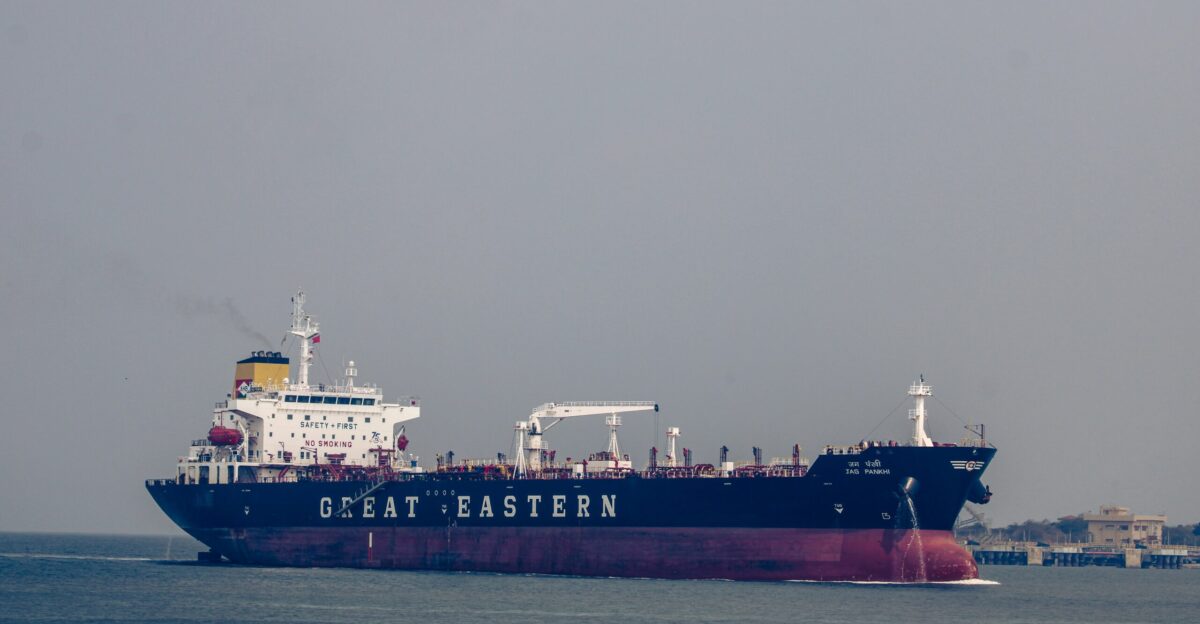
Russian fuel exports are collapsing under the barrage. Diesel shipments from key Black Sea ports are at their lowest since 2020, the Kremlin reports. On the home front, southern Russia is reeling: roughly 220 gas stations (14%) in the Southern Federal District have suspended sales, as have nearly half of all stations in occupied Crimea.
Nationwide, the total number of stations selling fuel fell by about 2.6% (≈360 sites) between late July and late September.
Introducing the Flamingo Missile
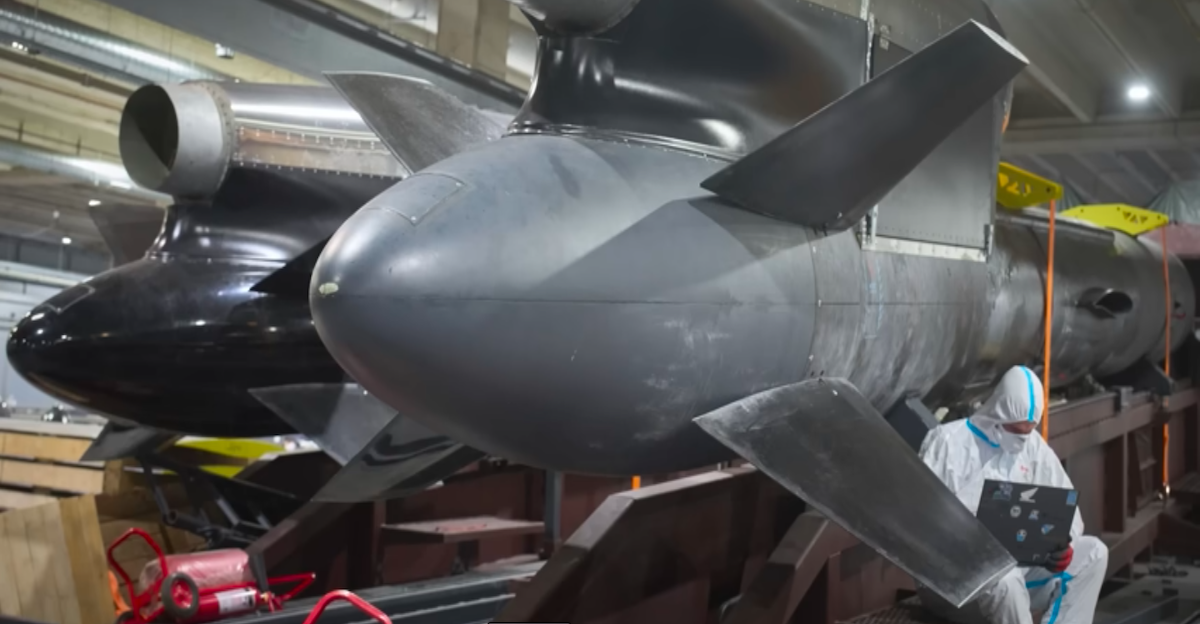
Building on drone success, Ukraine has rolled out its own long-range cruise missile. The FP-5 “Flamingo,” unveiled in August 2025, can fly ~3,000 km and carries a 1,150-kg warhead.
That is over twice the explosive load of a U.S. Tomahawk missile. Fire Point’s CTO Iryna Terekh explained the new missile uses twin turbojet engines plus a booster for 900 km/h speeds. Production is rapidly scaling: AP reports about one Flamingo is manufactured per day. These missiles are now reaching Russian assets deep inside occupied territory, adding a precision layer to Ukraine’s campaign.
Kremlin Scrambles to Respond

Moscow’s leaders can no longer ignore the scale of these hits. In an Oct. 7 briefing, President Putin acknowledged the refinery strikes as Russia’s gasoline prices rose, though he dismissed them as of “little strategic significance.”
Kremlin spokesman Dmitry Peskov said officials were taking “necessary measures” to secure fuel supplies, even as he insisted domestic output remains “adequate.” Meanwhile, Russian military analysts openly question the effectiveness of air defenses that let drones strike so far inland.
Global Analysts Sound the Alarm

Western experts warn the campaign will only intensify. The Economist notes that Ukrainian strikes are “aimed directly at Russia’s ability to sustain the war”. Energy-security analysts say the round-the-clock precision attacks on refineries are “intensifying the Kremlin’s fuel crisis” and cannot be ignored.
Each successful 2,000-km strike forces Russia to rewire its strategic calculus: facilities once deemed safe deep in Siberia are now in range. NATO officials quietly acknowledge Ukraine’s expanding capabilities even as they calibrate support to avoid direct confrontation.
Questions on Sustainability

The big question is whether Ukraine can maintain this tempo. President Zelenskiy says domestic arms production has jumped tenfold since 2022, projecting drone-and-missile output could reach $35 billion in 2026.
That suggests Ukraine believes it can sustain waves of deep strikes. If true, no Russian refinery may feel secure. For now, Ukraine’s ability to mass-produce armed drones and missiles keeps Moscow guessing; critics wonder if Ukrainian industry and allied support can keep pace through all of next year and beyond.
Raising NATO Stakes

The campaign has also raised tensions among Ukraine’s allies. U.S. and European officials recognize Ukraine’s expanding reach while trying to manage escalation risks. European energy markets have seen only modest price spikes so far, as buyers stockpile alternative fuel.
Still, Ukraine’s success in deep strikes is strengthening arguments for sending longer-range weapons. During an Oct. 2025 NATO meeting, some delegates noted Ukraine’s campaign proves the need for over-the-horizon systems and may influence decisions on future missile deliveries.
Cheap Drones, Big Impact
Ukraine’s campaign is forcing militaries worldwide to rethink cost calculations. At $55,000 each, FP-1 drones deliver strikes that once required million-dollar cruise missiles or bombers.
Military analysts call this a paradigm shift: low-tech systems achieving strategic effects. Defense manufacturers from the U.S. to Japan are studying Ukraine’s approach to mass production and swarm tactics. If tiny, expendable drones can cripple a great power’s economy, other nations may seek their own “drone armies” for future conflicts.
A New Era of Warfare

In the end, Ukraine’s success in hitting targets 2,000 km away signals a broader transformation. Small nations with savvy tech can project power deep into larger adversaries’ territory. Ukraine has essentially rewritten the rules: its defensive struggle has evolved into an offensive campaign inside Russia’s industrial belt.
This story ends not with a final bomb, but with a strategic pivot – a lesson that modern wars can no longer ignore the home front. Ukraine’s campaign may well set a precedent for 21st-century conflicts: geographic borders mean little when drones can carry war anywhere.