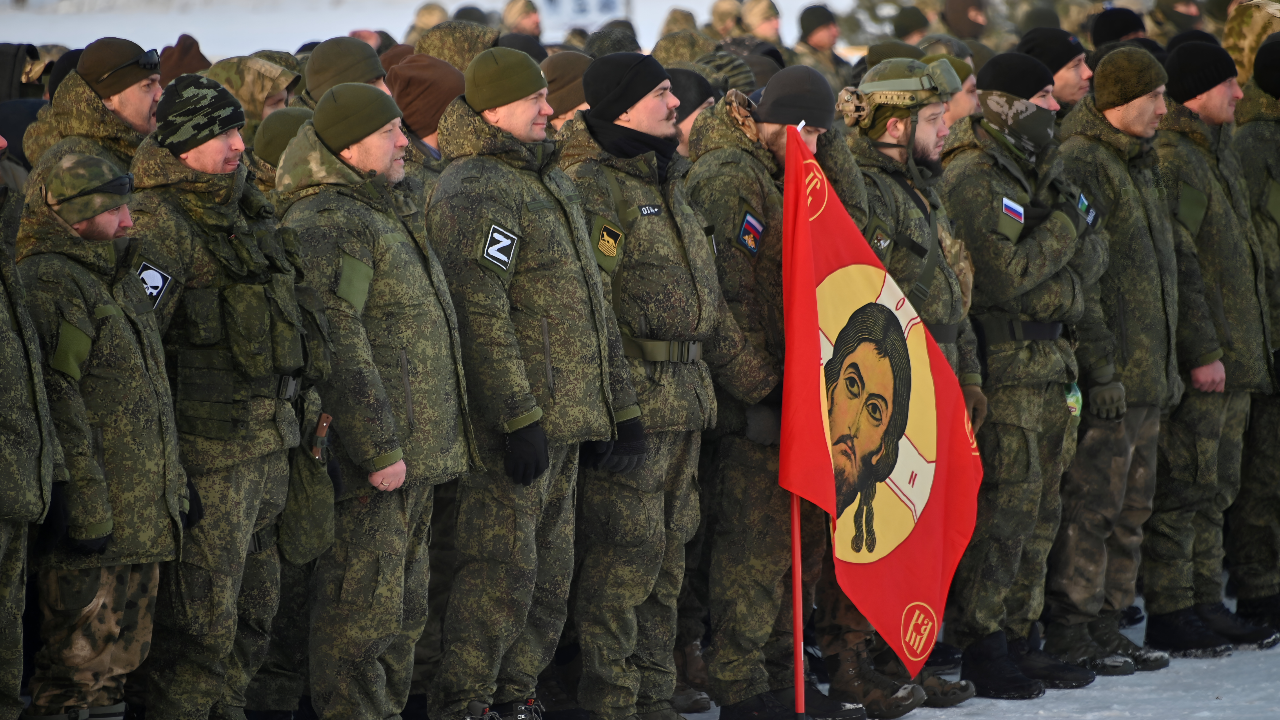
New intelligence data reveals that Russian occupation authorities have forcibly conscripted 46,327 Ukrainian citizens into military service between February 2022 and July 2025. According to Dmytro Usov, Secretary of the Coordination Headquarters for the Treatment of Prisoners of War, this systematic campaign has weaponized civilians from occupied territories, compelling them to fight against their own nation. The scale of this mobilization represents Europe’s largest forced conscription of an occupied population since World War II, raising urgent questions about international law, prisoner exchanges, and the fate of thousands of Ukrainian families torn apart by conflict.
Crimea Bears the Heaviest Burden
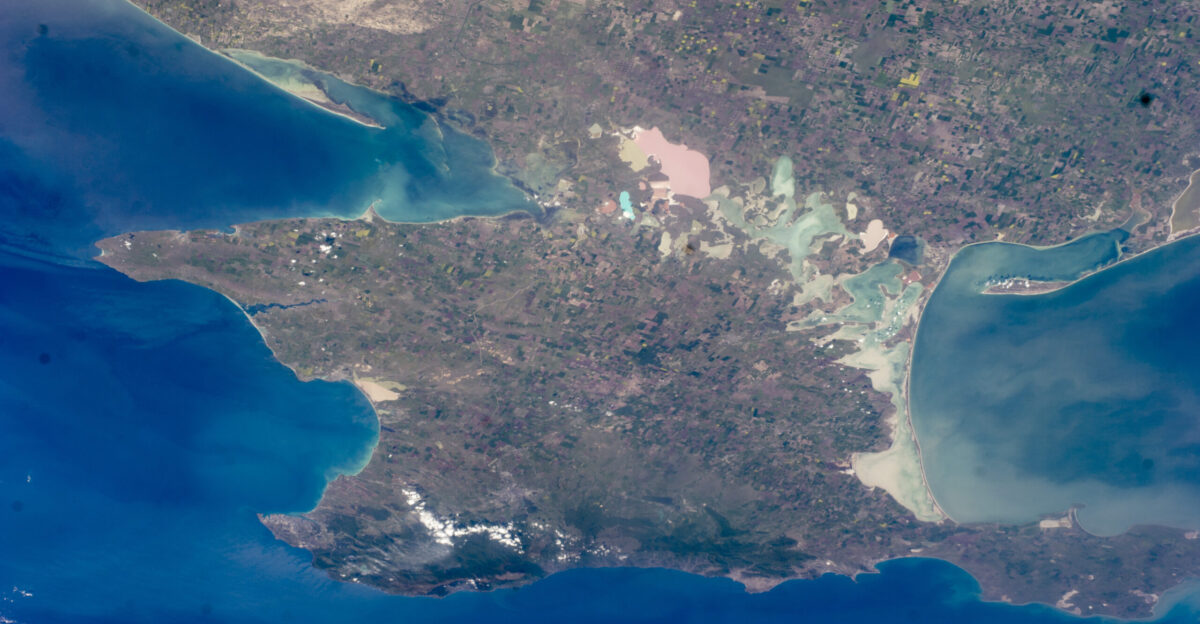
The Crimean Peninsula has become the primary source for this forced draft. Intelligence reports indicate that 40,640 conscripts—approximately 88 percent of the total—were drawn from Crimea, including over 35,000 men from the Autonomous Republic and 5,368 from Sevastopol. While forced mobilization has occurred across all occupied zones, the concentration in Crimea reflects a deliberate strategy to deplete the peninsula’s male population and bolster Russian military capacity. The Donbas region has also experienced significant conscription, with 5,368 men from Donetsk Oblast and 4,650 from Luhansk Oblast forcibly enlisted.
A Humanitarian Crisis in Prisoner Camps
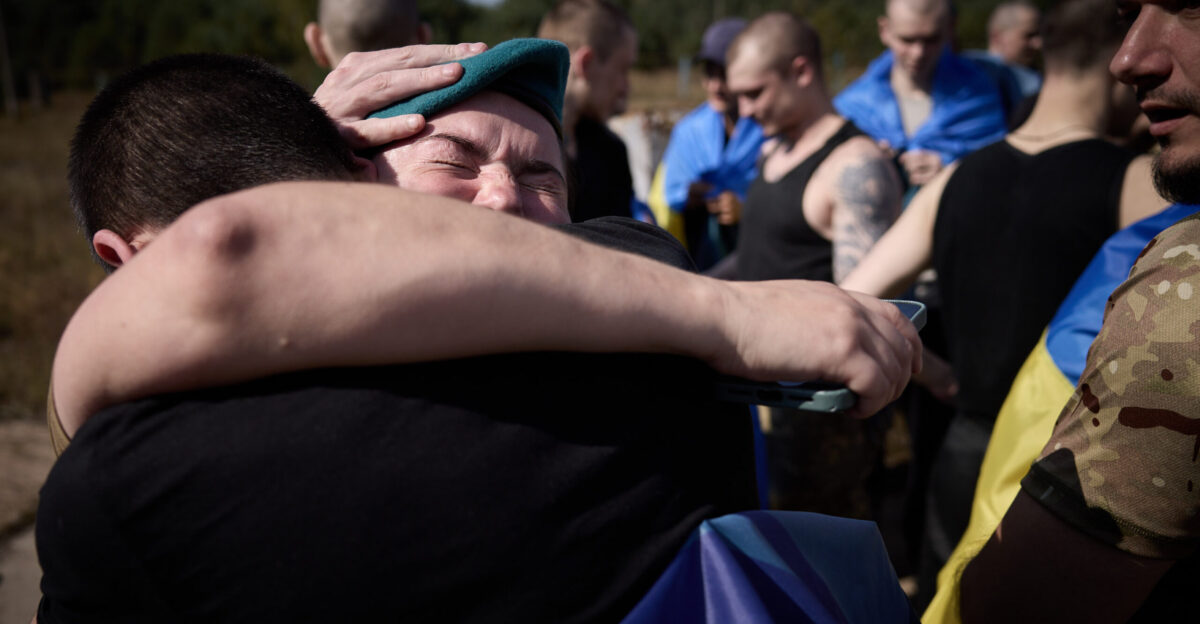
The battlefield reality has created a complex humanitarian dilemma for Kyiv. Approximately 16 percent of all prisoners of war currently held in Ukrainian custody are actually Ukrainian citizens forced into Russian uniforms. Within that group, 6 percent are specifically residents of Crimea. These men now find themselves imprisoned by their own country after being coerced into service against their homeland. This unprecedented situation has upended standard prisoner exchange protocols, forcing officials to confront an impossible choice: whether to return these conscripted men to Russia or keep them in Ukraine.
Usov emphasized the urgency of protecting these individuals, stating that exchanges of Ukrainians for Ukrainians are taking place and that the government must ensure forced conscripts do not return to the Russian Federation. Officials recognize that returning these men to Russian control would expose them to renewed combat and potential retaliation for their capture.
Digital Enforcement and Legal Violations

To maintain conscription numbers, Russian occupation authorities have implemented digital enforcement mechanisms that leave civilians with limited options. In occupied Luhansk, men who fail to appear at a military commissariat within 20 days of receiving an electronic summons face immediate confiscation of their driver’s licenses. This system effectively paralyzes civilian life and forces compliance through administrative coercion.
Legal scholars note that this mass mobilization directly violates Article 51 of the Fourth Geneva Convention, which prohibits occupying powers from compelling protected persons to serve in armed forces. For three and a half years, this protection has been systematically ignored. In response, some Ukrainian courts have begun issuing acquittal verdicts for Ukrainians captured while fighting for Russia, acknowledging that these individuals were victims of coercion rather than voluntary collaborators.
Verification and Broader Implications
The credibility of these figures rests on their verification through multiple sources. Ukrainian military intelligence gathered the data, but officials note that Russia has effectively confirmed the numbers through its own administrative records. The granular breakdown—including specific figures like 478 conscripts from Kherson and 560 from Zaporizhzhia—suggests deep intelligence penetration into the Russian commissariat system. This mutual confirmation removes ambiguity and solidifies the 46,000 figure as documented fact.
The mobilization of 46,000 men implies a much wider net of fear. Approximately 2.4 million residents in Crimea alone live under constant threat of conscription. For every man taken, countless others remain in hiding or exile, making the confirmed figure merely the visible portion of a much larger displacement crisis driven by fear of forced service.
Reintegration and Uncertain Futures
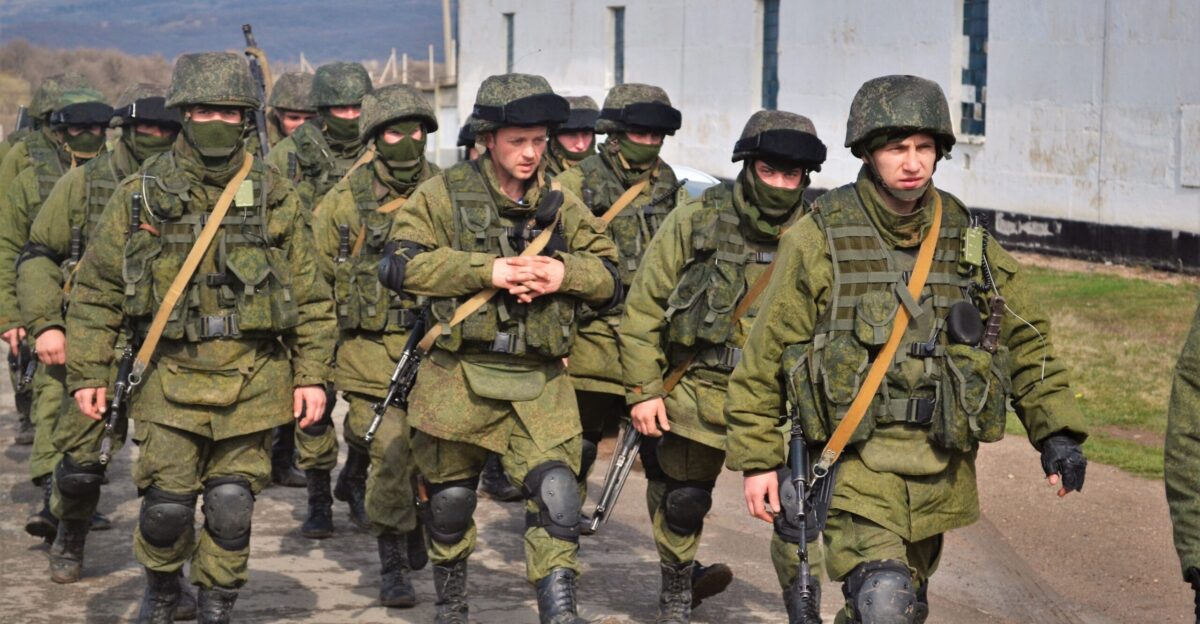
As the conflict continues into late 2025, the fate of these conscripted men remains one of the war’s most difficult unresolved issues. Kyiv is rushing to adapt its legislation to provide legal protection for returned conscripts, ensuring they are not treated as enemy combatants while preventing their return to Russian-controlled territory. The government faces the challenge of creating a secure legal status that distinguishes between voluntary collaborators and those who are victims of forced mobilization.
For those who survive, reintegration will require a society capable of recognizing the distinction between choice and coercion. The physical battle may end for those in prisoner camps, but the struggle to reclaim identity and rebuild lives in a divided nation will extend far beyond the conflict’s conclusion.
Sources
Dmytro Usov, Secretary of the Coordination Headquarters for the Treatment of Prisoners of War, “Crimea Global” Conference Briefing, November 18, 2025
Ukrainian Military Intelligence Directorate, Forced Mobilization Data Report, February 2022–July 2025
Fourth Geneva Convention, Article 51: Protection of Civilian Persons in Time of War
International Committee of the Red Cross (ICRC), Occupied Territories Assessment, 2025
Ukrainian Court System, Acquittal Verdicts for Forcibly Conscripted POWs, 2024–2025