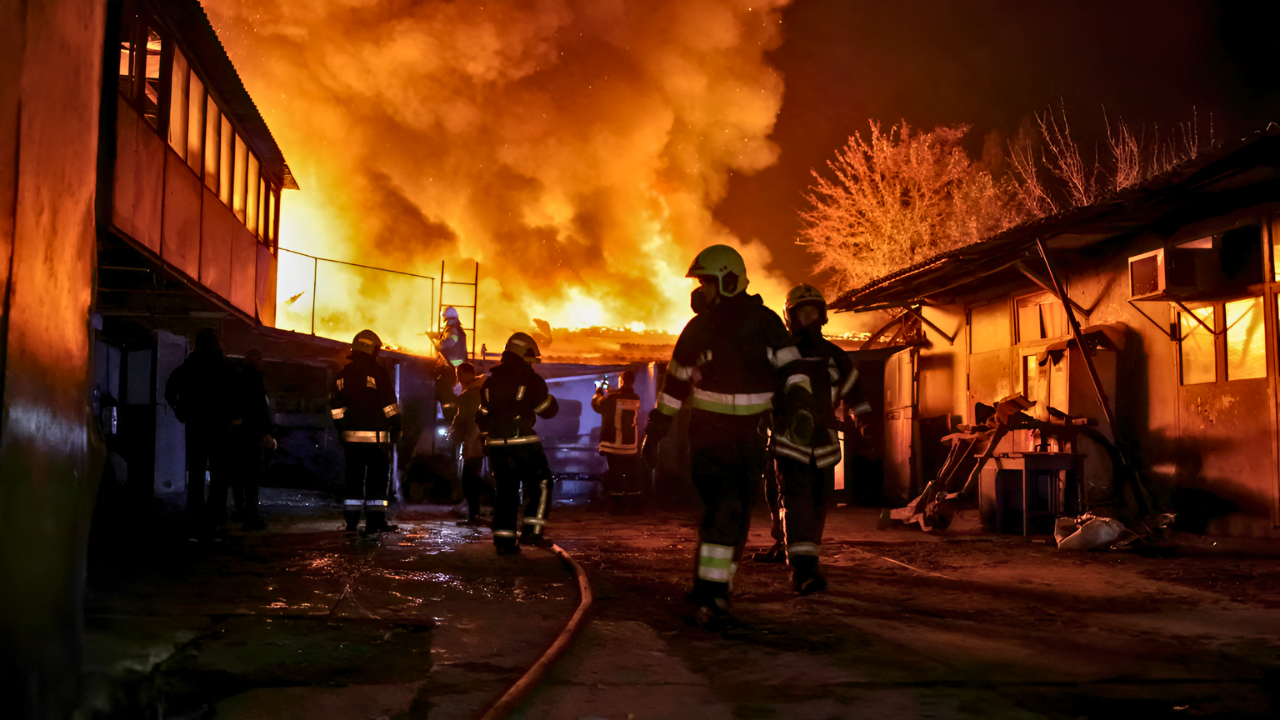
About 21% of Russia’s oil refining capacity has been systematically crippled by Ukraine’s DeepStrike drone offensive, signaling a strategic shift in contemporary warfare. Ukrainian forces carried out 70 precision strikes against military-industrial and fuel production facilities located up to 800 miles inside Russian territory in September 2025 alone.
This unprecedented range is a sophisticated economic warfare tactic that targets critical infrastructure that was previously believed to be impregnable. About 20% of Russia’s total refining output, or about 1.5 million barrels per day, would be lost due to the damage to refining capacity, which would result in a 40% increase in fuel prices within Russia.
Leading the Way in Drone-Powered Economic Conflict
In contrast to conventional air power that relies on manned aircraft or Western missile systems, Ukraine’s DeepStrike campaign is the first sustained, domestically powered strategic bombing operation employing long-range drones.
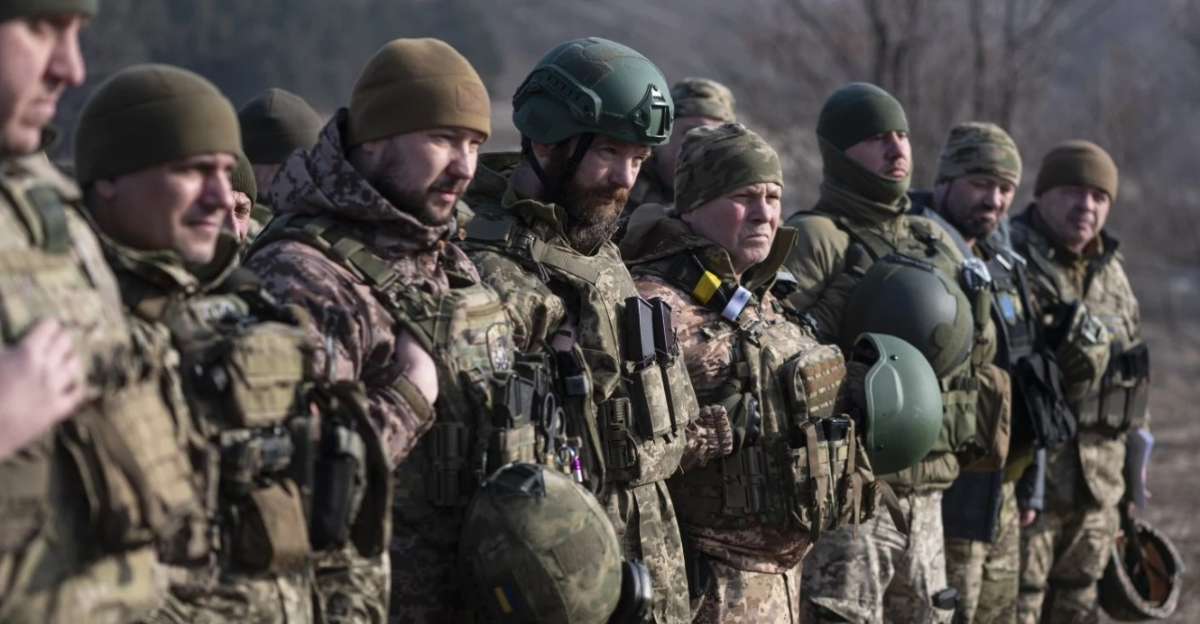
The 14th UAV Regiment’s conversion from a 40-personnel unit to a 2,000-soldier force represents an exponential shift in asymmetric warfare, whereas Ukraine’s military interventions had a limited reach before this. The Kirishi refinery attack and others demonstrate the previously unheard-of capability: a swarm of 24-foot-wingspan, 110-pound explosive-carrying drones that penetrate 800 miles deep into Russia’s industrial heartland, well beyond the range of Ukrainian weapons.
Drone Warfare and Energy Vulnerability Trends
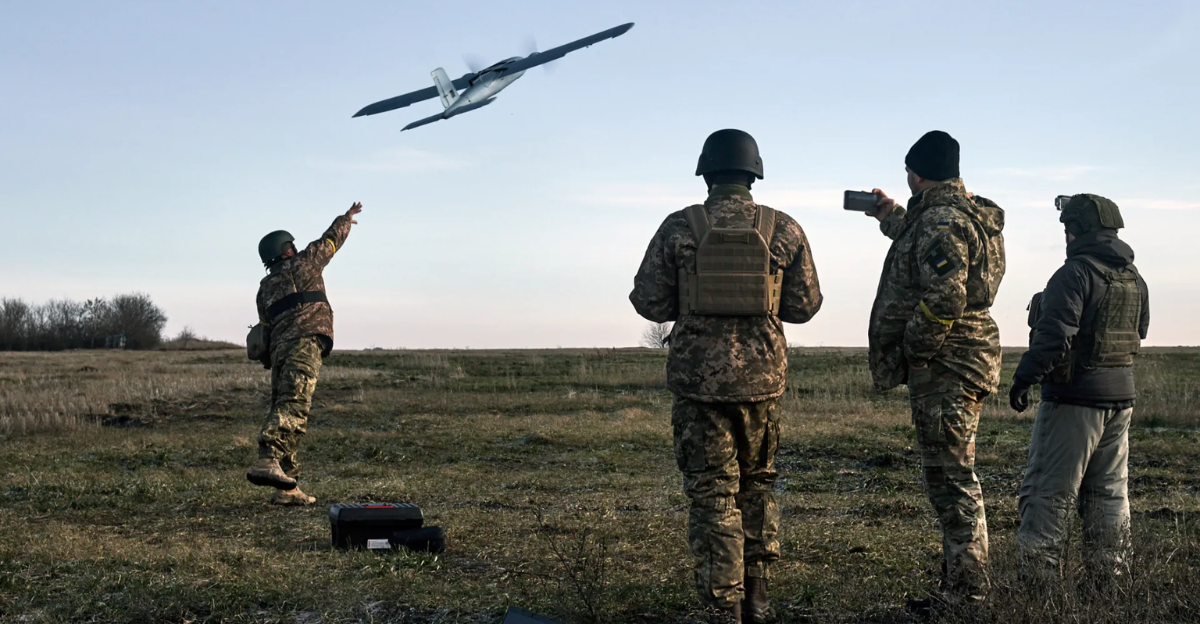
Prior to Ukraine’s DeepStrike campaign, energy infrastructure—always a top target in conflicts—had never been subjected to such frequent, precise drone attacks. These drones, which can sustain lengthy campaigns while destroying fuel processing capabilities, show how future conflicts strategically integrate precision ordnance and renewable technology.
When Russia is subjected to frequent, accurate drone attacks, its reliance on large, centralized refineries like Kirishi (18.4 million tons annual capacity) turns into a liability. An emerging era where localized airpower, rather than bulk heavy artillery or manned air strikes, dictates battlefield economics and supply chain disruption is foreshadowed by the growing effectiveness of drones, economical, elusive, and scalable.
Russian Energy Sectors’ Challenges
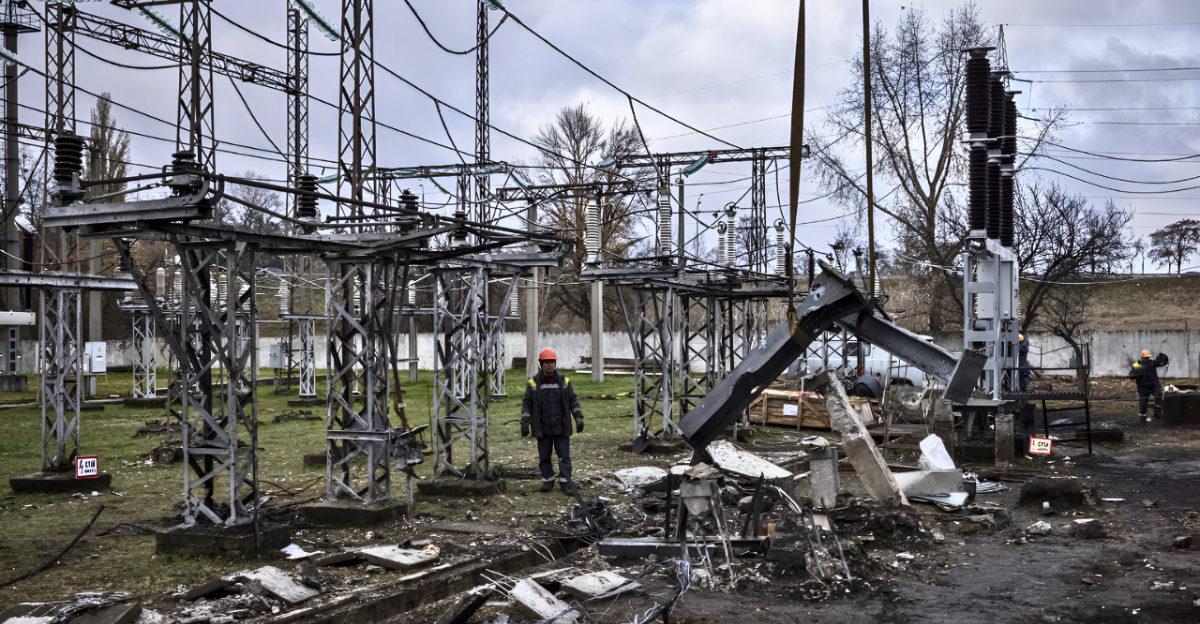
The effects go beyond the immediate harm to the body. Large portions of the refining infrastructure have been rendered inoperable by the forced shutdowns of significant distillation units brought on by the frequent strikes. Widespread civil unrest has resulted from local fuel shortages that have prompted restrictions like 5-gallon fuel purchase limits at Russian filling stations and the complete suspension of sales at half of gas stations in Russian-occupied Crimea.
Operations in disputed areas are made more difficult by Russia’s deteriorating energy supply lines, which also put a strain on military logistics and industrial production. The political risk that fuel shortages pose to the Kremlin is demonstrated by Moscow’s refusal to publicly announce these shortages, which suggests a conscious attempt to conceal escalating economic vulnerabilities in order to preserve regime stability.
Russian Countermeasures and Solutions: Nationwide Backup Generators
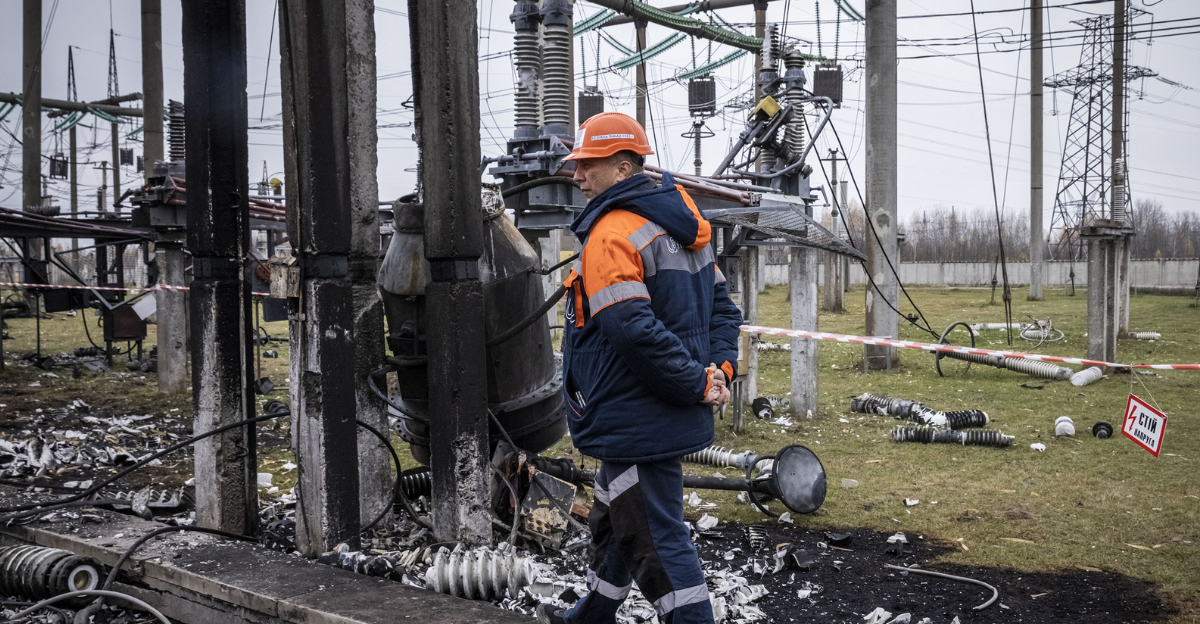
Russia has hurried to install backup generators throughout the country in direct response to energy grid outages brought on by damaged fuel production. This action shows an implicit admission of vulnerability; it is becoming impossible to maintain both civilian life and military industry in the absence of stable power. However, these generators, which are very expensive, logistically difficult, and environmentally unsustainable, are merely temporary fixes.
Fuel shortages affect not only power but also military mobility and transportation, compromising both offensive and defensive capabilities. The crisis is made worse by the Kremlin’s dependence on outdated infrastructure and inadequate energy diversification, which shows that small fixes cannot negate Ukraine’s strategic advantage by weakening the energy foundation.
Disintegration of the Economy and Public Unrest
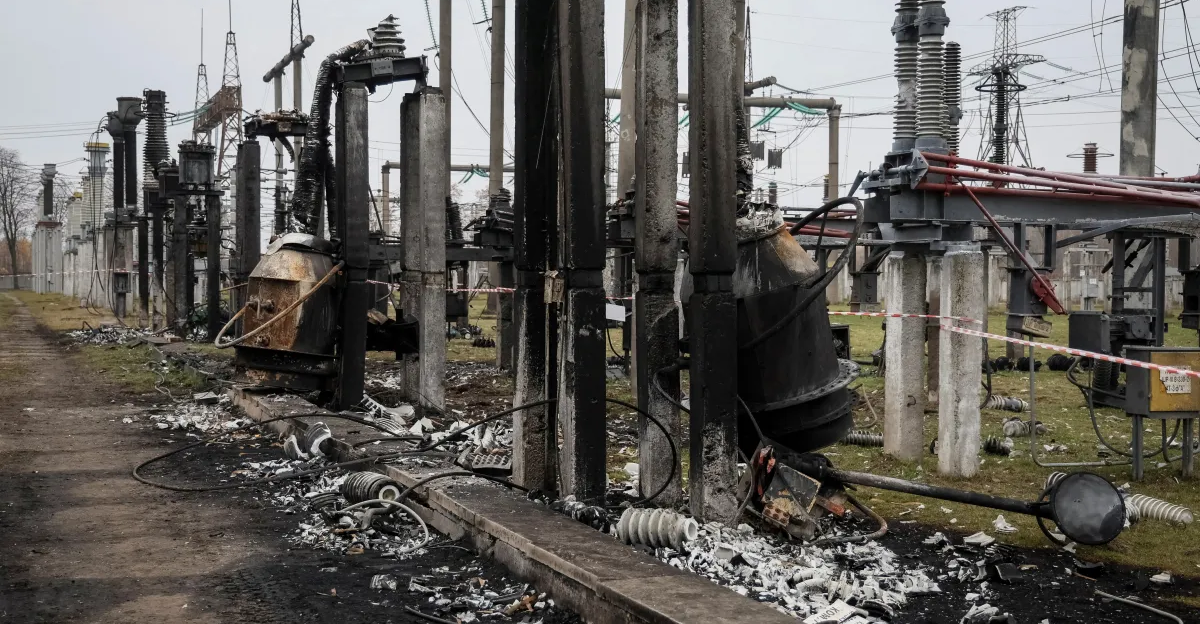
Beyond logistics, there are socioeconomic and political ramifications for Russia’s energy grid and fuel supply. Two to three million civilians have been impacted by the lines, rationing, and disruptions caused by the 40% increase in gas prices and the severe fuel shortage, especially in Crimea and the western areas.
As war fatigue and economic grievances combine, public discontent poses a threat to the stability of the regime. Lack of fuel could cause a chain reaction of problems in the manufacturing, agricultural, and supply chain industries. Russia’s role in international markets is threatened by its decreased energy exports and internal consumption issues, which are driving up domestic energy prices and economic sanctions into a mutually reinforcing crisis that will only get worse with more UAV attacks.
Could Damage Be Reversed by Russian Adaptations?
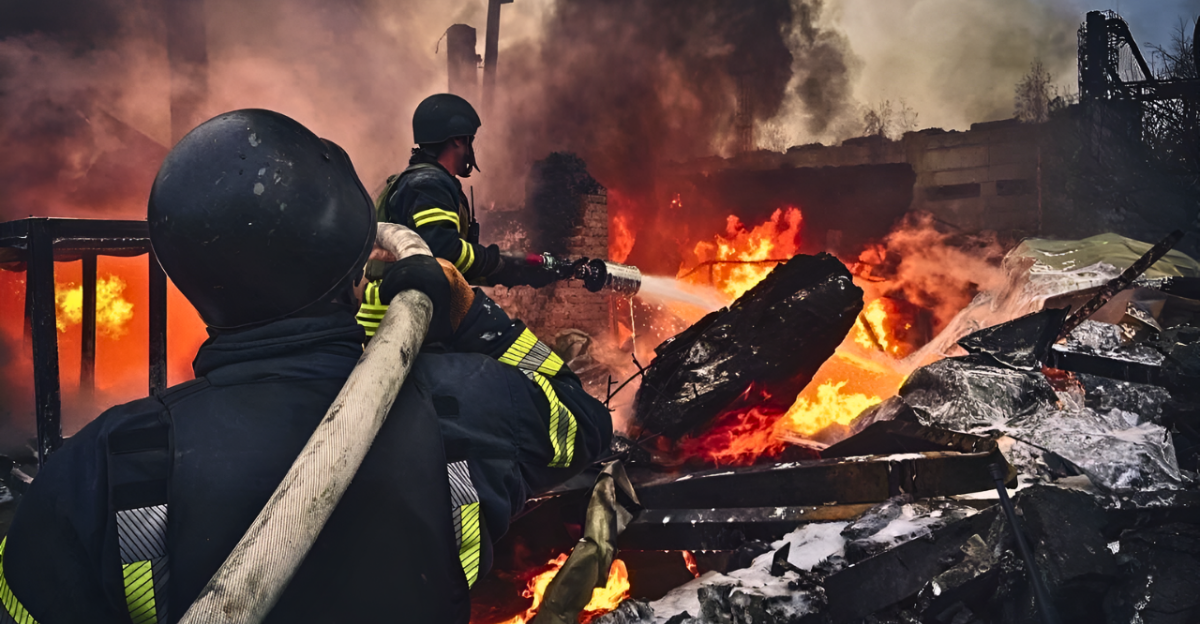
Russia may be able to recalibrate due to its vast territory and industrial redundancy, according to some analysts. Backup generators could be used to temporarily protect vital nodes, and within weeks of an attack, frantic repair teams might be able to partially restore refining capacity. Russia’s robust military-industrial complex has previously withstood sanctions.
This viewpoint, however, undervalues the speed and accuracy of Ukraine’s recently developed drone strike capabilities in addition to the growing material shortages brought on by sanctions and battlefield attrition. Due to the asymmetric nature of this conflict, drones routinely outmaneuver conventional air defense systems, Ukraine’sstrategictenacity is favored, and Russian recovery will be more expensive and take longer than previous examples suggest.
Shutdown of Kirishi Refinery
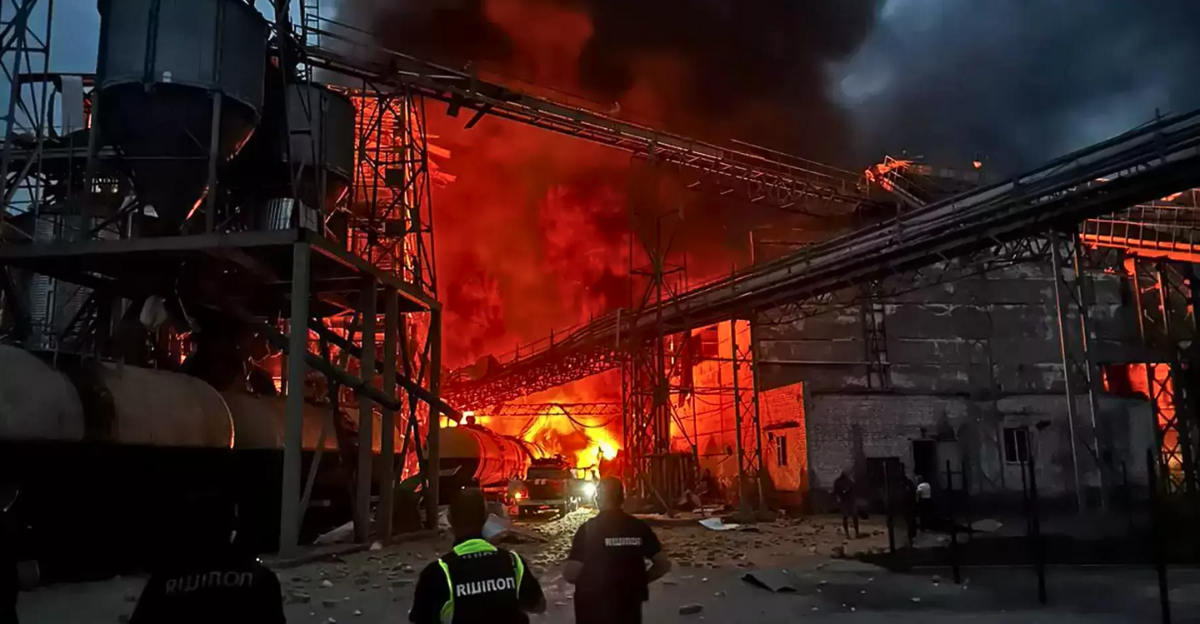
As an example of how a single targeted strike can paralyze large nodes of Russia’s energy network, the Kirishi refinery, which produces about 18.4 million tons of refined products annually, experienced a main distillation unit shutdown that lasted for almost a month following the October 4 assault. In addition to lowering supply, this shutdown raises repair costs, prolongs refinery outages, and undermines investor confidence.
Due to Kirishi’s incapacity, Russia is forced to import fuel internally, which increases logistical costs and puts pressure on domestic markets. Such a concentrated effect highlights the strike campaign’s accuracy and sophistication, refuting the idea that Russia’s industrial scale can withstand these attacks without suffering significant systemic repercussions.
A Force Multiplier in Economic Conflict: Drone Warfare
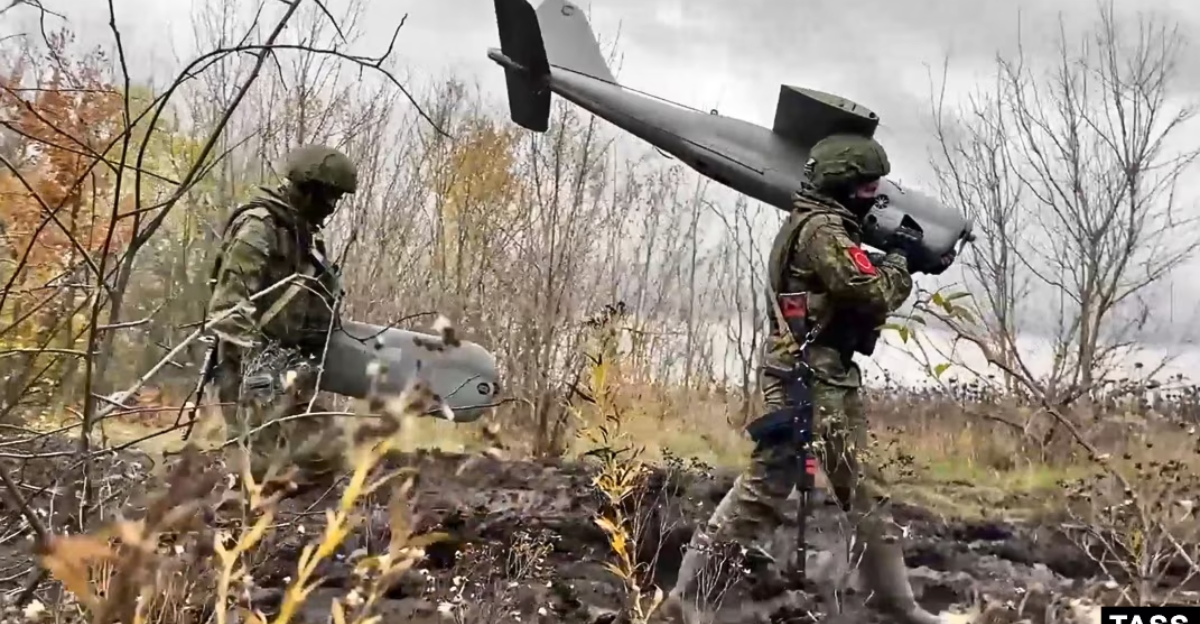
By converting scarce resources into disproportionate strategic results, Ukraine’s DeepStrike regiment provides a new paradigm for warfare in which small, specialized drone units function as force multipliers.
This strategy, in contrast to conventional force massing, uses economy, creativity, and tactical accuracy to gradually weaken enemy capabilities. Drones become highly effective economic weapons through this “asymmetric attrition” tactic, with each strike causing a chain reaction of supply chain and geopolitical influence failures. A conceptual blueprint for contemporary conflict, where economic infrastructure is weaponized as viciously as front-line troops, combines UAV technological innovation with targeted economic disruption.
Impact and Scale of Delivered Explosives
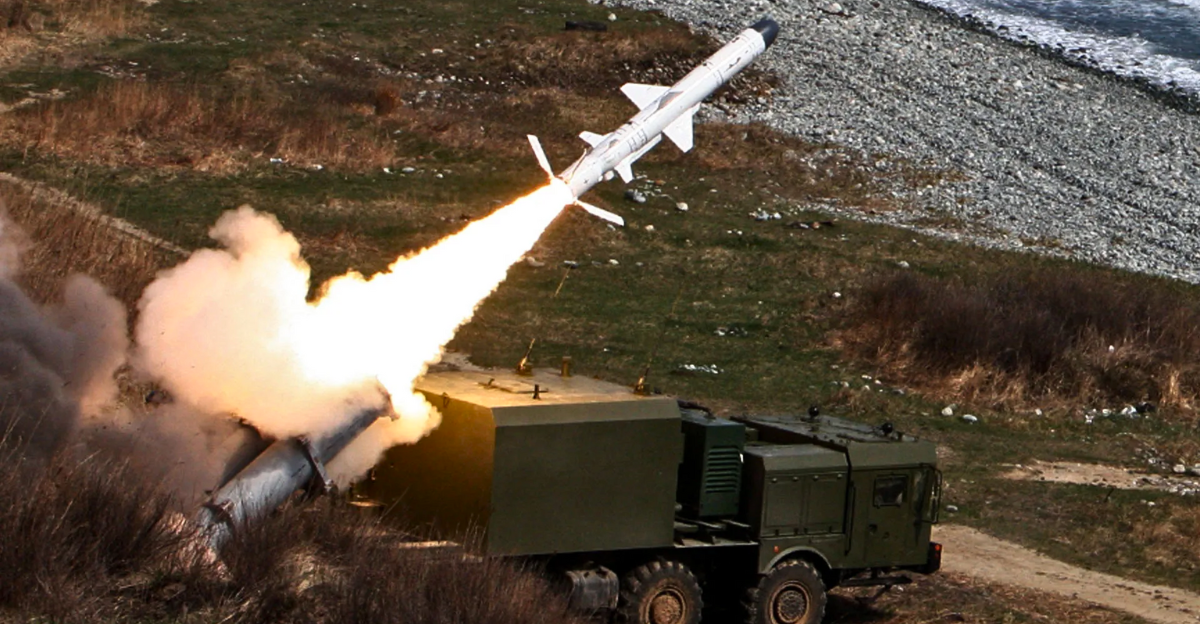
Ukraine deploys an estimated 7,700 pounds of ordnance per month deep inside Russian territory, with each deployed Liutyi drone carrying a 110-pound explosive payload. Russia’s vital industrial corridors and energy hubs are in danger due to this ongoing attack spanning more than 2 million square miles. Compared to most large-scale air strike campaigns from prior conflicts, this volume and accuracy of ordnance pertaining to fuel and military-industrial targets is exceptional.
The combination of strategic economic targets and drone swarm tactics accelerates the decline of Russian energy independence, forcing Moscow to shift limited resources from frontline military operations to the defense of domestic infrastructure, thereby increasing Ukraine’s leverage.
Price Increase and Effects on Civilians in Russia’s Fuel Market
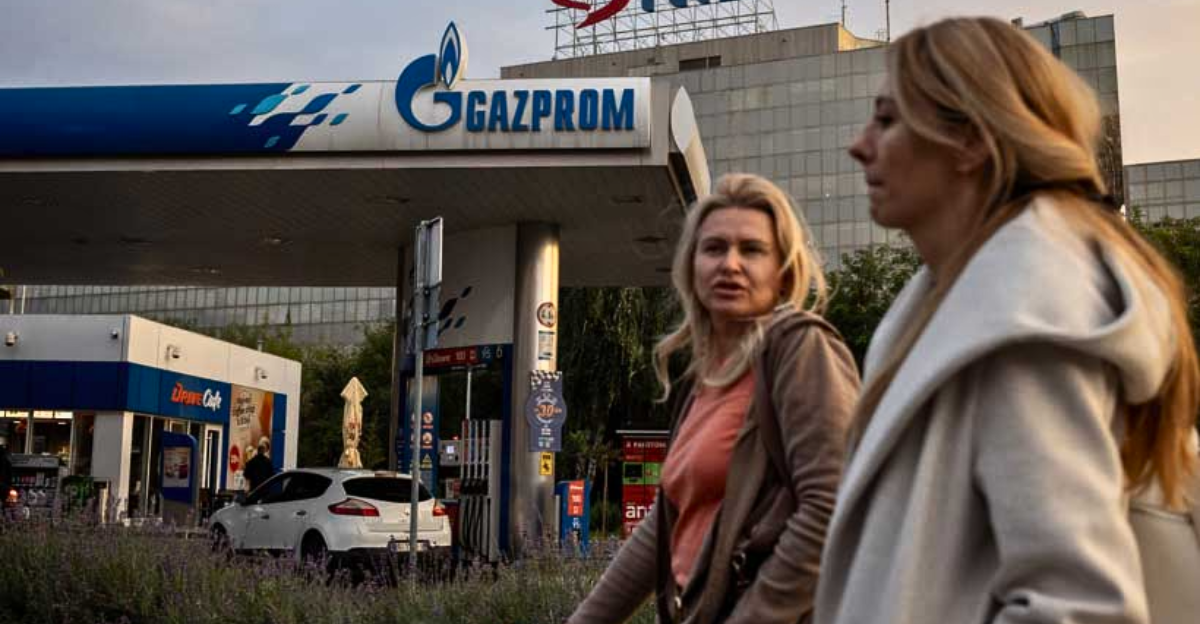
The loss of refining capacity and continuing Western sanctions have contributed to a 40% increase in gasoline prices in Russia since early 2025. Fuel shortages have compelled rationing, with half of Crimea’s gas stations experiencing halted sales by late September and 5-gallon limits at filling stations.
This undermines public trust in Moscow’s leadership and results in significant mobility restrictions and additional economic hardship for millions of Russian civilians. The limitations of Russian propaganda downplaying the crisis are revealed by the clear link between Ukraine’s drone strikes and deteriorating domestic energy conditions.
The Impact of the Domino Effect on Military Operations
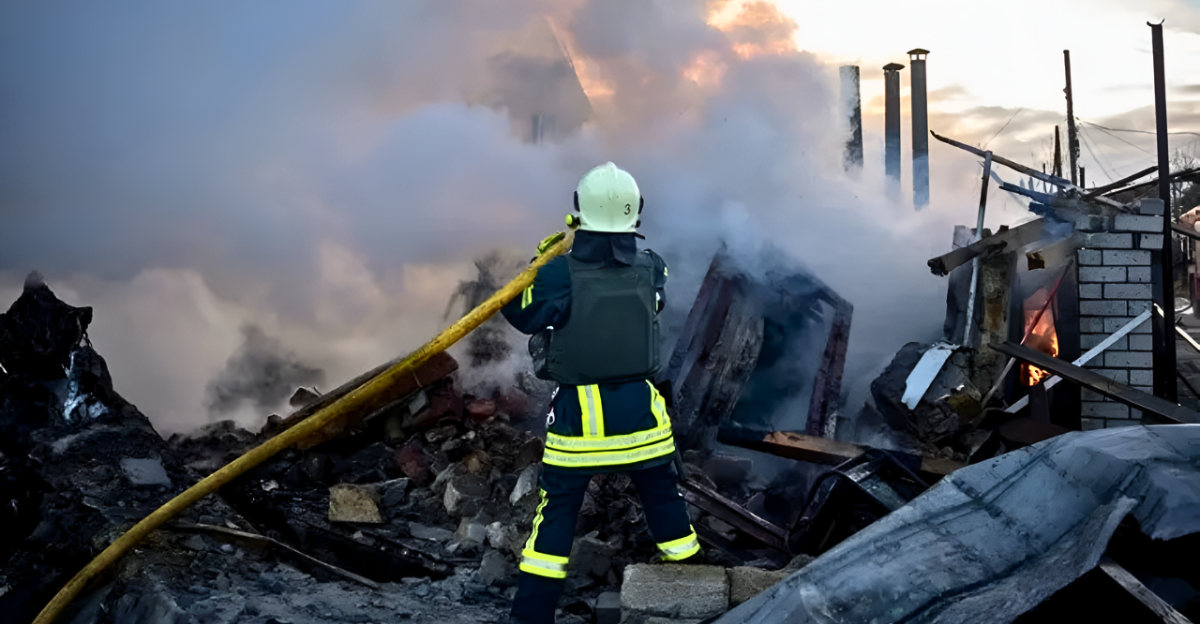
Russian frontline effectiveness may be more severely impacted by damaged energy infrastructure than by actual combat losses. Mechanized troop deployments, artillery operations, and aerial support are inherently limited by fuel shortages and power outages, which may necessitate tactical withdrawals or cautious engagements.
Extended refinery shutdowns impact resupply chains that are essential for protracted conflict by reducing the amount of fuel stores that are available.
Possible Suppression of Information by the Kremlin
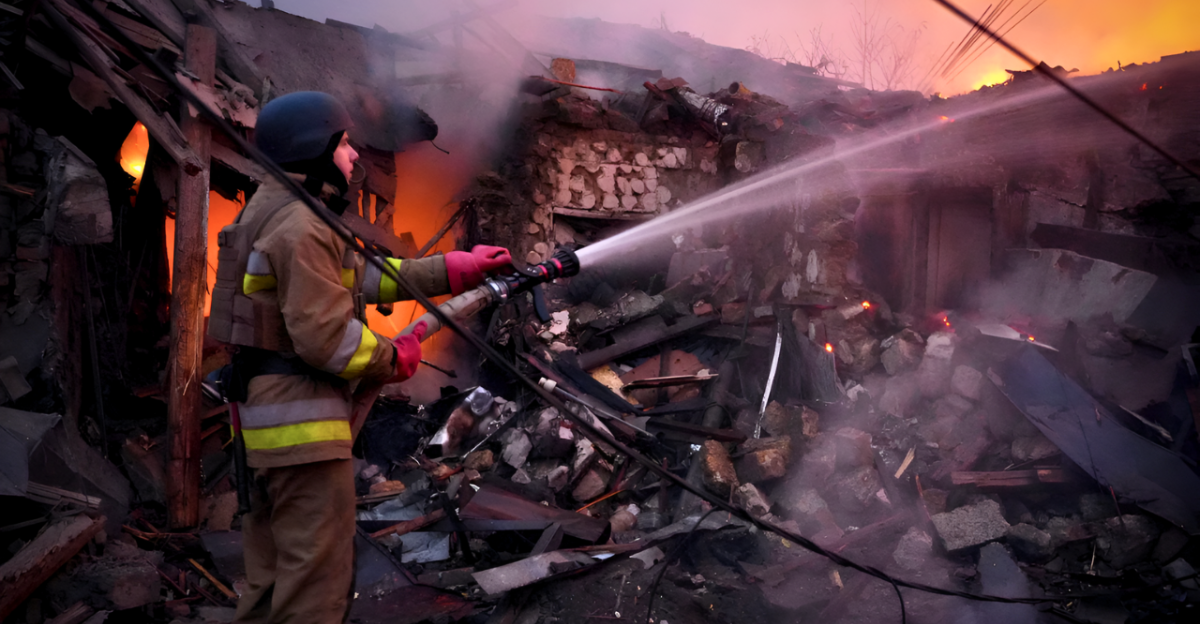
In order to preserve the appearance of control, several insider reports indicate that Kremlin officials are deliberately stifling truthful reporting on fuel shortages and grid instability. Publicly, emergency measures, such as generator deployments and blackout contingencies, are minimized.
The Kremlin subtly prioritizes key locations for fuel distribution while attempting to prevent panic and political repercussions by manipulating media narratives. The lack of transparency surrounding these shortages increases public apprehension and may encourage dissent fueled by rumors. However, as reality seeps through unofficial social media channels, this tactic jeopardizes the integrity of official messaging during a severe crisis.
Wider Effects of the Geopolitical Ripple
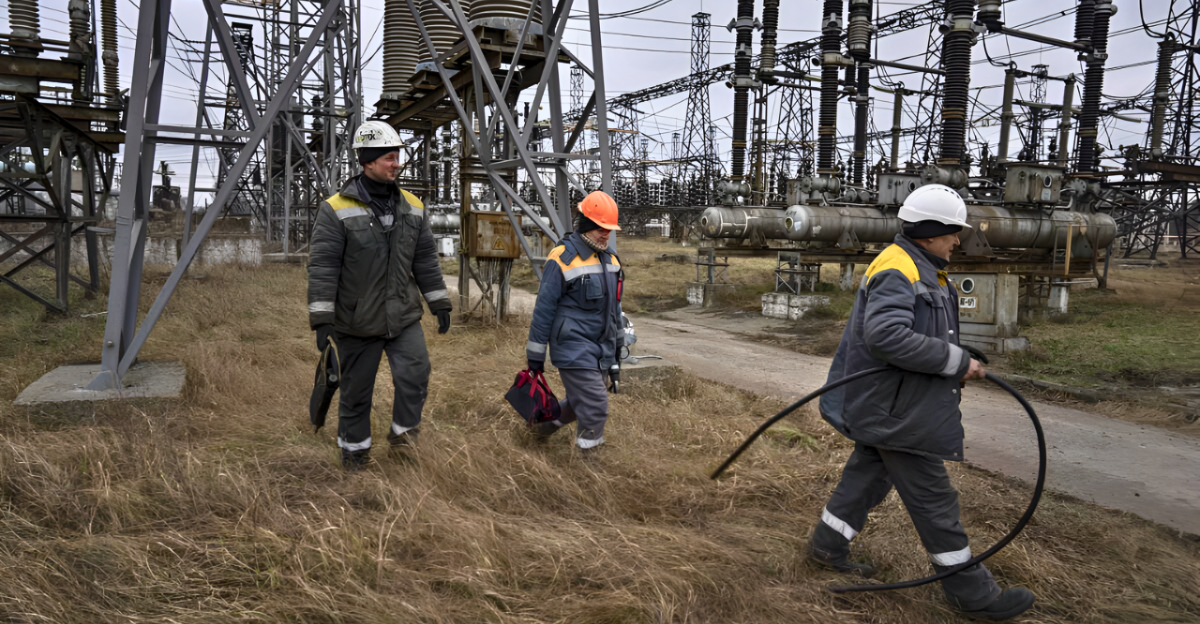
Ukraine’s tactical success with drone warfare has an impact on the entire world because it has revealed weaknesses in superpowers’ ostensibly secure energy infrastructures. The campaign speeds up investments in autonomous strike capabilities and drone countermeasures, accelerating arms modernization globally. The forced energy rationing in Russia also affects regional markets, such as energy exports to Asia and Europe, which exacerbates the volatility of fuel prices globally.
The campaign exerts political and economic pressure on Russia’s allies, which could change alliances as the energy crisis worsens. This incident foreshadows how hybrid drone warfare, which combines conventional military goals with technologically driven economic coercion, may reshape future geopolitical conflicts.
Ukraine’s Strategic Win Puts Traditional Warfare Paradigms to the Test
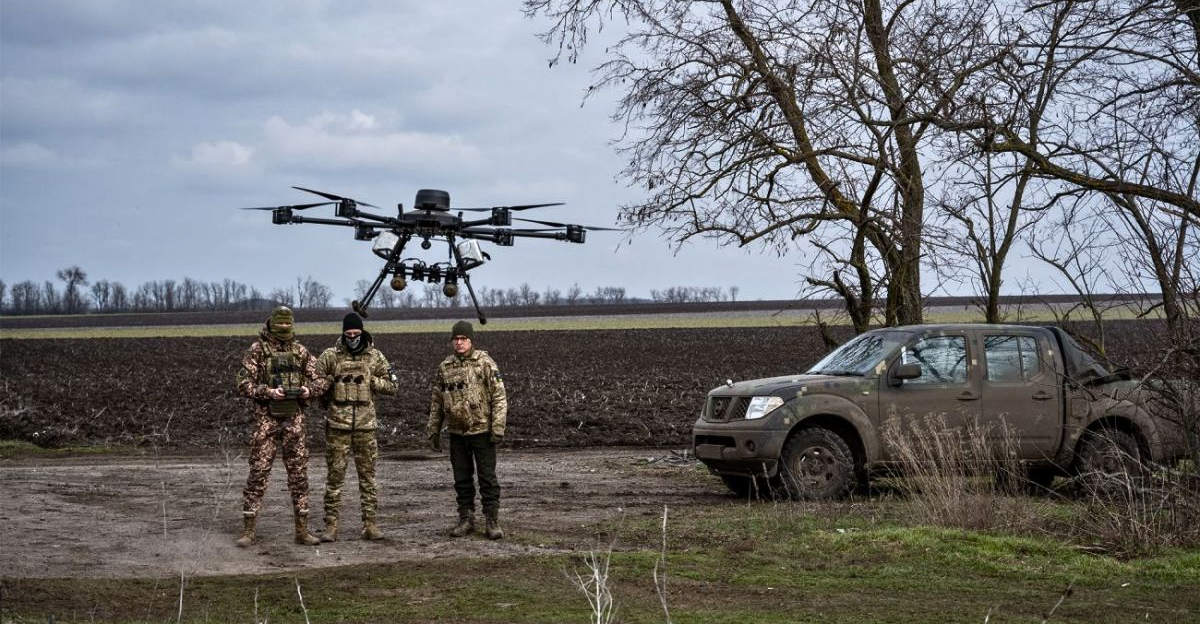
The DeepStrike drone campaign by Ukraine is a powerful example of how small, technologically sophisticated forces can use precision strikes against vital infrastructure to cause a significant amount of economic harm to a much larger adversary.
Ukraine has transformed drones into a strategic economic weapon of mass disruption by crippling more than 20% of Russia’s oil refining capacity and requiring the deployment of backup power across the country. This operational innovation strains civilian morale, undercuts Russian war efforts, and calls into question the effectiveness of sanctions alone.