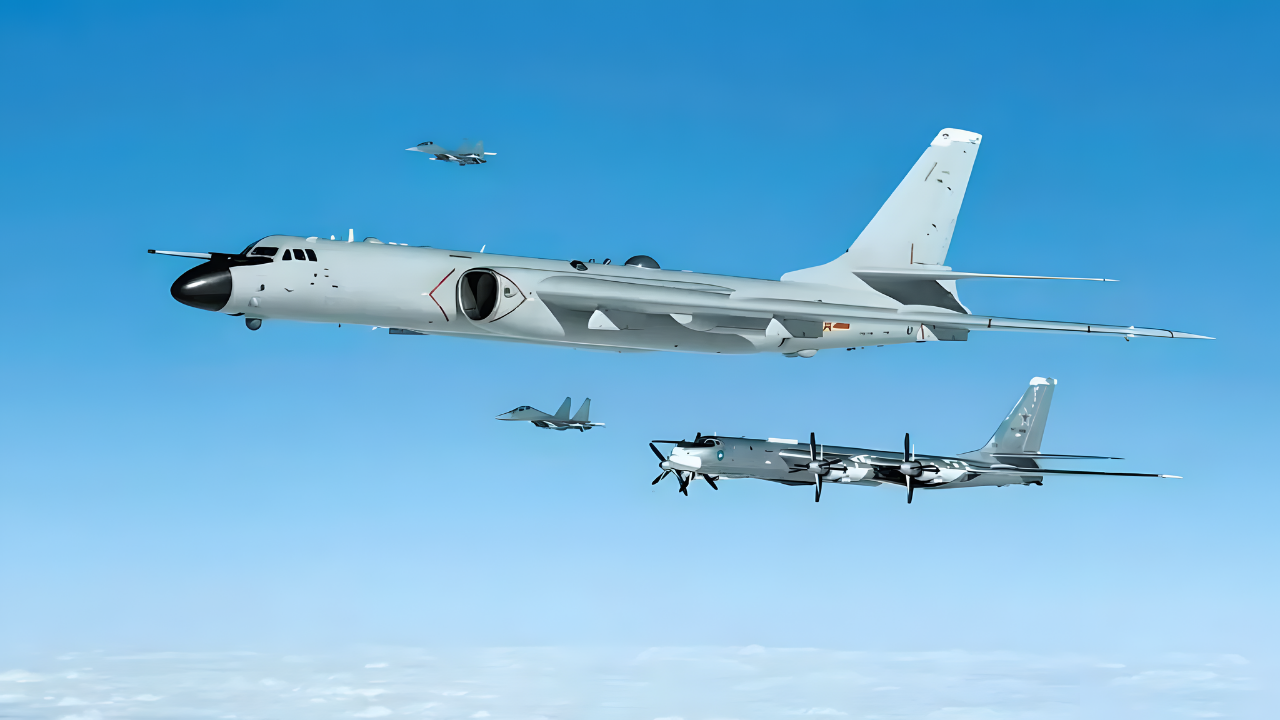
On a chilly December morning in 2025, Japanese radar spots a pack of long-range bombers cruising from the Sea of Japan toward busy sea lanes. Fighter jets roar into the sky, pilots tense, watching every blip. The planes stick to international waters, but their path screams strategy, loaded with enough firepower to rattle nerves.
With tensions boiling in East Asia, one wrong turn could change everything. How does a nation stay cool under pressure?
Planes Circling Japan
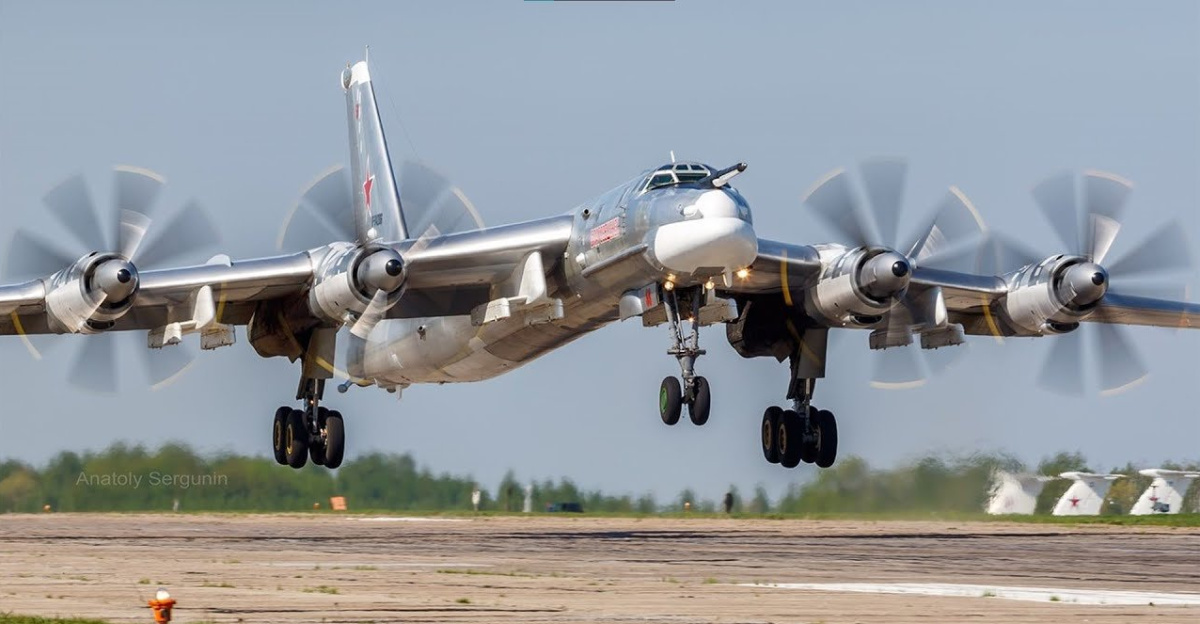
Russian Tu-95s and Chinese H-6 bombers started in the Sea of Japan, swung through the East China Sea, then looped into the Pacific via the Miyako Strait, right between Okinawa and Miyako islands. It was like a noose around Japan’s main islands, all without crossing borders. The route wasn’t accidental, it boxed Japan in from every angle.
This move tested Japan’s defenses, forcing constant vigilance. In a region packed with rivals, such fly-bys feel like a power play.
Russia and China Team Up
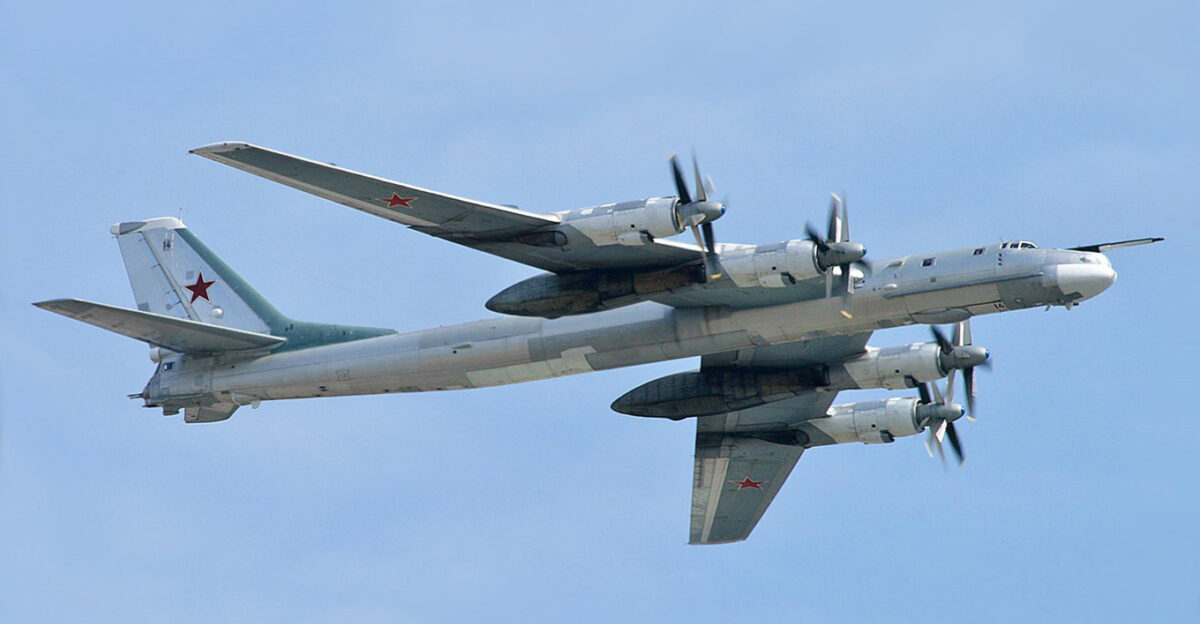
This wasn’t two planes flying solo, it was a rare team-up. Two Russian Tu-95 bombers met two Chinese H-6s, then flew as one group, backed by Chinese J-16 fighters and Russian escorts. Japan’s reports confirm the tight coordination, a sign Russia and China’s militaries are syncing up big time in East Asia.
Gone are the days of solo acts, now it’s joint shows shaking up the neighborhood. It challenges old security setups, hinting at deeper ties. Imagine rivals practicing together, suddenly, the game changes.
Bombers That Pack a Nuclear Punch
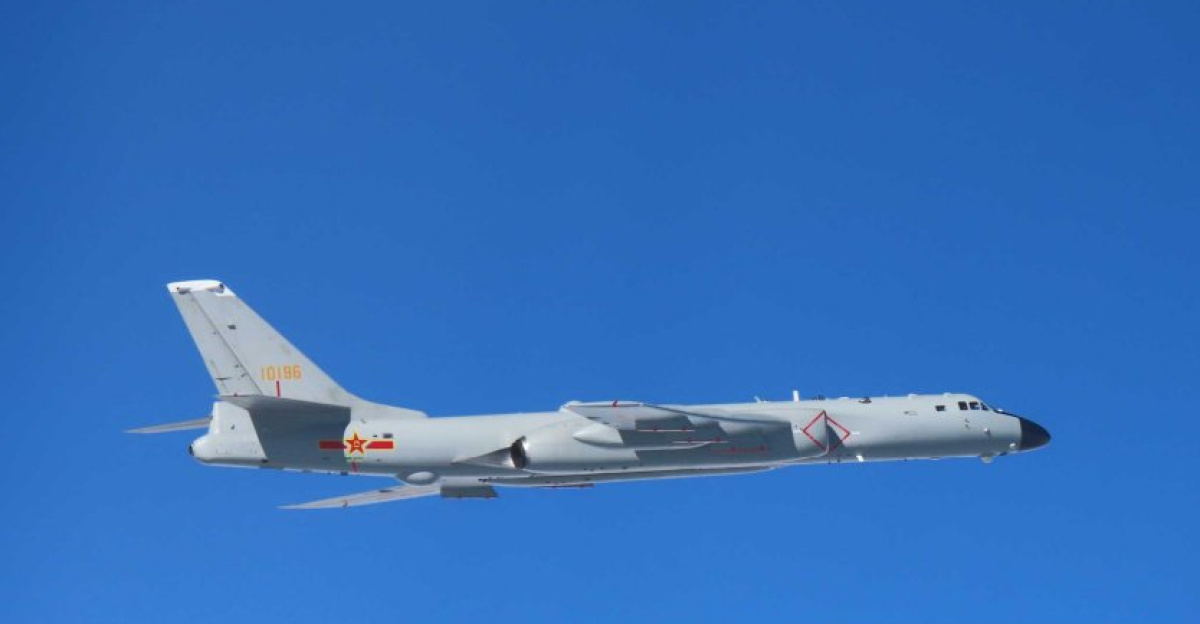
These aren’t your average jets. Russia’s Tu-95 “Bear” can haul nuclear cruise missiles, a Cold War vet still deadly. China’s H-6 variants? Built for nuclear drops too. No one said they were armed that day, but their reputation amps up the drama of buzzing Japan.
The stakes? Sky-high. It’s like parading tanks past a rival’s fence, peaceful on paper, terrifying in reality. Japan watched closely, knowing one flex could echo globally.
Eight Hours of Tension
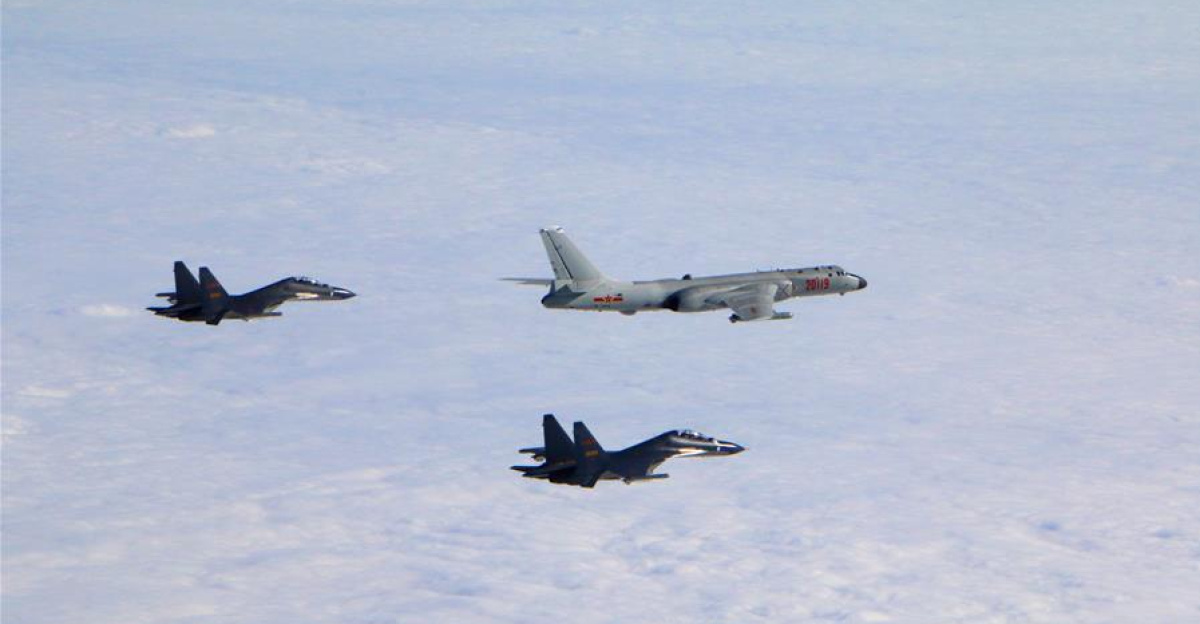
The patrol lasted a full eight hours, slicing through the Sea of Japan, East China Sea, and Pacific. Japan tracked every mile, especially as they slipped between Okinawa and Miyako via the Miyako Strait, a hotspot for ships and subs. Tokyo called it repeated joint flights, proof Russia’s and China’s air games around Japan are ramping up.
Nonstop monitoring for hours? Exhausting. It’s not just a fly-by, it’s a marathon flex. For Japan, this means more scrambles, more stress.
Japan Goes Full Alert
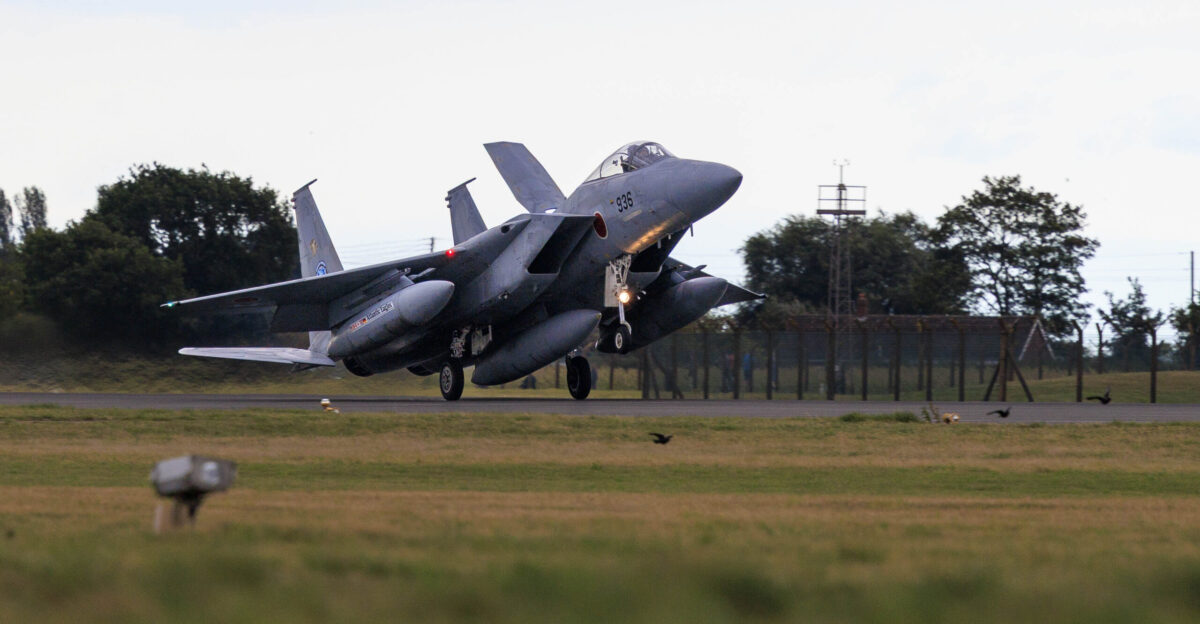
Japan ramped up its defenses big time after spotting those Russian and Chinese bombers circling nearby. Fighter jets like F-15s and F-35s scrambled from bases across the country, roaring into the skies to shadow the intruders without crossing into a hot zone.
Radar screens lit up in control rooms, tracking every twist and turn over the East China Sea and beyond, while ground crews stayed on high alert for rapid response. With about 125 million people living in this island nation, many near key coastal areas, the entire country shifted into a tense state of readiness, from Tokyo’s command centers to remote outposts in Okinawa.
South Korea Feels the Heat Too
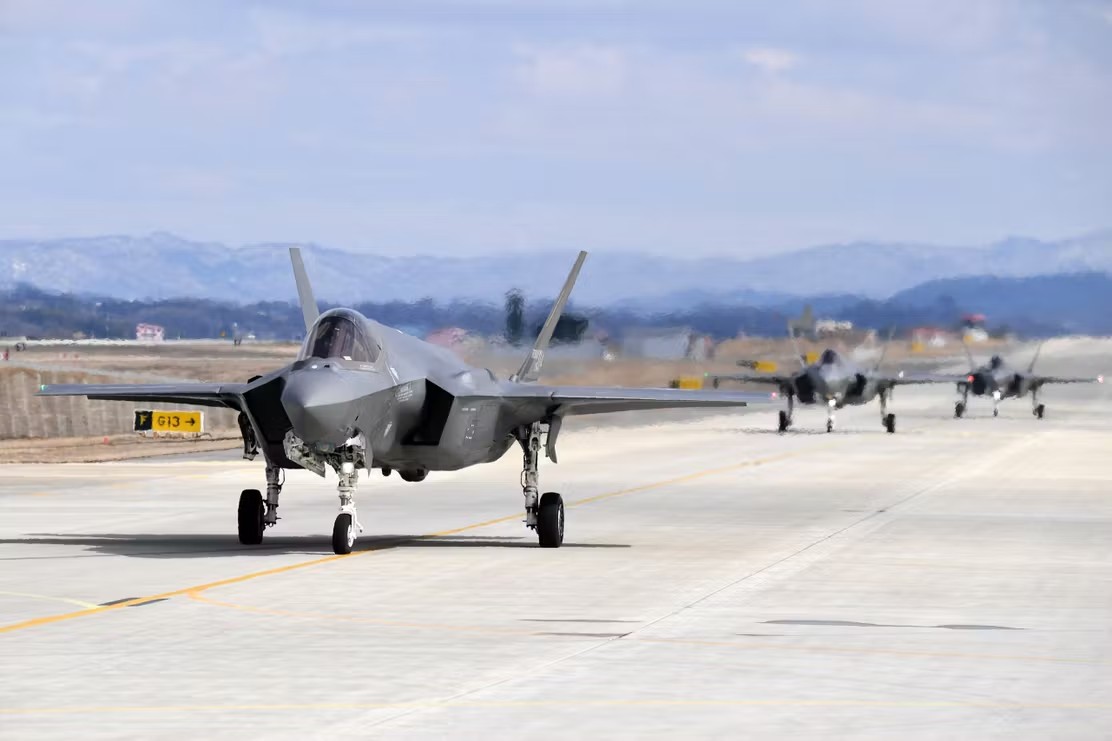
On December 9, 2025, South Korea’s military detected nine foreign aircraft, seven Russian (including Tu-95 bombers and A-50 early warning planes) and two Chinese (H-6 bombers and J-16 fighters), entering its Korea Air Defense Identification Zone (KADIZ) around 10 a.m. local time.
The planes lingered for about an hour without entering sovereign airspace, prompting Seoul to scramble F-15K and other fighter jets for tactical monitoring and emergency preparedness. This synchronized with Japan’s response to the same joint Russia-China patrol, highlighting coordinated pressure across East Asia.
Radar Locks Raise Eyebrows
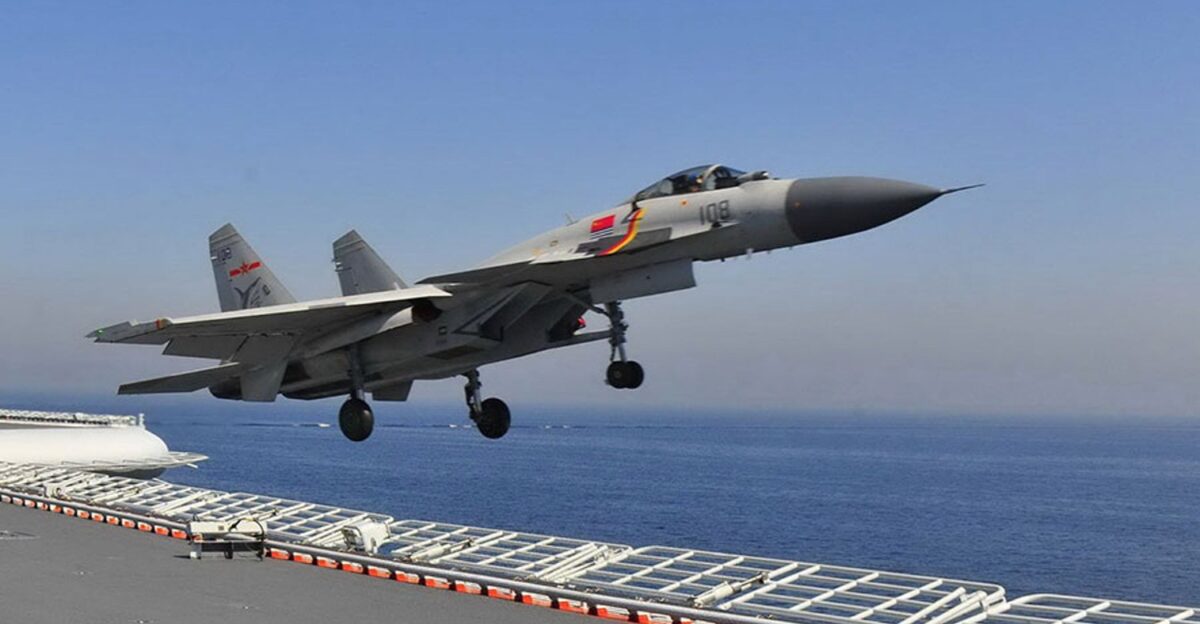
Days before, near Okinawa, Chinese J-15s from a carrier twice locked fire-control radar on Japanese planes. Tokyo called it aggressive by using radar locks signal “missile ready.”
Tokyo lodged a formal protest, calling it a “dangerous act” that exceeded safe operations. Japanese jets scrambled to monitor, but China disputed the claims, insisting maneuvers were professional.
Russia-China Buddies Getting Cozier
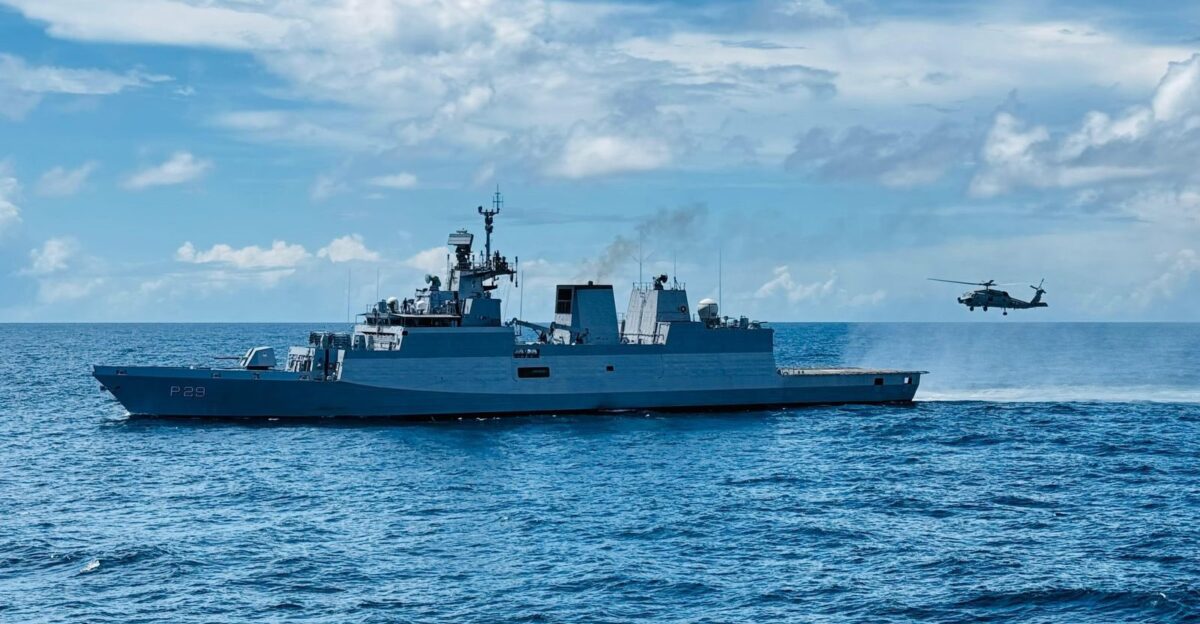
Russia and China are turning their no-limits friendship into a full-on military bromance, and the joint bomber patrol near Japan is just the latest flex. Their partnership has exploded since 2022, with 14 joint exercises in 2024 alone, the most ever, per the Center for Strategic and International Studies.
Joint ops now span anti-submarine warfare, air defense, and live-fire chaos off Alaska and Japan, showing seamless coordination that spooks U.S. planners.
America Joins the Fly-By
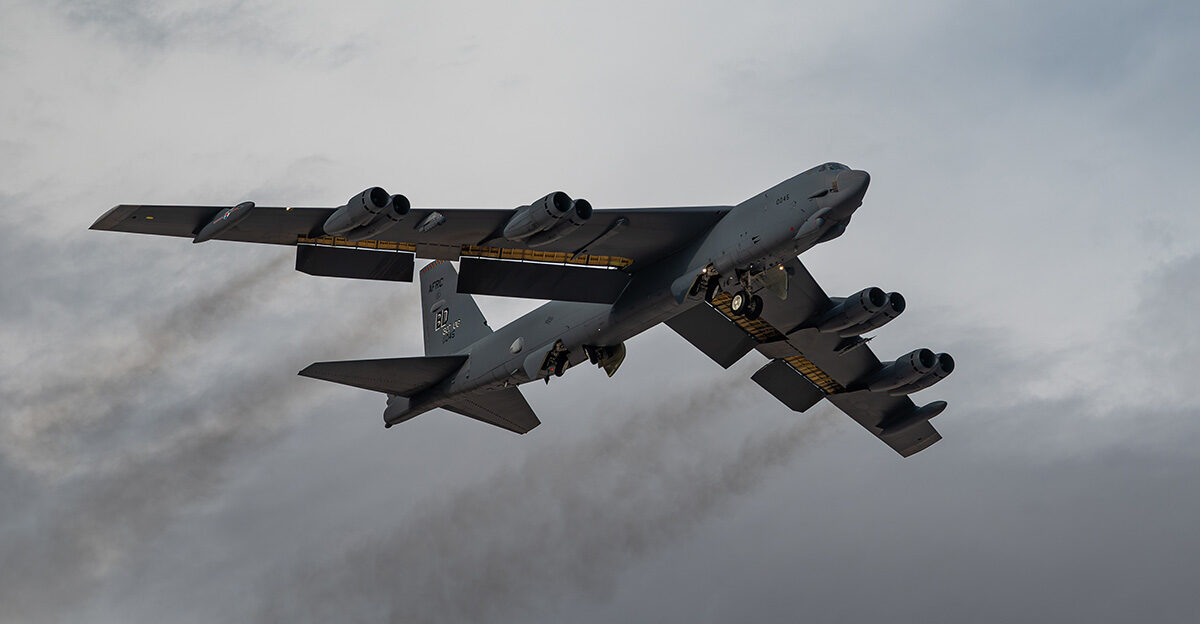
Just one day after the Russia-China bomber patrol rattled Japan, the US delivered a powerhouse counterpunch. Two nuclear-capable B-52 Stratofortress bombers from Barksdale Air Force Base soared over the Sea of Japan alongside three Japanese F-35 stealth fighters and three F-15 multirole jets.
This wasn’t routine training, it was a deliberate show of alliance muscle, timed to push back against the encirclement. The flight underscored America’s ironclad commitment to extended deterrence in the Indo-Pacific.
Allies Bracing for Impact
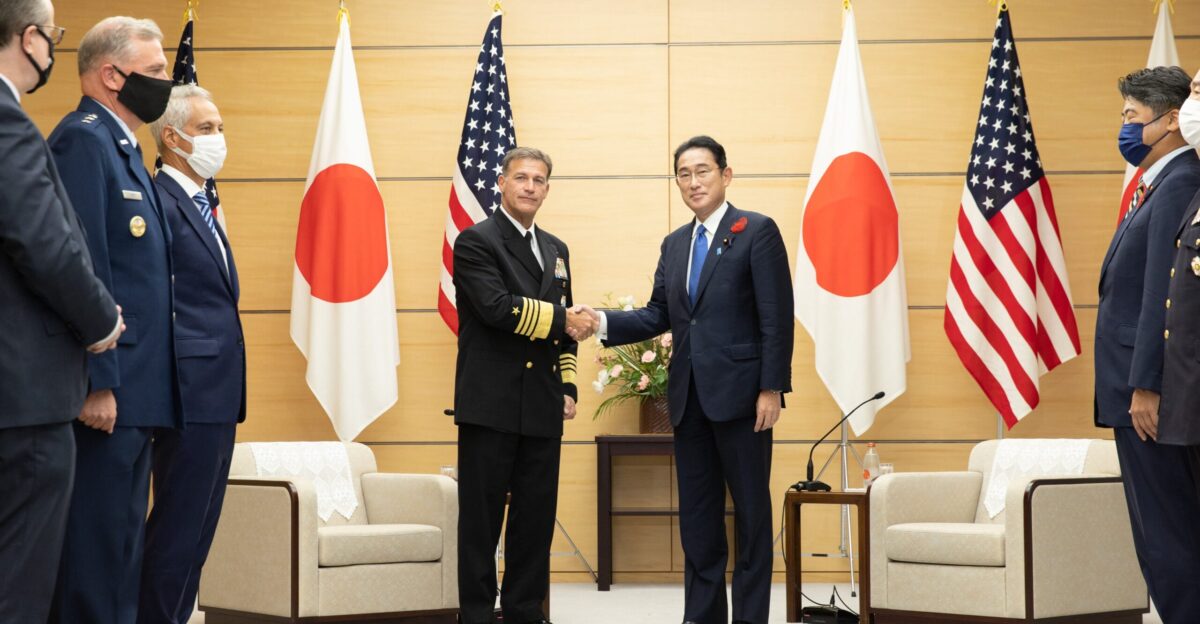
Japan and South Korea, key U.S. allies, are facing mounting pressure from joint Russian-Chinese air operations near their borders. Both nations scrambled fighter jets in response to the December 2025 bomber patrol, highlighting synchronized threats across the region.
This dual-front challenge compounds existing tensions. Tokyo supports Ukraine sanctions against Russia and disputes maritime claims with China, including near Taiwan and Okinawa. Seoul grapples with North Korean threats alongside these new Russia-China sorties, which have increased since 2019.
Japan’s Tough Talk
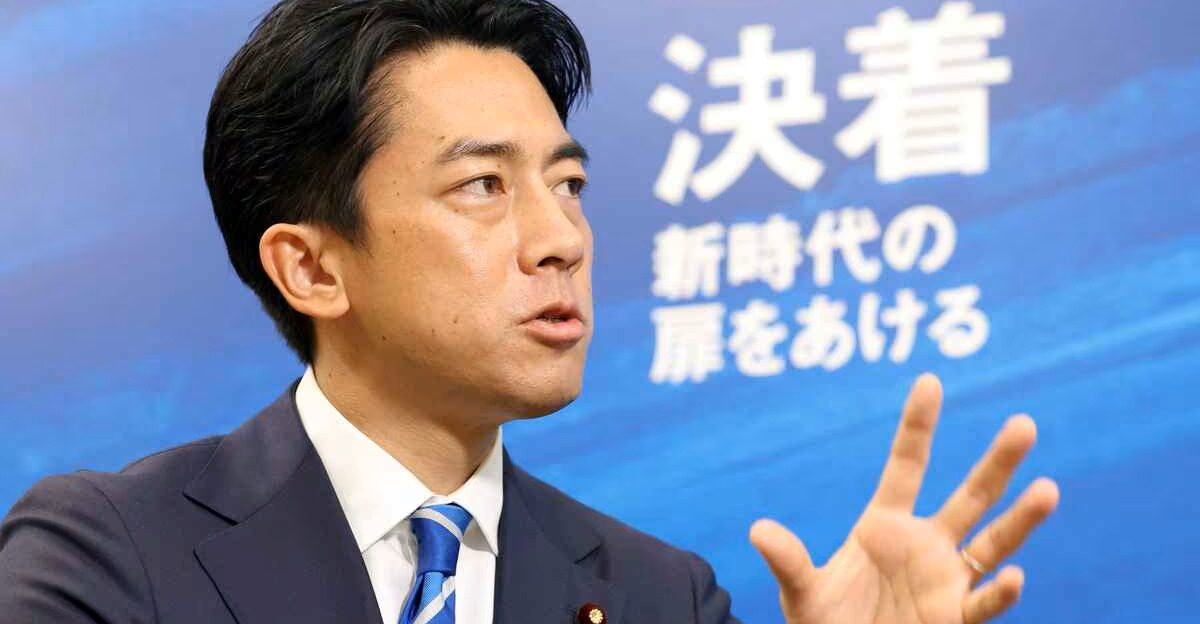
Japan’s Defense Minister Shinjiro Koizumi didn’t hold back after the Russia-China bomber patrol. In a sharp social media post on X (formerly Twitter), he slammed the mission as “clearly intended as a show of force against our nation,” adding that it posed a “serious concern for Japan’s national security.”
Koizumi detailed how two Russian Tu-95 bombers linked up with two Chinese H-6s over the East China Sea, looping around Japan via the Miyako Strait and off Shikoku, escorted by Chinese J-16 fighters and a Russian A-50 radar plane. He stressed these “repeated joint bomber flights” mark an “expansion and intensification” of activities near Japan, forcing repeated scrambles of Japanese fighters to enforce air defense protocols.
The Numbers Don’t Lie
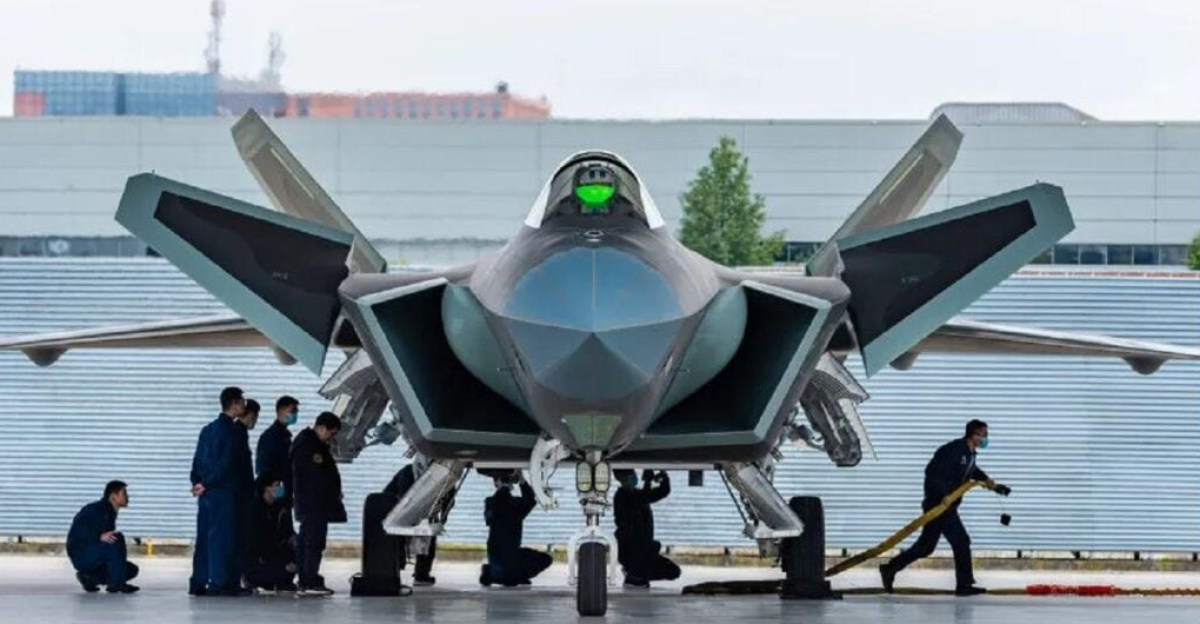
China’s air power dwarfs Japan’s in raw scale. Recent Global Firepower Index rankings place China third worldwide, boasting over 3,300 total aircraft, including more than 1,200 modern fighters like J-20s and J-16s. Japan fields about 1,400 aircraft overall, with just over 200 fighters such as F-15Js and F-35s.
Russia adds its Tu-95 fleet, around 50 strategic bombers capable of nuclear strikes, plus Su-30 escorts. These gaps force Japan to lean hard on U.S. alliances. For context, China’s navy includes 3 aircraft carriers and 370+ warships, versus Japan’s 150 vessels and helicopter carriers.
One Mistake Away from Disaster
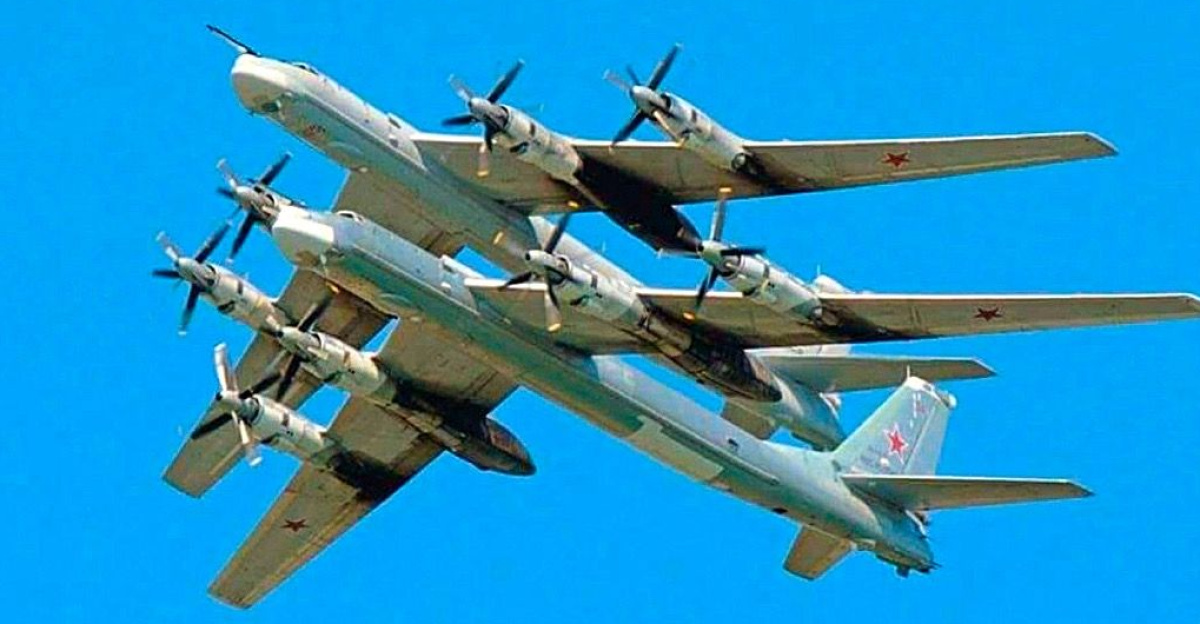
Frequent close calls in East Asia’s skies create a high-risk zone where one slip could ignite disaster. Japanese pilots dodging Chinese J-15 radar near Okinawa know the drill. A fire-control lock signals missiles might follow, turning routine patrols into split-second gambles. With nuclear-capable Tu-95s and H-6s in the mix, even practice runs carry doomsday weight.
Analysts call it a “thickened” air environment, packed with overlapping flights from rivals. Misreads happen fast as fatigue, comms glitches, or bold maneuvers could spark accidental fire.
Skies on the Brink
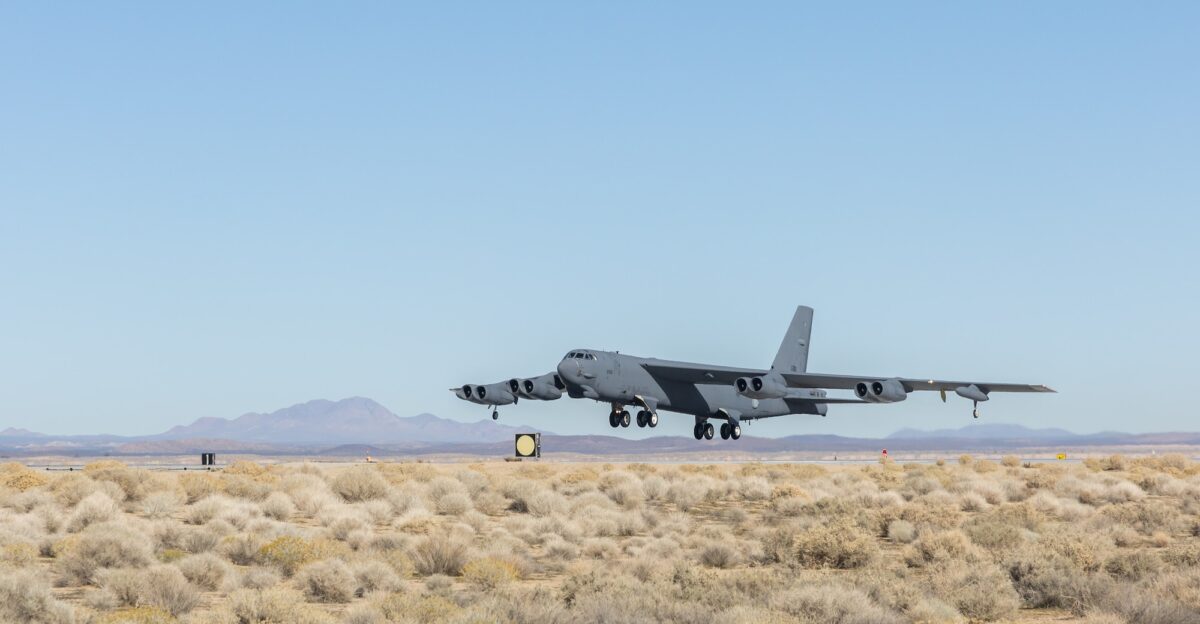
East Asia’s airspace has turned into a high-stakes chessboard, where every flight path risks knocking over the pieces. Routine now includes Russia-China joint bomber patrols looping around Japan, Japan’s sharp-tongued responses, U.S. B-52 deployments flexing muscle, and South Korea’s frantic jet scrambles, all crammed into narrow corridors like the Miyako Strait and Sea of Japan.
These aren’t just drills, they’re diplomatic jabs, each sortie testing nerves amid bigger flashpoints like Taiwan disputes and Ukraine support straining ties.
Sources:
Japan Times, Chinese and Russian bombers hold joint drill near Japan,
Reuters, Russian bombers join Chinese air patrol near Japan
CNN, Russian bombers join Chinese air patrol near Japan as tensions rise,
Yomiuri Shimbun, Chinese, Russian Bombers Flew Unusual Path by Heading Toward Tokyo
Nippon.com, China, Russia Bombers Fly Together off Japan’s Shikoku Coast
Al Jazeera, S Korea, Japan scramble warplanes in response to Russia-China air patrol