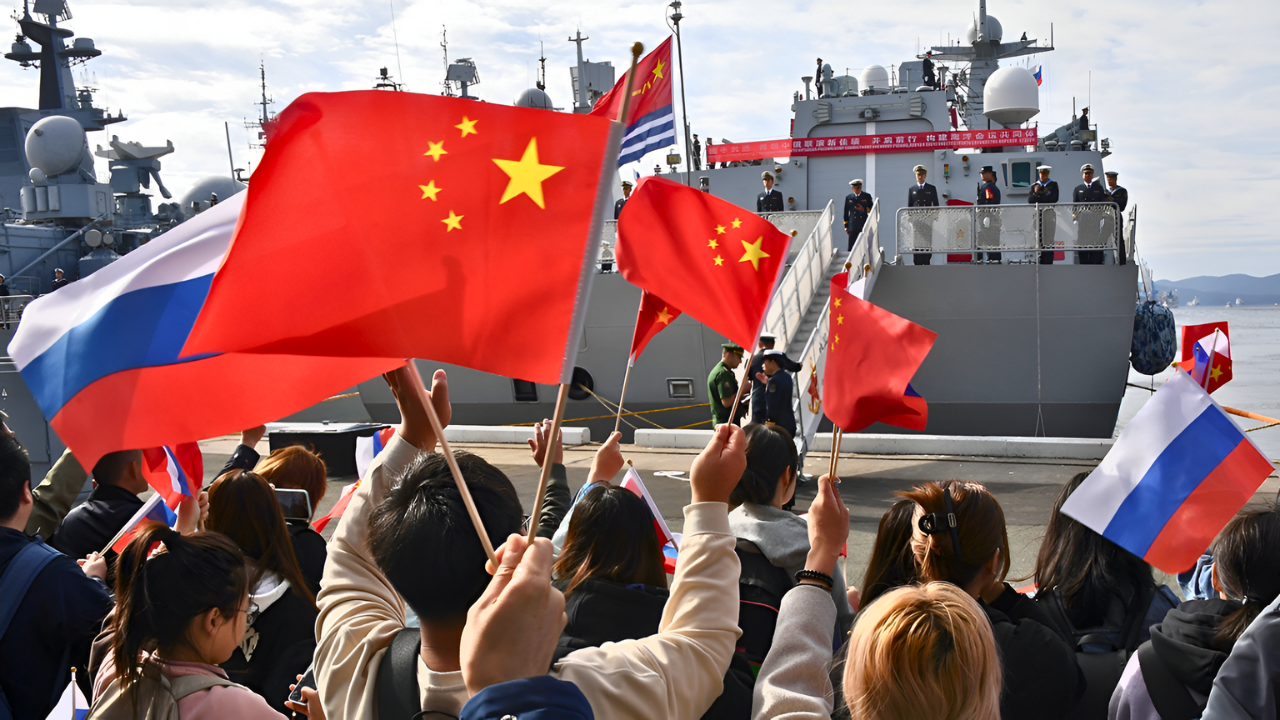
Two Russian Tu-95 nuclear-capable bombers met two Chinese H-6 bombers over the East China Sea, escorted by fighter jets, marking the 10th joint patrol near Japanese airspace by 11 aircraft in formation. For Japan’s approximately 124 million residents, this display underscores their nation’s position amid rising tensions in the region.
When Targeting Systems Lock On
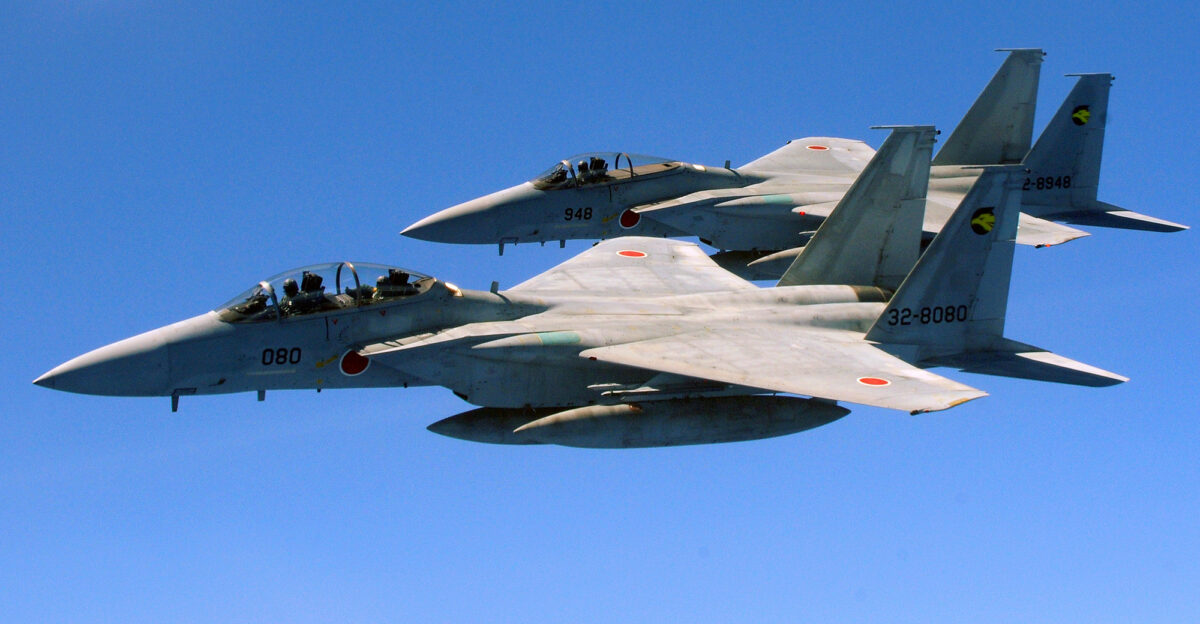
Chinese J-15 fighters locked fire-control radar on Japanese F-15 jets twice in one day—once for three minutes, then for 30 minutes. Japan’s Defense Minister Shinjiro Koizumi described these as actions that exceeded safe flight requirements. Australia’s Defense Minister, during a Tokyo visit, voiced concern over China’s aggressive maneuvers. Tokyo publicly confirmed the radar locks for the first time, rejecting Beijing’s claim that Japanese jets entered exercise zones.
The Carrier That Shouldn’t Be There
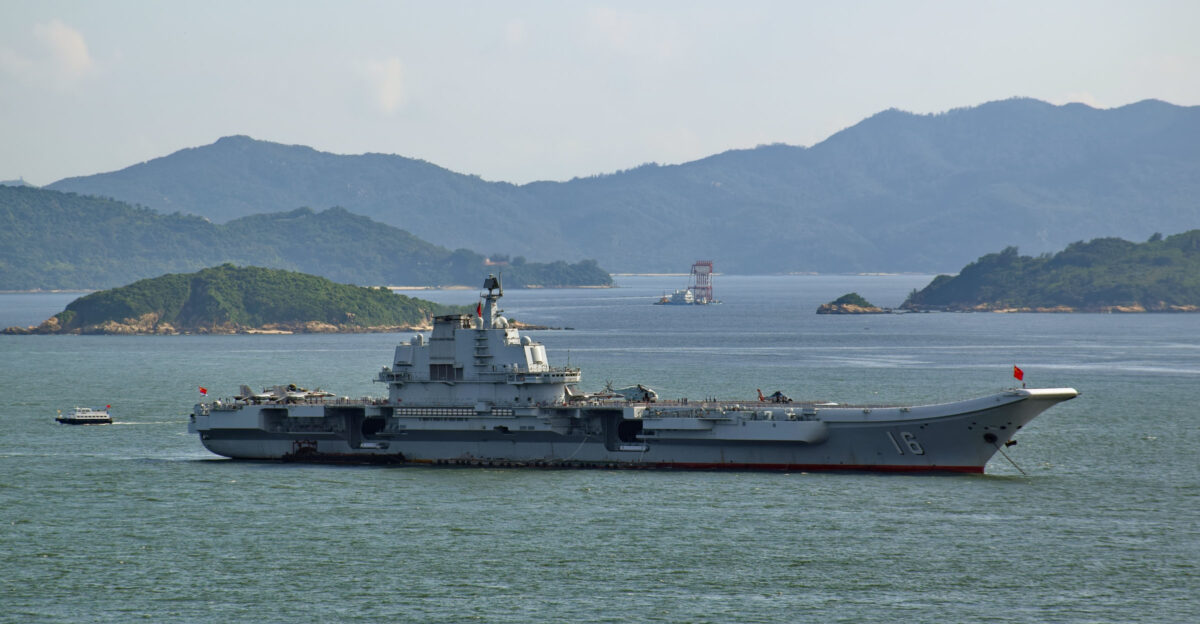
China’s Liaoning carrier sailed approximately 190 kilometers east of Okinawa, flanked by three guided-missile destroyers, and conducted about 140 takeoffs and landings over several days. This occurred in waters long dominated by U.S. and allied forces, signaling a challenge to established patterns.
Pilots Living on Alert
Japanese controllers detect approaching Russian and Chinese bombers, prompting constant scrambles from the southwest. The Defense Ministry mandates round-the-clock readiness, with pilots in ready rooms and radar teams on extended shifts. Fiscal 2024 saw 704 scrambles, straining Japan’s modest air force.
The Island That Became the Front Line

On Yonaguni Island, 110 kilometers from Taiwan, Koizumi told 100 residents of new electronic warfare units and anti-aircraft missiles. He noted this deployment could lower risks of attack on Japan. Prime Minister Sanae Takaichi called a Chinese move on Taiwan a survival threat for Japan, warranting response, as 32% of Japan’s imports pass through the Taiwan Strait.
Why Taiwan Matters
Taiwan supplies approximately 65% of global advanced semiconductors and over 95% of the most critical chips, vital for electronics, weapons, and medical devices. Japan provides 90% of photoresist chemicals key to that production. Disruption would halt flows through nearby waters, crippling Japan’s economy.
America Shows Up With Bombers
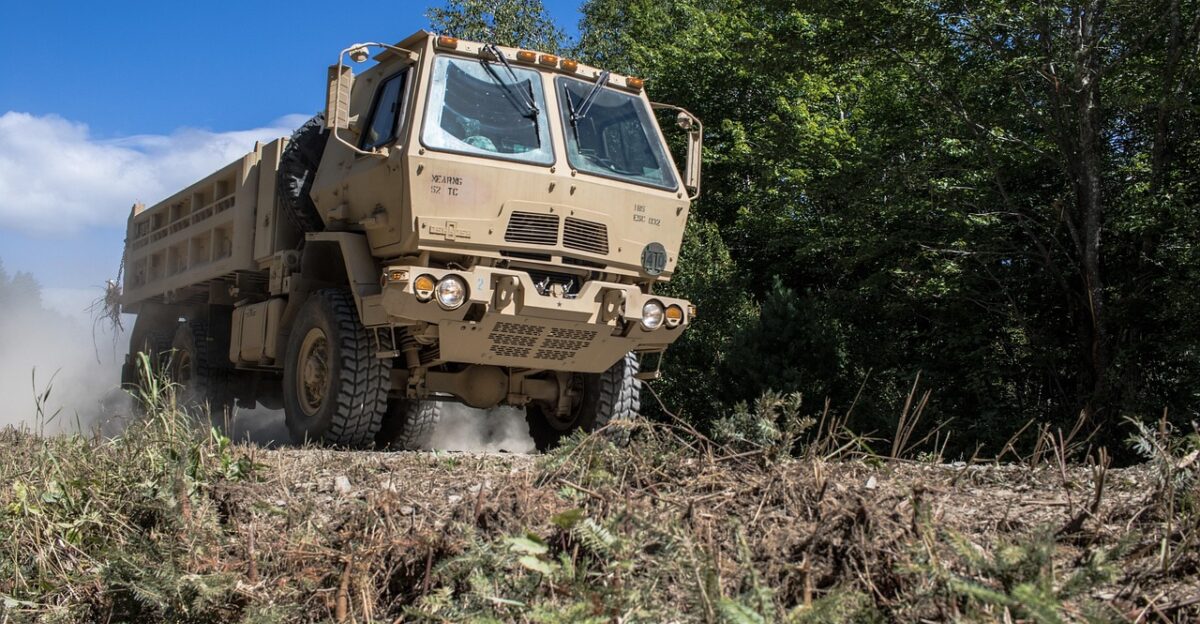
Within 48 hours of the patrol, U.S. B-52 bombers flew with Japanese F-35s and F-15s over the Sea of Japan. Japan’s Joint Staff termed it a commitment against unilateral force. South Korea also scrambled against seven Russian and two Chinese aircraft that day, revealing coordinated probing.
Japan Is Building For War While Calling It Peace
Japan plans approximately 43 trillion yen (roughly $314 billion) in defense by 2027, hitting 2% of GDP to rank among the top global defense spenders. Sites like Yonaguni and Mageshima gain new capabilities, including U.S. carrier support. Incremental Russian-Chinese patrols push farther, with longer radar locks and deeper carrier ventures.
Russia and China Coordinate
These patrols test defenses across Japan, South Korea, and U.S. alliances, each exceeding the last. Japan shifts from private protests to public alerts.
The Crisis With No Clear Exit
As Russia and China integrate militaries and rehearse blockades, Taiwan’s chip dominance heightens stakes. Japan fortifies islands; the U.S. signals rapid response. Without de-escalation channels, preparations risk becoming self-fulfilling, with global supply chains hanging in balance.
Sources:
Russian bombers join Chinese air patrol near Japan as ties with Tokyo, Beijing fray – Reuters
Chinese jets point radar at Japanese aircraft, Japan says – Reuters
US backs Japan in dispute with China over radar incident – Reuters
China says it conducted air patrol with Russia in East China Sea, western Pacific – Reuters
Trump administration formally designates Venezuela’s Maduro as member of a foreign terrorist organization – CNN