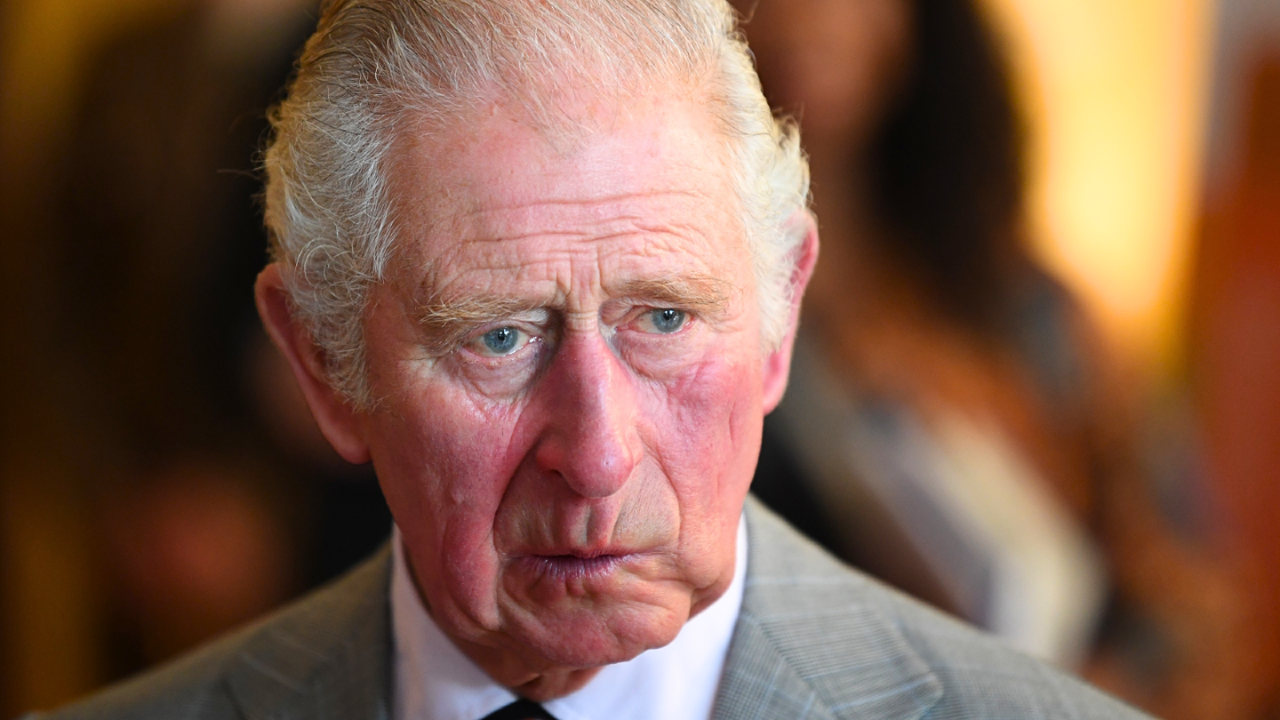
King Charles III is set to cross a threshold no modern British monarch has faced before. From April 2028, his privately owned royal residences will fall under a new property levy aimed squarely at Britain’s wealthiest homeowners. Balmoral and Sandringham, long seen as personal retreats rather than state symbols, will become subject to a so-called mansion tax.
The move highlights a wider shift in how royal wealth is examined and taxed. As the policy takes shape, it raises questions about symbolism, fairness, and where private monarchy meets public finance. Here’s what’s happening as the levy approaches.
Private Estates Enter the Tax Net
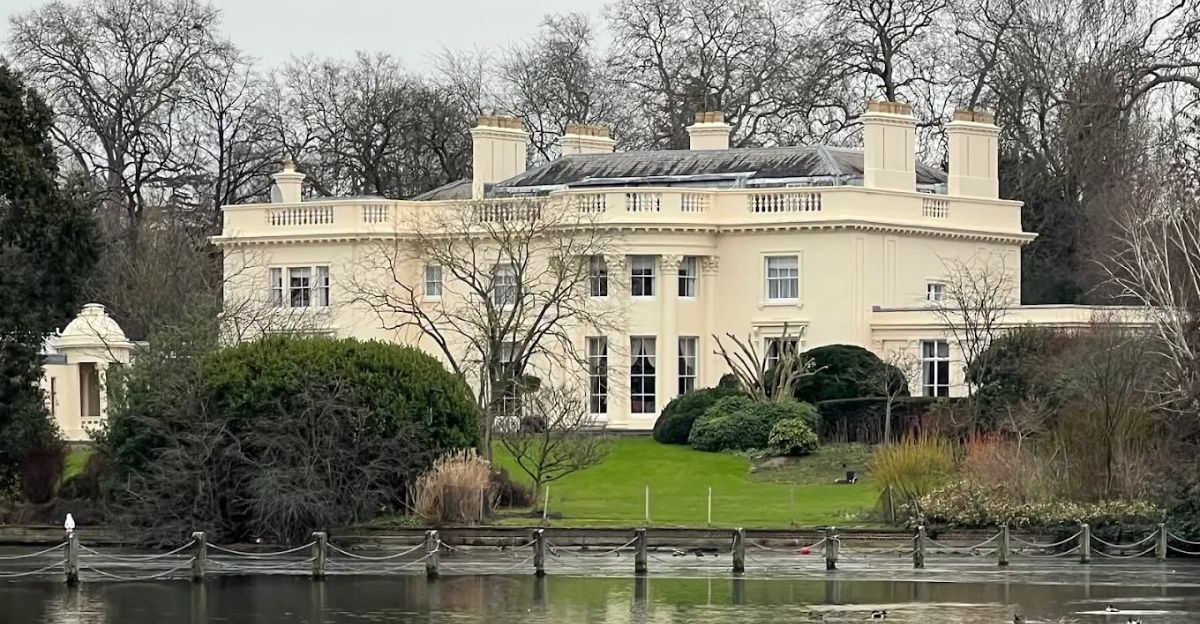
Balmoral Castle in Aberdeenshire and the Sandringham Estate in Norfolk sit firmly outside the Crown Estate and are owned privately by the monarch. Both were purchased with royal funds generations ago and passed down within the family. King Charles inherited the estates following Queen Elizabeth II’s death in September 2022.
Balmoral spans roughly 50,000 acres and is valued at £140 million ($187.6 million). Sandringham covers about 20,000 acres and is commonly valued at around £60 million ($80.4 million), with some estimates higher. These figures place both properties well above the £5 million threshold targeted by the new levy. Their private status is decisive. Unlike ceremonial palaces held by the state, these estates are treated as personal assets, making them subject to the same high-value rules as other elite properties.
How the New Mansion Tax Applies
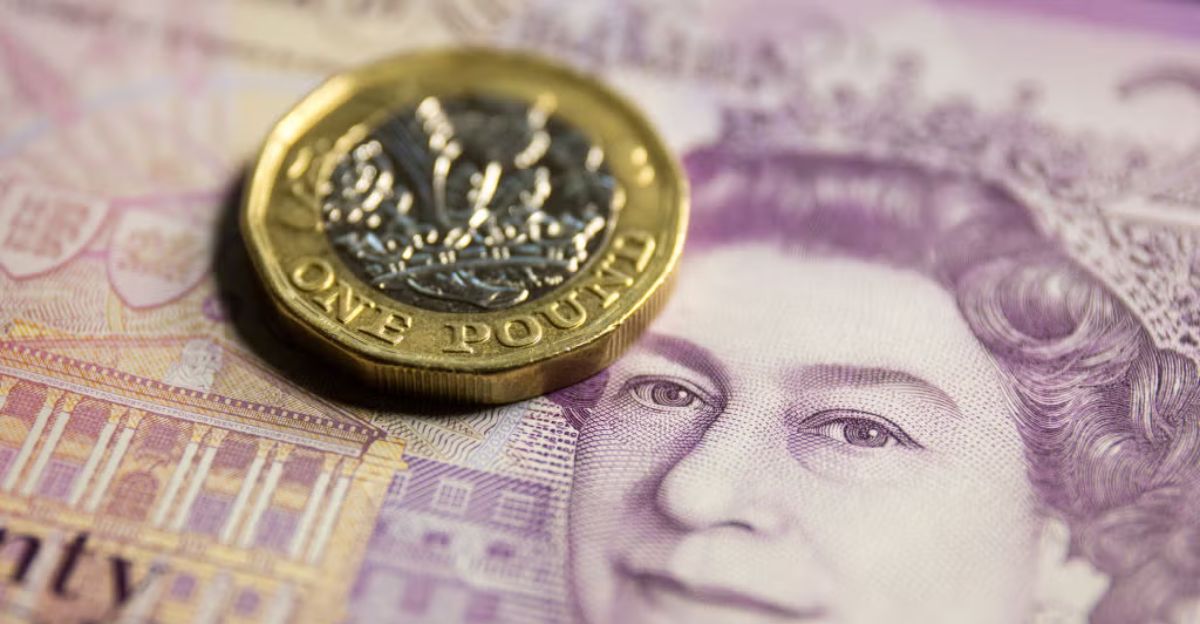
The levy, formally called the High Value Council Tax Surcharge, was introduced by Chancellor Rachel Reeves on November 26, 2025. It adds an annual charge on top of existing council tax bills, scaled by property value. Homes worth more than £5 million will pay £7,500 ($10,050) per year. Lower bands range from £2,500 ($3,350) for properties valued between £2 million and £2.5 million, rising through £3,500 ($4,690) and £5,000 ($6,700).
For King Charles, the calculation is straightforward. Balmoral and Sandringham each fall into the top band, resulting in an added £15,000 ($20,100) annually from April 2028. While modest in absolute terms, the charge is notable because it applies without exemptions tied to royal status.
Why Palaces and Duchies Are Exempt
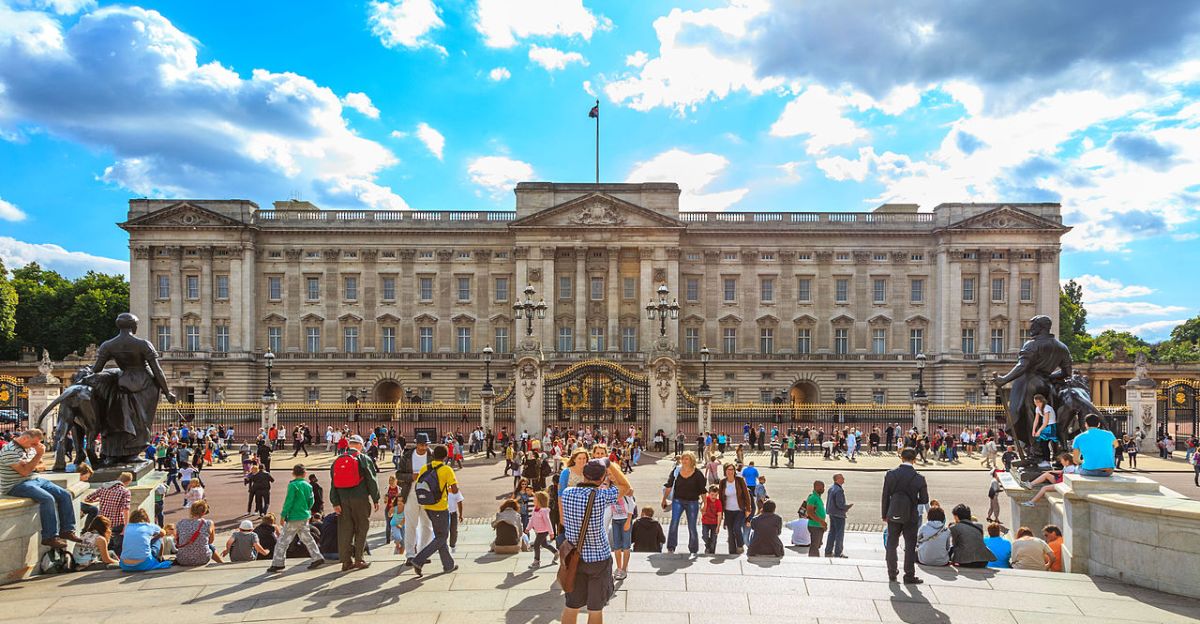
A crucial distinction underpins the policy. The surcharge applies only to privately owned property. Buckingham Palace, Windsor Castle, and Kensington Palace are excluded because they are held as part of the Crown Estate, owned by the Crown as an institution rather than the monarch personally. This exemption holds even though Buckingham Palace has been valued around £3.9 billion ($5.23 billion) and Windsor Castle near £503 million ($674 million).
The same logic shields the wider Crown Estate, valued at £15.6 billion ($20.9 billion), along with the Duchy of Cornwall at roughly £1.2 billion ($1.61 billion) and the Duchy of Lancaster at £653 million ($875 million). These assets are held in trust and treated separately from private wealth, leaving Balmoral and Sandringham as the only royal properties affected.
A Policy Targeting the Top 1 Percent
Treasury estimates suggest fewer than 1% of homes in England will pay the surcharge, affecting about 100,000 households. The impact is heavily concentrated in London and the southeast, where prices have risen fastest. Around 50% of homes valued above £2 million are in London, with 85% located across the southeast. Reeves defended the policy by pointing to deep council tax inequalities.
In her November 2025 Budget speech, she noted that a Band D home in towns like Darlington or Blackpool pays just under £2,400 ($3,216) annually, nearly £300 ($402) more than a £10 million ($13.4 million) property in London’s Mayfair. Valuations frozen since 1991 sit at the heart of that imbalance. Revaluations of bands F, G, and H will begin in 2026 and repeat every 5 years.
Royal Tax Privileges Under the Spotlight
The mansion tax arrives amid renewed scrutiny of royal tax arrangements. Since 1993, a Memorandum of Understanding on Royal Taxation has guided practice. Queen Elizabeth II agreed to pay income tax voluntarily, but assets passing sovereign to sovereign remain exempt from the standard 40% inheritance tax above £325,000 ($435,500). Then Prime Minister John Major argued the exemption was necessary to prevent royal assets being “salami-sliced away by capital taxation through generations.”
When Queen Elizabeth II died on September 8, 2022, King Charles inherited more than £650 million ($871 million) without inheritance tax. Under normal rules, the bill would have approached £260 million ($348 million). His household reports about £1.9 million ($2.55 million) paid annually in rates and council tax, making the new surcharge less than 1% extra.
Symbolism, Pressure, and What Comes Next
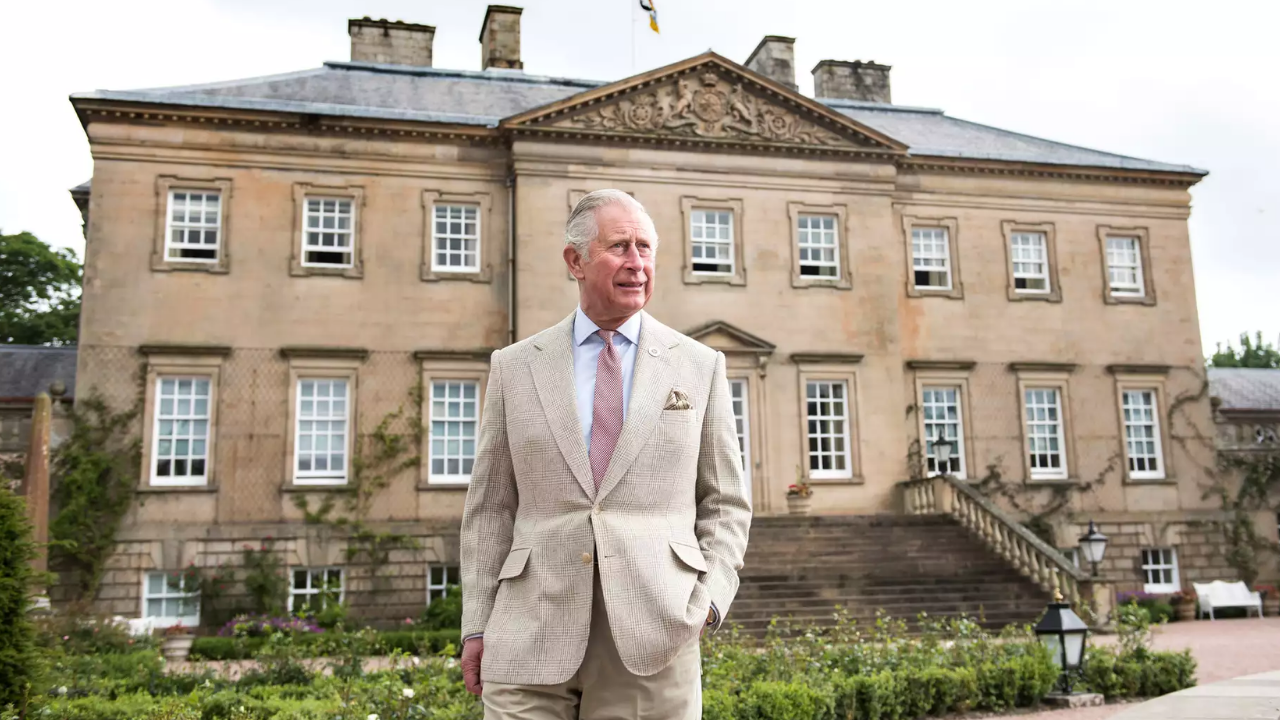
The final slide serves as a conclusion. Financial experts largely view the levy as symbolic rather than financially significant. David Little of Evelyn Partners called it notable because it includes “no carve outs or tax breaks for wealthy owners just because they are ‘royal’.” The first payments will fall due in April 2028, when King Charles will be 79 and six years into his reign. Before then, consultations will cover appeals and deferrals. Public pressure is unlikely to fade.
A YouGov poll after Queen Elizabeth II’s death found 63% of Britons believed inheritance tax should have applied to the £650 million transfer. Campaigners continue to question untaxed Duchy income and exempt estates. For now, Balmoral and Sandringham stand as visible examples of the monarchy sharing a levy aimed at the highest tier of property ownership.
Sources:
Budget 2025 speech. UK Government/HM Treasury, November 26, 2025
“Is it really unreasonable for them to expect market rate rents when they rent properties to government agents and departments? In my opinion it’s not,” interview. AFP, November 11, 2024
King Charles set for ‘mansion tax’ bill at his private homes. Hello Magazine, December 5, 2025
The royal family must be made to pay more tax. Tax Justice UK, date not provided