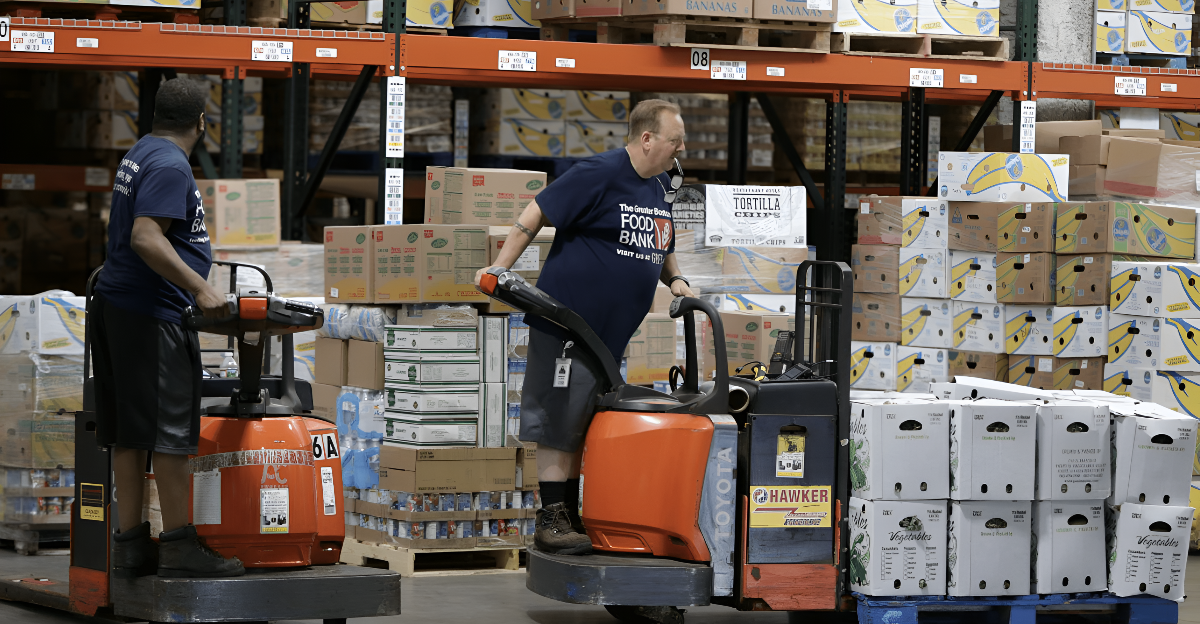
Across America, working families are under increasing pressure because their income is not keeping up with the cost of groceries, housing, and other necessities.
An economic analyst at Bankrate, Sarah Foster, captures the frustration: “Economists call the U.S. economy ‘resilient,’ but many Americans don’t agree.” Even after years focused on recovery from the pandemic, workers still lag, making about 1.2% less in absolute value compared to rising prices.
This means everything from childcare to gas is harder to afford, hitting teachers and factory workers especially hard as their paychecks lose value.
Unprecedented Gap
Since early 2021, prices for basics like food, rent, and fuel have increased 22.7%, while average wages only increased 21.5%. This may sound small, but families have less buying power than before the pandemic.
Mark Hamrick, Bankrate’s Senior Economic Analyst, says, “Until paychecks can close the gap against inflation—and it’s uncertain if they will—people will remain in this catch-up phase.”
According to Bureau of Labor Statistics data, the problem affects nearly every job sector nationwide, forcing many people to cut back or work overtime to survive.
Widespread Impact

New surveys show the crisis is everywhere: 73% of workers barely make enough to cover essentials like housing and food, and have nothing left for savings or emergencies.
The Hartford found 72% of employees feel stressed about money, and more than half live paycheck to paycheck—even when they work full-time. Martha Gimbel of Yale’s Budget Lab says, “A wage increase is something you earn.
Inflation is something that happens to you. It feels unfair to people that their hard-earned wage increase is getting eaten up by something that’s not their fault.” People feel trapped, despite putting in hard work every day.
Historical Context
For decades, most people saw their paychecks grow fast enough to keep up with living costs. Now, that’s changed dramatically. Sarah Foster at Bankrate explains, “Over half of Americans say the U.S. economy is on the wrong track … One likely reason for feeling so downbeat is wages still haven’t fully recovered from the shock of post-pandemic inflation.”
Data from the Federal Reserve show this is the longest stretch of pay falling behind prices since the 1970s. Experts say similar trends in the past led to significant changes in wage laws and union power.
Central Revelation
A new Bankrate study confirms that since 2021, prices rose 1.2% faster than wages, so workers are falling behind. Even when unemployment is low, people can’t buy as much as before.
As Sarah Foster notes, “Getting back to where you were is the goal, but many Americans would probably say that they want to be even further ahead than that.”
Today’s paycheck doesn’t go as far as yesterday’s, and families feel the squeeze everywhere, from big cities to rural towns.
Educational Devastation

Teachers and other education workers have been some of the hardest hit by this financial storm. Since the pandemic began, many have seen their pay lose nearly 10% of its buying power.
Some educators now work second jobs or leave teaching altogether, making it hard to keep schools fully staffed. Union leader Daniel Kebede said, “No teacher desires to strike, but we are ready if necessary.”
According to the National Education Association, teachers’ purchasing power is now 5% less than in 2014, and that drop makes the job even more difficult and less rewarding.
Regional Suffering

Workers in manufacturing and construction, especially in places like the Rust Belt, are also seeing their paychecks shrink compared to rising prices. These jobs used to offer stable, well-paying work, but wage increases haven’t kept up with inflation.
Obert Masaraure, a union leader in Zimbabwe, points out this is a global problem: “What we earn now can’t even cover our transport to work, let alone the cost of feeding our families.”
Similar struggles are showing up in the U.S., especially in states where industries are slow to adjust wages to match the higher cost of living.
Ripple Effects

Financial worries from low wages don’t just affect paychecks—they ripple through every part of life. Studies show 78% of employees are dealing with financial stress, which can lead to worse health, more debt, and less productivity at work.
Mark Hamrick explains, “We see the costs of this across the economy: people struggling to pay down debt while trying to save for retirement and emergencies.”
This constant stress can also affect families, relationships, and the country’s well-being.
Market Consequences

With less to spend, people buy only what they need and skip things like dining out, vacations, or new gadgets. Sarah Foster says, “It results in everybody just kind of being in stasis.”
This means people feel stuck, unable to move forward financially or enjoy extras. Over time, less spending on non-essentials slows down the whole economy because businesses across the country feel the pinch when Americans cut back.
Hidden Winners

A few job sectors have managed to see real pay increases. Healthcare and hospitality workers, in particular, often received wage hikes bigger than inflation, mainly because the pandemic created significant staff shortages in hospitals, hotels, and restaurants.
However, Sarah Foster warns that these pay gains in healthcare and hospitality are “fragile,” because they could be threatened by rising automation or new medical cost pressures.
Not all jobs in these sectors are secure, and future gains are not guaranteed.
Corporate Response
Big companies know many workers are struggling, so they’re starting to offer better benefits. This includes help with emergency bills, financial workshops, and new wellness programs.
Mark Hamrick says, “People will remain in this catch-up phase” until paychecks close the gap with inflation. While programs can help employees manage stress or emergencies, lasting solutions depend on raising real wages, not just extra perks or short-term fixes.
Union Mobilization
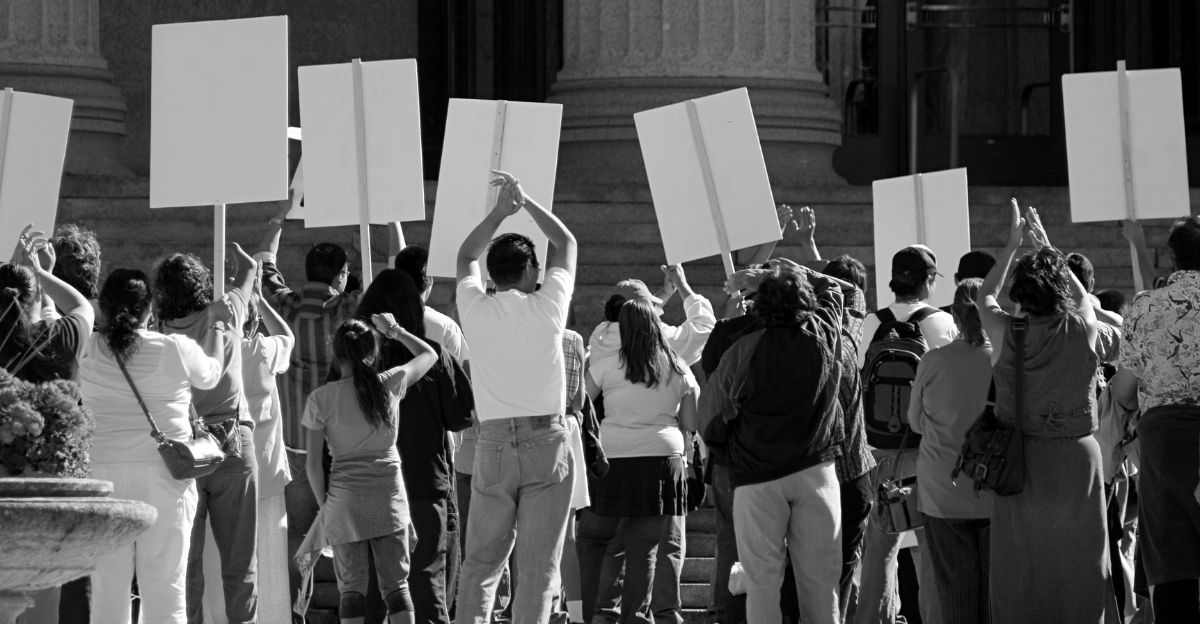
Low pay compared to living costs drives many workers to join unions or start organizing for better contracts. Martha Gimbel says, “We’ve spent several years going, ‘Where is the wage growth?’”
Teachers, nurses, and other professionals are rallying for pay that keeps pace with inflation, and union membership is rising.
This movement pushes companies and governments to discuss contracts that adjust pay based on inflation, aiming for a fairer deal in tough times.
Government Intervention

As problems grow, lawmakers are under pressure to intervene. Some states and countries have raised their minimum wage or passed extra relief programs to help workers keep up.
For example, South Africa recently raised its minimum wage to fight inflation’s effects. In the United States, national policies have stalled, so many families rely on what their own state government can do to help with basic needs.
Business Adaptation

Many businesses are trying new ways to keep employees and help them manage inflation. Some offer profit-sharing, regular wage reviews tied to inflation, or special bonuses.
Companies are also developing new wellness and mental health perks to attract and retain workers in a competitive job market.
These changes show that businesses are rethinking pay and support, not just to increase employee satisfaction but also to survive and succeed as costs rise.
Future Projections
Experts say the gap between what people make and what things cost could last until at least the end of 2026. Even if things improve, it will likely be slow, unless the job market gets tighter and inflation drops.
As Sarah Foster repeats, “Getting back to where you were is the goal,” but millions still feel behind. It will take continued economic growth, smarter policy, and higher wages to ease the squeeze for most families.
Policy Development
Congress is debating new laws to tie the minimum wage to inflation—so it rises automatically, like Social Security. Mark Hamrick warns, “In the meantime, we see the costs across the economy: struggling to pay down debt while trying to save.”
Some experts think linking pay to price increases is needed to avoid falling behind again, but others worry about how it will affect businesses and jobs.
The debate shows how many people search for fair, lasting fixes.
Industry Spillover

The problem isn’t limited to jobs like teaching or retail; tech, finance, and other better-paid fields are now facing trouble too.
Companies that were once able to easily keep talent are starting to struggle as real pay drops, and people look for higher-paying opportunities. “Who has the power in the labor market is often reflected in wage growth,” says Foster at Bankrate.
This shift is making employers rethink pay offers in nearly every industry.
Public Perception
People are venting their anger and worries about pay and prices online, in activist groups, and through new surveys. Social media is full of debates about whether companies or policies are to blame for wage problems.
Foster explains, “One likely reason for feeling so downbeat is wages still haven’t fully recovered.” Even as the economy grows on paper, many Americans feel they’re falling behind and want action.
Historical Precedent
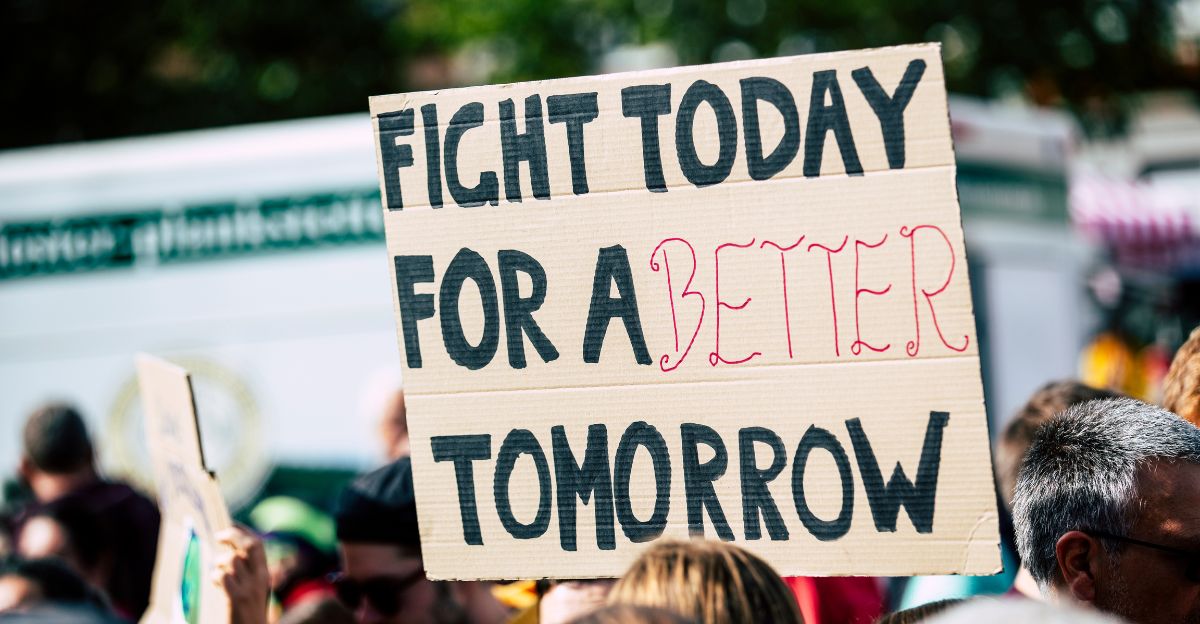
What’s happening now resembles the late 1970s, when prices rose faster than paychecks and workers organized, demanding better conditions. Teacher union leader Daniel Kebede says, “We are prepared to take industrial action” if pay doesn’t keep up.
However, experts caution that new solutions are needed in today’s globalized and high-tech world because the problems and people affected are different now.
The Main Result

Most people have less buying power than four years ago, which means tough monthly choices. As Mark Hamrick sums up, “People will remain in this catch-up phase … struggling to pay down debt while trying to save for retirement and emergencies.”
Until pay matches prices, Americans who work hard will keep fighting to cover the basics, regardless of how strong the economy seems in the headlines.