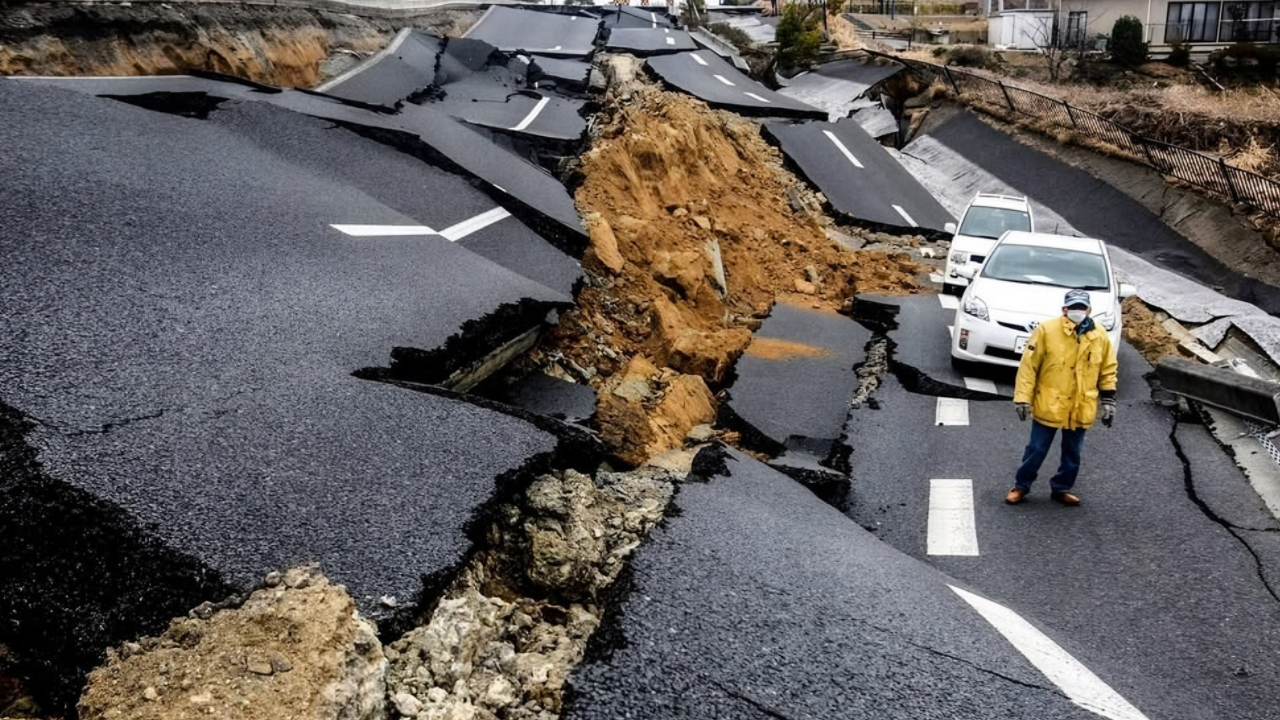
At 11:15 p.m. on Monday, December 8, a magnitude 7.5 earthquake ruptured the seafloor 80 kilometers off Aomori Prefecture, 54 kilometers beneath the surface. The tremor lasted only seconds, but for Daiki Shimohata and his two children in their Aomori home, those seconds felt eternal. “The tremor was something we’ve never experienced,” he said. “It reminded me of 2011.” For 90,000 residents across three prefectures, that comparison carried weight far beyond nostalgia—it was trauma resurfacing, a reminder that Japan’s deepest fear remains unresolved.
The Violent Awakening
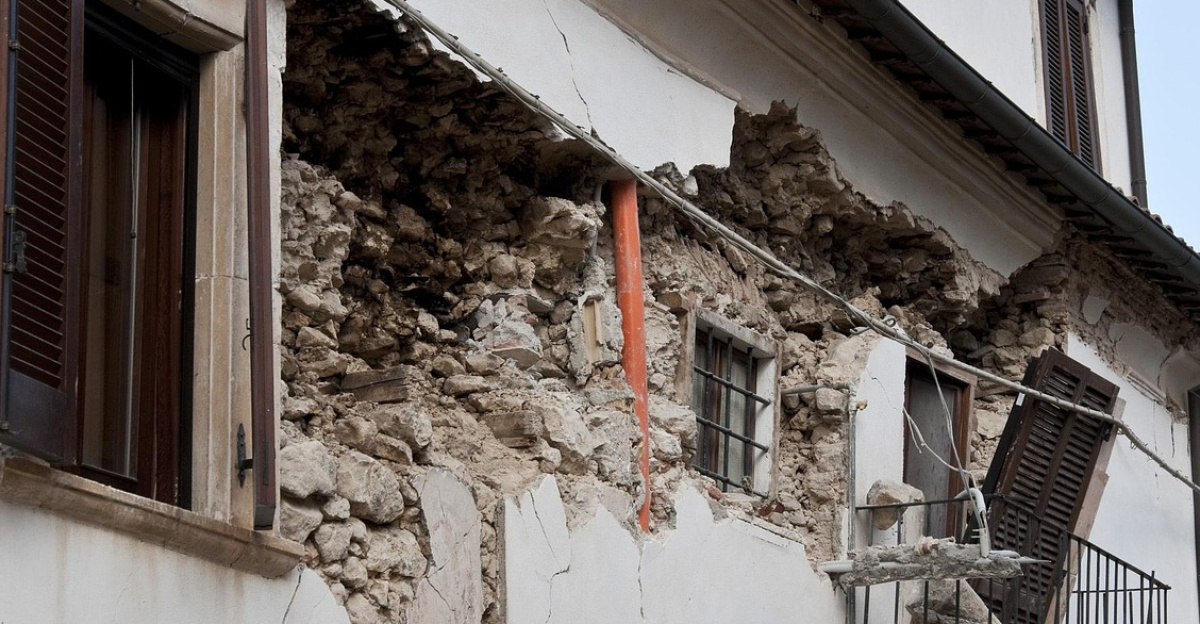
The Japan Meteorological Agency initially reported the magnitude as 7.6 before revising downward. Upper-6 intensity shaking meant residents couldn’t stand or move without crawling. Those asleep jolted awake to violent convulsions. Those already conscious faced primal uncertainty: would their buildings hold?
Within moments, tsunami warnings blared across Hokkaido, Aomori, and Iwate prefectures. The Japan Meteorological Agency warned of waves potentially reaching three meters—enough to flood cities and destroy everything in their path. People had minutes to reach high ground or face drowning. In Japan, a tsunami warning isn’t weather forecasting; it’s reckoning. Sirens wailed. Residents didn’t debate. They ran.
Mass Evacuation and Sheltering
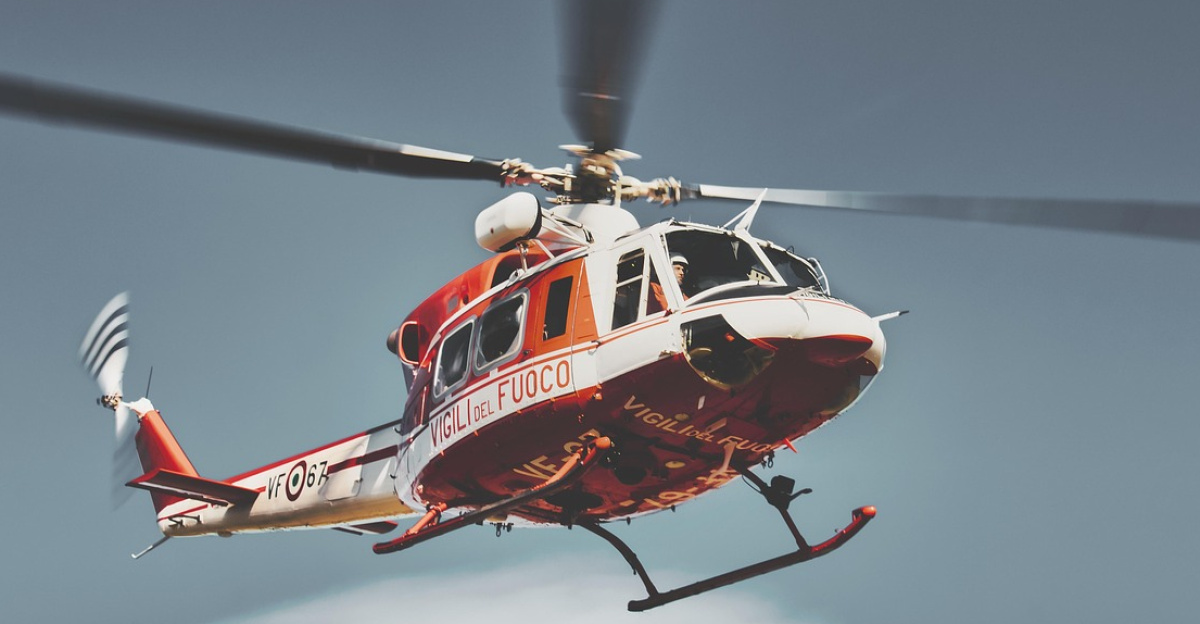
Approximately 90,000 residents evacuated across three prefectures in the first hours. Some grabbed children. Others abandoned homes entirely. Many had no clear sense of when they’d return. Around 480 evacuees converged on Hachinohe Air Base, where helicopters waited and military personnel offered protection. Others crowded into school gymnasiums and community centers.
The Pacific Tsunami Warning Center issued alerts for coasts up to 1,000 kilometers away, warning of potentially hazardous waves that could reach Russia and beyond. The Shinkansen bullet train service was suspended between Fukushima and Aomori. Local rail lines halted. About 200 passengers stranded overnight at New Chitose Airport had no idea if their homes were still standing. The infrastructure that normally moves millions became a bottleneck when seconds mattered most.
Relief and Renewed Caution
By early Tuesday morning, tsunami waves hit Japan’s northeastern coast measuring approximately 70 centimeters—a fraction of the three-meter nightmare authorities had warned about. Relief washed over residents: evacuation had worked. Protocols had held. The Japan Meteorological Agency downgraded the warning to advisory, then lifted it entirely.
Yet authorities issued an unsettling follow-up: a megaquake advisory for at least one week, signaling a stronger earthquake could occur within days. This wasn’t speculation. After a major quake, the probability of additional large earthquakes in the affected region increases temporarily. A representative from the Japan Meteorological Agency stated: “There is a possibility that further powerful and stronger earthquakes could occur over the next several days.”
Damage Assessment and Government Response
At least 30 people were injured across the region, with one sustaining serious injuries. Most injuries came from falling objects—furniture tumbling from shelves, fixtures coming loose. A fire broke out in at least one residential area. Approximately 2,700 homes in Aomori Prefecture lost power in the frigid December night, leaving families without heat or light. Remarkably small for a magnitude 7.5 earthquake—testament to Japan’s building codes—yet for families affected, it was devastating.
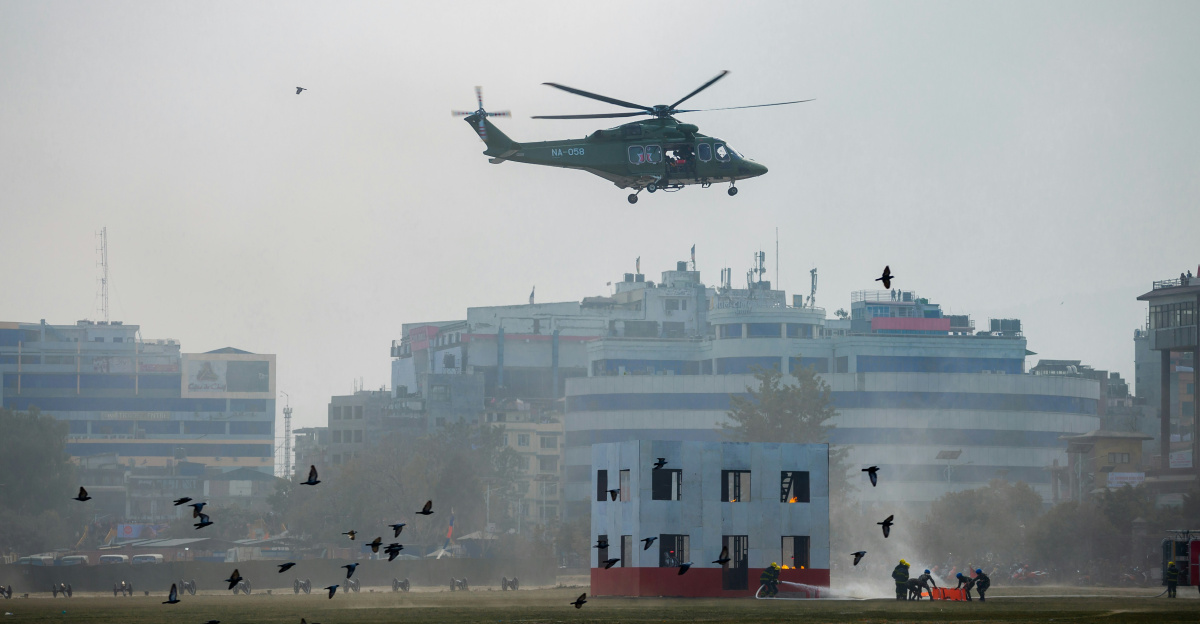
Prime Minister Sanae Takaichi convened an emergency response team at the Prime Minister’s Office Crisis Management Center within minutes. She emphasized: “With the priority of preserving human life, the government will unite in its efforts to fully commit to emergency disaster response initiatives.” Defense Minister Shinjiro Koizumi deployed 18 defense helicopters for damage assessment and rescue operations as dawn broke Tuesday. Chief Cabinet Secretary Minoru Kihara reported: “There were no irregularities reported at Higashidori, Onagawa, or the disabled Fukushima nuclear power plants.” However, the Rokkasho reprocessing plant reported a minor radioactive water spillage, which was quickly contained.
The Unhealed Wound of 2011
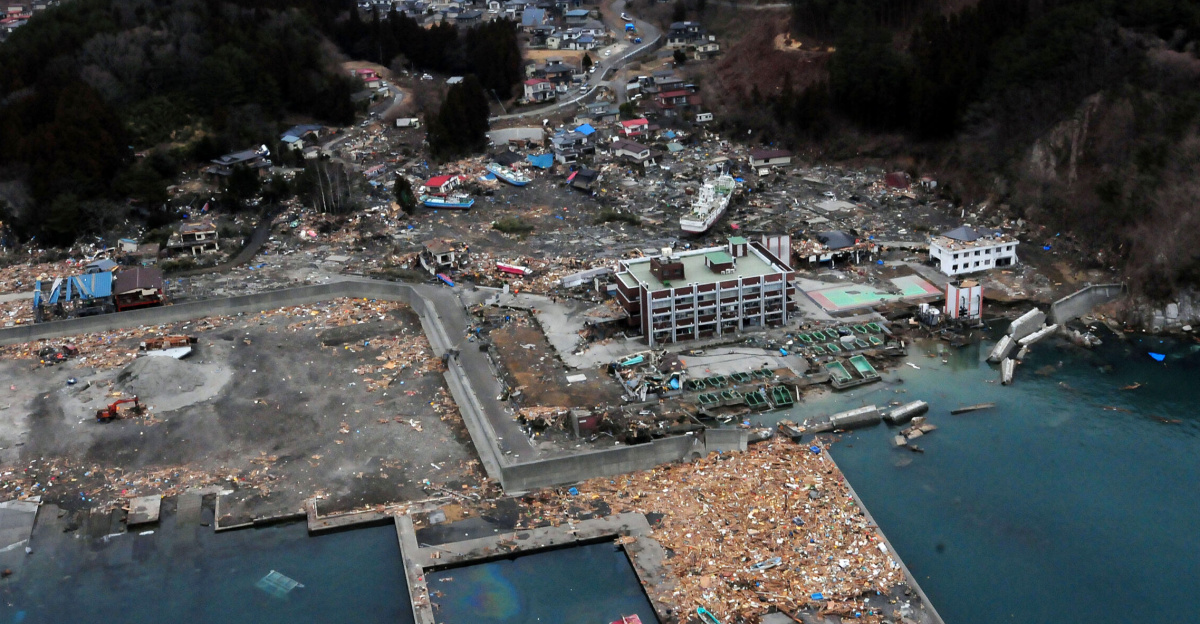
Daiki Shimohata’s instinct to compare Monday’s earthquake to 2011 wasn’t unique—it was universal across the region. On March 11, 2011, a magnitude 9.0 earthquake triggered a tsunami killing more than 18,000 people, wiping entire towns off the map. The tsunami crippled Fukushima Daiichi, causing explosions and meltdowns, contaminating large areas and displacing hundreds of thousands. For regional residents, that disaster isn’t history; it’s a wound unhealed.
The broader context amplifies this anxiety. The Nankai Trough, a deep ocean trench running along Japan’s Pacific coast, poses an existential threat. According to Japan’s Earthquake Research Committee, the probability of a magnitude 8 to 9 earthquake along the trough within 30 years stands at 60 to 90 percent or higher. The last confirmed megaquake occurred in 1946 at magnitude 8.0. With each passing year, the probability of being overdue increases.
Japanese government estimates for a worst-case Nankai megaquake paint a grim picture: a magnitude 9 could kill approximately 298,000 people and inflict economic losses of roughly $2 trillion USD. Tsunamis 30 meters high could stretch across Japan’s Pacific coastline from Hokkaido to Chiba and beyond. Monday’s earthquake wasn’t that event. But it reminded the nation that such an event remains inevitable, testing both infrastructure and collective resolve in the week of vigilant waiting ahead.
Sources
Japan Meteorological Agency, news reports via Reuters, CNN, Strait Times, Sky News, Al Jazeera, France24, Channel NewsAsia, Japan Times, Independent UK (December 8-9, 2025)
Prime Minister Sanae Takaichi official statements, Defense Minister Shinjiro Koizumi announcements, Chief Cabinet Secretary Minoru Kihara briefings
National Police Agency / NCBI research on 2011 Great East Japan Earthquake and Tsunami mortality data