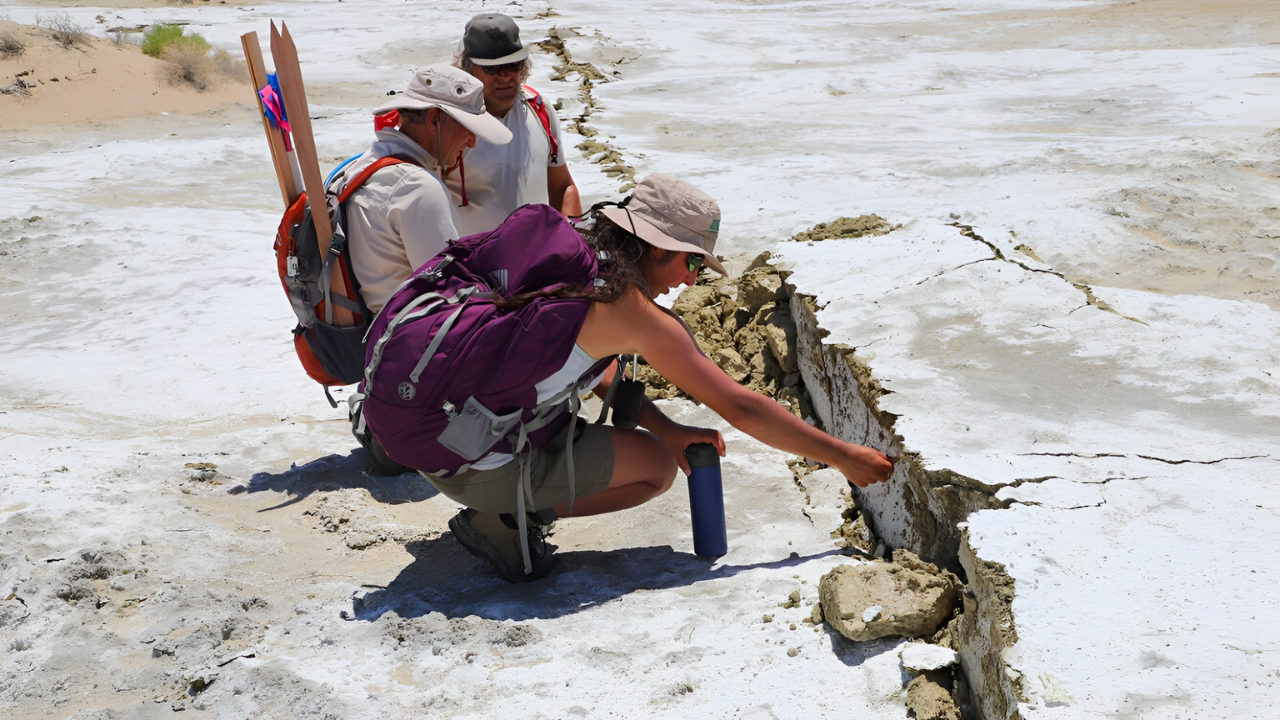
A powerful earthquake struck the rugged highlands of Papua New Guinea on December 22, 2025. The tremor measured 6.5 in magnitude and centered 26 miles northeast of Goroka. It originated 68 miles underground, sending shakes through Eastern Highlands Province and nearby areas. Despite its strength, the deep quake caused no widespread damage.
People in the region felt the ground move, but the event’s depth kept destruction to a minimum. This spared homes on steep slopes and prevented landslides. No deaths or collapsed buildings were reported, a relief in such a remote and hilly area.
Rising Shakes Along the Pacific Ring
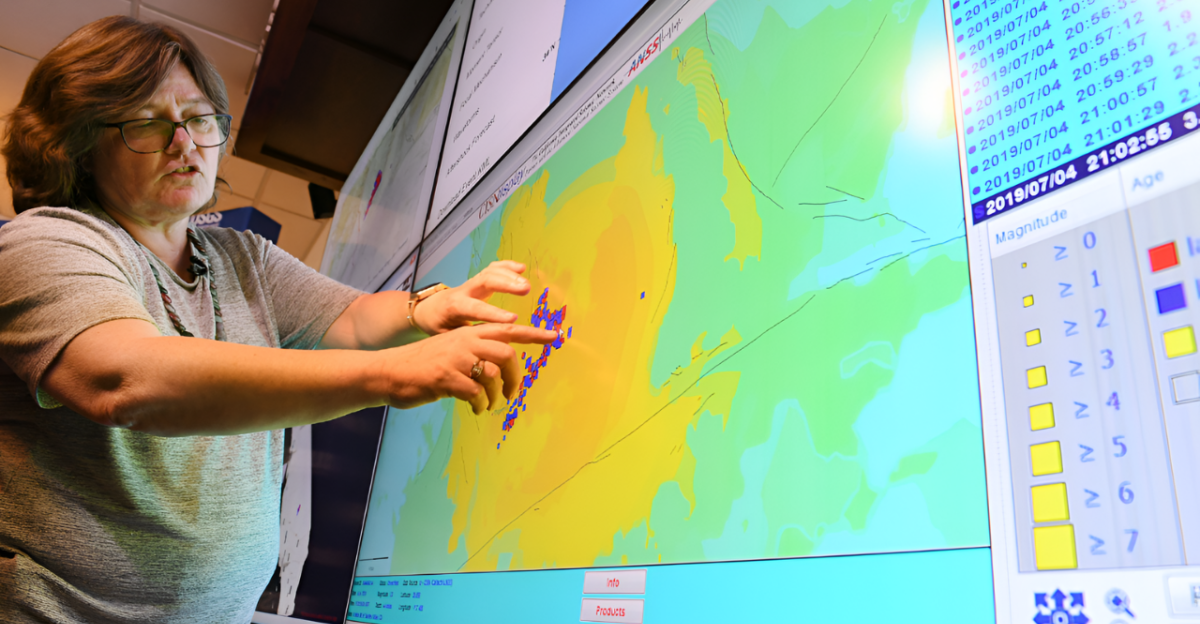
This quake came during a busy year for earthquakes around the Pacific. In 2025, scientists noted groups of strong tremors above magnitude 6. These included a huge 8.8 quake off Kamchatka in July and others across Asia and Oceania. Papua New Guinea sits right in the middle of the Ring of Fire, a 40,000-kilometer zone that sparks 90% of the world’s big earthquakes.
The Ring of Fire forms where Earth’s plates push and grind against each other. Subduction zones, volcanoes, and collisions create non-stop movement here. This latest event fits into that pattern of rising activity, reminding experts of the area’s constant risks.
How Shifting Plates Caused the Shake
Under Papua New Guinea, the Pacific Plate dives south beneath the Australian Plate. This happens at a few centimeters per year, building up stress deep in the Earth. The December 22 quake hit at 10:31 a.m. UTC, releasing that built-up energy far below the surface.
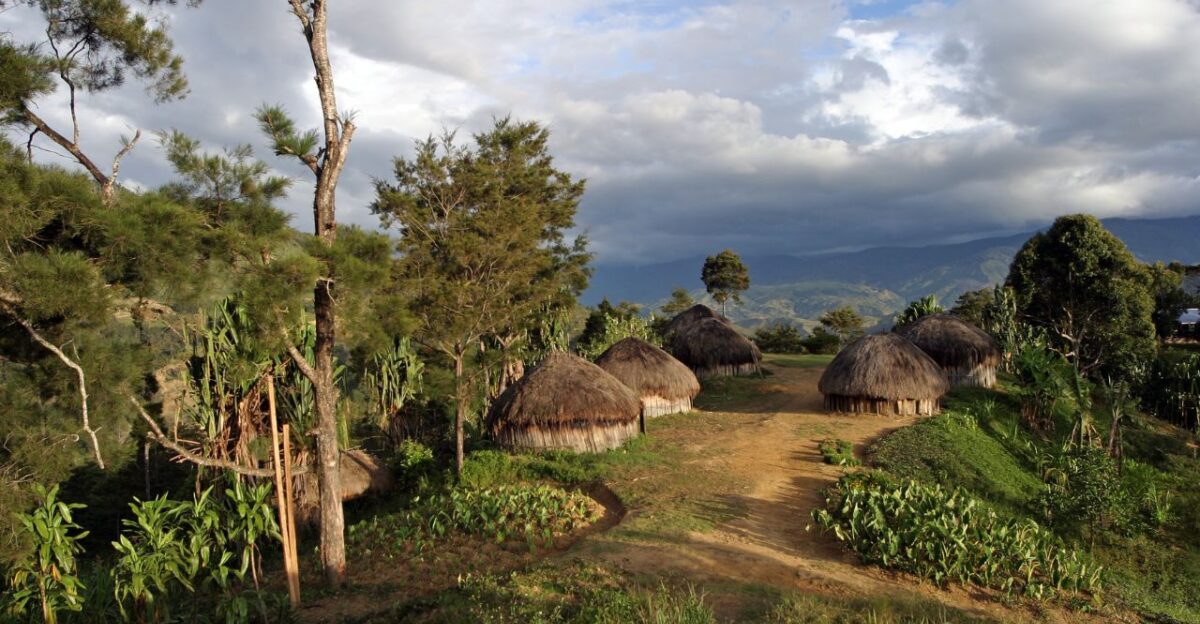
Its starting point, or hypocenter, sat 68 miles down, deeper than some early reports suggested. This depth let seismic waves spread efficiently through solid rock. The shakes reached across mountains without the intense surface jolts that shallower quakes bring. In Eastern Highlands Province, home to more than 600,000 people, and Madang Province, folks felt light to moderate shaking.
Residents in Goroka and nearby towns rushed outside to check their homes. The jolt was sudden but passed without major harm, thanks to how the energy dissipated.
Alerts, Responses, and Lessons Learned
Agencies responded quickly but calmly. The U.S. Geological Survey gave it a green PAGER alert, meaning low risk of deaths or big economic hits. This reflected the area’s thin population, weak infrastructure, and the quake’s depth. The Global Disaster Alert and Coordination System agreed, predicting little human suffering.
Papua New Guinea officials worked with global groups to watch for aftershocks. They focused on gathering data rather than full emergencies. Local leaders pushed safety drills and tips in far-off villages, where roads are poor and people live spread out.
The depth proved key, some estimates put it near 110 kilometers. Deep quakes like this release power away from the surface, cutting damage and fewer follow-up shakes. Still, scientists watch for how stress shifts in nearby faults. This event shed light on subduction under New Guinea, where shallow locked zones mix with deeper releases.
Challenges remain in these remote highlands. Repeated quakes test readiness amid bad roads and scattered communities. No visible damage appeared, but it raised questions about preparation. The government, with help from the USGS and others, works to improve seismic tools for better tracking of depths and plate shifts.
Watching the Ring of Fire Ahead
As Pacific shakes continue into late 2025, this quake highlights Papua New Guinea’s ongoing dangers. No tsunami formed, and nature took no big hit, but the message is clear: more investment in monitoring is essential. National plans, backed by development banks, build tougher infrastructure and better teamwork.
Neighbors like Australia keep a close eye, sharing borders and risks. The Ring of Fire’s endless power demands steady vigilance. Events like this push for stronger networks to predict and handle what’s next.
Sources:
“M 6.5 – 42 km NNE of Goroka, Papua New Guinea.” United States Geological Survey (USGS), 22 Dec 2025.
“M 6.5 in Papua New Guinea on 22 Dec 2025 10:31 UTC.” Global Disaster Alert and Coordination System (GDACS), 22 Dec 2025.
“Ring of Fire.” Encyclopædia Britannica, 8 Dec 2025.
“2025 Kamchatka earthquake.” Wikipedia, 30 Jul 2025.