
On Christmas Eve, while most Americans gathered with family, the Department of Health and Human Services quietly declared a public health emergency for Washington state. It was Secretary Robert F. Kennedy Jr.’s first major crisis as head of the agency—and it had nothing to do with the vaccine debates that defined his rise to prominence.
Instead, he was mobilizing federal resources to help an entire state recover from nature’s assault. Back-to-back atmospheric river storms had battered the Pacific Northwest since early December, leaving hospitals overwhelmed and thousands of residents in the dark, literally and figuratively.
Back-To-Back Atmospheric Rivers
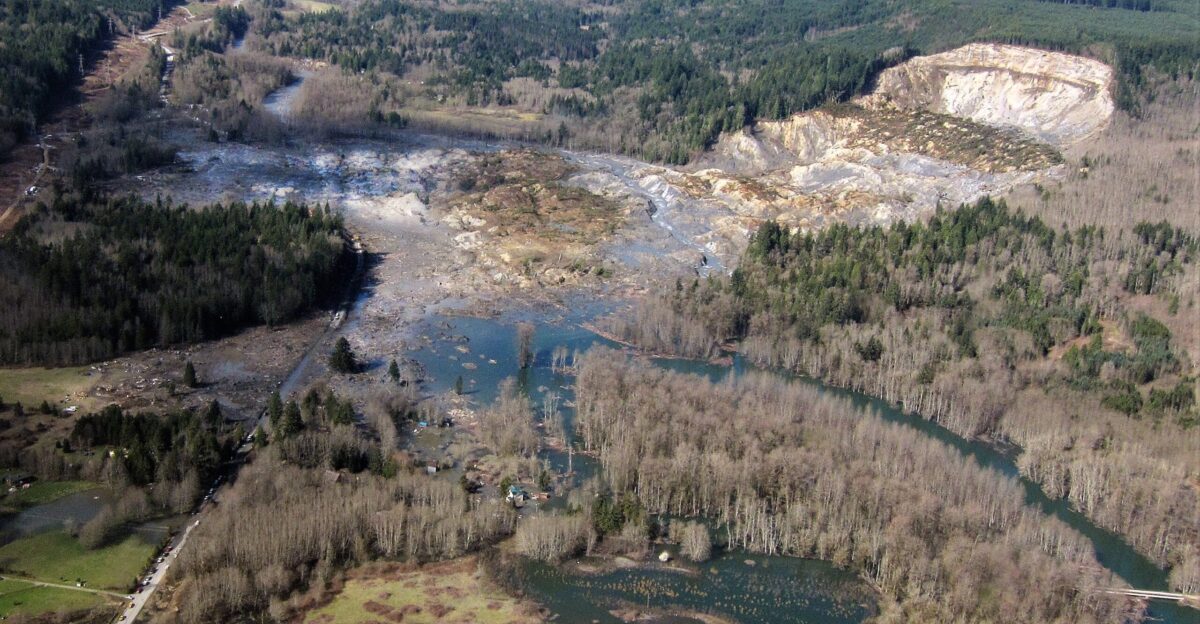
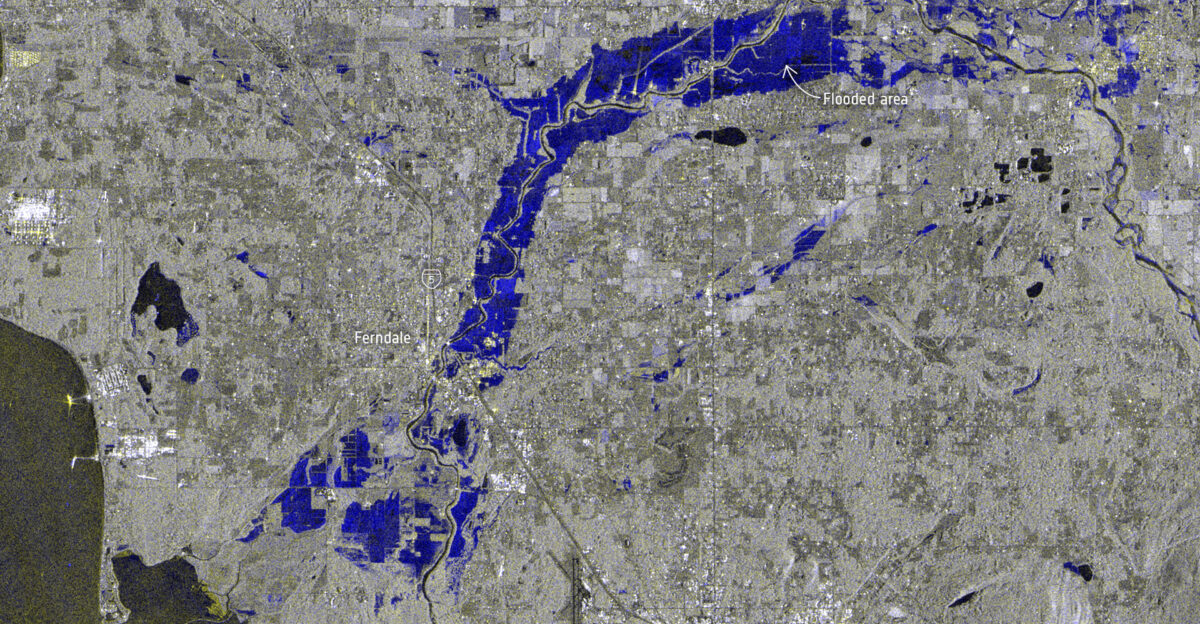
The storms came relentlessly, one after another, in a pattern rarely seen in the Pacific Northwest. Straight-line winds tore through neighborhoods. Flooding displaced families from their homes. Landslides and mudslides buried roads and cut off entire communities.
By mid-December, western Washington resembled a war zone, with power lines down and water rising. The cumulative damage was so severe that on December 12, President Trump approved a Presidential Emergency Declaration, recognizing that this was no ordinary winter weather event.
Christmas Eve Declaration

The timing—Christmas Eve—highlighted the urgency. While families opened presents, federal machinery began grinding into motion. However, Kennedy’s declaration carried a crucial detail: it was retroactive to December 9, covering the entire two-week period when hospitals had been struggling on their own.
This meant that care providers who’d already burned through reserves and staff without federal support could now access emergency waivers and reimbursement.
Trump And Kennedy
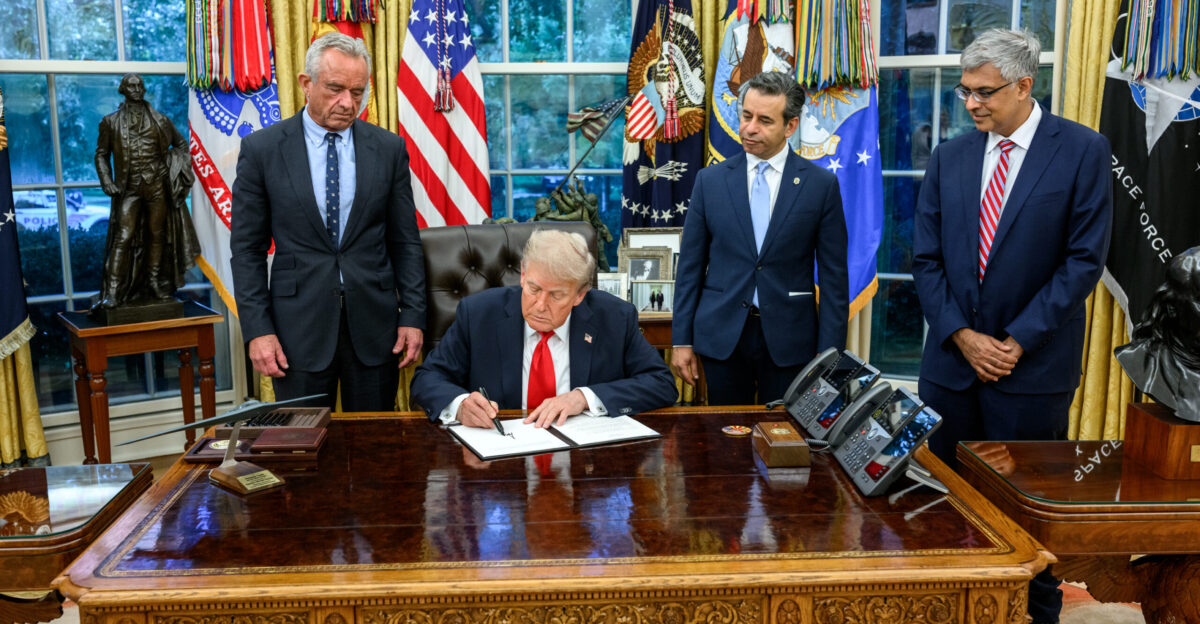
The alignment between President Trump and Secretary Kennedy signaled serious intent. The Administration for Strategic Preparedness and Response (ASPR) began deploying teams immediately. FEMA resources were mobilized in parallel. Coordination happens faster when the White House and HHS move together, and in Washington, every hour counted.
Hospitals needed to know federal support was coming, not arriving as an afterthought in January. The message was clear: we’re here now, and we’re staying until this is fixed.
Patients Stranded Without Power

In the darkness and chaos, a specific group of Washingtonians faced life-or-death stakes. Elderly dialysis patients in nursing homes watched as their machines went silent when power failed. Homebound seniors dependent on oxygen concentrators struggled to breathe. Children with electric wheelchairs were trapped upstairs in flooded homes.
These weren’t abstract statistics—they were families wondering if today was the day their backup power would run out.
High-Tech ’emPOWER’ Data

HHS possesses a tool that most Americans have never heard of: emPOWER, a database that maps the exact locations of electricity-dependent Medicare beneficiaries. When the storms hit, this data became a lifeline. First responders could pinpoint neighborhoods where seniors needed immediate attention.
Wellness checks could be targeted efficiently. Power restoration crews could prioritize blocks housing vulnerable patients.
Medicare Red Tape Cut To Handle Patient Surges
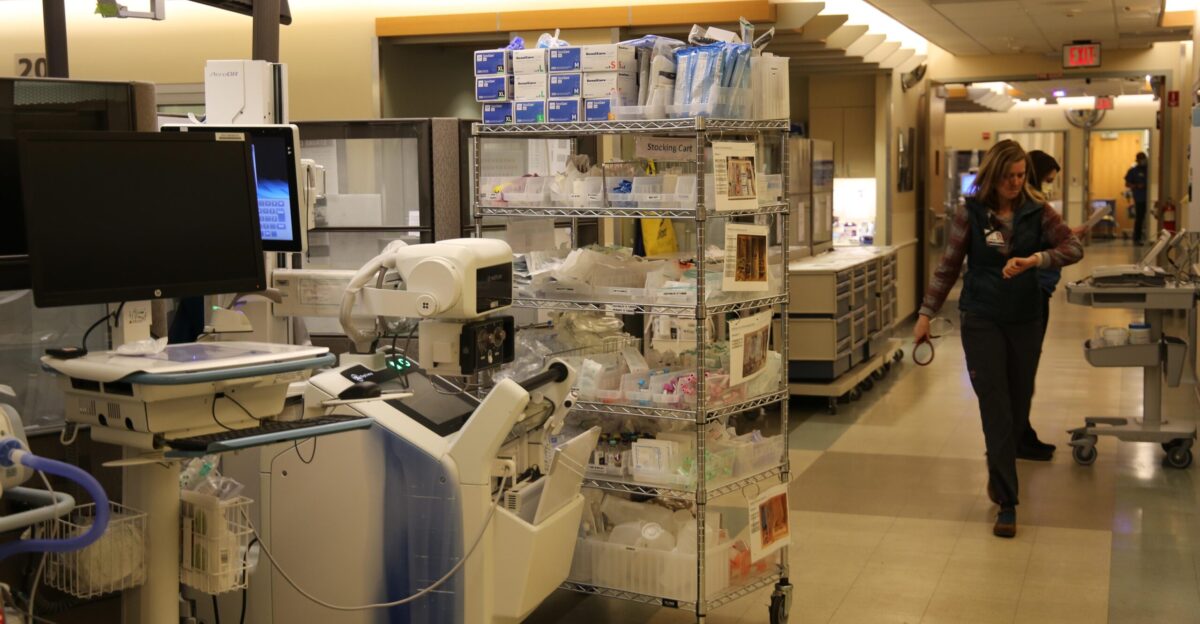
Hospitals drowning in patients typically face federal rules about bed capacity, length of stay, and billing procedures. Those rules exist for good reason in normal times. During a disaster, they become obstacles to saving lives. The public health emergency triggered “1135 waivers” that suspended these restrictions.
Critical Access Hospitals could suddenly exceed their normal bed limits. Doctors could keep patients longer without triggering billing complications.
HIPAA Privacy Rules Suspended

Normally, HIPAA privacy rules prevent hospitals from sharing patient information without explicit consent, and obtaining such consent is impossible when the patient is unconscious or unreachable. The emergency declaration waived these restrictions in affected areas.
Hospitals could now call families directly, reuniting people torn apart by the floods. Privacy rules serve crucial purposes, but they can’t be the reason a family stays broken.
Crisis Helpline Activated For Trauma
The physical damage will heal. Power will be restored. Homes will be rebuilt. But the psychological wounds of watching your house flood, losing irreplaceable photos, being separated from family, or losing a loved one—those wounds take longer to process.
SAMHSA activated the Disaster Distress Helpline at 1-800-985-5990, available 24/7 with counselors trained in trauma response. The service operates in over 100 languages because Washington’s communities are diverse.
RFK Jr.’s First Crisis Is A Natural Disaster

Robert F. Kennedy Jr. entered office as a lightning rod for controversy. For decades, he’d questioned vaccine safety and criticized pharmaceutical companies. Environmental advocates praised his fight against pollution. Critics worried he would use HHS to advance an anti-establishment agenda.
Then came December 9, and none of that mattered. A state was in crisis. People needed help. Kennedy’s first major act as Secretary wasn’t a policy reversal or a cultural battle—it was an old-fashioned emergency response.
Medical Services For Flooded Communities
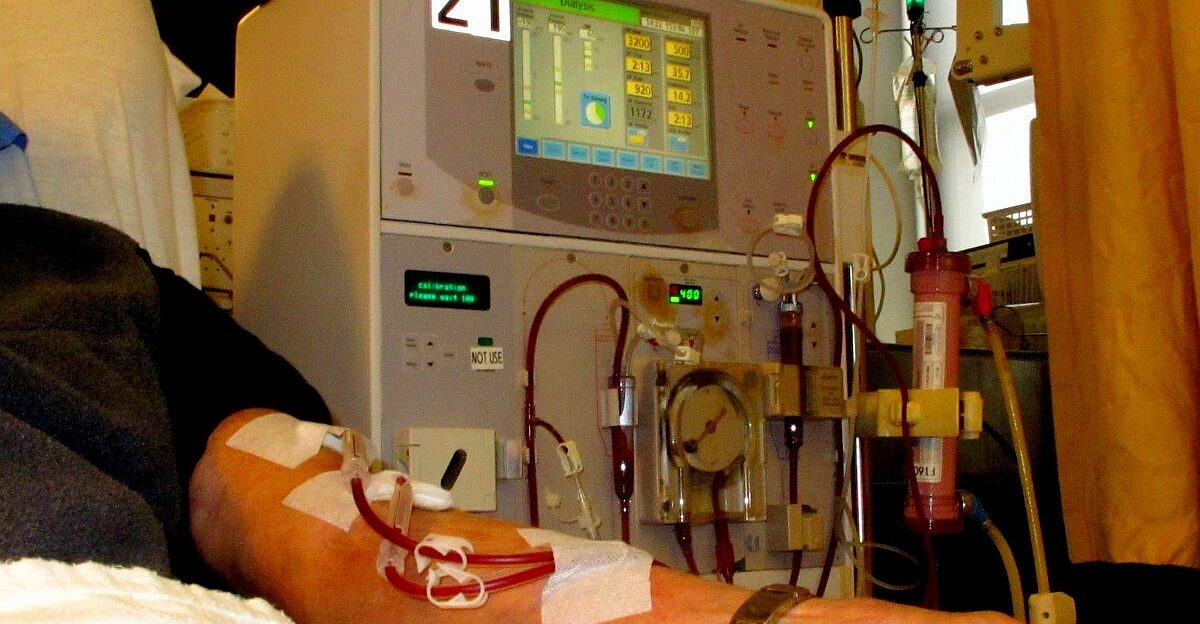
Imagine a dialysis center with three feet of water in the basement. The machines are destroyed. The staff can’t get to work because the roads are blocked. Patients with critical kidney disease need treatment they can’t get. Normally, Medicare requires dialysis to happen in certified centers, which creates a bureaucratic trap during disasters.
The emergency declaration solved this by allowing providers to bill for dialysis administered in temporary locations—schools, shelters, mobile clinics, even outdoor sites if necessary.
HHS Stands Ready

On December 24, John Knox from ASPR made a simple statement to reporters: “HHS stands ready to assist state and local response efforts in the state of Washington due to the potential health care impacts from severe storms.” It wasn’t flowery language. It was a commitment.
Behind those words were federal teams already moving into position, emPOWER data already being analyzed, waivers already being processed.
Penalties During Storm Chaos

Hospital administrators face a constant tension between saving lives and following rules. During normal times, they navigate this carefully. During a disaster, people are dying because the power is out and the backup generator has failed.
A nurse works a 20-hour shift without proper breaks because staffing is impossible. A patient is transferred to an unusual location because the central facility is flooded. In normal times, these violations trigger investigations and penalties. The CMS flexibilities ensured that hospitals wouldn’t be punished for doing what the disaster demanded.
Coverage Protects Patients

The retroactive window reveals a crucial aspect of how federal disaster response actually works. Hospitals didn’t wait for official declarations to start helping people. They began mobilizing their resources the moment the first storm hit on December 9.
For two weeks, they operated in a gray zone—providing emergency care without knowing if they’d be paid, if they’d face penalties, if federal support was coming. The retroactive declaration told them: yes, that care counts.
90-Day Emergency Window

This declaration isn’t temporary theater. It locks in 90 days of federal support, renewable if conditions warrant. For Washington hospitals, nursing homes, and clinics, it means continuity of care. Resources won’t suddenly vanish in January. Waivers remain in place as long as needed.
It’s a stable platform for recovery in a region that natural disasters have destabilized. By the time the 90 days end, Western Washington will know whether it needs another extension or whether local systems can resume normal operations. Either way, the federal government has committed to staying engaged until the job is actually done.
Sources:
HHS Declares Public Health Emergency for the State of Washington Following Severe Weather” — U.S. Department of Health and Human Services (HHS)
“DETERMINATION THAT A PUBLIC HEALTH EMERGENCY EXISTS” — U.S. Department of Health and Human Services (HHS), Federal Register / ASPR PHE Notice
“Washington Atmospheric Rivers 2025” — NASA Applied Sciences
“Disaster Distress Helpline for Immediate Crisis Counseling” — SAMHSA
“Public Health Emergency declared by federal government” — King County Emergency Management