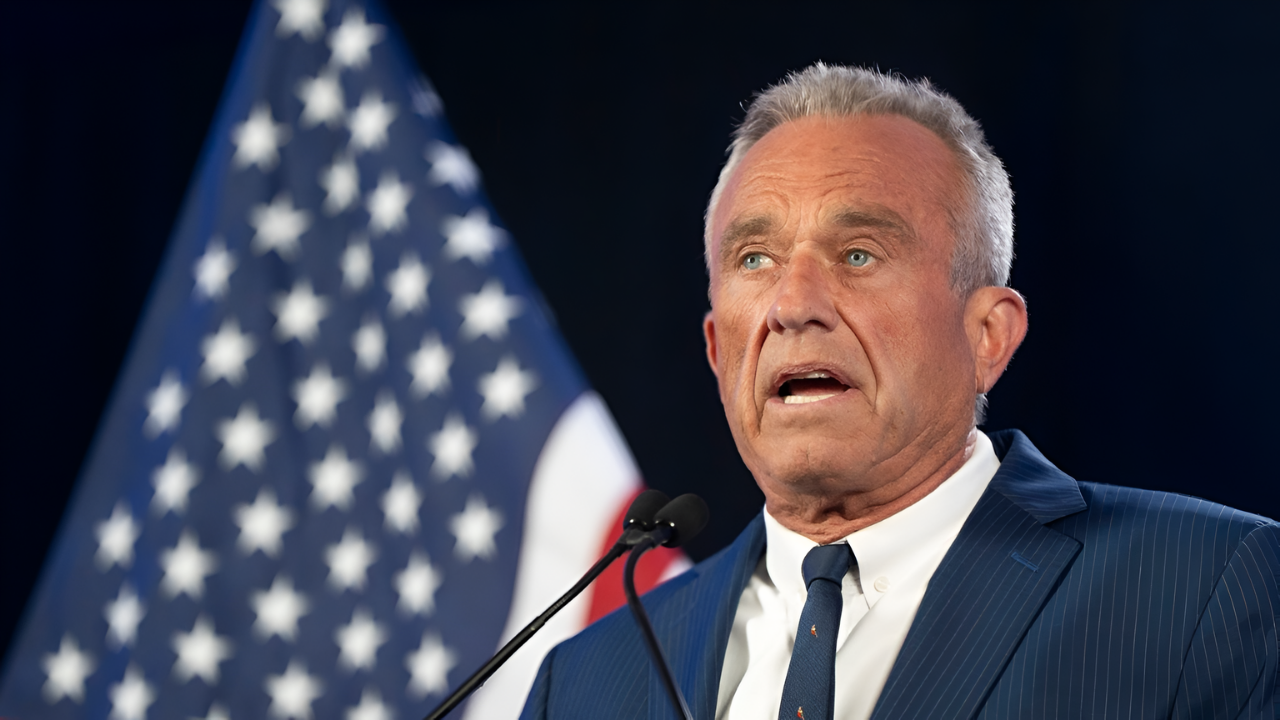
A November 2025 interview between Tucker Carlson and activist Dane Wigington, combined with earlier endorsements by Robert F. Kennedy Jr., has reignited a national debate over so-called “chemtrails”—the claim that the U.S. military is secretly spraying nanoparticles into the atmosphere. Wigington’s allegations and Kennedy’s call for an investigation have fueled public anxiety, prompted legislative action, and drawn widespread attention, even as the scientific community maintains there is no evidence supporting such a program.
Origins of the Controversy
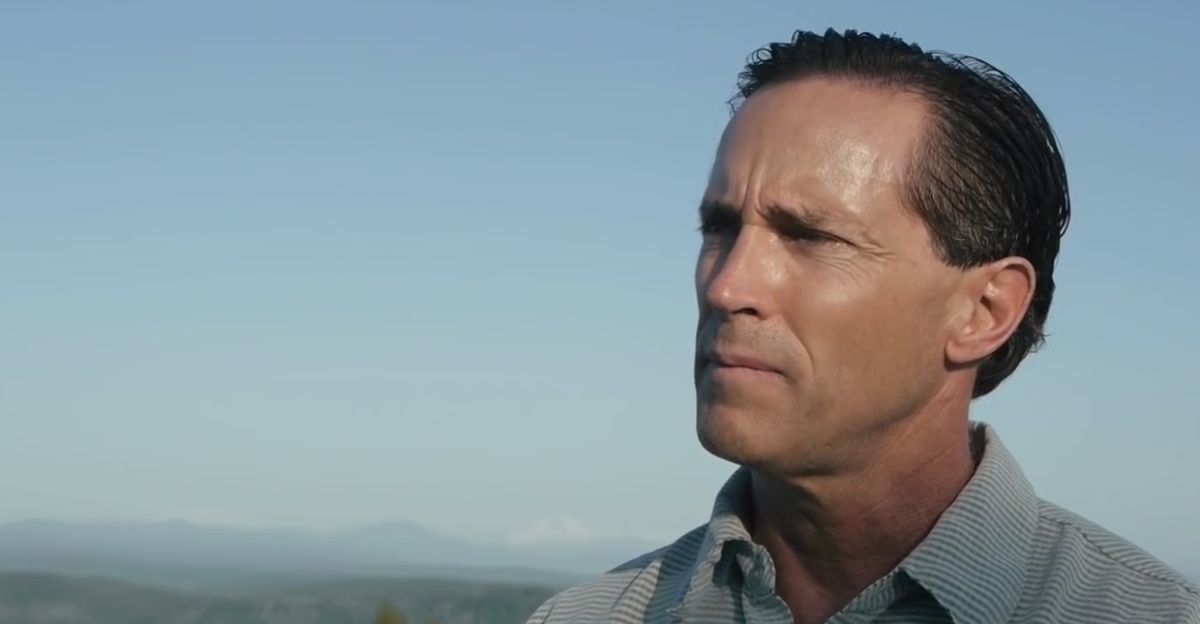
The latest surge in concern stems from Dane Wigington, a prominent activist who has researched atmospheric spraying for decades, who alleged that the U.S. military has conducted covert operations since the 1990s, releasing tens of millions of tons of nanoparticles each year. Kennedy’s endorsement of these claims brought renewed attention to historical weather modification efforts, including references to a 1978 Senate report. As these allegations resurfaced, they tapped into broader fears about environmental safety and government transparency, drawing sharp lines between activist assertions and the prevailing scientific consensus.
Public Response and Scientific Assessment
Wigington’s claims, including reports of elevated aluminum, barium, and strontium in rainwater near Mount Shasta, have led to heightened concern among local residents. Many have called for independent testing and greater openness from authorities. However, state and federal agencies consistently report that environmental data shows aluminum levels in the region are within the natural range, attributed to the area’s geology. This contrast between public perception and official findings has deepened mistrust among some residents.
Water filtration companies, air purification brands, and environmental testing firms report growth in consumer interest in air and water quality testing. These businesses emphasize their adherence to certified testing standards. Meanwhile, mainstream atmospheric scientists continue to report no evidence of large-scale spraying or harmful nanoparticle dispersal.
Economic Ripple Effects and Industry Shifts

The broader water filtration and bottled water markets continue to experience growth, driven by consumer interest in water quality and purity. Organic and eco-focused brands increasingly highlight purity, certification, and traceability in their marketing. The hospitality sector has also increasingly emphasized the use of filtered water and transparent sourcing, with some installing visible purification systems as part of their sustainability initiatives. These trends reflect ongoing consumer preference for verified quality across multiple sectors.
Political and Legislative Developments

The controversy has prompted legislative action in several states. Tennessee passed a geoengineering ban in April 2024, Florida signed legislation banning geoengineering in June 2025, and Wyoming has advanced bills banning atmospheric aerosol injection or geoengineering without public consent. Supporters argue that such measures are necessary for transparency, citing concerns amplified by Wigington’s allegations and Kennedy’s public stance. Critics, however, contend that these laws regulate a phenomenon not supported by scientific evidence or documented government programs.
Internationally, geoengineering has become part of broader environmental discussions. Some international forums on geoengineering include questions related to U.S. atmospheric research. While major scientific institutions worldwide report no evidence of covert spraying, the political implications have added tension to climate-policy negotiations and calls for standardized oversight.
Looking Ahead: Transparency and Trust
The chemtrails debate has intensified calls for clearer oversight of atmospheric science and geoengineering proposals, such as recent experiments involving stratospheric particles. Policymakers and researchers now face mounting pressure to improve transparency and communication, ensuring that legitimate research is distinguished from unverified allegations.
As public concern continues to influence policy discussions, the divide between activist claims and scientific consensus remains stark. The controversy underscores how environmental fears—regardless of their basis in fact—can reshape national dialogue, regulatory priorities, and public expectations for transparency in science and government.