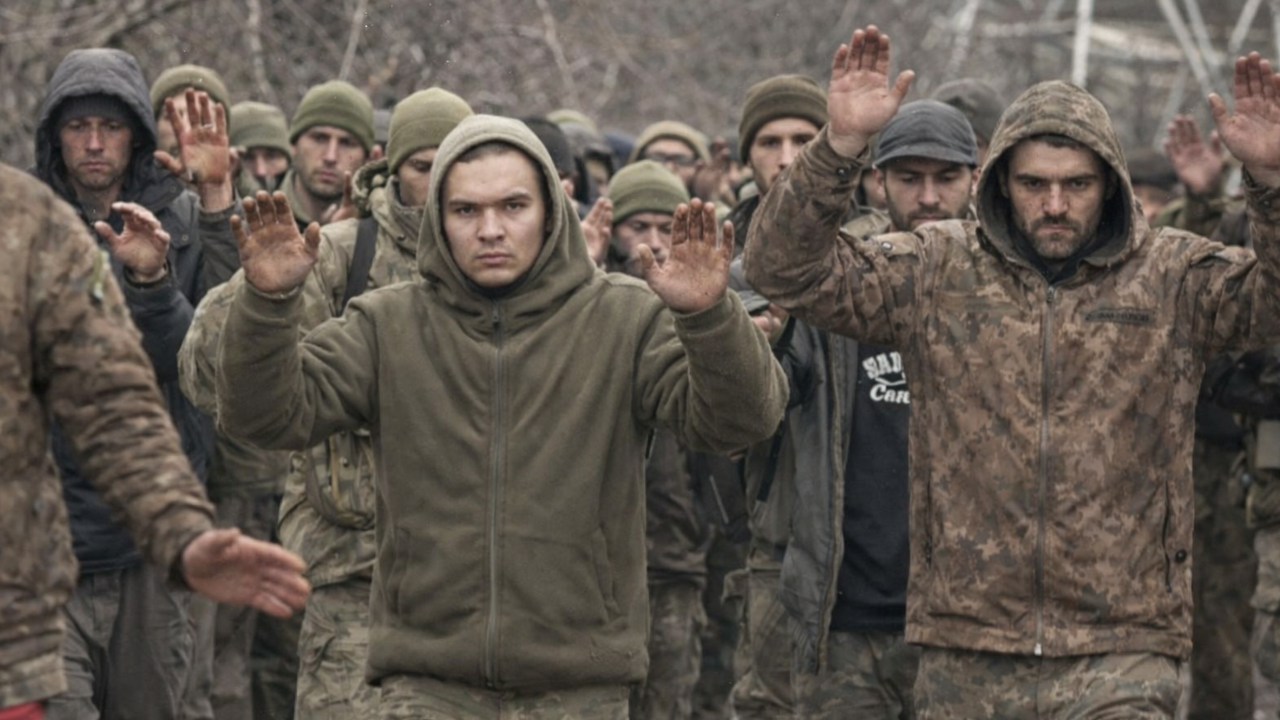
Returning Russian prisoners of war are increasingly treated as criminals rather than veterans. Roman Ivanishin, captured on the Donetsk front and returned to Russia via a Belarus-mediated exchange in 2024, was sentenced to 15 years in a high-security penal colony.
His conviction illustrates Moscow’s toughest approach to returning POWs since World War II, prioritizing domestic criminal law over international humanitarian norms. For many families, repatriation now inspires fear rather than relief.
2022 Law Fuels a Stalin-Era Revival
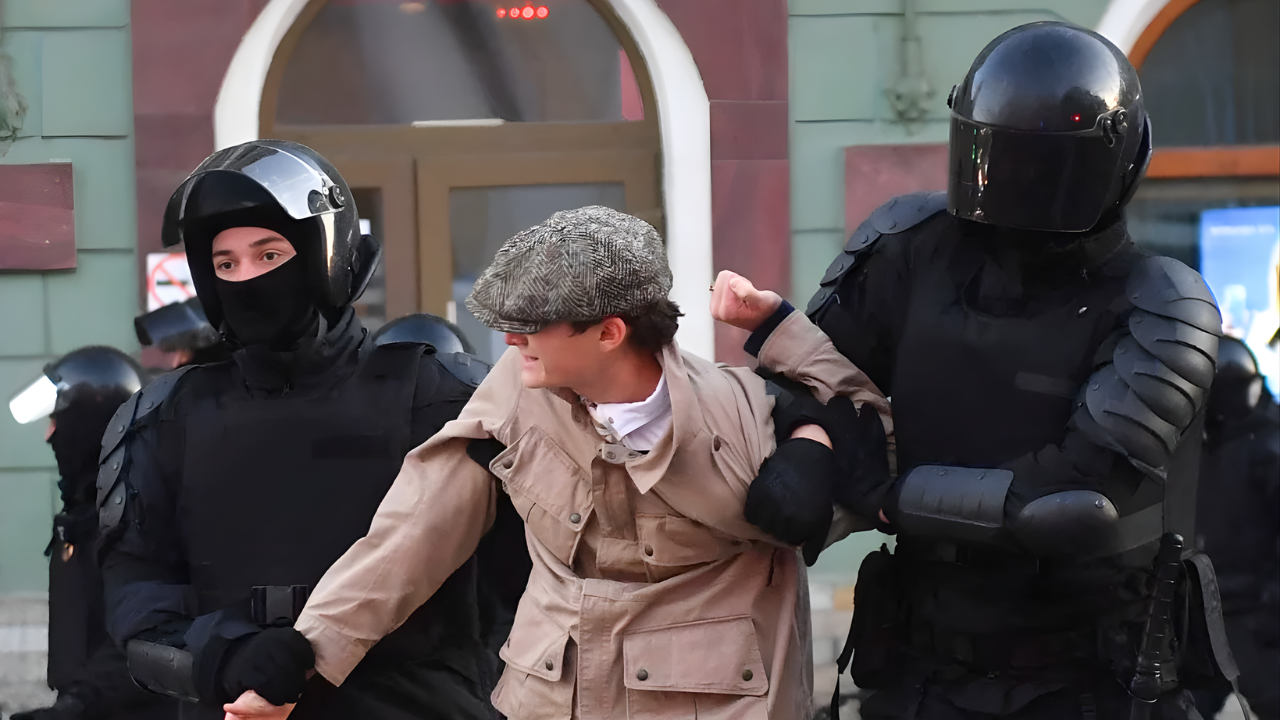
In September 2022, during Russia’s partial mobilization, lawmakers introduced a criminal offense for “voluntary surrender.” The amendment allows sentences of up to 15 years in prison and was designed to deter desertion during the war in Ukraine.
The language and intent echo Soviet-era doctrine that framed captured soldiers as traitors. Ivanishin’s case became one of the first high-profile convictions applying this law to a returning POW.
Returning POWs Lose Pay and Benefits Immediately
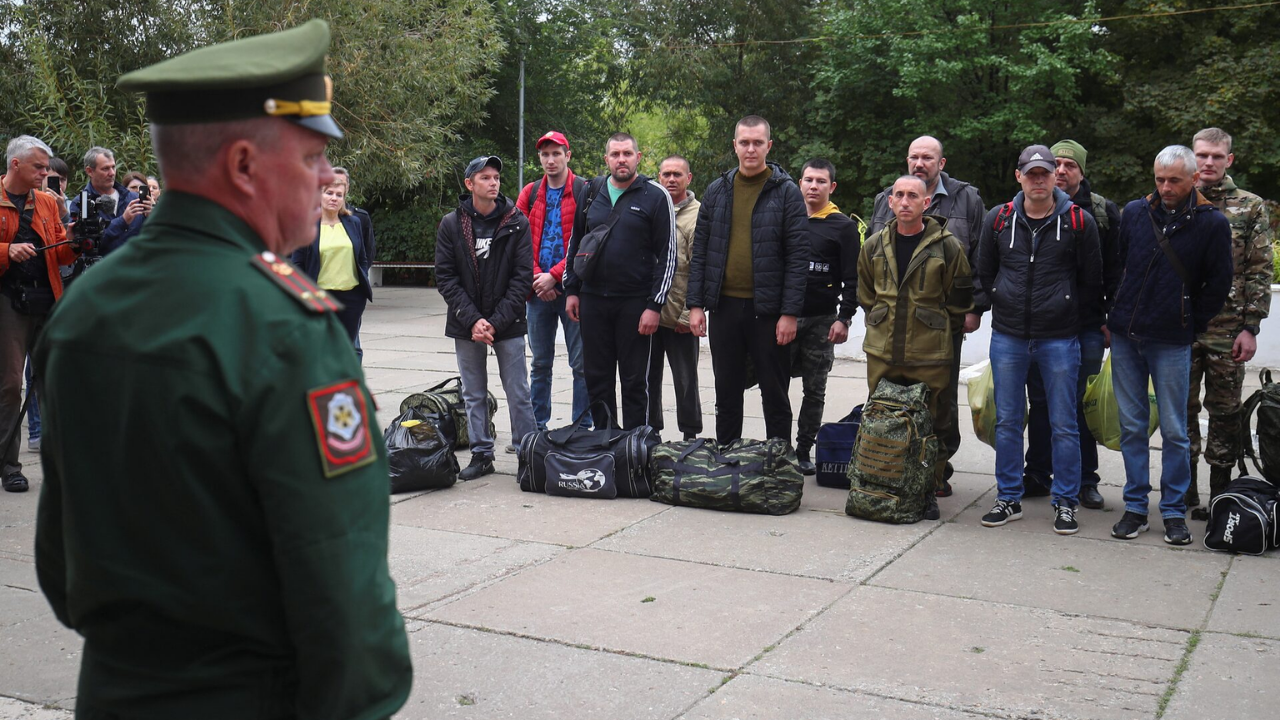
Once a Russian soldier is captured, salaries and combat bonuses are typically suspended. When POWs return, those payments are not restored and may be permanently withheld during investigations. Families are left without income for months, sometimes longer, while cases are reviewed.
This financial cutoff has affected households across Russia, including areas around Moscow where military hospitals and processing centers handle returning soldiers from the Ukrainian front.
FSB Interrogations and Prolonged Isolation
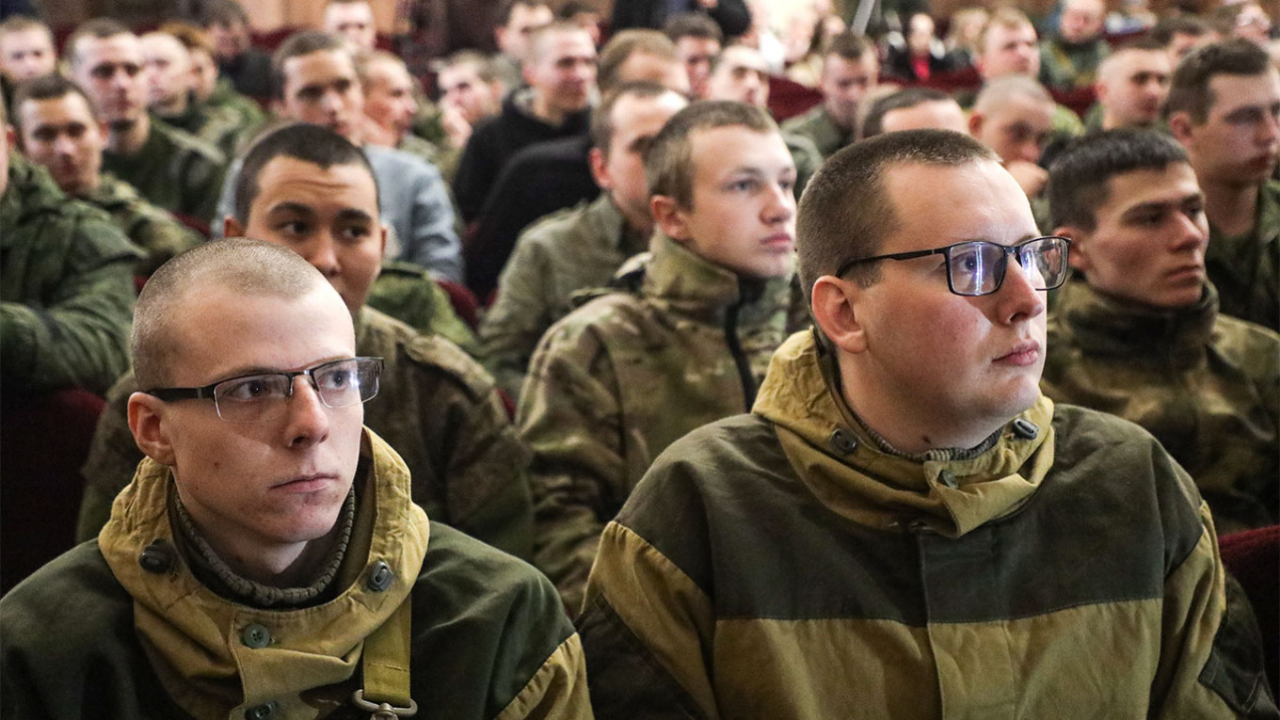
Returning POWs are usually held in isolation for weeks while undergoing questioning by the Federal Security Service, the Investigative Committee, and military prosecutors. Contact with relatives is restricted until interrogations are complete.
Former POW Pavel Guguyev, captured in eastern Ukraine, described months of scrutiny that treated him as a suspect rather than a survivor. In some cases, statements made in captivity are later used as evidence in criminal prosecutions.
Legal Aid Groups Struggle to Keep Pace

Russian legal aid organizations have reported a steady rise in cases linked to the surrender law since late 2022. Groups assisting families say the system is increasingly formalized, with investigations spread across multiple regions.
Lawyers help challenge accusations of voluntary surrender, desertion, or cooperation with the enemy. Demand for assistance has grown as more POWs return through exchanges, only to face criminal proceedings instead of rehabilitation.
Belarus Exchanges Carry Hidden Risks
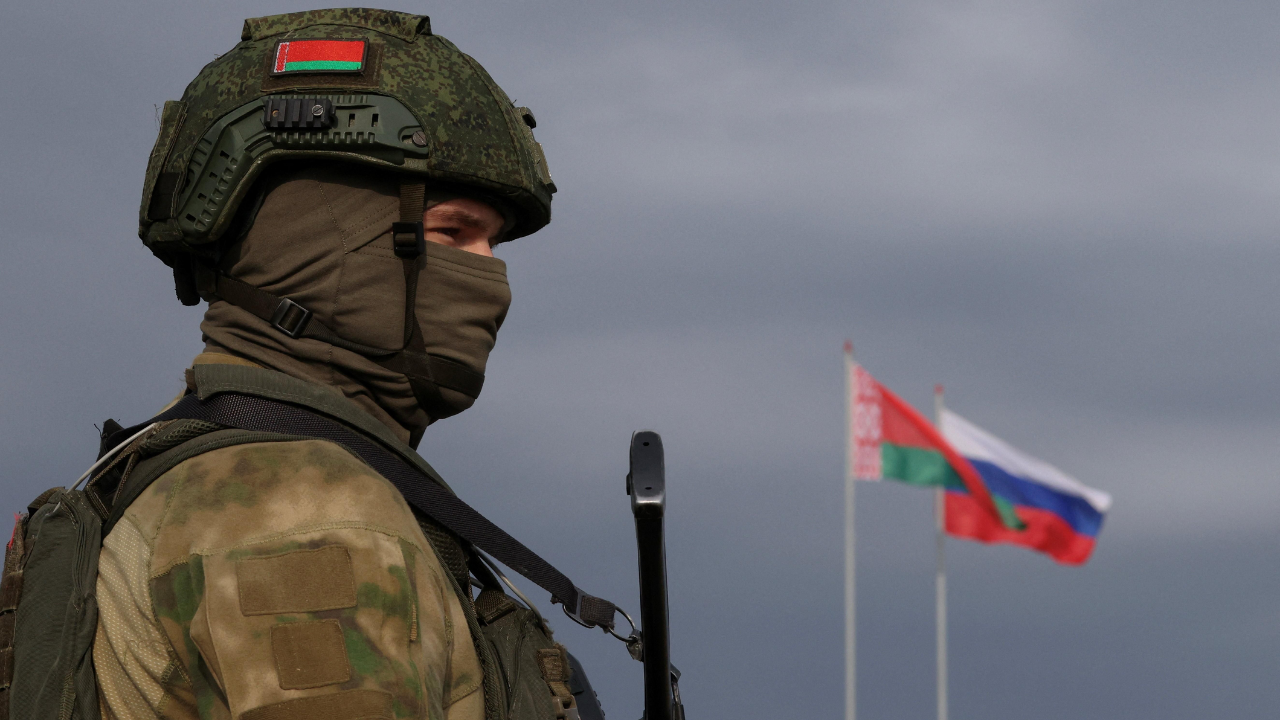
Belarus has served as a key transit point for prisoner exchanges between Russia and Ukraine. While these swaps facilitate returns, they also expose Russian POWs to immediate detention and investigation upon arrival. Soldiers captured in battles near Chasiv Yar and Donetsk have described being transferred directly from exchange points into custody.
The process underscores how diplomacy intended to resolve humanitarian issues can trigger severe consequences for those repatriated.
Families Ask Ukraine Not to Send Them Home
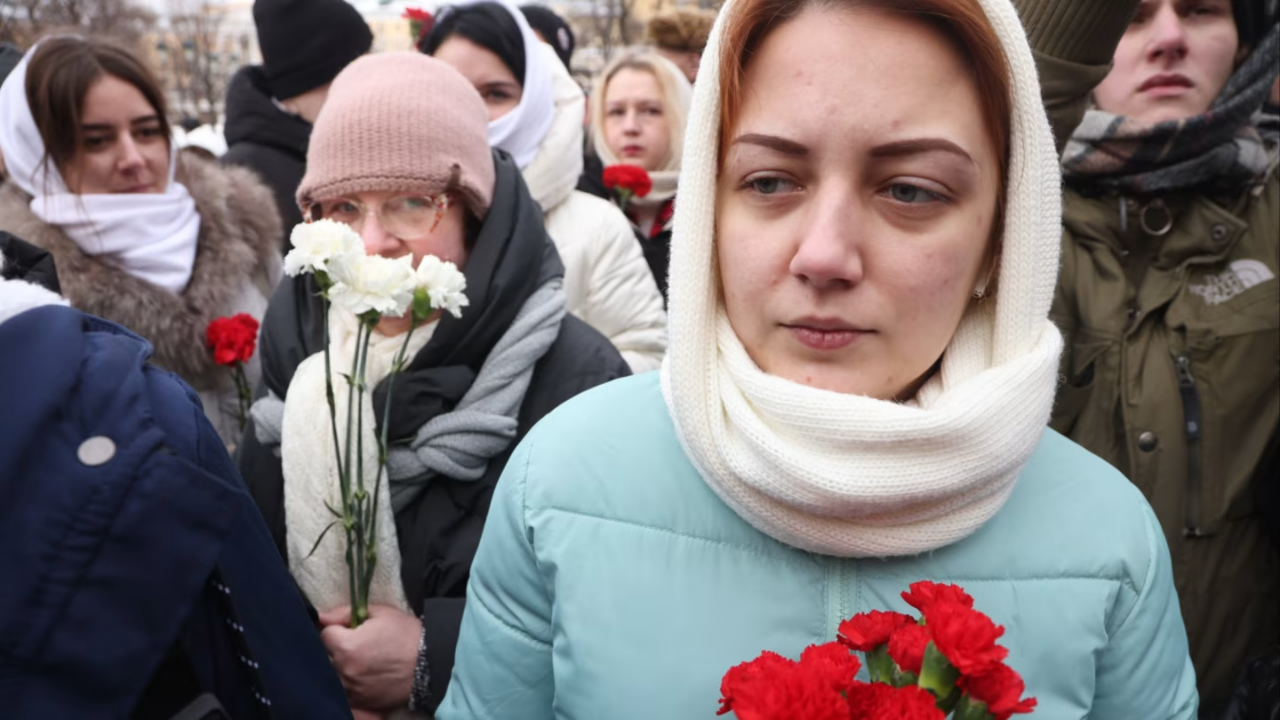
A growing number of Russian families have privately appealed to Ukrainian authorities to delay or prevent prisoner exchanges involving their relatives. They fear that return means interrogation, prosecution, or redeployment.
Former POWs have described being treated as expendable labor rather than veterans. This phenomenon has reshaped family dynamics in frontline regions, where captivity abroad is sometimes viewed as safer than freedom at home.
Geneva Protections Rejected for Russian Soldiers
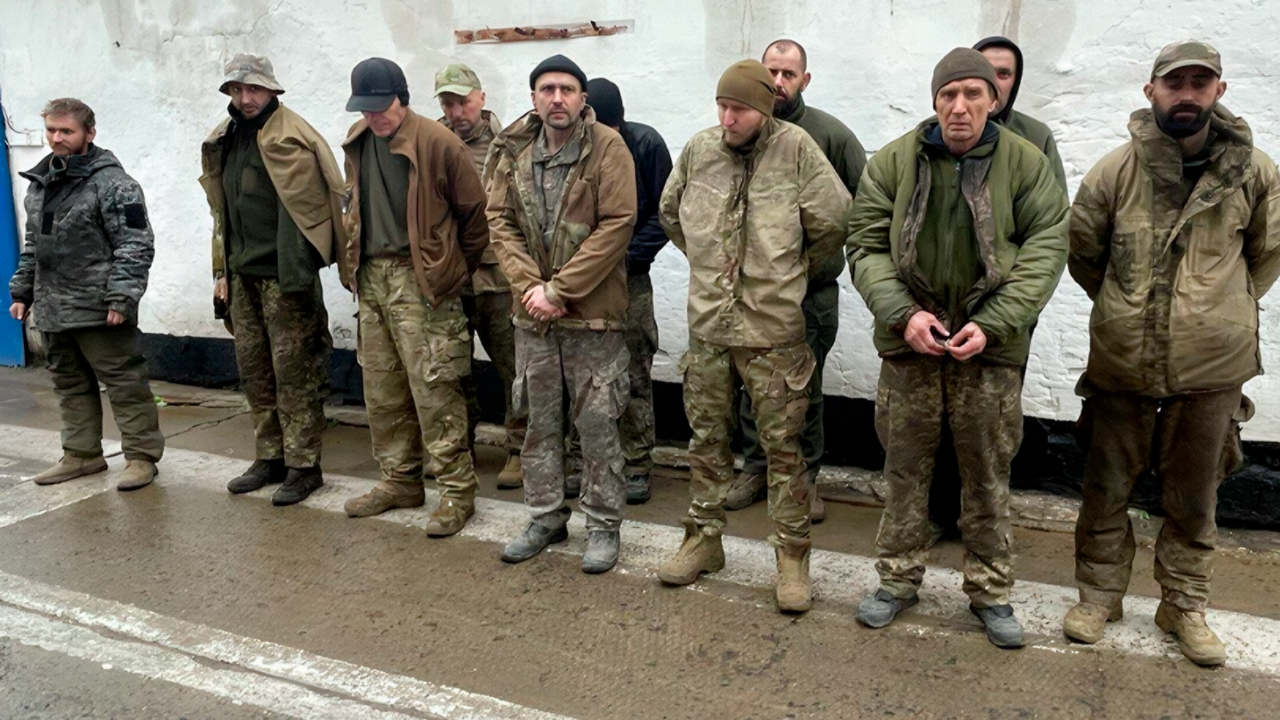
Russian courts have upheld prosecutions of returning POWs by asserting that domestic criminal law overrides international humanitarian protections. Official arguments claim that surrender during an ongoing conflict constitutes a criminal act, regardless of Geneva Convention standards.
This position effectively removes legal safeguards for Russian soldiers captured in Ukraine and reinforces the state’s authority to punish them after repatriation.
Mobilization Intensifies the Impact
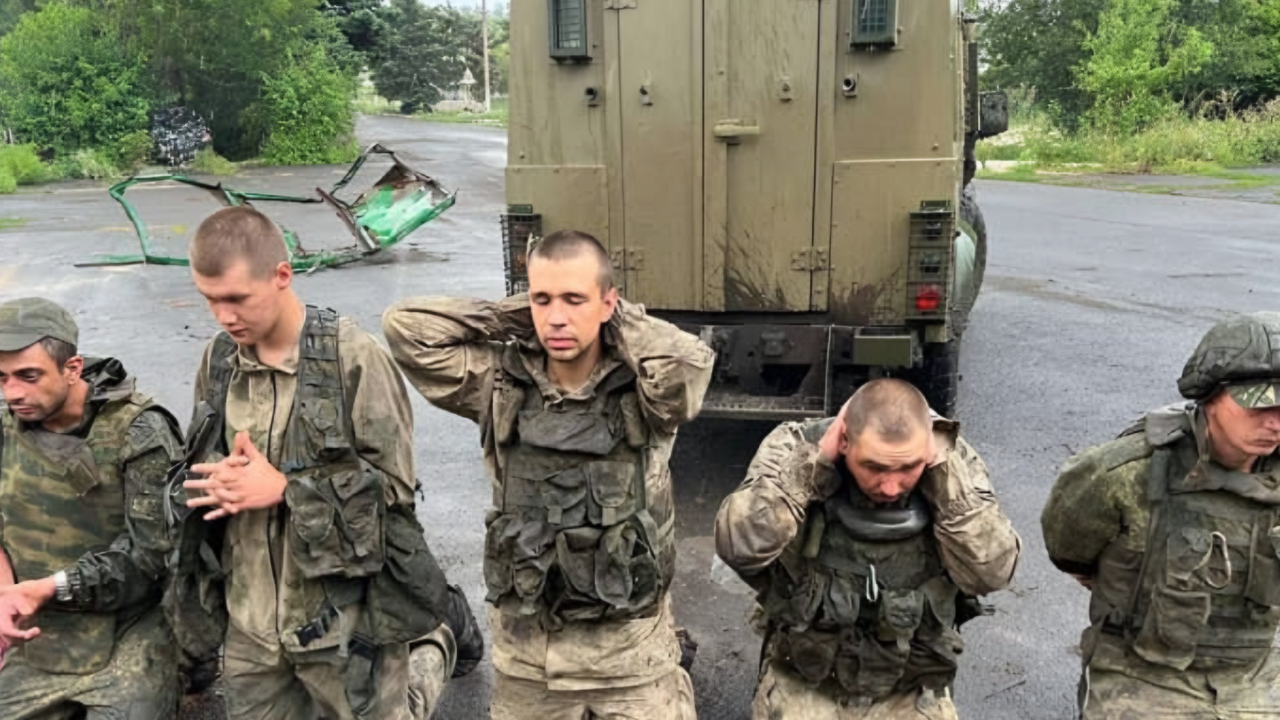
The surrender law affects a force expanded by hundreds of thousands during the 2022 mobilization. As more inexperienced recruits face combat, the risk of capture rises. Punishing returnees adds pressure to military households already strained by inflation and wartime disruptions.
The policy also increases defense costs while simultaneously cutting compensation to affected families, creating economic stress in regions heavily dependent on military income.
Trauma Follows POWs Home
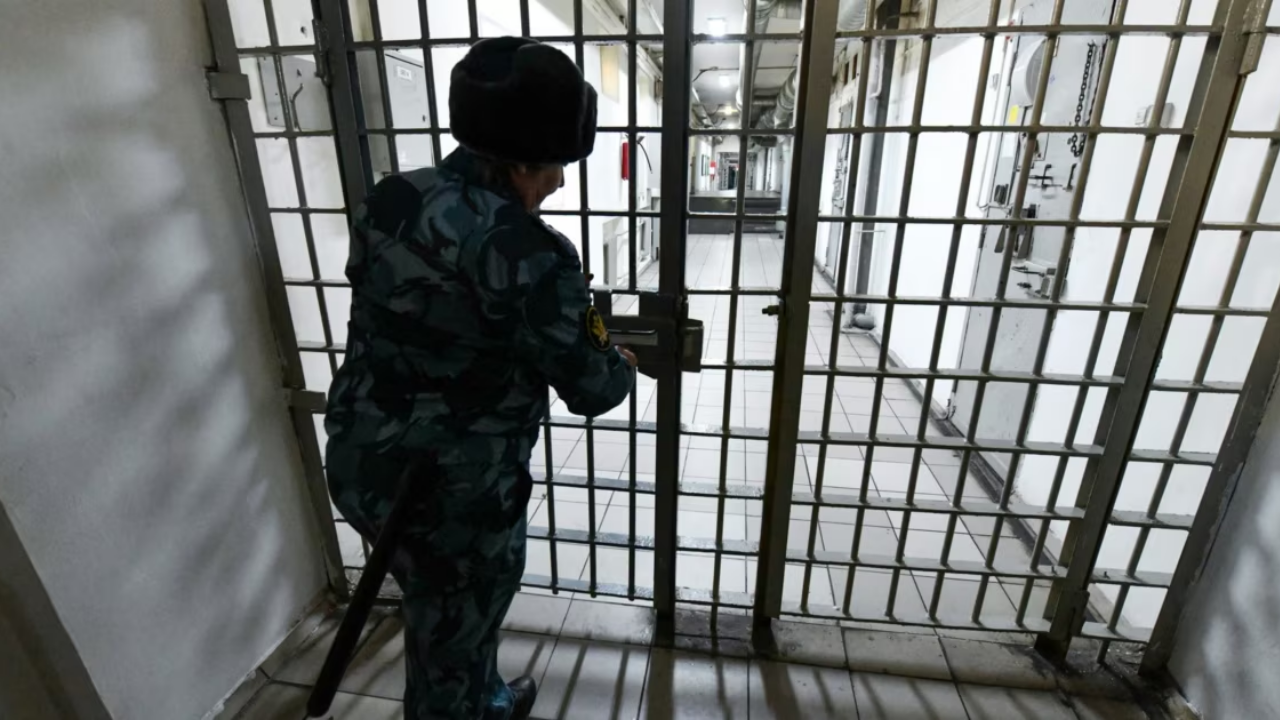
Former prisoners describe long-term physical and psychological effects after returning. Interrogations, uncertainty, and stigma complicate reintegration into civilian life. Some lose jobs or require ongoing medical care.
Families adapt by limiting social contact to avoid scrutiny. These challenges have become common since 2022, as the state response emphasizes punishment and deterrence rather than recovery and support.
“Traitor” Stigma Returns to Public Discourse
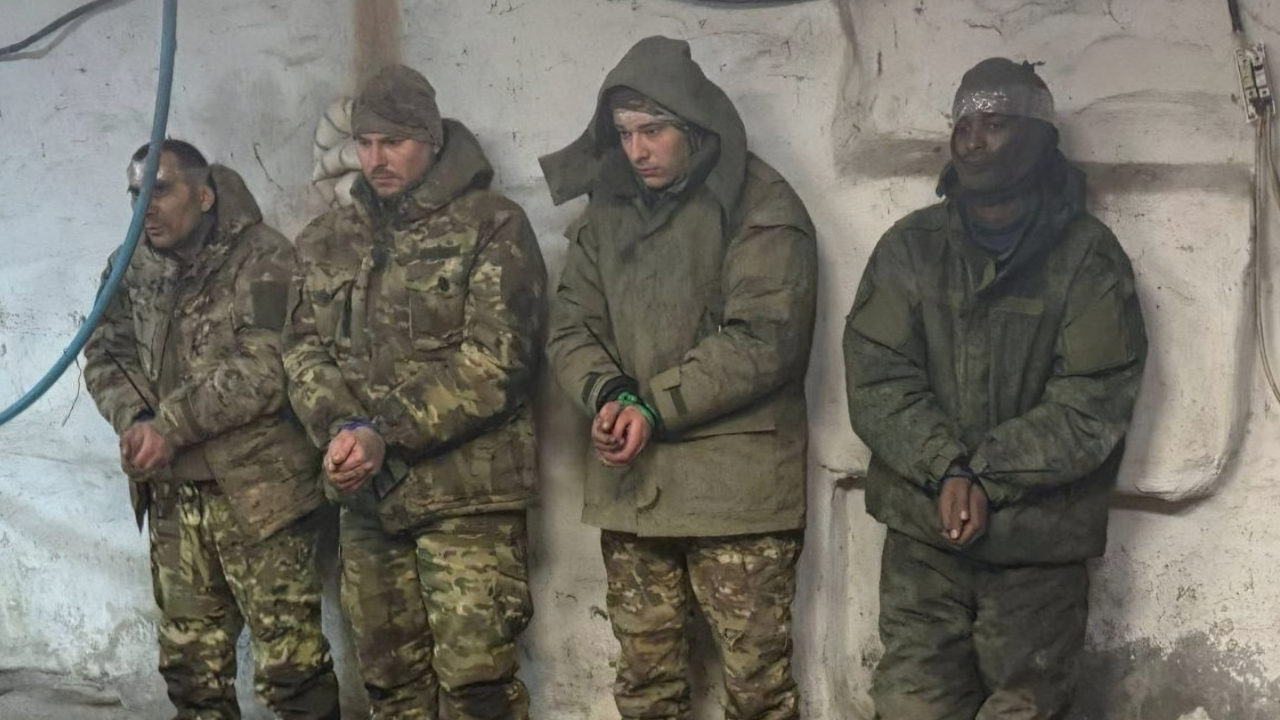
State-aligned media increasingly frame surrender as betrayal, reviving rhetoric associated with Stalin-era policies.
POWs are portrayed as lacking loyalty, reinforcing public suspicion. This narrative discourages surrender but also reduces enlistment enthusiasm and deepens war fatigue. The cultural shift highlights how historical attitudes toward captivity have been repurposed to support modern wartime discipline.
International Scrutiny Grows
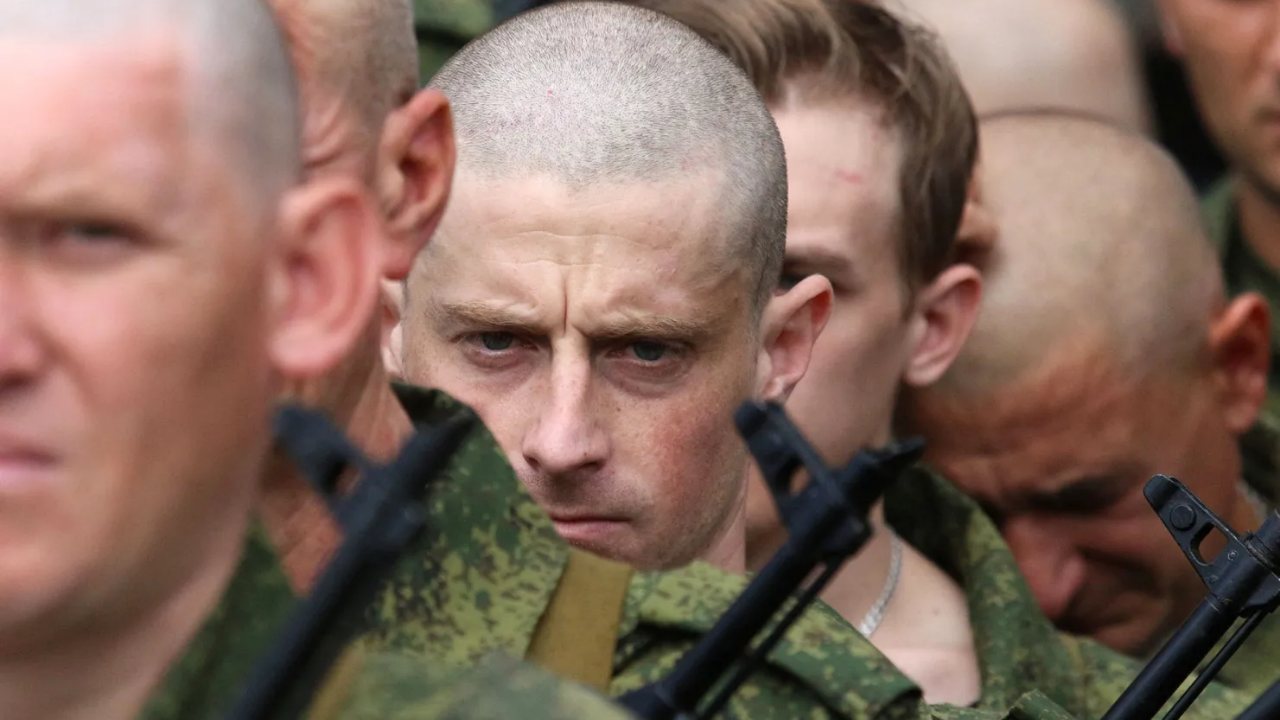
Foreign observers and human rights advocates cite Russia’s treatment of returning POWs as unusually severe by modern standards.
The policy has drawn comparisons to Soviet practices and raised concerns about compliance with international law. Ukraine has reportedly become more cautious in exchanges, aware of the consequences awaiting returnees. The issue now factors into broader assessments of Russian military morale and conduct.
Mobilized Recruits Bear the Brunt
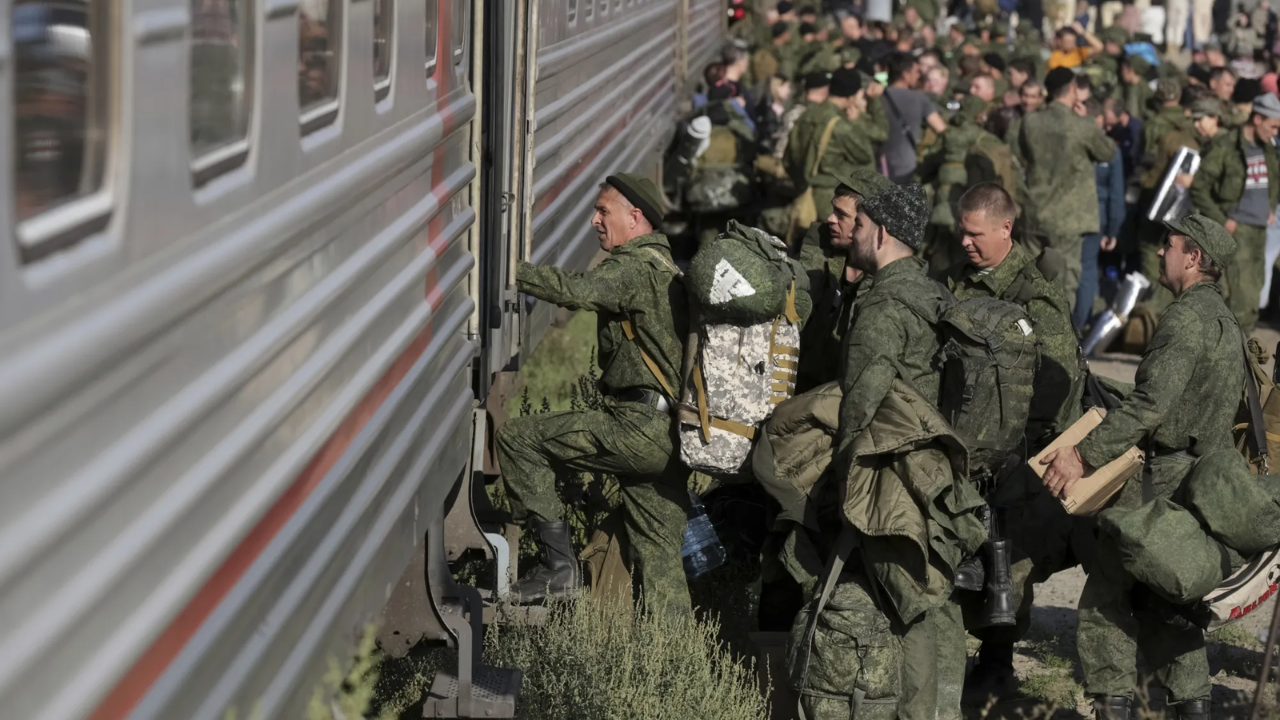
Newly mobilized soldiers are among the most vulnerable to prosecution. Lacking training and experience, they face higher capture risks and harsher outcomes upon return.
Meanwhile, private military contractors and specialized units gain relative advantages as regular troops become more risk-averse. Families in contested regions suffer disproportionately, as survival can lead to imprisonment rather than relief.
Coping Strategies Amid Legal Peril

Lawyers advise families to document circumstances of capture carefully and avoid public statements that could be construed as cooperation.
POWs are urged to limit media contact after release. Despite these precautions, prosecutions have continued through 2024, signaling that the state views enforcement as a long-term deterrent rather than a temporary wartime measure.
What Comes Next for Returning POWs
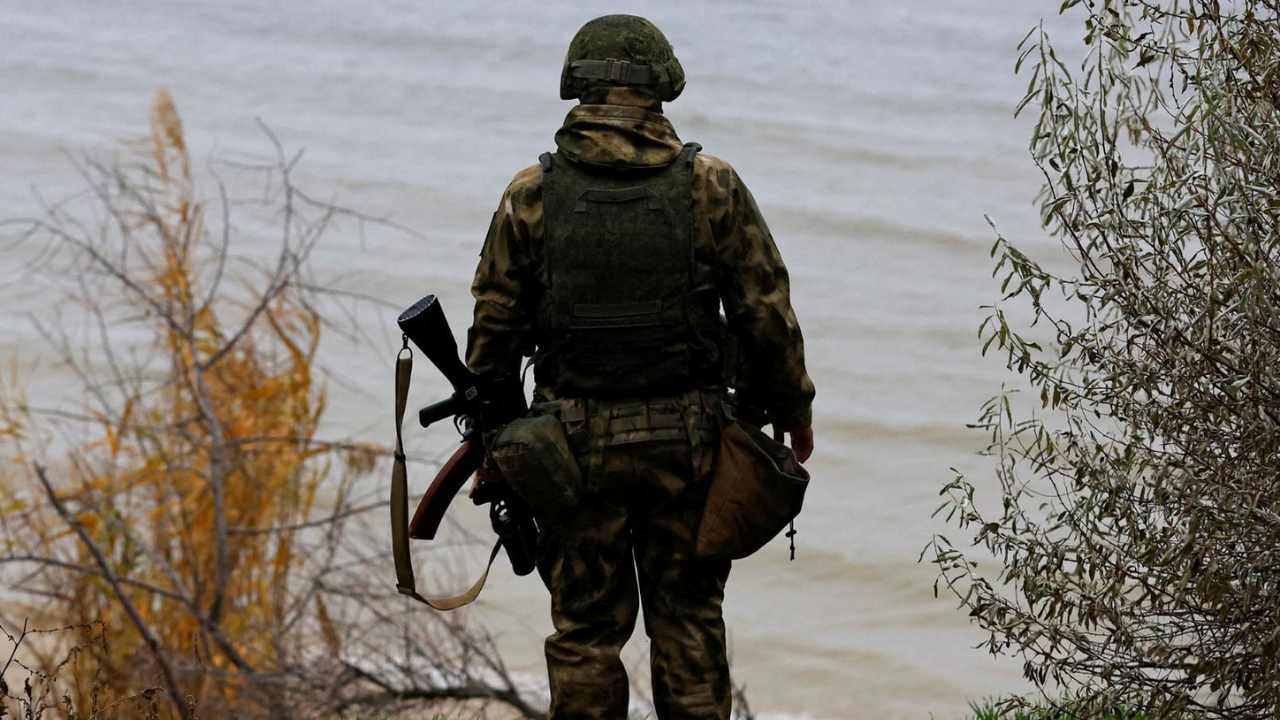
Russia’s hardline approach may reduce voluntary surrenders, prolonging battles and increasing casualties.
At the same time, fear of punishment risks fueling resentment among soldiers and families. As exchanges continue, international courts and watchdogs are expected to monitor developments closely. The policy underscores a stark message: in today’s Russia, survival in captivity can carry consequences as severe as defeat.
Sources:
- MSN (2024): Various articles on Russian POW crackdowns, including cases like Roman Ivanishin, Pavel Guguyev, and Igor Dolgopolov (exact titles not specified in original citations; likely aggregated from sources like BBC, Meduza, or independent reports republished on MSN).
- Amnesty International, September 2022: Report on Russia’s new Article 352.1 criminalizing voluntary surrender (title: “Russia: New Law Criminalises Surrender in Ukraine War” or similar briefing on mobilization amendments).
- OVD-Info, 2022-2024: Monitoring reports on Article 352.1 prosecutions and POW cases (titles include ongoing trackers like “Cases of Prosecution for Surrender” and annual summaries on political prisoners).